When Athens went to war with Sparta some 2,500 years ago, the Greek historian Thucydides identified one simple cause: a rising power threatened to displace a ruling one, leading inexorably to conflict. As Graham Allison explains, in the past 500 years, great powers have found themselves in 'Thucydides's Trap' 16 times. In 12 of the 16 - from war between the French and the Hapsburgs in the 16th century to the two world wars of the 20th - the results have been catastrophic. Today, the same structural forces propel China and the US toward a cataclysm of unseen proportions, even as both sides insist that such a war could never occur
Graham T. Allison Books
Graham Allison is a distinguished voice in international affairs and national security. His scholarship delves into the complex dynamics of great power competition, frequently referencing historical patterns to illuminate present-day geopolitical tensions. Allison's work provides readers with critical frameworks for understanding potential conflicts and the strategic decisions that influence global stability. He offers profound insights into the intricate relationships shaping the international landscape.


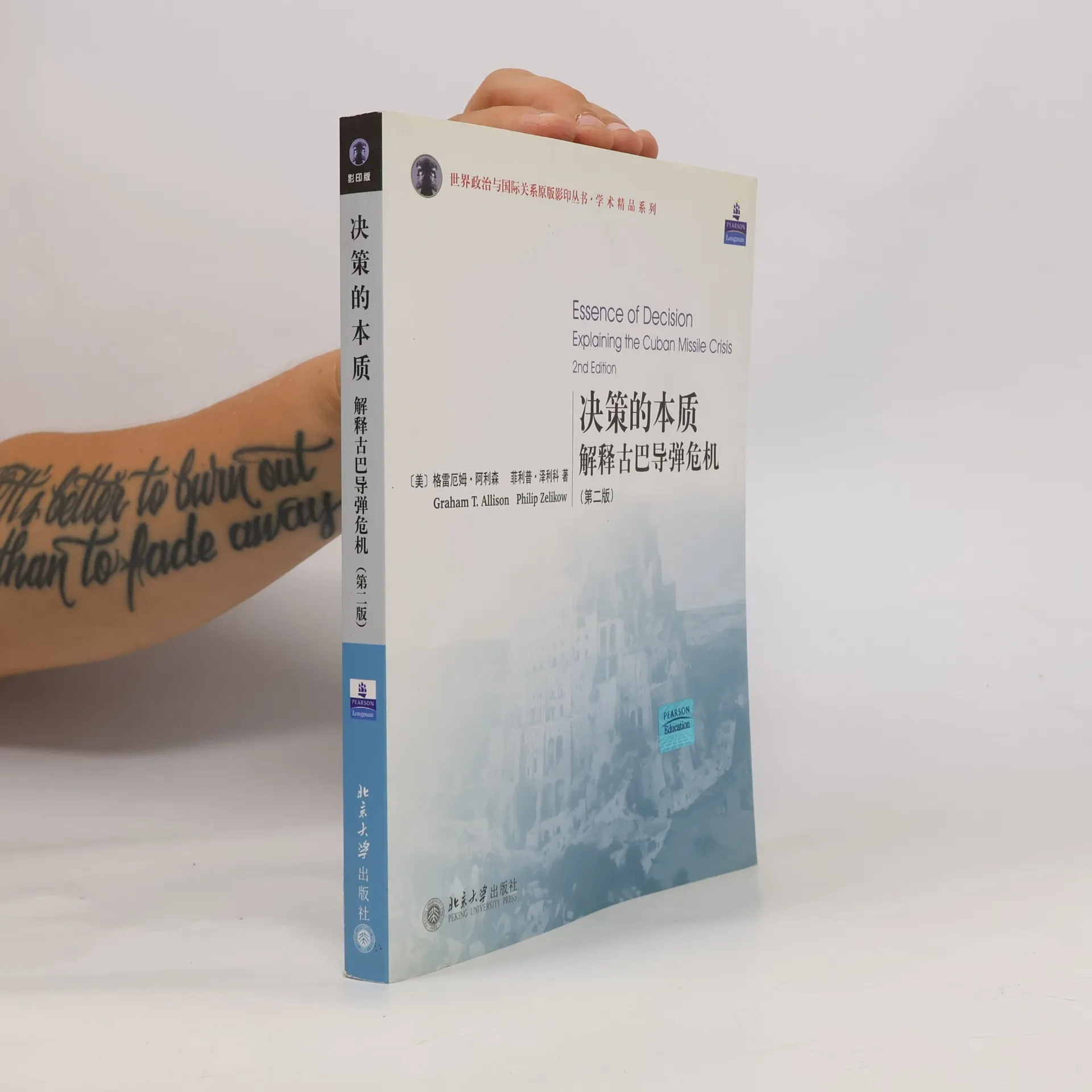
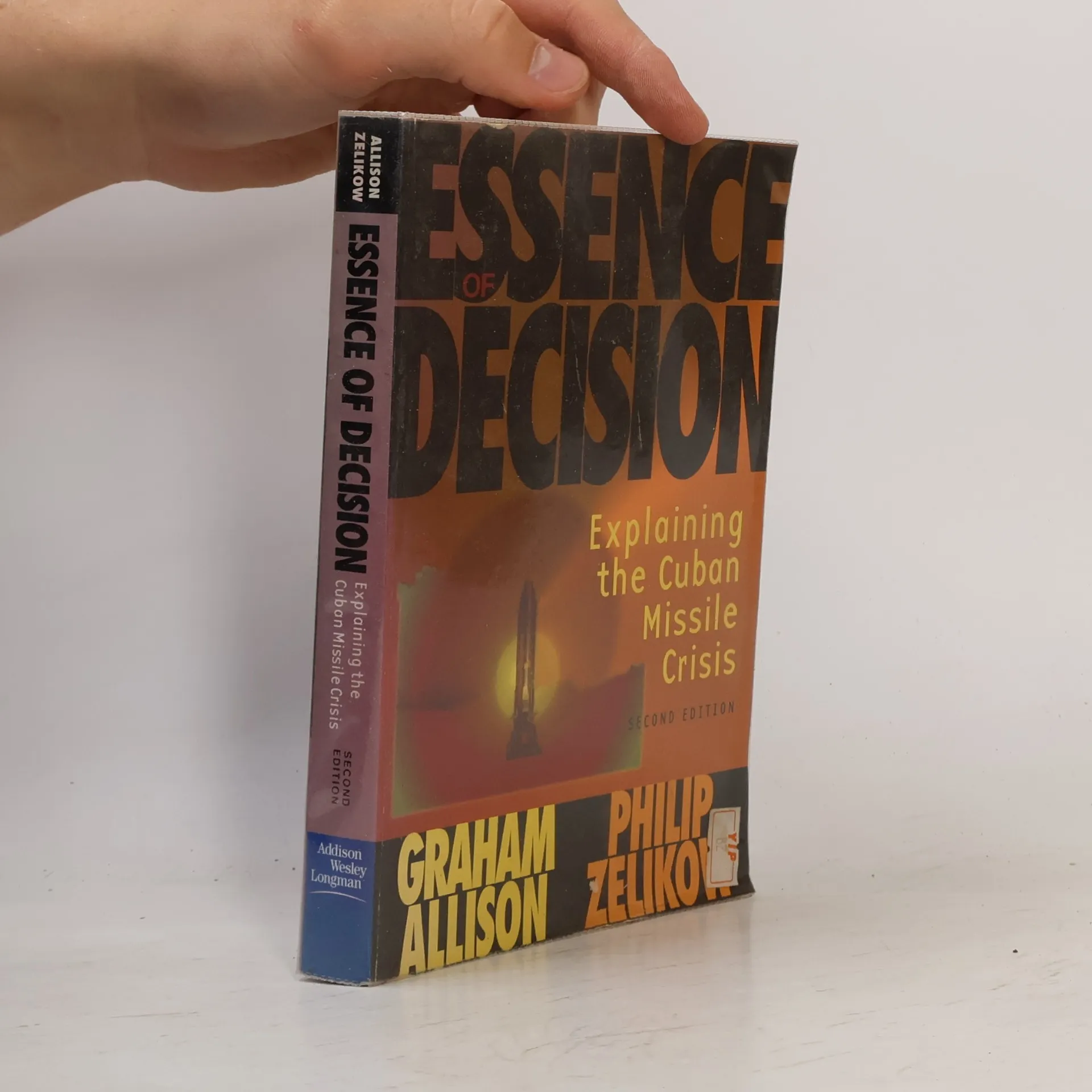
Essence of Decision
- 338 pages
- 12 hours of reading
A penetrating study of the 1962 Cuban missile crisis examines the workings of American decision-making and foreign policy.
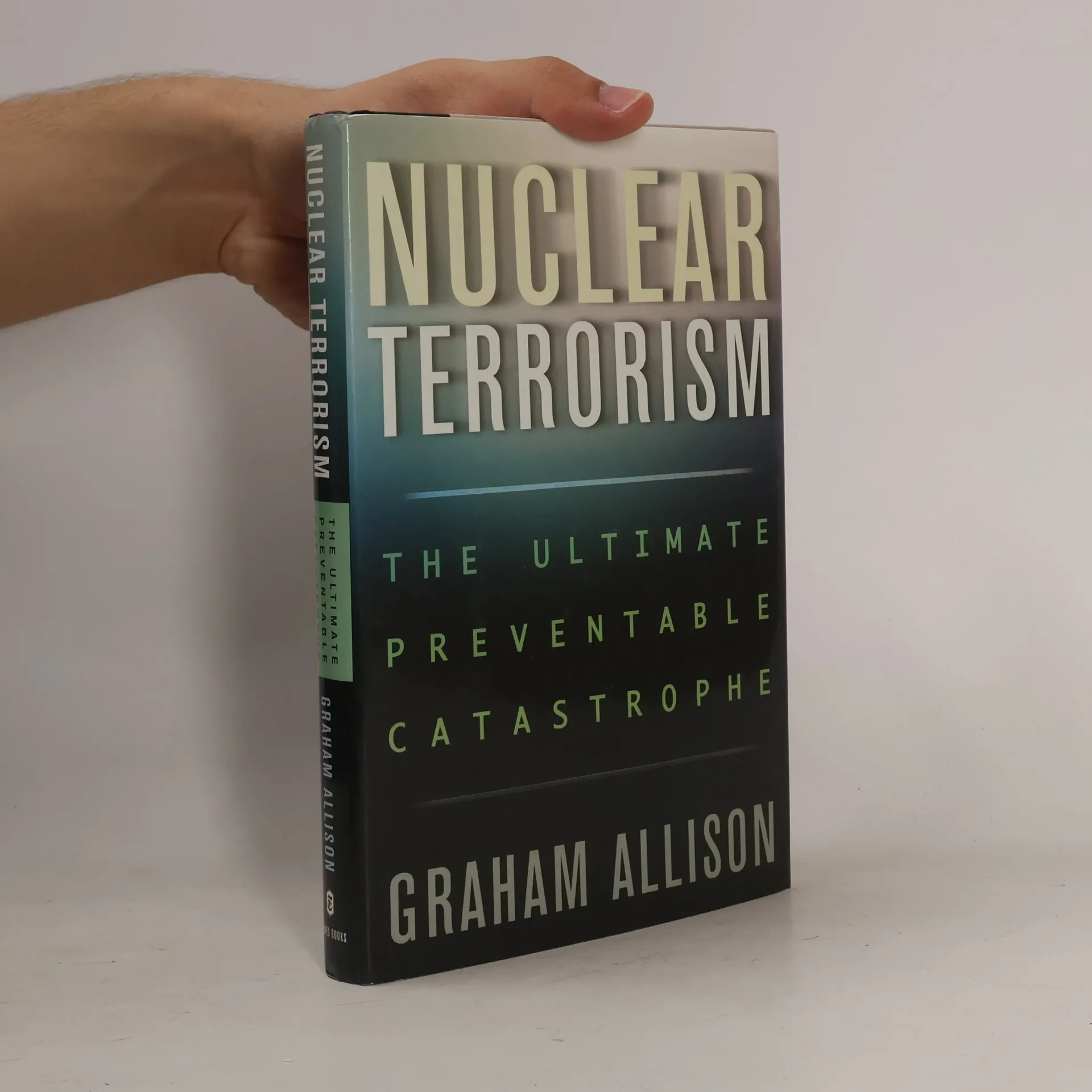
Nuclear Terrorism
The Ultimate Preventable Catastrophe
"But Allison does more than weave a tale of doom, because his second proposition is that nuclear terrorism is preventable. He outlines an ambitious but feasible strategy by which we can essentially eliminate the danger of nuclear terrorism."--BOOK JACKET.
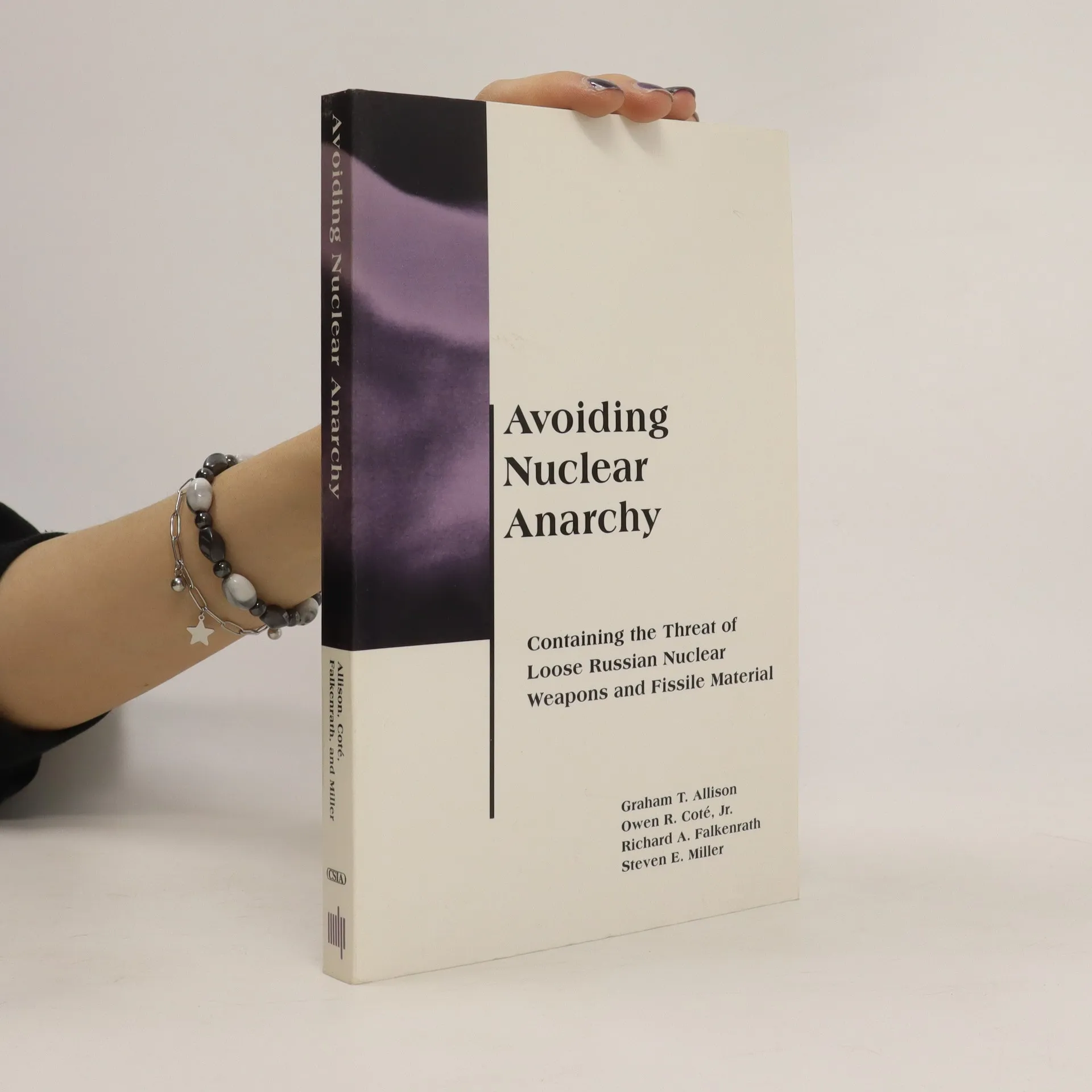
Avoiding Nuclear Anarchy
- 104 pages
- 4 hours of reading
Nuclear materials have never been more plentiful or more accessible to rogue states and terrorists. In this study, the authors analyze the consequences of such nuclear leakage for United States national security and argue that it is possibly the nation's h
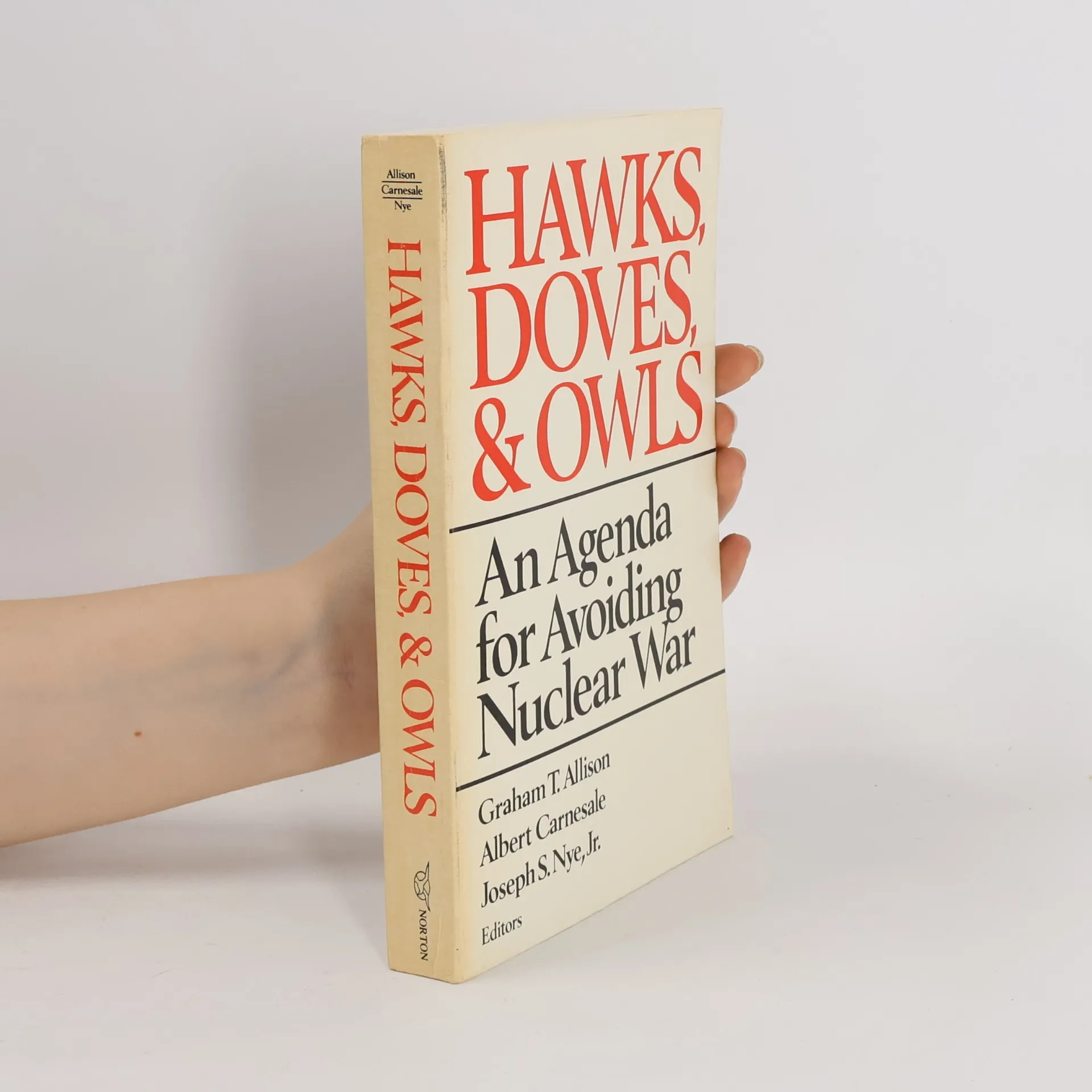
“A thorough and realistic treatment on the crucial issue of our time that should be given careful consideration by both policymakers and citizens.” ―Henry Kissinger The debate over national security and arms control has focused primarily on weapons―more or fewer weapons, different kinds of weapons. Hawks tend to see the immediate cause of war as one-sided weakness that tempts an aggressive adversary. For Doves, the primary cause of war lies in arms races that become provocative.
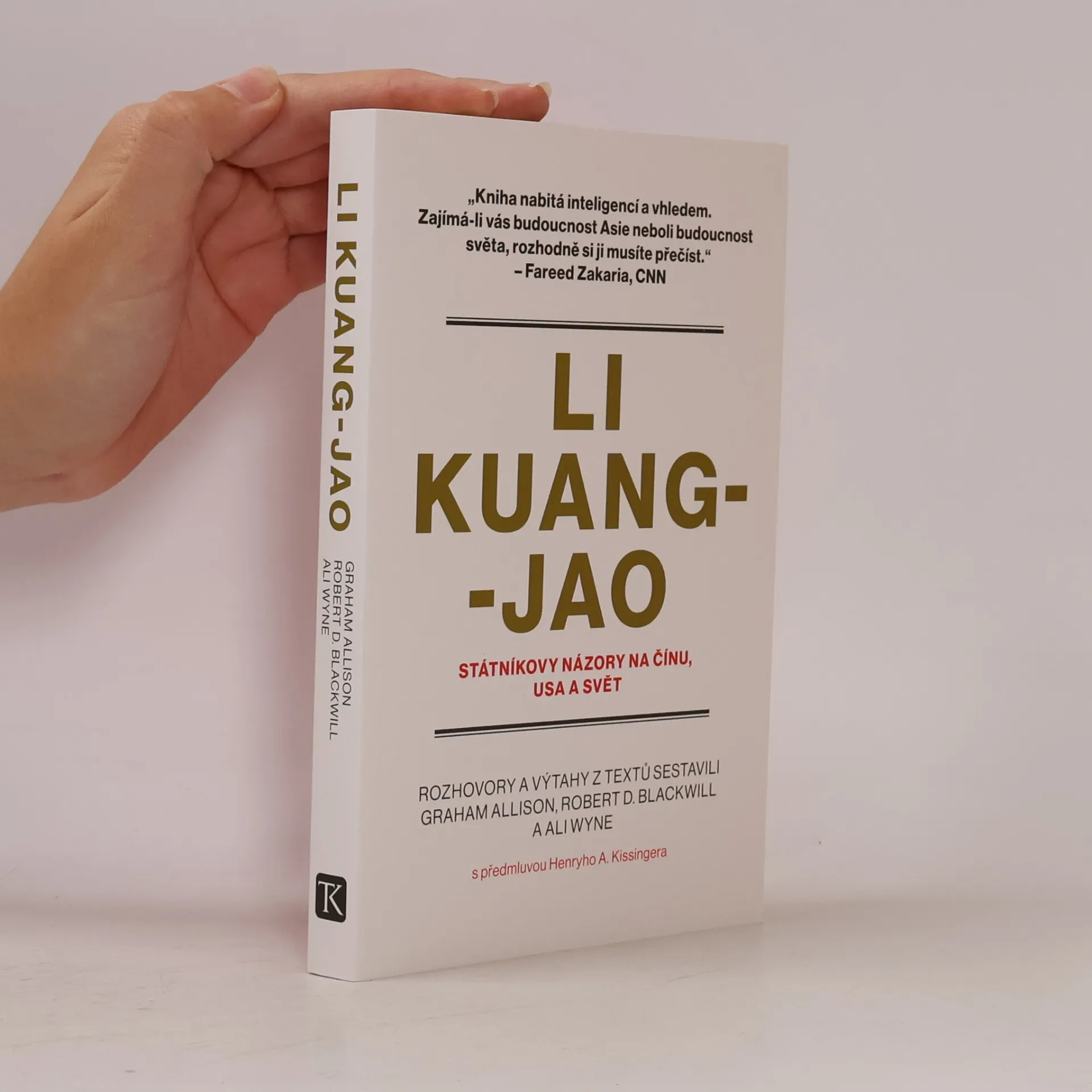
Li Kuang-jao: státníkovy názory na Čínu, USA a svět
- 216 pages
- 8 hours of reading
Jakmile Li Kuang-jao (1923–2015) promluvil, naslouchali mu prezidenti, předsedové vlád, diplomati a ředitelé firem. Moudrost Li Kuang-jaa, zakladatele moderního Singapuru a také jeho premiéra v letech 1959–1990, je podepřena více než padesát let trvajícím působením na globální scéně. Muž, jenž stojí prakticky sám za přerodem Singapuru v ekonomicky úspěšnou zemi západního střihu, nabídl jedinečnou perspektivu geopolitiky východu i západu. V této knize najdete jeho klíčové myšlenky vybrané z rozhovorů, proslovů a rozsáhlého publikovaného díla sestavené do přehledného formátu otázek a odpovědí. Li Kuang-jao zde mimo jiné poskytuje strategická doporučení, jak jednat s Čínou, a zamýšlí se nad budoucností Indie, islámského terorismu, ekonomického růstu, geopolitiky, globalizace a demokracie. Své názory na multikulturalismus, sociální stát, vzdělání a volný trh rozhodně nijak nepřikrášluje. Tato rozsahem nevelká kniha patří do seznamu četby každého světového vůdce.