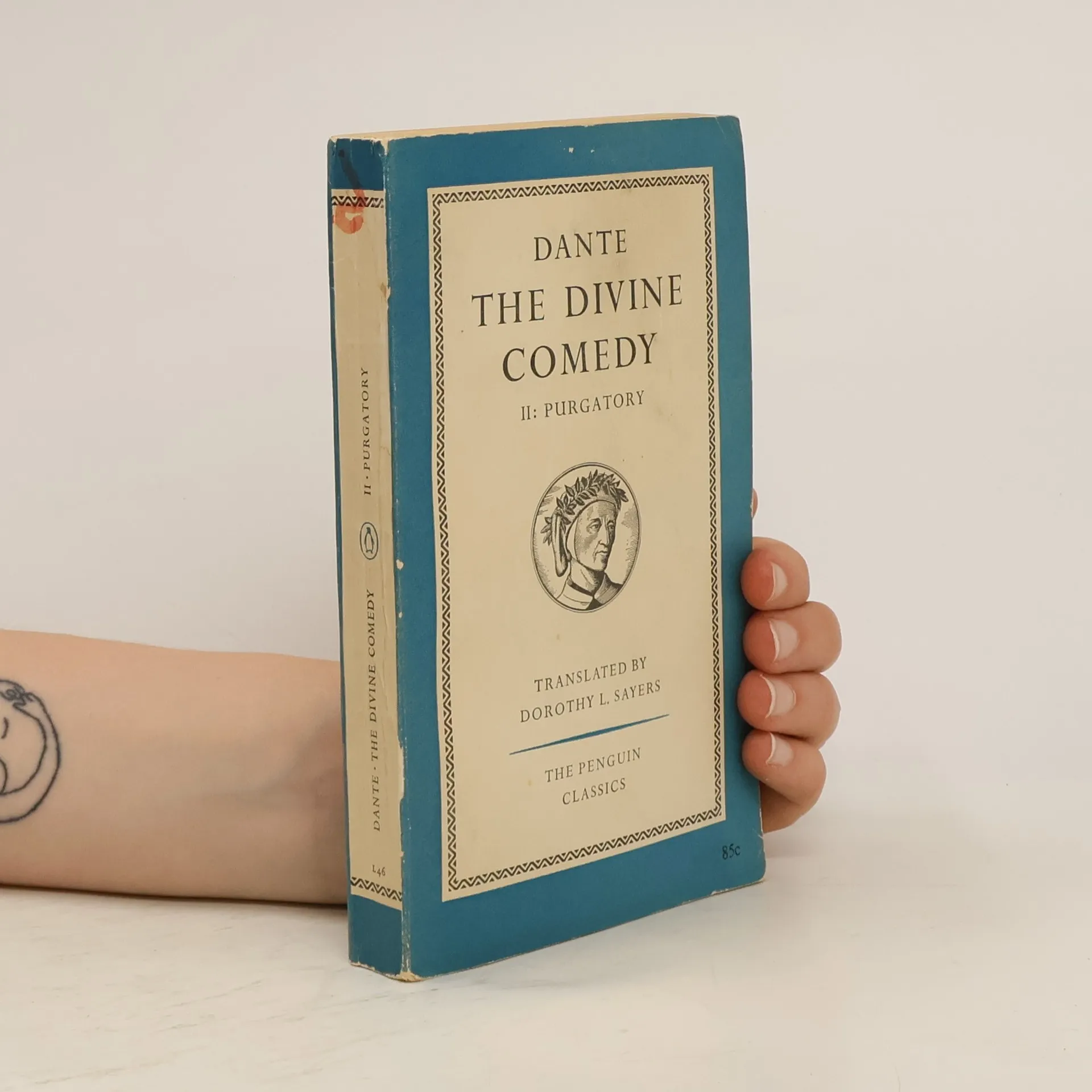
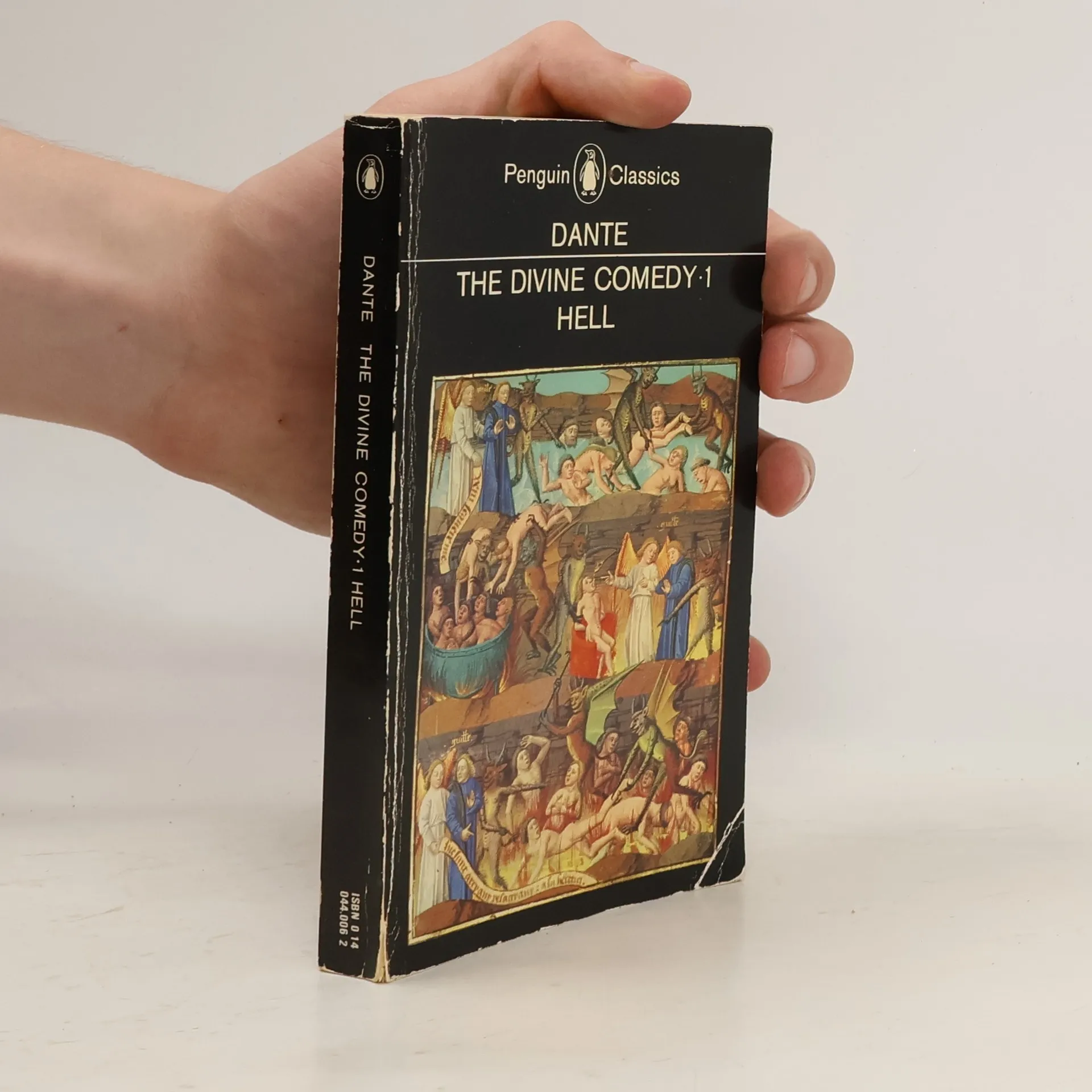
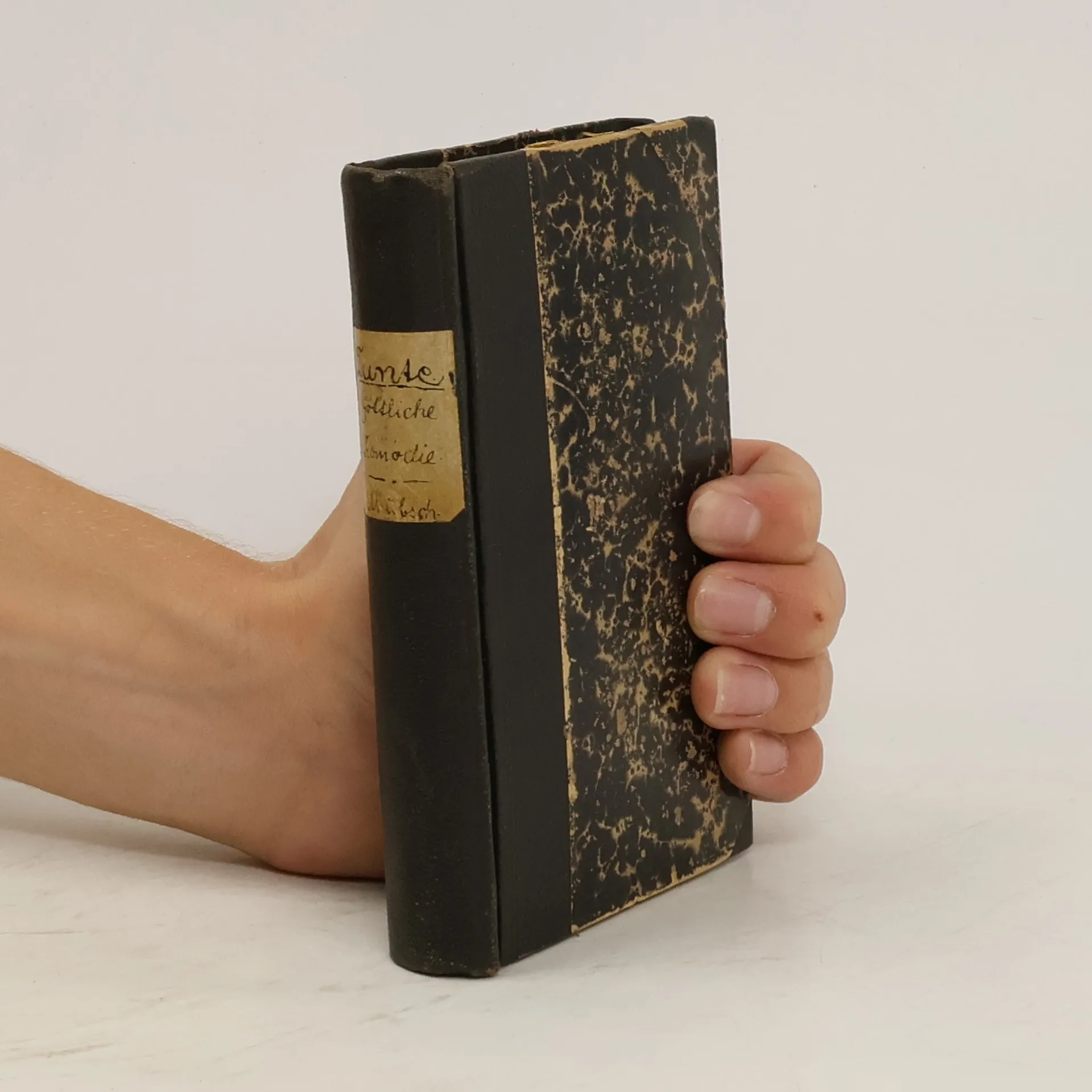
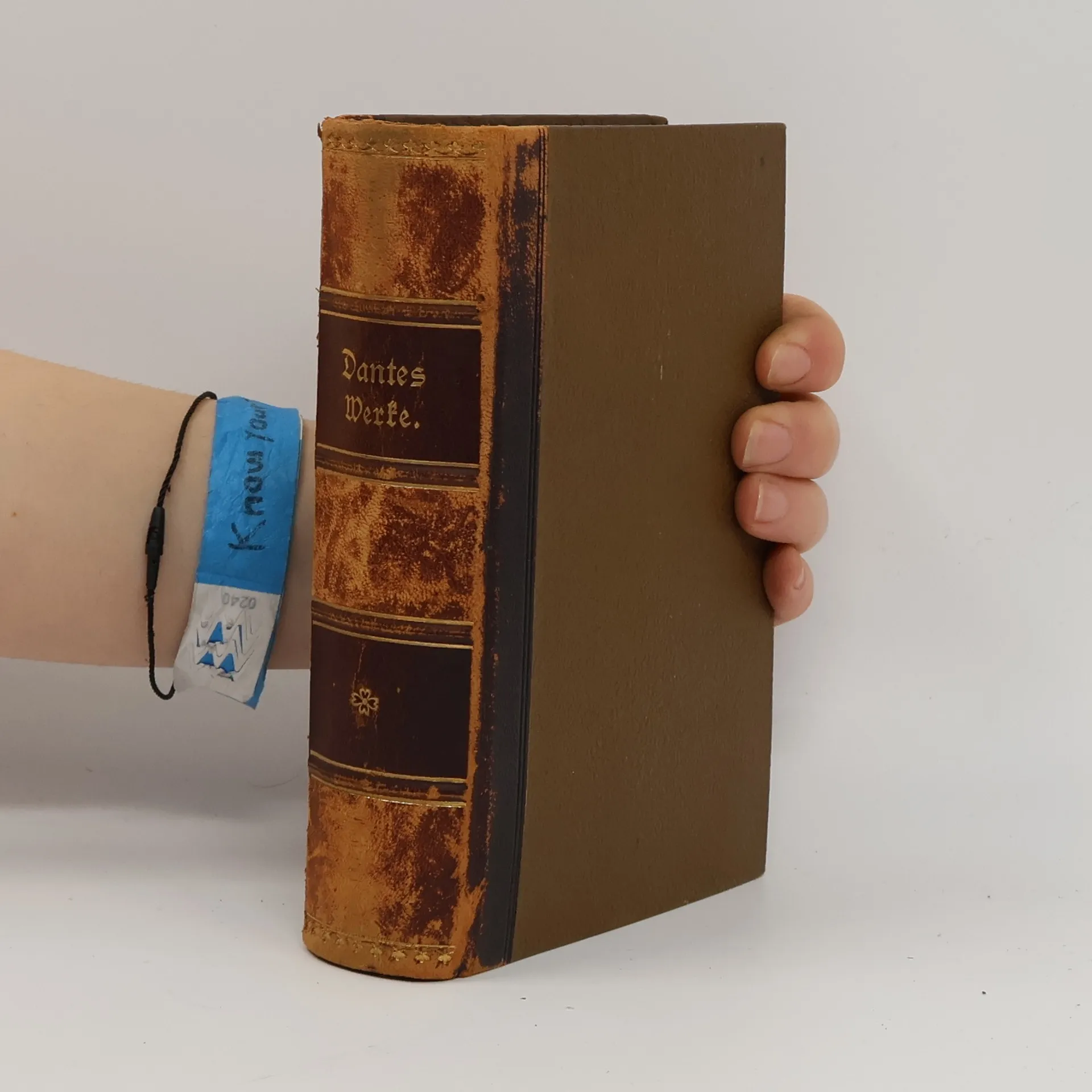
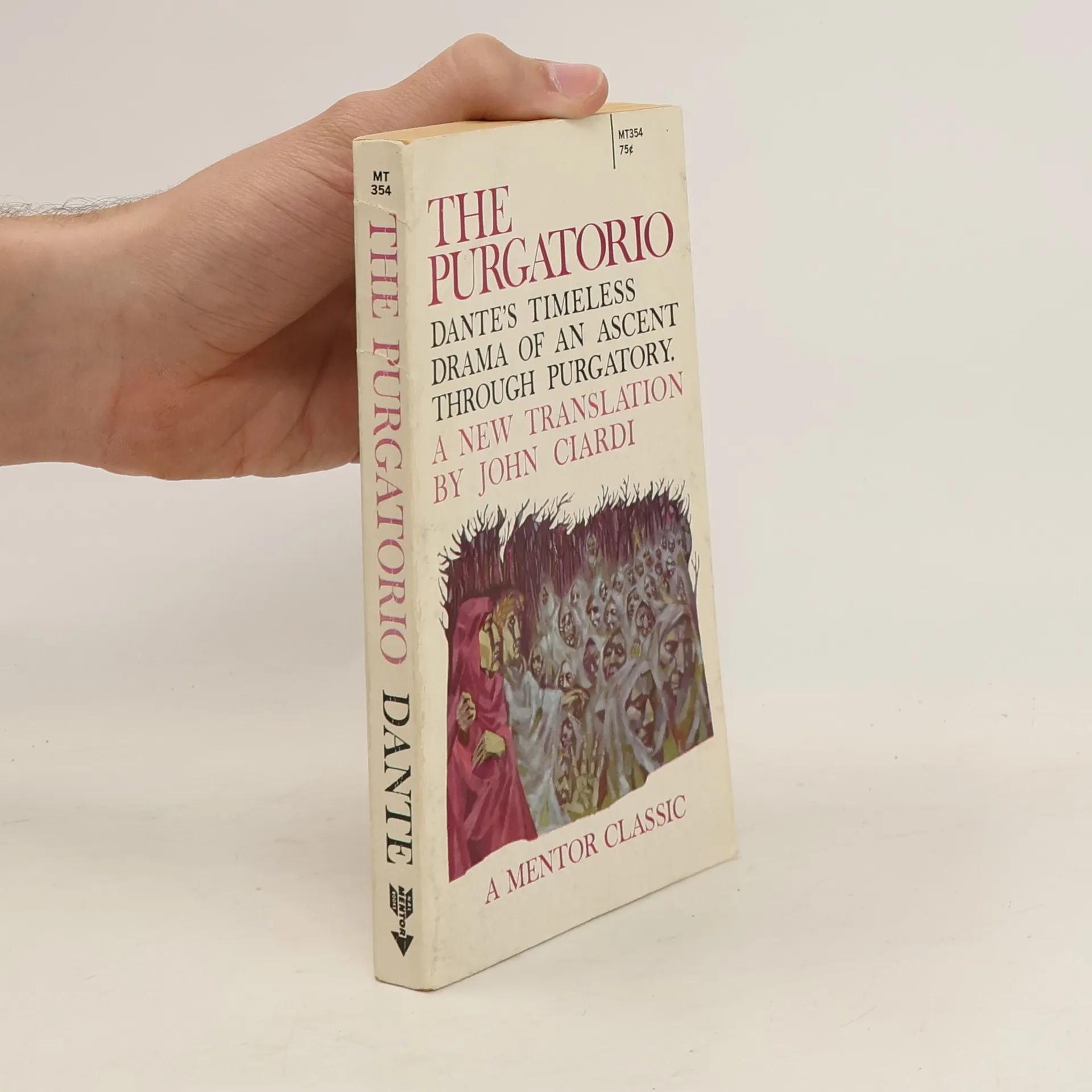
The second volume in Dante's Divine Comedy Beginning with Dante's liberation from Hell, Purgatory relates his ascent, accompanied by Virgil, of the Mount of Purgatory - a mountain of nine levels, formed from rock forced upwards when God threw Satan into depths of the earth. As he travels through the first seven levels, Dante observes the sinners who are waiting for their release into Paradise, and through these encounters he is himself transformed into a stronger and better man. For it is only when he has learned from each of these levels that he can ascend to the gateway to Heaven: the Garden of Eden. The second part of one of the greatest epic poems, Purgatory is an enthralling Christian allegory of sin, redemption and ultimate enlightenment. For more than seventy years, Penguin has been the leading publisher of classic literature in the English-speaking world. With more than 1,700 titles, Penguin Classics represents a global bookshelf of the best works throughout history and across genres and disciplines. Readers trust the series to provide authoritative texts enhanced by introductions and notes by distinguished scholars and contemporary authors, as well as up-to-date translations by award-winning translators.
Dante Alighieri Books
Dante Alighieri stands as one of the preeminent poets in the Italian language, his work profoundly shaped by both idealized love and turbulent politics. The figure of Beatrice, though their connection was largely imagined, became a potent symbol of heavenly virtue and a guide through the quest for salvation in his masterpiece. The political strife and exile from Florence imbued his writing with a passionate moral and political urgency. Dante's verses encapsulate a medieval worldview, exploring the depths of the human soul and seeking order within worldly chaos.



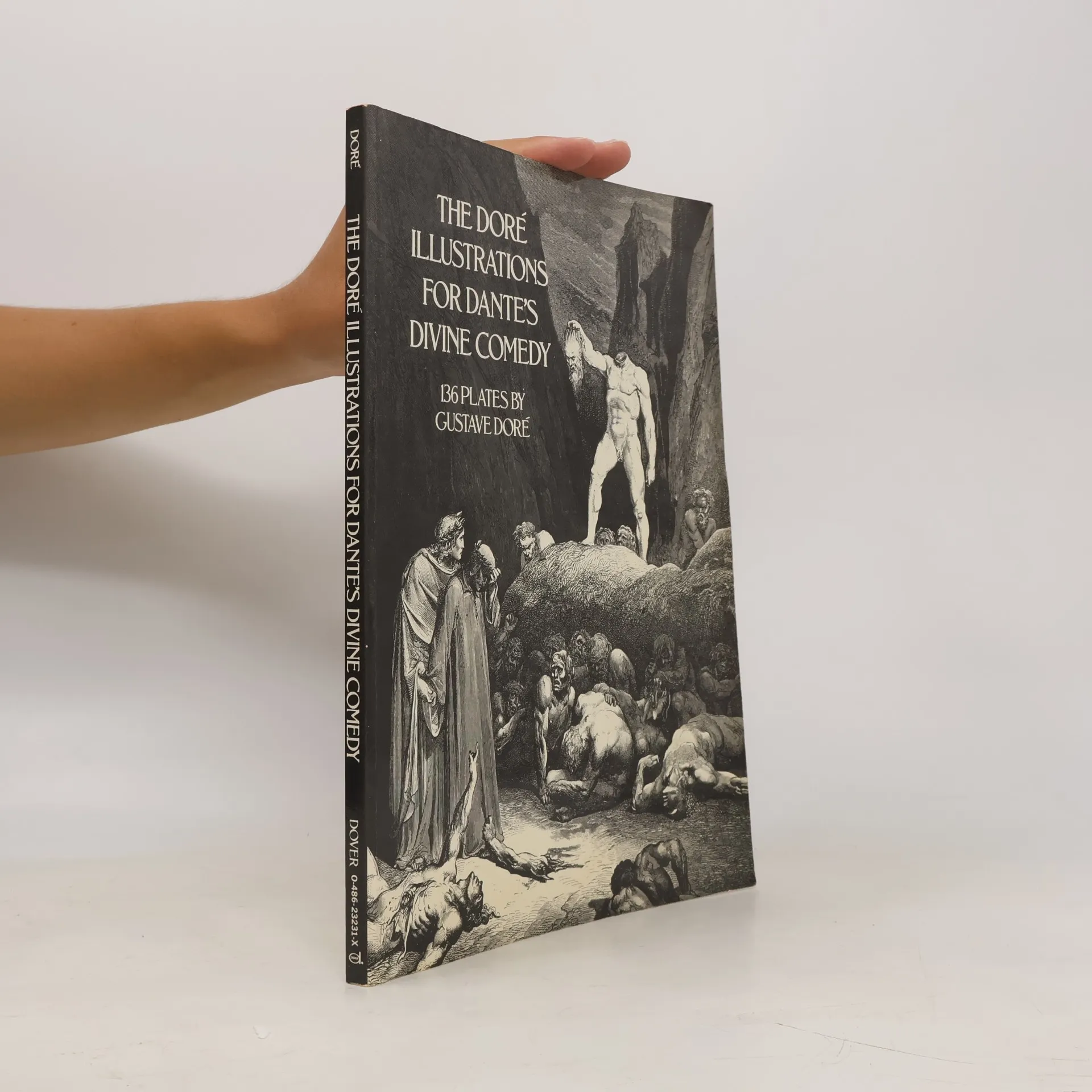
Reproductions of Dore's scenes from the Inferno, Purgatorio and Paradiso are accompanied by lines from Longfellow's translation
Vita Nuova
- 94 pages
- 4 hours of reading
Dante's first major work links 31 poems inspired by his love of Beatrice, with a prose narrative that celebrates the subject of love while commenting on the nature of the poet's art.
Dante translator-scholar Andrew Frisardi has produced the first fully annotated English translation of Dante's Convivio, and the first to include the parallel Italian text. The translation into modern English as well as the editorial commentary will make this volume essential for scholars and enthusiasts of Dante and early Italian literature.
The Divine Comedy. Die göttliche Komödie, englische Ausgabe
- 736 pages
- 26 hours of reading
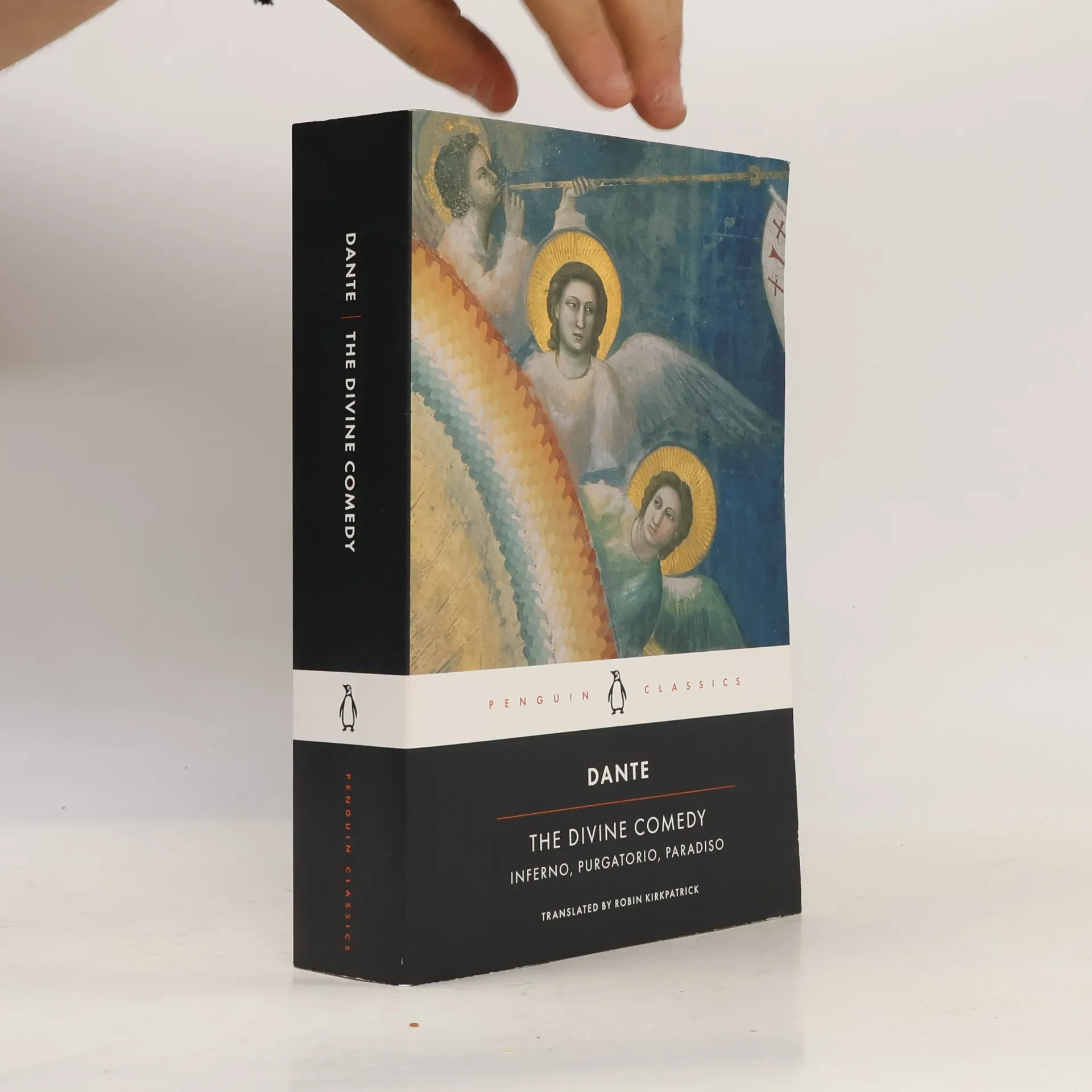
Robin Kirkpatrick's masterful verse translation of The Divine Comedy, published in a single volume, is the ideal edition for students as well as the general reader coming to this great masterpiece of Italian literature for the first time The Divine Comedy describes Dante's descent into Hell with Virgil as a guide; his ascent of Mount Purgatory and encounter with his dead love, Beatrice; and finally, his arrival in Heaven. Examining questions of faith, desire and enlightenment, the poem is a brilliantly nuanced and moving allegory of human redemption. This volume includes a new introduction, notes, maps and diagrams 'The perfect balance of tightness and colloquialism... likely to be the best modern version of Dante' - Bernard O'Donoghue 'The most moving lines literature has achieved' - Jorge Luis Borges 'This version is the first to bring together poetry and scholarship in the very body of the translation - a deeply-informed version of Dante that is also a pleasure to read' - Professor David Wallace, University of Pennsylvania Individual editions of Robin Kirkpatrick's translation - Inferno, Purgatorio and Paradiso - are also available in Penguin Classics, and include Dante's Italian printed alongside the English text.
The Inferno
- 352 pages
- 13 hours of reading
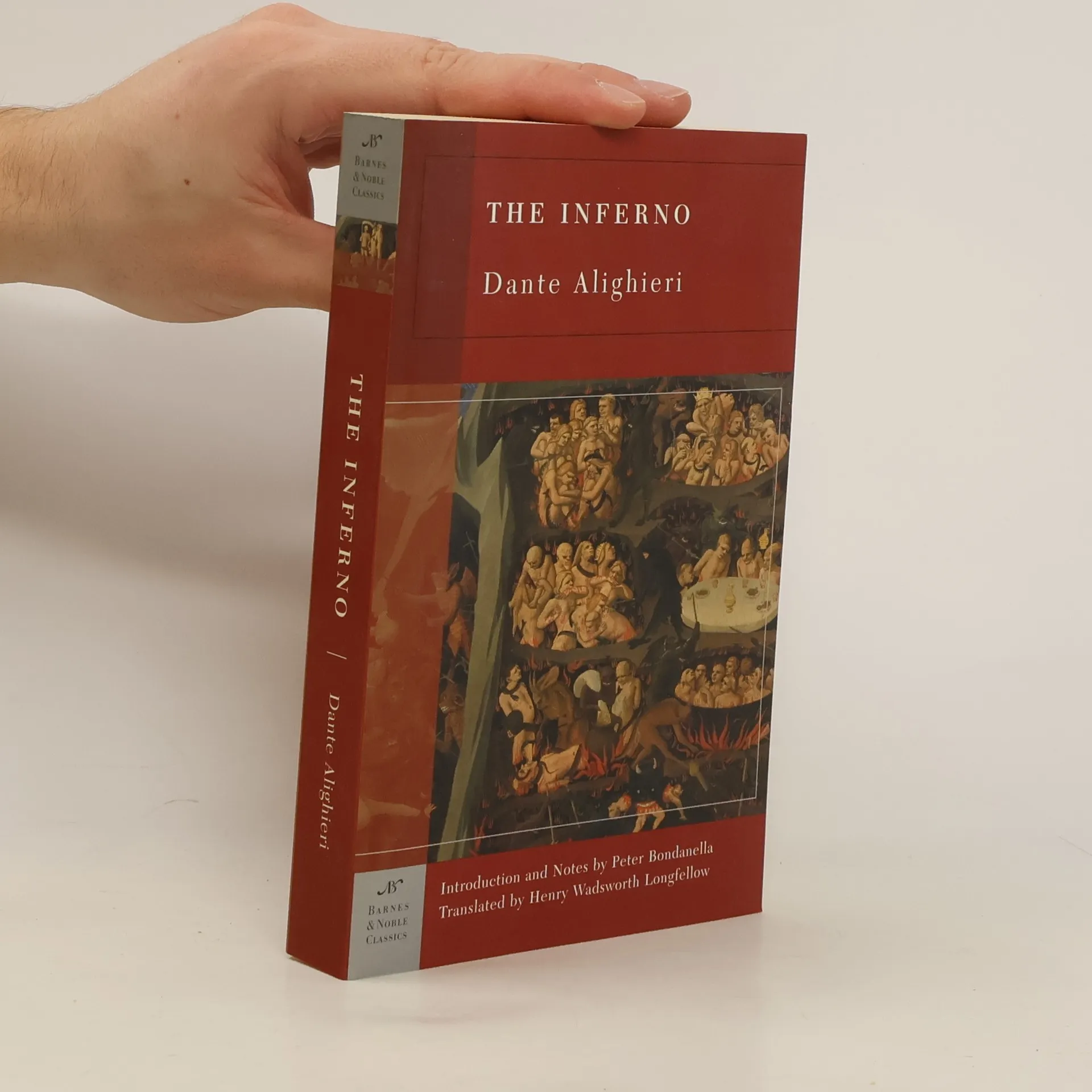
The first part of Dante's classic poem of faith follows the author with his guide Virgil through the circles of hell, describing the sinners and punishments witnessed there.
An English translation of Dante's Divine Comedy.
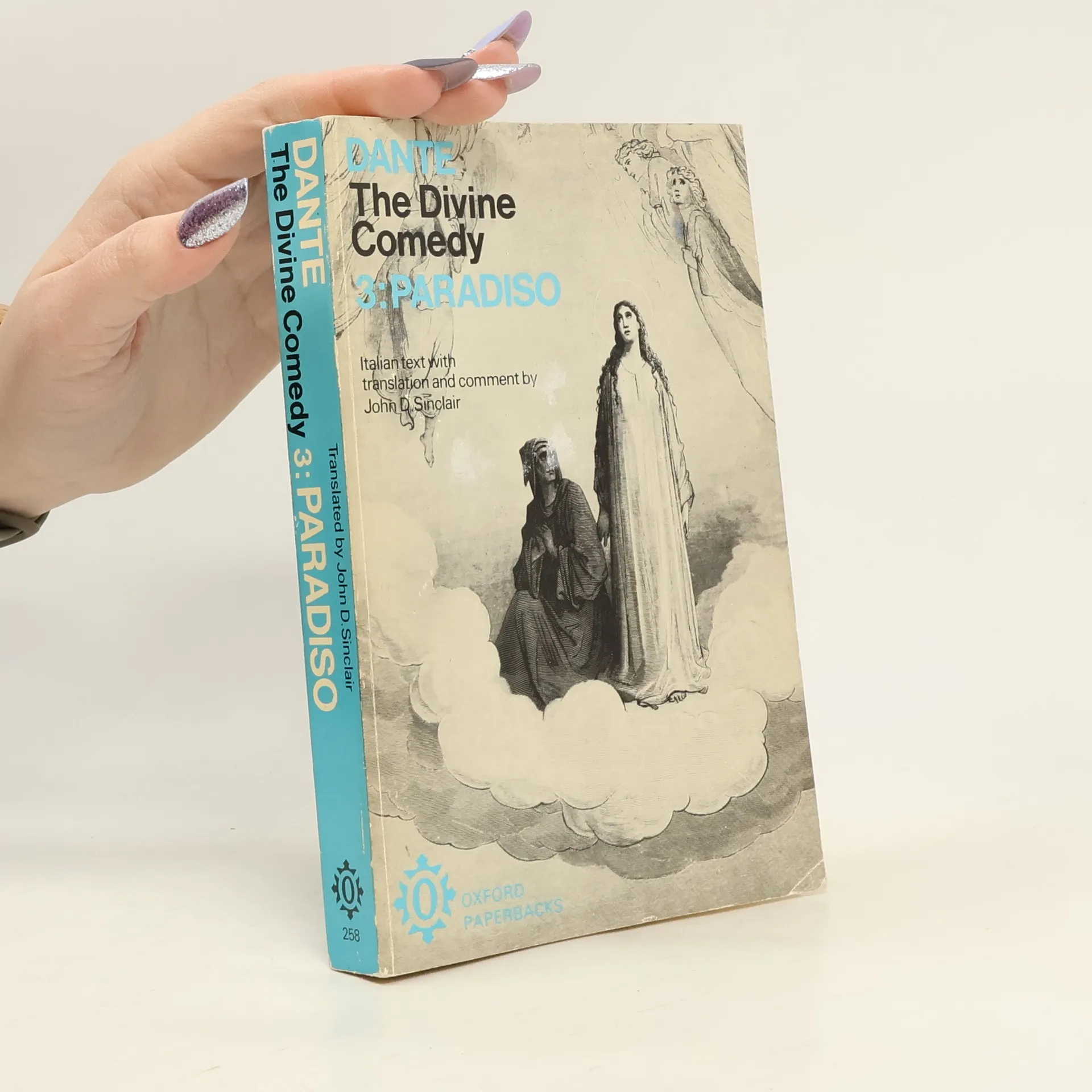
This brilliant new verse translation by Allen Mandelbaum captures the consummate beauty of the third and last part of Dante's Divine Comedy. The Paradiso is a luminous poem of love and light, of optics, angelology, polemics, prayer, prophecy, and transcendent experience. As Dante ascends to the Celestial Rose, in the tenth and final heaven, all the spectacle and splendor of a great poet's vision now becomes accessible to the modern reader in this highly acclaimed, superb dual language edition. With extensive notes and commentary. - from the publisher
The book offers a fresh translation of Dante's Monarchy, a significant work of political theory exploring the ideal political organization for human nature. It presents Dante's original and powerful political vision while showcasing his intellectual contributions as a poet. Accompanied by an introduction and notes by Prue Shaw, the translation provides essential context about Dante's life and the broader implications of his ideas, making it accessible for both new readers and scholars.
A terrifying depiction of sin and eternal damnation from Dante's Inferno, the medieval epic that revolutionized the Italian language.
'Happiness beyond all words! A life of peace and love, entire and whole!' This is a collection of cantos from Paradiso, the most original and experimental part of the Divina Commedia.
The Divine Comedy; Hell, Purgatory, Paradise, Henry Francis Cary Translation
in large print
- 536 pages
- 19 hours of reading
Focusing on accessibility, this book is a reproduction of a historical work presented in large print, catering specifically to readers with impaired vision. Published by Megali, a house dedicated to making historical texts more accessible, it ensures that important works remain available to a wider audience.
The Divine Comedy; Hell, Purgatory, Paradise, Henry Francis Cary Translation
in large print
- 536 pages
- 19 hours of reading
The book is a reproduction of a historical work, emphasizing accessibility for readers with impaired vision through large print. Published by Megali, a house dedicated to preserving and enhancing historical texts, it aims to provide an easier reading experience while maintaining the integrity of the original content.
The Divine Comedy Of Dante Alighieri: Paradise
- 276 pages
- 10 hours of reading
This book is a reproduction of a historical work, published by Megali, a house dedicated to making literature accessible for those with impaired vision through large print formats. The focus on readability highlights the commitment to inclusivity in sharing historical texts.
This publication focuses on making historical works accessible by reproducing them in large print, catering specifically to individuals with impaired vision. The initiative by Megali highlights the importance of inclusivity in reading, ensuring that classic texts can be enjoyed by a wider audience.
The Divine Comedy
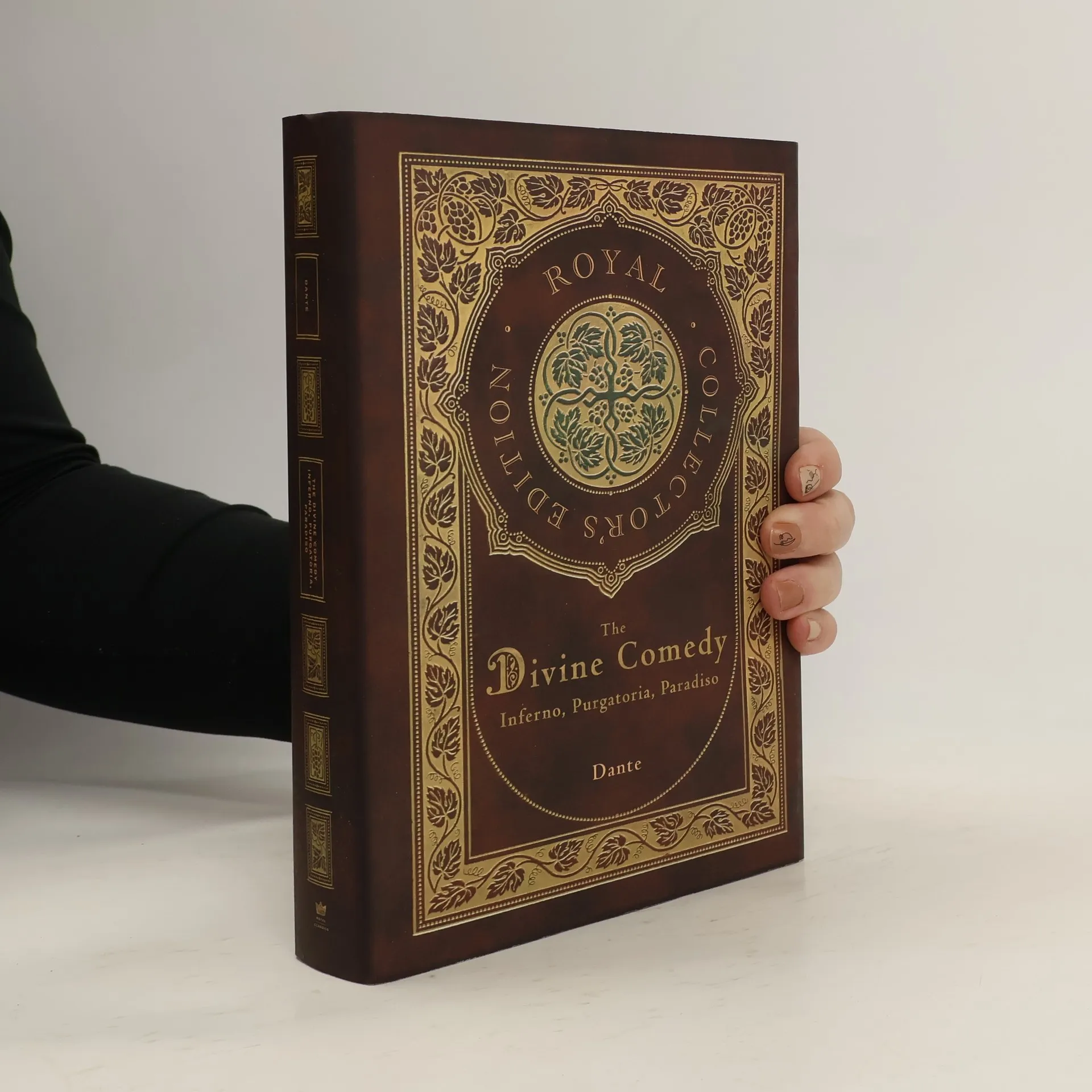
Inferno, Purgatorio, Paradiso (Royal Collector's Edition) (Case Laminate Hardcover with Jacket): Inferno, Purgatorio, Paradiso
- 568 pages
- 20 hours of reading
Dante's epic narrative explores the soul's journey towards God through the realms of Hell, Purgatory, and Paradise. This edition features the complete texts of Inferno, Purgatoria, and Paradiso, offering a comprehensive view of Dante's profound allegorical exploration of sin, redemption, and divine love.
This book is a reproduction of a historical work published by Megali, a company dedicated to producing large print editions to aid individuals with impaired vision. The focus on accessibility highlights the importance of making literature available to a broader audience, ensuring that historical texts can be enjoyed by everyone, regardless of their visual capabilities.
Dante's journey through the heavenly realms unfolds in this concluding part of The Divine Comedy. As he ascends through the spheres of heaven, he encounters various souls who embody divine grace and wisdom. The narrative explores profound themes of love, faith, and the nature of God, culminating in Dante's ultimate vision of divine truth. Rich in allegory and philosophical insight, this work invites readers to reflect on the soul's ascent towards enlightenment and the eternal quest for understanding and connection with the divine.
This book is a reproduction of a historical work, published by Megali, a company dedicated to making literature accessible through large print editions. Aimed at readers with impaired vision, it ensures that classic texts remain available and readable. The focus on accessibility highlights the importance of inclusivity in literature.
The publishing house Megali focuses on reissuing historical works in large print, specifically designed to enhance readability for individuals with impaired vision. This initiative aims to make classic literature more accessible, ensuring that those with visual challenges can enjoy and engage with important texts from the past.
Focusing on accessibility, this publication by Megali aims to provide historical works in large print, catering specifically to readers with impaired vision. By reproducing original texts, it ensures that valuable literature remains available and easy to read for all, promoting inclusivity in the literary world.
The Divine Comedy; Purgatory, Henry Francis Cary Translation
in large print
- 184 pages
- 7 hours of reading
Focusing on accessibility, this book is a reproduction of a historical work presented in large print. The publishing house Megali aims to facilitate reading for individuals with impaired vision, ensuring that classic literature remains available and enjoyable for a wider audience.
Focusing on accessibility, this work is a reproduction of a historical text presented in large print, catering specifically to readers with impaired vision. Megali, the publishing house behind this edition, emphasizes the importance of making classic literature more accessible while preserving the original content.
The Divine Comedy (complete)
- 546 pages
- 20 hours of reading
The narrative poem chronicles Dante Alighieri's spiritual journey from sin and despair to salvation and self-awareness, reflecting his personal experiences during exile from Florence. Divided into three books of 33 cantos each, it explores themes of morality and redemption. Written in the Tuscan vernacular, the work played a significant role in shaping the Italian language, influencing literature and culture for centuries.
Focusing on accessibility, this publication emphasizes the importance of large print to aid readers with impaired vision. The Megali publishing house is dedicated to reproducing historical works, ensuring that classic literature remains accessible to a wider audience.
The book is a reproduction of a historical work, published by Megali, a house dedicated to producing large print editions. This initiative aims to enhance accessibility for individuals with impaired vision, ensuring that they can enjoy and engage with important literary texts.
This book is a reproduction of a historical work, presented in large print to enhance accessibility for readers with impaired vision. Published by Megali, a company dedicated to making historical texts more available, it aims to provide an easier reading experience while preserving the original content.
The Divine Comedy; Paradise, Henry Francis Cary Translation
in large print
- 180 pages
- 7 hours of reading
This publication focuses on making historical works accessible to those with impaired vision by offering them in large print. Megali, the publishing house behind this initiative, specializes in reproducing these texts, ensuring that important works are available to a wider audience.
This publication focuses on reproducing historical works in large print, catering specifically to individuals with impaired vision. The aim is to enhance accessibility and ease of reading, showcasing the commitment of the Megali publishing house to inclusivity in literature.
Dante's Comedy: The Inferno
- 221 pages
- 8 hours of reading
Guided by the poet Virgil, the author plunges to the very depths of Hell and embarks on his arduous journey towards God. Together they descend through the nine circles of the underworld and encounter the tormented souls of the damned, who tell of their sad fates and predict events still to come in his life.
Dante's Divine Comedy: Inferno
- 160 pages
- 6 hours of reading
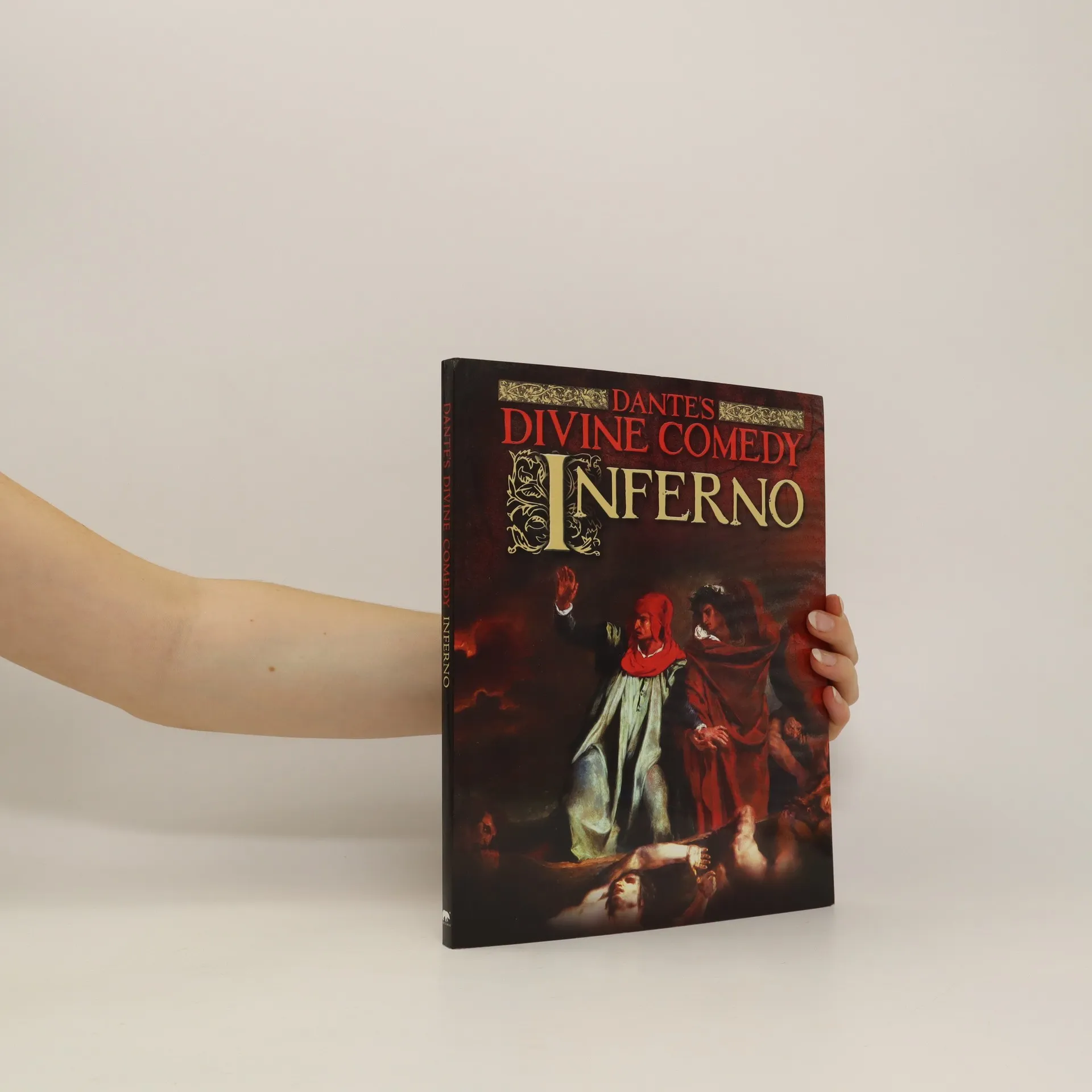
Dante is accompanied on his voyage to the world of the dead by the Roman poet Virgil, author of the Aeneid. Horror and fascination take over in equal measure as pilgrim and poet make their descent into the concentric circles of Hell, each one more horrifying than the last, culminating with the deadly journey to the lake of ice at its nadir, where the three-headed Lucifer resides, trapped waist-deep in ice for all eternity. This masterpiece of world literature it is a spiritual allegory without compare where the revelation of the divine and the self-discovery of the narrator has been illustrated with artwork from Hieronymus Bosch, William Blake and other artists from the Italian School.
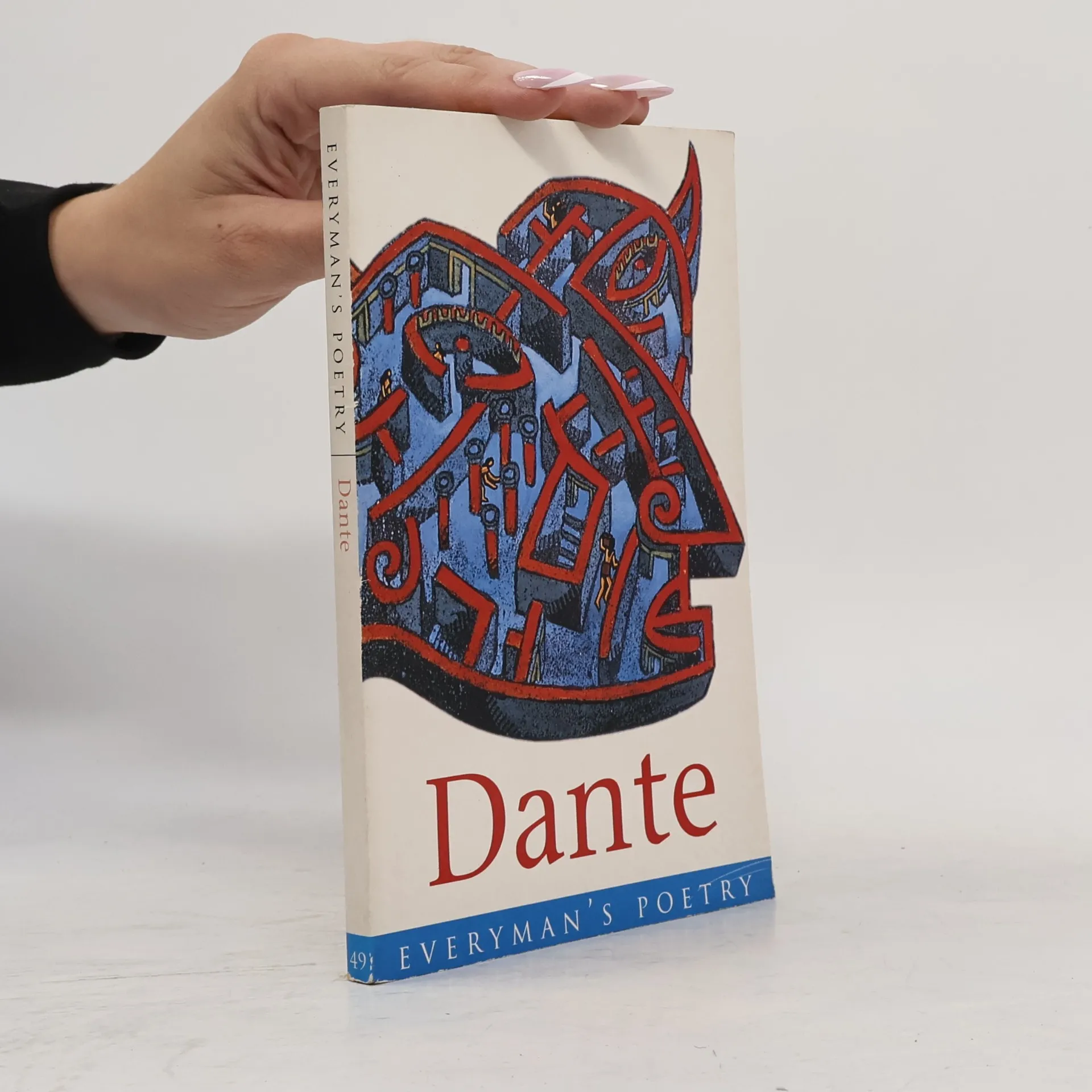
Everyman's Poetry - 49: Dante Aligheri
- 128 pages
- 5 hours of reading
Generous selection in translation from "The Divine Comedy", "The New Life" and the love lyrics of Italy's greatest poet.
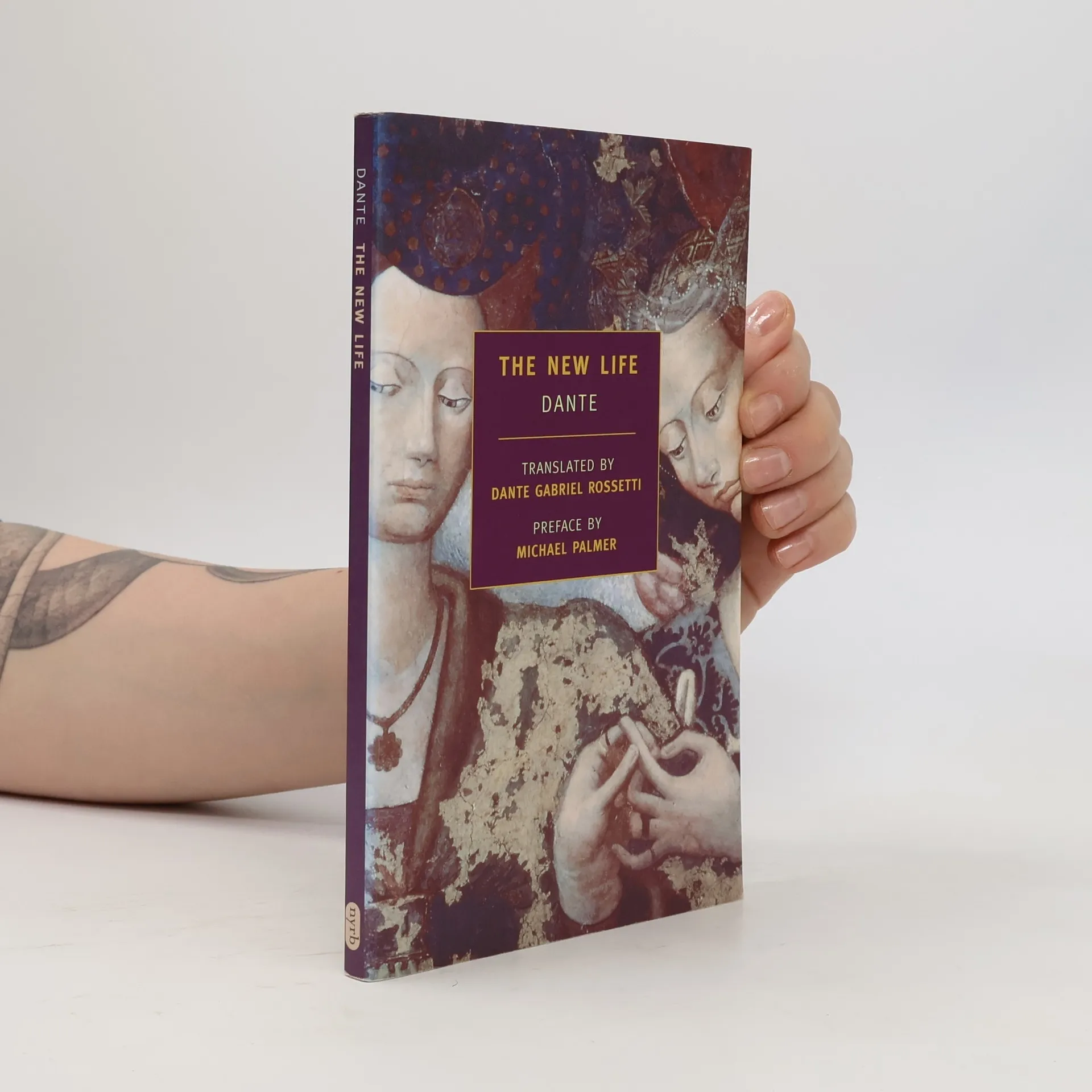
The New Life
- 136 pages
- 5 hours of reading
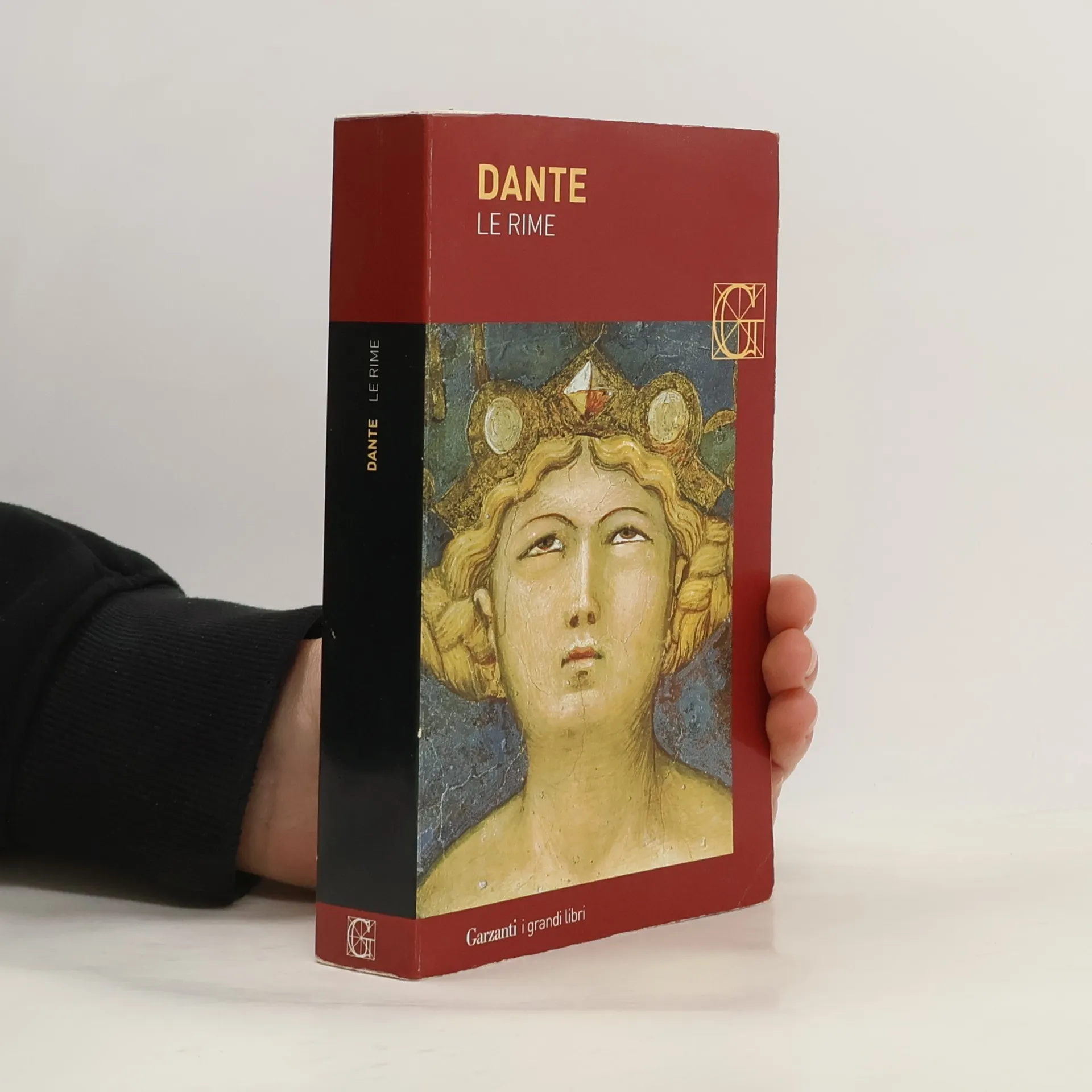
Le rime
- 357 pages
- 13 hours of reading
Oh scellerato pensiero, oh disonesta opera, oh miserabile esempio! Ingiusta e furiosa dannazione e perpetuo sbandimento, alienazione de' paterni beni, e, se fosse possibile, maculazione della gloriosissima alma con false colpe. Le recenti ordi'e della sua fuga e le ossa sepolte in terre altrui, e la prole dispersa, fanno chiara testimonianza. Se le altre iniquità fiorentine potessero nascondersi agli occhi di Dio, questa dovrebbe bastare a provocare la sua ira. Chi si oppone a tale giudizio, è meglio che taccia. Guardando bene, non solo il presente mondo ha deviato dal sentiero originale, ma ha completamente voltato le spalle. È evidente che se noi e altri viviamo in modo simile, senza cadere sotto la sentenza di Solone, ciò è dovuto o a un cambiamento della natura delle cose, o a un miracolo speciale, dove Dio, per meriti passati, sostiene la nostra esistenza contro ogni logica umana, o alla sua pazienza, che attende il nostro riconoscimento. Se quest'ultimo non arriverà, non c'è dubbio che la sua ira si manifesterà.
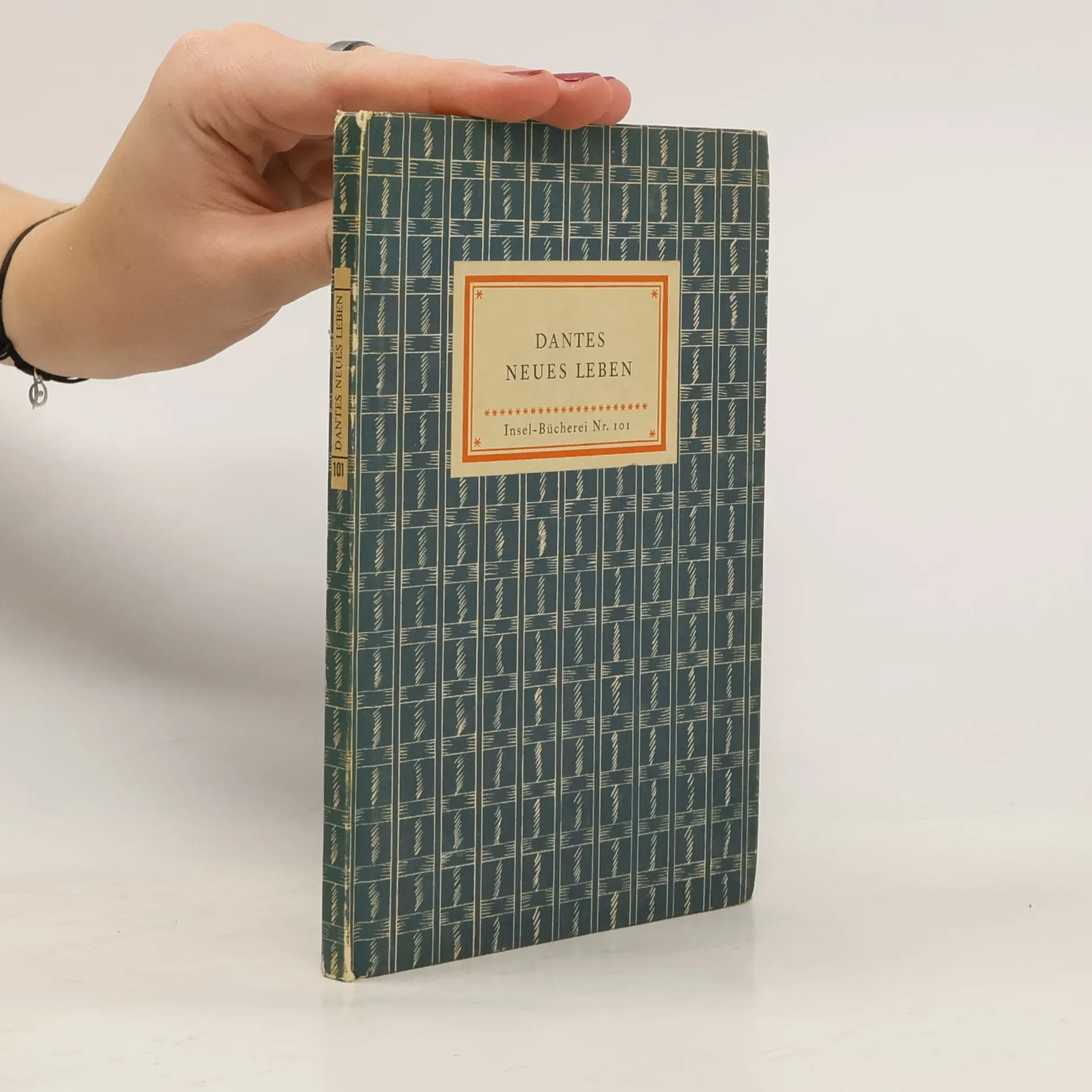
Neues Leben (italienisch La Vita Nuova) ist eines der frühen Werke des italienischen Dichters und Schriftstellers Dante Alighieri. Der Text, der zur Hälfte aus Versen und zur Hälfte aus Prosa besteht, wurde 1295 verfasst und drückt Dantes höfische Liebe zu der reizvollen Beatrice Portinari aus. Er ist von besonderer Bedeutung, da er in italienischer Sprache verfasst ist und somit zur Etablierung des toskanischen Dialekts beiträgt, der die Grundlage der modernen italienischen Sprache bildet. Der Text ist in 42 Kapitel gegliedert, die 25 Sonette, eine Ballade und vier Kanzonen enthalten, von denen eine aufgrund des plötzlichen Todes Beatrices unvollendet blieb. Die Kapitel, die Gedichte enthalten, bestehen aus drei Teilen: einer teilweise autobiografischen Erzählung, dem Gedicht selbst und einem Kommentar, der das Gedicht Abschnitt für Abschnitt analysiert.
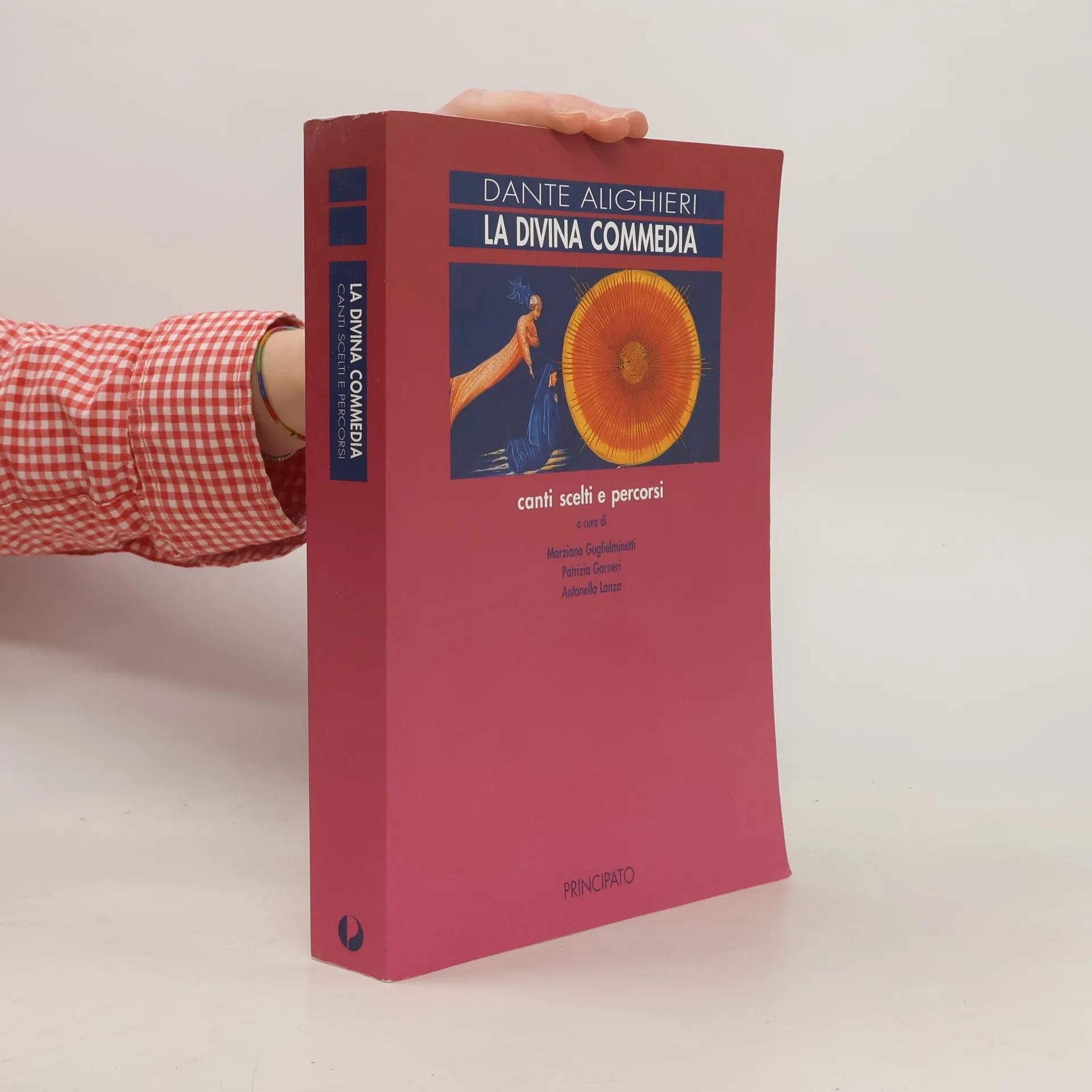
La Divina Commedia. Canti scelti e percorsi
- 784 pages
- 28 hours of reading
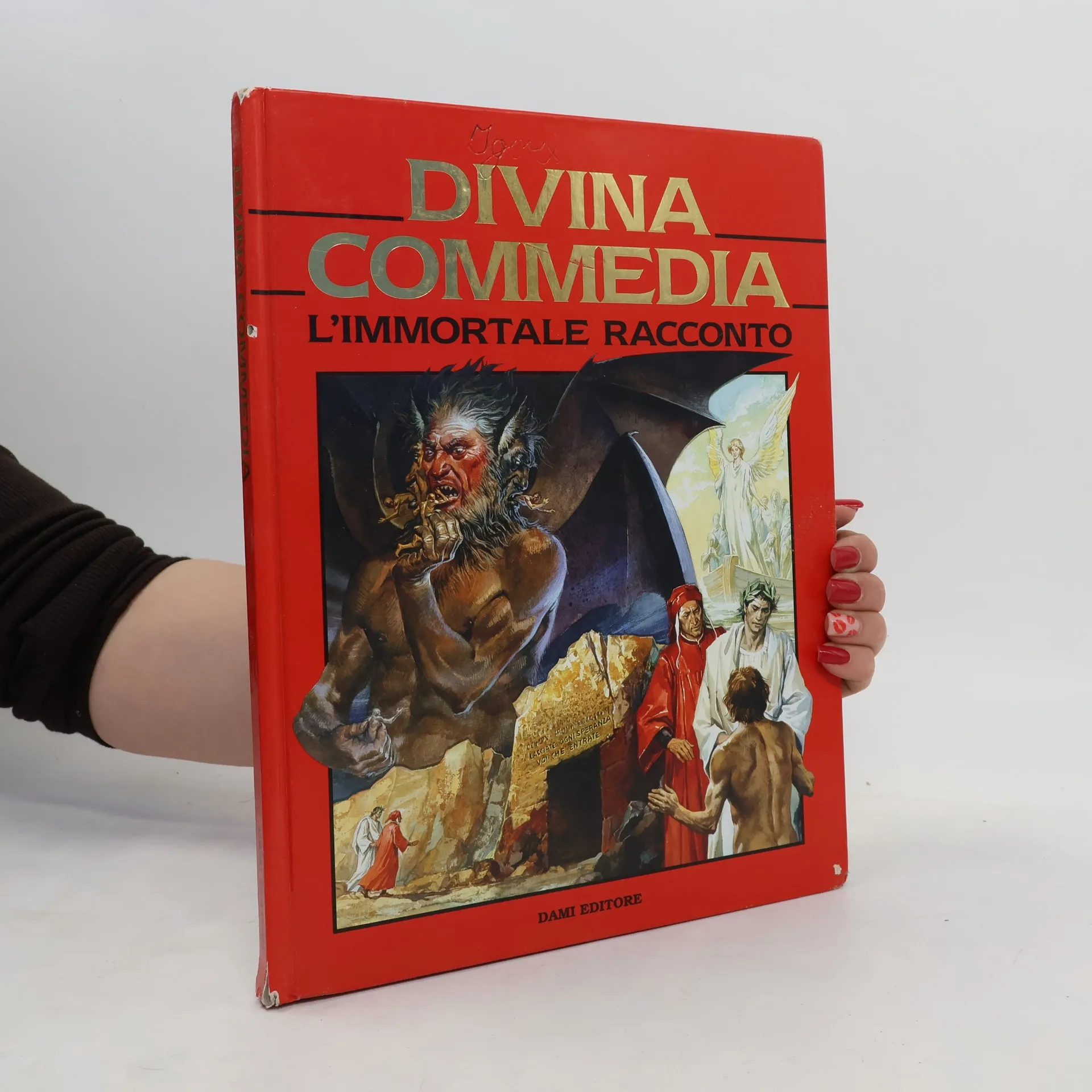
Divina Commedia. L'immortale racconto
- 80 pages
- 3 hours of reading
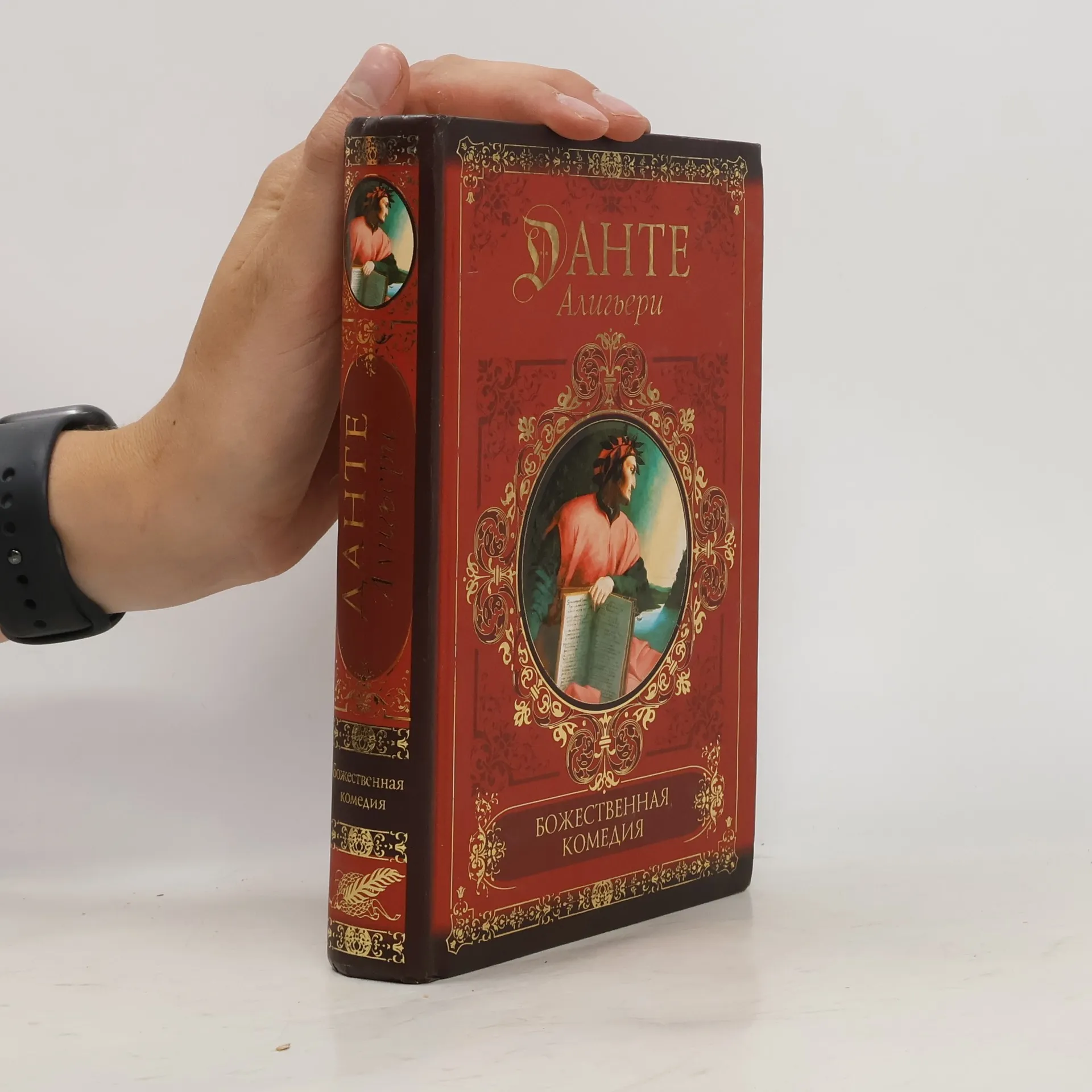
Божественная комедия (Bozhestvennaya komediya)
- 637 pages
- 23 hours of reading
"Божественную комедию" можно назвать поэтической и метафизической энциклопедией позднего Средневековья. Композиция великой поэмы, первого памятника литературного итальянского языка, уводит читателя вглубь столетий, к основам христианской культуры
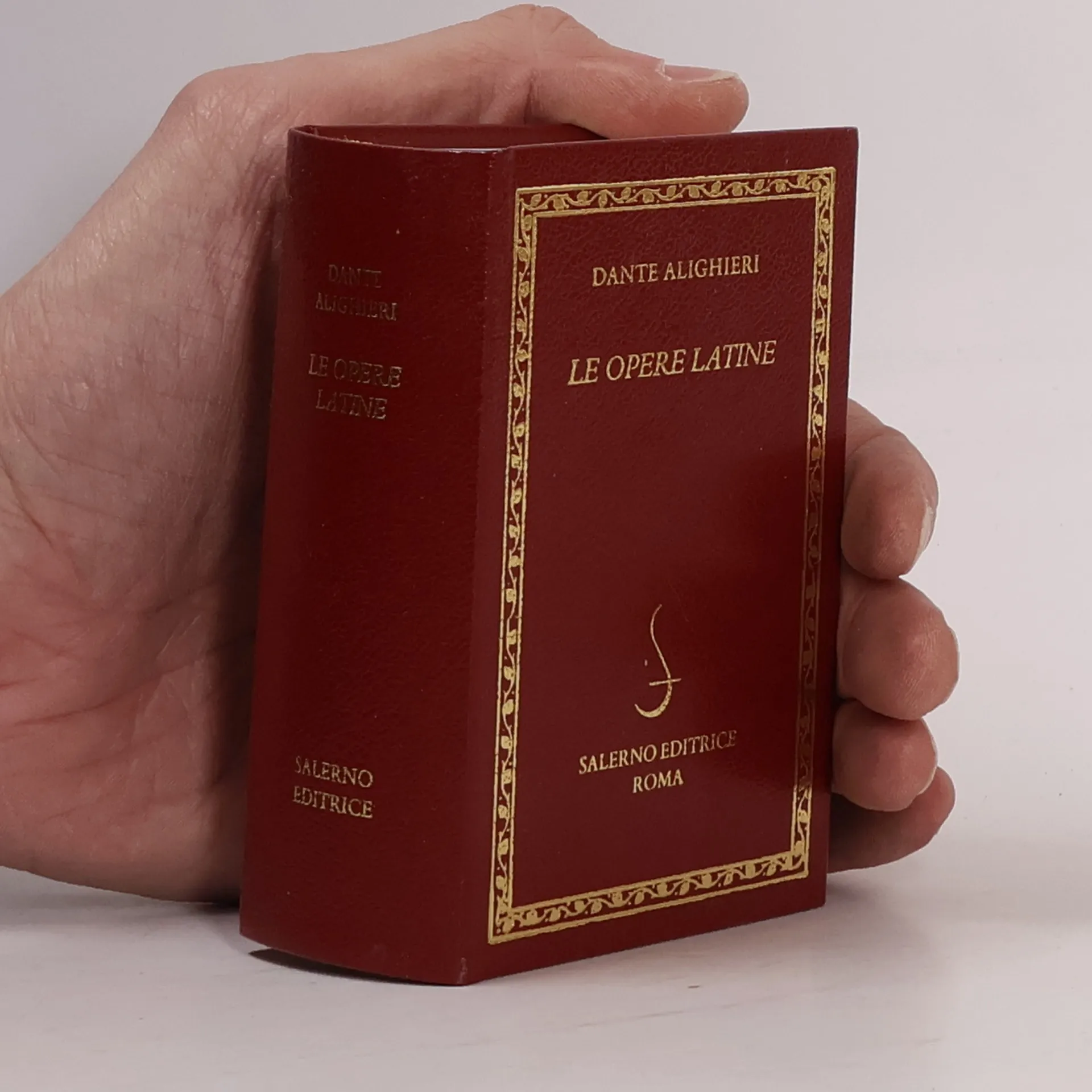
Le opere latine
- 988 pages
- 35 hours of reading
Il volume appartiene alla serie rossa dei «Diamanti», dedicata ai grandi classici della letteratura italiana. Le opere di Dante qui contenute sono i cinque capolavori scritti dal Poeta nell'idioma di Virgilio: De vulgari eloquentia, Monarchia, Egloghe, Epistole, Questio de acqua et terra. I temi trattati sono la teorizzazione di una lingua volgare (De vulgari eloquentia), la dottrina politica (Monarchia), la suggestione della poesia bucolica, di cui Dante si dimostra abile cultore (Egloghe), gli scritti politici dell'epoca dell'esilio, gli spunti esegetici e la corrispondenza amicale (Epistole), la filosofia naturale (Questio).
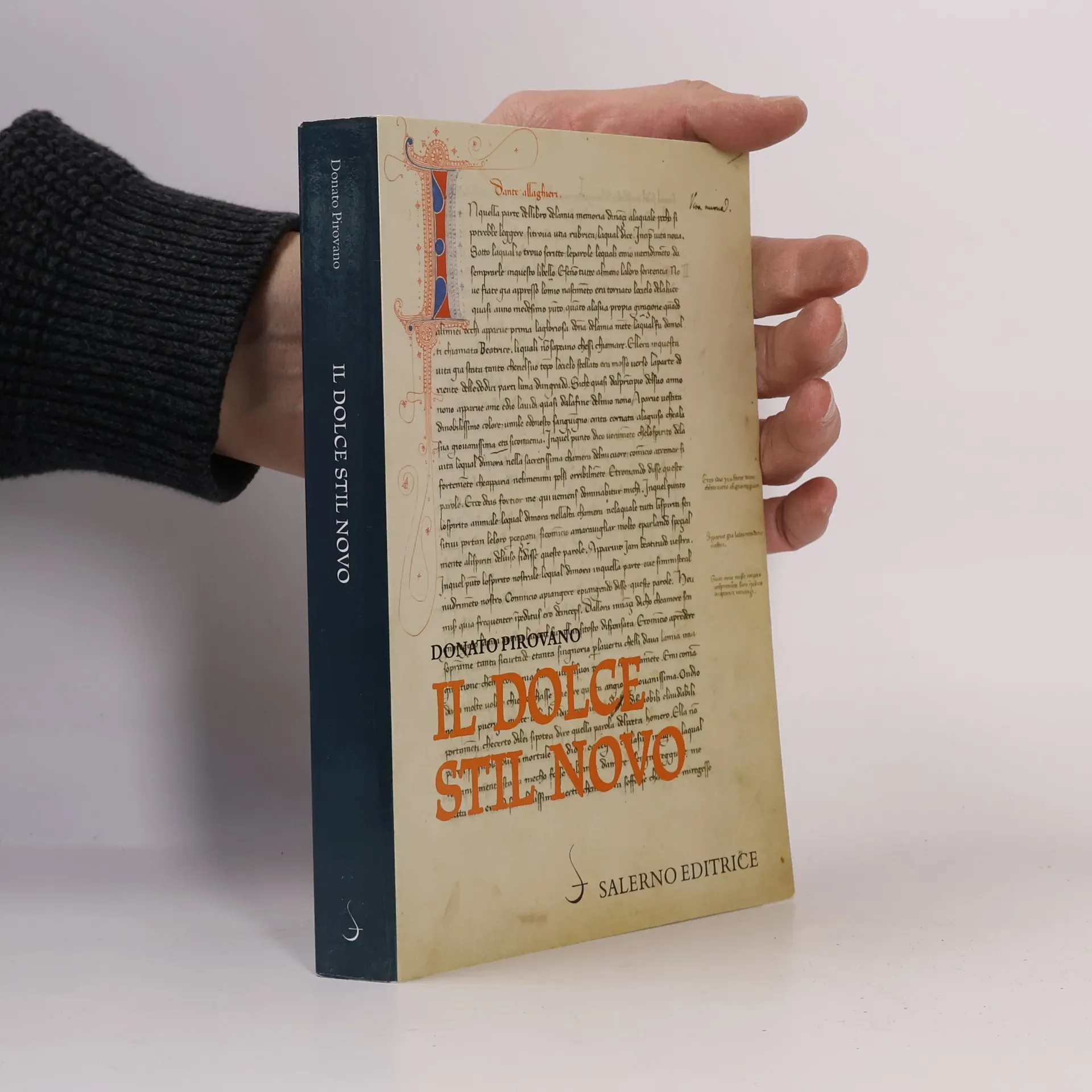
Il Dolce stil novo
- 357 pages
- 13 hours of reading
Il concetto storiografico di Dolce stil novo risale alla Storia della letteratura italiana di Francesco De Sanctis, che per primo lo formulò nel 1870. E tuttavia, benché accolto da molti tanto da figurare ancora nelle storie letterarie e nei manuali scolastici, esso non ha goduto e tuttora non gode di unanime consenso tra gli studiosi della poesia delle Origini. È davvero esistito il Dolce stil novo, oppure è un fantasma storiografico generato dalla poetica dantesca? Questo volume cerca di dare una risposta, attraverso un’analisi puntuale e aggiornata dei testi e lo studio della loro tradizione manoscritta. Ne emerge che la poesia degli ultimi anni del secolo XIII richiama a un repertorio metrico chiuso, a uno stile limpido, piano e trasparente (‘dolce’), a un’esclusività tematica tutta incentrata sull’amore, a un pubblico rigorosamente preselezionato non solo sul piano culturale ma anche e soprattutto sul piano etico. Il volume comprende una prima parte dedicata al problema storiografico e agli aspetti generali della nuova poesia e poi capitoli distinti per i singoli poeti: dai maggiori ai minori, con proposte per un nuovo canone degli stilnovisti. Manca, volutamente, un capitolo dedicato a Dante, perché il protagonista indiscusso del Dolce stil novo aleggia su tutto il volume.
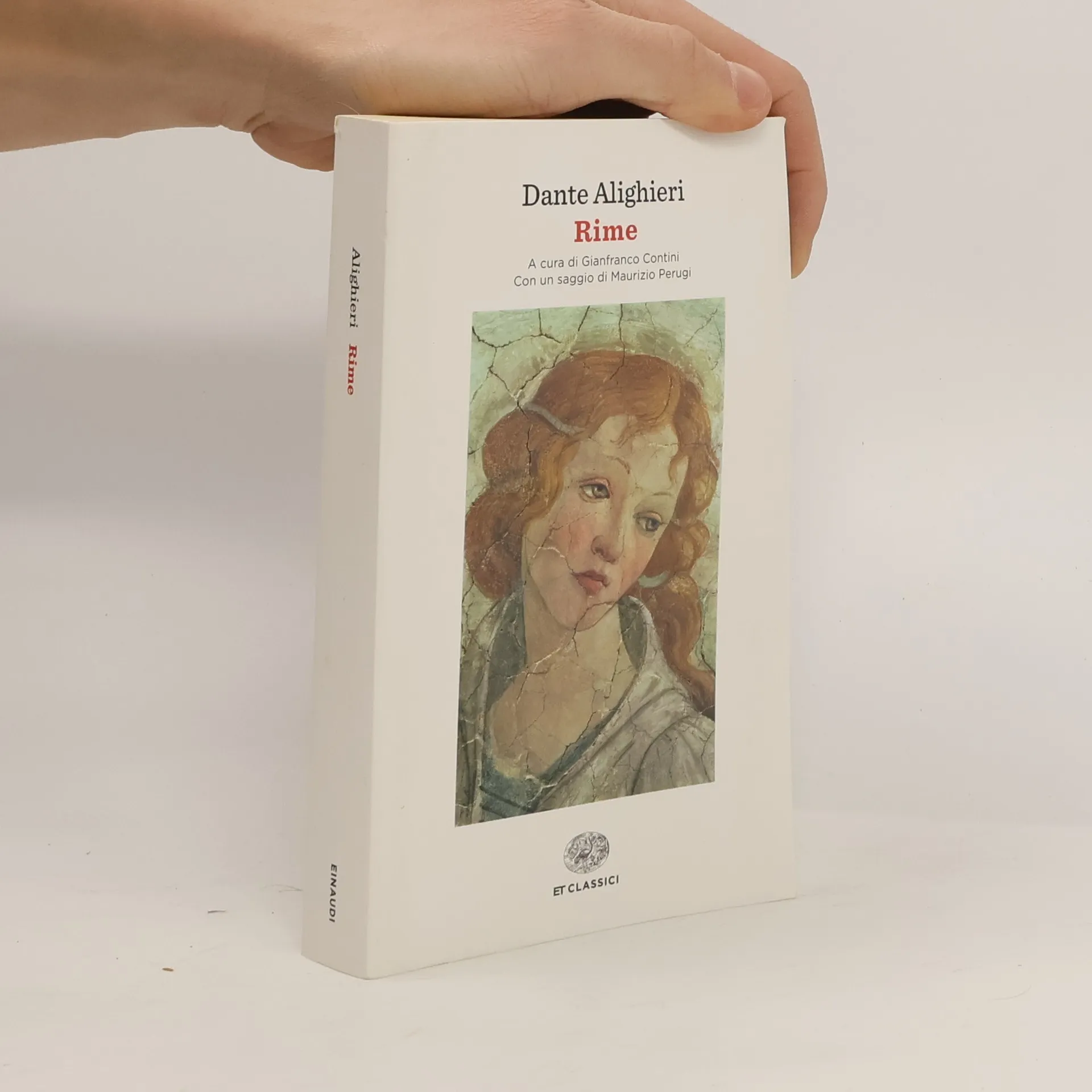
Rime: A cura di Gianfranco Contini - Con un saggio di Maurizio Perugi
- 424 pages
- 15 hours of reading
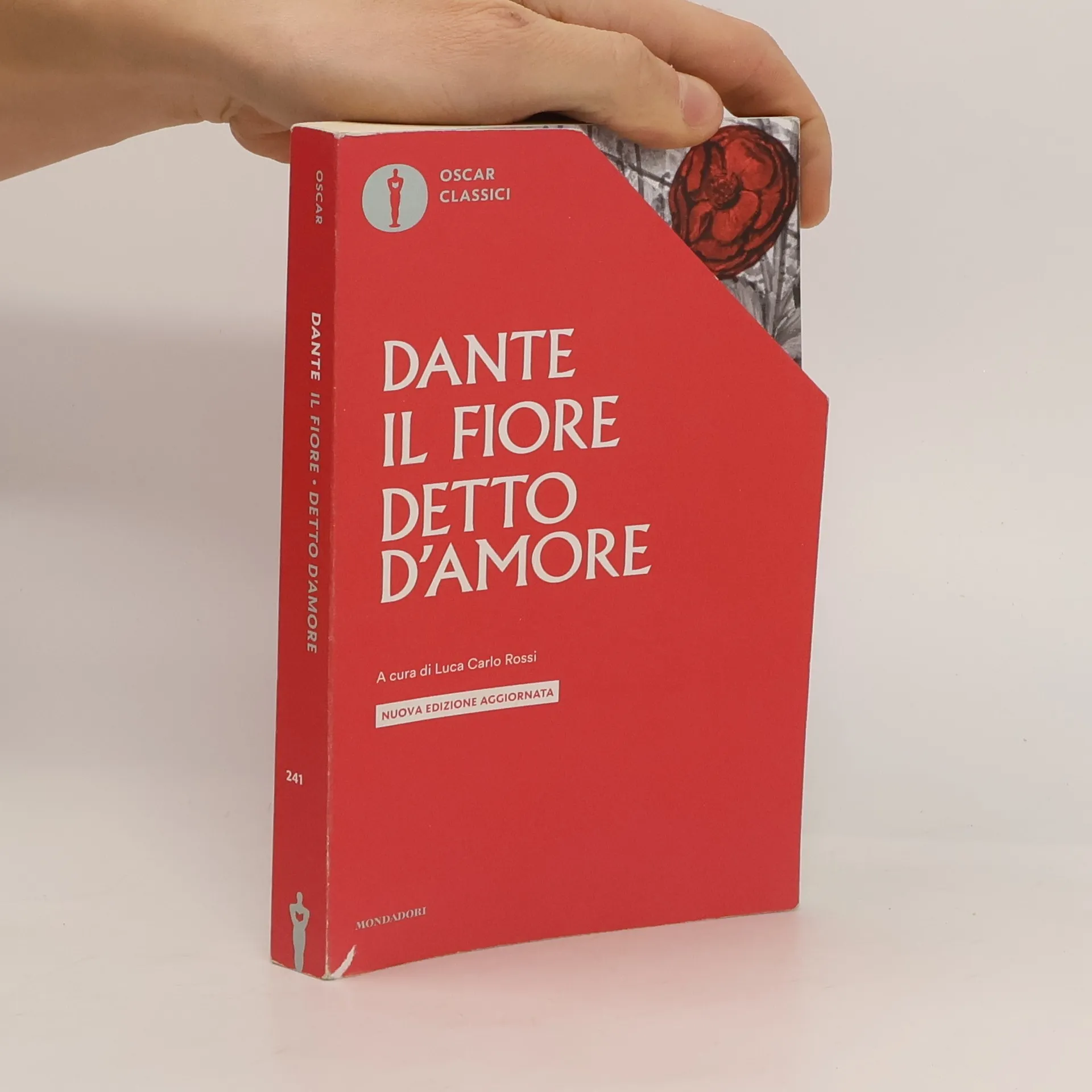
Il Fiore-Detto d'amore. Nuova ediz.
- 336 pages
- 12 hours of reading
"Il Fiore" e il "Detto d'Amore" segnano il debutto letterario del giovane Dante Alighieri e provano il talento singolare di un autore capace, da un lato, di rivaleggiare con un recente "classico" francese, il "Roman de la Rose", del quale offre un libero adattamento secondo due chiavi stilistiche diverse (comico-parodistica nel "Fiore, verbalmente preziosa nel "Detto"); e, dall'altro, di omaggiare e insieme superare i maestri riconosciuti della sua generazione, Brunetto Latini, Guittone d'Arezzo e Guido Guinizzelli. "Il Fiore", in particolare, racconta il tentativo dell'Amante/narratore di "cogliere il fiore" della donna amata; con la sua salda architettura compositiva e la grande varietà espressiva, costituisce un precedente necessario per la monumentale costruzione della "Commedia", un vero e proprio "ritratto dell'artista da giovane".
Ein vielstimmiger Nachgang durch die »Göttliche Komödie« des italienischen Dichters Dante Alighieri – und eine Einladung zum Mitlesen. Dante Alighieri vollendete seine »Commedia« vor siebenhundert Jahren, kurz bevor er 1321 im Exil in Ravenna starb. Mit ihr schuf der aus seiner Heimatstadt vertriebene Florentiner eine schier unerschöpfliche Bild- und Gedankenwelt, die T. S. Eliot einfach und rätselhaft zugleich nannte. Die mittelitalienische Dichtung erzählt in Ich-Perspektive von einer Jenseitsreise – begleitet durch einen toten Vergil – durch die fürchterlichen Tiefen der Hölle, einer spektakulären Flucht vor Luzifer zum Läuterungsberg und der Wiedervereinigung zweier (Jugend-)Liebender im Paradies. Von April bis zum Todestag Dantes am 14. September 2021 gingen so unterschiedliche Autorinnen und Autoren wie der Romanist Karlheinz Stierle, die Komponistin Lucia Ronchetti, die Schriftstellerin Berit Glanz und viele weitere Dante und seinen Versen nach. Ihre Kommentare, die im Feuilleton der FAZ publiziert wurden und hier nun erstmals gebündelt in Buchform vorliegen, berichten von Tieren und Bösewichten, von Päpsten, Sündern und Verrätern, von Hitze und Eiseskälte, vom Klang der Hölle und den Vögeln im Paradies, vom Leid im Exil und dem Zwinkern der Gnade. Sie alle sind eine Einladung, Dantes Komödie (neu) zu lesen.
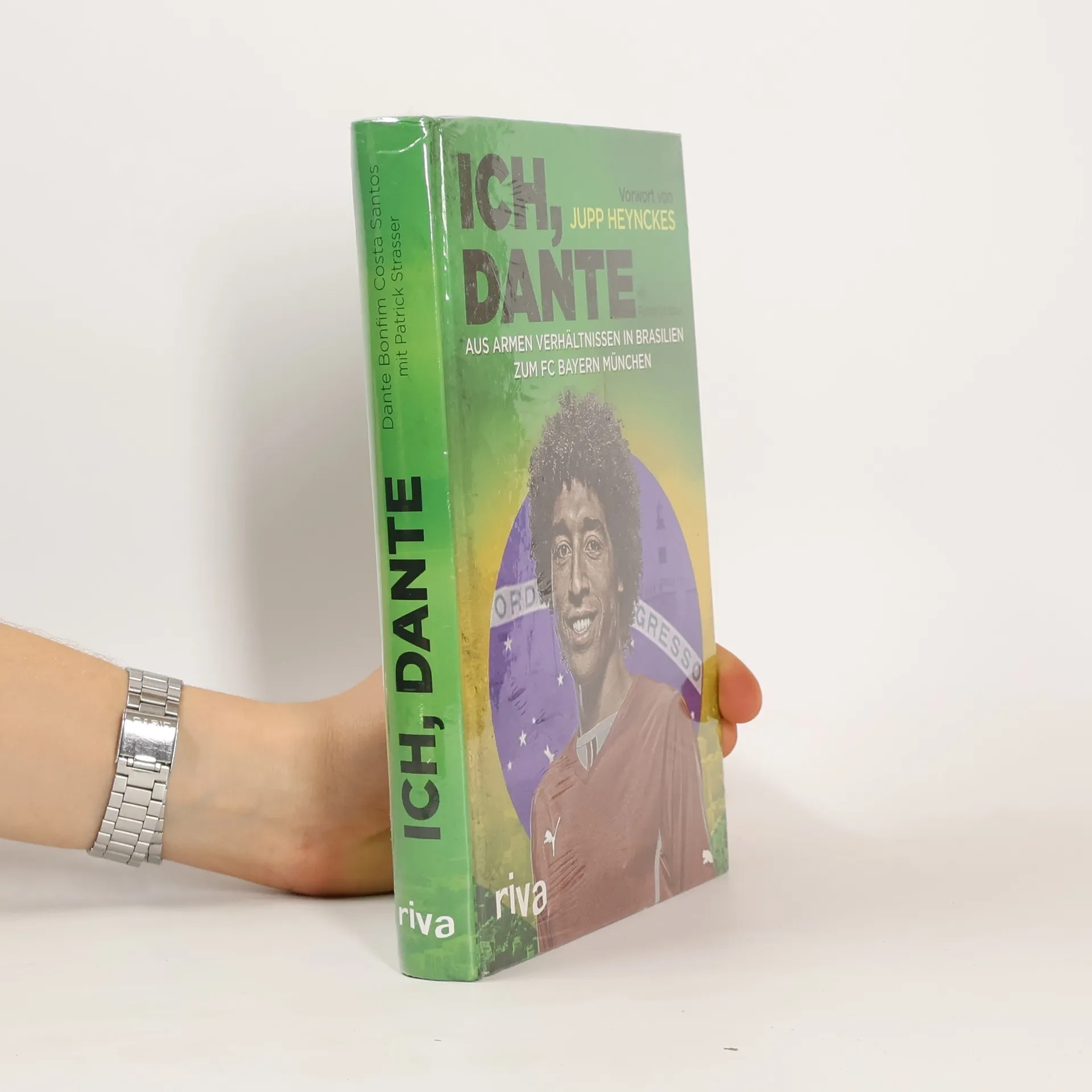
Die Karriere des Fußballprofis Dante ist eine Geschichte vom Glauben an sich selbst – und vom Vertrauen auf Gott und die eigene Familie. Erst mit 17 Jahren wurde der Brasilianer von dem hochklassigen Verein Juventude in Caxias do Sul, 3000 Kilometer von seiner Heimatstadt Salvador de Bahia entfernt, verpflichtet. 2004 erfüllte sich für ihn der Traum jedes brasilianischen Fußballers: Er wechselte nach Europa. 2009 schaffte er den Sprung in die deutsche Bundesliga. Nach drei Jahren als Abwehrchef und Publikumsliebling bei Borussia Mönchengladbach, wo die Fans mit Dante-Perücken ins Stadion kamen, wechselte er 2012 zu Bayern München. In seinem ersten Jahr holte er unter Trainer Jupp Heynckes als Stammspieler das Triple und debütierte in der brasilianischen Nationalelf. Diese Autobiografie, geschrieben mit Unterstützung von Dantes Familie und illustriert mit vielen privaten Fotos, zeichnet die Stationen einer ungewöhnlichen Karriere nach und bringt uns den Fußballer und den Menschen Dante näher.
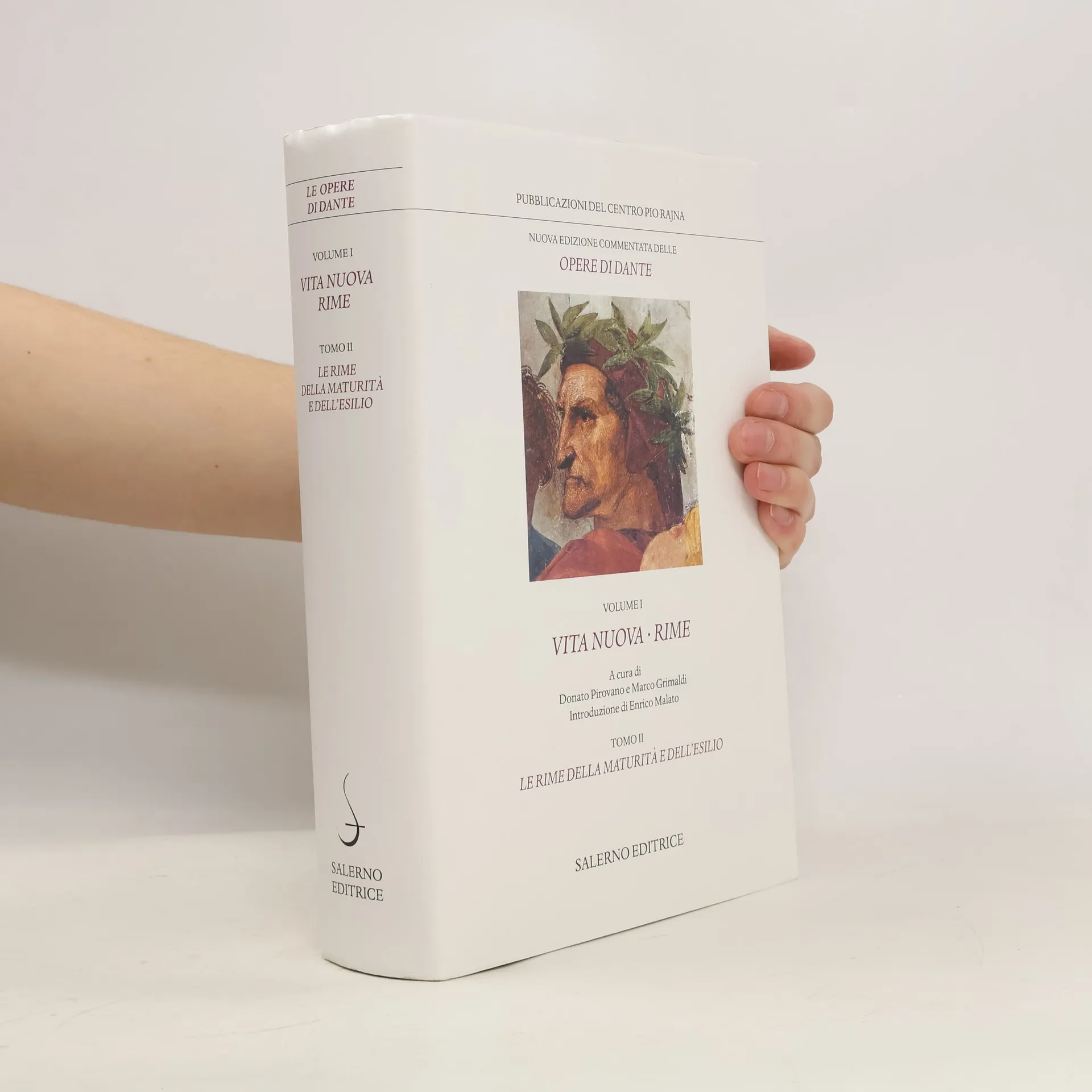
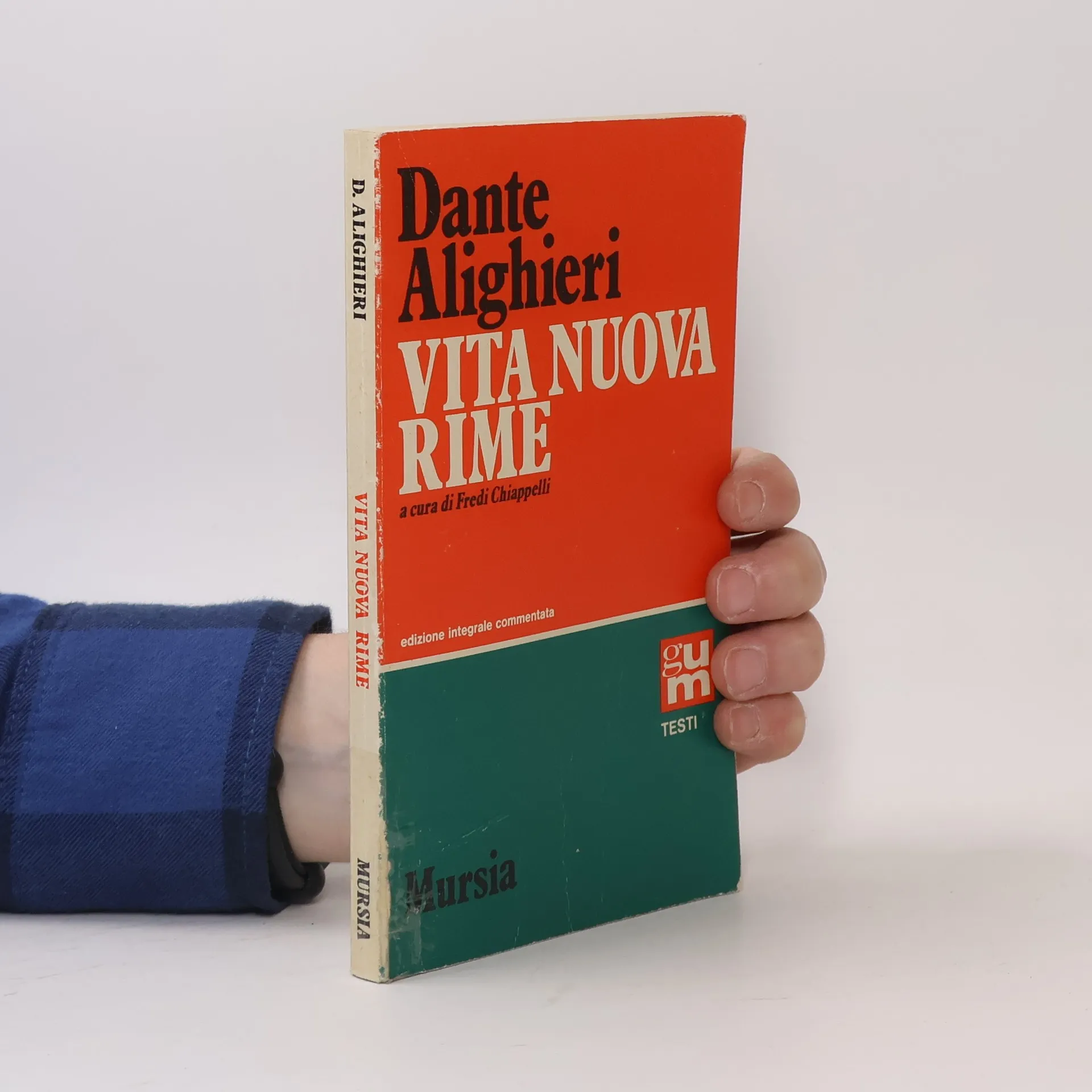
La Vita nuova e le Rime sono, com’è noto, i primi prodotti dell’impegno letterario del giovane Dante: prima prova che lo condurrà al traguardo sommo della Commedia. È stato merito di Michele Barbi l’aver portato la produzione giovanile del Poeta a un grado di comprensione sconosciuto a tutte le epoche precedenti. E proprio dalle sue edizioni sono ripartiti i due Curatori, Donato Pirovano (Vita nuova) e Marco Grimaldi (Rime), non senza la dovuta attenzione ai risultati della critica recente.Ne è risultata un’edizione del tutto nuova, anche per l’ampio corredo storico-critico ed esegetico che la sostiene, in cui emerge da un lato la natura di opera autonoma della Vita nuova, dall’altro la profonda sua integrazione con il corpus delle Rime, che non potrebbe privarsi dei testi in essa inseriti.
Luciano Corona, con la pluriennale esperienza di insegnante di lettere, ha capito quanto sia difficile "far digerire" i classici della letteratura italiana, in particolare quelli più lontani nel tempo. Sono soprattutto lingua e sintassi a renderli in sostanza illeggibili. Un giorno, un amico pittore che vuole illustrare la Divina Commedia, gli chiede se non sarebbe possibile averne una versione "accessibile ai comuni mortali". Un altro giorno, un'amica spagnola che conosce perfettamente l'italiano e che si è laureata in filosofia qui da noi, gli confessa di aver provato a leggere il testo dantesco, senza riuscirci. Da qui l'idea di "riscrivere" le grandi opere della letteratura italiana, perché tutti possano leggerle.
Dante Alighieri: Vita nuova. Das neue Leben. Neuausgabe
Übersetzt und mit Erläuterungen versehen von Richard Zoozmann
- 61 pages
- 3 hours of reading
Dante Alighieris "Vita nuova" ist ein bedeutendes Jugendwerk und zählt zu den schönsten poetischen Werken der Weltliteratur. Diese Ausgabe enthält die vielgelesene Übersetzung von Richard Zoozmann, ergänzt durch Erläuterungen. Der Neusatz wurde 2021 im LIWI Verlag veröffentlicht.
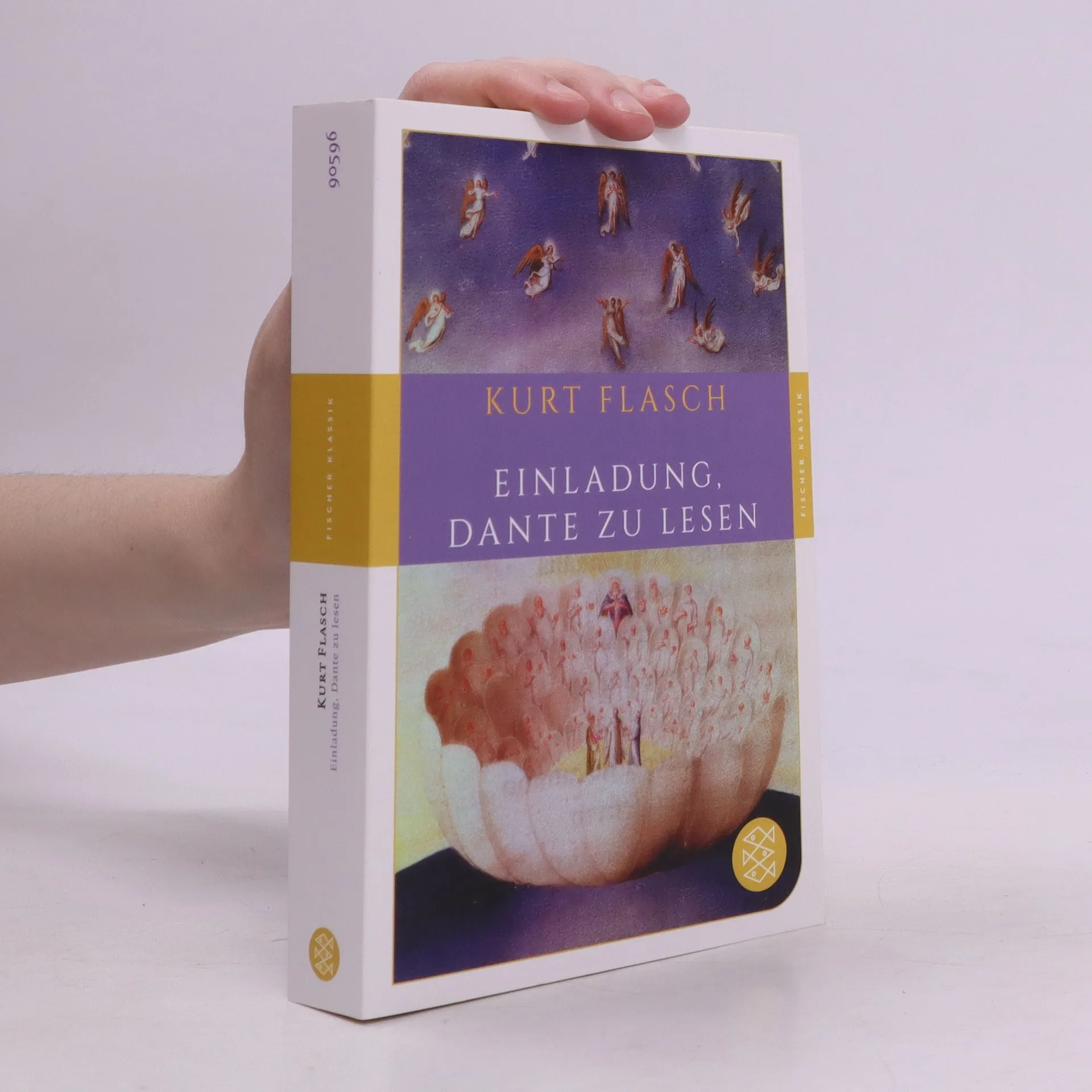
»Durch Kurt Flasch wird man nicht zum Dante-Leser, sondern zum ›Dante-Freund‹.« Martin Grzimek In seinem Begleitband ›Einladung, Dante zu lesen‹ führt Kurt Flasch den Leser behutsam und kenntnisreich wie kein zweiter durch die weitverzweigten Gänge von Dantes Meisterwerk. Flasch schildert das Florenz Dantes, die historischen Verwicklungen Italiens, die metaphysischen Höhenflüge und tragischen Enttäuschungen des aus Florenz Verbannten. In seiner Heimatstadt sah Dante eine entseelte Finanzmetropole, die langsam die Seelen seiner Bürger fraß. Die unvermutete Aktualität solcher Visionen kontrastiert Flasch mit einer genauen Erkundung der zeitgenössischen Philosophie und des theologischen Denkens. Dabei vergisst er aber nie den poetischen und erzählerischen Reichtum und öffnet so dem Leser elegant und kurzweilig die tieferen Schichten eines der größten Kunstwerke der Weltliteratur.
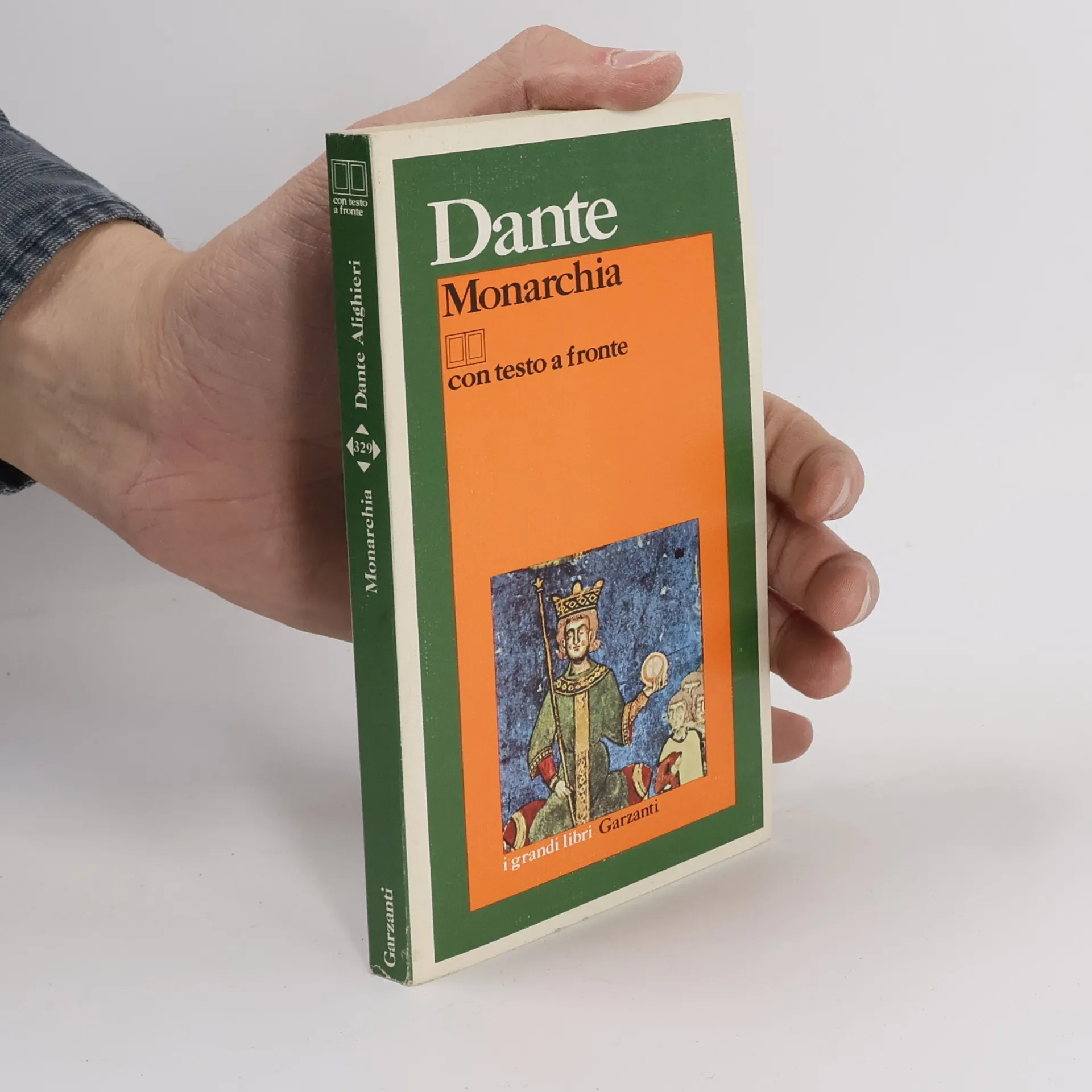
Questo libro della serie introduce i lettori al famoso trattato politico di uno dei più grandi pensatori del Medioevo, autore della `Divina Commedia`, Dante Alighieri, `Monarchia`.
Obras completas
- 715 pages
- 26 hours of reading
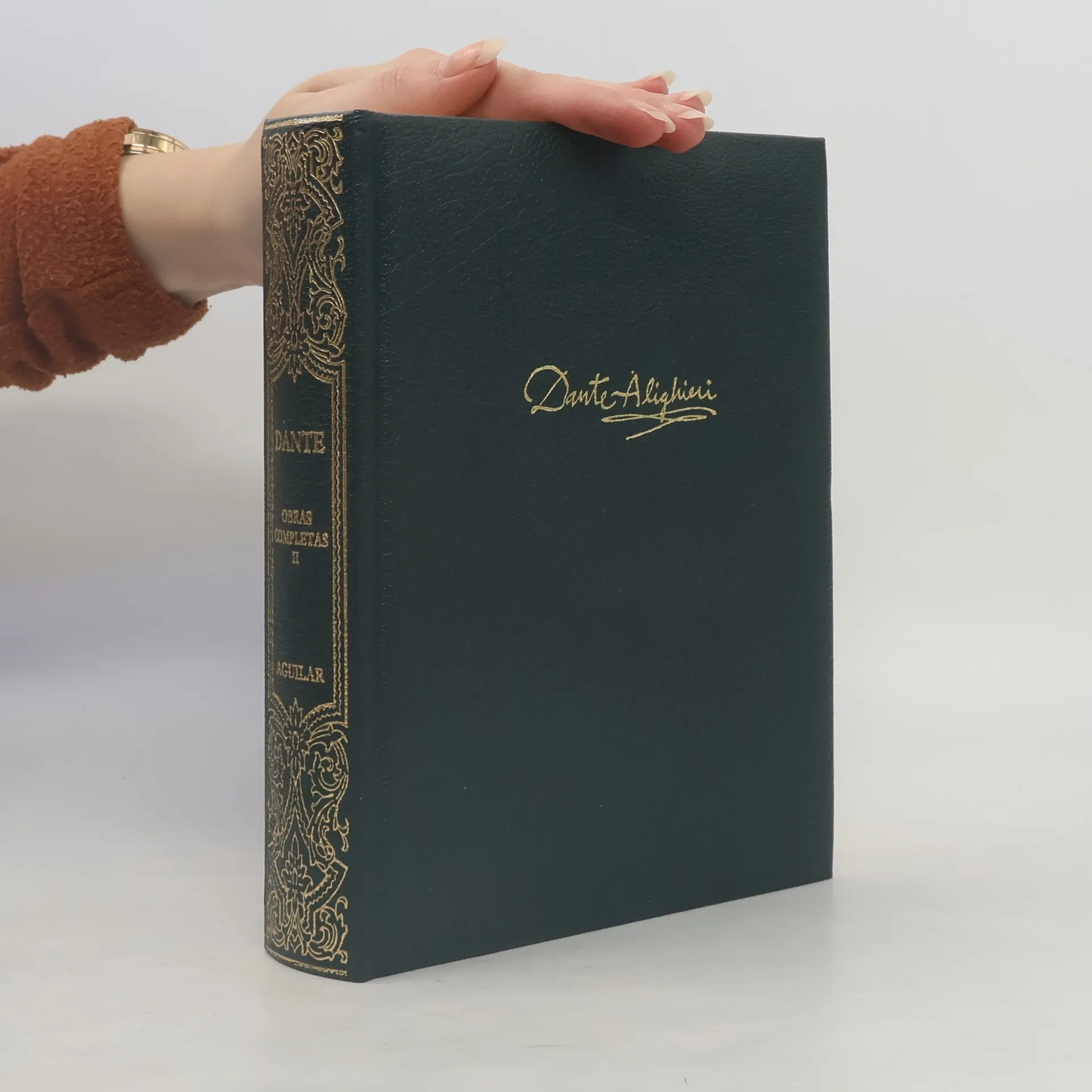
El primero de los dos tomos que integran la presente edición de las obras completas de Dante Alighieri incluye un estudio preliminar redactado por Ángel Crespo, la 'Divina comedia' y un apéndice sobre los problemas y métodos suscitados por la traducción de dicha obra.
Dante Alighieri scrisse La Divina Commedia più di settecento anni fa eppure quest'opera, oltre a esse re una pietra miliare della letteratura italiana, risulta profondamente fresca e attuale.In questa parafrasi accurata e fruibile, destinata ai ragazzi della scuola primaria, il poeta racconta in prima persona le tappe del suo viaggio immagina rio conducendo i lettori in dimensioni meravigliose. Inferno, Purgatorio e Paradiso sfilano in tutta la loro forza rappresentativa sotto gli occhi vigili di Dante e quelli stupefatti dei suoi lettori.
La Commedia. Inferno - Purgatorio - Paradiso
- 240 pages
- 9 hours of reading
LA DIVINA COMMEDIA è uno dei titoli che non si vuole far cadere una volta che iniziate a leggere. E 'così reale che ti willl immaginate di trovarvi in soli esperienza. E 'aa titke che non scenderà fino al termine. Buona lettura
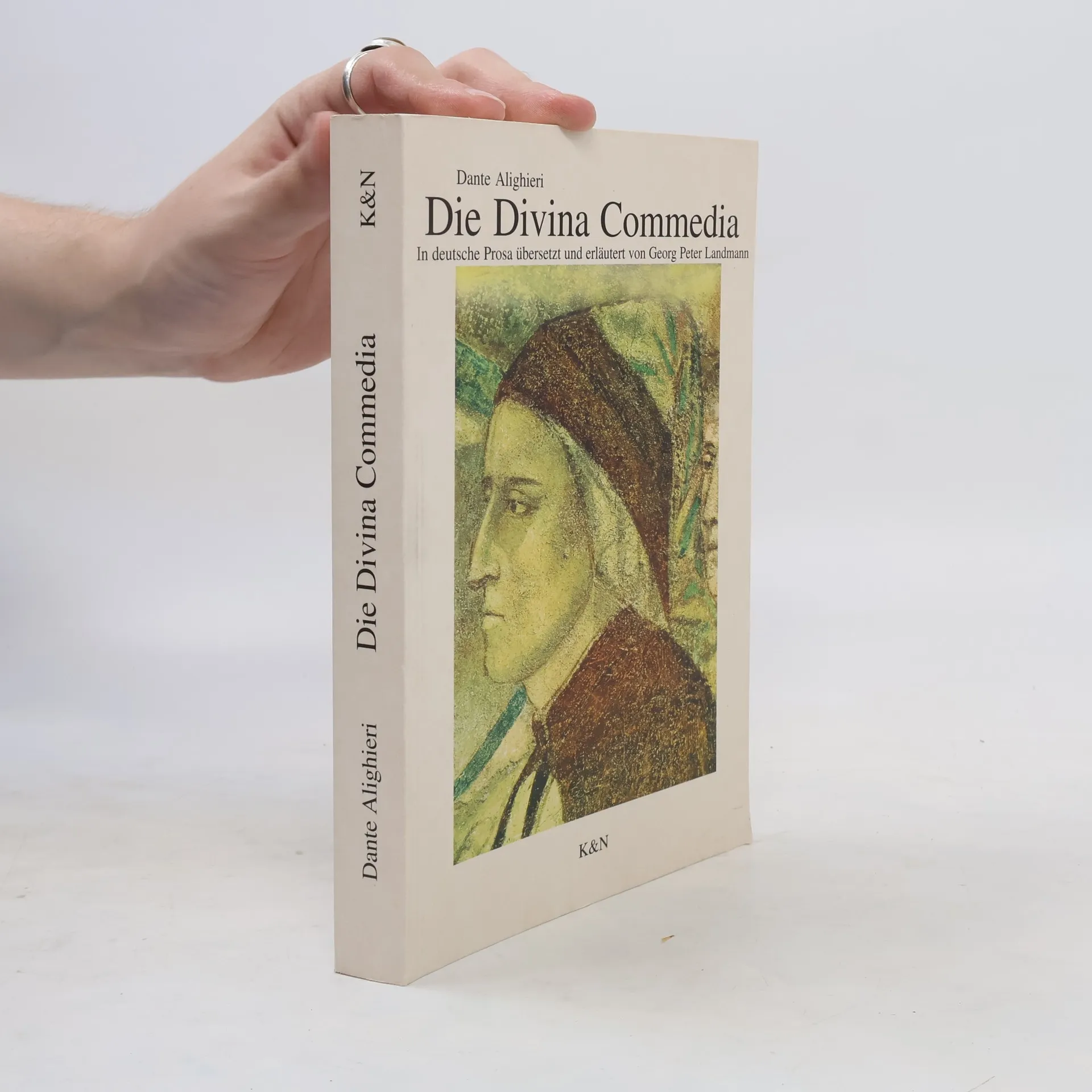
Das lange erzählende Gedicht, ursprünglich Commedia genannt, wurde um 1310-14 von Dante verfasst und in drei Hauptteile unterteilt: Inferno, Purgatorio und Paradiso. Es verfolgt die Reise eines Mannes von Dunkelheit und Irrtum zur Offenbarung des göttlichen Lichts, die in der seligen Schau Gottes gipfelt. Die Handlung der Göttlichen Komödie ist einfach: Ein Mann wird auf wunderbare Weise befähigt, die Seelen in der Hölle, im Fegefeuer und im Paradies zu besuchen. Er hat zwei Führer: Virgil, der ihn durch das Inferno und Purgatorio leitet, und Beatrice, die ihn ins Paradiso einführt. Durch diese fiktiven Begegnungen, die von Karfreitagabend im Jahr 1300 bis Ostersonntag und darüber hinaus stattfinden, erfährt Dante, der Charakter, von dem Exil, das ihn erwartet (ein tatsächliches Exil, das bereits zur Zeit des Schreibens stattgefunden hatte). Dieses Mittel ermöglichte es Dante, nicht nur eine Geschichte aus seinem Exil zu schaffen, sondern auch zu erklären, wie er mit persönlichem Unglück umging und Vorschläge zur Lösung der Probleme Italiens anzubieten.
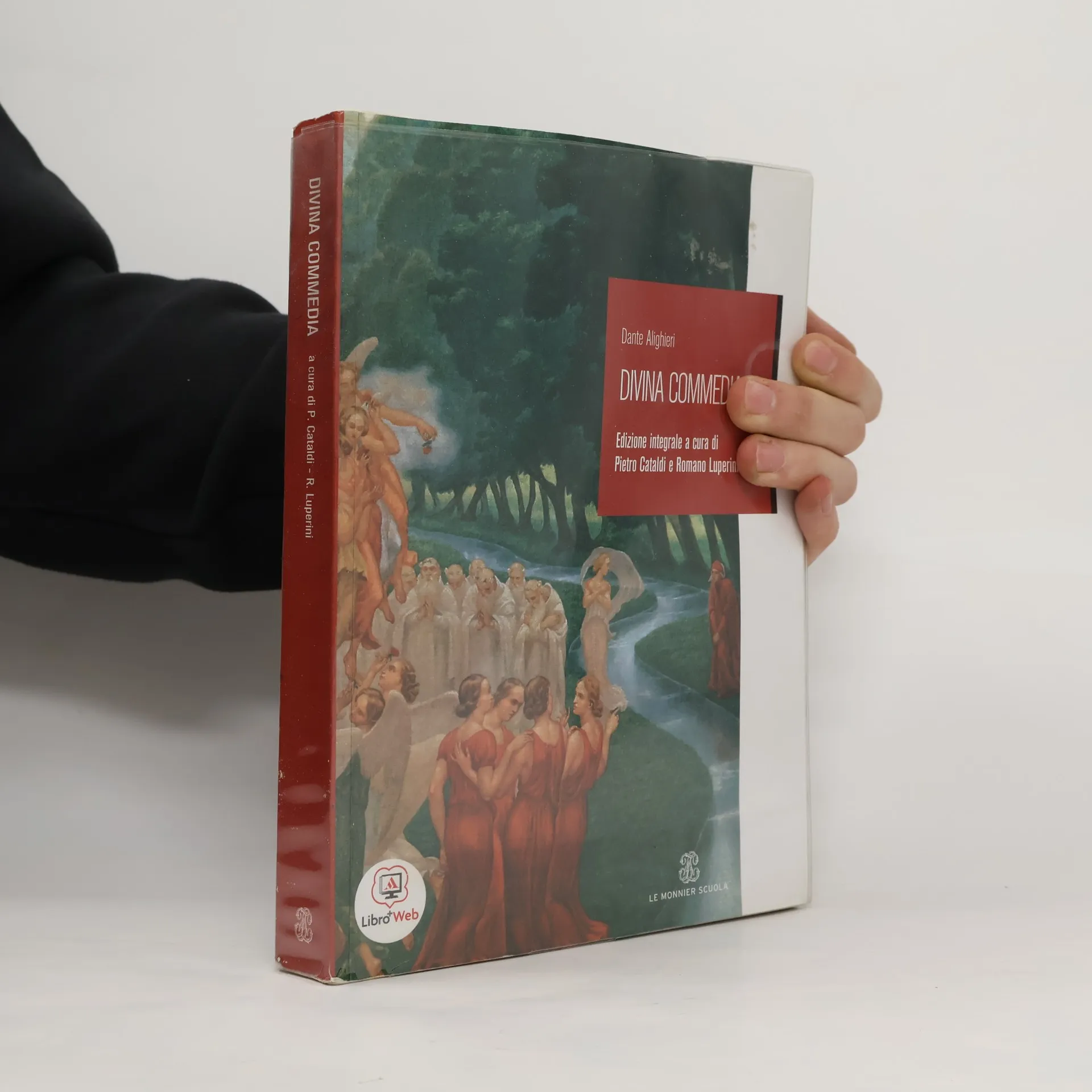
La Divina Commedia. Ediz. integrale. Con espansione online a cura di Pietro Cataldi e Romano Luperini
- 926 pages
- 33 hours of reading
Rime
- 343 pages
- 13 hours of reading
Tutte le opere
- 941 pages
- 33 hours of reading
Divina Commedia
Antologia con 25 canti completi e commentati
La Divina Commedia. Inferno. Decodificazione, note, latinismi, arcaismi, giudizi critici...
- 706 pages
- 25 hours of reading