

Bookbot

Zbigniew Brzeziński

    March 28, 1928 – May 26, 2017

    Zbigniew Brzezinski was a Polish-American political scientist and statesman whose work focused on geostrategy and foreign policy. His approach was characterized as realist, advocating influential foreign policy strategies during a time when the Democratic Party leaned hawkish. His analyses often centered on the complex relationships between nations and power blocs, and the long-term implications of international events. Brzezinski explored the dynamics of global politics and proposed strategies for shaping the international order, emphasizing strategic thinking and a global perspective.

    Zbigniew Brzeziński
    Second chance : three presidents and the crisis of American superpower
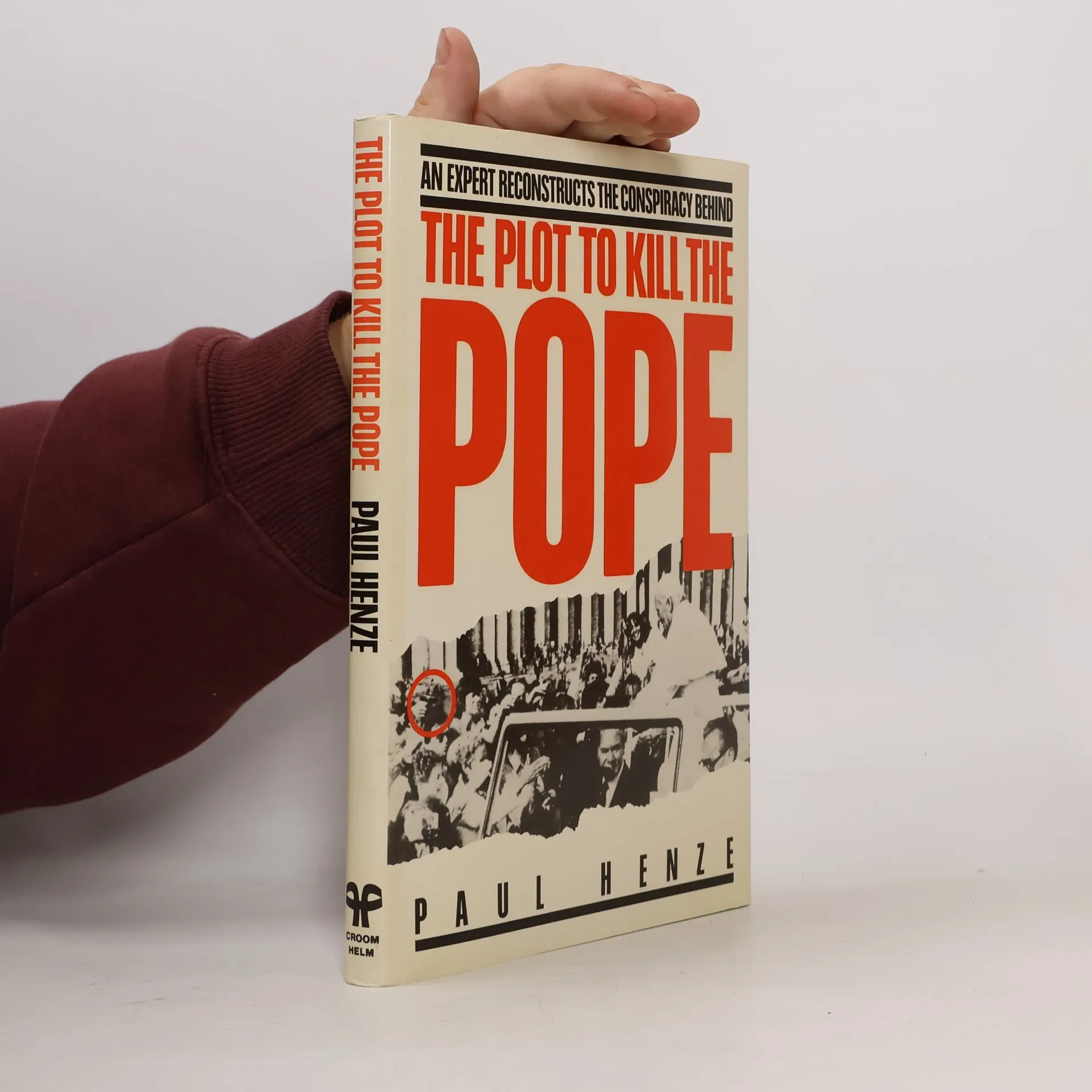
    The Plot to Kill the Pope
    The Grand Chessboard
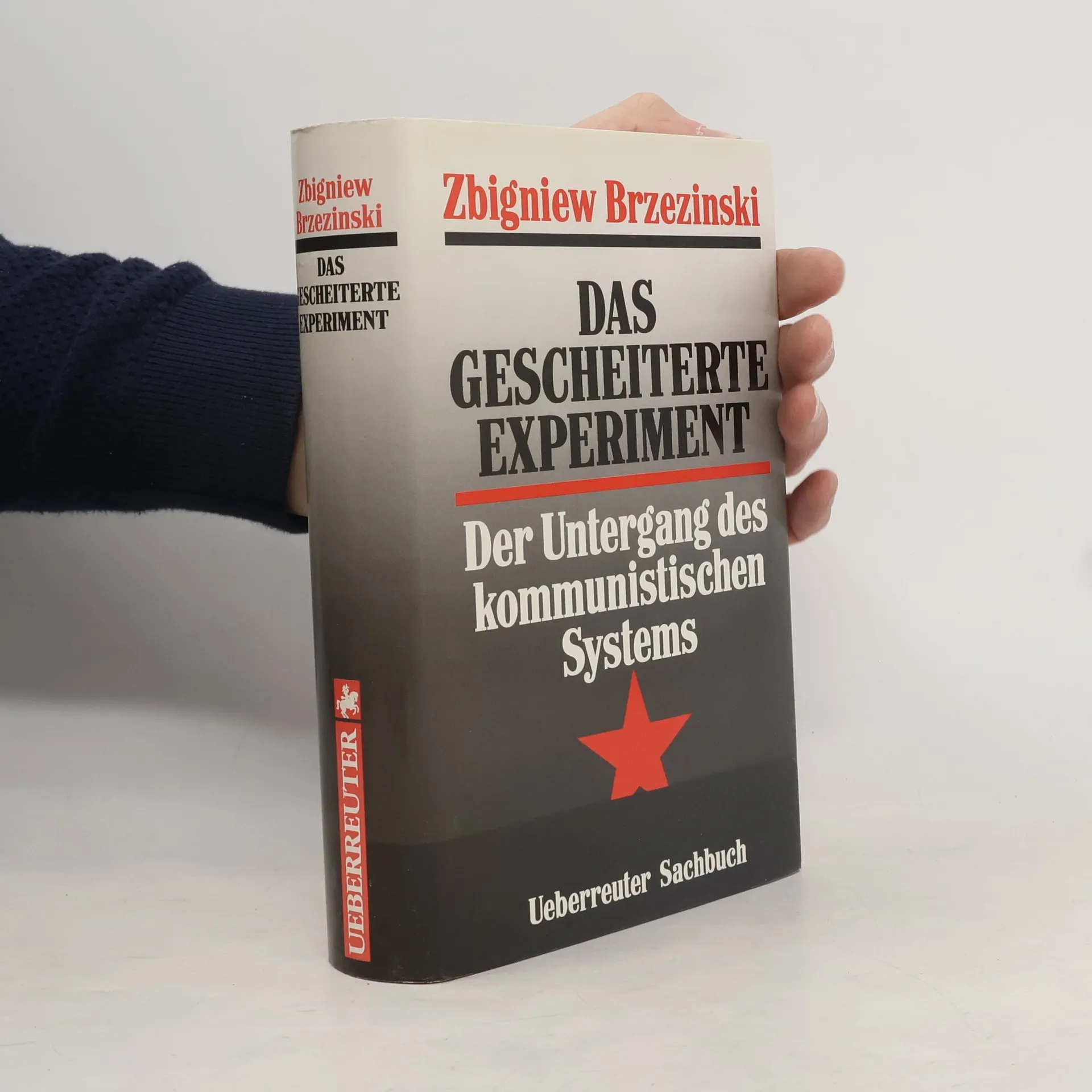
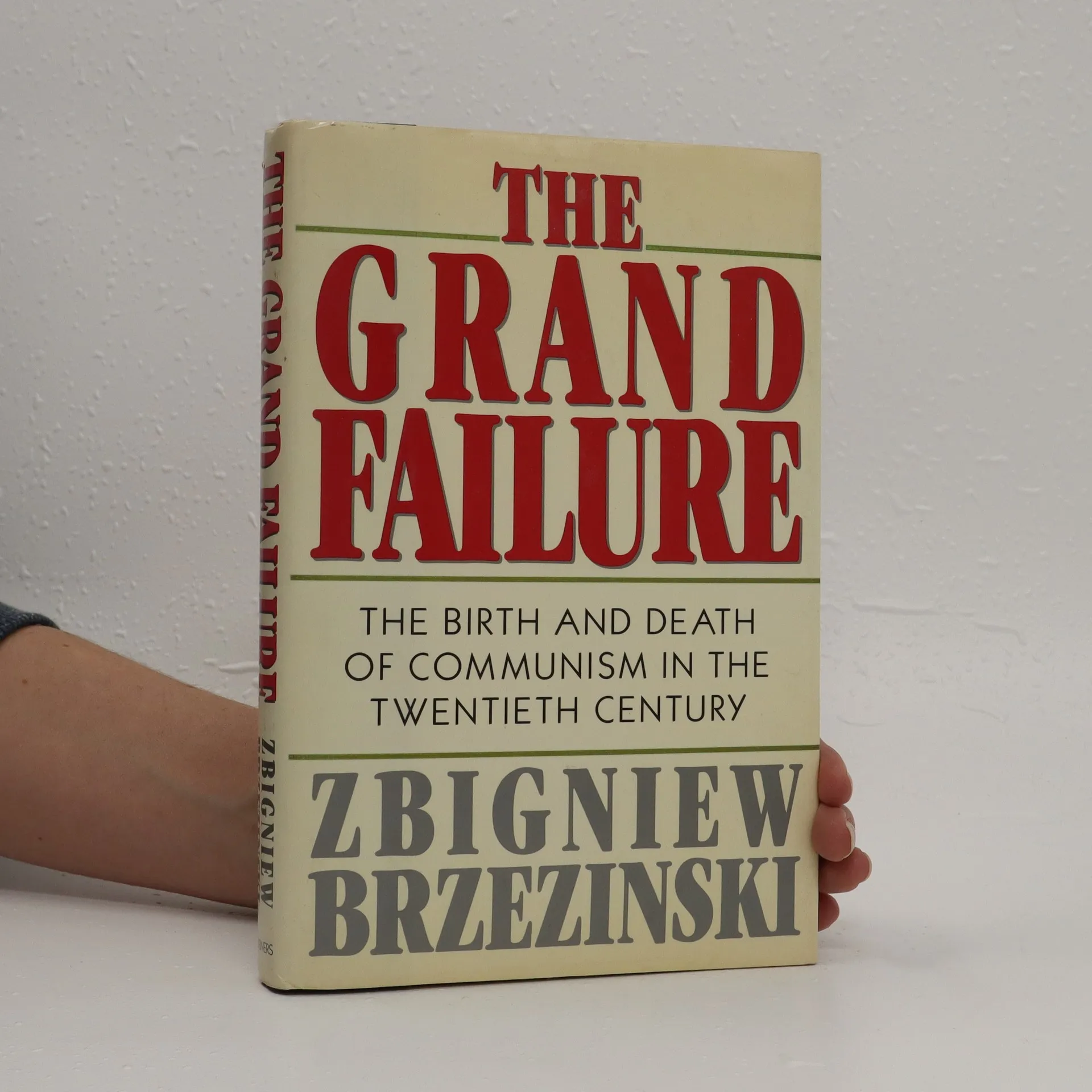
    The grand failure : the birth and death of communism in the twentieth century
    Power and Principle
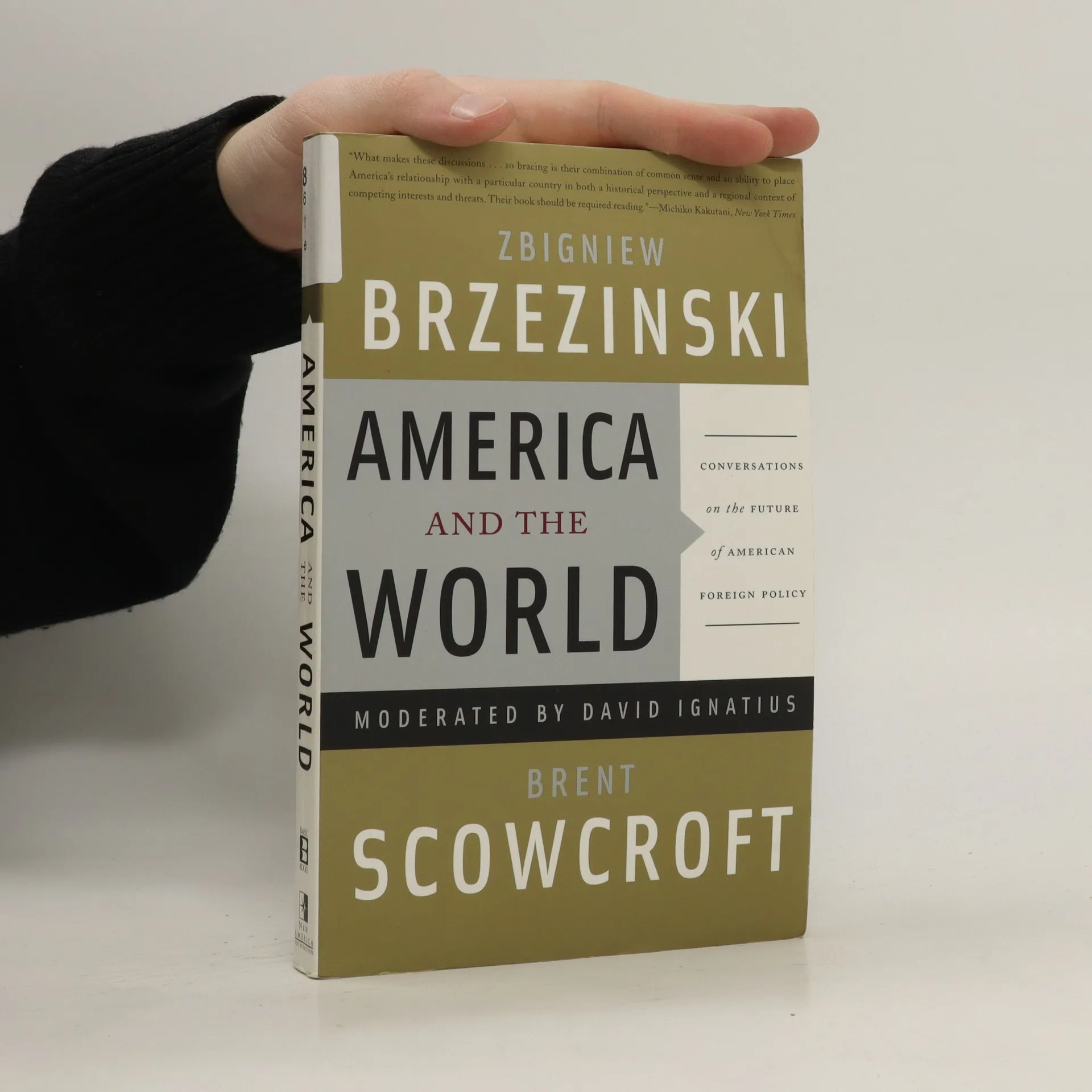
    America and the World
    • America and the World

      Conversations on the Future of American Foreign Policy

      • 291 pages
      • 11 hours of reading

      The status of the United States as a world power, and the nature of power itself, are at a historic turning point. It is essential that we understand and adapt to the new security environment in which we find ourselves.Two of the most respected figures in American foreign policy are Zbigniew Brzezinski and Brent Scowcroft—both former National Security Advisors under markedly different administrations. In America and the World they dissect, in spontaneous and unscripted conversations moderated by David Ignatius, the most significant foreign policy challenges facing the U.S.: the Middle East, Russia, China, Europe, the Developing World, the changing nature of power in a globalized world, and what Brzezinski has called the “global political awakening.” While one author is a Republican and the other a Democrat, they broadly agree on the need to adapt to a new international environment. Where they disagree, their exchanges are always both deeply informed and provocative.America and the World will define the center of responsible opinion on American foreign policy at a time when the nation’s decisions could determine how long it remains a superpower.

      America and the World
      4.0
    • Power and Principle

      • 464 pages
      • 17 hours of reading

      Jimmy Carter's Assistant for National Security Affairs offers a detailed account of his experiences between 1977 and 1981, and an analysis of the achievements and consequences of United States foreign policy during those years

      Power and Principle
      2.0
    • The Grand Failure: The Birth and Death of Communism in the Twentieth Century is Zbigniew Brzezinski's prescient analysis of "the terminal crisis of communism." One of the most astute foreign policy experts of our time, Brzezinski argues that the advent of communism was a critical phenomenon in the history of the century. From the Cold War, to the building of the Berlin Wall, Sputnik, the Vietnam War, and the war in Afghanistan, Americans have lived in the light of the Soviet Union as their predominant and most forbidding antagonist. But Marxist theory has proved a failure, as have its practical applications. "By the next century," Brzezinski concludes, "communism's irreversible historical decline will have made its practice and its dogma largely irrelevant to the human condition. Prospering only where it abandons its internal substance even while retaining some of its external labels, communism will be remembered largely as the twentieth century's most extraordinary political and intellectual aberration."

      The grand failure : the birth and death of communism in the twentieth century
      3.8
    • The Grand Chessboard

      • 240 pages
      • 9 hours of reading

      As the twentieth century closes, the United States stands as the world's sole superpower, unmatched in military and economic strength. However, a crucial question remains: What should be America's global strategy to sustain its exceptional status? Zbigniew Brzezinski addresses this in a bold and provocative exploration of geostrategy for the twenty-first century. Central to his argument is the significance of the Eurasian landmass, which encompasses a large portion of the world's population, resources, and economic activity. This region, stretching from Portugal to the Bering Strait, serves as the chessboard where America's supremacy will be affirmed or contested. Brzezinski contends that the U.S. must navigate the complexities of relationships and conflicts in Europe, Asia, and the Middle East to prevent the emergence of rival superpowers that could threaten its interests. He analyzes four key regions—Europe, Russia, Central Asia, and East Asia—highlighting the new rivalries and relationships that have emerged since the Soviet Union's collapse. His insights reveal why certain countries will play critical roles in geopolitics and the implications of NATO expansion for Russia. He also discusses the importance of Ukraine and Azerbaijan to U.S. interests and warns against viewing China solely as a threat. Brzezinski’s conclusions challenge conventional wisdom and provide a compelling framework for understanding America's vital i

      The Grand Chessboard
      4.0
    • The Plot to Kill the Pope

      • 216 pages
      • 8 hours of reading

      Argues that the Soviet Union organized an international conspiracy to murder Pope John Paul II and speculates on Russian motives

      The Plot to Kill the Pope
      2.0
    • A story of wasted opportunity and squandered prestige: a critique of the last three U.S. presidents' foreign policy. Distinguished commentator on foreign policy, former National Security Adviser Brzezinski, offers a reasoned but unsparing assessment of the last three presidential administrations' foreign policy. Though spanning less than two decades, these administrations cover a vitally important turning point in world history: the period in which the United States, having emerged from the Cold War with unprecedented power and prestige, managed to squander both in a remarkably short time. This is a tale of decline: from the competent but conventional thinking of the first Bush administration, to the well-intentioned self-indulgence of the Clinton administration, to the mortgaging of America's future by the "suicidal statecraft" of the second Bush administration. Brzezinski concludes with a chapter on how America can regain its lost prestige. This scholarly yet highly opinionated book is sure to be both controversial and influential.--From publisher description.

      Second chance : three presidents and the crisis of American superpower
      3.7
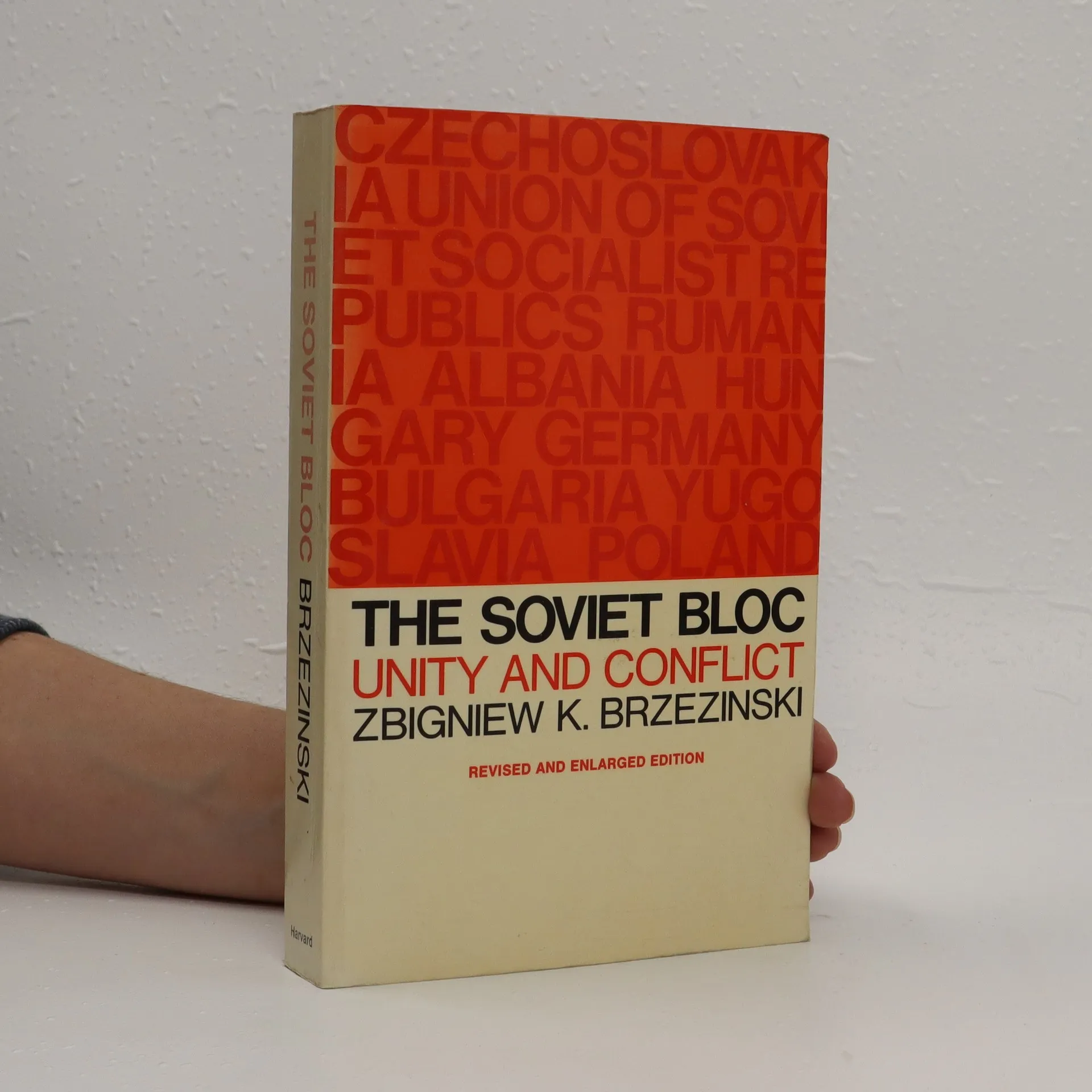
    • The Soviet bloc : unity and conflict

      • 599 pages
      • 21 hours of reading

      When this book was first published in 1960, The New York Times commented: "[Mr.] Brzezinski...is uniquely qualified to sift the scattered and often seemingly contradictory data on this subject...the volume is marked by unusual insight, richness of information, and stimulating thought." Mr. Brzezinski, who is on leave from his post as Professor and Director of the Research Institute on Communist Affairs, Columbia University serving on State Department's Policy Planning Council, has revised and updated his important study wherever necessary and added three new chapters on recent developments. He gives particular attention to the Sino-Soviet dispute.

      The Soviet bloc : unity and conflict
      3.5
    • Addressing four major areas of concern--the shift of global power from West to East; the causes and consequences of America's declining global appeal; what would happen if America suffered long-term decline; and how America can reorient its geopolitical goals to prevent it--foreign policy powerhouse Brzezinski provides a comprehensive long-term strategic plan for America

      Strategic vision : America and the crisis of global power
      3.8
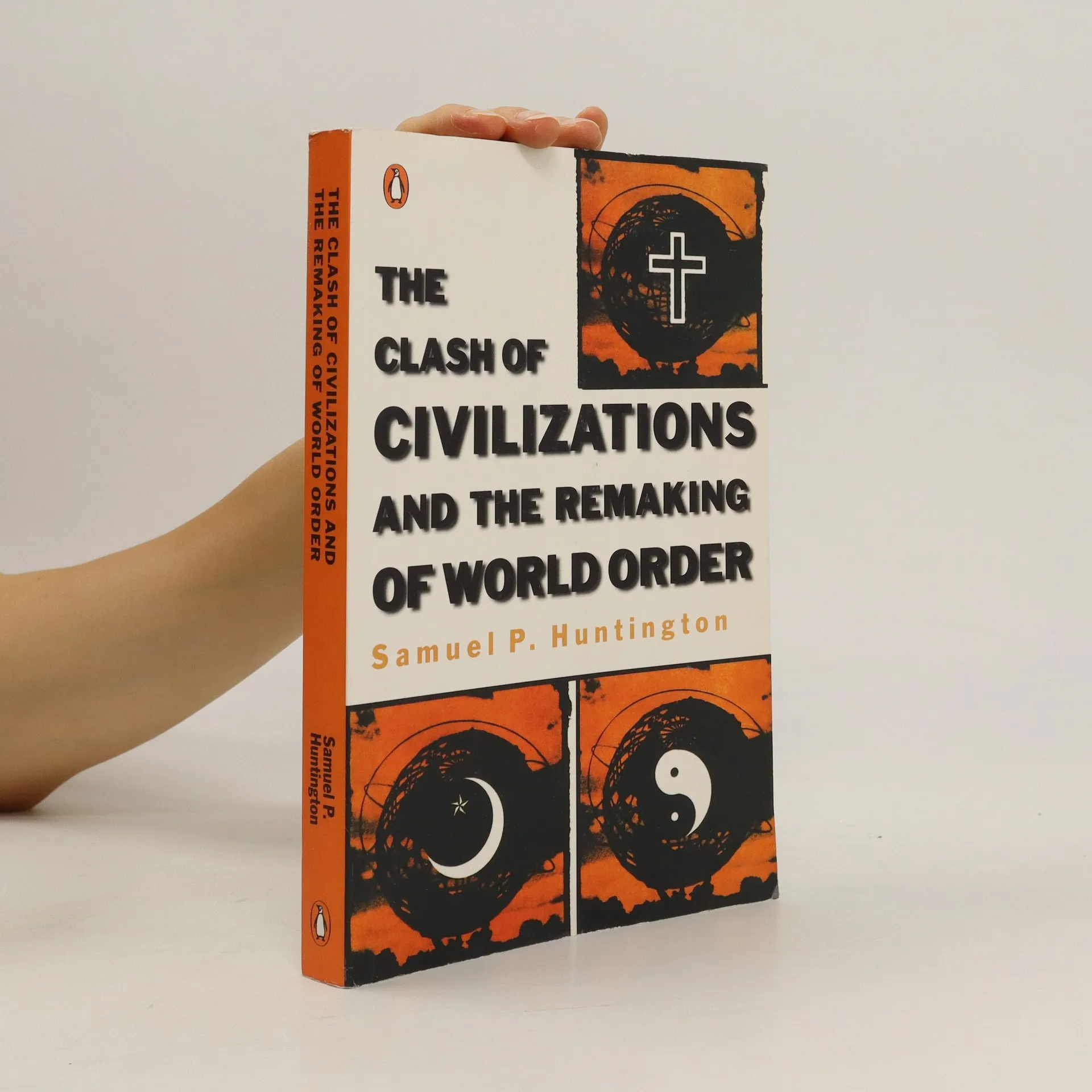
    • Based on the author's seminal article in Foreign Affairs, Samuel P. Huntington's The Clash of Civilizations and the Remaking of World Order is a provocative and prescient analysis of the state of world politics after the fall of communism. In this incisive work, the renowned political scientist explains how "civilizations" have replaced nations and ideologies as the driving force in global politics today and offers a brilliant analysis of the current climate and future possibilities of our world's volatile political culture.

      The Clash of Civilizations and the Remaking of World Order
      3.8
    • Out of Control

      Global Turmoil on the Eve of the Twenty-First Century

      • 240 pages
      • 9 hours of reading

      As we rush toward the 21st century, former Director of the National Security Council Brzezinski takes time out to issue an "urgent warning" about the current state of global politics. He believes we are in peril of repeating the "megadeath" of this century--a century that has witnessed the slaughter of 187 million people in the name of politics.

      Out of Control
    • Die einzige Weltmacht

      Amerikas Strategie der Vorherrschaft und der Kampf um Eurasien

      Zbigniew Brzezinskis Werk „Die einzige Weltmacht“ analysiert die geopolitische Bedeutung der Ukraine und die amerikanische Strategie zur Wahrung ihrer globalen Vormachtstellung im 21. Jahrhundert. Mit Fokus auf Europa und Eurasien beleuchtet es aktuelle Entwicklungen wie den Ukrainekrieg und den Aufstieg Chinas. Ein essentielles Buch für das Verständnis globaler Konflikte.

      Die einzige Weltmacht
      5.0
    • Dyktatura totalitarna i autokracja

      • 512 pages
      • 18 hours of reading

      Dyktatura totalitarna i autokracja przedstawia podstawowe cechy państwa totalitarnego i omawia zagadnienie trwałości systemów totalitarnych oraz ich dalszej ewolucji. Pierwsze wydanie tej książki ukazało się w 1956 roku. Szybko uznano ją za jeden z najważniejszych głosów w intelektualnej debacie dotyczącej zagadnienia totalitaryzmu. W 1963 roku praca została zaktualizowana i gruntownie przeredagowana. Ta druga edycja stała się podstawową niniejszego wydania, zawierającego pierwszy w historii przekład na język polski klasycznej już rozprawy. „Książkę Carla Friedricha i Zbigniewa Brzezińskiego można czytać jako próbę dowiedzenia, że istnieją dostateczne racje, by posługiwać się pojęciem totalitaryzmu (czy raczej w wypadku prezentowanej tu książki – dyktatury totalitarnej).” Z wprowadzenia dr. Arkadiusza Górnisiewicza

      Dyktatura totalitarna i autokracja
      5.0
    • The Grand Chessboard: American Primacy and its Geostrategic Imperatives. Velikaja shahmatnaja doska Zbigneva Bzhezinskogo stoit v odnom rjadu s vazhnejshimi proizvedenijami politicheskoj mysli chelovechestva - Politikoj Aristotelja i Gosudarem Makiavelli, O vojne Klauzevica i Stolknoveniem civilizacij Hantingtona. Geopoliticheskie modeli i prognozy, kotorye rassmatrivaet Bzhezinskij, ostanutsja aktual'nymi eshhe mnogo let.

      Velikaja shahmatnaja doska
      3.0
    • Wielka szachownica

      główne cele polityki amerykańskiej

      • 285 pages
      • 10 hours of reading
      Wielka szachownica
      3.5
    • El gran fracaso

      el nacimiento y la muerte del comunismo en el siglo veinte

      • 302 pages
      • 11 hours of reading
      El gran fracaso
    • Bez kontroly

      • 222 pages
      • 8 hours of reading

      Autorova vize budoucího světového vývoje vychází z hodnocení tendencí světové politiky a z jeho zkušeností zahraničního poradce americké vlády.

      Bez kontroly
      4.0
    • Amerika stojí před historickou volbou: bude usilovat o dominaci ostatnímu světu, nebo se jej pokusí vést? definuje Zbigniew Brzezinski základní problém, před kterým stojí nejmocnější stát světa. Ale moc Ameriky je také její největší slabostí. Brzezinski, který má tu výhodu, že se nepodílí na nynější konfrontační americké zahraniční politice, si může dovolit luxus zabývat se tématy, jež by měla stát u kořenů každé zodpovědné diplomacie a koncepce strategické vojenské bezpečnosti. Jeho symetrická otázka má výstavbu klasického dramatu: v pěti kapitolách rozdělených do dvou oddílů, autor předkládá pět dilemat: národní bezpečnost, nový globální pořádek, řízení globálních aliancí, globalizace a hegemonní demokracie. Brzezinského novu knihu je možné vnímat nejen jako zničující kritiku, ale i jako závažný alternativní námět k aktuální podobě americké zahraniční politiky.

      Volba. Globální nadvláda nebo globální vedení
      4.0