
Richard Alan Clarke dedicated three decades to public service, focusing on national security and counter-terrorism. His career involved roles within the State Department and pivotal positions on the National Security Council across multiple presidential administrations. Clarke gained prominence for his vocal criticism of the pre-9/11 counter-terrorism response and the decision to go to war in Iraq, making him a controversial yet influential figure in national security discourse.
Written by experts, accurately illustrated and easy to use, Spotter’s Guides are essential companions for everyone who enjoys nature. Detailed descriptions and beautiful illustrations show more than 100 mushrooms and fungi.
An illustrated and highly practical guide to the technique of making collagraphs.Collagraphs are prints that can be made in a number of ways: from collages, relief sculpture, caste plaster plates, carved, stripped and layered plates, plates painted with glues or even from a combination of all these methods. The flexibility of this process means that it is one of the most fluid approaches to printmaking which gives you greater creative freedom than other methods.In this book, explore a wide range of techniques with practical hints about choosing materials and printing methods to achieve the best results. You can also learn all about the historical use of collage in printmaking, looking at the work of artists like Picasso, Georges Braque and Kurt Schwitters. With illustrations of the work of many different British and international collagraph artists, this book is the perfect practical and inspirational guide for printmakers of all levels.
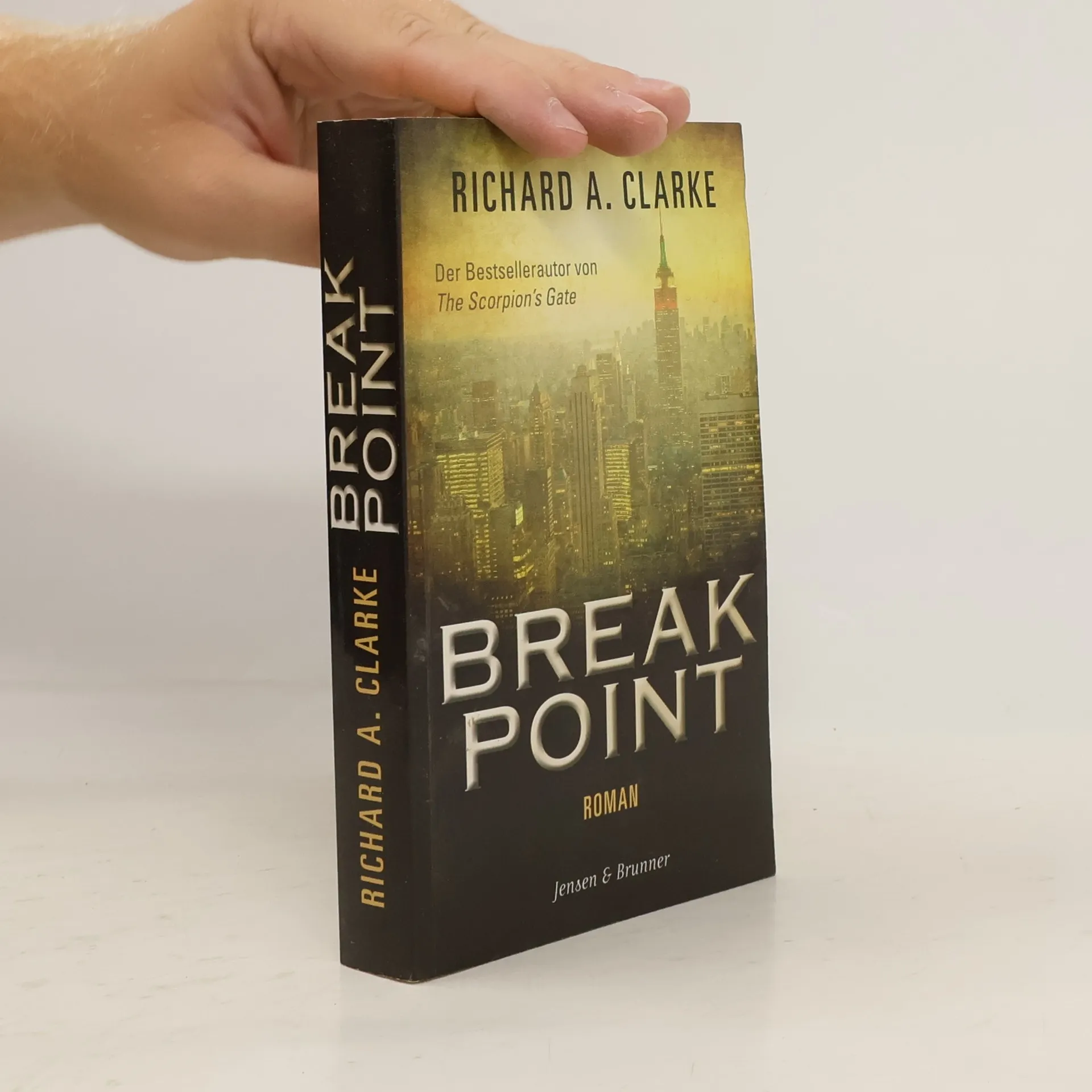
The United States, perceived as the most secure nation in the fight against terrorism, faces a shattering reality as devastating bombings challenge this belief. These attacks strike at America's Achilles' heel by crippling access to the internet. Susan Connor, an intelligence officer at IAC, uncovers a highly explosive conspiracy.
With America cut off from the world and its economy severely impacted, U.S. military units abroad become increasingly difficult to manage. The bombings of internet relay stations on the East Coast herald a looming political and economic catastrophe. Is this a show of force from China to pressure the U.S. into withdrawing support for Taiwan's independence efforts? Or is it the act of militant opponents of "transhumanism," aiming to prevent genetic and nanotechnology from altering humanity's divine design? As Susan Connor and her intelligence colleagues investigate under intense pressure, the political situation escalates unexpectedly and dramatically.
The disturbing truth about the war on terror and a withering critique of the
Bush Administration's neglect of the threat, by the man who served for eleven
years as the White House Counter-terrorism Czar.
Security expert Richard A. Clarke goes beyond "geek talk" to succinctly explain how cyber weapons work and how vulnerable America is to the new world of nearly untraceable cyber criminals and spies. This sobering story of technology, government, and military strategy involving criminals, spies, soldiers, and hackers begins the much needed public policy debate about what America's doctrine and strategy should be, not just for waging, but for preventing the First Cyber War
The year is 2010, Saudi Arabia is now Republic of Islamyah, the Chinese are providing arms and training to them, the Iranians have the bomb, and Secretary of Defense Henry Conrad thinks the time is ripe to invade Islamyah and seize its oil