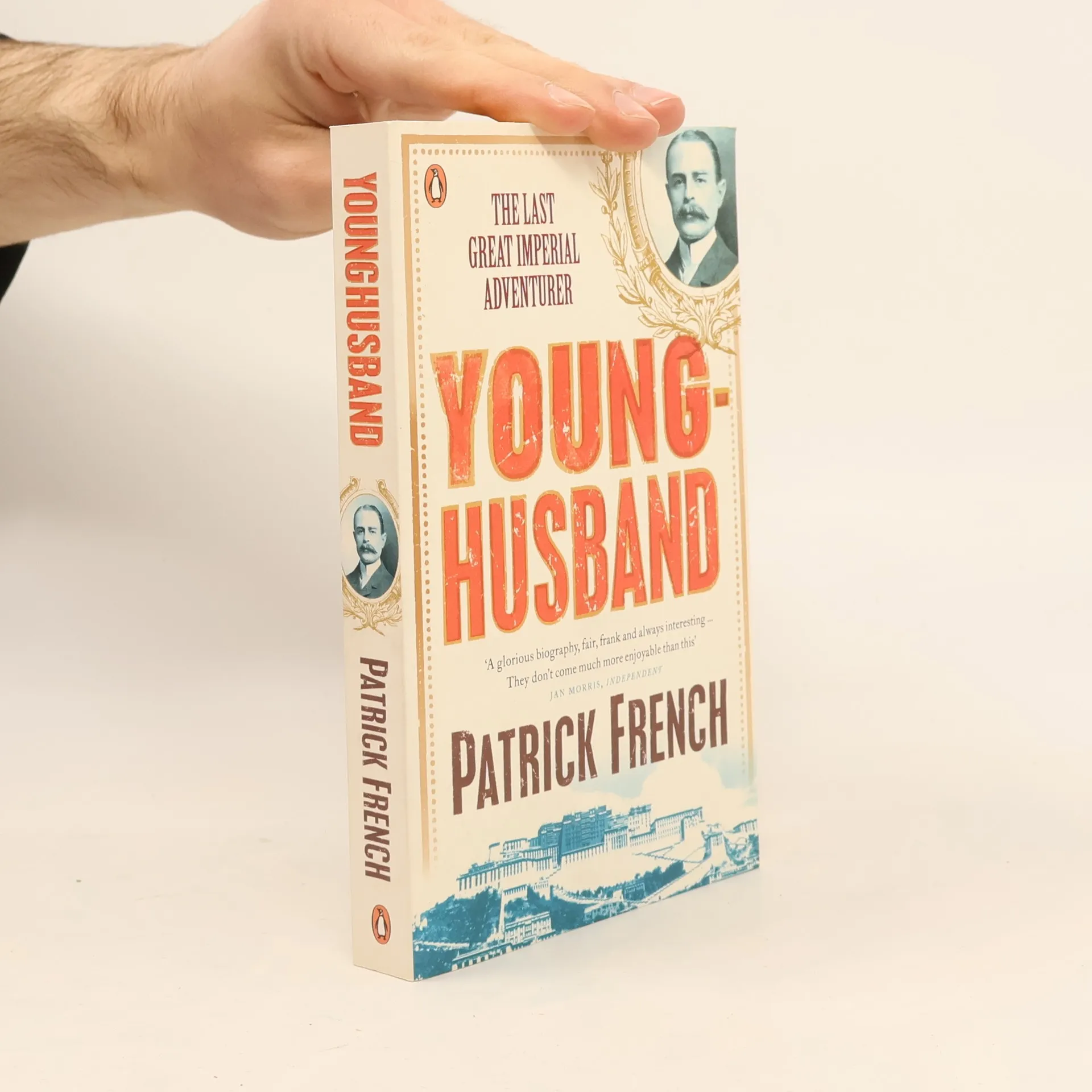
From Calcutta to the Himalayas, Patrick French's biography explores the life of Francis Younghusband, a figure who encapsulates the romance and folly of Britain's imperial past. Younghusband's journey began as a military adventurer and evolved into that of a radical visionary advocating free love. French chronicles the unpredictable life of this maverick, who led the 1904 British invasion of Tibet, discovered a new route from China to India, and organized early expeditions up Mount Everest, all while attempting to establish a new world religion. Critics have praised the narrative as "full of excitement and insight, humour and curiosity" (Michael Holroyd) and "breathtakingly accomplished" (Observer). The writing is described as "beautifully written, wise, balanced, fair, funny, and extremely original" (William Dalrymple), and the work has been called "dazzling" (Niall Ferguson). The Independent on Sunday noted the book as a "rare gem" that sets new standards for historical biography. Patrick French is an acclaimed author, having received multiple awards for his works, including the Somerset Maugham Award and the Royal Society of Literature W. H. Heinemann Prize, among others.
Patrick French Book order (chronological)
Patrick French is a British author and historian whose work delves into the lives and legacies of significant figures from modern history. His writing is characterized by meticulous historical research and compelling narrative, transporting readers into worlds of empire, adventure, and cultural encounters. He focuses on exploring the intricate connections between individuals and the broader forces shaping societies and politics. French's style is both scholarly and accessible, making him a captivating storyteller of the past.

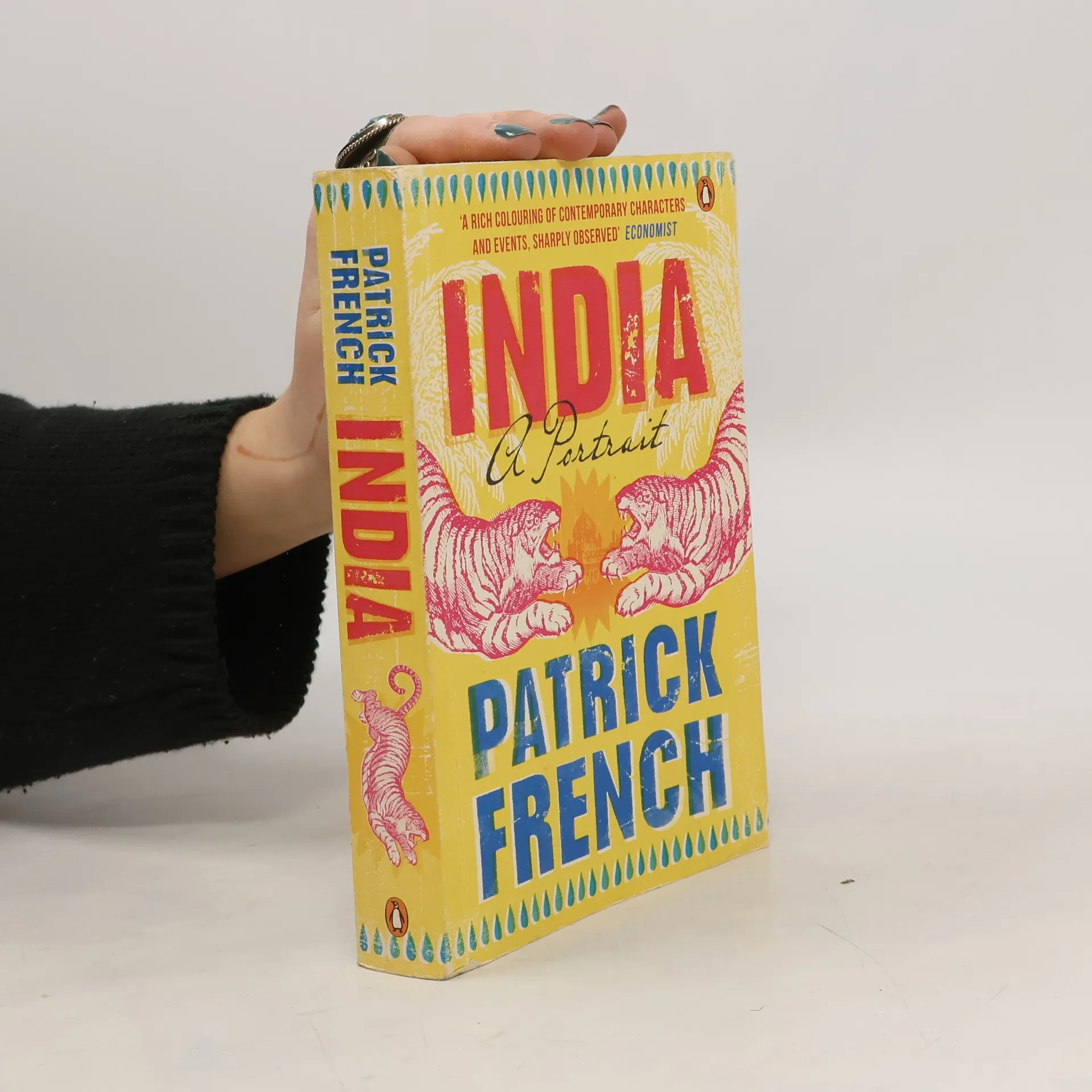

Patrick French brings one of the globe's most dynamic nations springing to life ... he has an encyclopaedic knowledge of the country, sensitivity to its subtler nuances and a wealth of research. He also arrives with a mischievous sense of humour and a keen eye for the absurd and the bizarre' - Sunday TimesIndia is the biggest democracy on earth, a country of dynamic change, huge divisions and countless identities. Is there any way to discover the 'real' India? In this intimate biography of 1.2 billion people, Patrick French travels all over the country talking to everyone from political leaders to mafia dons, from chained quarry workers to self-made billionaire entrepreneurs, to tell the story of post-independence India as never before. About the AuthorPatrick French is a writer and historian, born in England in 1966. He is the author of Younghusband: The Last Great Imperial Adventurer, which won the Somerset Maugham Award and the Royal Society of Literature W.H. Heinemann Prize, Liberty or Death: India's Journey to Independence and Division, which won the Sunday Times Young Writer of the Year Award, Tibet, Tibet: A Personal History of a Lost Land and, most recently, The World Is What It Is: The Authorized Biography of V. S. Naipaul, which won the National Book Critics Circle Award and the Hawthornden Prize.
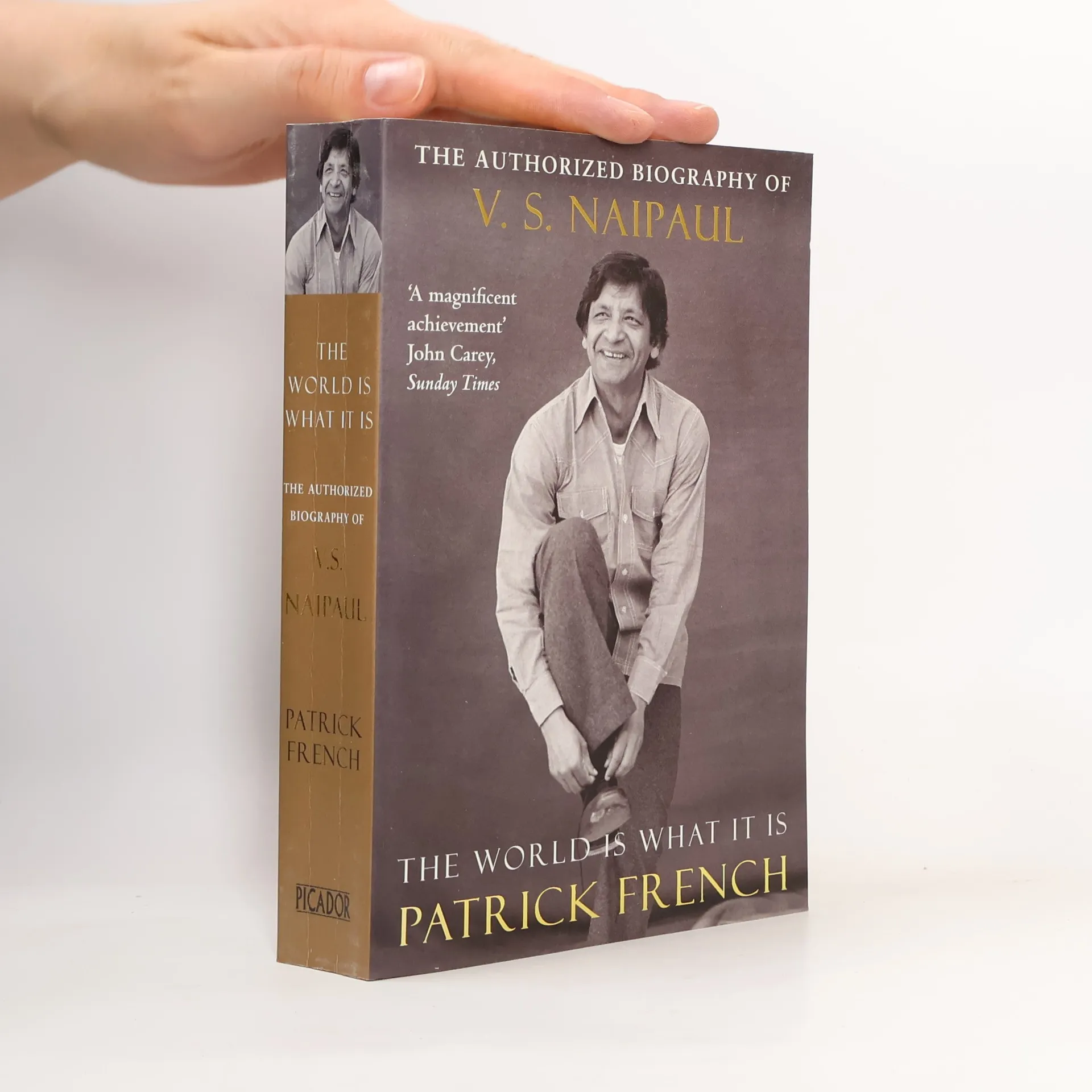
Researched with the full cooperation of its subject, this biography begins with Naipaul's upbringing in Trinidad, describes how his ambition took him to England, and looks at the factors that have made Naipaul one of the leading writers of his generation.
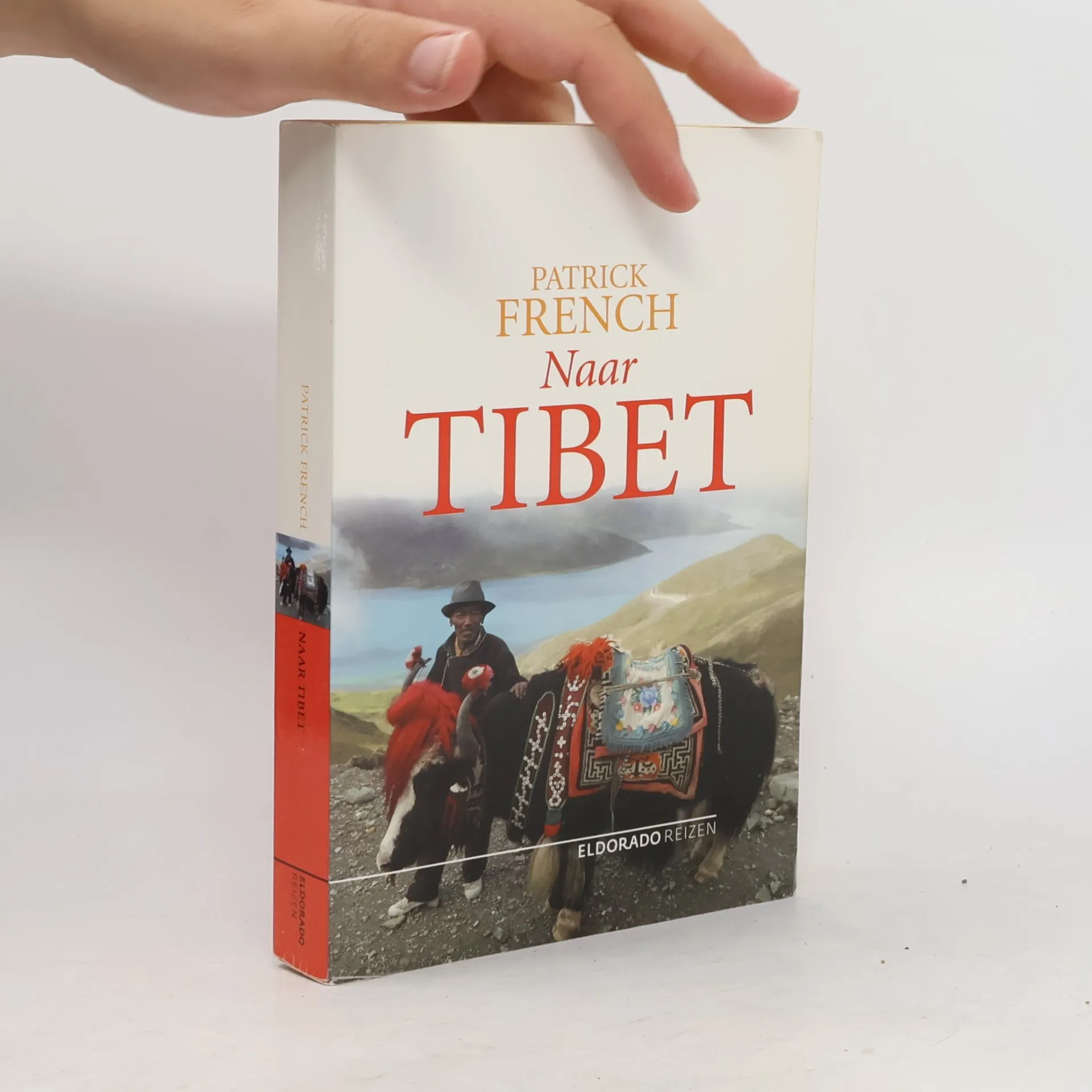
Eldorado reizen: Naar Tibet
- 367 pages
- 13 hours of reading
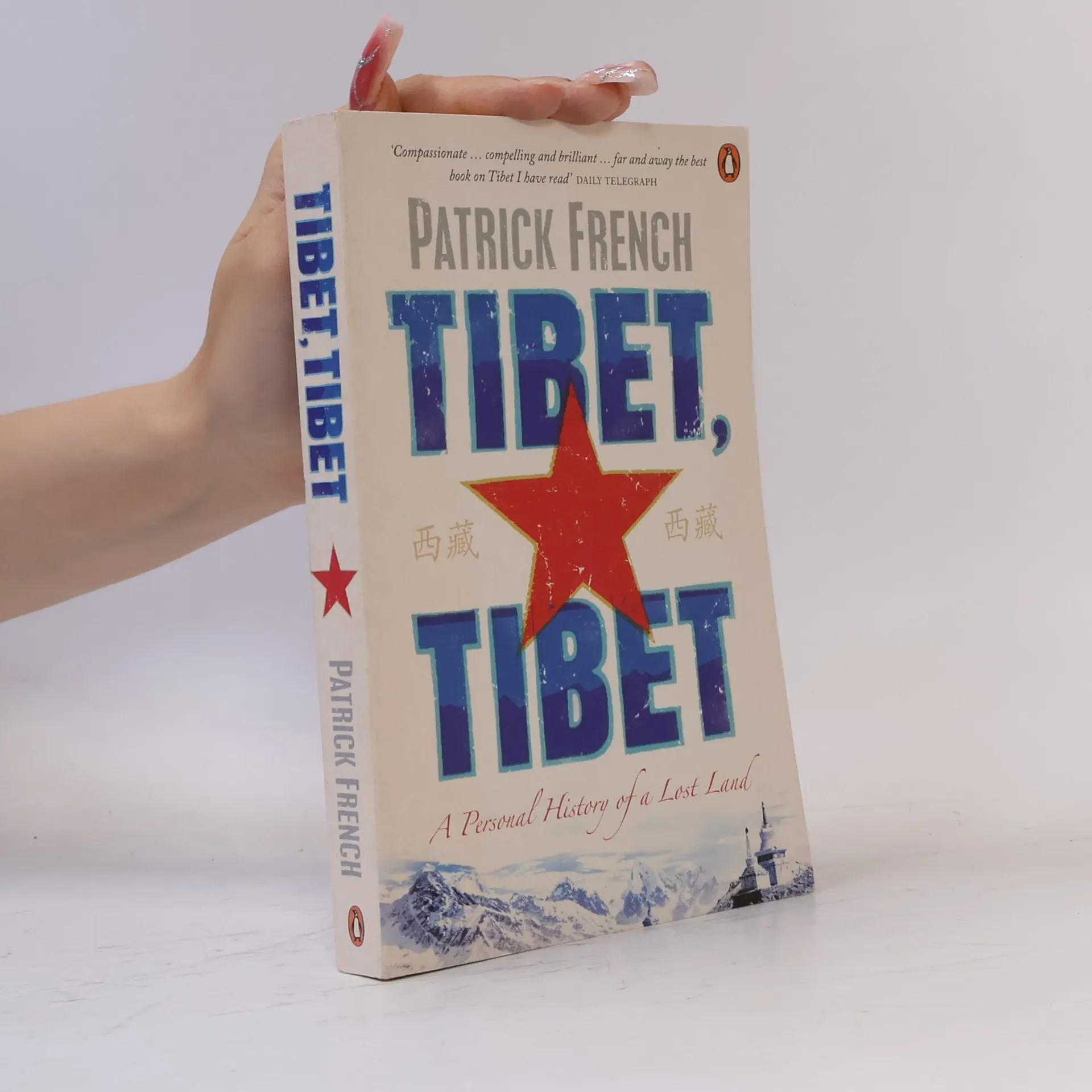
Tibet, Tibet. A personal history of a lost land
- 352 pages
- 13 hours of reading
'Mixes a compelling subject, magnificent prose and deep understanding' THE TIMES Tibet has long fascinated the West, but what really lies beyond our romantic image of a mystical mountain kingdom of peace and spirituality? Patrick French set out to discover the truth, and his extraordinary account has been acclaimed as the book that showed the real Tibet for the first time. Travelling through the country, French meets warrior monks, nomads and a nun secretly fighting Chinese rule, but also young Tibetans with a more pragmatic attitude to their situation. Interweaving these encounters with little-known stories of war and turmoil from Tibet's past, he reveals a more nuanced, fascinating and surprising picture of this complex place than any other book has done. 'Inspired and heartfelt . . . shows that Tibet was never the peace-loving paradise so many generations of well-wishers have longed for it to be' PICO IYER, LOS ANGELES TIMES 'Tibet, Tibet, so good they named it twice . . . French is a writer of generous talents' SUNDAY TIMES 'French has produced something very different from what he calls 'Tibetophile' literature, something greatly superior in its honesty and lack of false sentiment' SPECTATOR 'A gripping mix of history, travel writing and personal memoir . . . vividly told' OBSERVER
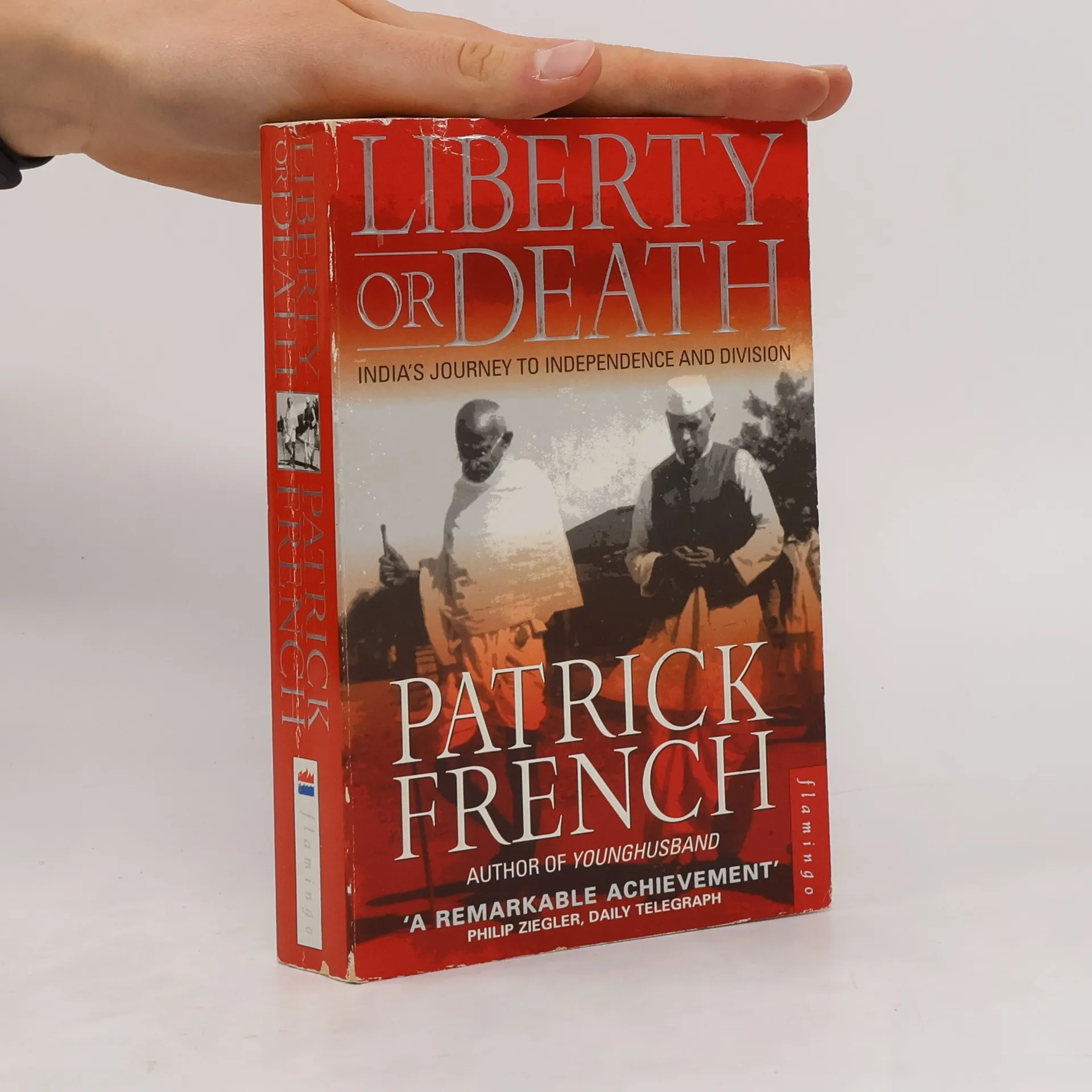
At midnight on August 14, 1947, Britain's 350-year-old Indian Empire cracked into three pieces. The greatest mass migration in history began, as Muslims fled north and Hindus fled south, over a million being massacred on the way. Britain's role as world power came to an end and the course of Asia's future was irrevocably set. Patrick French offers a reinterpretation of the events surrounding India's independence and partition, including the disastrous mistakes made by politicians and the bizarre reasoning behind many of their decisions. Exploring the interplay between characters such as Churchill, Mountbatten and Gandhi, it reveals a tale of idealism and manipulation, hope and tragedy. With sources ranging from newly declassified secret documents to the memories of refugees, Patrick French gives an account of an epic debacle, the impact of which reverberates across Asia to this day.
French Brothers' Wild and Crazy Film Quiz Book
- 208 pages
- 8 hours of reading
This quiz book offers the reader clues to the answers to each question, with questions devised to appeal to the cryptic problem solver. The emphasis is on recent film history with special sections on all time classics such as The Third Man, The Wizard of Oz and Casablanca.