Yusef Komunyakaa Books
Yusef Komunyakaa's poetry delves into the Black experience, the landscapes of the rural South, and the profound impact of war. His work often confronts themes of racism, identity, and memory with a raw, authentic voice. Komunyakaa employs vivid imagery and a rich linguistic style to explore the complexities of human suffering and resilience. His writing offers readers an intimate and unforgettable encounter with history and personal struggle.



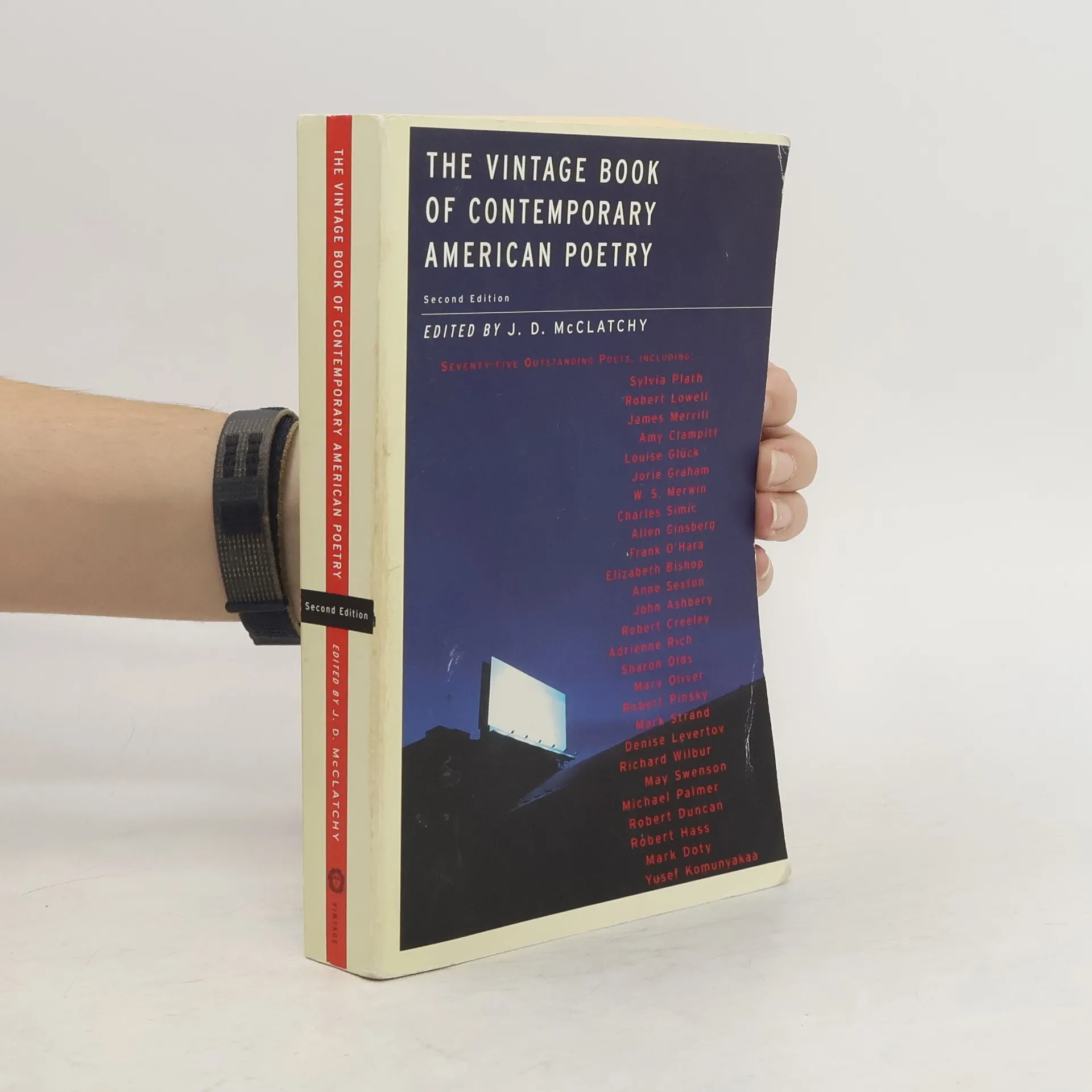
Dazzling in its range, exhilarating in its immediacy and grace, a collection that gathers together, from every region of the country and from the past forty years, the poems that continue to shape our imaginations.From Robert Lowell and Elizabeth Bishop, John Ashbery and Adrienne Rich, to Robert Haas and Louise Glück, this anthology takes the full measure of our poetry's daring energies and its tender understandings.Other poets Sylvia PlathJames MerrillAmy clampittJorie GrahamW. S. MerwinCharles SimicAllen GinsbergFrank O'HaraAnne SextonRobert CreeleySharon OldsMary OliverRobert PinskyMark StrandDenise LevertovRichard WilburMay SwensonMichael PalmerMark DotyYusef Komunyakaa
The book features haunting and electric poetry from a Pulitzer Prize-winning author, known for consistently challenging and delighting readers. Through evocative language and powerful themes, it explores profound emotions and experiences, inviting readers to engage deeply with the text.
A bold and innovative collection of poetry, this work by Pulitzer Prize-winning poet Yusef Komunyakaa explores themes of identity, culture, and the human experience. Through daring language and vivid imagery, the poems invite readers into a world that challenges conventional boundaries. Nominated for the National Book Critics Circle Award, it showcases Komunyakaa's unique voice and mastery of the poetic form, making it a significant contribution to contemporary literature.
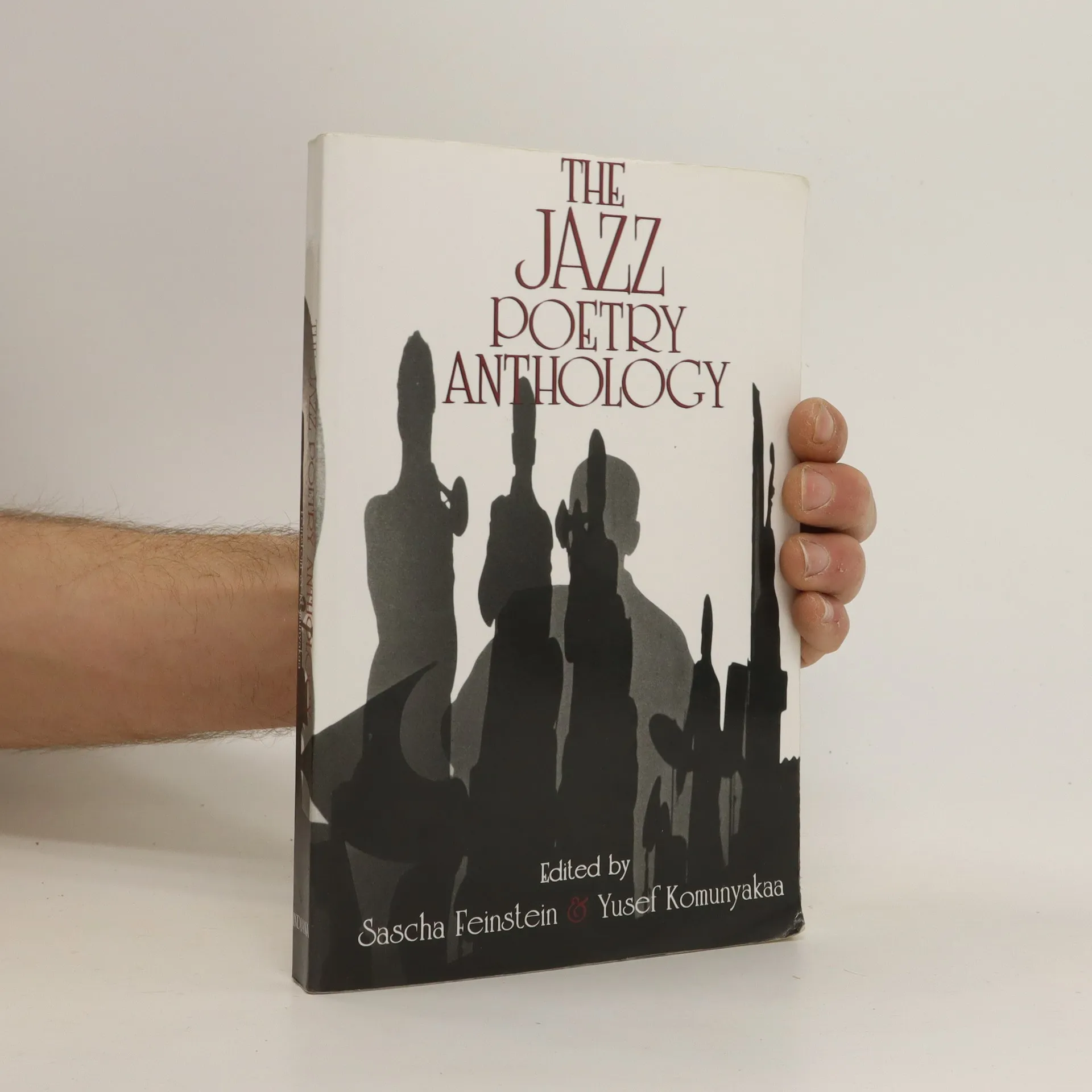
Today, the poetry scene thrives in New York's vibrant open-mic venues like the Nuyorican Poets Café and Harlem's Sugar Shack. Emerging from the legacy of hip poets, including the Beats and protest poets, these new voices inspire contemporaries across cities like Cleveland, Los Angeles, and Atlanta, and even internationally in cities such as Tokyo and Paris. This collection showcases the nation's top spoken word artists for the first time in one volume. It features nine award-winning poets who have captivated audiences globally with their soulful verses and dynamic performances. Among them are Carl Hancock Rux, recognized by The New York Times as a transformative young artist; Jessica Care Moore, a five-time Apollo competition champion; and Saul Williams, a celebrated figure in film and poetry. The book includes insightful interviews about the craft of poetry, the art of performance, and candid photos capturing the poets in action at landmark slams. This unforgettable anthology offers a taste of the electric atmosphere of live poetry events, making it a must-read for poetry enthusiasts.
First Loves
Poets Introduce the Essential Poems That Captivated and Inspired Them
- 272 pages
- 10 hours of reading
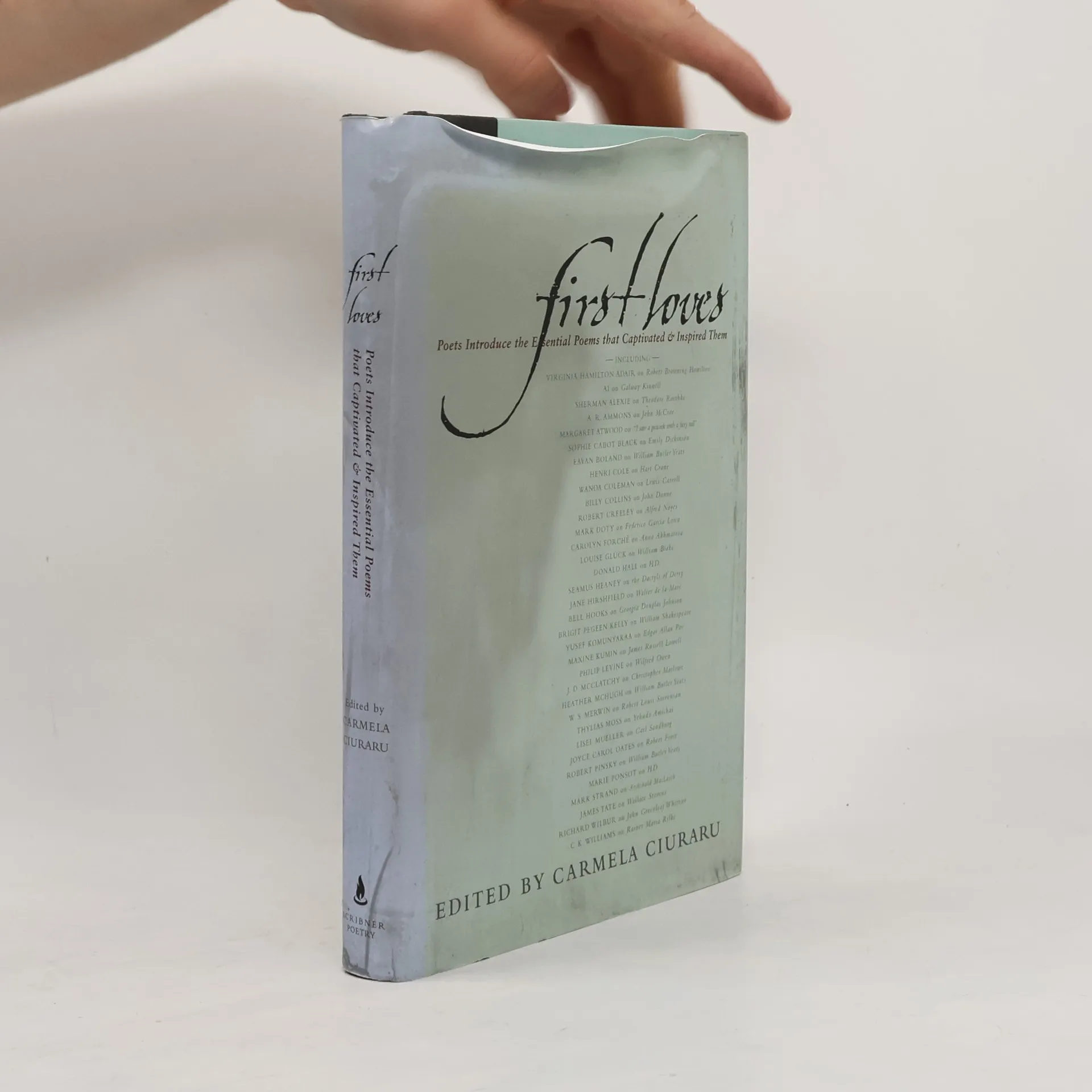
A collection of poems selected by poets as those that first inspired them includes timeless favorites and insightful essays by Pulitzer Prize and National Book Award winners including Roethke, Pinsky, and Heaney.
Der Gott der Landminen
Gedichte. Zweisprachige Ausgabe. Edition Lyrik Kabinett
- 176 pages
- 7 hours of reading
Ausgezeichnet mit dem Pulitzer-Preis für Poesie – "Eine monumentale und einzigartige amerikanische Stimme.“ Publishers Weekly „Diese Lieder führen über unbefestigte Straßen / & Highways, durchqueren einsame Meere / & erklimmen Berge, überqueren Himmel / & Unterwelten von Neon Honkytonk,/ Wo auch immer der Blues zu reisen wagt.“ Schillernd, ironisch und zugleich unheimlich sind die Verse von Yusef Komunyakaa, der wie ein Jazzmusiker schreibt und dabei nicht nur die afroamerikanische Geschichte mitschwingen lässt, sondern auch der Spur der Gewalt in unserer Welt nachgeht. Wenn die Verträge des Gottes der Landminen „bereits unterschrieben ankommen“, „bleibt uns nichts zu sagen, / außer 'Bitte, Erbarmen, leg los'.“ Zum ersten Mal auf Deutsch eine umfassende Werkauswahl von einem der originellsten US-Dichter in der glänzenden Übersetzung von Mirko Bonné.
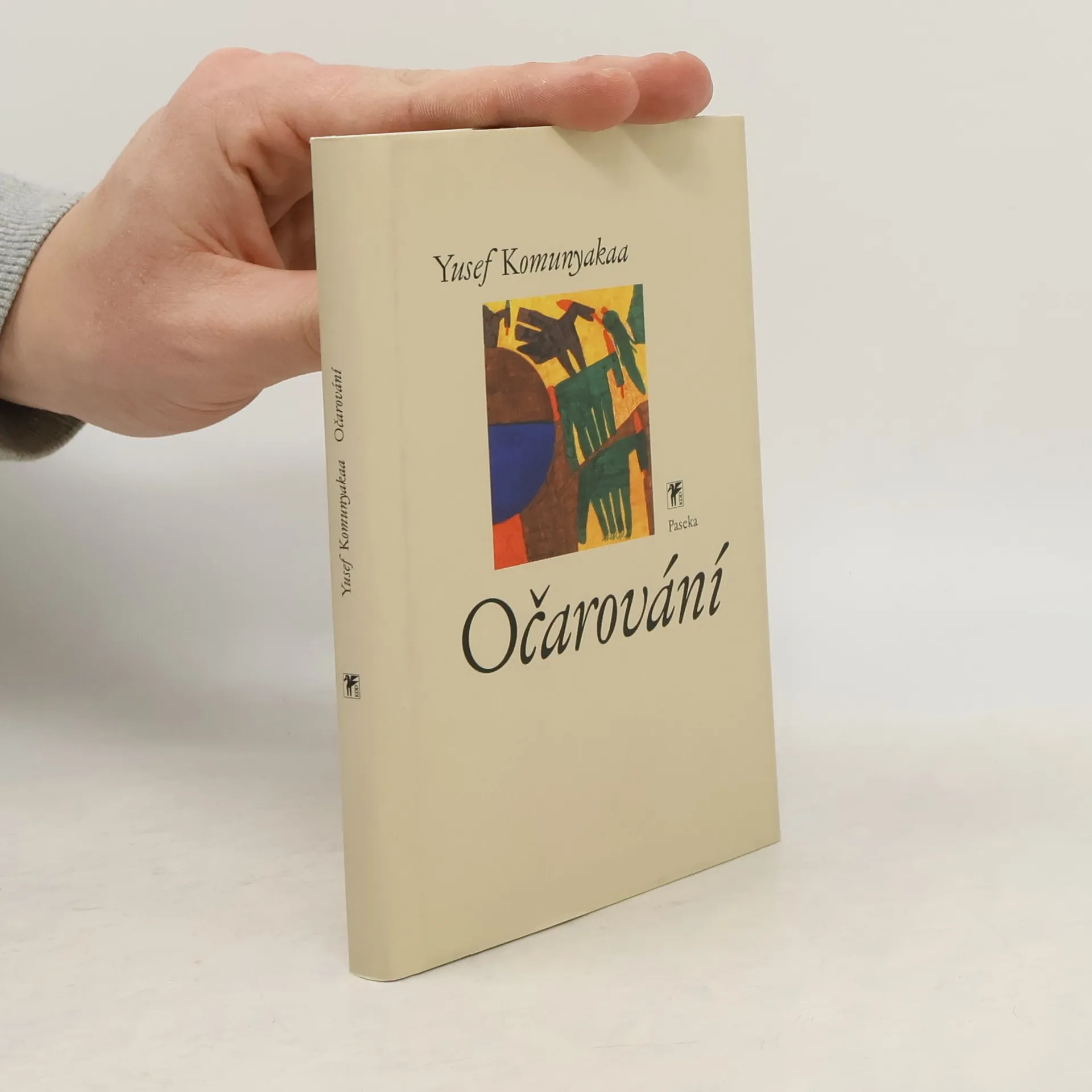
Výbor z díla významného amerického černošského básníka střední generace, oceňovaného pro bohatý jazykový i tematický záběr tvorby prosycené autorovým hudebním cítěním, prožitkem vietnamské válečné zkušenosti a smyslem pro inspiraci klasickými i syrově současnými jazykovými projevy. Českým čtenářům je Komunyakaa, nositel prestižní Pulitzerovy ceny za r. 1994, spolu prakticky se všemi svými básnickými vrstevníky zatím prakticky neznámý s výjimkou několika časopiseckých ukázek; výbor z jeho dosavadních jedenácti sbírek v uspořádání a překladu Josefa Jařaba je proto významným prvním krokem k mapování skutečně současné americké poezie. Názvy sbírek v originále: Copacetic, I Apologize for the Eyes in My Head, Dien Cai Dau, Magic City, Neon Vernacular, Thieves of Paradise, Blue Notes, Talking Dirty to the Gods.