Explore the latest books of this year!
Bookbot

Tomaž Šalamun

    July 4, 1941 – December 27, 2014

    Tomaž Šalamun was a Slovenian poet whose work is marked by its inventive language and surreal imagery. His poetry frequently delves into themes of identity, memory, and human existence with a playful and provocative vision. Šalamun's verses offer a unique perspective on the world, filled with surprising metaphors and profound reflections on life. His impact on contemporary Slovenian literature is significant, and his work is valued for its originality and power.

    Tomaž Šalamun
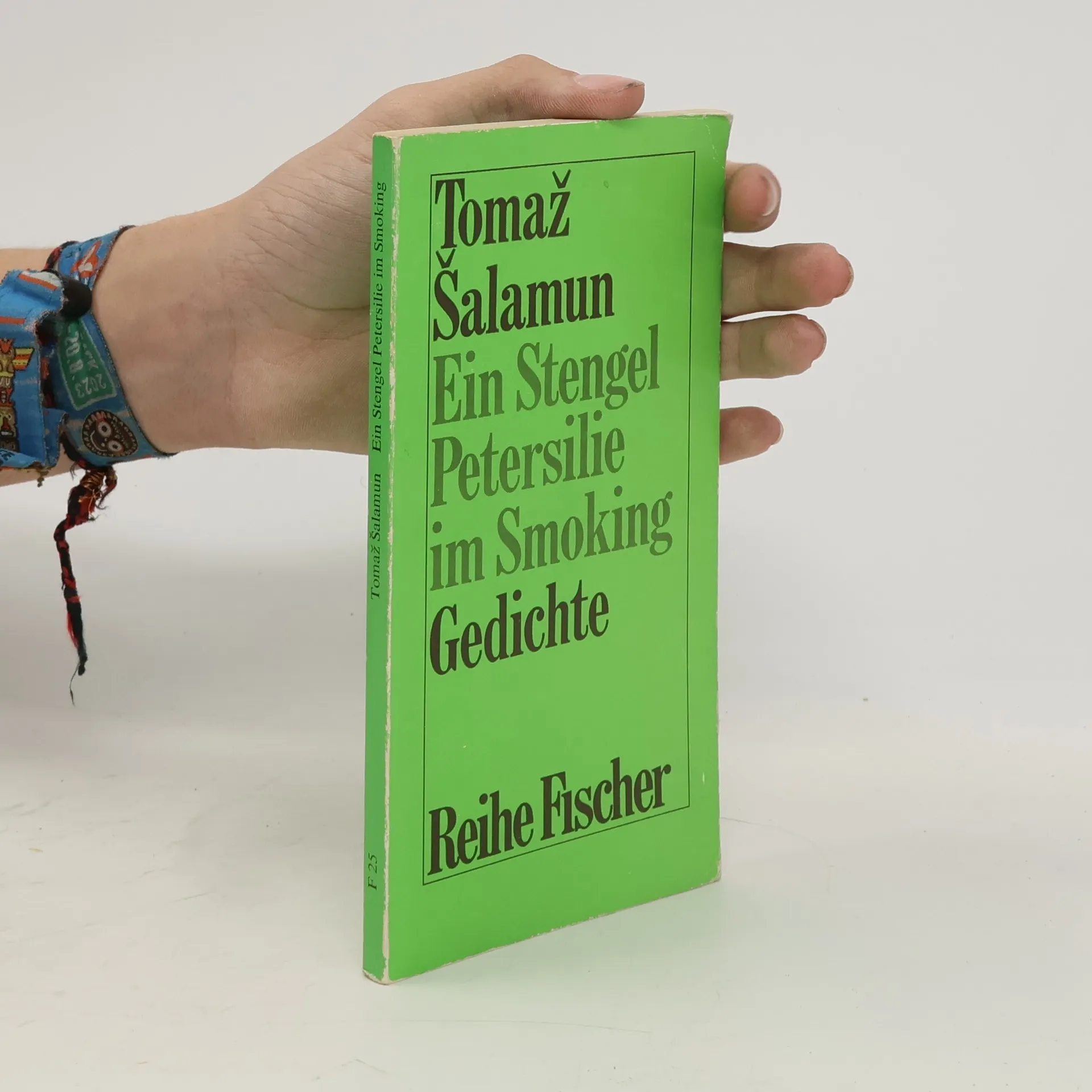
    Ein Stengel Petersilie im Smoking
    Kiss the Eyes of Peace
    Opera Buffa
    Tomaz
    Feast
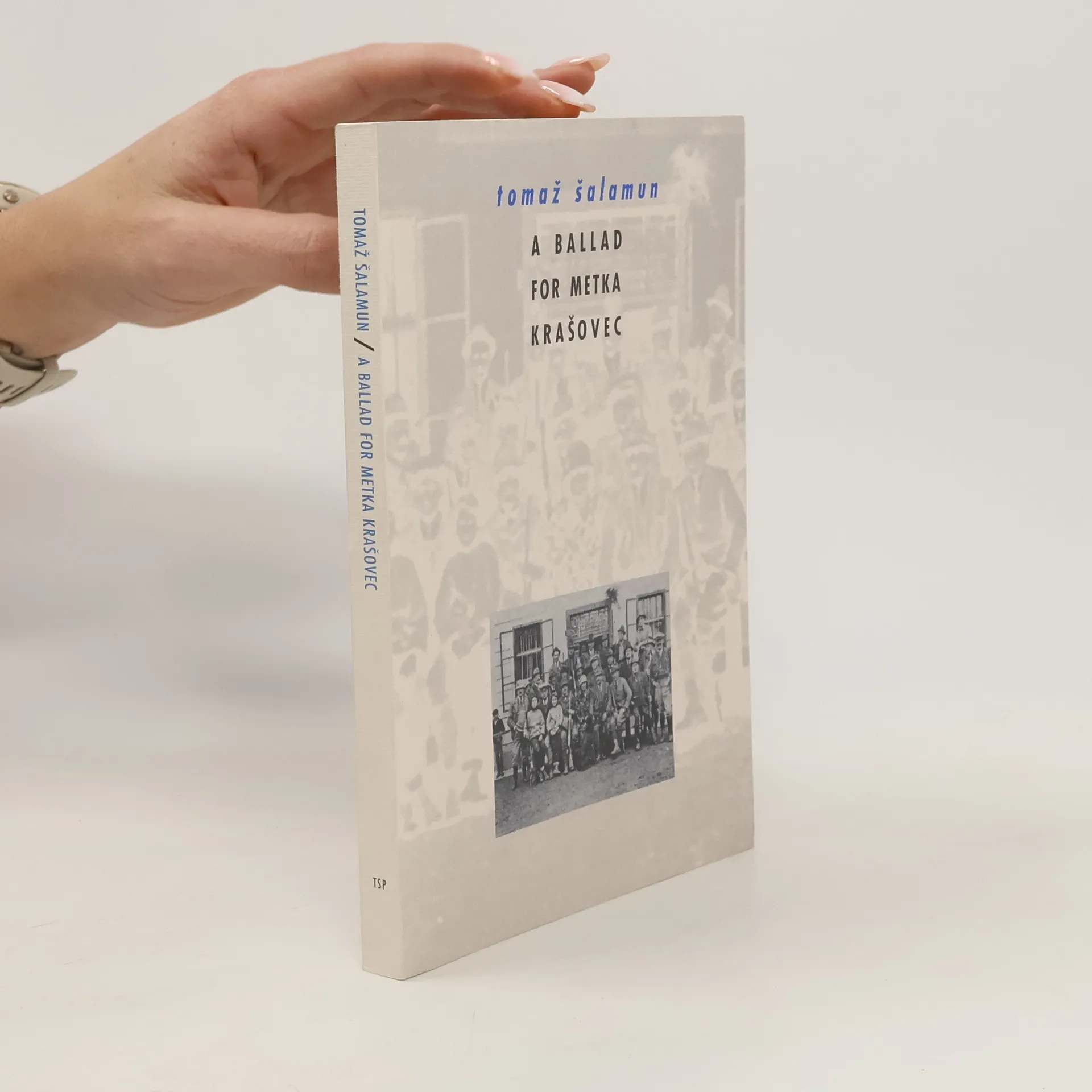
    A Ballad for Metka Krašovec
    • A Ballad for Metka Krašovec

      • 156 pages
      • 6 hours of reading

      Tomaž Šalamun was one of the most influential and prolific poets in Central Europe over the past few decades. Thanks to the translation of his work, he also received wide international acclaim. A number of volumes of his poetry have been published in English, yet A Ballad for Metka Krašovec, originally published in Ljubljana, Slovenia, in 1981 at the mid-point of Šalamun’s career, is considered to be seminal in his oeuvre, not least for the influence it has had on younger poets both in his home country and abroad. The first time a complete single volume of Šalamun’s poetry was published in English translation, it is characterized by often striking imagery and a sexual turmoil that is pervasive, offering readers a unique opportunity to glimpse the author at a particular stage in his life and creative development. A Ballad for Metka Krašovec ranges from the incantatory and gnomic to reflections on Šalamun's lovers, family, and country to narrative-style recollections of stays in Mexico and the United States.
      A Ballad for Metka Krašovec
    • To read Tomaalamun is to understand the delights of contemporary poetry. He is one of the major names in the international avant-garde. Irreverent, self-mythologizing, tragic, and visionary, he is a poet of immense range and cunning, able to encompass everything from Balkan wars and politics to the most intimate personal experiences. Feast, his latest collection in English, brings together both early and more recent work. "Realism, surrealism, song. Aphorisms, lyric, anti-lyric," as Jorie Graham wrote, are all to be found in these poems. Here is the most blasphemous of poets who is also a great religious poet. "Throw open a window, pull up a chair, and enjoy the imaginative feast" (Edward Hirsch).

      Feast
    • Tomaz

      • 220 pages
      • 8 hours of reading

      Assembled using recorded conversations with the Slovenian poet Tomaz Salamun, this book-length poem by Joshua Beckman spans the first forty years of Salamun's life in his own words. -- Tomaz Salamun

      Tomaz
    • Opera Buffa

      • 112 pages
      • 4 hours of reading

      Opera Buffa is Tomaz Salamun's last testament. It is a book rooted in torn landscapes of Central Europe and the Mediterranean. Crafted from place and power, these poems are fragments of collective memory. "There are hands, inside. Concordance rises / There are no foodstuffs. There's no branch." These are poems that examine what is tender and terrible in the world, ranging from the extrajudicial civil massacres of partisans during and after the Second World War, to the prejudicial violence carried out in twenty-first-century Europe against people forced to migrate from the Middle East, North Africa, and India. Opera Buffa witnesses anarchical plutocracy, climate catastrophe, and so much more. "Do you feel the footsteps?/ Do you feel the approach?" This is Opera Buffa.

      Opera Buffa
    • An authoritative volume representing the vast oeuvre of one of the twentieth century's most brilliant and visionary poets. Widely regarded as some of the most important and innovative poetry from postwar Europe, Tomaz Salamun's work offers a singularly thrilling reading experience. Sharp and subtle, Salamun's rhythms intertwine with an incantatory force; his prescient, liberatory politics and poetics pulse like a heartbeat. In Kiss the Eyes of Peace, the histories of Slovenia, the former Yugoslavia, and Europe are broken into kaleidoscopic harmonies of terror and joy: friends and family talk to each other under the sun as snow, apples, and deer mingle with blood and bones, with salt and cabbage, with gold, silk, and wine, and with God and heaven in the sand and grass. "Love tore apart all my theories," writes Salamun. His oracular poems, suffused with mystic pronouncements that confound and delight, are as moving as they are eerie. And yet, if "every true poet is a monster," Salamun's profound imagination also offers us peace--grace, even--in the wildness and wilderness of his art: "May everything erupt on a clear day, just as it is, / into sacredness and the beauty of the gift: life." Translated from the Slovenian and curated by esteemed author and translator Brian Henry, this expansive arrangement is the first of its kind to offer a comprehensive English-language retrospective of Salamun's storied career.

      Kiss the Eyes of Peace
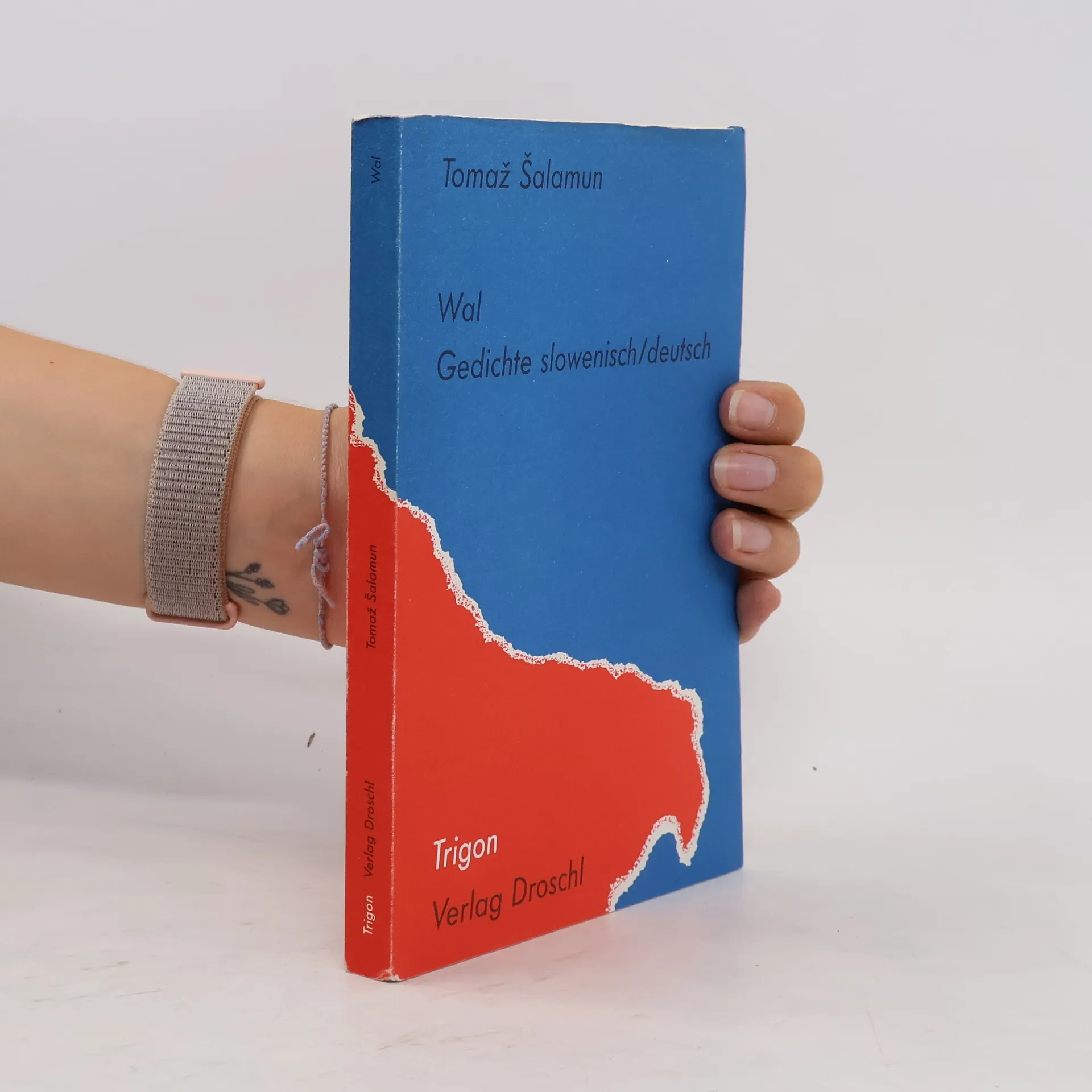
    • Wal

      Ausgewählte Gedichte. Slowen. /Dt.

      Wal
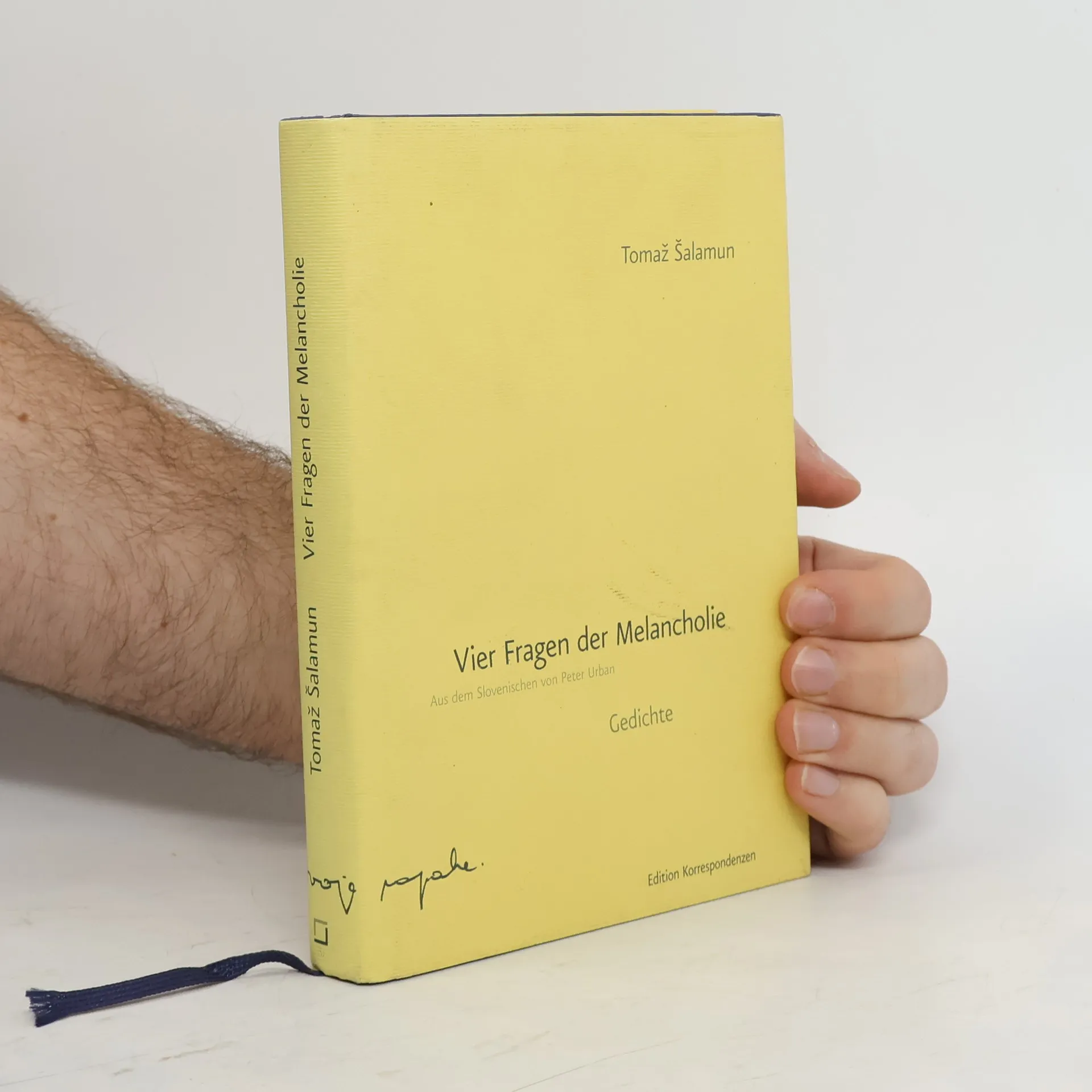
    • Vier Fragen der Melancholie

      Gedichte. Slovenisch/Deutsch

      „Des Bildes meines Stammes müde / bin ich ausgewandert.“ - Mit diesem Fanfarenstoß eröffnete Tomaz Salamun, der als „eines der großen philosophischen Wunder“ in der europäischen Poesie und als „secret godfather to a species of new American poets“ apostrophiert wurde, sein Werk. Mit befreiender Respektlosigkeit schuf Salamun eine Poesie des Spiels und der Freude. Seine grenzenlose Sensibilität öffnet sich immer neuen Themen und Beziehungen. „Es gibt eine andere Welt, und sie ist in dieser einen“, sagt Paul Eluard. Salamuns Gedichte erwecken diese höhere Realität im Leser: die Lust und den Rausch des Subjektes, das sich der Weite und Vielfalt der Welt bewusst ist - albern, schrecklich und göttlich zugleich. In dem zweisprachigen Auswahlband ist das faszinierende Werk eines vielseitigen Dichters zu entdecken, eines auf die Phantasie vertrauenden Intellektuellen und Kosmopoliten, der immer die persönliche Wahl und das eigene Erleben respektiert.

      Vier Fragen der Melancholie
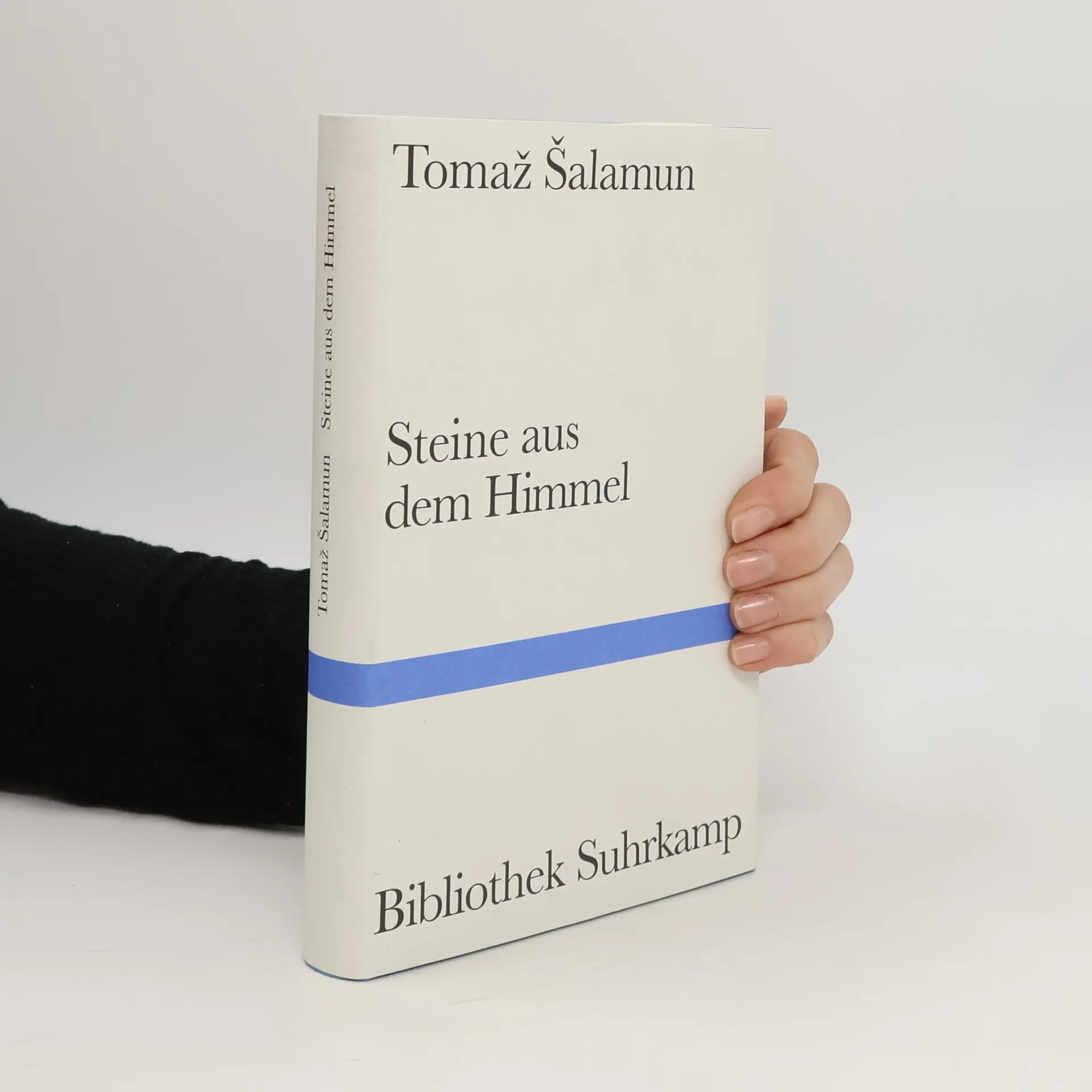
    • Steine aus dem Himmel

      Gedichte. Zweisprachige Ausgabe

      Tomaž Šalamun ist eine Legende. Ein Dichter, der nicht nur die slowenische Lyrik revolutioniert hat, sondern auch international höchstes Ansehen genoss. In den USA wird er bis heute als einer der bekanntesten europäischen Dichter seiner Generation verehrt. Zu Beginn seiner Karriere gab er das Literaturmagazin Perspektive heraus und wurde wegen eines vermeintlich regimekritischen Gedichts für einige Tage verhaftet. Er studierte Kunstgeschichte an der Universität von Ljubljana, arbeitete als Broker an der Börse, später auch als Kulturattaché in New York. Seit den 1960er Jahren bis zu seinem Tod im Jahr 2014 veröffentlichte er mehr als fünfzig Gedichtbände, seine Werke wurden in mehr als zwanzig Sprachen übersetzt. Als »Steine aus dem Himmel« bezeichnete Tomaž Šalamun seine Gedichte und die Weise, wie sie ihm zufielen. Der Band versammelt eine repräsentative Auswahl aus Šalamuns lyrischem Spätwerk erstmals in deutscher Sprache, brillant übertragen und mit einem Nachwort versehen von Monika Rinck und Matthias Göritz.

      Steine aus dem Himmel
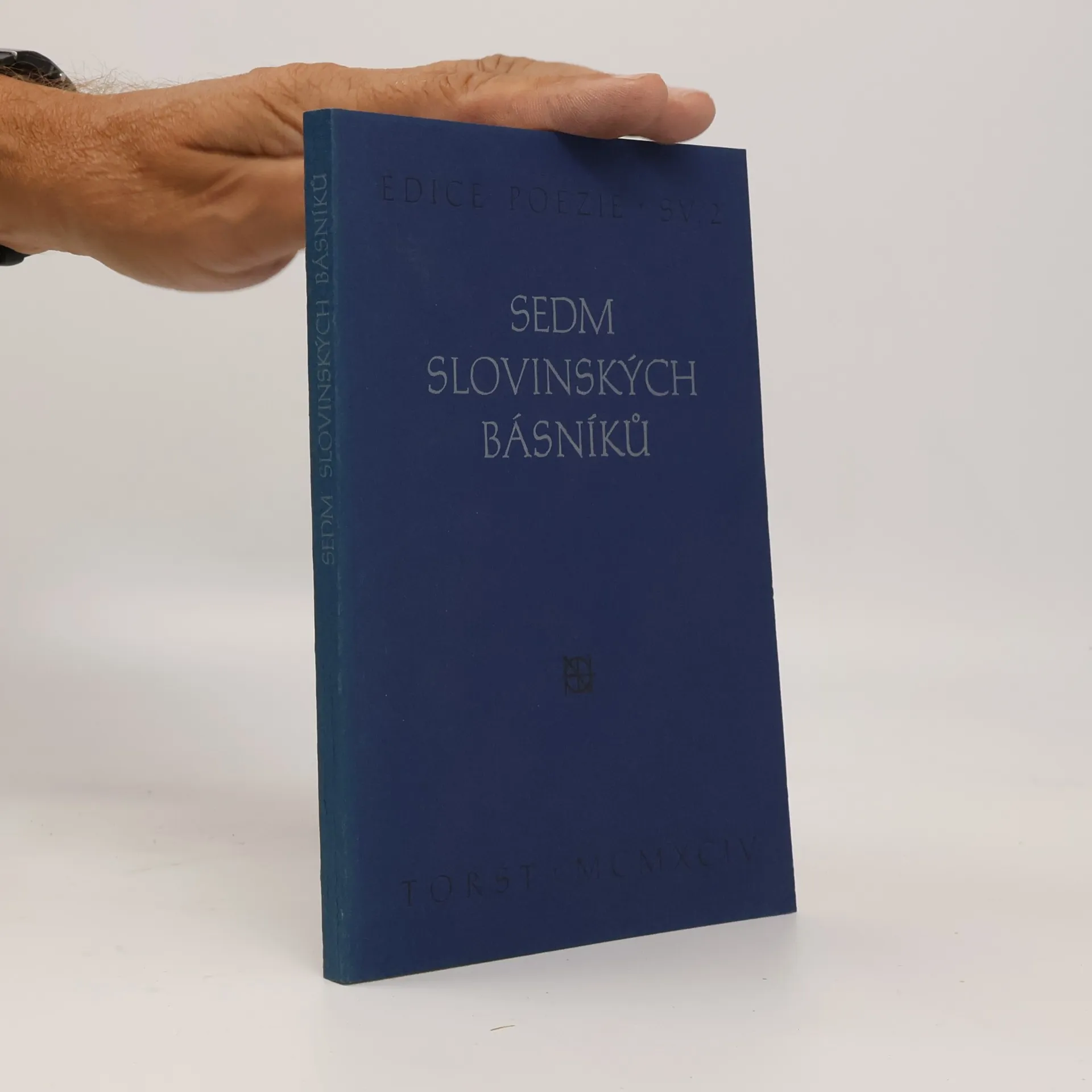
    • Sedm slovinských básníků

      • 146 pages
      • 6 hours of reading

      Výbor z díla sedmi současných slovinských básníků, narozených v rozpětí pětadvaceti let, zachycuje vývojový rytmus slovinského básnictví za více než tři desetiletí. Závěrečný esej zařazuje tvorbu vybraných sedmi básníků do širšího kontextu poválečné slovinské poezie.

      Sedm slovinských básníků