
Getting Closer
- 144 pages
- 6 hours of reading
With Getting Closer to guide you, and a camera in hand, discover how to connect with nature by using a photographer's eye.
This journalist and author of three books focuses her work on the evolving relationship between the marketplace and the Self. Her writing explores issues ranging from technology obsessions to the politics of narcissism. Earlier works have delved into the energy economy and the food industry, with her most recent publication examining America in an age of instant gratification. Her work offers a sharp lens on contemporary society.


With Getting Closer to guide you, and a camera in hand, discover how to connect with nature by using a photographer's eye.
A medical history of Accra that accounts for plural medical traditions and multiple notions of health and healing.
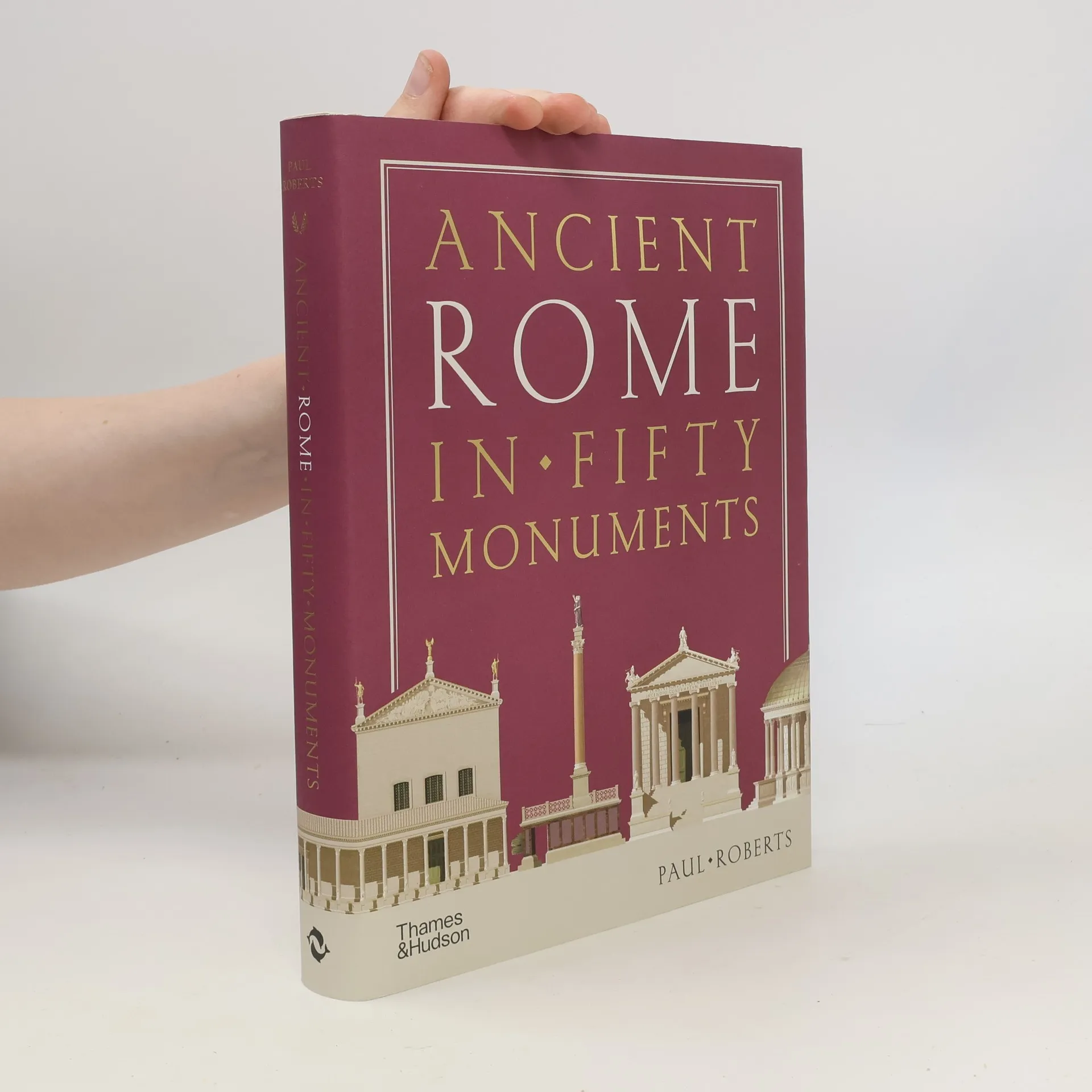
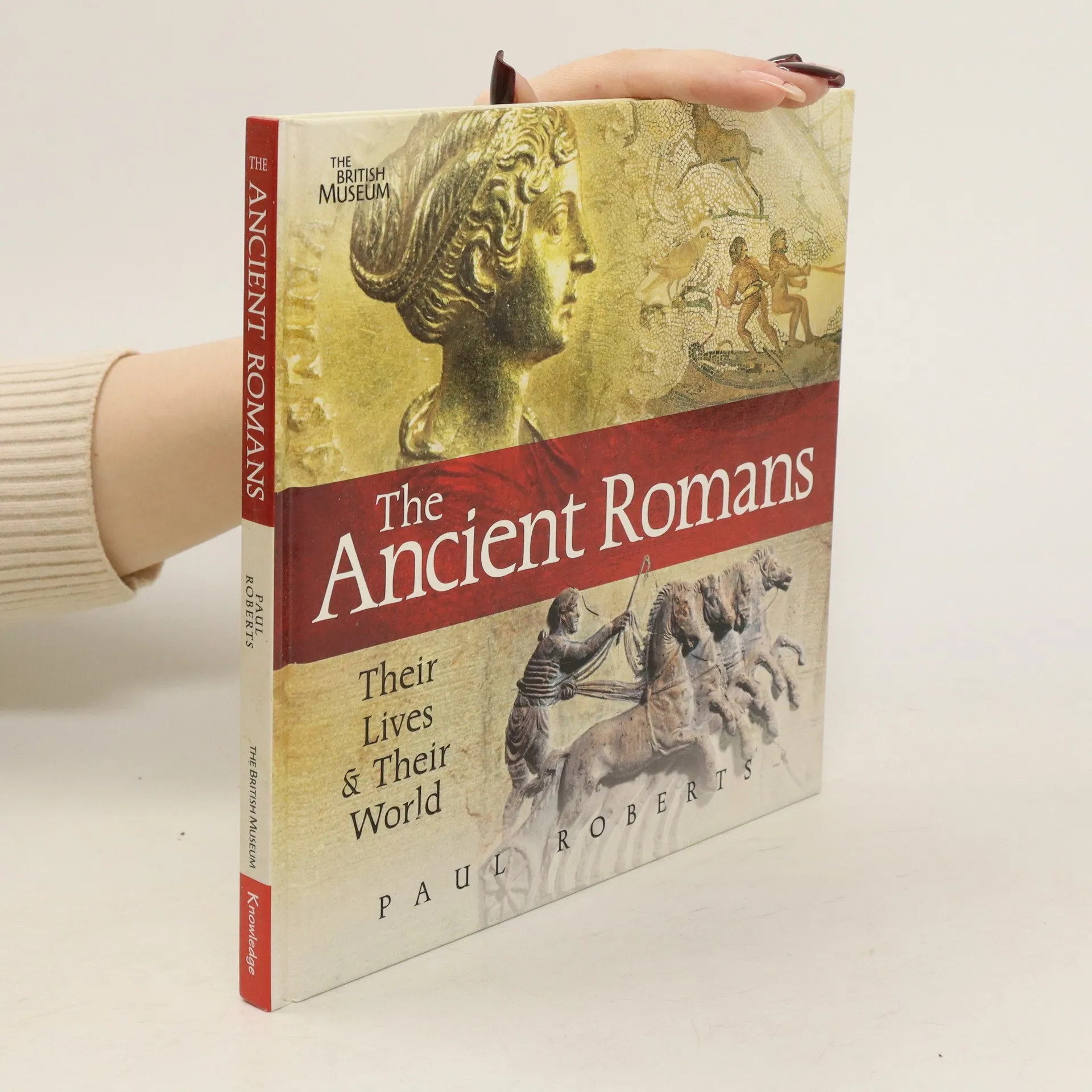
Introducing the many people of the Roman Empire and showing first hand how they lived and worked, this book also has quotations from ancient Roman sources that allow children to read about the Romans in their own words. The contents include sections on kings and emperors, gods and goddesses, servants and slaves and much more.
This shortform text hones in on the absolute essential elements of the field. With practical insights throughout, the book provides readers with a concise understanding of key concepts, techniques and outcomes such as ownership, execution, success, quality, budgets and risks.
The emergence of large-scale food production gave us unprecedented abundance - but at a steep and ultimately unsustainable price. Relentless cost-cutting has made our food systems vulnerable to contamination and disease. More than a billion people are overweight or obese, yet roughly the same number are still malnourished. Over-crowded countries like China are already planning for tightened global food supplies. As the world veers back to a time of hunger and uncertainty, Paul Roberts explores the vulnerable miracle of our modern food economy and pinpoints the decisions we must make to avoid the coming meltdown.
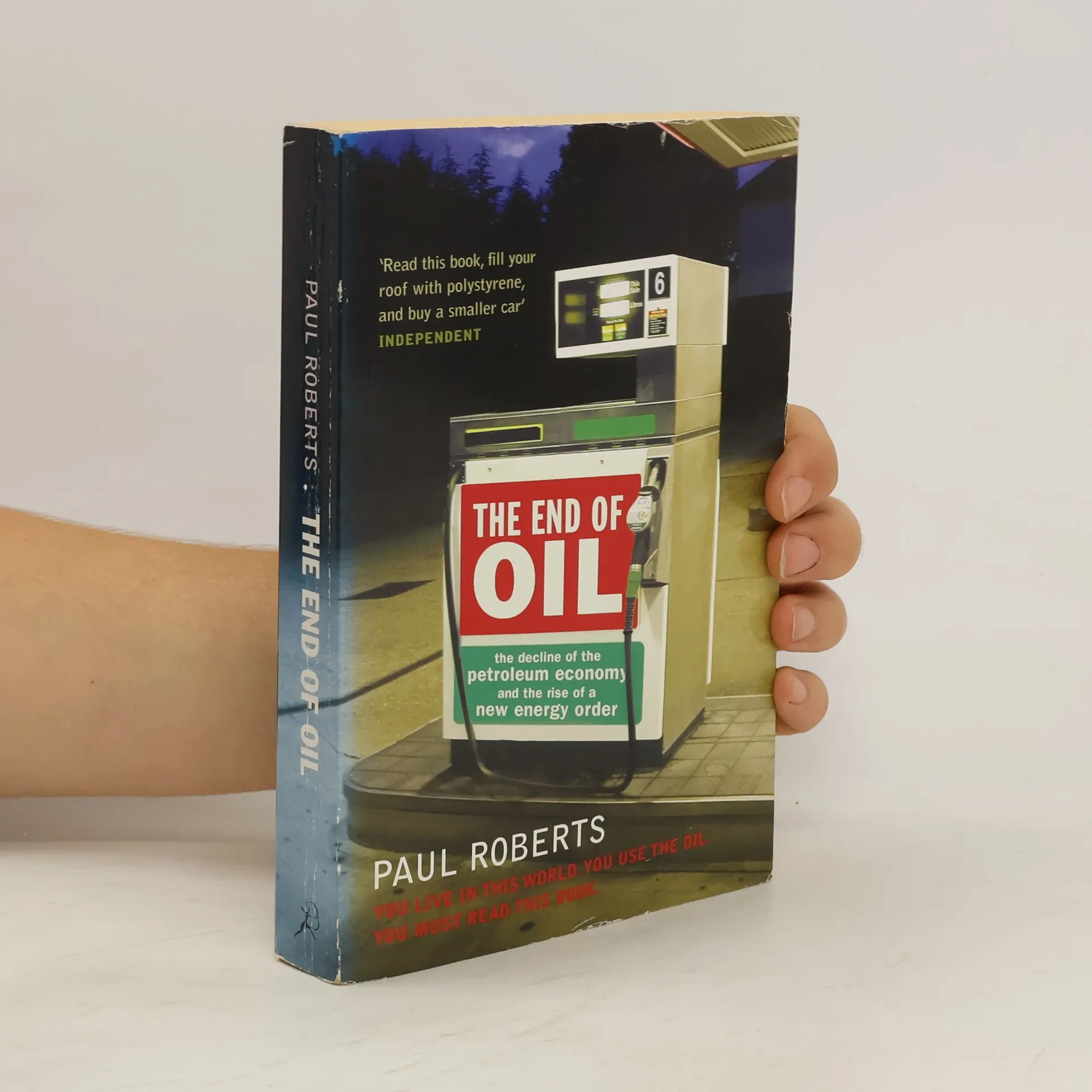
This title provides a revealing look at our plundering of natural resources, and the trouble we are in when they run out - which could be sooner than we imagine.
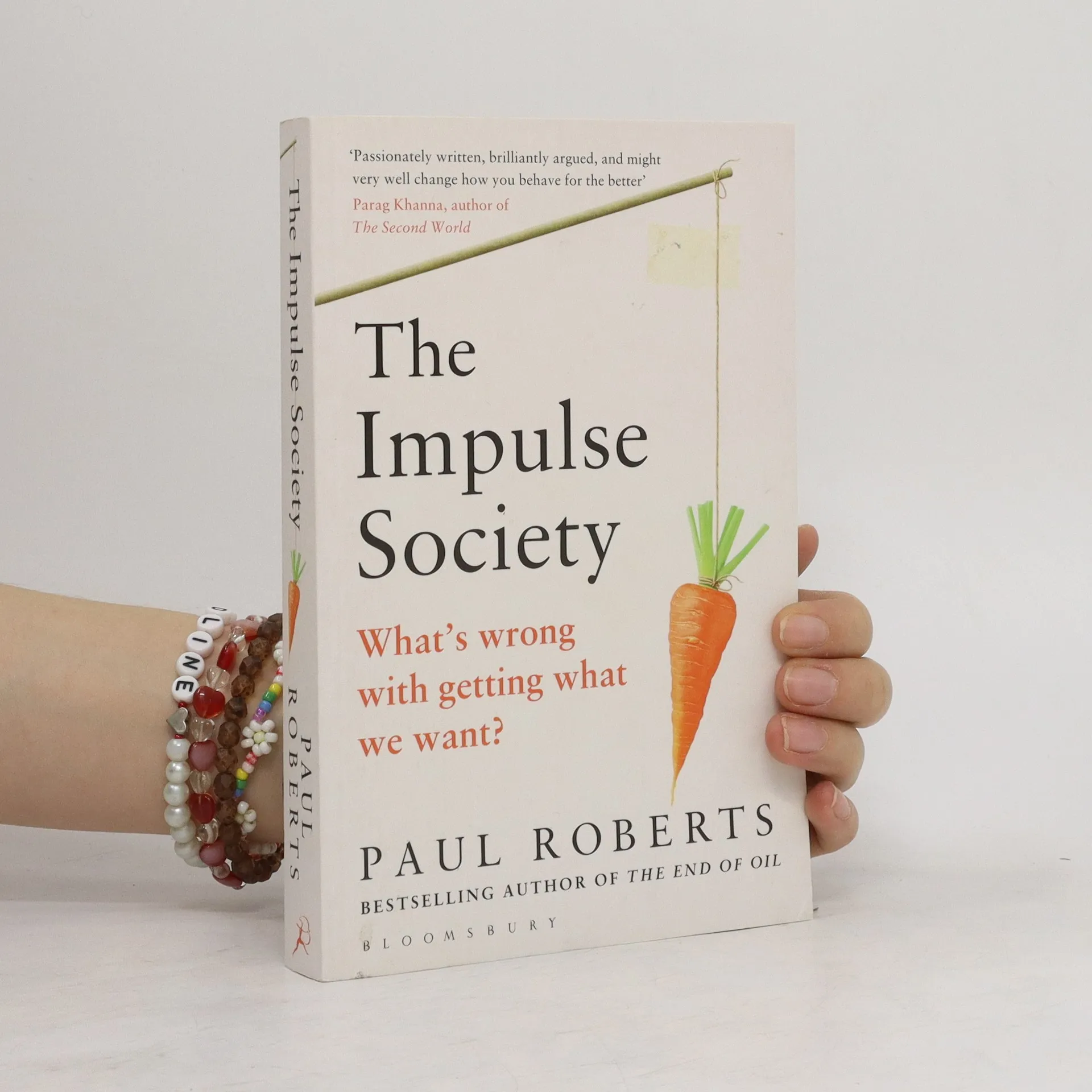
What do soaring debt, endemic narcissism, road rage, political attack ads and killer drones share in common? All are symptoms of a society that moves, reflexively and relentlessly, to exploit the fastest, most efficient means to any end, without regard to cost. This is the 'impulse society' in which we live. In every facet of postindustrial society - the way we eat, the way we communicate and entertain, the way we work, the way we court lovers and raise children, educate and govern - technology and affluence has let us reach our goals with a speed and efficiency unimaginable even a generation ago. But the result is not all milk, honey, and gold. Companies now reflexively maximise short-term gain at the expense of long-term success. Politicians resort with ever-greater speed to nasty campaign tactics, and can count on their damaging claims to spread before the facts catch up with them. Consumers engage in serial over-indulgence and pursue instant gratification of every whim with speed and greed. The costs of living this way are substantial: financial volatility, health epidemics, environmental exhaustion and political paralysis, to say nothing of a growing, gnawing dissatisfaction. In this epoch-defining book, Paul Roberts traces the roots of this problem, damningly revealing how it has permeated society, and cogently argues how it may, perhaps, still be reversed
Most projects fail to reach their desired results when an organization views a project as the responsibility of only one the project manager. Experience demonstrates that significant ventures require a great number of people—including those who commission the project, those who finance it, those who carry it out, and even those who use the end product—to be successful. This guide offers an in-depth approach to getting project management right. Guide to Project Management shows why projects of any scale require that an entire organization contribute to achieving results. It focuses on the steps essential for successful initiation, planning, delegation, and closing. Author Roberts has successfully managed projects at major companies such as Pfizer and British Airways. In this book, he details how all stakeholders can manage a project properly and successfully.
Focusing on essential skills for game AI programming, the book delves into topics like math, steering behaviors, terrain analysis, pathfinding, and decision making. It is designed for accessibility, featuring example games that allow readers to implement their own code and observe the impact of their modifications. This hands-on approach enhances learning and practical application in game development.
Focusing on significant historical deceptions, the book reveals how manipulation has influenced major events in the 21st century. Dr. Paul Craig Roberts, leveraging his background as a former Assistant Secretary of the US Treasury, uncovers truths behind pivotal occurrences such as the gold market manipulation, 9/11, COVID-19, and the war in Ukraine. His insider perspective provides a critical examination of how these narratives have been shaped and the implications for society.