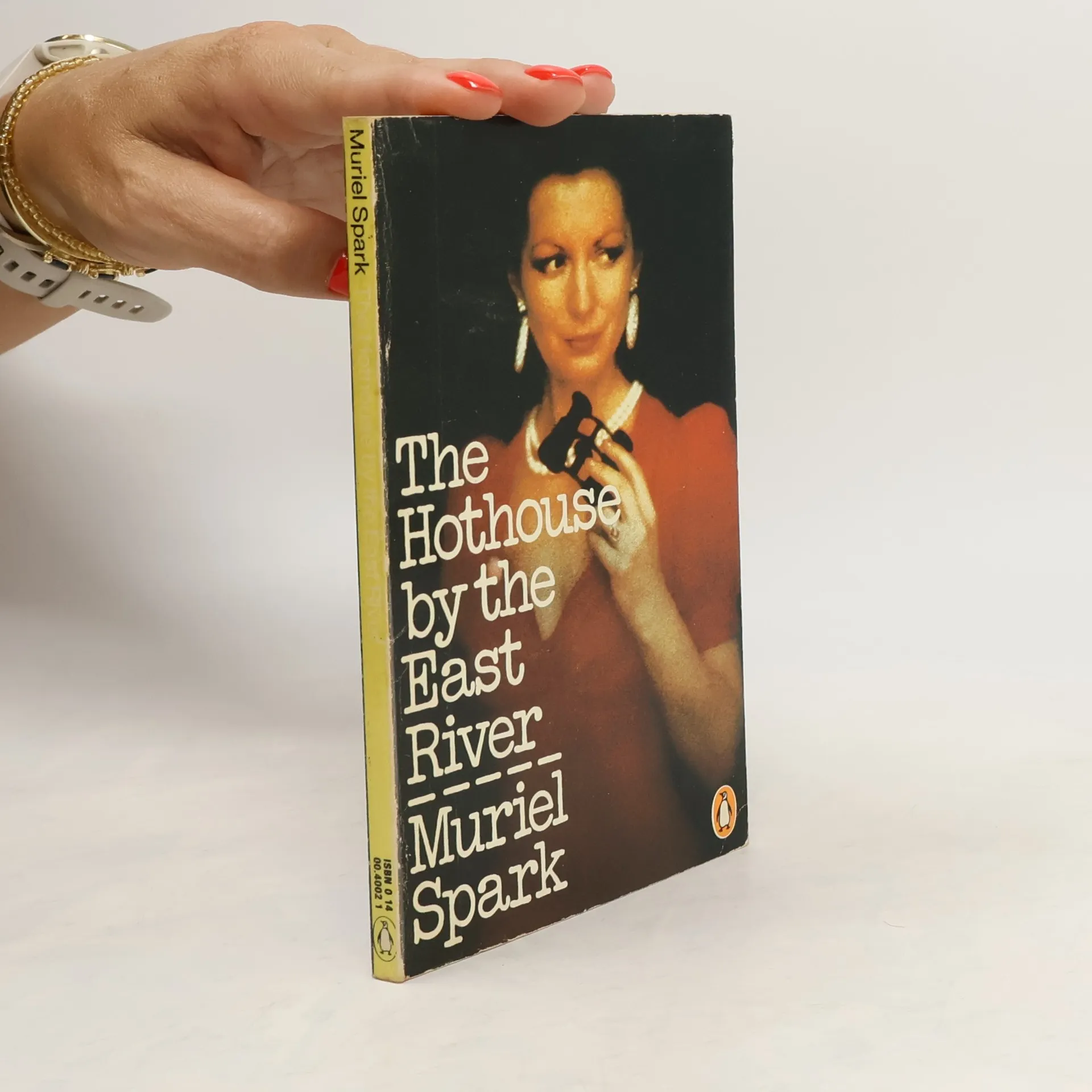
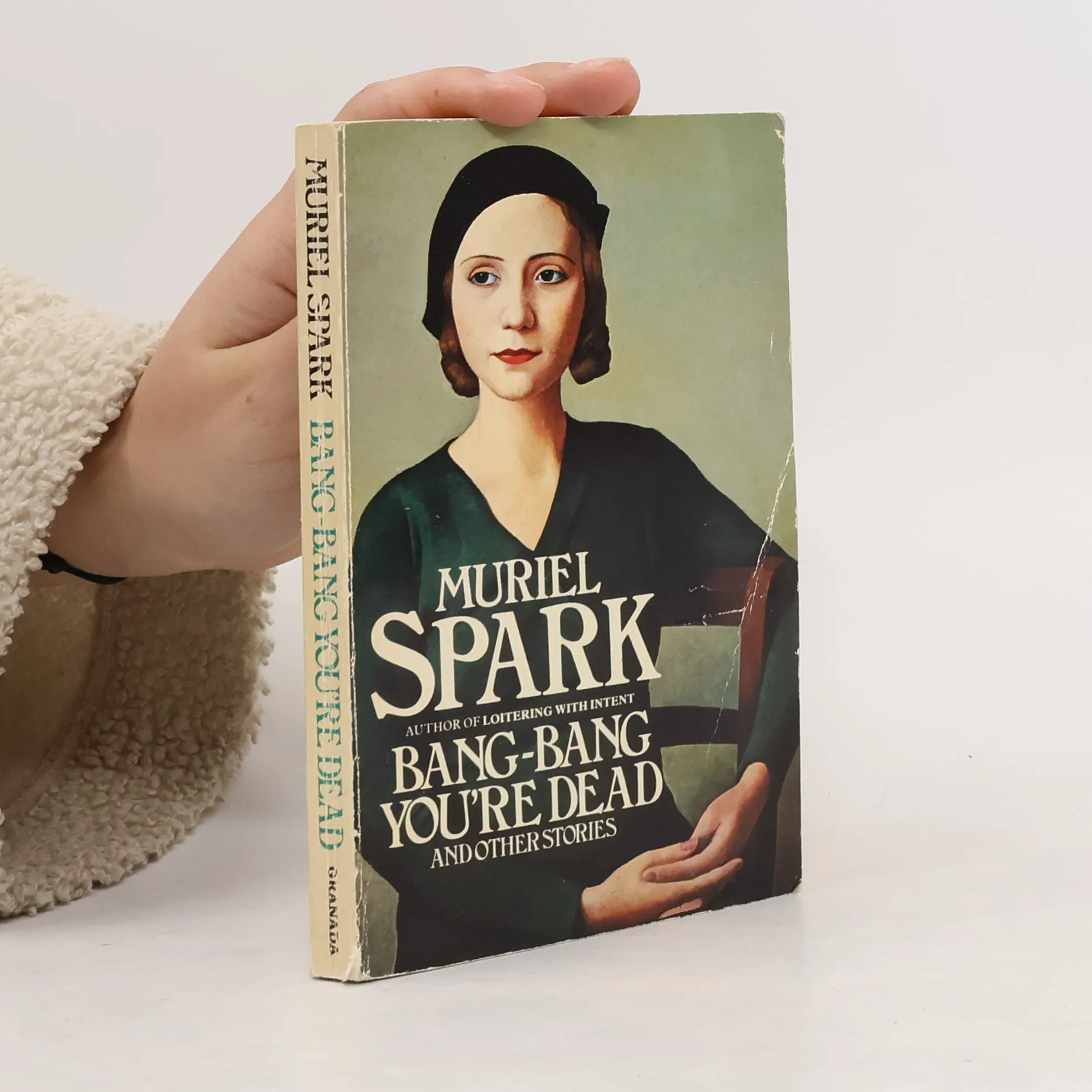
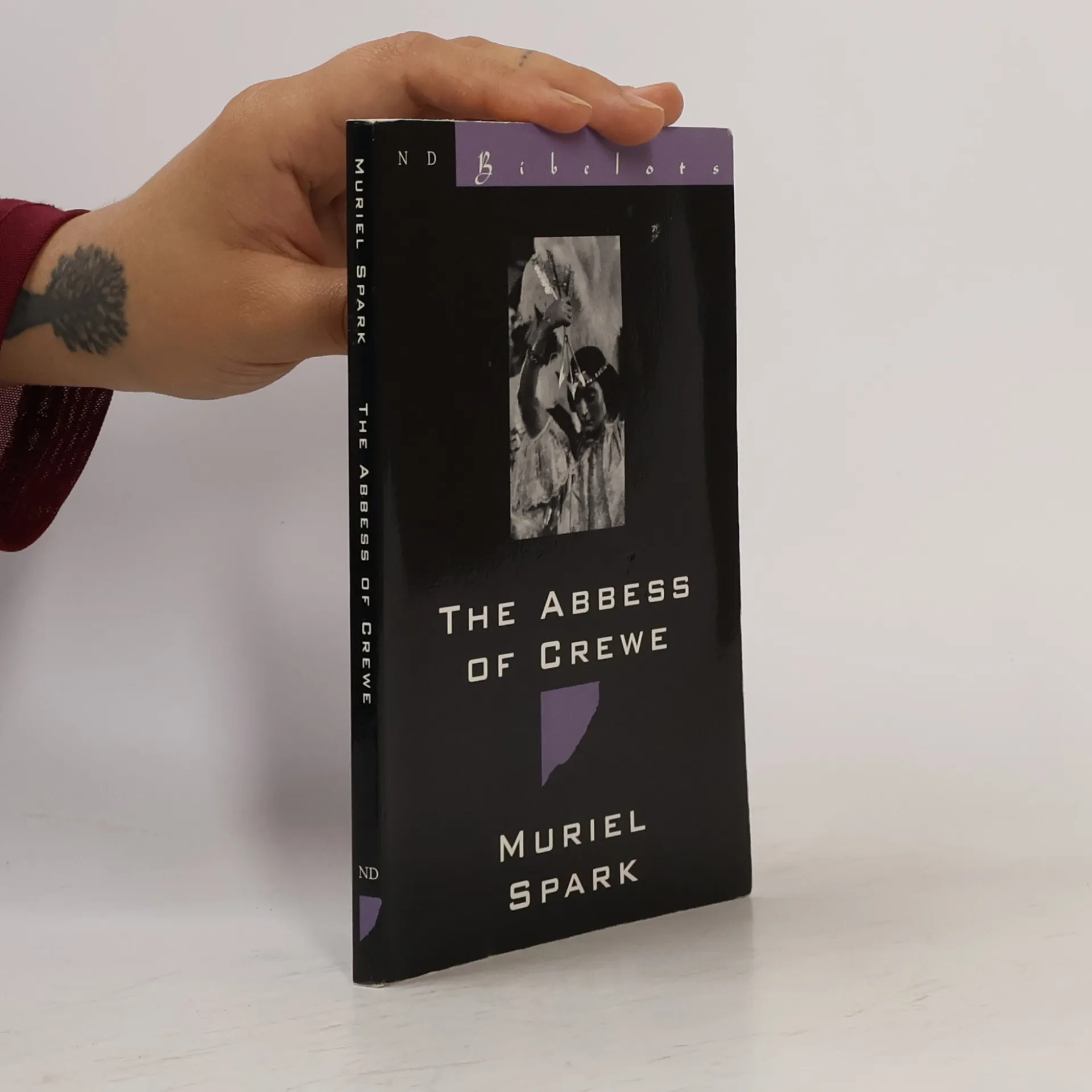
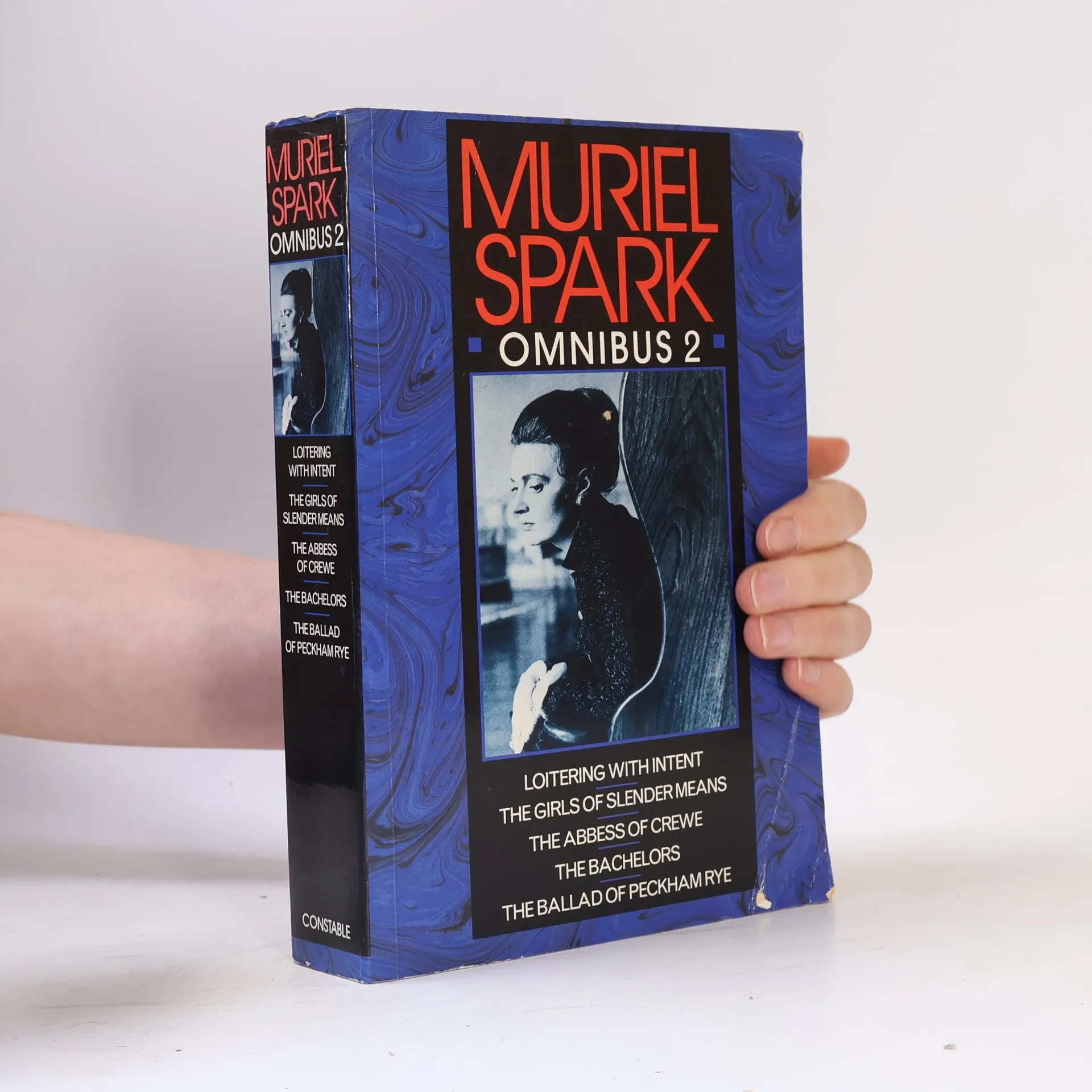
Muriel Spark was a prolific Scottish novelist, short story writer, and poet whose darkly comedic voice made her one of the most distinctive writers of the twentieth century. Her work often delves into the complexities of human nature and society, frequently employing absurdity and irony. Spark masterfully wielded language, crafting unforgettable characters and narratives that provoke thought in the reader. Her unique style and profound insight into the human psyche establish her as a significant literary voice of her era.
It is perhaps her short stories that demonstrate her gifts best: wit,
perception, acute characterisation, elegance and precision. They mark her out
as one of the finest writers of her generation Observer
In the summer of 1816, aged nineteen, Mary Shelley wrote Frankenstein. A
pioneering work of science fiction, it captured the popular imagination from
the start. The daughter of radical philosopher William Godwin and pioneering
feminist Mary Wollstonecraft, Mary Shelley lived an unconventional life marred
by tragedy. At sixteen she scandalised ..
An election is held at the abbey of Crewe and the new lady abbess takes up her high office with implacable serenity. “The short dirk in the hands of Muriel Spark has always been a deadly weapon,” said The New York Times , and “never more so than in The Abbess of Crewe.” An elegant little fable about intrigue, corruption, and electronic surveillance, The Abbess of Crewe is set in an English Benedictine convent. Steely and silky Abbess Alexandra (whose aristocratic tastes run to pâté, fine wine, English poetry, and carpets of “amorous green”) has bugged the convent, and rigged her election. But the cat gets out of the bag, and―plunged into scandal―the serene Abbess faces a Vatican inquiry.
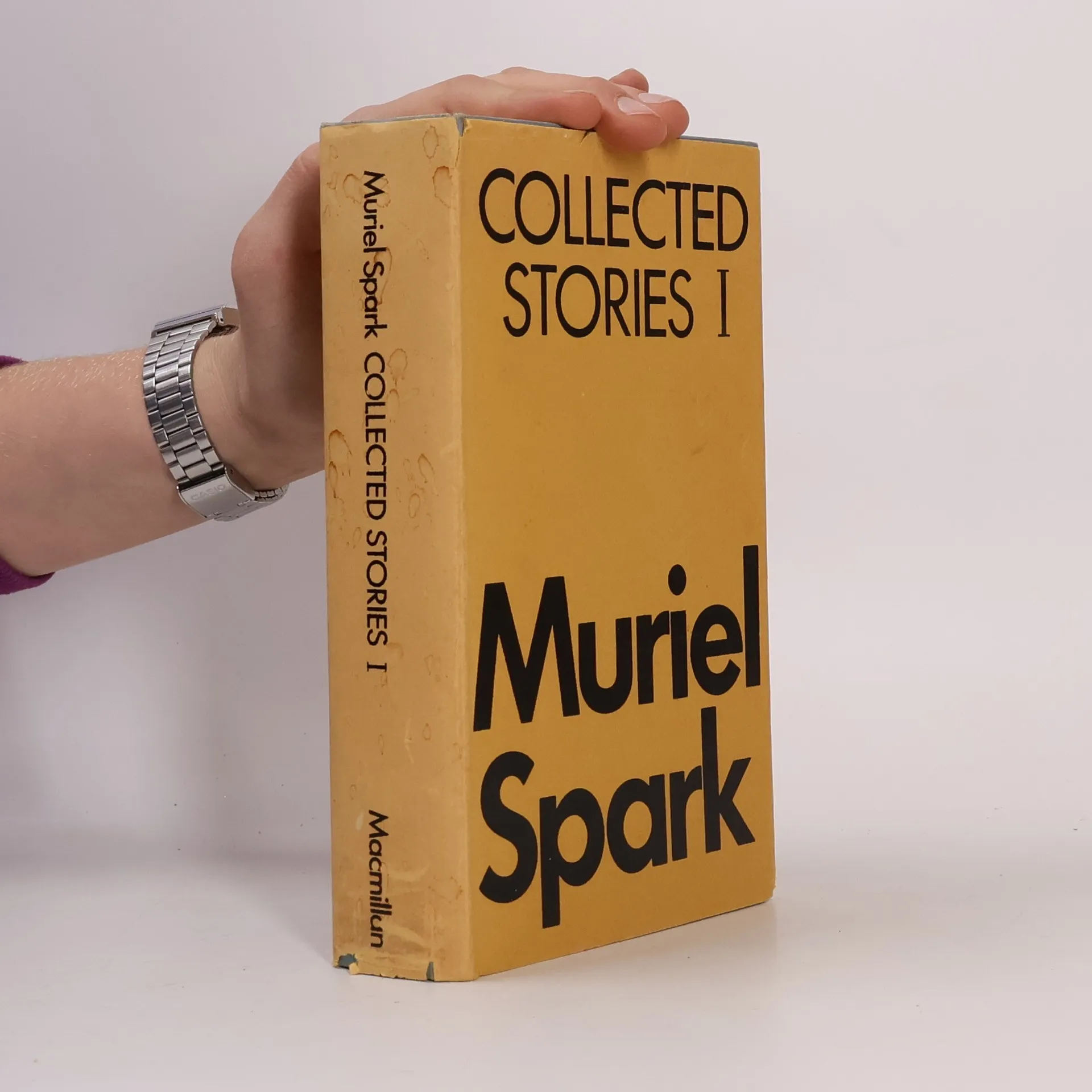
Contents: - Bang-Bang You're Dead - The Gentile Jewesses - The Curtain Blown by the Breeze - The Playhouse Called Remarkable - The Ormolu Clock - The Leaf-Sweeper - The Dark Glasses - The House of the Famous Poet - A Member of the Family - Alice Long's Dachshunds - The Fathers' Daughters - The First Year of My Life
Countess Elsa Hazlett is as unpredictable as her shadow, which falls wherever it pleases, and she makes her presence known wherever she can—she revels in public scandal. She lives in a state of war with her husband, Paul. However, when Elsa throws tomatoes at her son's theater premiere and offers sharp-tongued malice like confectionery, there is a reason behind her actions: Paul denies her very existence.
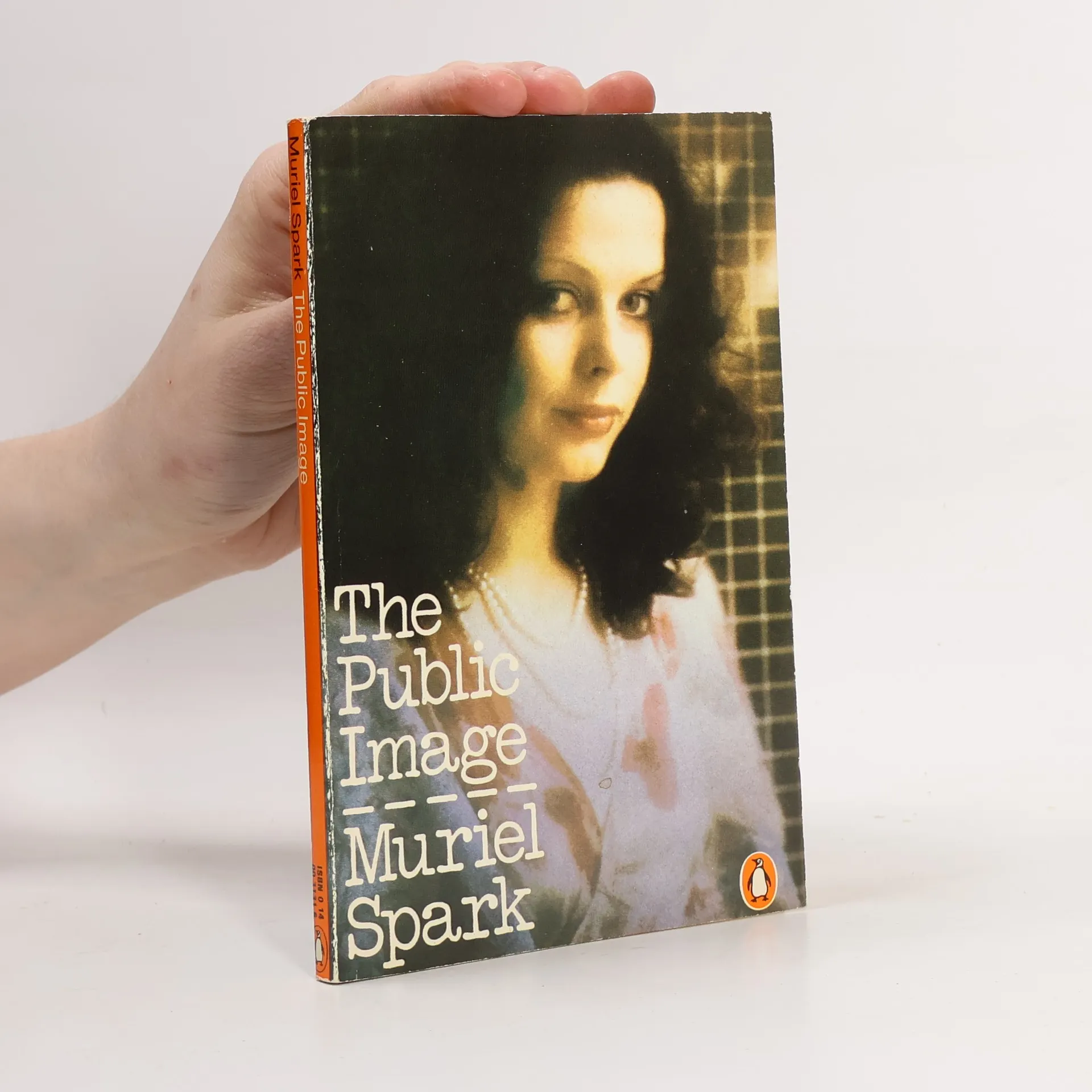
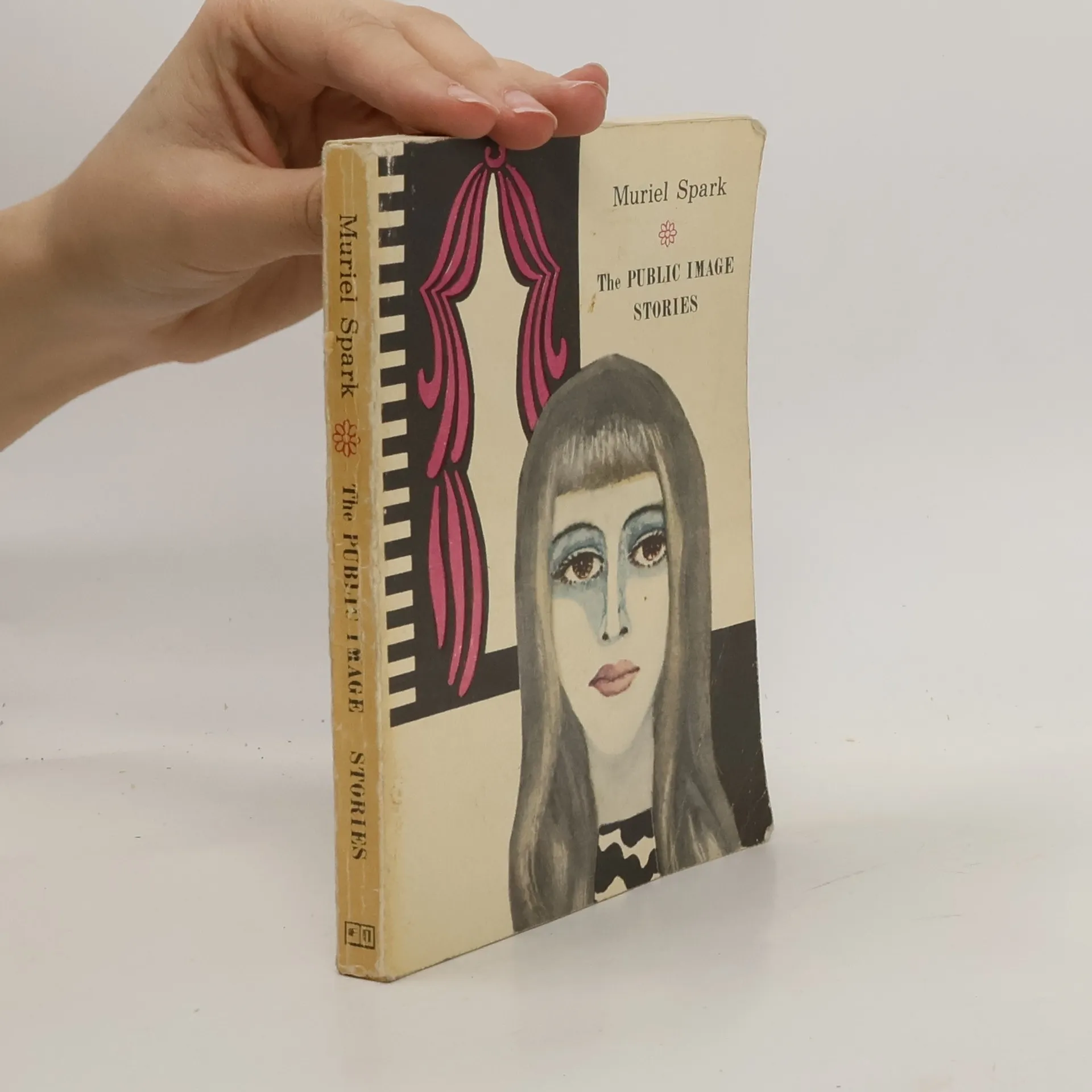
Annabel Christopher is a goddess to her adoring Italian public, her loving husband part of her perfect image. To keep the eager sycophants, ruthless paparazzi and anxious admirers under her spell the image must be carefully cultivated. Only Annabel hasn't calculated on the plans of her husband.
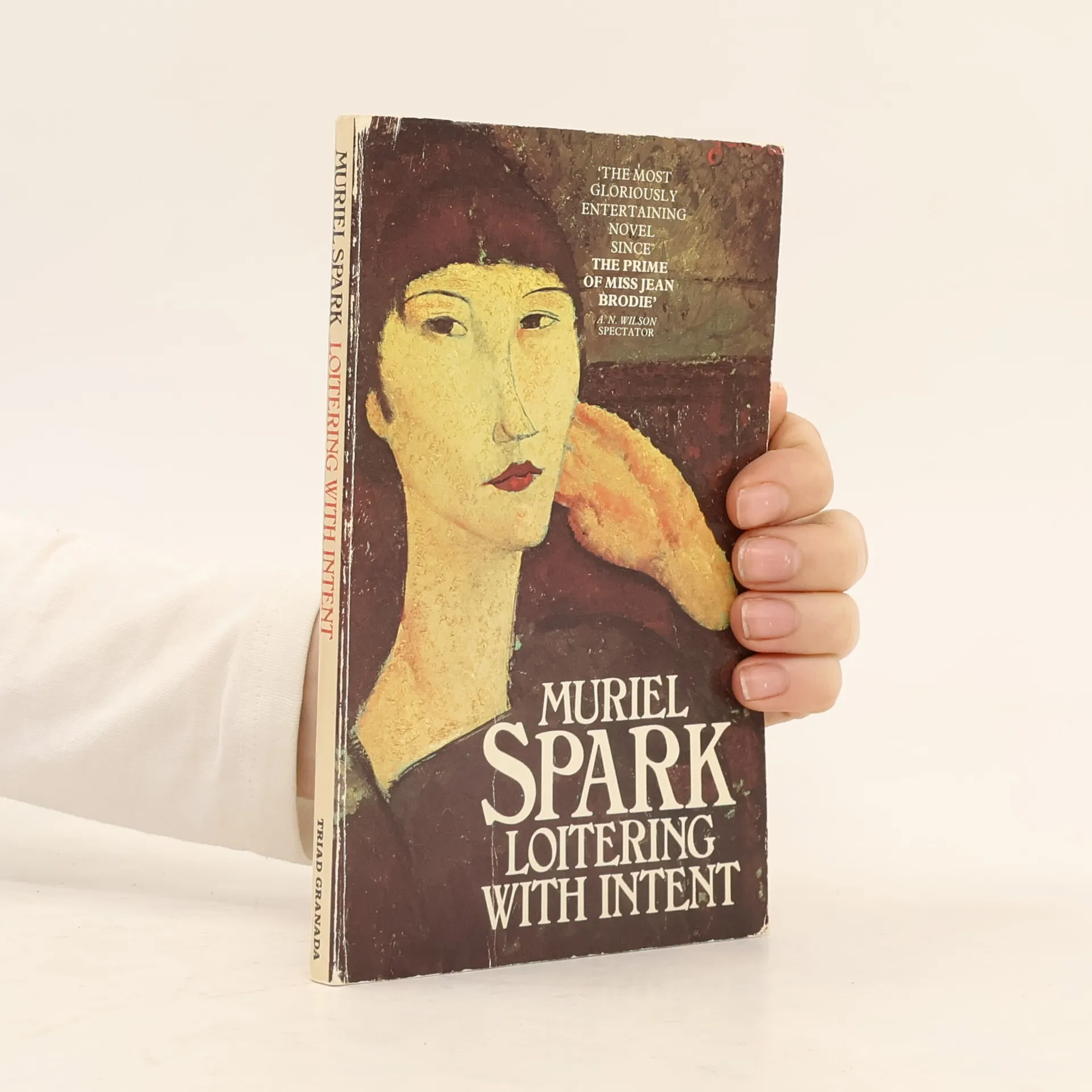
"How wonderful to be an artist and a woman in the twentieth century," Fleur Talbot rejoices. Happily loitering about London, c. 1949, with intent to gather material for her writing, Fleur finds a job "on the grubby edge of the literary world," as secretary to the peculiar Autobiographical Association. Mad egomaniacs, hilariously writing their memoirs in advance—or poor fools ensnared by a blackmailer? Rich material, in any case. But when its pompous director, Sir Quentin Oliver, steals the manuscript of Fleur's new novel, fiction begins to appropriate life. The association's members begin to act out scenes exactly as Fleur herself has already written them in her missing manuscript. And as they meet darkly funny, pre-visioned fates, where does art start or reality end? "A delicious conundrum," The New Statesman called Loitering with Intent.
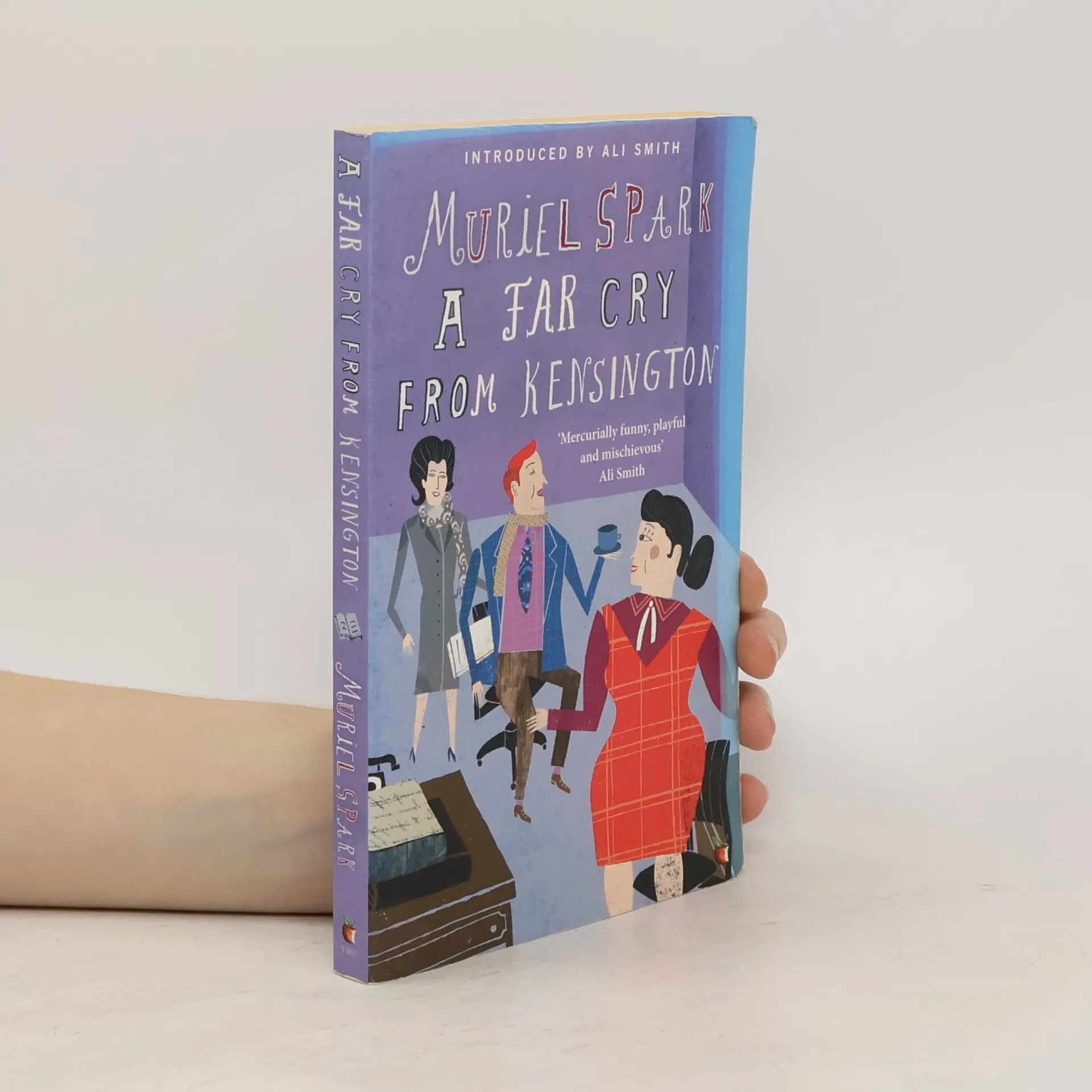
These five stories amply display Muriel Spark's extraordinary talent; her cool, biting humour and unique vision of human nature - all the trademark Spark obsessions are here, and much more besides.
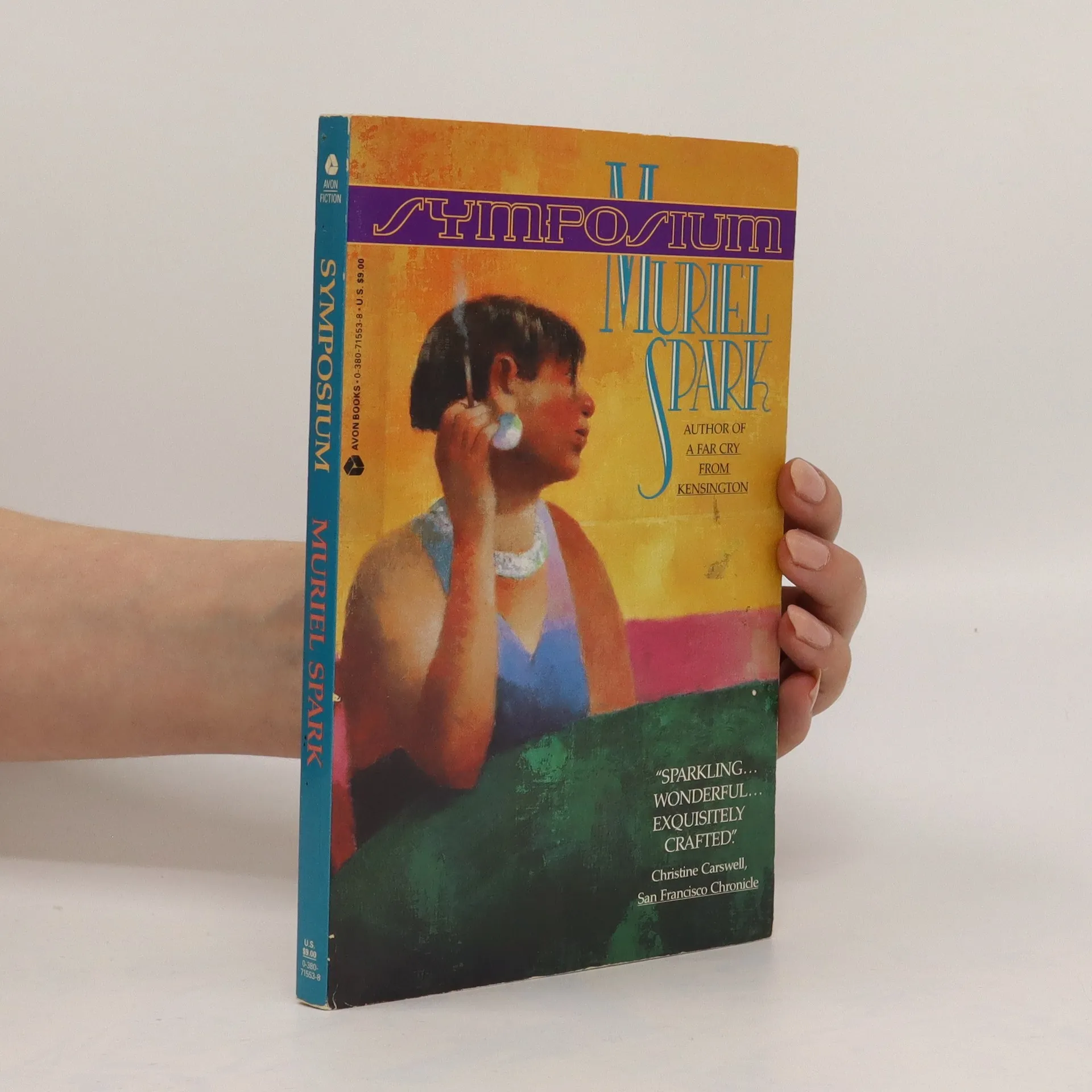
As the guests assemble at American painter Hurley Reed's London dinner party, they wonder about the lateness of Hilda Damien, who at the moment is being murdered. By the author of The Prime of Miss Jean Brodie. Reprint.
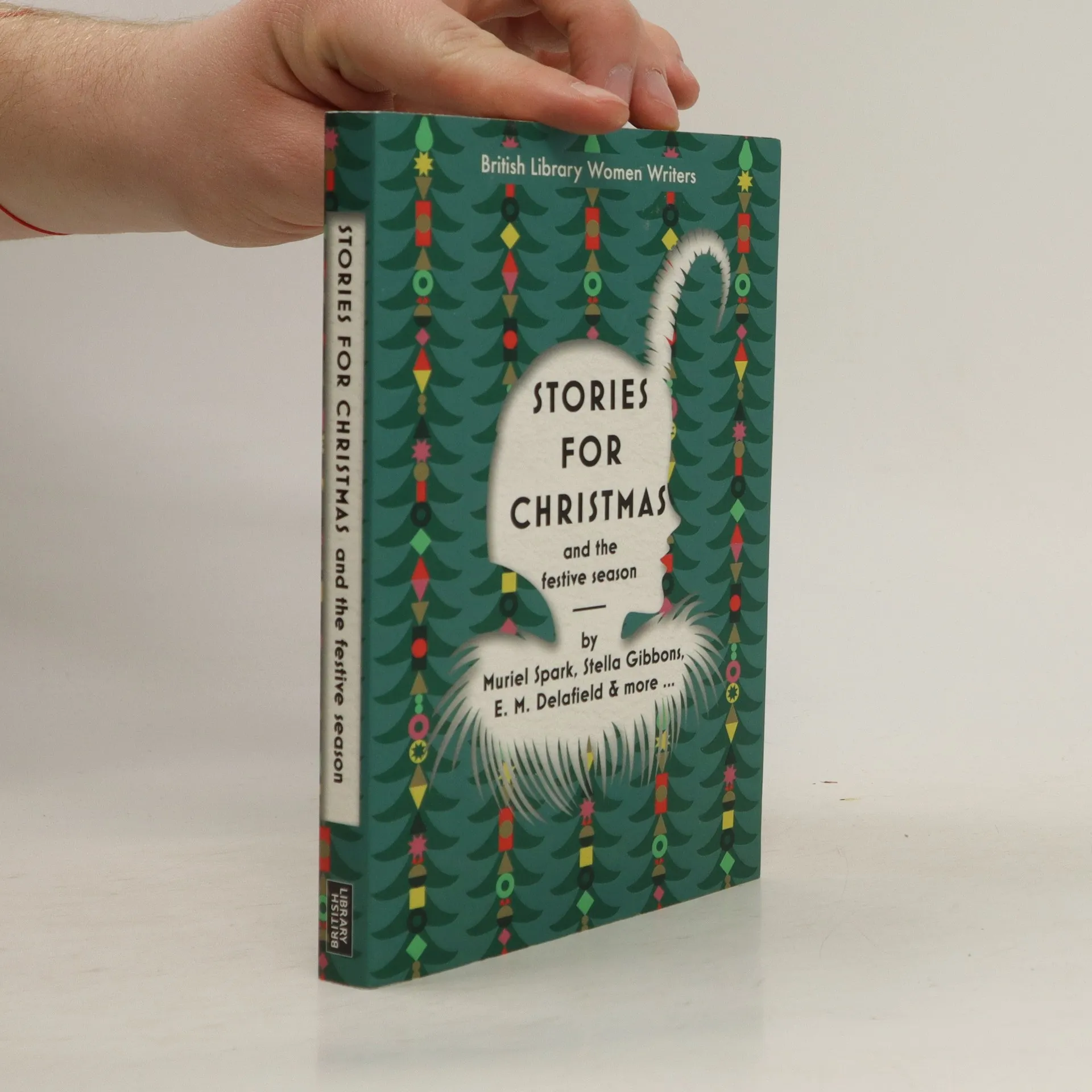
In the night the snow came. She awoke on Christmas morning in that unmistakable light, coming up from the earth and shining between her curtains. Celebrate Christmas through the creative minds of a host of authors, including Beryl Bainbridge, Maeve Binchy, Richmal Crompton, Alice Munro and Elizabeth von Arnim. From the delightful consequences of decorating the tree by Stella Gibbons to a disorientating encounter at 35,000 feet on a Christmas Day flight by Muriel Spark, an amateur pantomime by Stella Margetson and a New Year's resolution by Alice Childress, these stories are sure to fortify you over the Christmas period. Stories for Christmas and the Festive Season explores the joys and disappointments, pressures and preparations of this time of year from a female perspective. In keeping with the spirit of the series, the stories are plucked from different decades of the twentieth century and penned by familiar as well as forgotten authors writing for both books and popular magazines. The British Library Women Writers series is a curated collection of novels by female authors who enjoyed broad, popular appeal in their day. In a century during which the role of women in society changed radically, their fictional heroines highlight women's experience of life inside and outside the home through the decades in these rich, insightful and evocative stories.
In the May of Teck Club -- a London hostel 'three times window shattered since 1940 but never directly hit' -- the young lady residents do their best to act as if the war never happened -- Back cover.
Exhilarating, unpredictable, and up-to-the-minute, Spark's 20th novel introduces the reader to the sexual secrets, the eccentric imagination, and the troubled family of a movie director.
This comedy and macabre study of old age has been reissued to coincide with the television programme in the "Screen 2 Season", which stars Maggie Smith, Michael Horden, Cyril Cusack, Thora Hird and Zoe Wannamaker.
Caroline Rose has a problem. She hears voices and the incessant tapping of typewriter keys, and she seems to be a character in a novel . . . A comedy of errors, a crime novel, a book about books, Spark's debut remains as otherworldly and mischievous as it was when first published sixty years ago.The publishers acknowledge investment from Creative Scotland towards the publication of this book.Supported by the Muriel Spark Society.
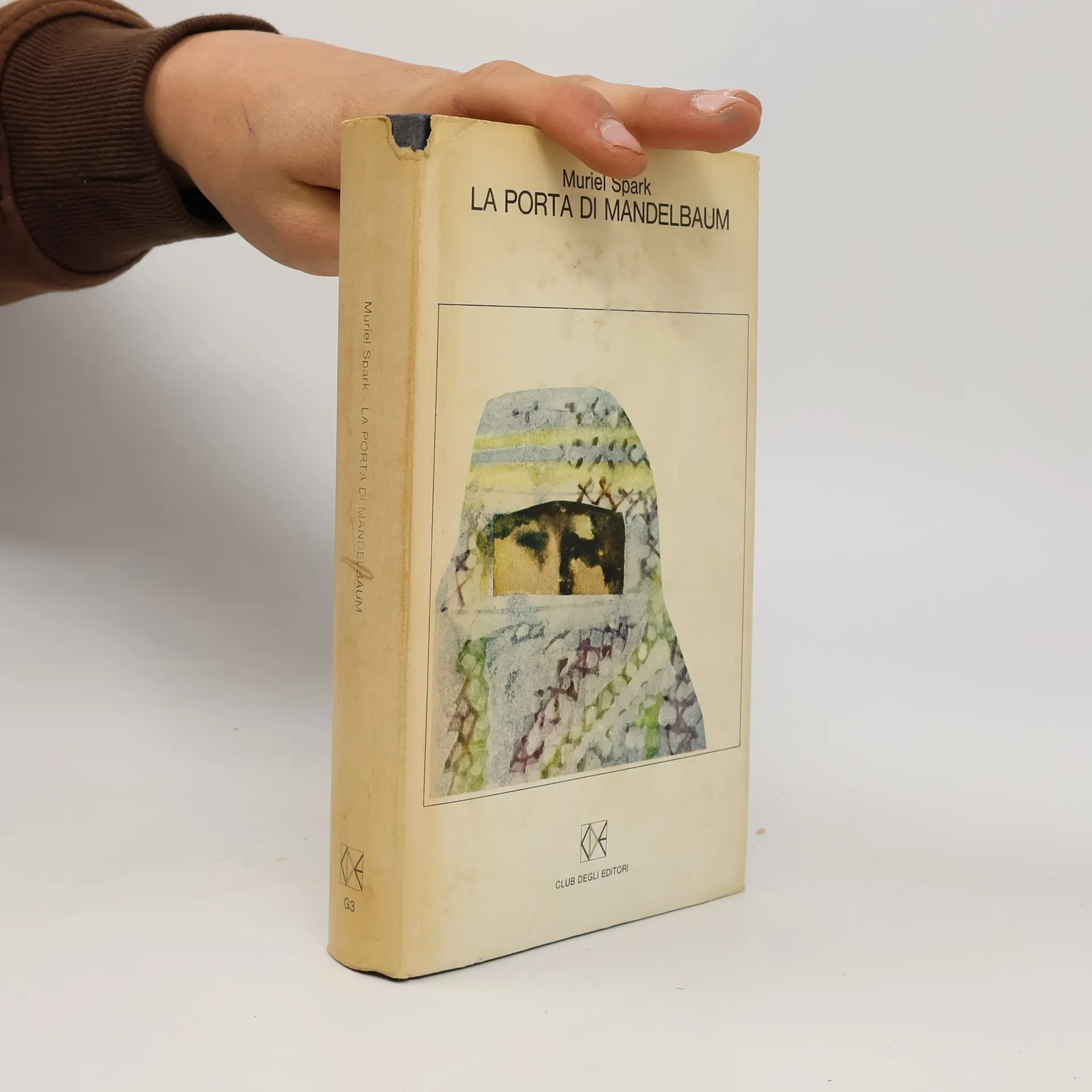
Barbara, engaged to an archaeologist, has pursued the beauty and danger of a life of faith. On a visit to Jerusalem she has befriended the diplomat Freddy Hamilton. Ignoring his warning that she risks arrest because of her Jewish blood, she has set out on a pilgrimage beyond the Mandelbaum Gate.
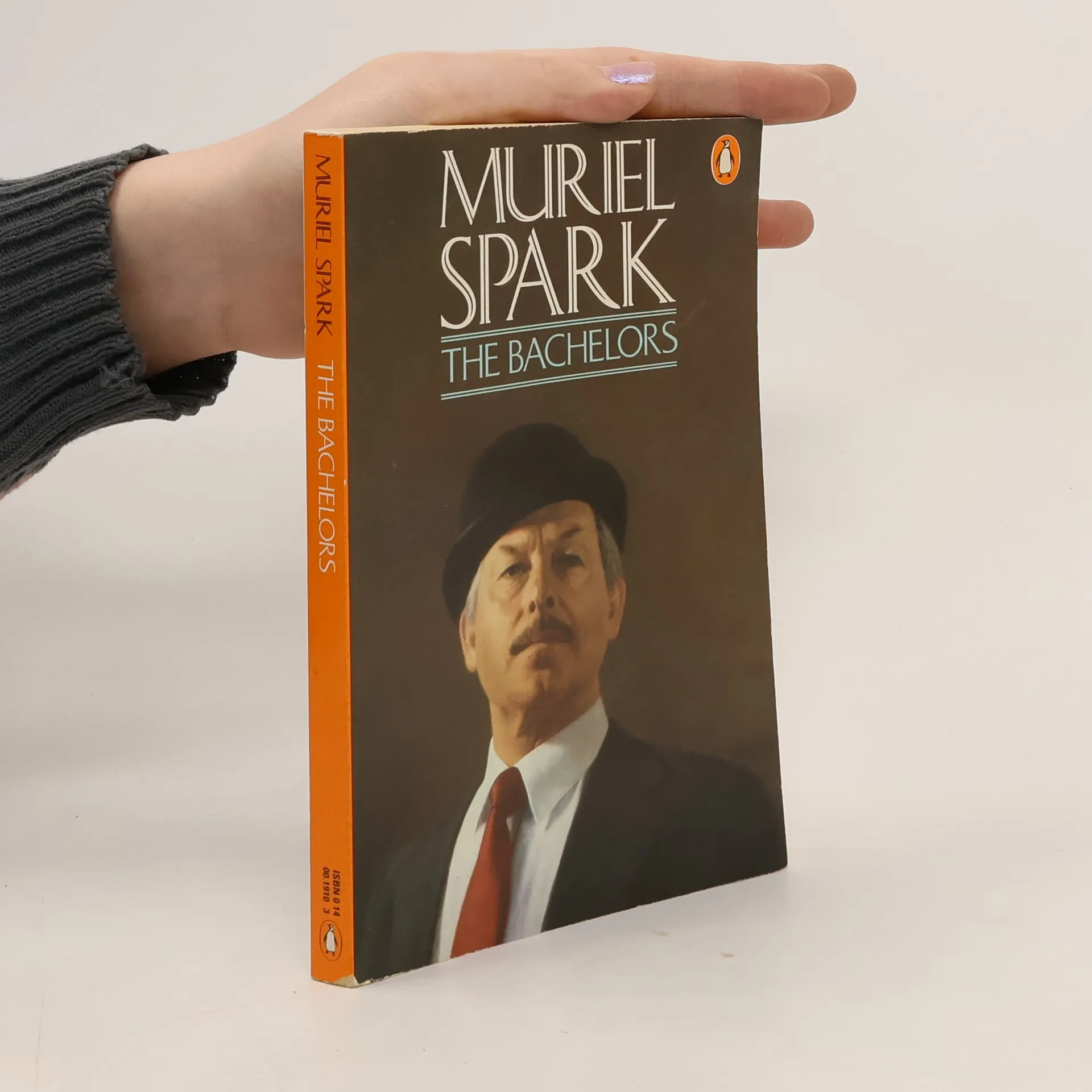
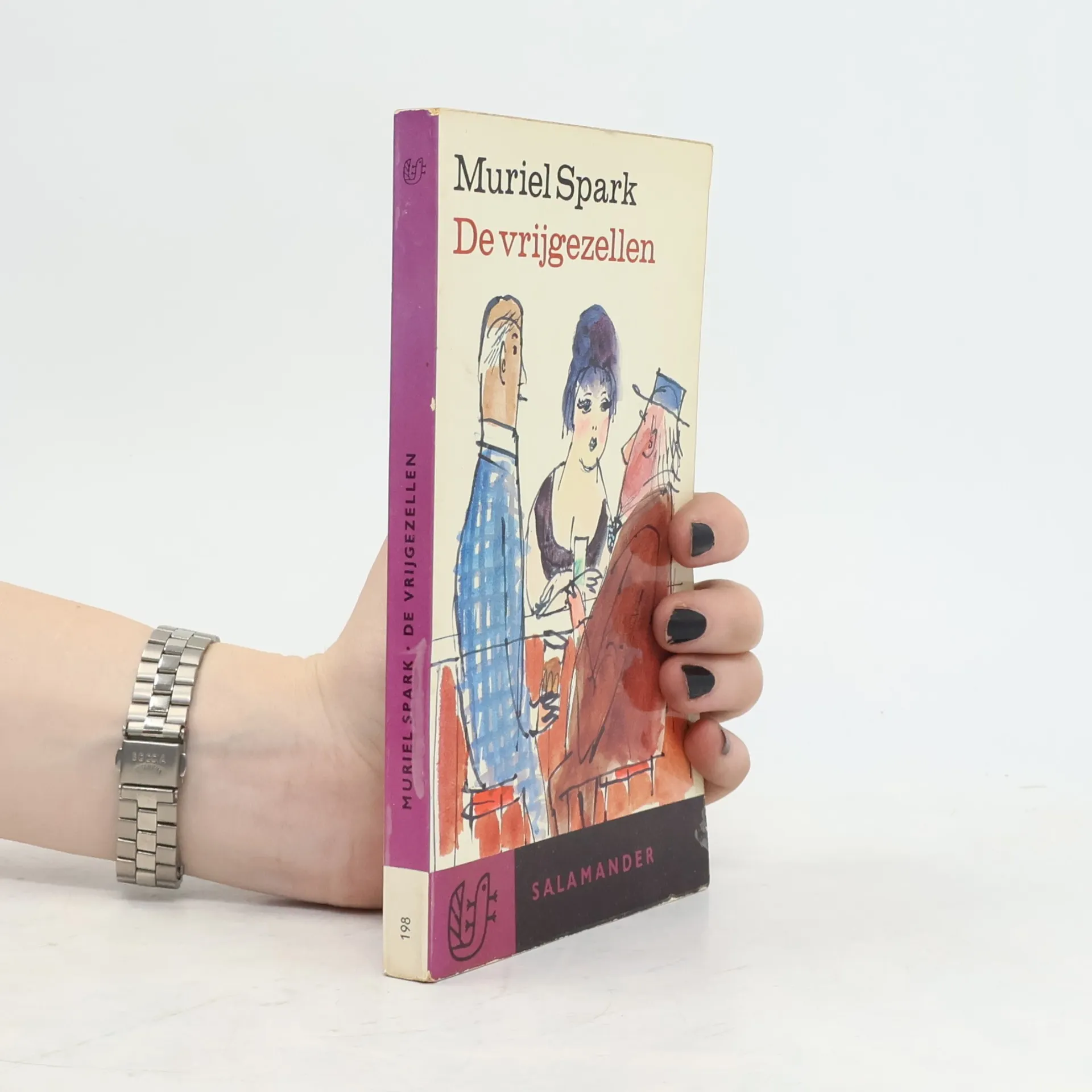
A barrister, a priest, a detective, a lovelorn Irishman, a handwriting expert, a heinous spiritual medium - the very British bachelors of Muriel Spark's supreme 1960 novel come in every stripe.. "First found contentedly chatting in their London clubs and shopping at Fortnum's, the cozy bachelors (as any Spark reader might guess) are not set to stay cozy for long. Soon enough, the men are variously tormented - defrauded or stolen from; blackmailed or pressed to attend horrid seances - and then plunged, all together, into the nastiest of lawsuits. At the center of that suit hovers pale, blank Patrick Seton, the medium. Meanwhile, horrors of every size plague the poor bachelors - from the rising price of frozen peas to epileptic fits, forgeries, spiritualists foaming with protoplasm, and murder.
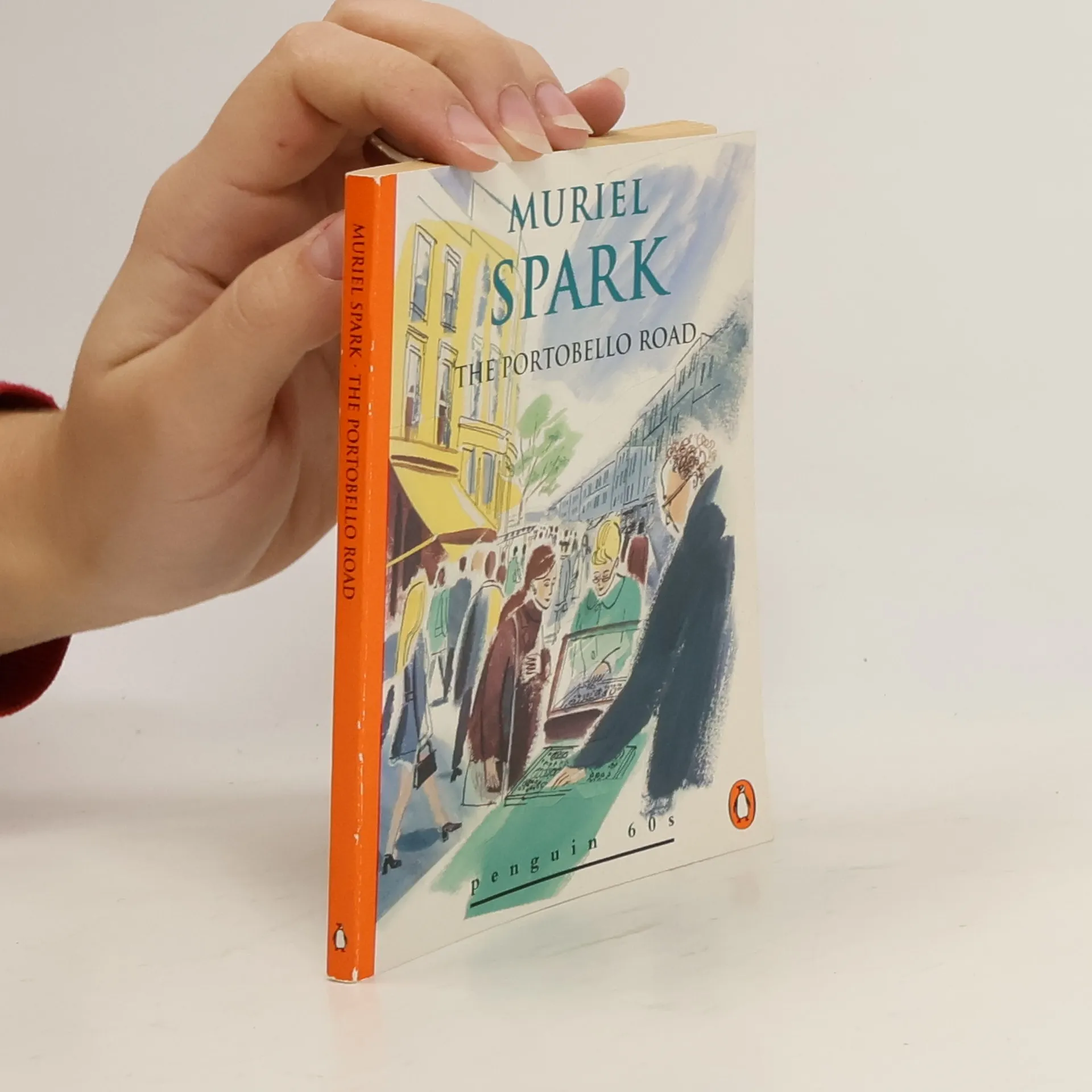
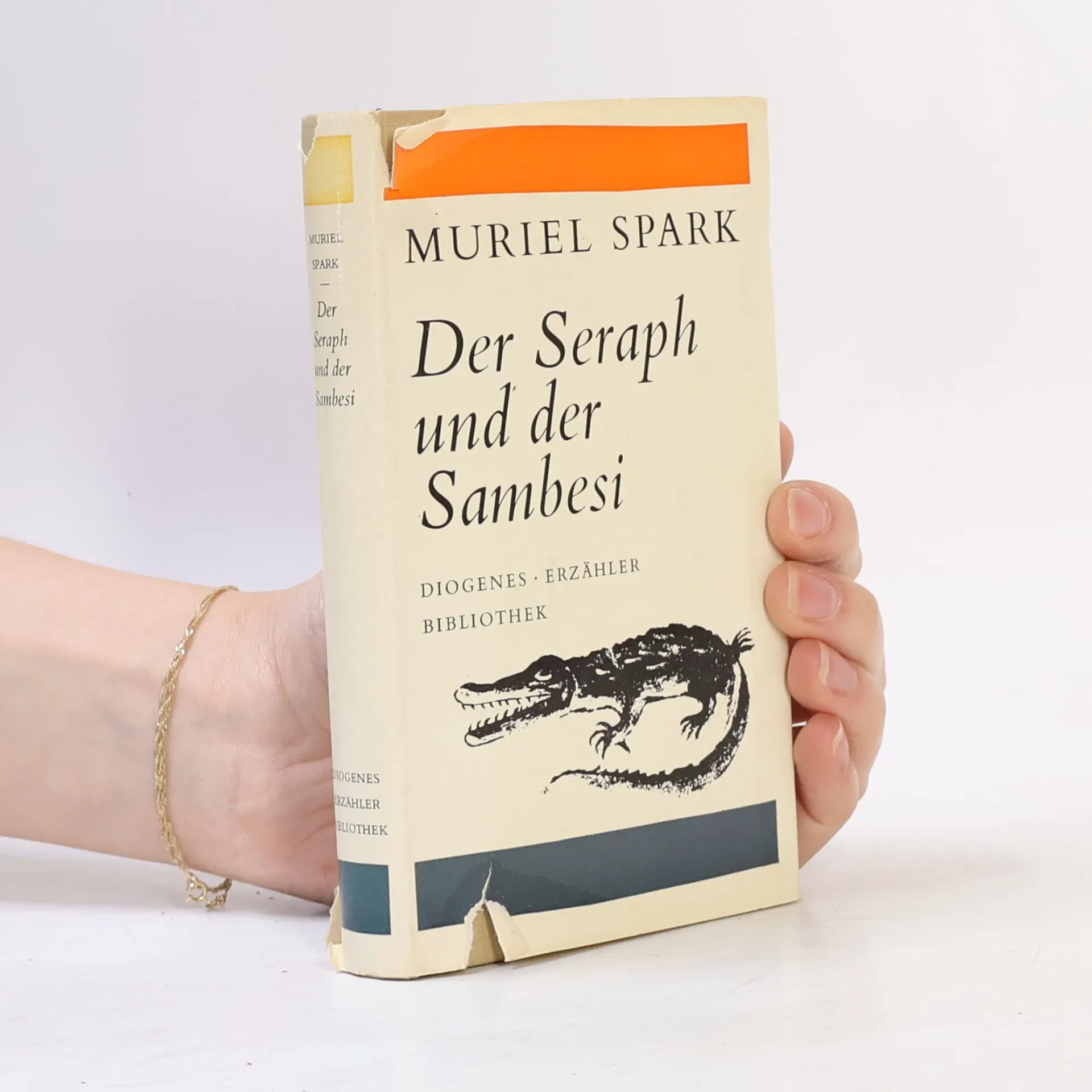
Four stories that illustrate Muriel Spark's unique wit and wisdom: 'The Portobello Road', 'Bang-bang You're Dead', 'The Seraph and the Zambesi' and 'The Dragon', all taken from The Collected Stories (1994).
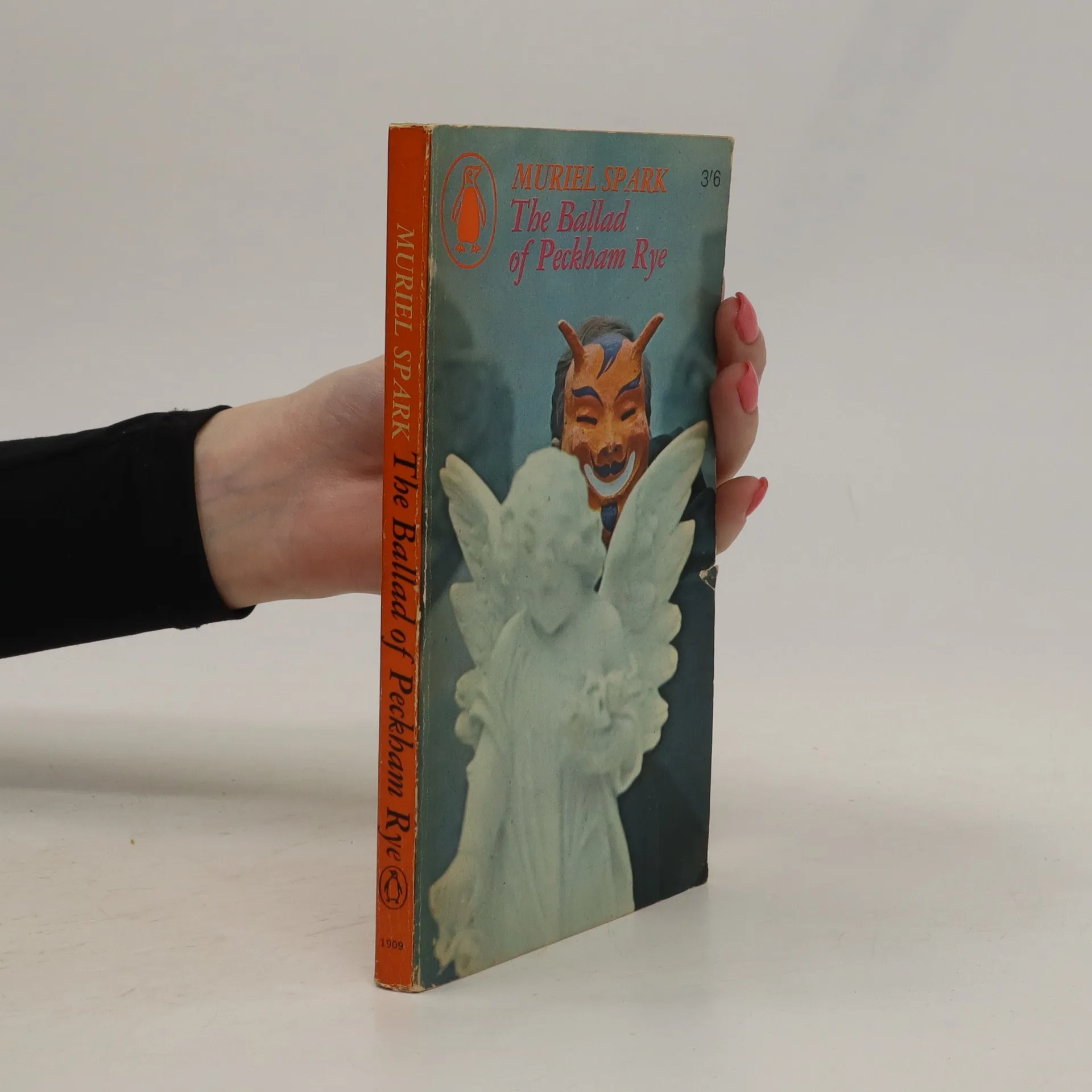
The Ballad of Peckham Rye is the wickedly farcical fable of a blue-collar town turned upside down. When the firm of Meadows, Meade & Grindley hires Dougal Douglas (a.k.a. Douglas Dougal) to do "human research" into the private lives of its workforce, they are in no way prepared for the mayhem, mutiny, and murder he will stir up. "Not only funny but startlingly original," declared The Washington Post, "the legendary character of Dougal Douglas...may not have been boasting when he referred so blithely to his association with the devil." In fact this Music Man of the thoroughly modern corporation changes the lives of all the eccentric characters he meets, from Miss Merle Coverdale, head of the typing pool, to V.R. Druce, unsuspecting Managing Director.
Robert arrives in Venice leaving the manipulative and wealthy Curran, his family and the Romanian emigre Anna behind. He soon discovers, however, that they have followed him and are all staying in the Pensione Sofia hotel, which harbours a dark secret involving blackmail, murder and intrigue.
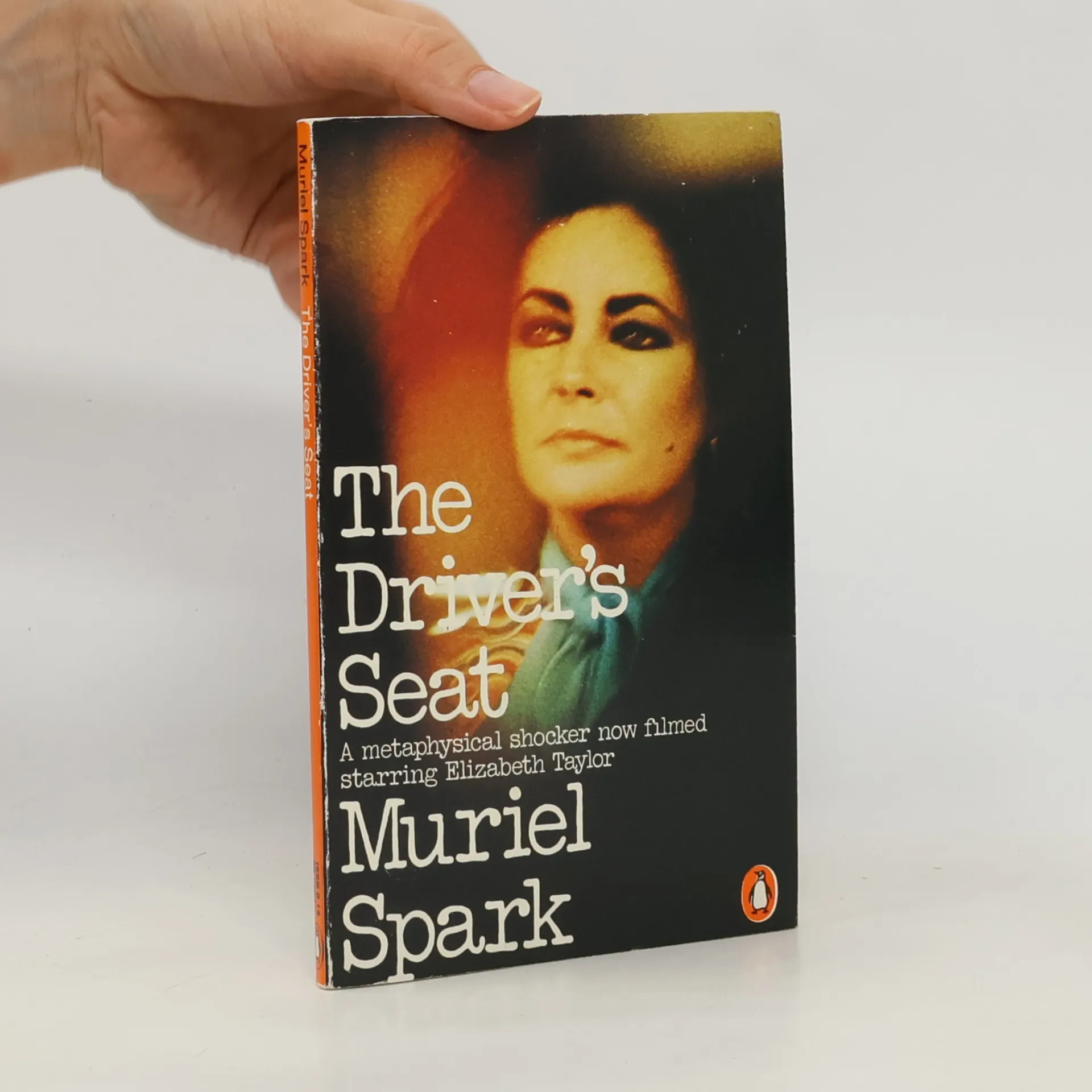
The Driver's Seat, Muriel Spark's tenth novel, was first published in 1970 and
shortlisted for the Booker Prize. It was one of six novels nominated in 2010
for the `Lost Man Booker Prize' of 1970
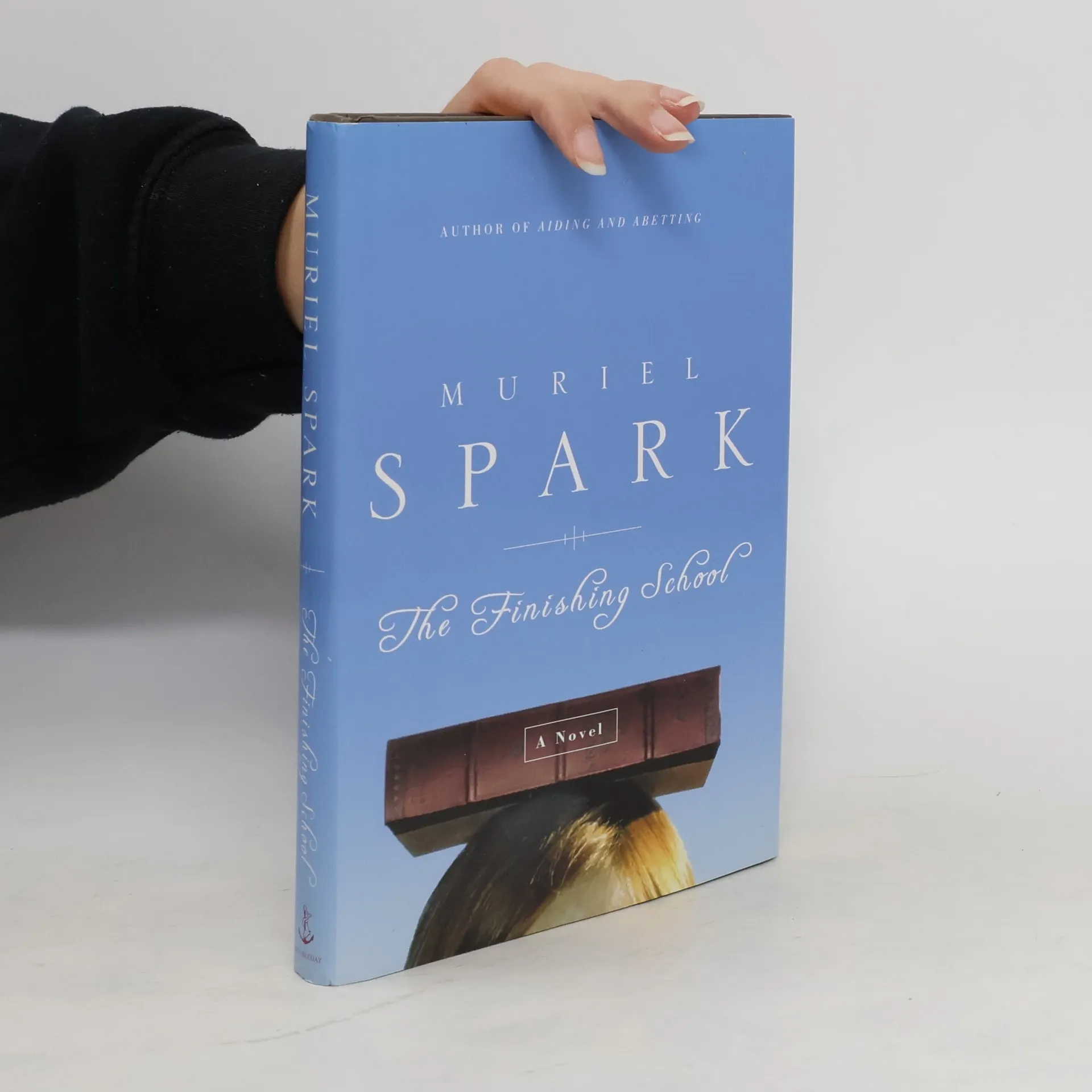
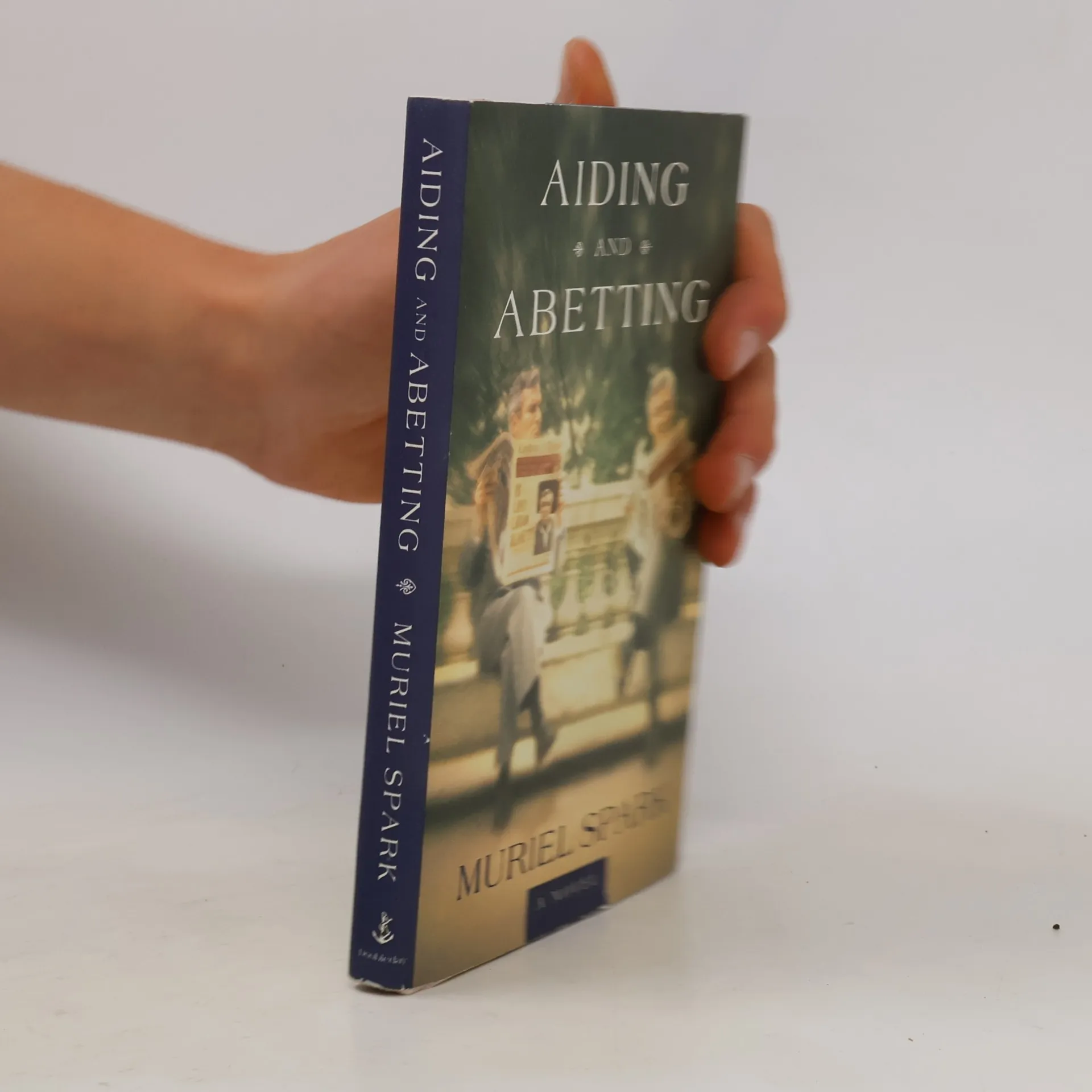
"It is twenty-five years after Lord Lucan's mysterious disappearance in the wake of the savage murder of his children's nanny and the vicious attack on his wife. The celebrated psychiatrist Dr. Hildegard Wolf is approached in her Paris consulting rooms by not one but two men, both claiming to be Lord Lucan. Dr. Wolf is intrigued. Which, if either, of the men is the real 'Lucky' Lucan? Will Lucan's daily appetite for smoked salmon and lamb chops provide the clue?". "Aiding and Abetting is a novel which races between Paris, London, the wilds of Scotland and central Africa, taking in blackmail, stigmata, Interpol investigations and Scottish monasteries along the way."--BOOK JACKET.
Muriel Spark claimed The Driver's Seat to be her best and creepiest novel. Once you have met her heroine Lise - heading for the holiday of a lifetime in an extraordinarily garish dress and with violence on her mind - you will understand why.
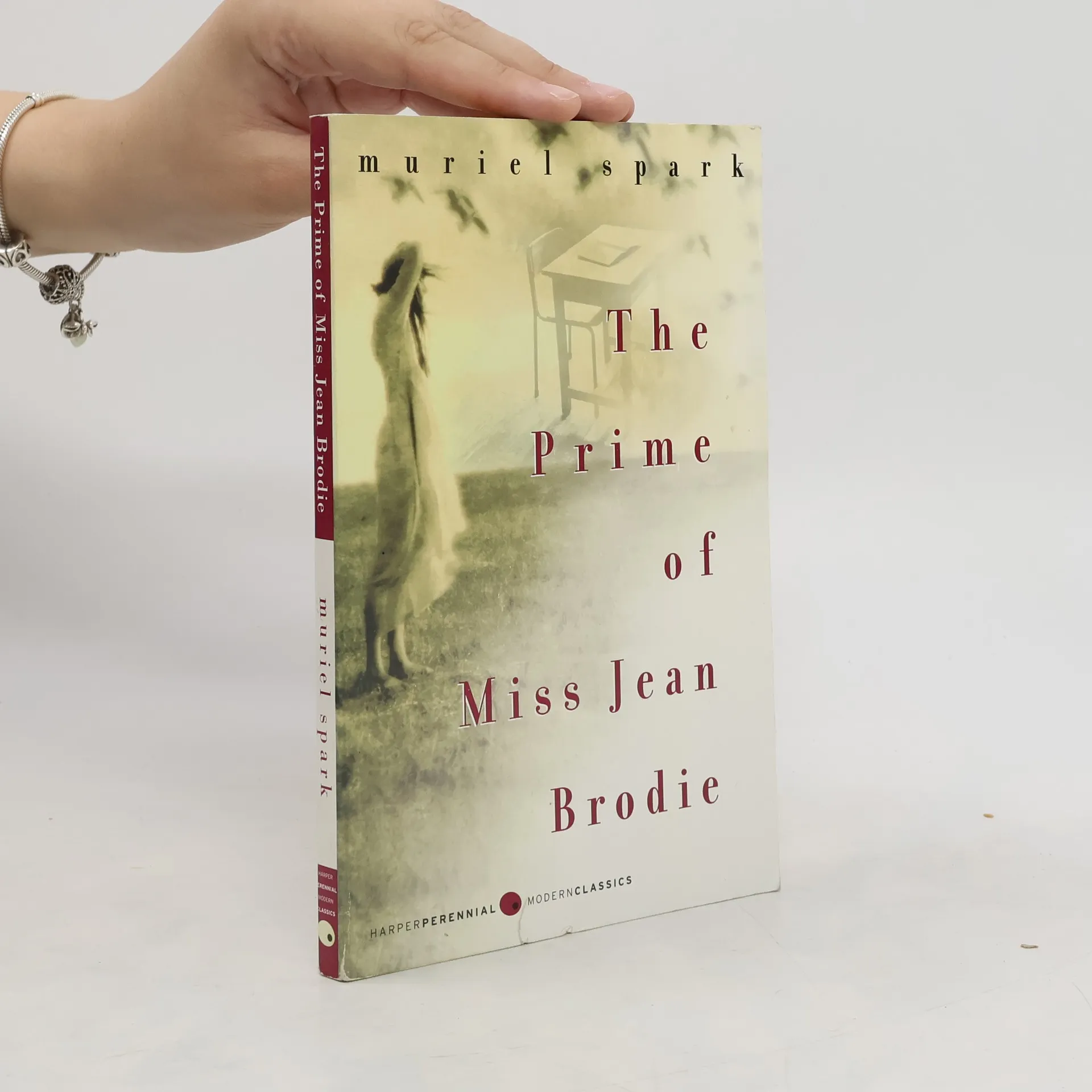
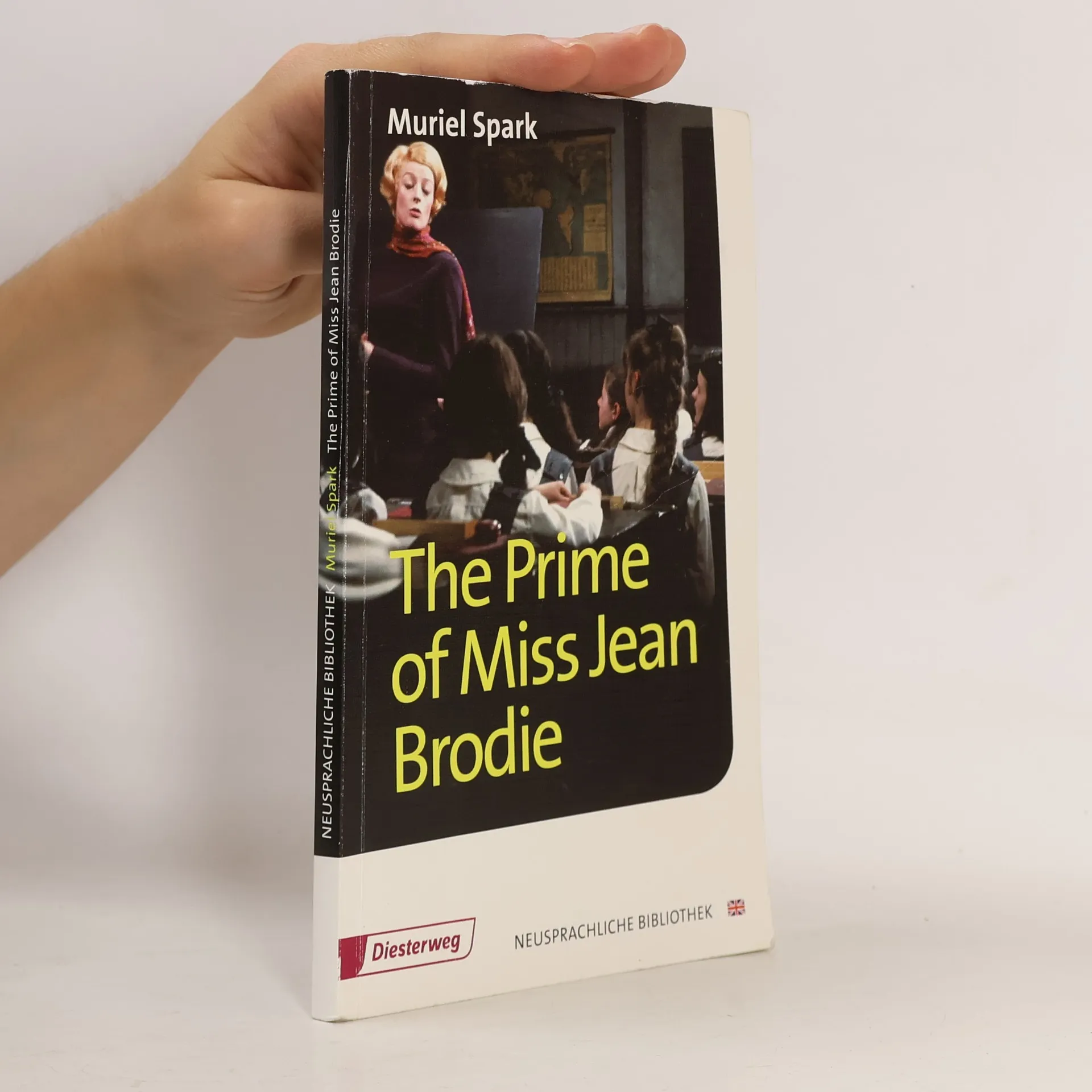
The Prime of Miss Jean Brodie / The Comforters / The Only Problem / The Driver's Seat / Memento Mori
671 pages
24 hours of reading
This omnibus contains five Spark novels including "The Prime of Miss Jean Brodie", which was made into a film featuring Maggie Smith and "The Driver's Seat", which was made into a film starring Elizabeth Taylor.
The anthology features significant New Yorker articles from the tumultuous 20th century, showcasing works by renowned authors like James Baldwin, Sylvia Plath, and Pauline Kael. It also includes contemporary evaluations of the 1960s by today's leading writers, providing a rich exploration of the era's cultural and social dynamics. This collection highlights both historical perspectives and modern interpretations, making it a compelling read for those interested in literary history and the evolution of thought during a pivotal decade.
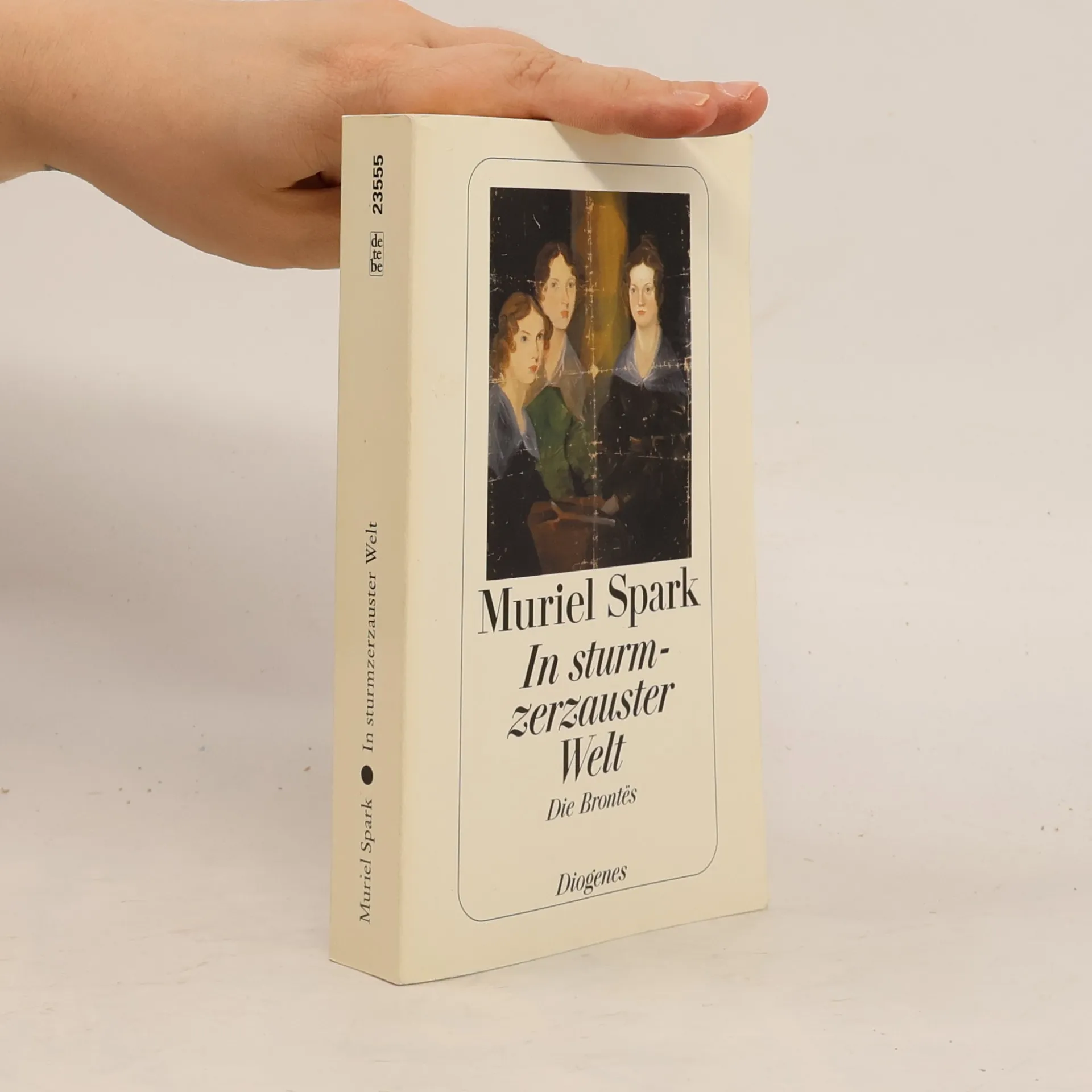
In sturmzerzauster Welt : die Brontës, wie sie wirklich waren und wie sie sich selbst sahen der Versuch einer Autobiographie in Briefen, Gedichten und Selbstzeugnissen, kongenial zusammengestellt und nacherzählt von Muriel Spark.
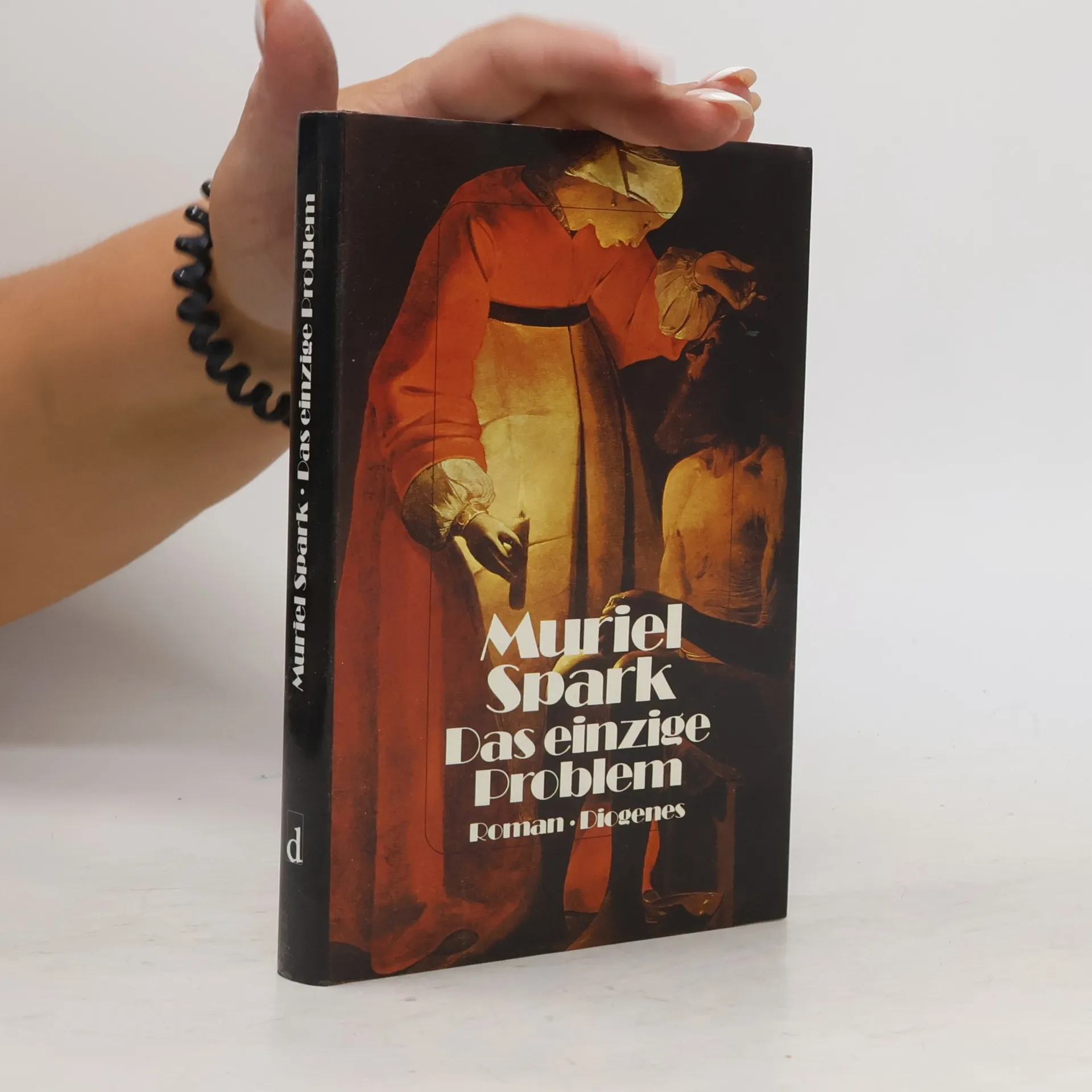
Es beginnt wie eine moderne Ehekomödie, es endet wie ein Kriminalroman: Die tragische Geschichte des begüterten Privatgelehrten Harvey Gotham, der sich mit Mitte Dreißig nach Frankreich aufs Land zurückzieht, um ein Buch über Hiob zu schreiben, während er im Leben das Prinzip des Bösen erforscht.
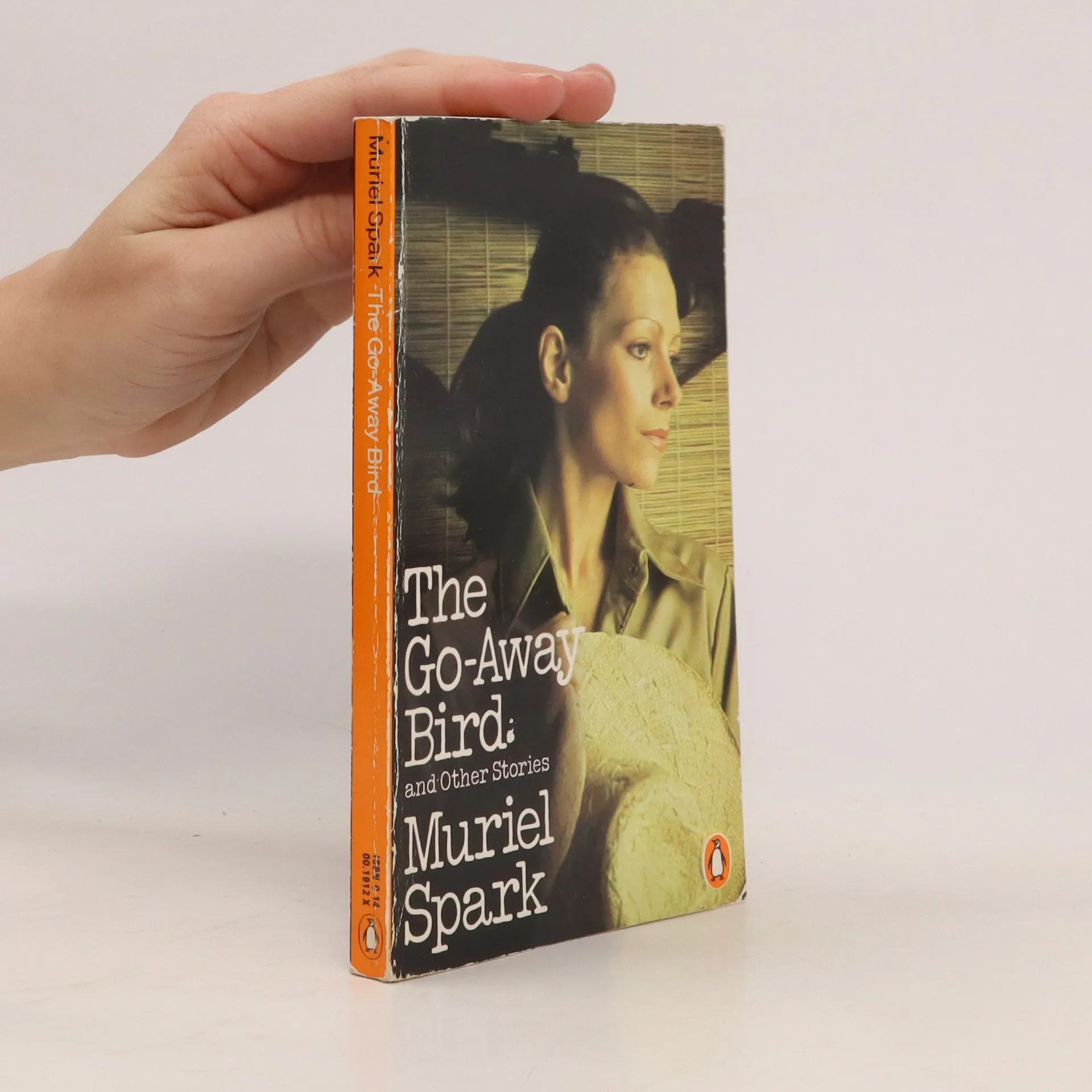
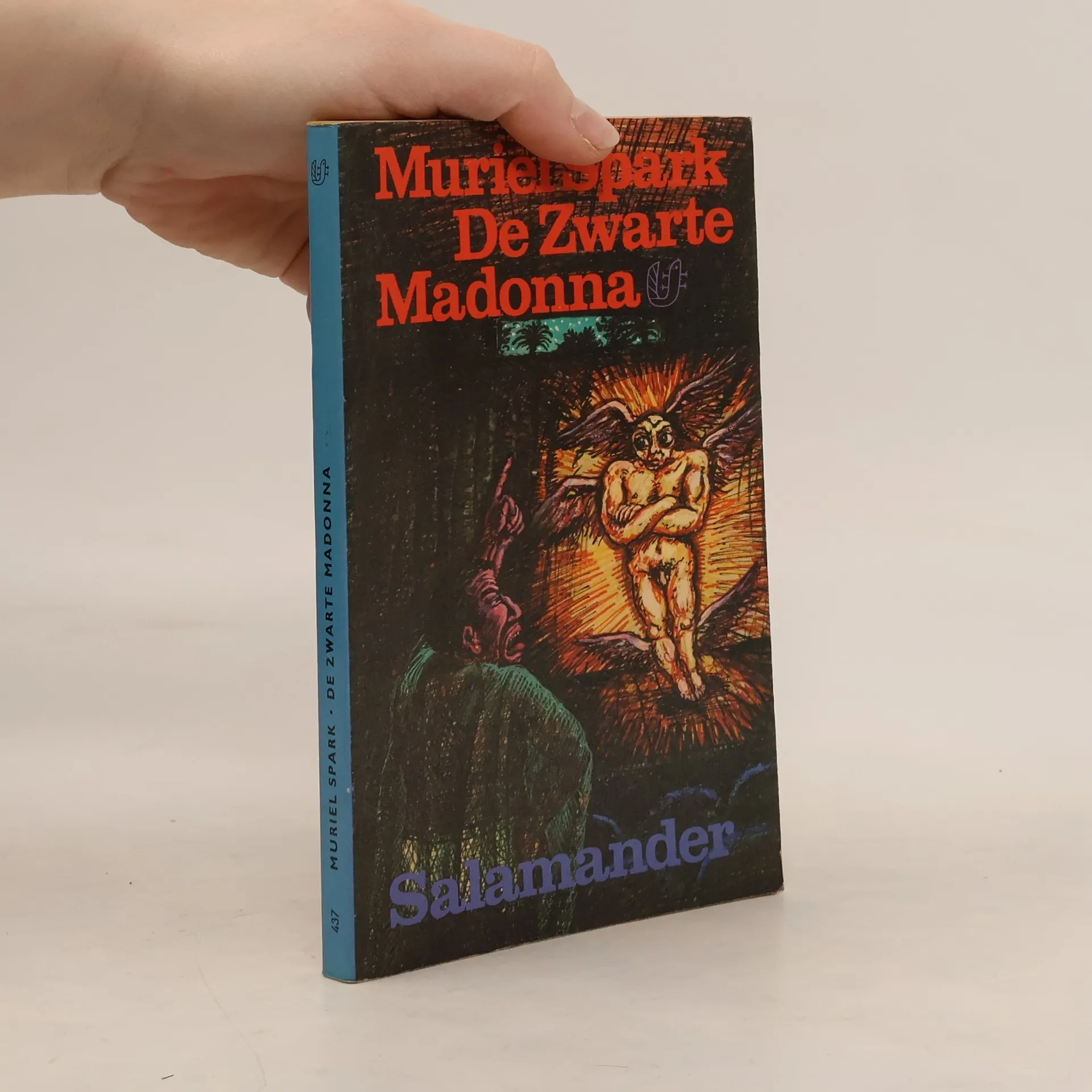
Inhalt: - Die schwarze Madonna - Die Frau des Pfandleihers - Die Zwillinge - Miss Pinkertons Apokalypse - 'Eine traurige Geschichte ist für den Winter am besten' - Der Gehen-Weg-Vogel / Daisy Overend - Sie hätten das Durcheinander sehen sollen - Komm schon, Marjorie - Der Seraph und der Zambesi - Die Portobello Road
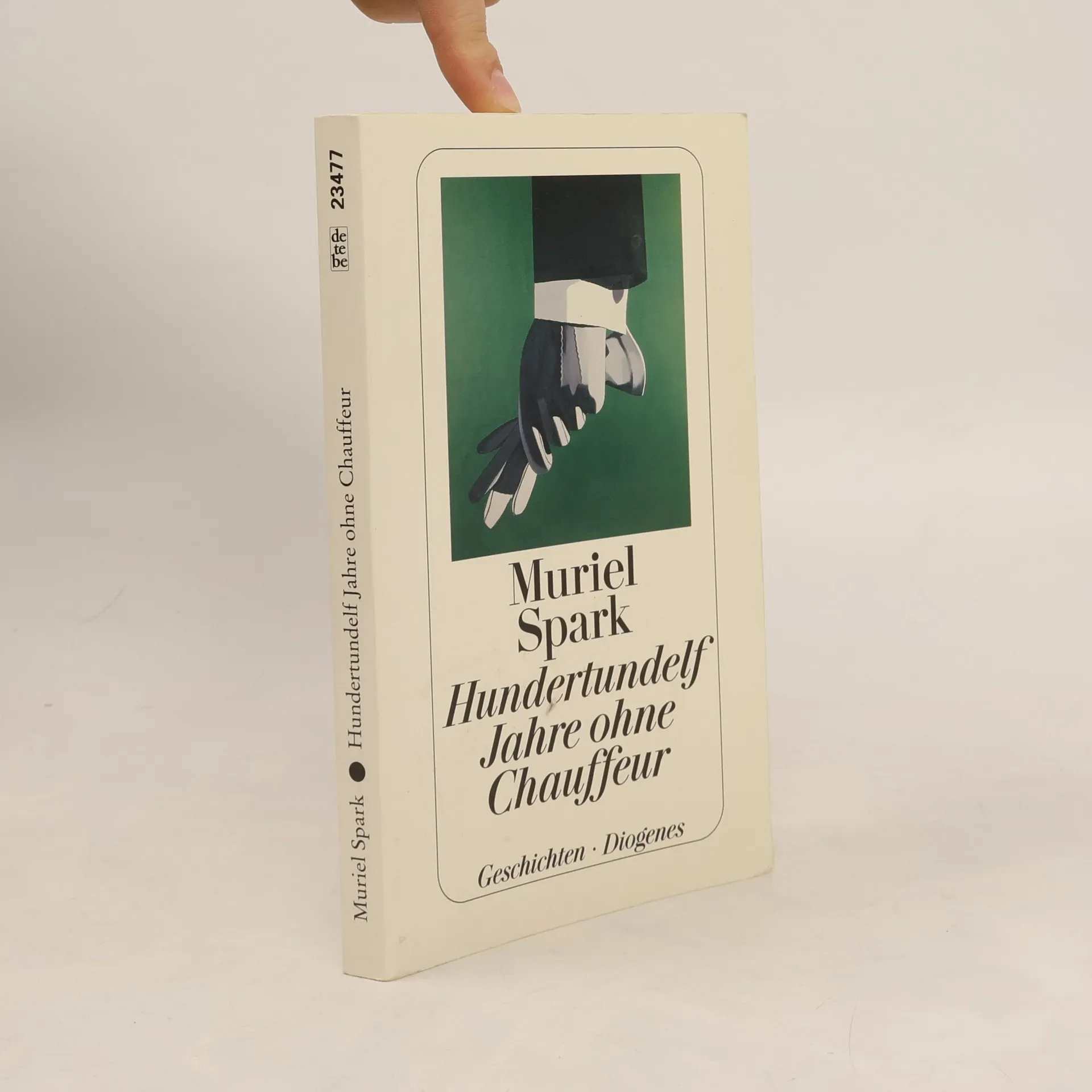
Was tun, wenn die von einem selbst erfundene Figur plötzlich empört an der Haustür klingelt? Und wie kann es passieren, daß man im eigenen Haus zum Butler wird? Was, wenn ein Gespenst als Patient in die Praxis kommt? Und wenn der eigene Chef einem immer weniger geheuer wird? Muriel Spark kennt wie keine andere die Tücken des Alltags und der Phantasie. Pointiert und präzise fängt sie den leichten Wahn ein, der überall lauert, in öffentlichen Verkehrsmitteln, Aufzügen, alten Schlössern und verhockten Dörfern. »Ich kann mir keine geistlosere Beschäftigung vorstellen, als ein Gespenst zu sein und einfach so post mortem aufzutauchen und zu verschwinden. Warte nur, bis ich dich weganalysieren lasse«, so wehrt sich ein Verfolgter gegen den Geist, der ihn bedroht. Und er ist nicht allein: Die »Helden« bei Muriel Spark greifen zu höchst ungewöhnlichen Mitteln, um mit der Wirklichkeit fertig zu werden. Immer genau dann, wenn man verheerende Ironie erwartet, passiert noch etwas viel Verrückteres und viel Echteres. In einzigartig lakonischem Stil lässt Muriel Spark ihre Geschichten voller Vergnügen ins Komische, Unheimliche, Groteske kippen. Die Geschichten von Muriel Spark erschüttern unsere Gewohnheiten auf höchst unterhaltsame Weise."
Als Hubert Mallindaine mit der Zwangsräumung aus seinem Haus nahe den Wäldern von Diana in Nemi bedroht wird, weigert er sich entschieden, umzuziehen. Hubert ist überzeugt, dass er ein direkter Nachkomme der Göttin Diana ist - und hat daher ein besonderes Anrecht, dort zu leben. Um seine Position zu untermauern, gründet er eine heidnische Kirche in Nemi und zieht bald eine Menge fanatischer Anhänger an.
Es gab drei Überlebende bei der Flugzeugkatastrophe. Die Lissabon-Maschine war über Robinsons kleiner vulkanischer Insel abgestürzt, tausend Meilen fern von jeder Zivilisation. Robinson führte dort ein Einsiedlerleben. Während die drei Überlebenden gesundgepflegt werden, zeichnen sich nach und nach ihre verschiedenen Charaktere immer deutlicher ab, was zu verhängnisvollen Konflikten führt.
Die Anthologie 'Heimliche Gedichte' präsentiert Gedichte von Romanciers, die oft unbeachtet blieben. Viele dieser Werke erscheinen erstmals auf Deutsch oder in Buchform, was einen neuen Blick auf die literarischen Schätze ermöglicht.
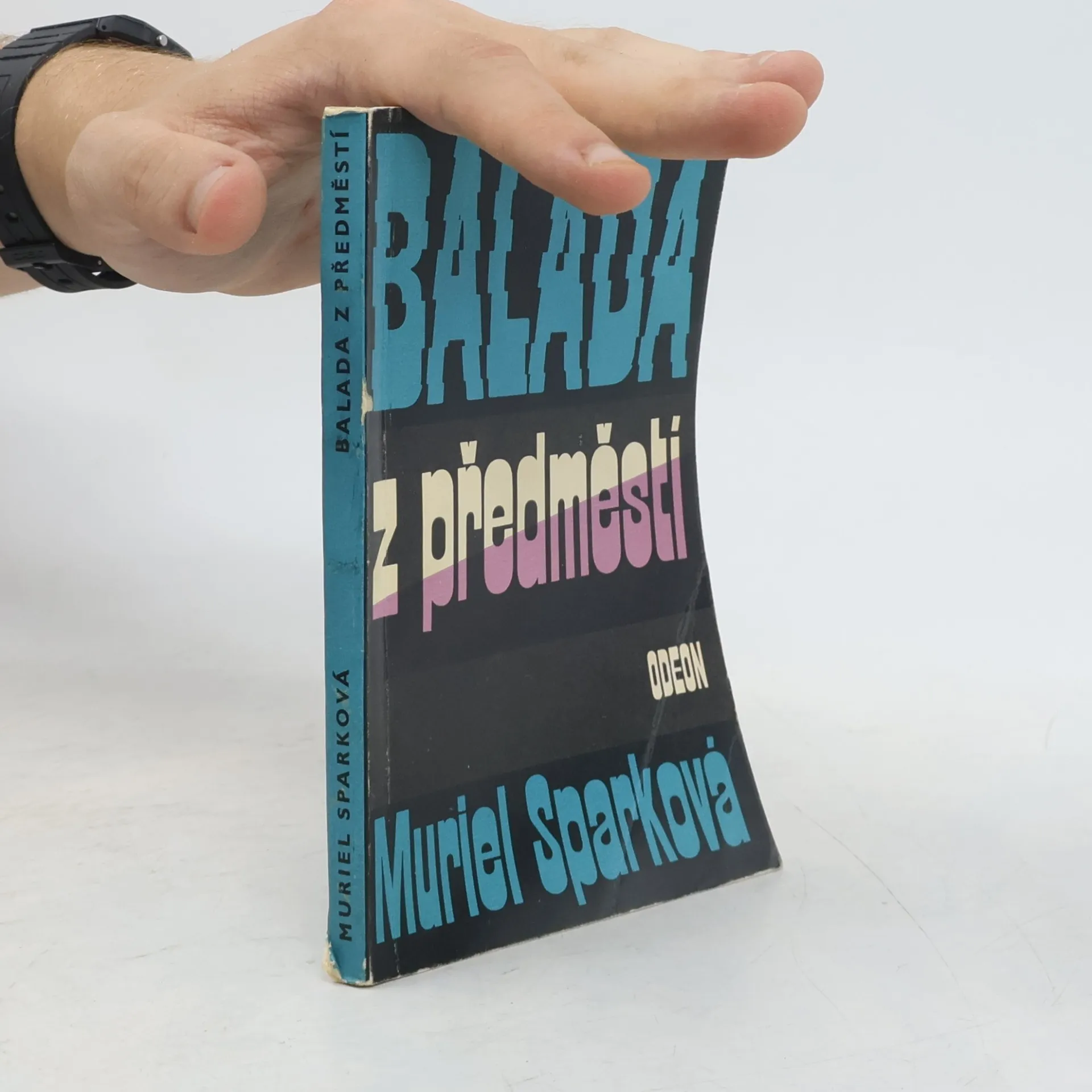
Hrdinou románu, či spíše romaneta, mísícího legendární baladičnost s realistickou přítomností, je jakýsi moderní Mefisto, pokušitel a rozvraceč lidských vztahů. Civilním povoláním je referent v personálním výzkumu jedné londýnské podnikatelské firmy, který má nalézt cesty ke zlepšení vztahů mezi zaměstnavateli a zaměstnanci, avšak ve skutečnosti působí pravý opak – rozvrat vztahů v dělnických a úřednických rodinách maloměstského předměstí Londýna. Vtipná karikatura se společensky kritickými šlehy.
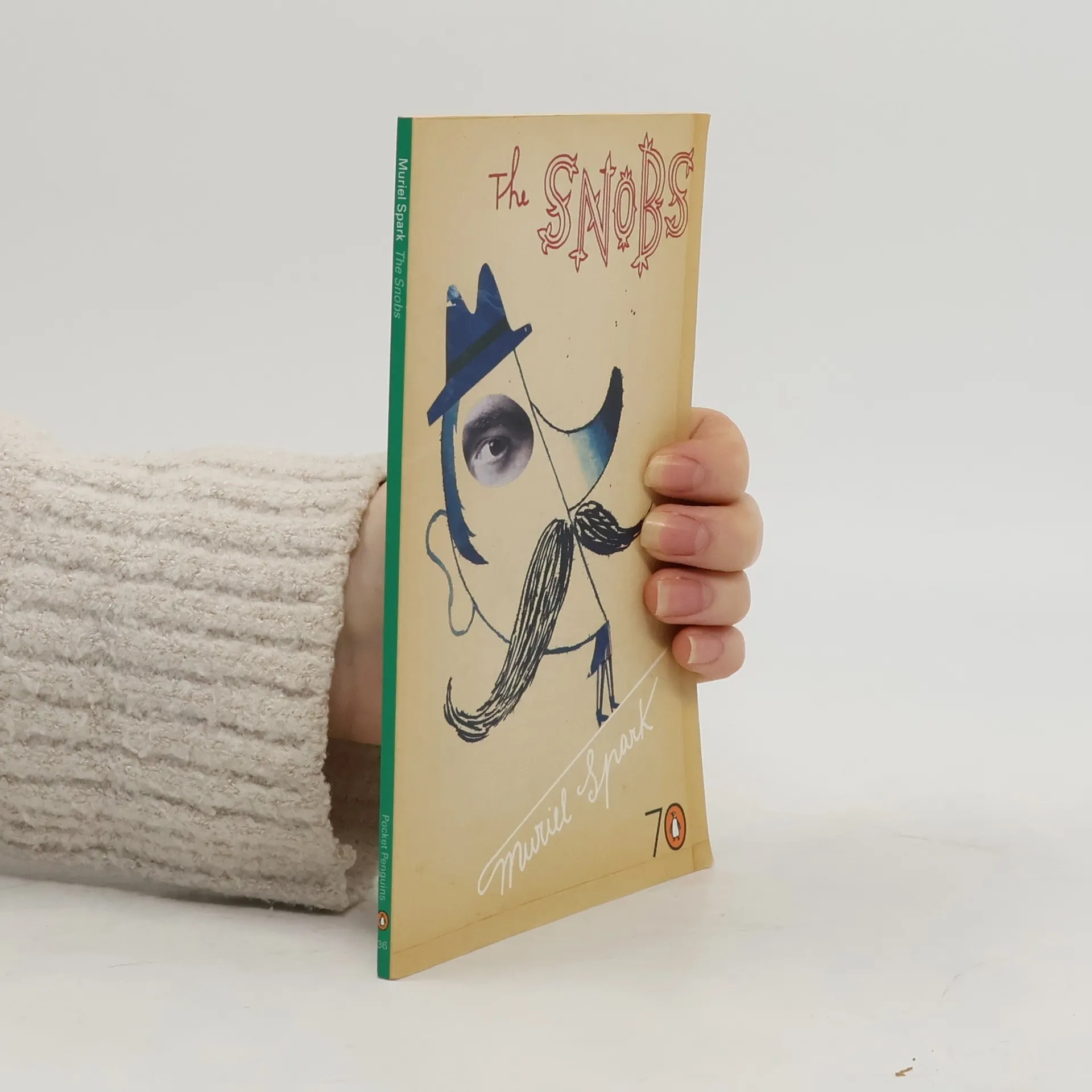
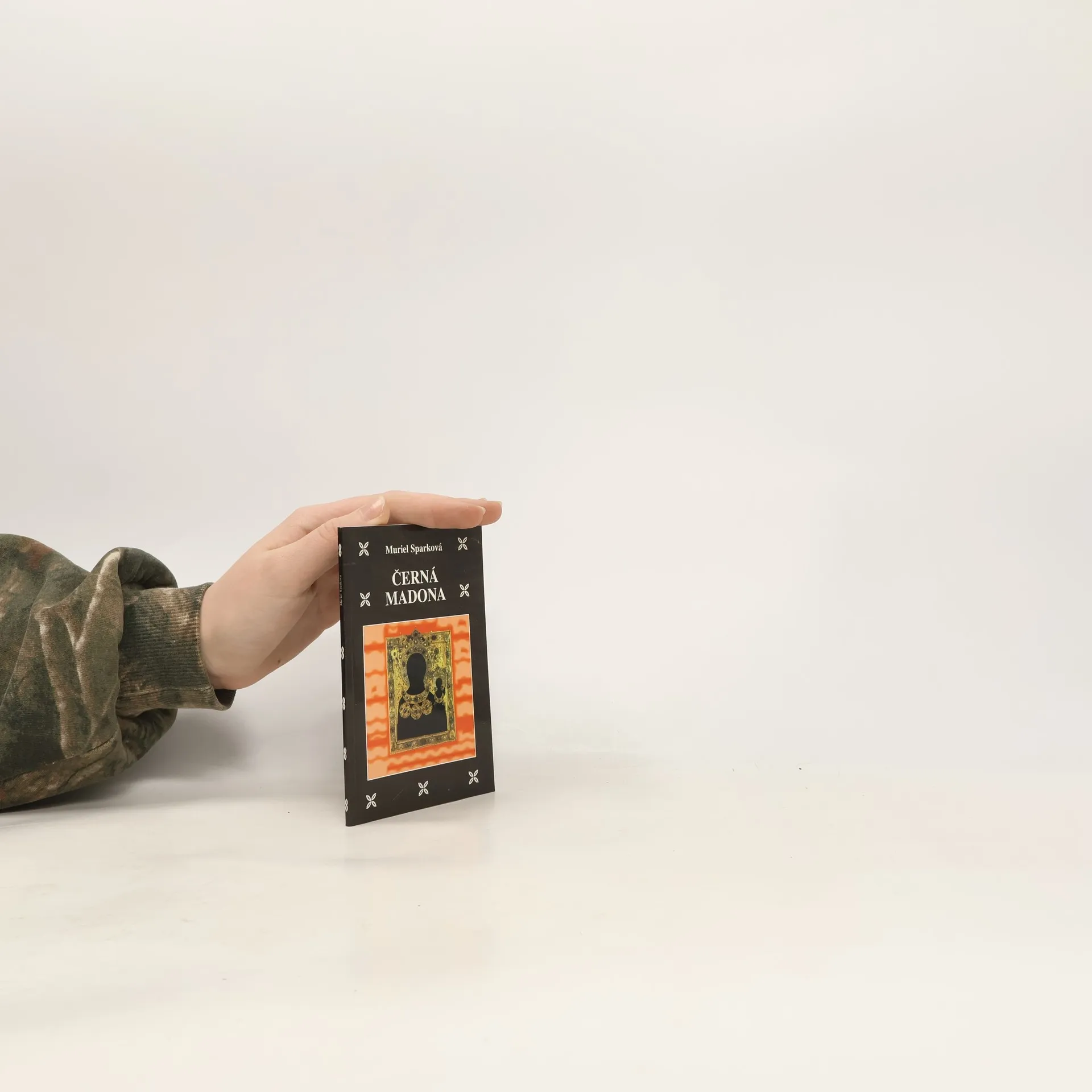
Povídka známé skotské autorky, v níž si bere na mušku snobismus a rasové předsudky nové střední vrstvy v Británii 50. let.
V této době sice Británie prožívá období prosperity a více se otevírá světu, ale pokrytectví, sociální a rasová předpojatost společnosti z minulosti stále přetrvávají. Manželé Lou a Raymond jsou velmi aktivními katolíky, kteří se považují za představitele moderních mravních a pokrokových názorů. Jednou byla do jejich kostela nainstalována socha Černé madony z bahenního dubu. Brzy se začaly šířit zprávy, že řadu lidí vyslyšela v jejich trápení. Také Lou a Raymond ji požádají o pomoc, ale v tu chvíli ještě netuší, jaké zkoušce bude jejich mravnost a tolerantnost podrobena. Výborná povídka s motivem nadpřirozena.
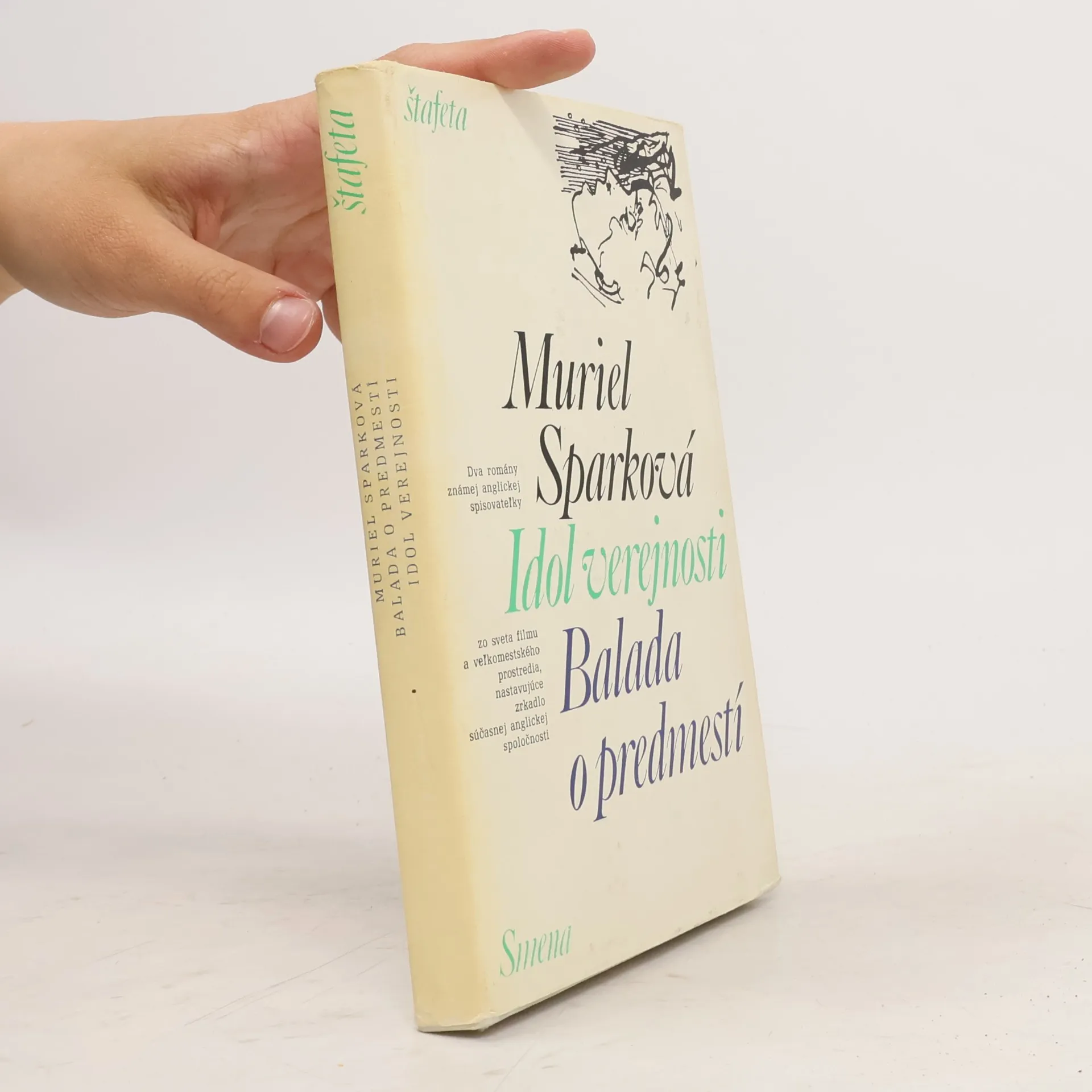
Dva romány (Idol verejnosti, 1968; Balada o predmestí, 1960) známej anglickej spisovateľky zo sveta filmu a veľkomestského prostredia, nastavujúce zrkadlo súčasnej anglickej spoločnosti.