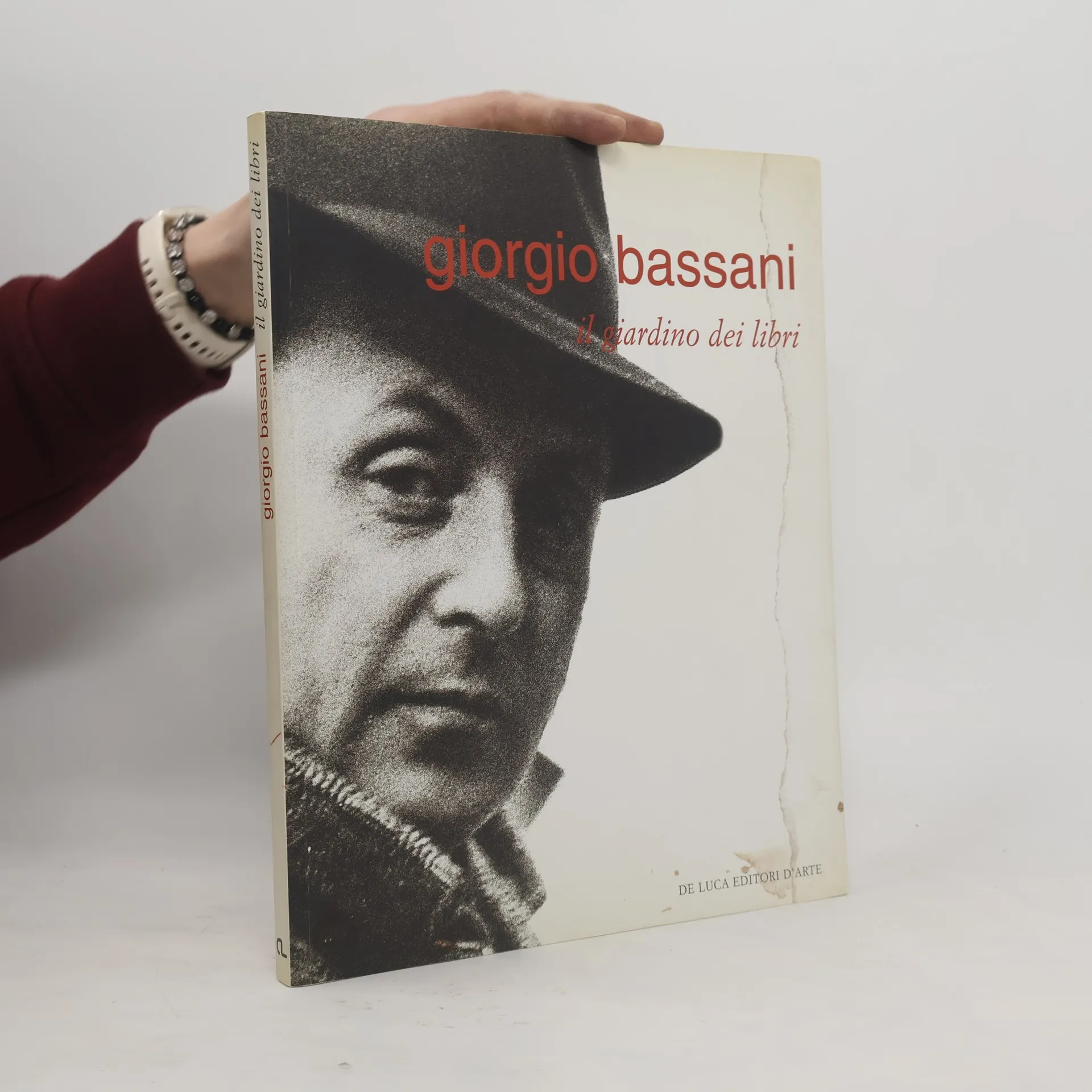
Giorgio Bassani was a writer whose work delved into the complexities of memory, identity, and the search for truth. His narratives, often set against the backdrop of Ferrara, explore the experiences of the Italian Jewish community, particularly under the shadow of Fascism. Bassani's distinctive style captures the nuances of human consciousness and the challenges of navigating moral landscapes. Through his prose, he offers a profound examination of marginalization and the search for belonging.
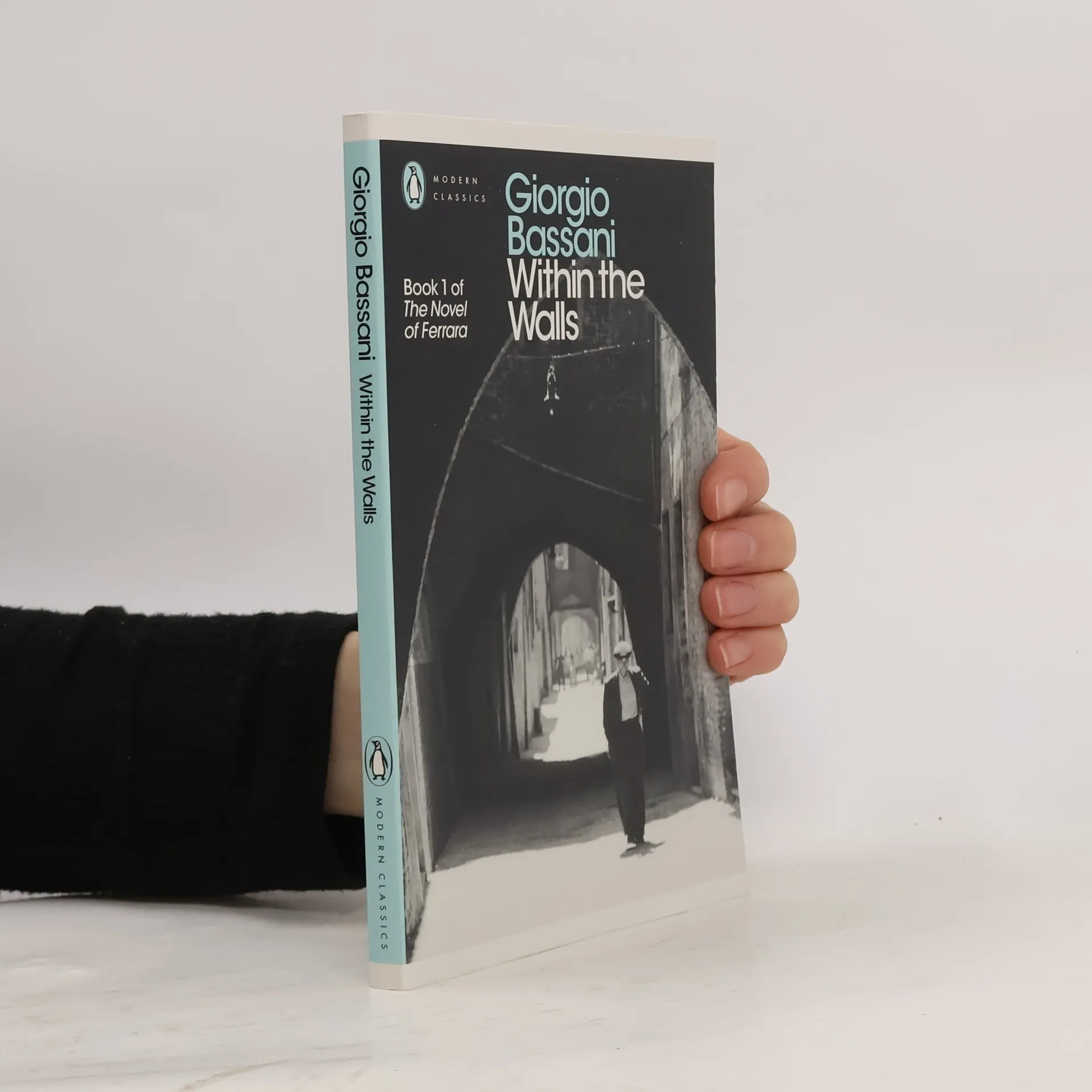
Set in the evocative backdrop of Ferrara, Giorgio Bassani's work intertwines the essence of his hometown with profound literary themes. This collection features six of his classics, meticulously revised by Bassani himself, showcasing his mastery of narrative and character. The stories reflect the intricate relationship between place and identity, making Ferrara a vital character in its own right. This anthology serves as a significant contribution to twentieth-century literature, highlighting Bassani's unique voice and perspective.
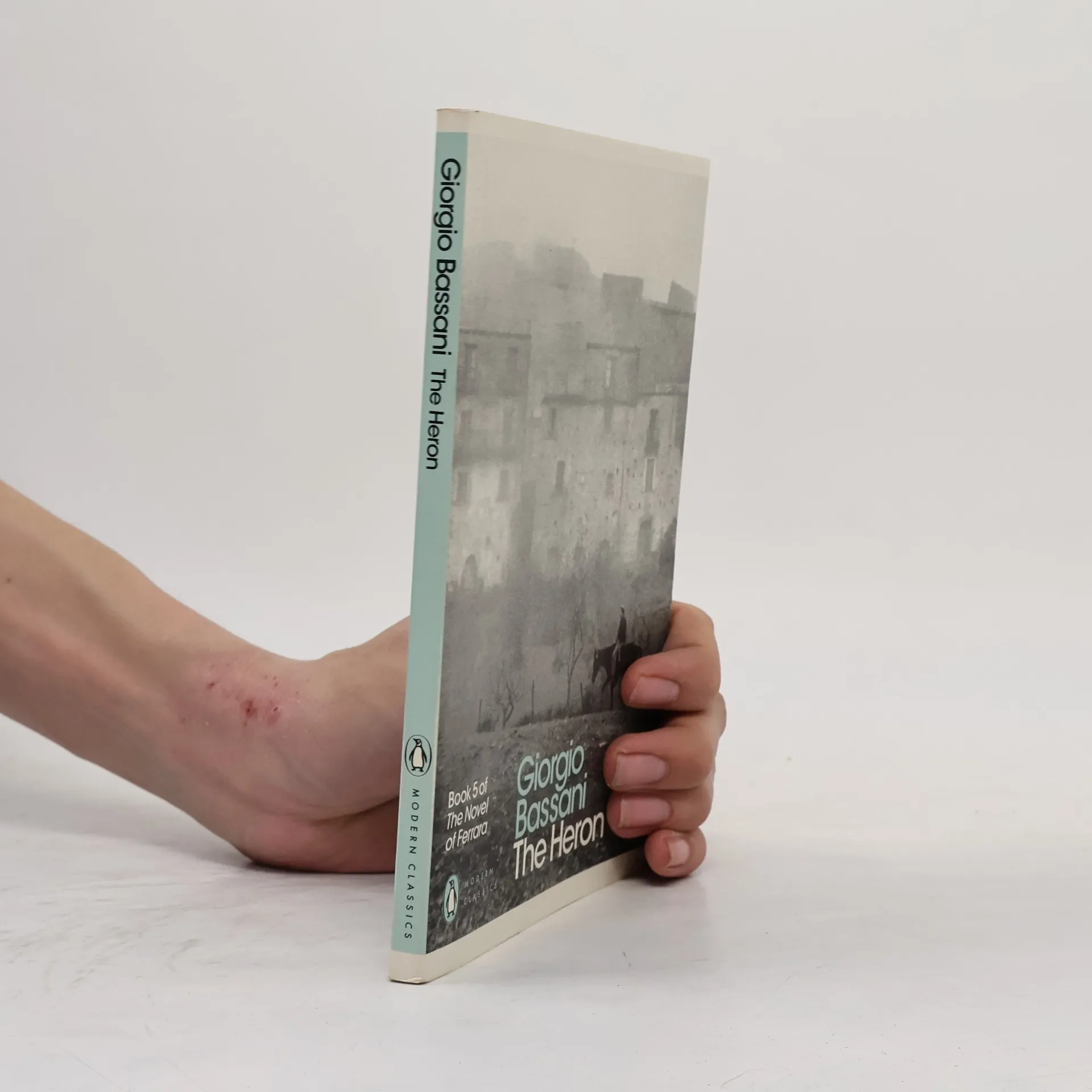
'Exquisite. . . a classic tour de force' The New York Times 'It struggled to keep itself aloft, to gain height. But then it suddenly gave up, and dropped as though it were breaking into many pieces' Early on a cold Sunday morning, forty-five-year-old Edgardo Limentani gets up to join a shooting party in the countryside surrounding the town of Ferrara. As the day passes, he contemplates his past, his disappointments and how he has got here. Like the birds he shoots, he realizes, he is trapped, broken, waiting alone for the final coup de grâce. Then he sees a way out. The fifth book in Bassani's Novel of Ferrara sequence, and his final novel, The Heron is a taut, poignant portrait of a middle-aged man's reckoning with his life.
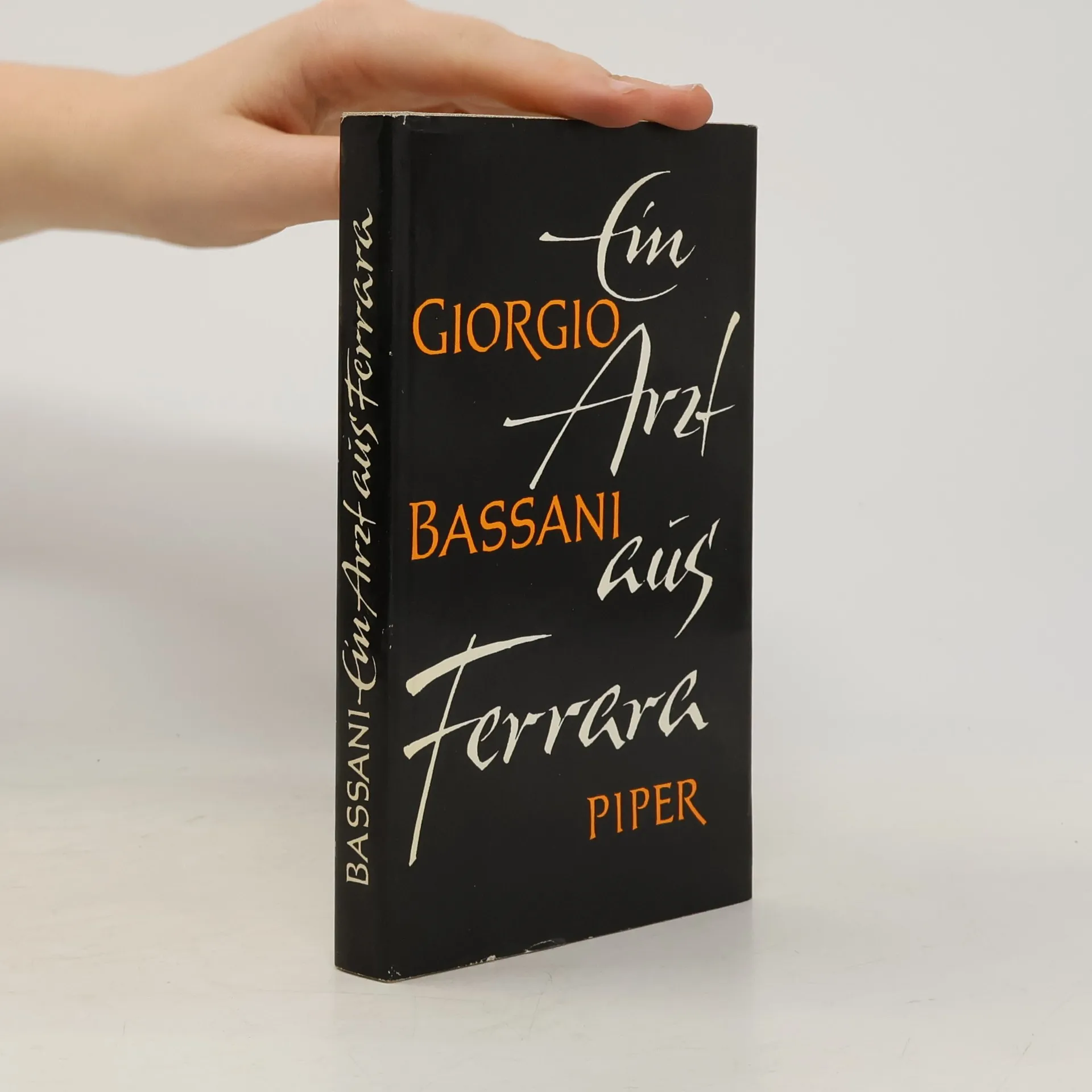
Into the insular town of 1930s Ferrara, a new doctor arrives. Fadigati is
hopeful and modern, and more than anything wants to fit into his new home. But
his fresh, appealing appearance soon crumbles when the townsfolk discover his
homosexuality, and the young man he pays to be his lover humiliates him
publicly.
'It was useless to think I'd ever be able to throw open the door behind which I was yet again hiding ... Not now. Not ever.' School is a place of unspoken hierarchies and rivalries for a young teenage boy growing up in the provincial town of Ferrara. But as the everyday classroom and playground dramas are played out, they begin to reflect the disturbing undertones of 1930s Italy, and the narrator realizes that being Jewish means he will always be excluded. The fourth book in Bassani's Romanzo di Ferrara cycle, Behind the Door is a luminous portrayal of childhood friendship and the loss of innocence. A new translation by Jamie McKendrick 'Giorgio Bassani is one of the great witnesses of this century, and one of its great artists' Guardian 'Powerful new translations . . . Bassani began as a poet, and McKendrick's redelivery of this taut uncompromising fiction reveals resonance and generosity' Ali Smith
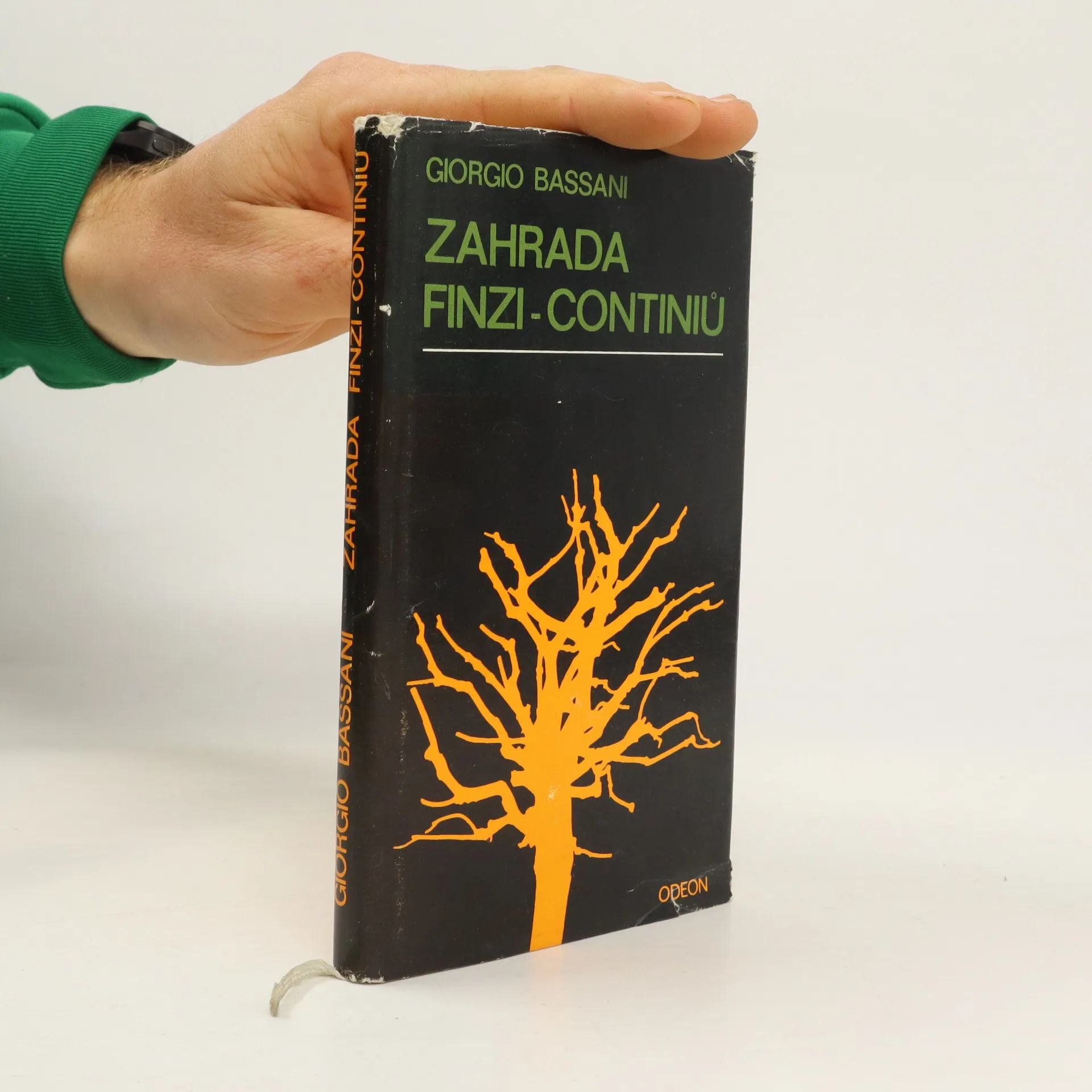
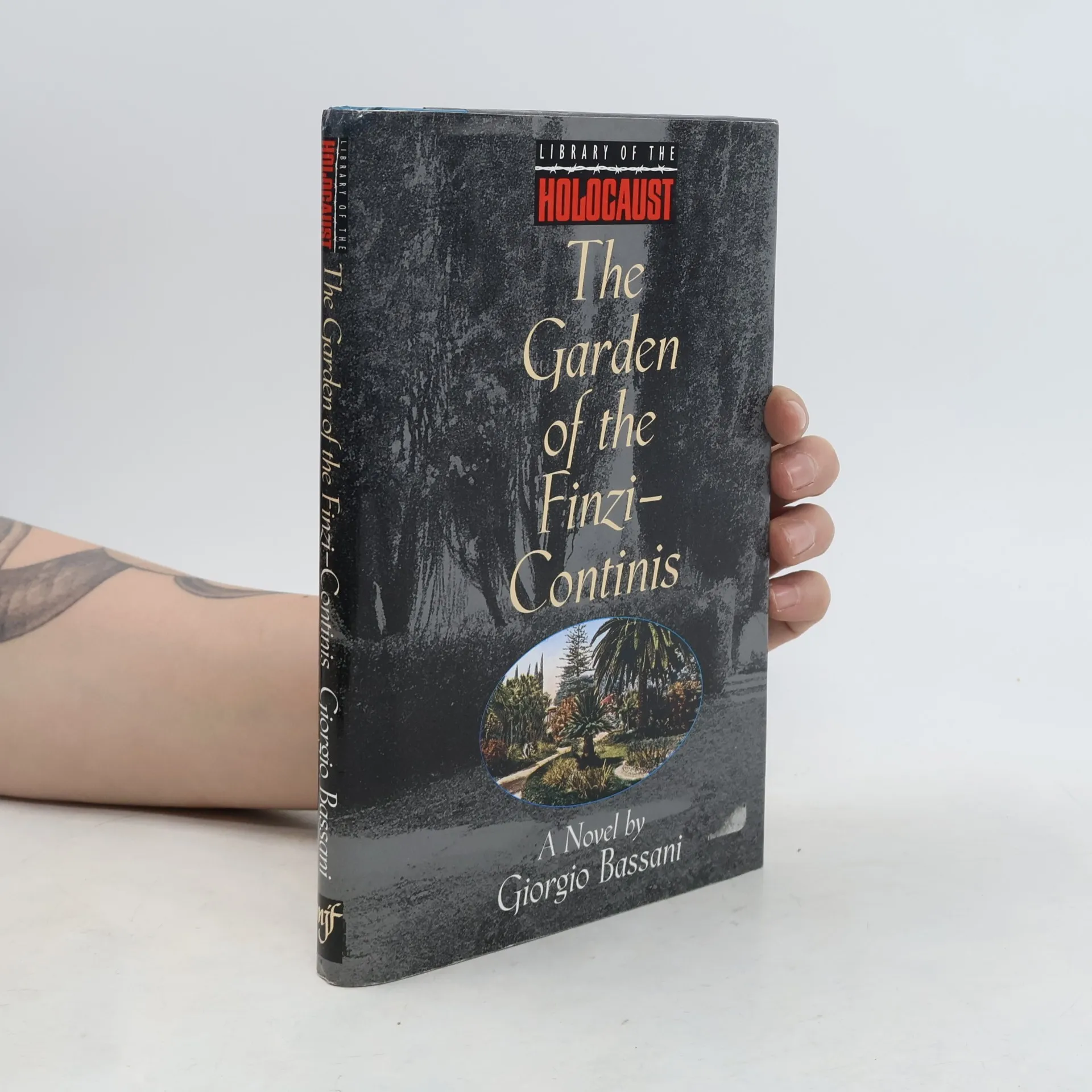
A great commercial success when first published--and an Academy Award-winning film in 1970--Giorgio Bassani's wrenching story of Ferrara, Italy, and the aristocratic Finzi-Contini family during the dangerous days of the Fascist regime has become a modern classic. As a middle-class Jew, the narrator of the novel has contact with the detached Alberto and Micol Finzi-Contini only when they come to school to sit for final exams, and at the synagogue during the major holy days. For the most part, the Finzi-Continis remain isolated from the rest of the town behind the walls of their elegant estate. When Mussolini issues the anti-Semitic edicts of 1938, the narrator is expelled from the tennis club, and it is then that he is invited to play in the private courts beyond the Finzi-Contini garden. As the nightmare of the Holocaust descends upon this tranquil world, all are forced from its serenity and insularity. Giorgio Bassani, who was imprisoned until the Allies liberated Italy, won worldwide acclaim and numerous prestigious prizes for his novels and poetry.
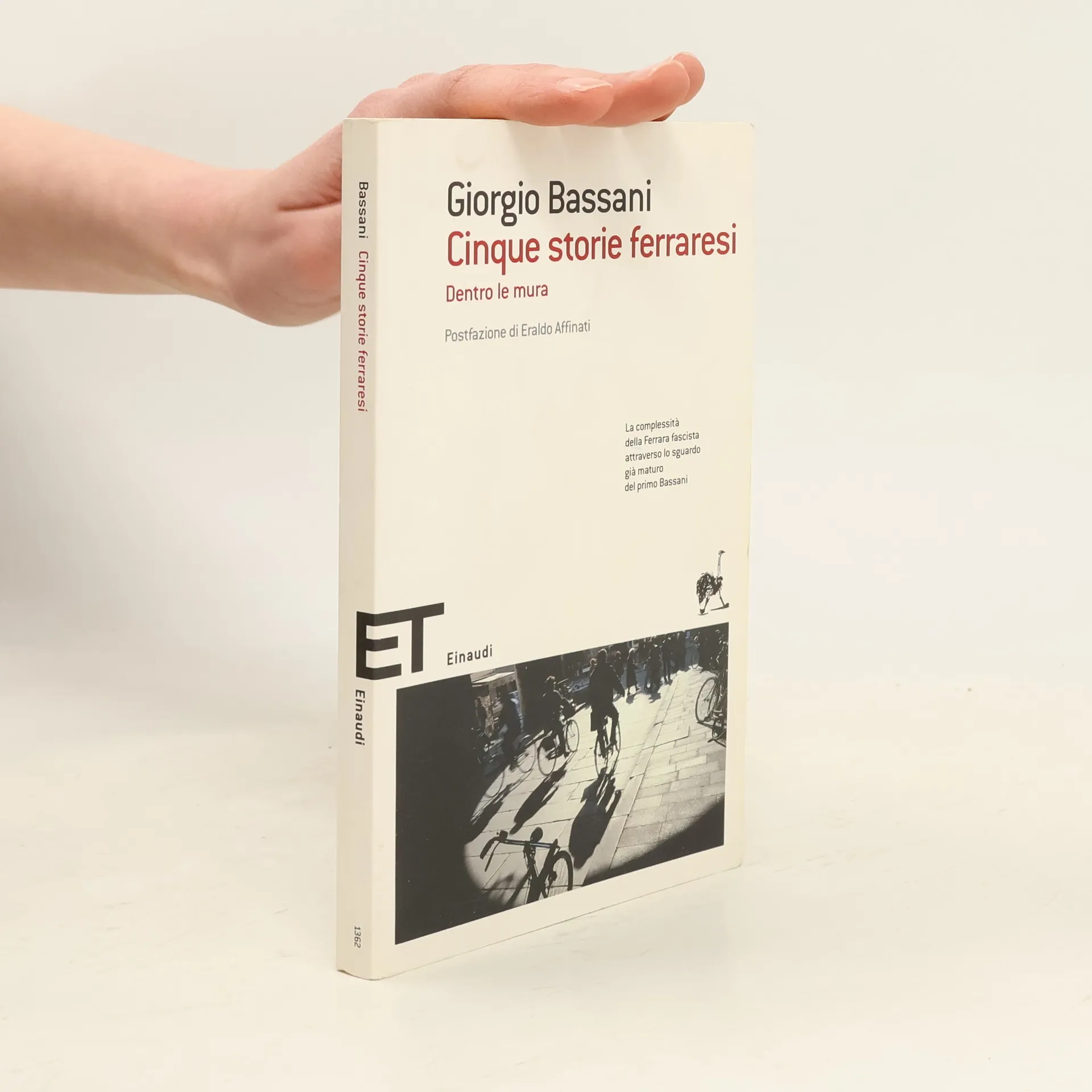
A young working class woman abandoned by her bourgeois lover; the tensions of intermarriage between established classes and communities; a holocaust survivor seemingly back from the dead; a formidable socialist activist defying house arrest; the only surviving witness to the first local atrocity of the Second World War.
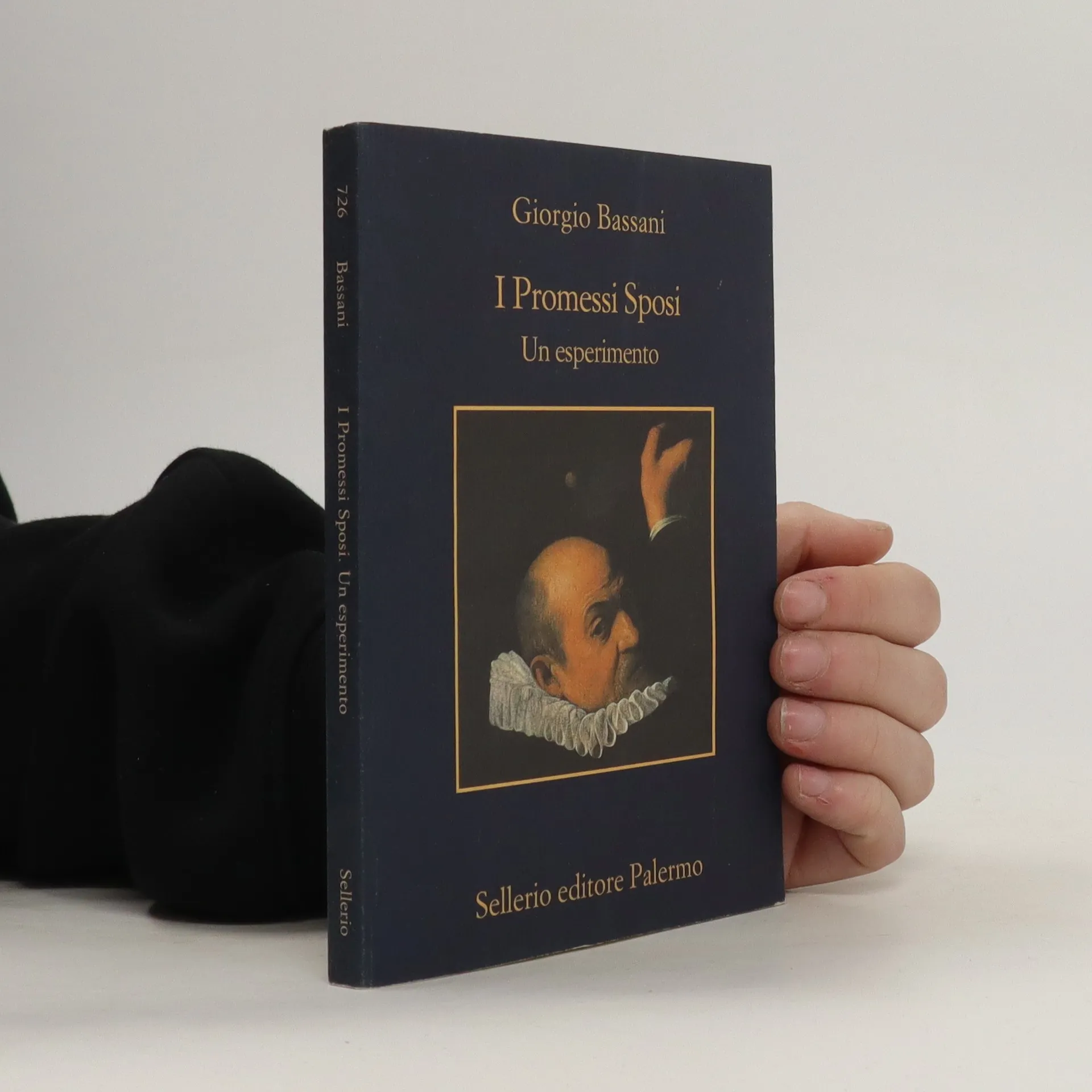
Un Bassani inedito, questo: un trattamento per il cinema, che è un racconto lungo; una insospettata «storia milanese», che dialoga con le Cinque storie ferraresi del 1956, e fra esse si incunea come «esperimento» morale e civile su e con Manzoni. Scrisse Anna Banti che, nel 1955, rilesse I Promessi Sposi insieme a Bassani: «la quasi fatale incongruenza delle leggi annonarie nei tempi di crisi, quel lazzaretto (oggi si direbbe "campo di concentramento") dove i fortuiti mendicanti eran raccolti e poi rinchiusi a forza; infine il talento distruttivo dei lanzichenecchi nei poveri paesi lombardi, trovano nei nostri recentissimi ricordi di guerra e di miseria collettiva dei riscontri e delle conferme sorprendenti [...] Come sta, dunque, che quando leggiamo dei bruciamenti, delle distruzioni, del luridume, soprattutto dell'orrendo fetore lasciato dalle soldatesche nelle case dei paesetti lombardi ci par di riconoscere le descrizioni di un ipotetico e sublime "inviato speciale" dei nostri giorni? Il fatto è che il genio meditativo e rappresentativo del Manzoni, nutrito dei documenti più disparati e in fondo, meno precisati, ha letto come nel più esatto dei referti quel che potessero lasciarsi dietro le spalle tanto i lontani lanzichenecchi come i loro tardi successori: cenere, sangue, lordura, riuniti in uno spettacolo che, purtroppo, non cambierà mai».
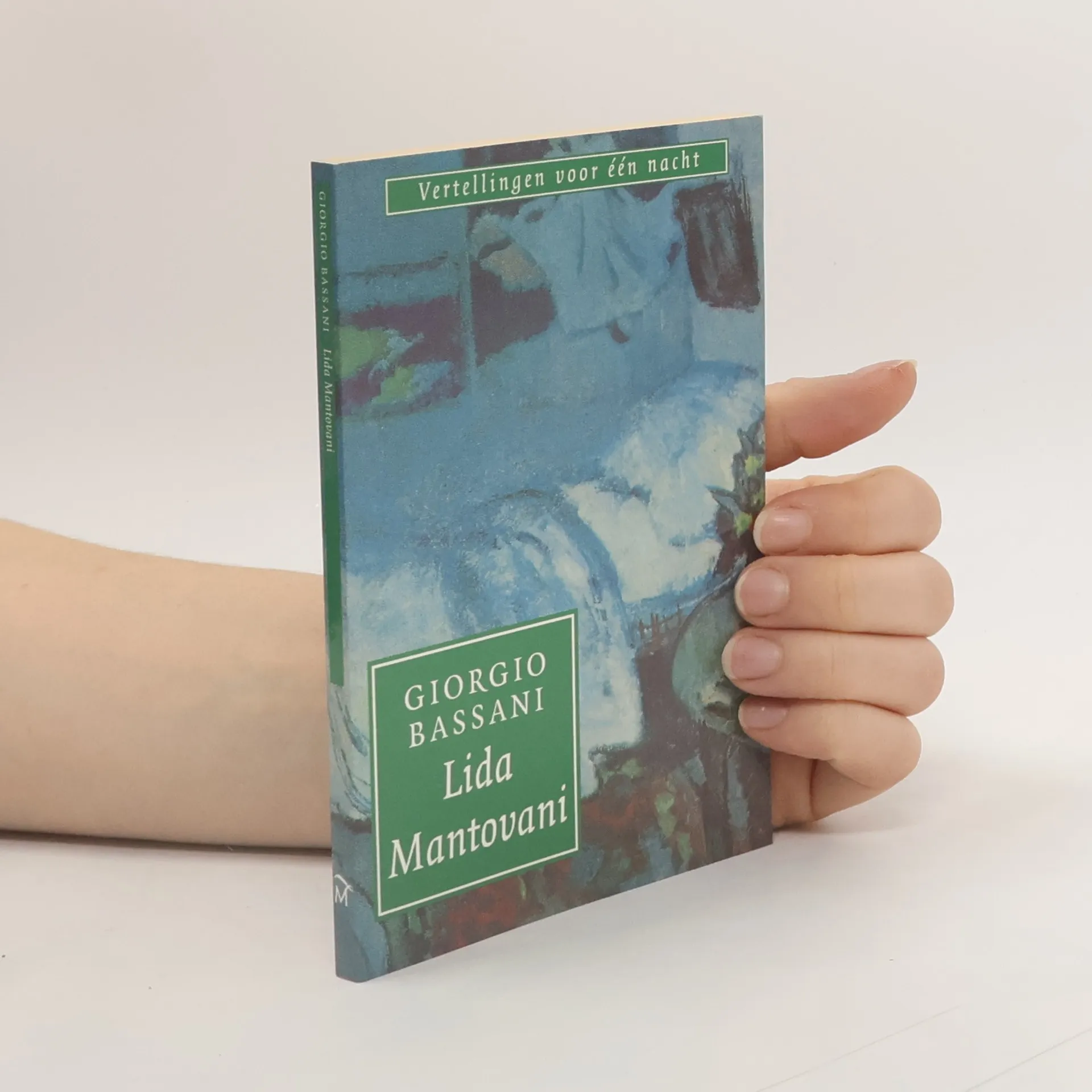
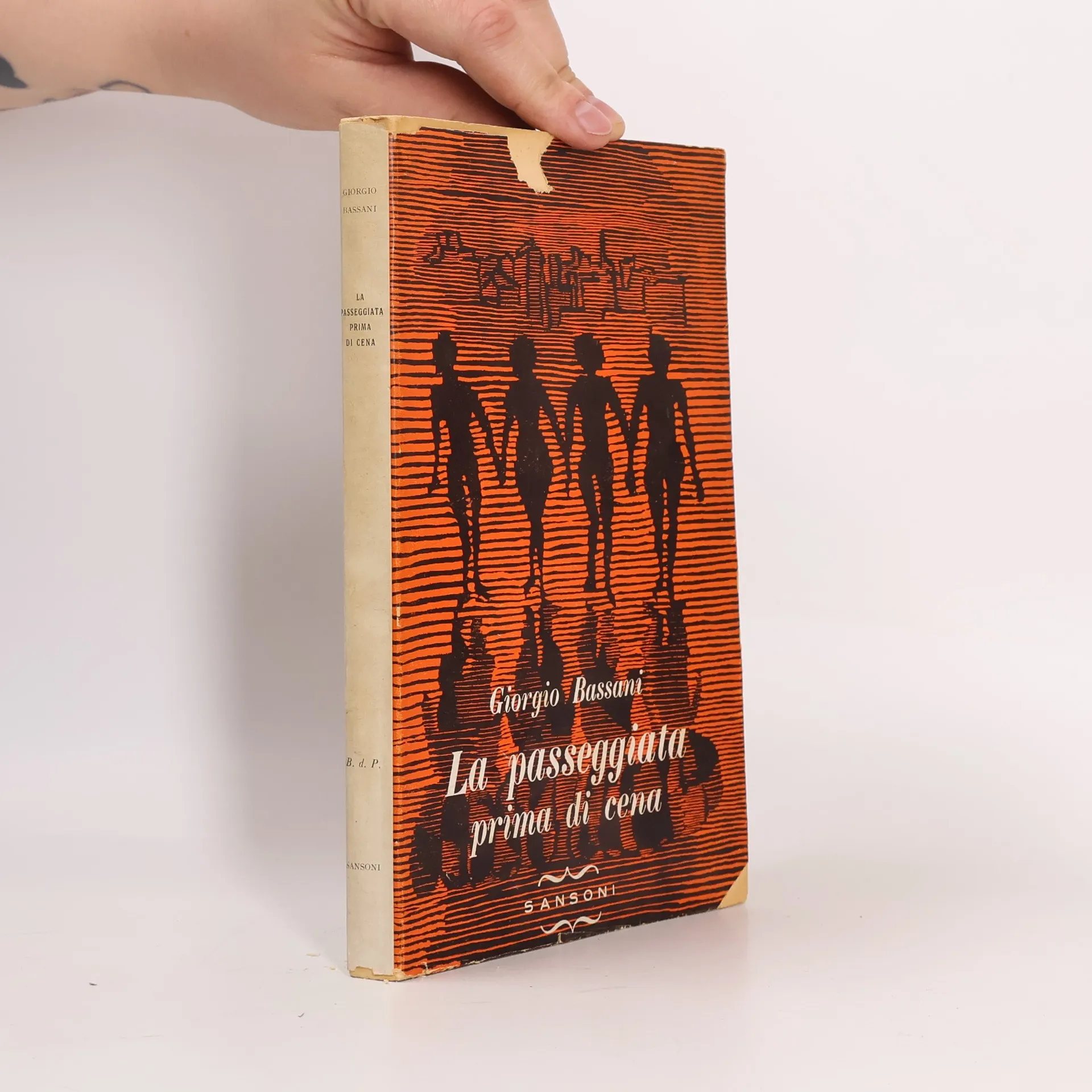
Questa splendida raccolta di racconti ( Lida Mantovani , La passeggiata prima di cena , Una lapide in via Mazzini , Gli ultimi anni di Clelia Trotti e Una notte del ’43 ) valse a Giorgio Bassani il Premio Strega 1956. In comune le “cinque storie” hanno una sorta di dolente consapevolezza e l’ambientazione indimenticabile: Ferrara, cittadina di provincia che qui assurge a simbolo di un’intera nazione, avvolta dal pesante panneggio scuro del fascismo. Bassani ci porta nell’animo di questa gente, “per il resto, quasi sempre per bene”: la ragazza madre Lida Mantovani; il dottor Elia Corcos in perenne scontro con la moglie; il sopravvissuto al lager Geo Josz; la vecchia socialista Clelia Trotti, lasciata morire in carcere... Storie diverse eppure vicine, accomunate dalla difficoltà con la quale i protagonisti si adattano a una provincia italiana che da un lato consola, dall’altro respinge qualunque cosa non le sia propria. Persone comprese.