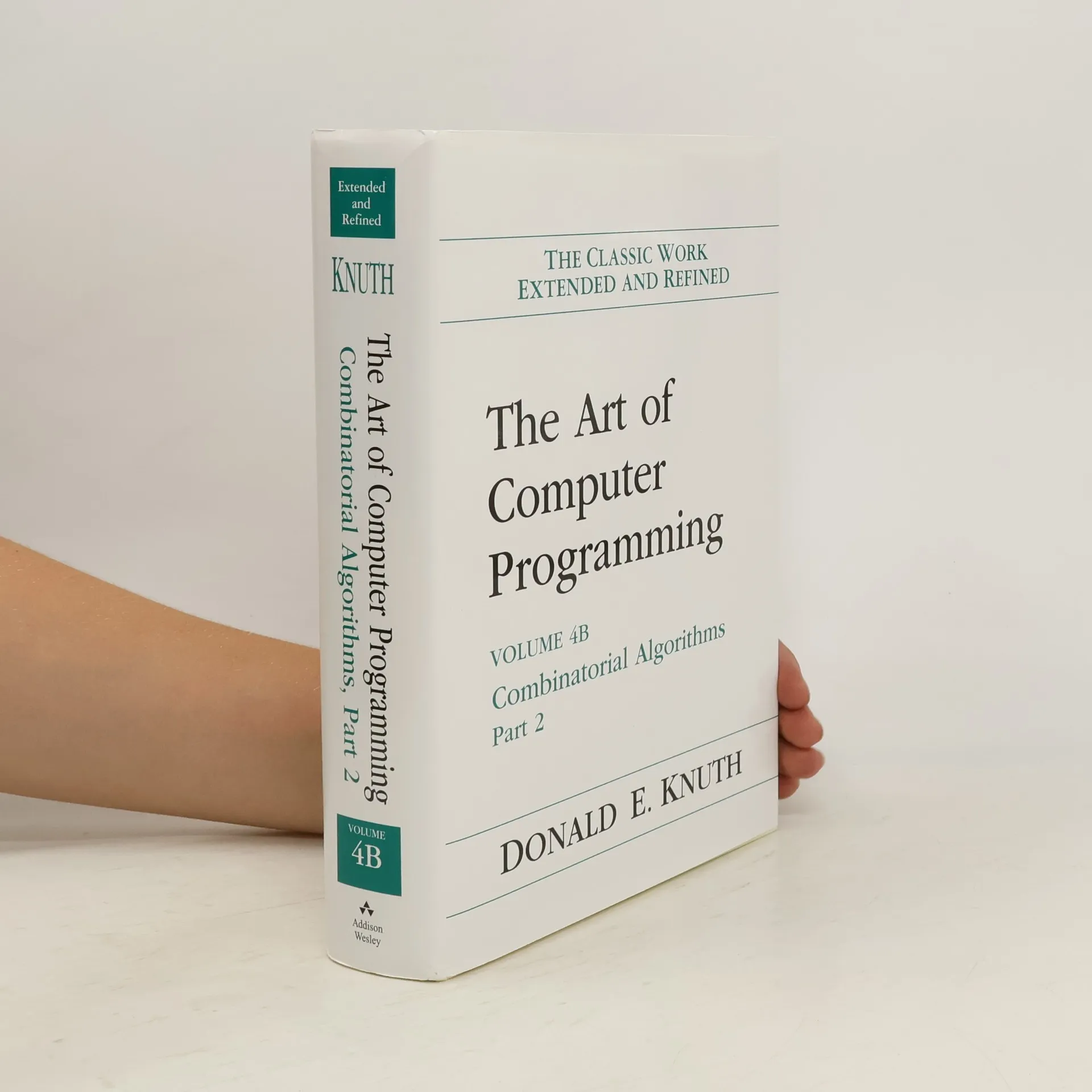
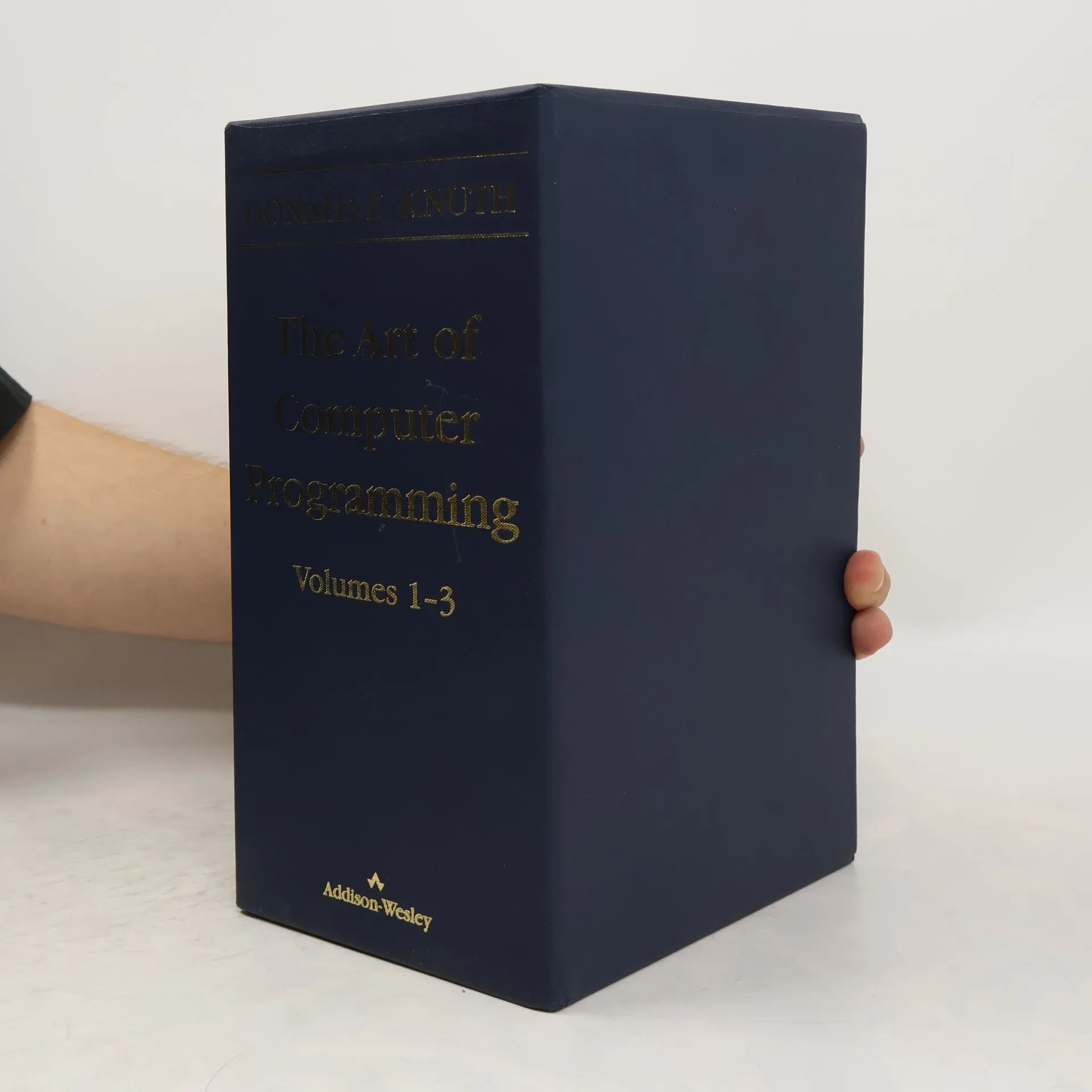
To begin the fourth and later volume of the set, Knuth has created a series of
small books called fascicles, which publish at regular intervals as they are
ready. Each fascicle encompasses a section or more of wholly new material.
Ultimately, the content of the fascicles will be rolled up into the
comprehensive, final version of each volume.
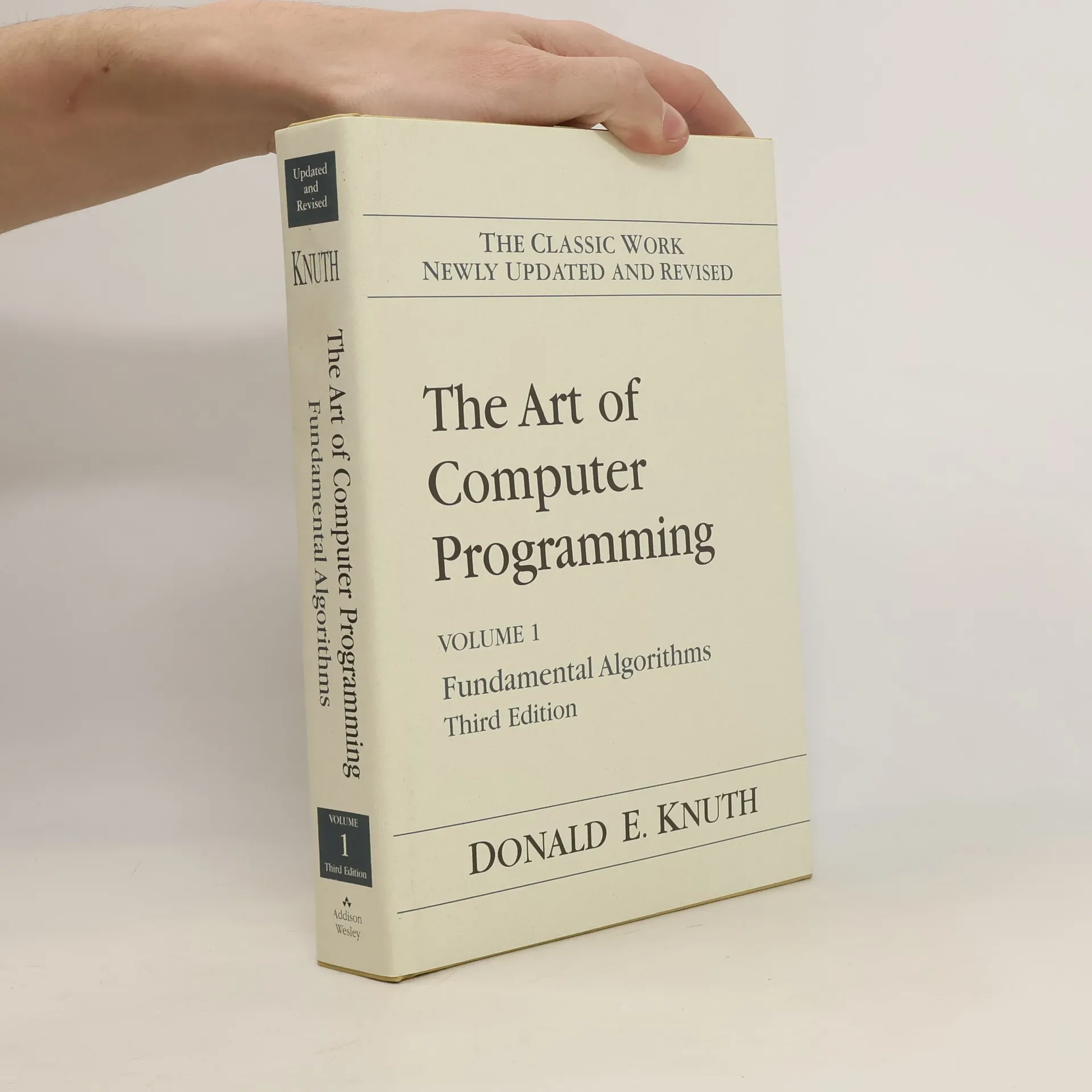
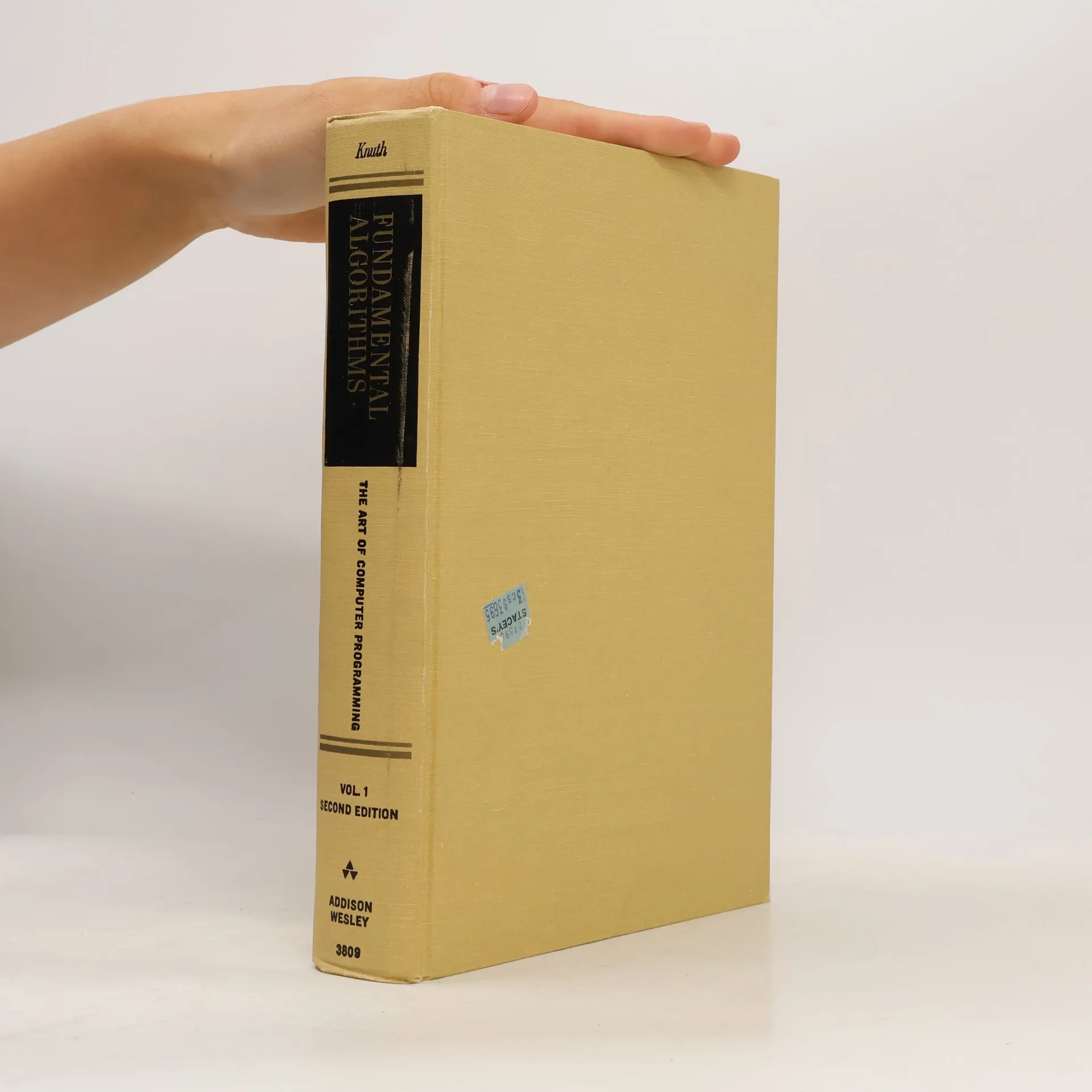
This volume begins with basic programming concepts and techniques, then focuses more particularly on information structures-the representation of information inside a computer, the structural relationships between data elements and how to deal with them efficiently.
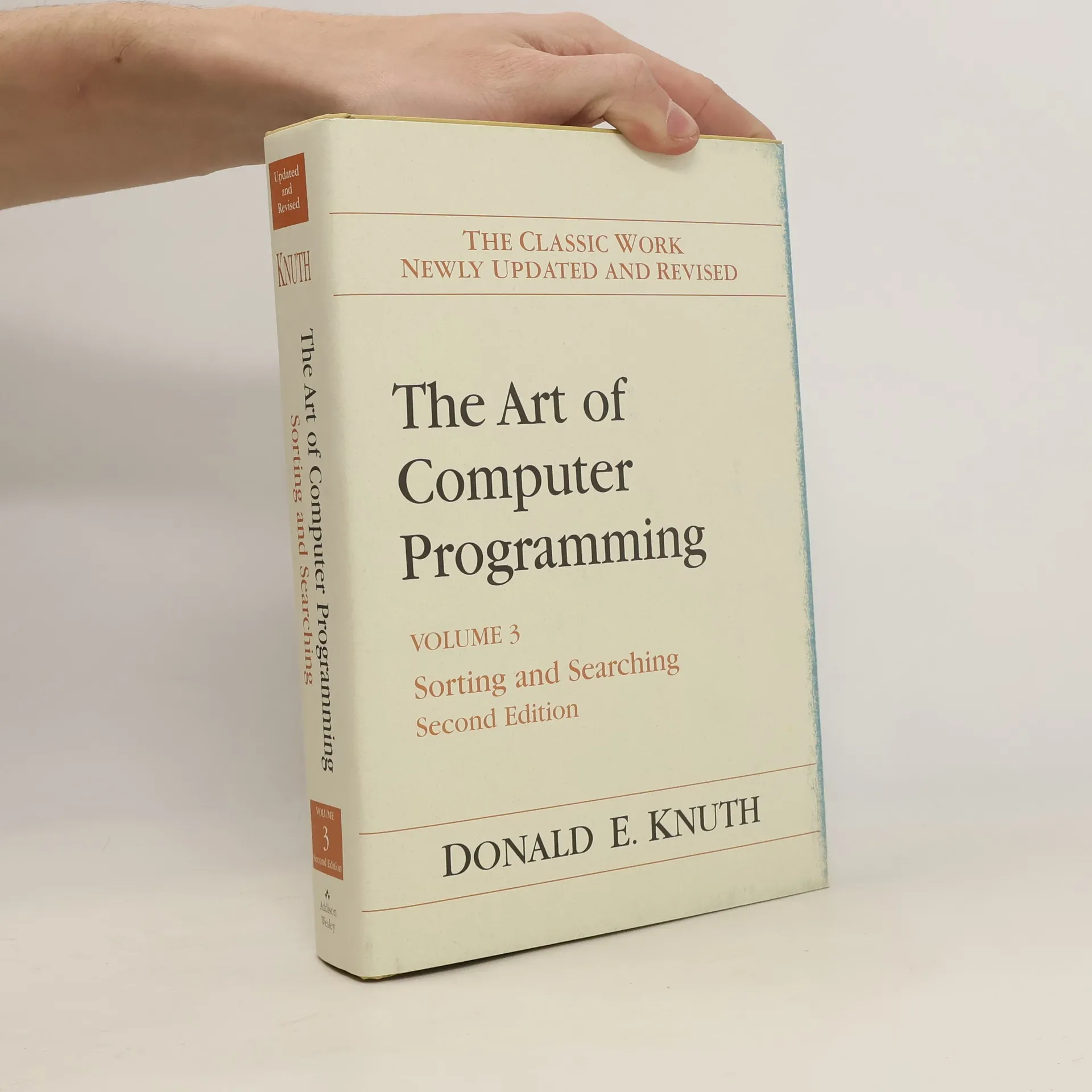
The third volume comprises the most comprehensive survey of classical computer techniques for sorting and searching. It extends the treatment of data structures in Volume I to consider both large and small databases and internal and external memories.
This comprehensive guide covers essential algorithms that form the backbone of computer programming. It has educated countless software developers, equipping them with foundational knowledge critical for mastering coding techniques and problem-solving skills. The work emphasizes practical applications and theoretical concepts, making it an indispensable resource for both beginners and experienced programmers seeking to deepen their understanding of algorithms.
The bible of programming theory and practice is being updated for the first time in more than 20 years. The book is concerned with information structures--the representation of information within a computer, the structural interrelations between data elements and how to work with them efficiently, and applications to simulation, numerical methods and software design
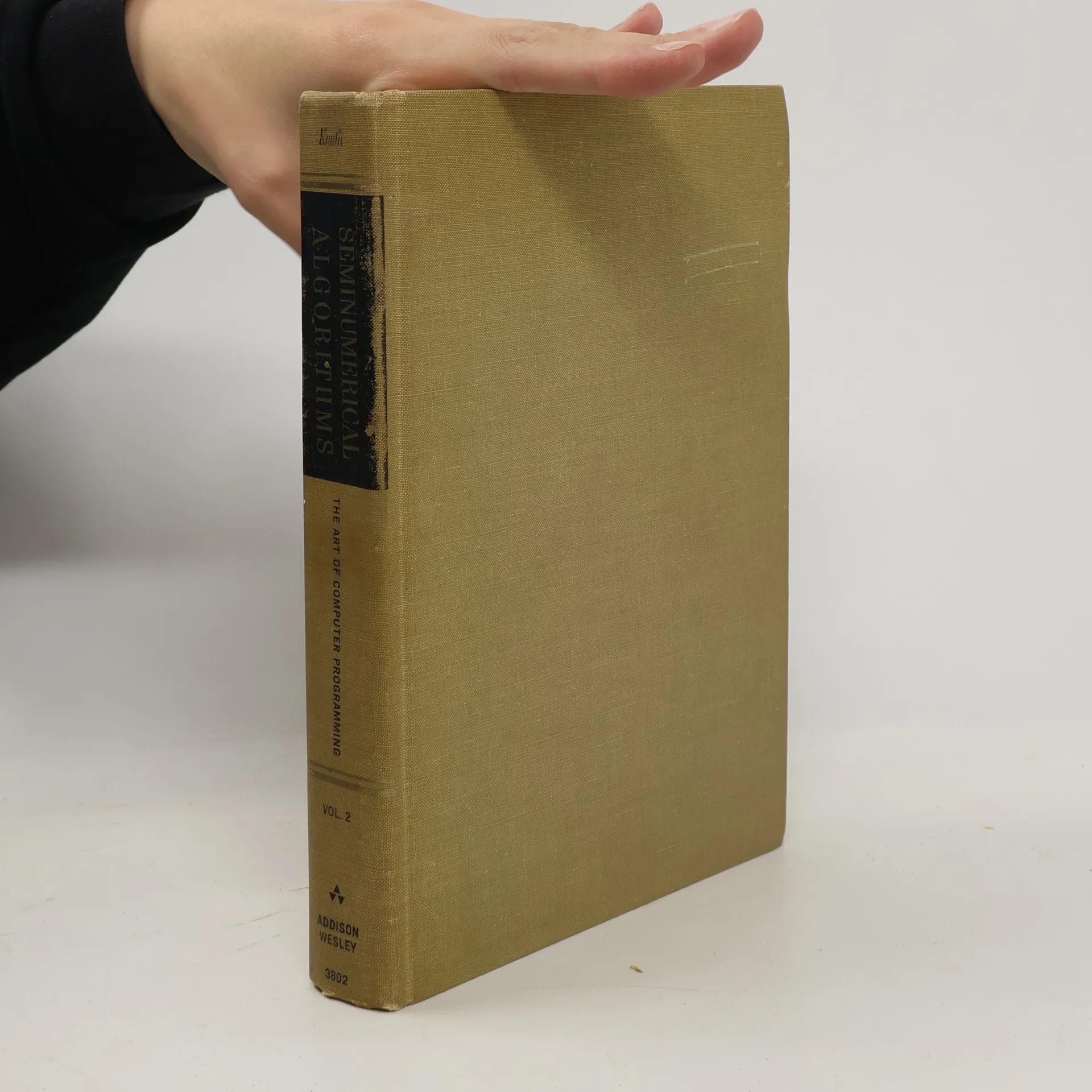
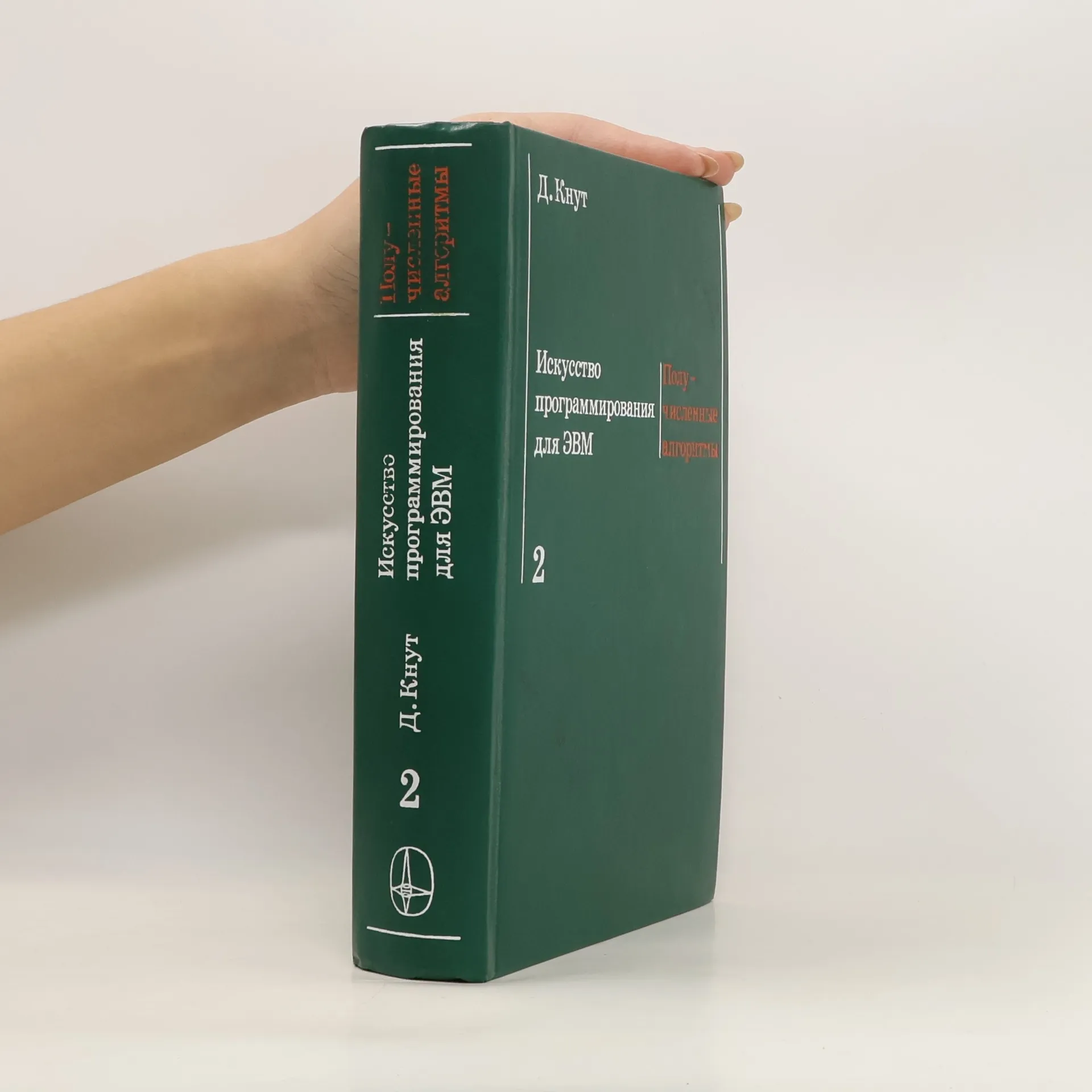
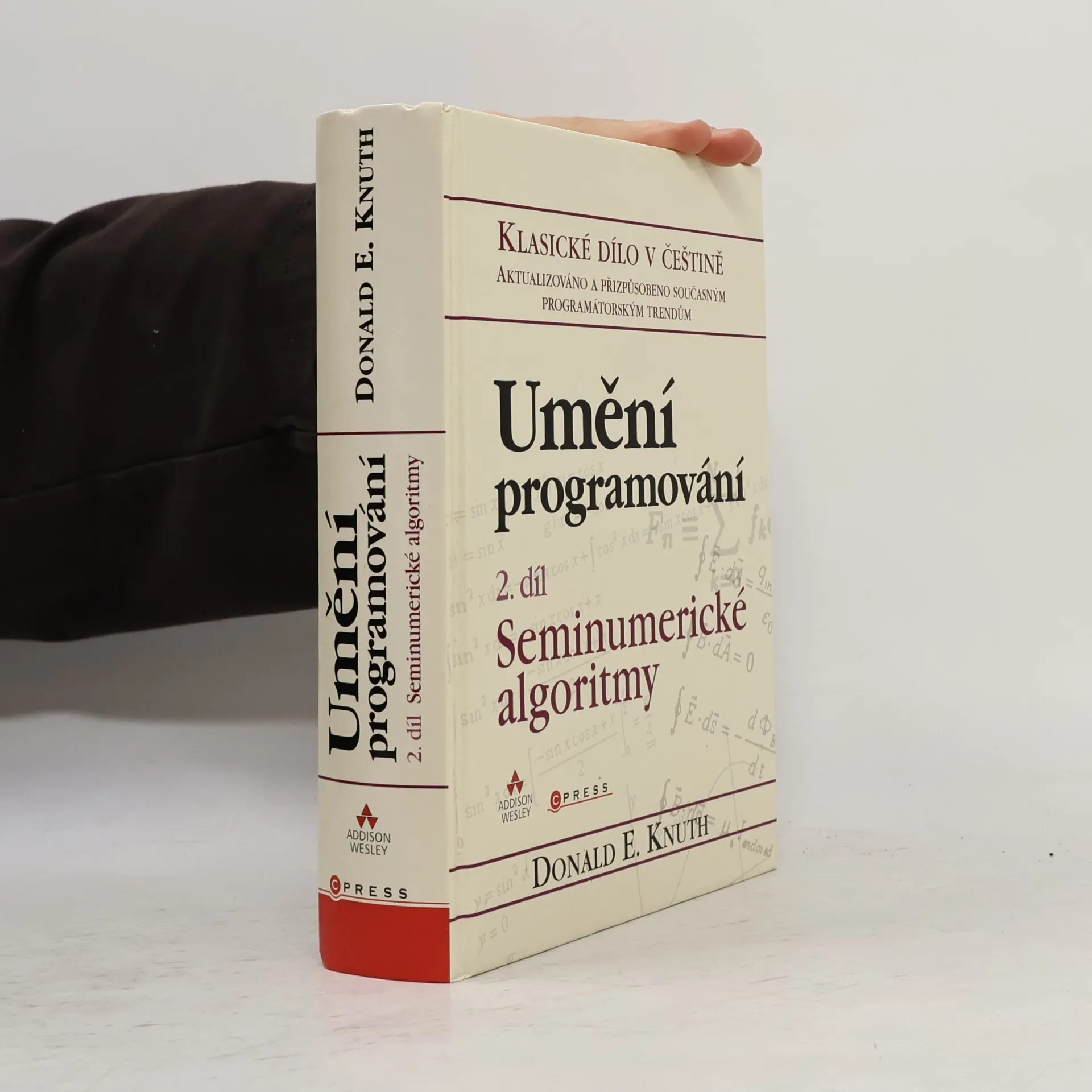
Offers an introduction to the field of seminumerical algorithms, with separate
chapters on random numbers and arithmetic. This book summarizes the major
paradigms and basic theory of such algorithms, thereby providing a
comprehensive interface between computer programming and numerical analysis,
and a fresh treatment of random number generators.
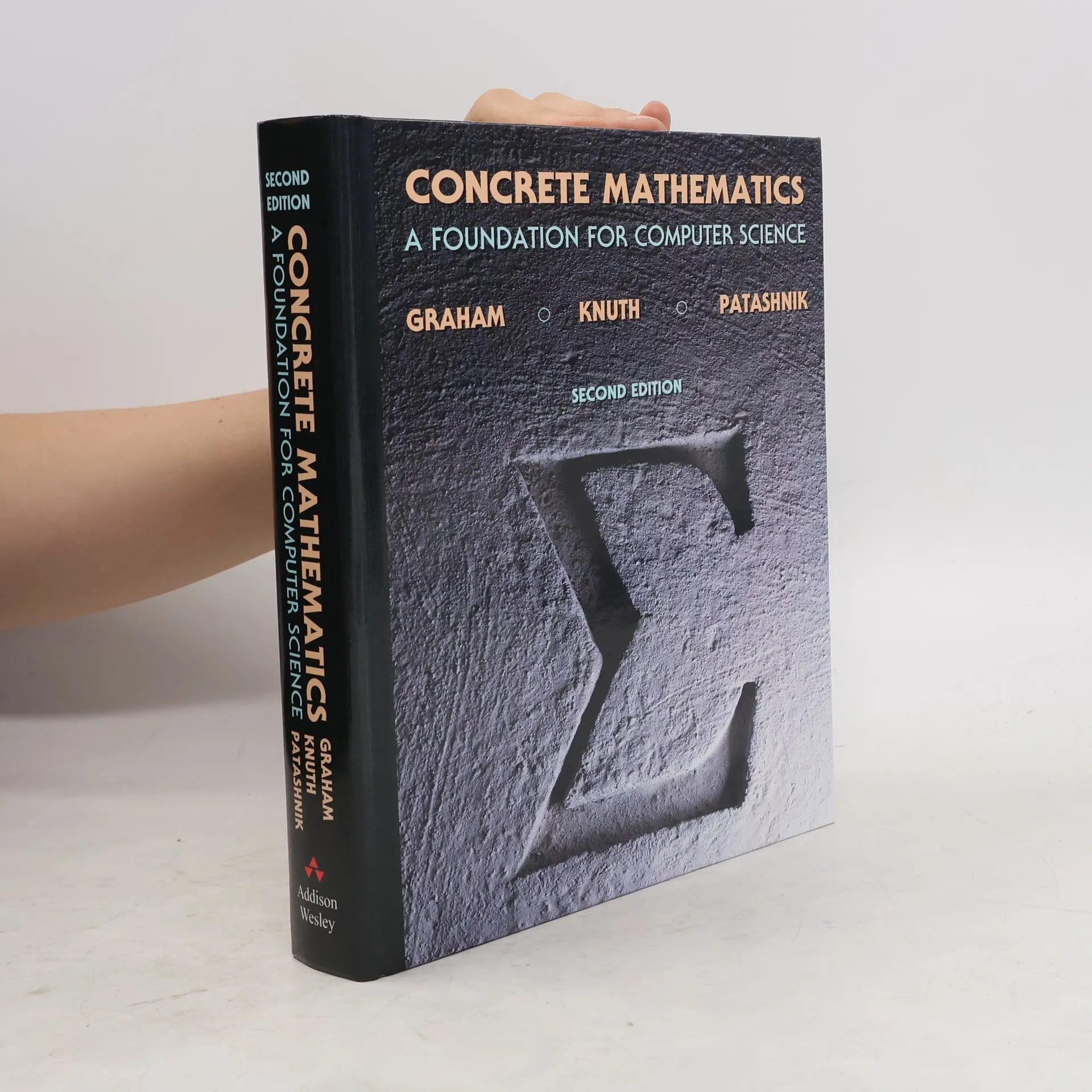
Concrete Mathematics is a blending of CONtinuous and disCRETE mathematics. "More concretely," the authors explain, "it is the controlled manipulation of mathematical formulas, using a collection of techniques for solving problems."
Focusing on the mathematical foundations necessary for algorithm analysis, this monograph integrates combinatorial analysis and complex variable theory. It presents essential techniques and major paradigms that enhance the understanding and precision of algorithm evaluation, making it a valuable resource for those studying algorithmic processes.
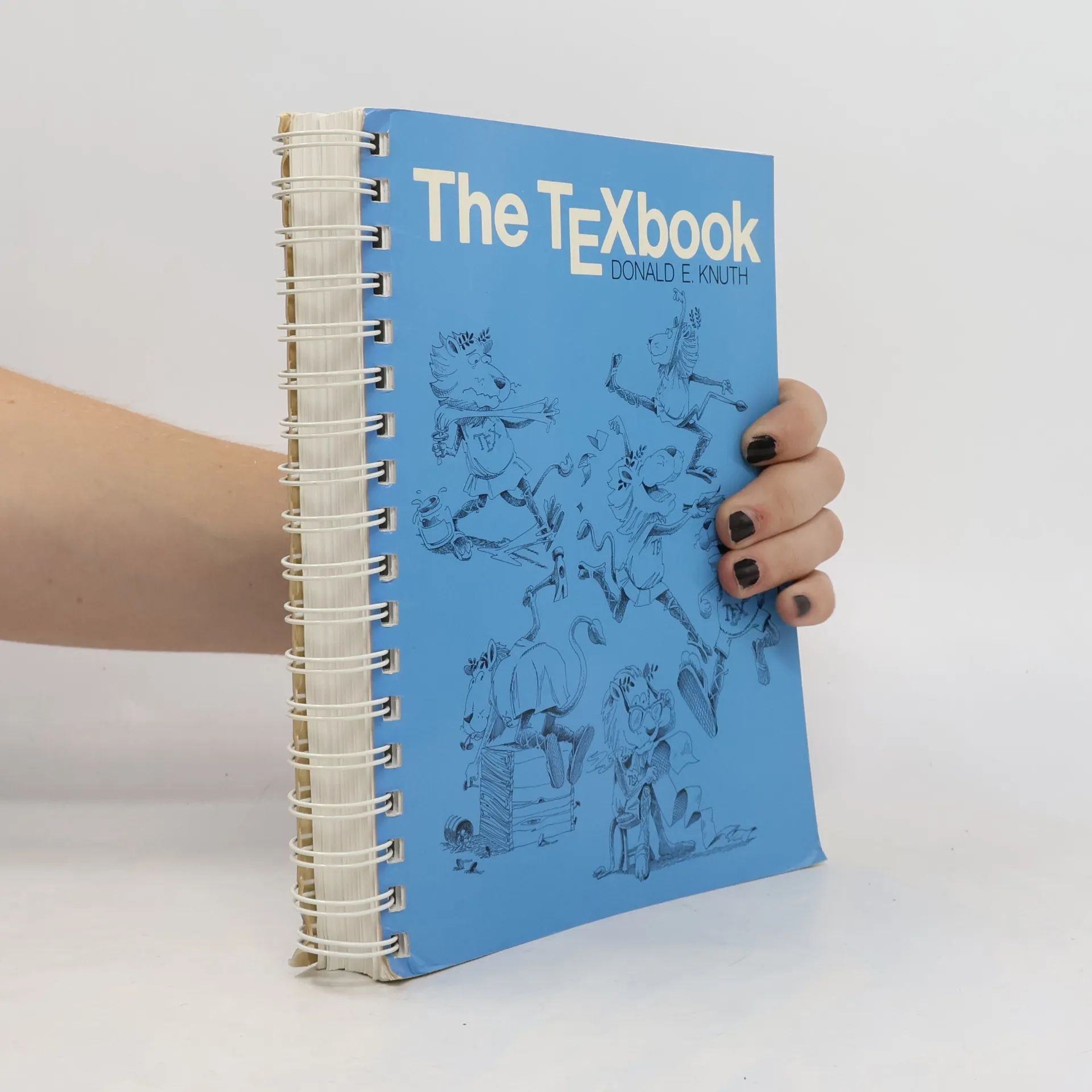
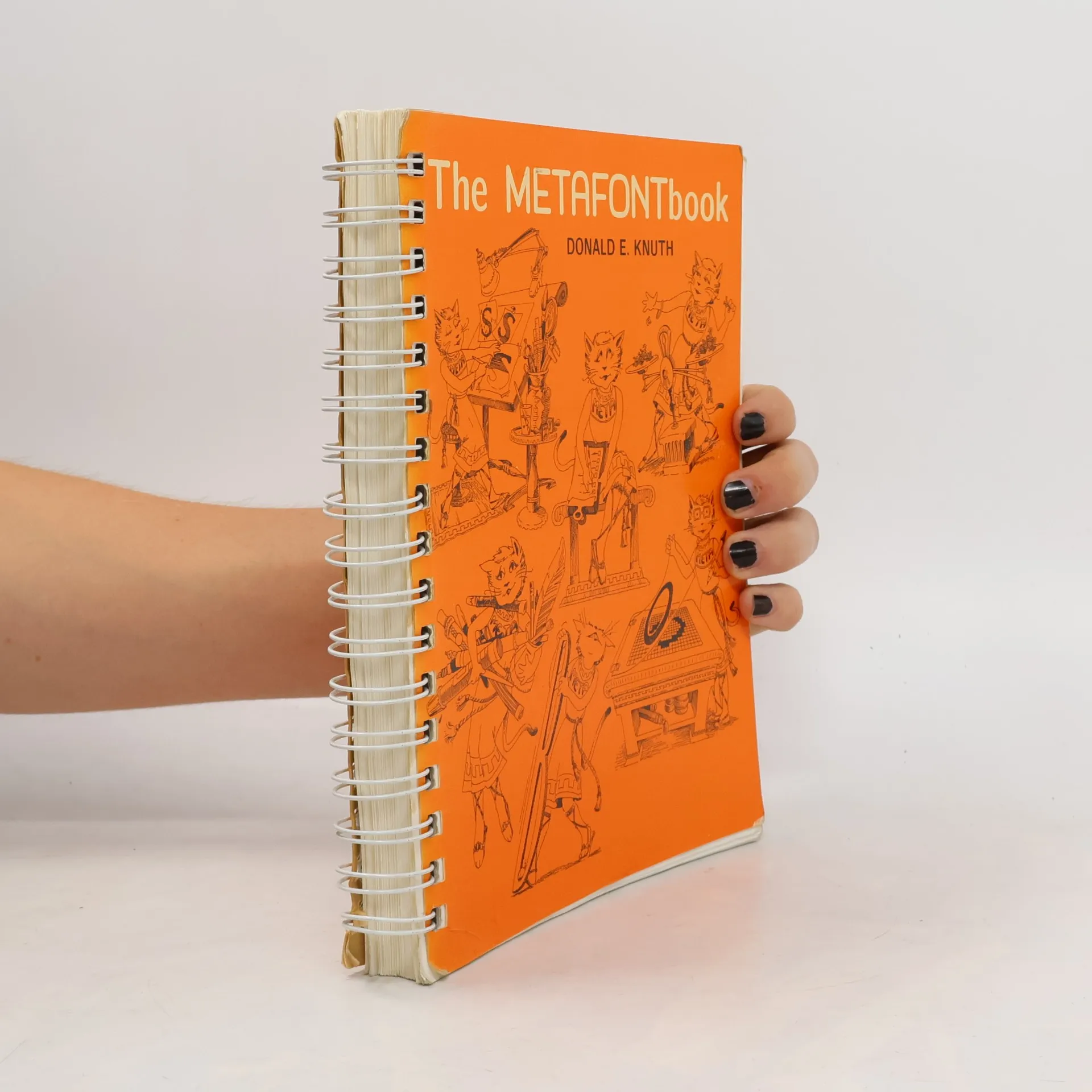
This is the definitive and complete user manual to the TeX computerized typesetting system. TeX software offers both writers and publishers the opportunity to produce technical text, with the speed and efficiency of a computer system.
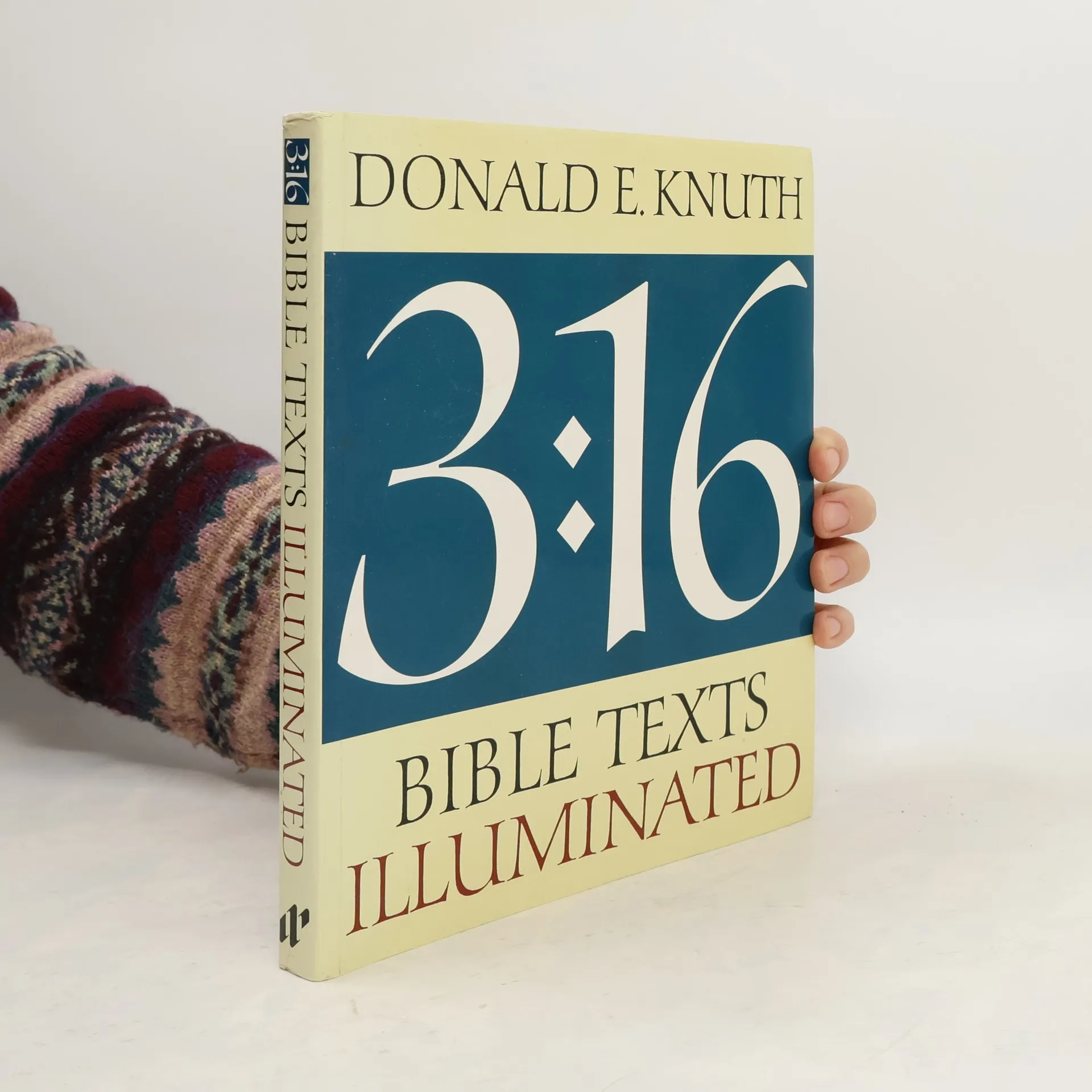
What happens when a world-renowned computer scientist applies scientific methodology to studying the Bible, writes about his findings, and has some of the world's best calligraphers illustrate the work? The result is 3:16 Bible Texts Illuminated, a treasure of profound biblical insight and enchanting calligraphy that will enlighten your mind, your eyes, and your spirit. Donald E. Knuth so loved the Bible that he dedicated five years of his life to creating this masterpiece. With it, you will learn about each 3:16 verse of the Bible, how it came to be written, and how it contributes to the wholeness of the Bible. -- Publisher
Exploring the intersection of faith and computation, Donald E. Knuth examines profound questions about infinity, free will, and the Bible through the lens of his 3:16 project. This collection of six informal lectures delves into the application of mathematical concepts to theological insights, revealing how his work in computer science informs his understanding of God. With engaging discussions and over 100 illustrations, the book offers a unique and accessible perspective for those interested in both spirituality and the science of computation.
Nearly 30 years ago, John Horton Conway introduced a revolutionary method for constructing numbers. In recognition of this, Donald E. Knuth took a week off from his work on The Art of Computer Programming to write an introduction to Conway's system, opting for a unique approach: a fictional novelette. While not a romance, the narrative follows a young couple who delve into pure mathematics and discover profound happiness. Knuth's postscript clarifies that the book's goal is not just to explain Conway's theory but to illustrate the process of developing such theories. He captures the characters' journey, including their setbacks and successes, to portray the essential principles, techniques, joys, and philosophies of mathematics. The story reflects Knuth's own research experience. The book presents an impressive feat where an empty hat, resting on a few axioms of standard set theory, becomes a source of an infinitely rich tapestry of numbers through two simple rules. This "surreal" system introduces new numbers that lie closer to any real number than traditional values. Now in its 13th printing, this work will engage anyone interested in abstract mathematical ideas and the creative process behind new mathematics.
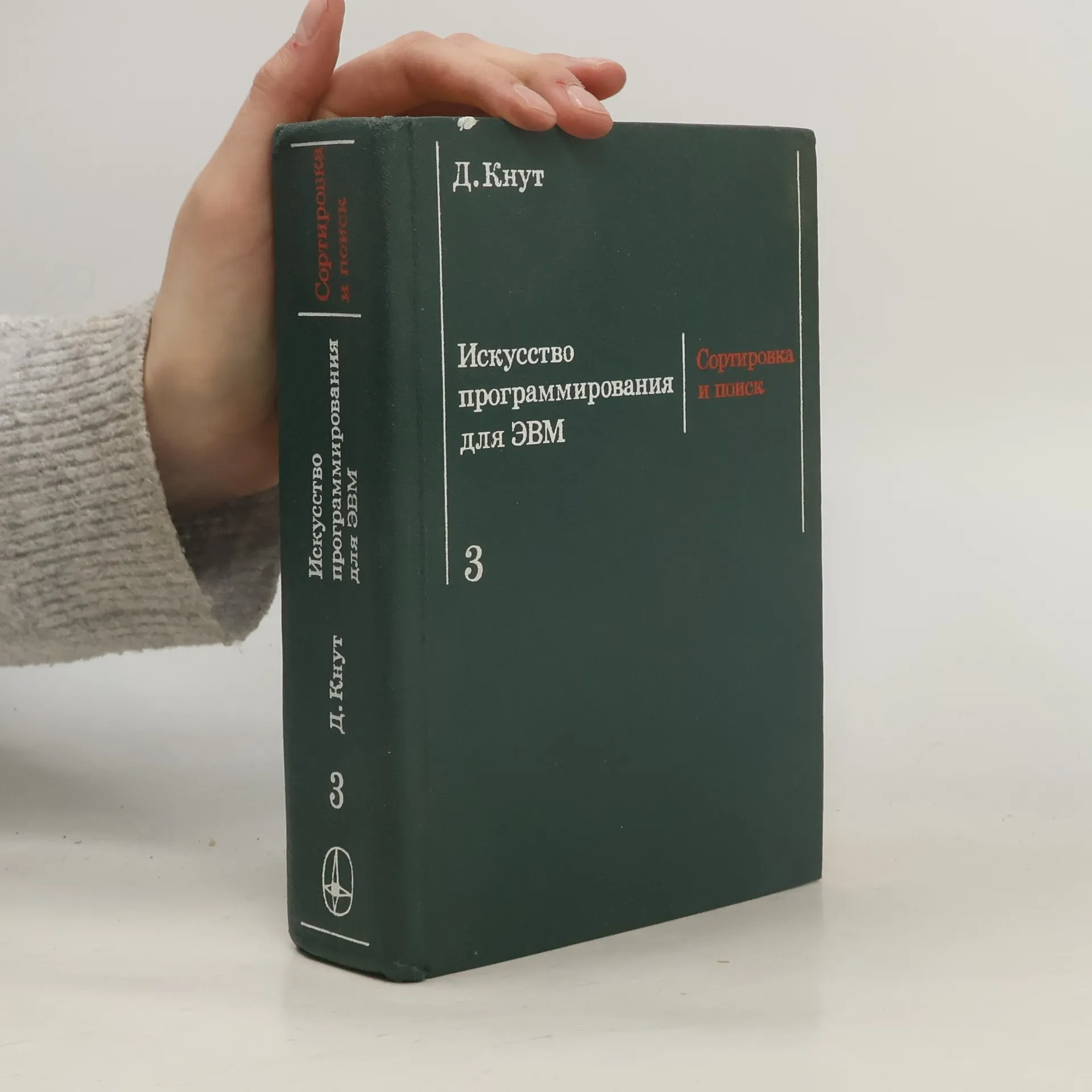
Details fundamental concepts and techniques of non-numerical analysis in computer programming, and discusses mathematical linguistics, language translation programming and basic, seminumerical, combinatorial, and syntactical algorithms.
The bible of programming theory and practice is being updated for the first time in more than 20 years. The book is concerned with information structures--the representation of information within a computer, the structural interrelations between data elements and how to work with them efficiently, and applications to simulation, numerical methods and software design
Излагает основные концепции и техники ненумерического анализа в компьютерном программировании, а также обсуждает математическую лингвистику, программирование перевода языков и основные, семи-численные, комбинаторные и синтаксические алгоритмы.
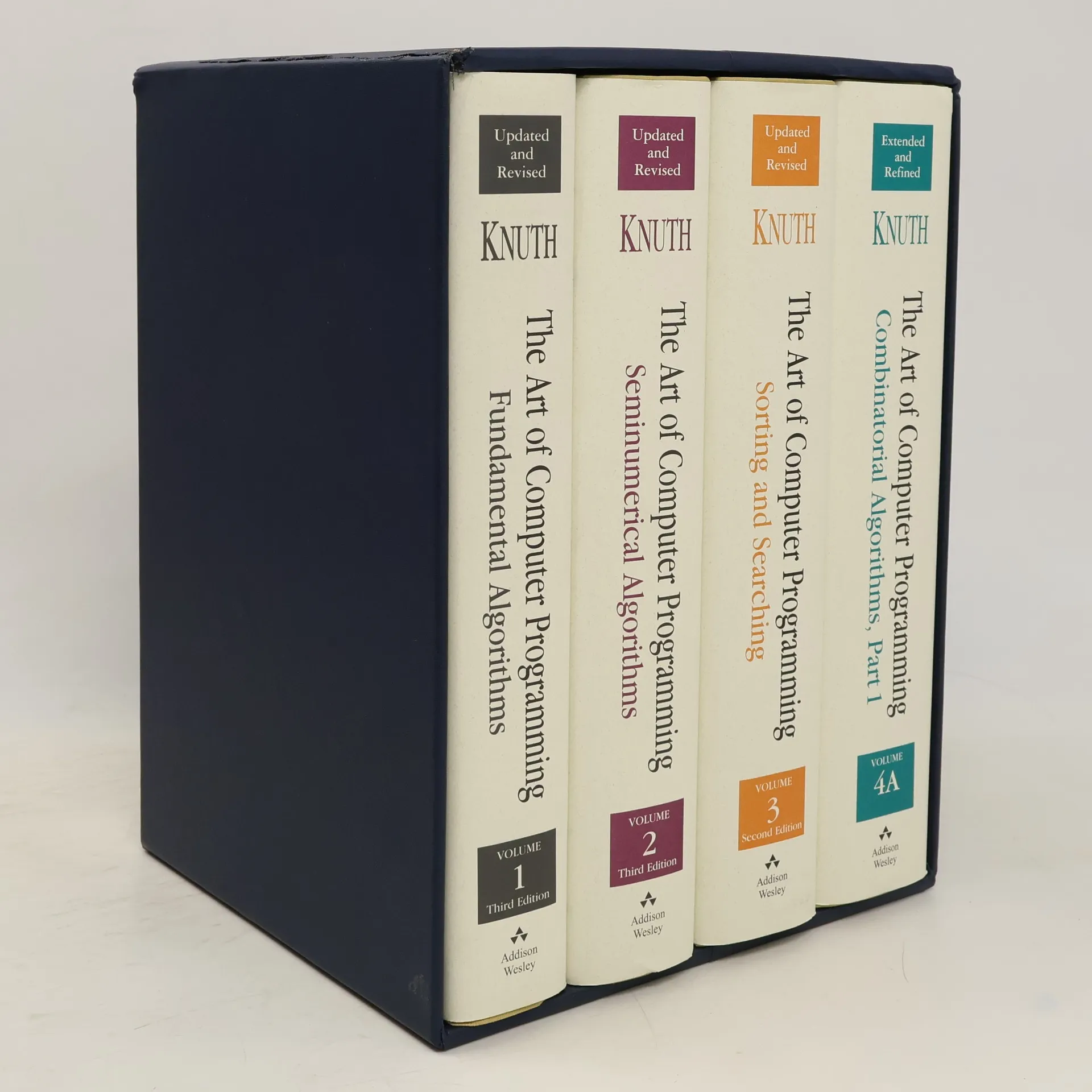
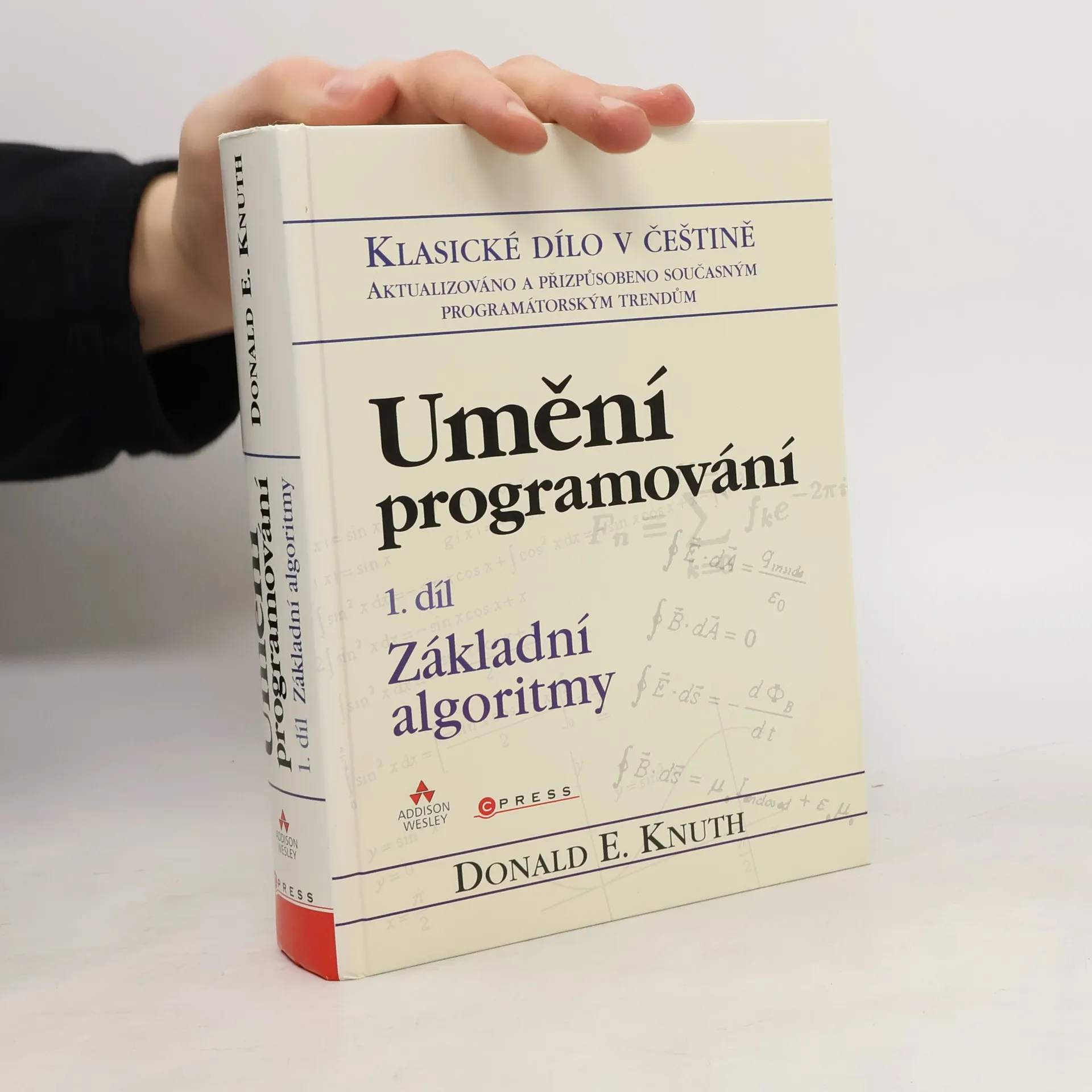
Umění programování je mnohasvazková odborná monografie amerického počítačového vědce Donalda Knutha, která zahrnuje klíčové znalosti z informatiky, popis základních algoritmů a jejich matematickou analýzu. Toto dílo je považováno za základní příručku oboru a zařadilo se mezi 100 nejdůležitějších knih o vědě 20. století. Kniha není dosud dokončena; existují první tři svazky, přičemž autor pracuje na dalších. Původně plánoval vydat celé dílo jako jeden svazek, ale zjistil, že množství informací je příliš rozsáhlé.
První díl se zaměřuje na základní algoritmy, druhý na generování náhodných čísel a aritmetické algoritmy a třetí na řazení a vyhledávání. Čtvrtý díl, který se týká kombinatorických metod, bude pravděpodobně rozdělen do tří nebo čtyř svazků. Část tohoto dílu již vyšla ve formě „fasciklů“, které umožňují odborné veřejnosti upozornit na chyby. Po dokončení čtvrtého dílu má následovat pátý, věnovaný syntaktickým algoritmům. Kniha se také zabývá typografií, což vedlo k vytvoření systému TeX pro sazbu matematických výrazů. U všech algoritmů je uvedena implementace v jazyce symbolických adres fiktivního počítače MIX, jehož modernizovaná verze je MMIX. Pro výuku vzniklo mnoho emulátorů tohoto počítače, které umožňují praktické zkoušení programů a řešení cvičení.
Ponořte se do jedné z nejvýznamnějších učebnic programování a informatiky, která se stala průlomovým dílem. Tato publikace slouží jako výuková i referenční příručka, obsahující klíčové programátorské rady a principy probrané do matematických detailů. Obsahuje stovky cvičebních úkolů a odpovědí, přičemž tento svazek je základem celé série.
Série vznikla na začátku 60. let a její tvrzení jsou stále platná. Je přístupná čtenářům se znalostmi středoškolské algebry, přičemž všechna matematická tvrzení jsou důkladně dokázána. Může sloužit k samostudiu programátorských pravidel, datových struktur a diskrétní matematiky. Autor demonstruje algoritmy v strojovém jazyce, což umožňuje práci s elementárními počítačovými instrukcemi, a vytvořil univerzální počítač pro výklad. Dobrovolníci vytvořili simulátory, takže si čtenáři mohou vše prakticky vyzkoušet. Programování je zde pojato i z estetické stránky, spojující exaktní a uměleckou činnost.
Donald Erwin Knuth, emeritní profesor Stanfordovy univerzity, je uznávaným odborníkem v oblasti IT a autorem více než 20 knih. Na sérii začal pracovat v roce 1962 a dodnes se jí věnuje. Je nositelem mnoha vyznamenání, včetně Turingovy ceny a americké národní medaile za vědu.