

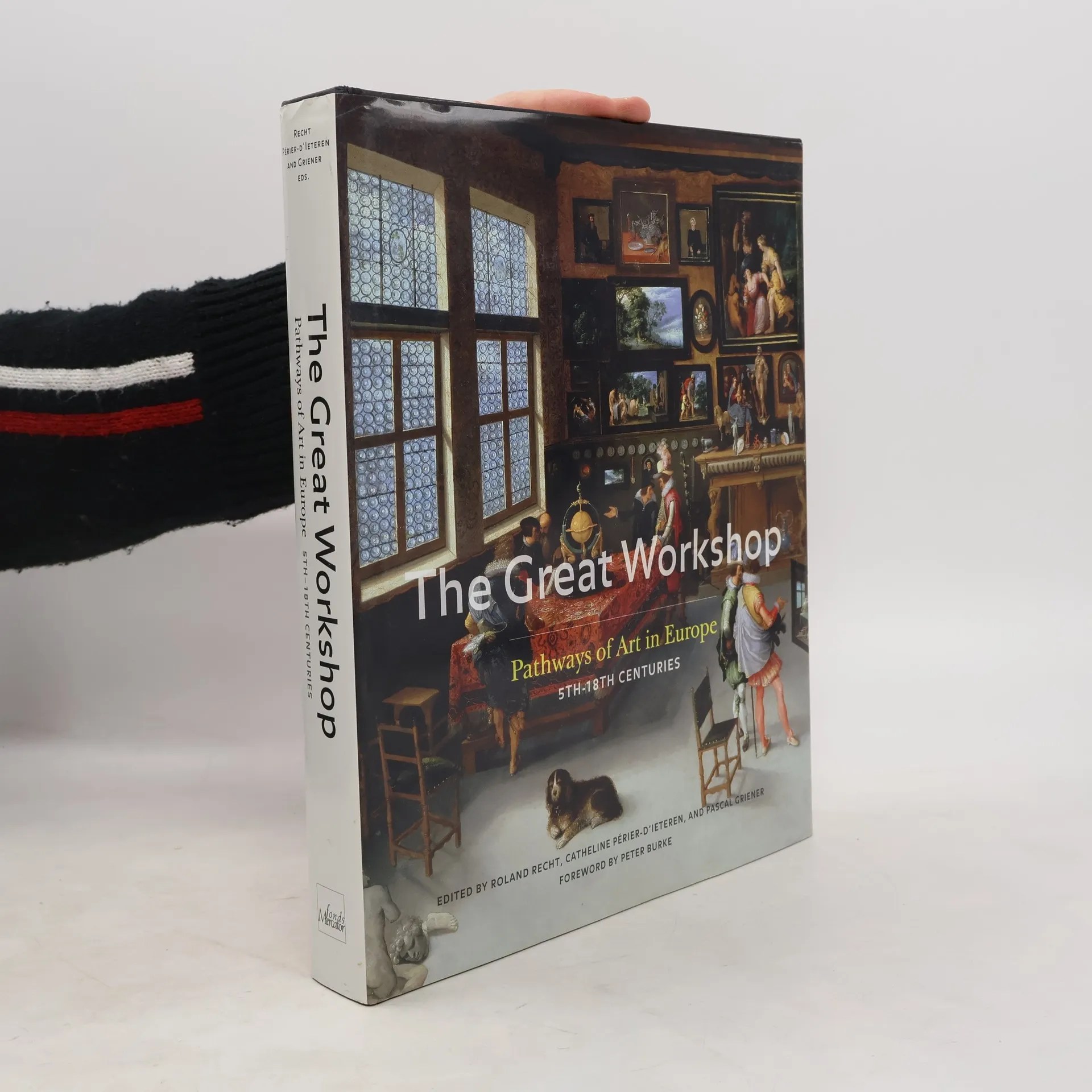
An artist's workshop serves as both a creative and educational space where ideas are transformed into tangible art forms. It functions as a classroom where skills are passed down, and apprentices strive to surpass their masters. Additionally, it acts as a salon where reputations are built, occasionally challenged by talented imitators or enthusiastic amateurs. Throughout history, Europe has been likened to a vast network of workshops, each fostering unique artistic practices and styles, facilitating collaboration among artists. Long before becoming a political entity, Europe was characterized by its vibrant exchange of goods and people. Artists, art enthusiasts, and affluent patrons undertook challenging journeys across roads and rivers to pursue beauty. This context is explored in the book, which delves into themes surrounding the circulation of art and the artistic community across a wide geographic area, including Dublin, Palermo, Cordoba, Stockholm, Rouen, and Sofia. Short essays highlight the movements of those involved in the art business, enhancing our understanding of the migration of artistic themes and motifs. Featuring 250 full-color examples from over one hundred European collections, the work showcases the intricate web of artistic exchange and production, accompanied by insightful essays from notable art historians that span from the fall of the Roman Empire to the emergence of Europe’s first major museums.
Krzysztof Pomian Books



Quatre sur cinq des tableaux du musée d'Orsay, nombre de chefs-d'oeuvre du Louvre, une dizaine de collections devenues musées à part entière, du Moyen Âge de Cluny à l'Extrême-Orient de Guimet : une part essentielle du patrimoine artistique de Paris est l'oeuvre des collectionneurs. Dans chaque ville en France et en Europe on ferait un constat analogue. Cependant l'histoire ne s'est intéressée que fort peu à une pratique réputée futile. On la réhabilite ici en montrant la portée et les effets. Le présent livre entend jeter les bases d'une étude systématique de l'étrange activité qui consiste à rassembler des objets pour constituer une collection. Il propose une anthropologie de la collection : phénomène universel, apparemment coextensif à la culture même et véhicule privilégié de ses transformations. Il donne une étude historique des principaux genres de collection dans l'Europe moderne, des antiquités à l'histoire naturelle, de la numismatique à la peinture. C'est un nouvel éclairage sur la genèse du musée qui est suggéré, la collection particulière révélant son rôle crucial d'institution novatrice. Collectionneurs, amateurs et curieux prennent ainsi leur vraie stature, au centre de l'univers culturel.
Sur l'histoire
- 410 pages
- 15 hours of reading
A travers ses 25 ans de réflexions sur la façon d'étudier l'histoire, l'auteur nous livre un aperçu de la problématique et des tendances au niveau de la recherche historique au 20e siècle. Neuf essais composent cette réflexion : histoire et fiction; le passé : de la foi à la connaissance; l'histoire de la science et l'histoire de l'histoire; de la comparaison dans l'histoire; histoire culturelle, histoire des sémiophores; la crise de l'avenir; de l'histoire, partie de la mémoire, à la mémoire, objet d'histoire; l'histoire au 20e siècle : de la science morale à l'ordinateur; l'irréductible pluralité de l'histoire. [SDM]
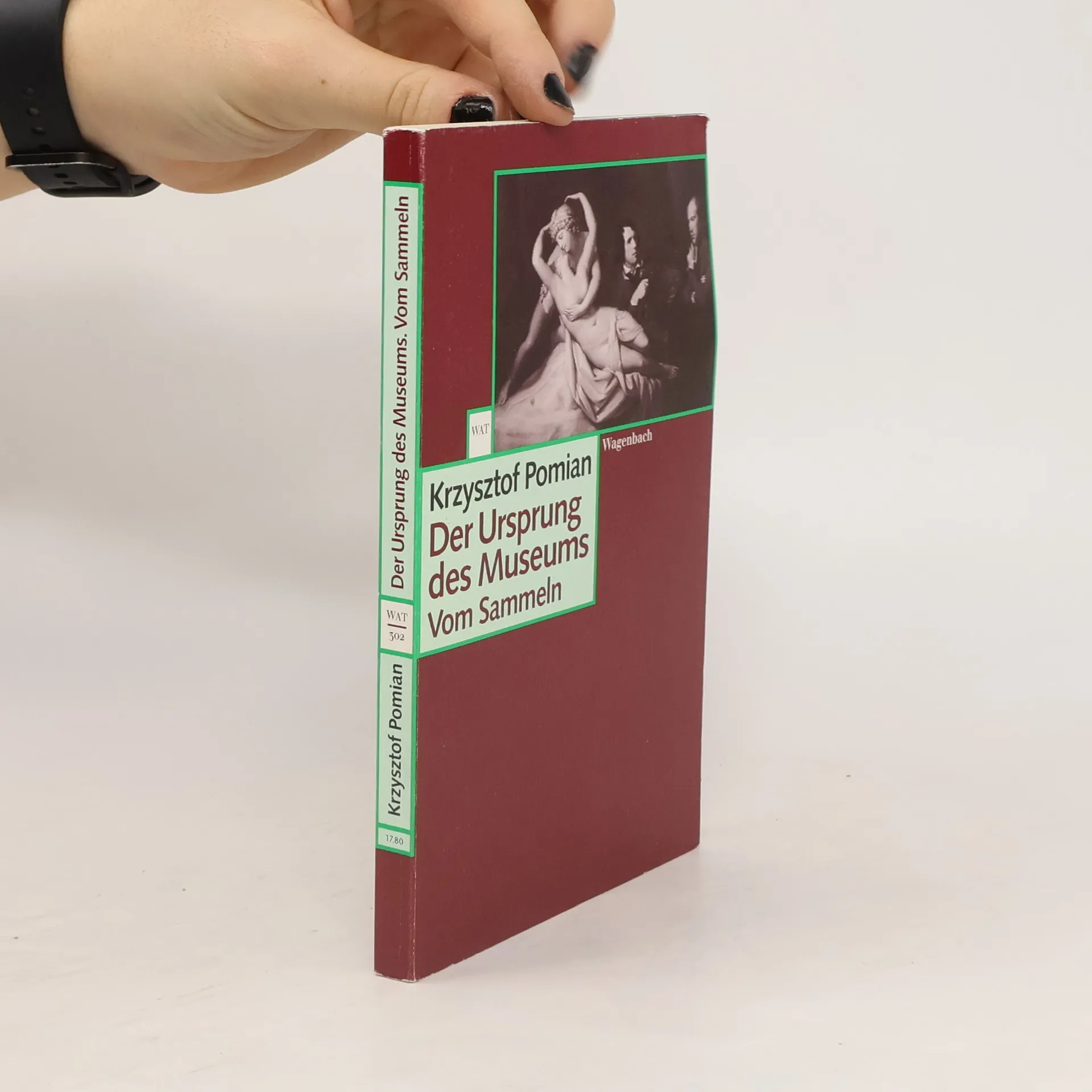
Der Ursprung des Museums: Vom Sammeln
- 108 pages
- 4 hours of reading
Am Anfang des Museums steht die private Sammlung: In einer Zeit, in der immer mehr Privatsammlungen ans Licht treten und der Staat die Gelder streicht, ist der Blick auf den Anfang lohnend und notwendig. Pomian erforscht die Ursprünge des Sammelns und beantwortet die beiden Grundfragen: Woher kommt der oft aberwitzige Wert von Sammlerobjekten? Was unterscheidet Objekte einer Sammlung von denen des täglichen Gebrauchs? »Hier kommt die Geschichte des Sammlers in ihrer ganzen Buntheit zu ihrem Recht: ein Feuerwerk!« [Henning Ritter, Frankfurter Allgemeine Zeitung]
Europa und seine Nationen
- 240 pages
- 9 hours of reading
Der polnische Historiker Krzysztof Pomian schreibt die Geschichte Europas als facettenreiche Erzählung: von den Völkerwanderungen bis zum Versailler Vertrag. Er zeigt die Einheit einer sehr alten Kultur und die Vielfalt nationaler Eigenheiten. Eindrücklich markiert er die Verbindungslinien und beschreibt zugleich die Differenzierung der Völker und Nationen, die sich kulturell und wirtschaftlich voneinander abgrenzen und im Innern verändern. Er erzählt von den Dynamiken zwischen Religionen und Glaubenshaltungen, von Krieg und Konkurrenz, von gemeinsamen Bildungsstandards, Sprachen und Mythen. Das Buch ist die gültige literarische Biografie eines Kontinents, die einerseits die historische Kontinuität des abwechselnden »Hin und Weg« begreifbar macht und zugleich vor Augen führt, was durch ein geeintes und im Kern einiges Europa zu gewinnen wäre.