Arthur Machen, a leading Welsh author of the 1890s, is celebrated for his influential supernatural, fantasy, and horror fiction that profoundly shaped these genres. His narratives often delve into the uncanny, exploring the thin veil between the mundane and the otherworldly with a unique blend of classical erudition and occult fascination. Machen's prose masterfully builds atmosphere and psychological dread, drawing readers into tales that question the nature of reality and the hidden forces within it. His distinctive voice continues to resonate, offering a timeless exploration of humanity's encounter with the mysterious and the terrifying.
Set in the backdrop of Wales, this semi-autobiographical novel explores the life of a young man grappling with his artistic ambitions and spiritual yearnings. Through vivid imagery and rich prose, the narrative delves into themes of imagination, the supernatural, and the relationship between reality and dreams. The protagonist's journey reflects Machen's own experiences, blending personal reflection with a deep appreciation for the mystical elements of nature and the human psyche.
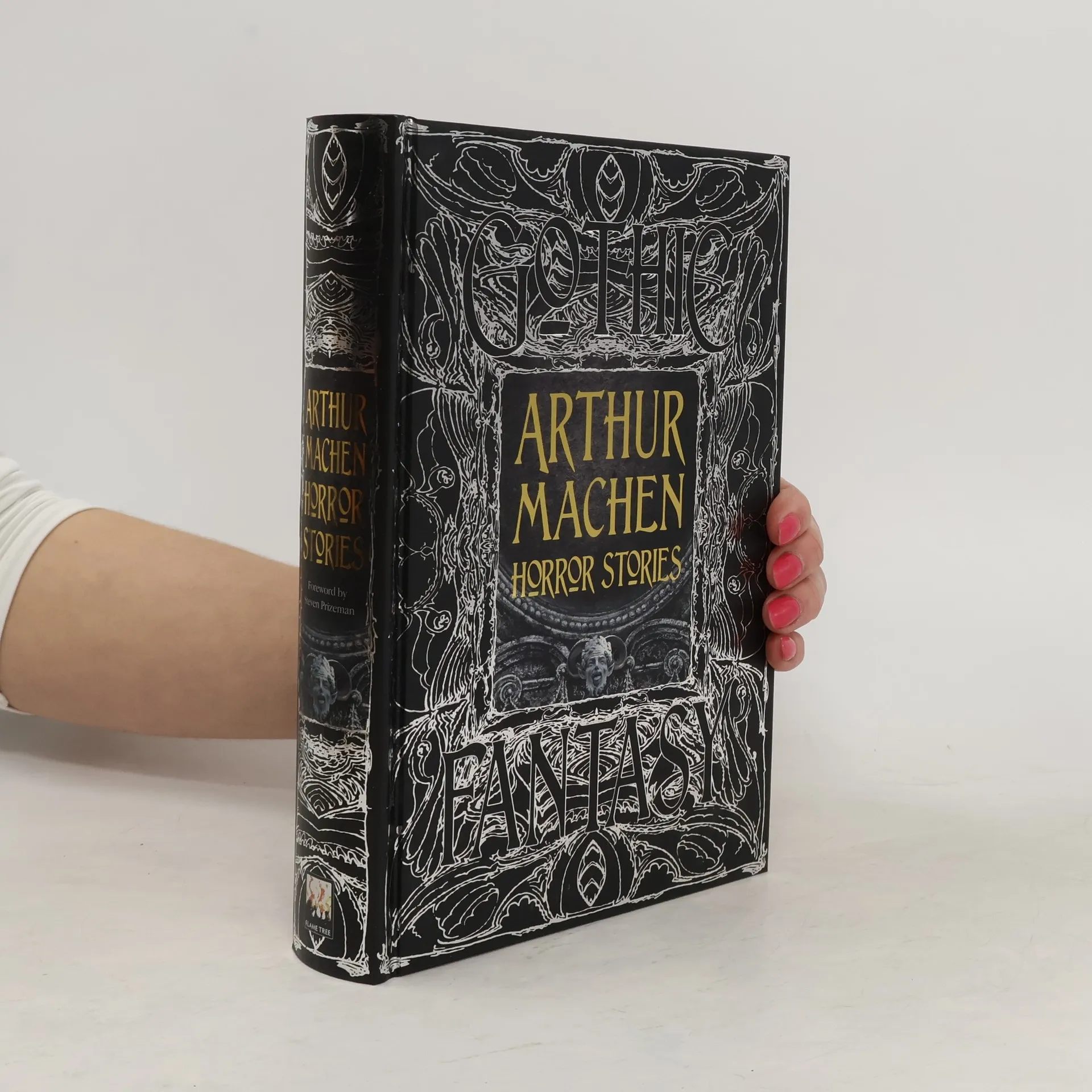
Alongside M.R. James, H.P. Lovecraft, Algernon Blackwood and Bram Stoker,
Arthur Machen wrote powerful, chilling and thought-provokling stories. His
supernatural tales draw their power from the long nights and dark lanes of the
Welsh countryside that raised him surrounded as he was by the remains of Roman
forts and Iron Age archeology.
This collection features ten exquisite prose poems by Arthur Machen, showcasing his unique blend of mysticism and rich imagery. Each piece, including "The Rose Garden" and "Witchcraft," delves into themes of nature, psychology, and the sacred, inviting readers into Machen's intricate and evocative world. Newly available in paperback, this volume revives the classic works of a master storyteller, offering a fresh opportunity to explore his literary artistry.
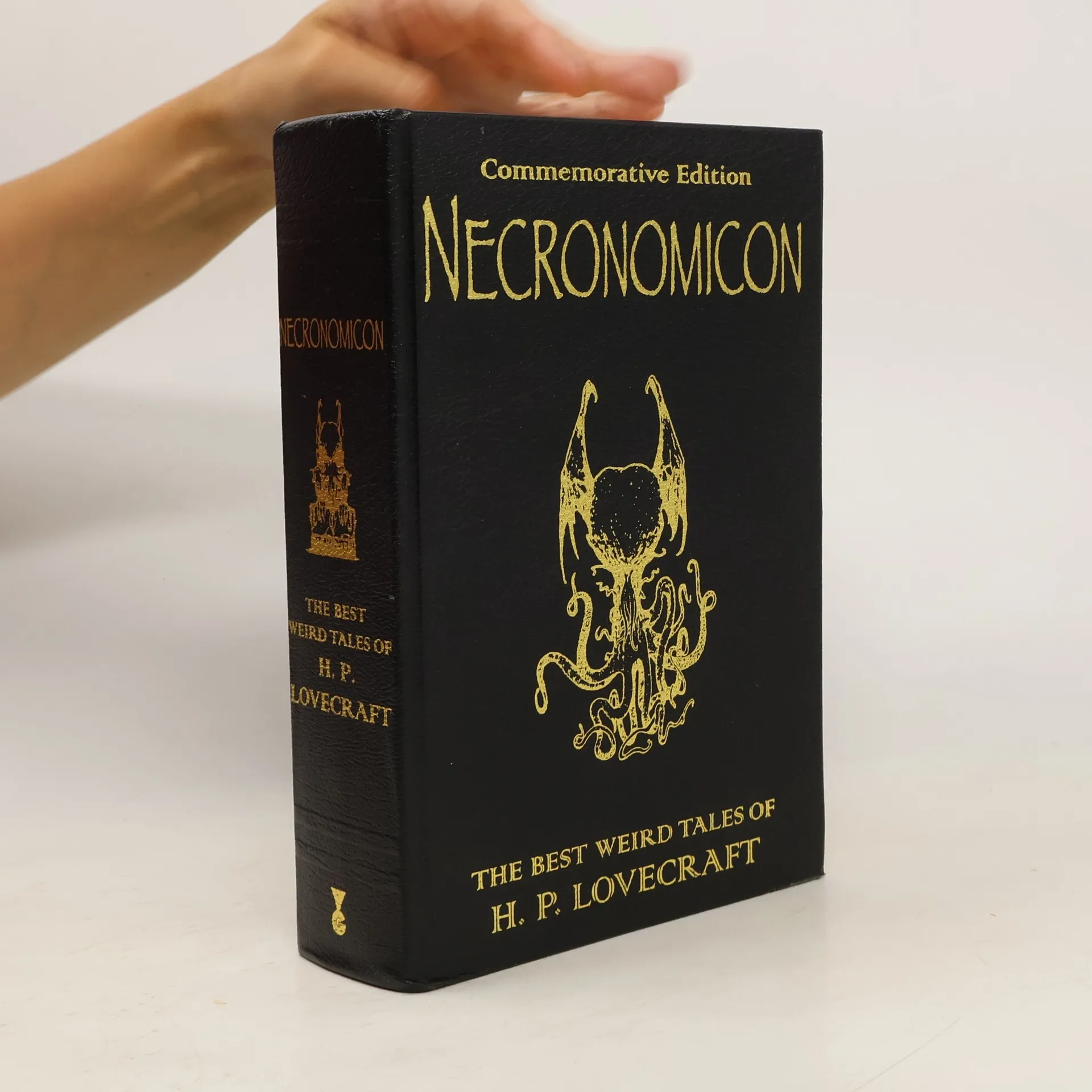
These astonishing tales blend elements of horror, science fiction and cosmic terror that are as powerful today as they were when they were first published. This handsome tome collects together the very best of Lovecraft's tales of terror, including the complete Cthulhu Mythos cycle, just the way they were originally published. It will introduce a whole new generation of readers to Lovecraft's fiction, as well as being a must-buy for those fans who want all his work in a single, definitive, highly attractive volume.
Arthur Machen was a Welsh author and mystic renowned for his supernatural and horror fiction during the late 19th and early 20th centuries. His novella, acclaimed as a horror classic, explores themes of the unknown and the supernatural, earning praise from literary figures like Stephen King. Additionally, his short story "The Bowmen" contributed to the folklore surrounding World War I, particularly the legend of the Angels of Mons, showcasing Machen's impact on both literature and cultural mythology.
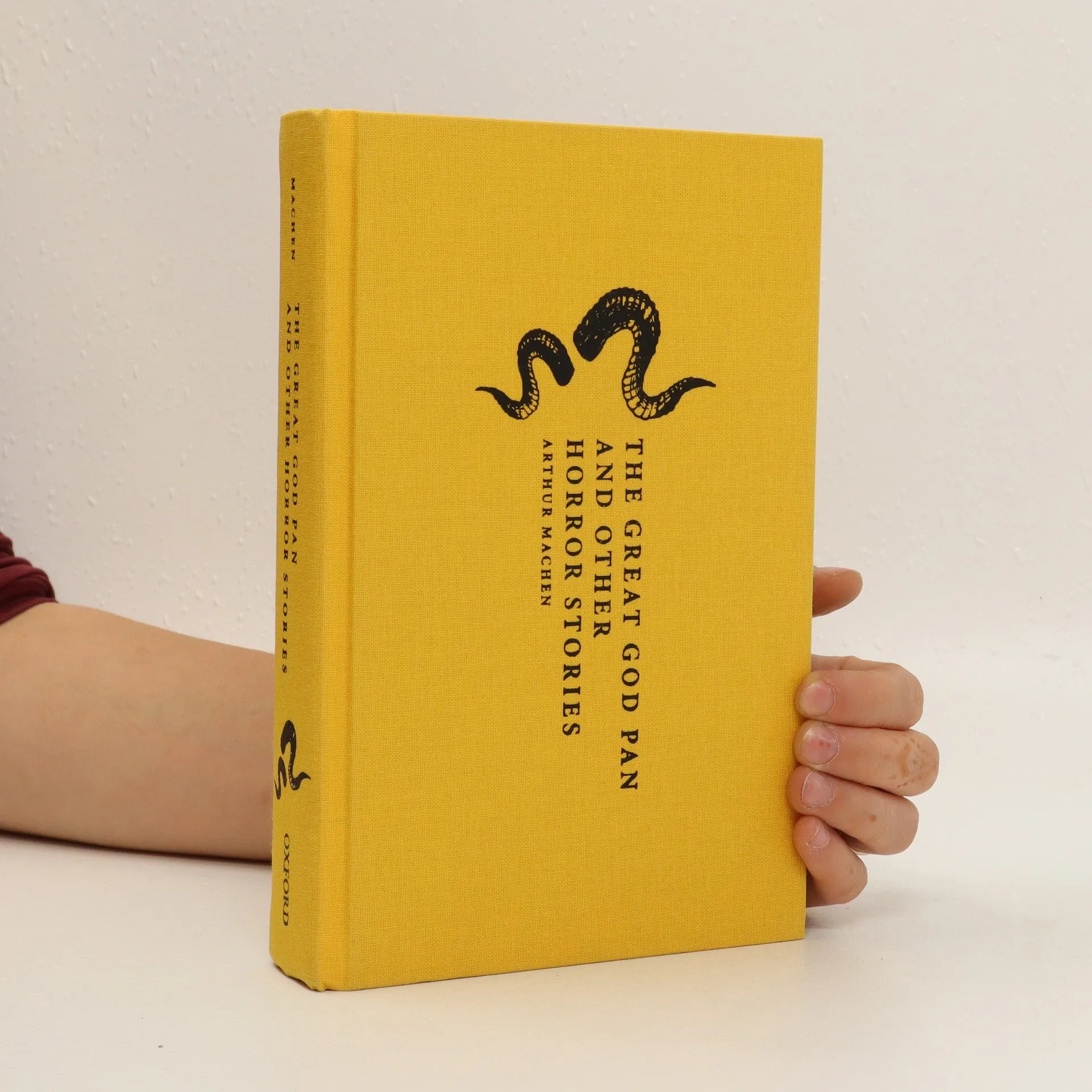
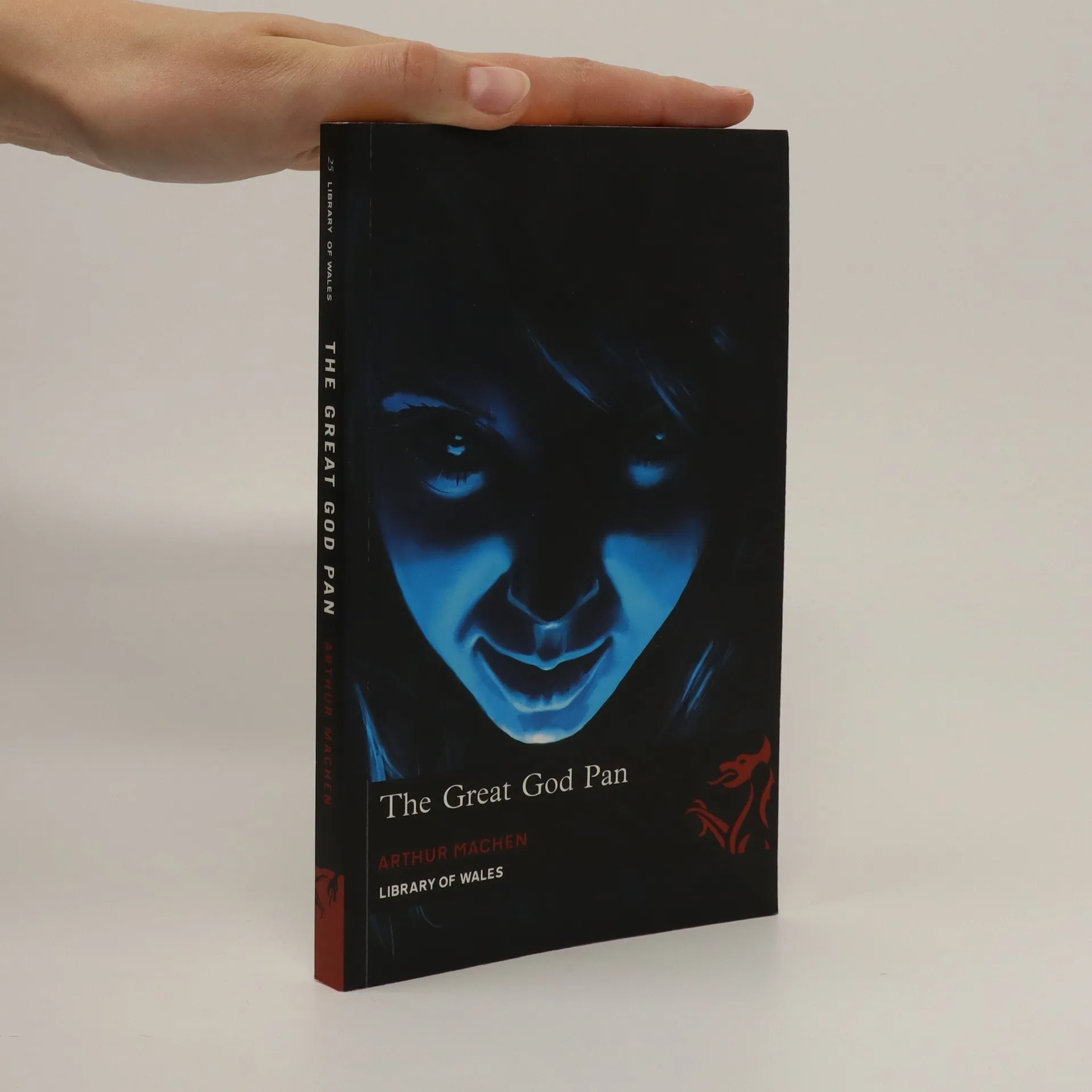
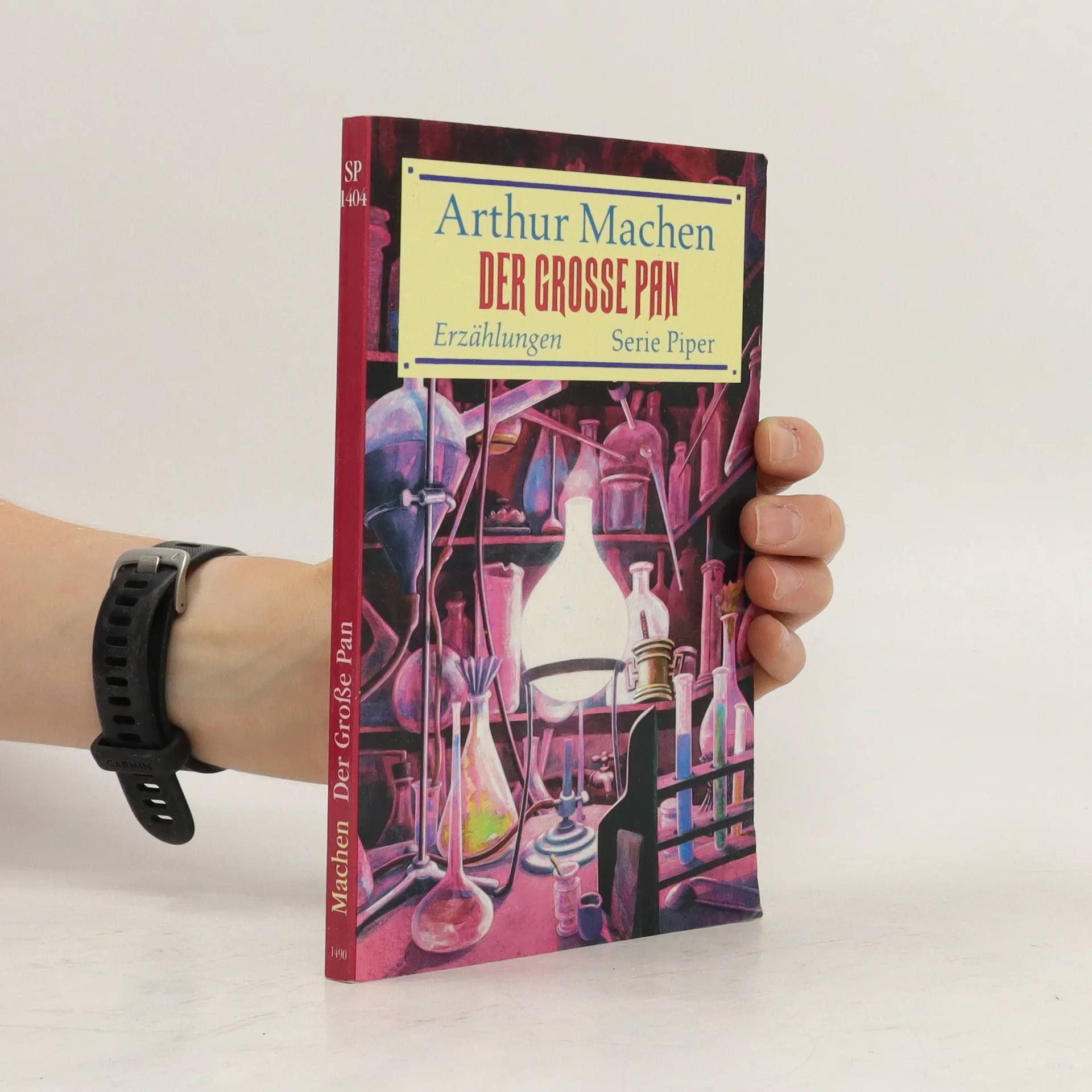
This collection of short fiction by Arthur Machen, initially condemned as decadent and obscene, has garnered praise from literary figures like Oscar Wilde and H. P. Lovecraft. Machen's unsettling blend of science, myth, and magic has influenced contemporary authors such as Stephen King and Guillermo del Toro. Among his notable works is "The Great God Pan," which narrates an occult experiment that goes awry. The protagonist, Clarke, intrigued by the occult, accepts an invitation to observe a procedure meant to access the spirit realm. When the young patient Mary awakens, she exhibits signs of terror and subsequently falls into a catatonic state. Believing they have successfully tapped into the world of "the great god Pan," Clarke and his colleague Raymond decide to keep their findings secret. However, years later, a nearby town reports mysterious disappearances of young children, all last seen in the forest with a sinister presence. This collection highlights Machen's ability to weave horror and the supernatural, leaving a lasting impact on the genre. Mint Editions, since its inception in 2020, focuses on sustainability and innovation, offering professionally typeset manuscripts and striking covers while preserving the integrity of original works, aiming to connect diverse public domain literature with modern audiences.
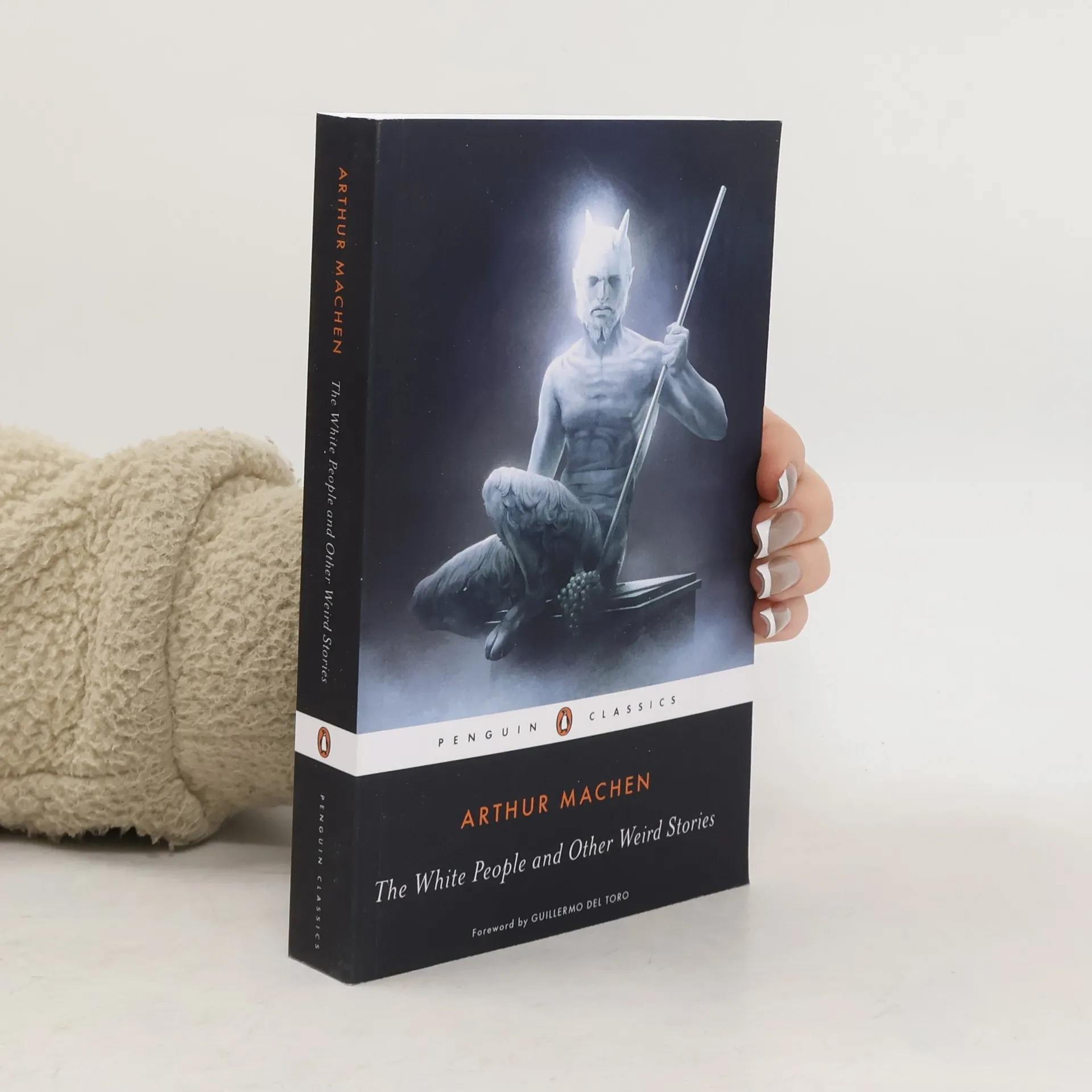
Classic tales of the fantastic, creepy and weird, with a foreword from the award-winning director of The Shape of Water Guillermo Del Toro Machen's weird tales of the creepy and fantastic finally come to Penguin Classics. With an introduction from S.T. Joshi, editor of American Supernatural Tales, The White People and Other Weird Stories is the perfect introduction to the father of weird fiction. The title story "The White People" is an exercise in the bizarre leaving the reader disoriented and on edge. From the first page, Machen turns even fundamental truths upside-down, as his character Ambrose explains, "there have been those who have sounded the very depths of sin, who all their lives have never done an 'ill deed'" setting the stage for a tale entirely without logic. For more than seventy years, Penguin has been the leading publisher of classic literature in the English-speaking world. With more than 1,700 titles, Penguin Classics represents a global bookshelf of the best works throughout history and across genres and disciplines. Readers trust the series to provide authoritative texts enhanced by introductions and notes by distinguished scholars and contemporary authors, as well as up-to-date translations by award-winning translators.
Tales of Eldritch Horror from the Masters of the Genre
928 pages
33 hours of reading
Featuring over 40 chilling stories, this anthology showcases the works of renowned authors in the cosmic horror genre. The collectible hardback edition includes a protective dust jacket, making it a perfect addition for fans of unsettling narratives that explore the unknown and the incomprehensible. Each tale delves into themes of existential dread and the insignificance of humanity in the vast universe, providing a spine-tingling experience for readers.
Arthur Machen's collection features nineteen captivating short stories and novellas, showcasing his mastery in horror and supernatural fantasy. Notable works include "The Great God Pan," renowned for its controversial themes and vivid imagery, and "The Bowmen," a tale blending ghosts with the historical Battle of Mons. Machen's unique storytelling has left a lasting impact, inspiring countless readers and writers. This edition is crafted on premium acid-free paper, ensuring a quality reading experience.
This mystery novel is a significant work in English literature, recognized for its historical importance. Alpha Editions has undertaken the task of preserving it for future generations by republishing it in a modern format. The text has been reformatted, retyped, and redesigned to ensure clarity and readability, avoiding the pitfalls of scanned copies. This effort highlights the book's enduring value and relevance in literary discussions.
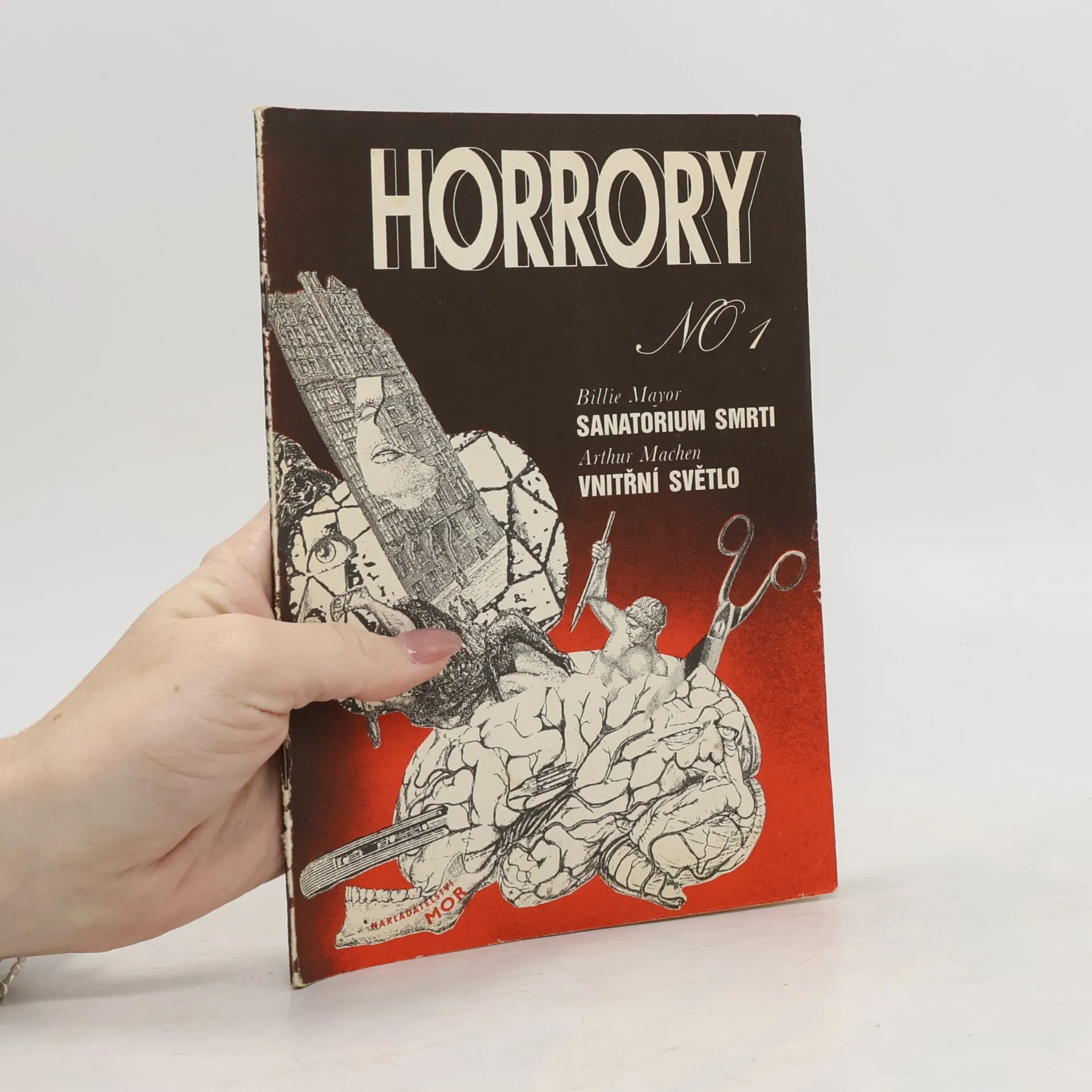
Arthur Machen is a significant figure in supernatural and horror literature, in the genre of 'weird fiction'. This collection brings together his best horror tales with a full contextual introduction and which helps to illuminate Machen's place in the literary and cultural milieu of 1890s Britain.
The story follows two idle men in London who stumble upon a coin dropped by a fleeing individual. As they wander the streets, they encounter three mysterious figures, each in a different disguise, who share dark and intriguing tales. The trio appears to be in pursuit of a spectacled man who has fled with a precious coin, revealing themes of deception and the consequences of greed. The narrative unfolds through these encounters, blending suspense with the curiosity of the idlers.
Set against the eerie backdrop of Victorian England, this supernatural novel blends mystery, horror, and Welsh mythology. Arthur Machen delves into themes of spiritualism and the occult, crafting an atmospheric narrative that blurs the lines between reality and the supernatural. As strange occurrences unfold, readers navigate a world steeped in folklore and psychological terror, leading to a suspenseful conclusion filled with twists. Machen's vivid storytelling captivates and immerses, leaving a haunting impression that showcases his mastery of evoking fear and intrigue.
Arthur Machen unfurls the tale of a young girl cursed and pursued by her supernatural parentage to become a creature of shape-shifting, polysexual, demi-god evil.
A collection of essays by Arthur Machen explores various themes tied to seasonal celebrations and cultural traditions. Each chapter delves into topics like New Year, Valentine's Day, and Christmas, showcasing Machen's reflective and often whimsical style. Known for his contributions to supernatural fantasy and horror, Machen's work appeals to both fans and collectors. This edition includes a new prefatory biography, enriching the context of his writings.
Exploring the macabre and the supernatural, this collection features essays by Arthur Machen that delve into historical and eerie tales of real individuals and their mysterious fates. Drawn from "The Graphic," the essays include intriguing stories like "The Strange Case of Emily Weston" and "The Highbury Mystery." Renowned for his contributions to horror and fantasy fiction, Machen's work has influenced many literary greats. This modern edition also includes a new biography, making it a valuable addition for fans of the unearthly and unexplained.
Set in the late 1920s, the book features Arthur Machen as a columnist for The Observer, where he delves into the mysterious and peculiar. Each Sunday, readers are treated to intriguing explorations of the strange and unusual, showcasing Machen's fascination with the enigmatic aspects of life.
An expansive survey of Arthur Machen's work, this compilation offers a fresh perspective by avoiding the over-anthologized texts commonly found in other collections. It aims to present a diverse selection of Machen's writings, highlighting the unique aspects of his literary contributions and providing readers with a comprehensive understanding of his influence and themes.
Eine Phantasie. Mit den erstmals übersetzten Erzählungen "Die Bogenschützen", "Die glücklichen Kinder" und "Kriegsgerät"
160 pages
6 hours of reading
Der immer wieder vergessene, immer wieder zu entdeckende walisische Schriftsteller Arthur Machen (sprich: „Mecken“) hat ein umfangreiches Werk hinterlassen, das Texte von großer Originalität und starkem Reiz umfasst. Sie werden meist in die Kategorie „Horror“ eingeordnet – nicht zu Unrecht, und doch gehören sie in einen größeren Kontext. An Machens Werk lässt sich die ästhetische Seite der Mystik studieren. Als Leser wird man nur schwer die überwältigenden Visionen vergessen können, die Landschaft und Literatur Machens Protagonisten zuteil werden lassen, an deren Innerstes sie rühren.Die von Joachim Kalka auf der Grundlage seiner 1992 bis 1995 erschienenen Übersetzung erstellte neue Werkausgabe versammelt die bedeutendsten Erzähltexte Machens. Sie fügt der alten Edition einige neue Texte hinzu.
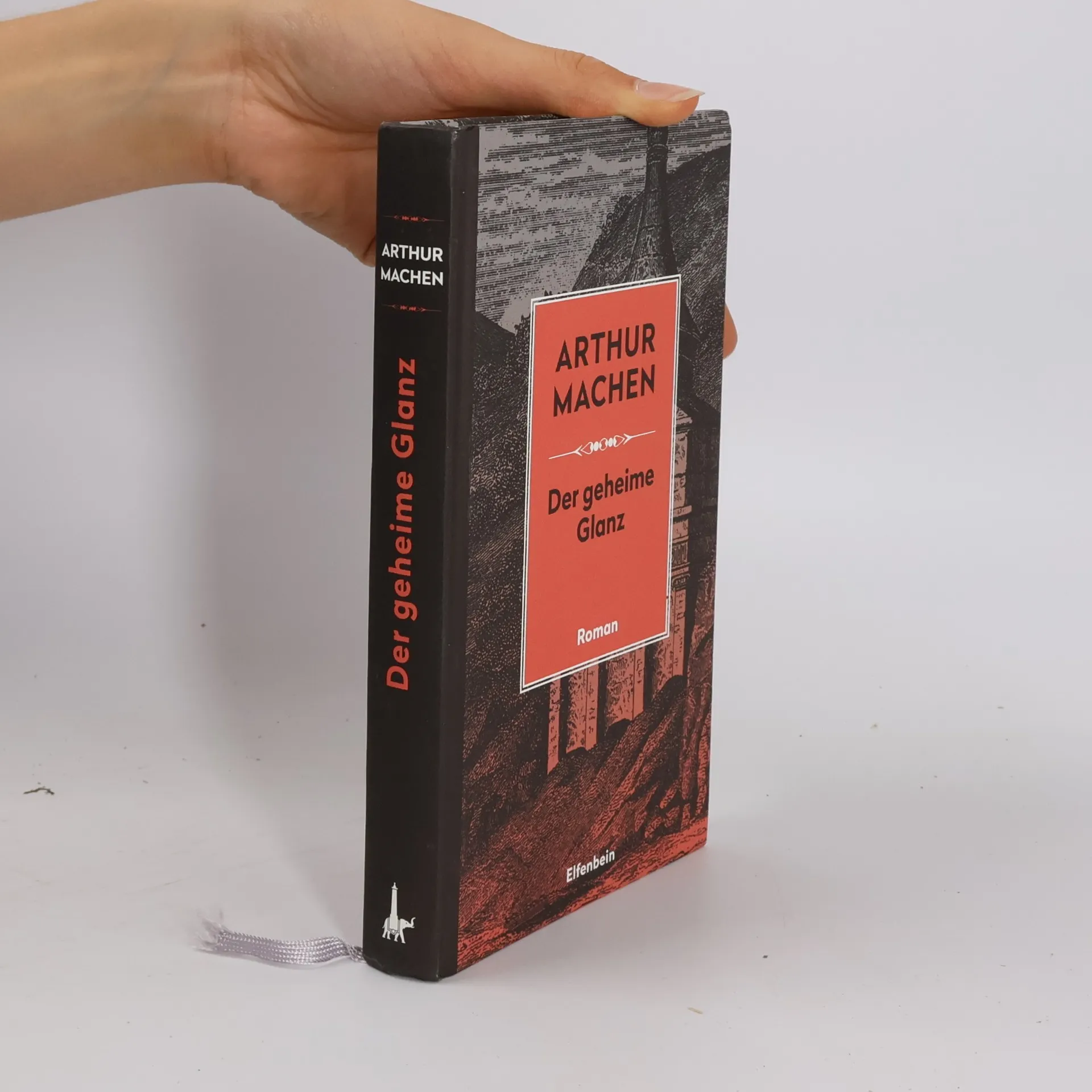
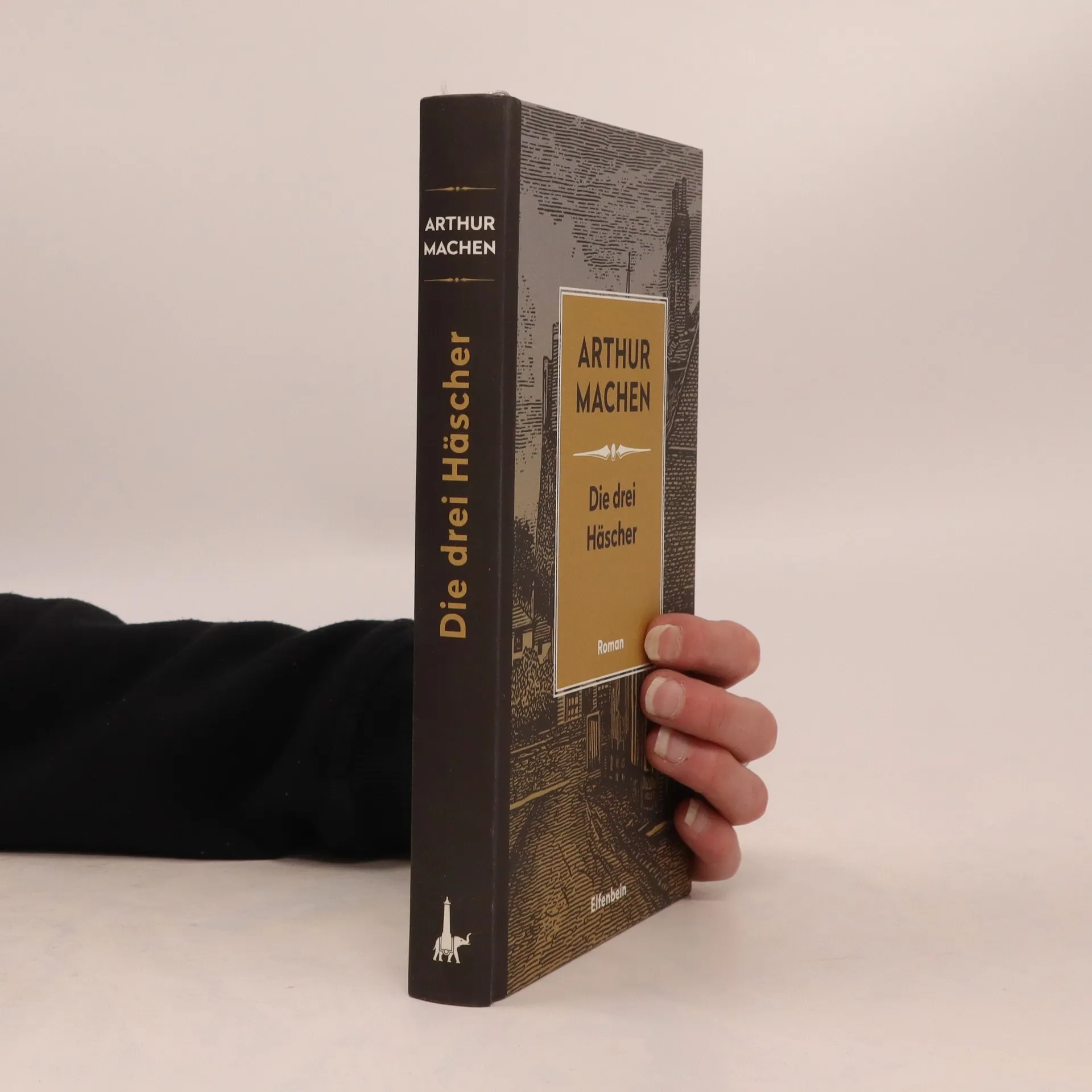
Roman. Mit den erstmals übersetzten Skizzen "Die heiligen Dinge" und "Psychologie"
Der immer wieder vergessene, immer wieder zu entdeckende walisische Schriftsteller Arthur Machen (sprich: „Mecken“) hat ein umfangreiches Werk hinterlassen, das Texte von großer Originalität und starkem Reiz umfasst. Sie werden meist in die Kategorie „Horror“ eingeordnet – nicht zu Unrecht, und doch gehören sie in einen größeren Kontext. An Machens Werk lässt sich die ästhetische Seite der Mystik studieren. Als Leser wird man nur schwer die überwältigenden Visionen vergessen können, die Landschaft und Literatur Machens Protagonisten zuteil werden lassen, an deren Innerstes sie rühren.
Die von Joachim Kalka auf der Grundlage seiner 1992 bis 1995 erschienenen Übersetzung erstellte neue Werkausgabe versammelt die bedeutendsten Erzähltexte Machens. Sie fügt der alten Edition einige neue Texte hinzu.
In dem düsteren Schriftstellerroman „Der geheime Glanz“ („The Secret Glory“, 1922) hat Machen eigene Erinnerungen (u. a. an die repressiven Erziehungsmethoden englischer Privatschulen) verarbeitet und zu einer faszinierenden Suche nach dem heiligen Gral gestaltet.
Subskribenten der sechsbändigen Ausgabe wird ein Preisrabatt gewährt.
Der immer wieder vergessene, immer wieder zu entdeckende walisische Schriftsteller Arthur Machen (sprich: „Mecken“) hat ein umfangreiches Werk hinterlassen, das Texte von großer Originalität und starkem Reiz umfasst. Sie werden meist in die Kategorie „Horror“ eingeordnet – nicht zu Unrecht, und doch gehören sie in einen größeren Kontext. An Machens Werk lässt sich die ästhetische Seite der Mystik studieren. Als Leser wird man nur schwer die überwältigenden Visionen vergessen können, die Landschaft und Literatur Machens Protagonisten zuteil werden lassen, an deren Innerstes sie rühren. Die von Joachim Kalka auf der Grundlage seiner 1992 bis 1995 erschienenen Übersetzung erstellte neue Werkausgabe versammelt die bedeutendsten Erzähltexte Machens. Sie fügt der alten Edition einige neue Texte hinzu; so erscheint in diesem Band die Erzählung „The Lost Club“ (1934) zum ersten Male auf Deutsch, in dem die Figuren des unheimlichen Episodenromans „Die drei Häscher“ („The Three Impostors“, 1895) wieder auftreten.
Subskribenten der sechsbändigen Werkausgabe wird ein Preisnachlass gewährt.
und andere Erzählungen. Mit der erstmals übersetzten Erzählung "Die Kinder des Teichs"
200 pages
7 hours of reading
Der immer wieder vergessene, immer wieder zu entdeckende walisische Schriftsteller Arthur Machen (sprich: „Mecken“) hat ein umfangreiches Werk hinterlassen, das Texte von großer Originalität und starkem Reiz umfasst. Sie werden meist in die Kategorie „Horror“ eingeordnet – nicht zu Unrecht, und doch gehören sie in einen größeren Kontext. An Machens Werk lässt sich die ästhetische Seite der Mystik studieren. Als Leser wird man nur schwer die überwältigenden Visionen vergessen können, die Landschaft und Literatur Machens Protagonisten zuteil werden lassen, an deren Innerstes sie rühren. Die von Joachim Kalka auf der Grundlage seiner 1992 bis 1995 erschienenen Übersetzung erstellte neue Werkausgabe versammelt die bedeutendsten Erzähltexte Machens. Sie fügt der alten Edition einige neue Texte hinzu.
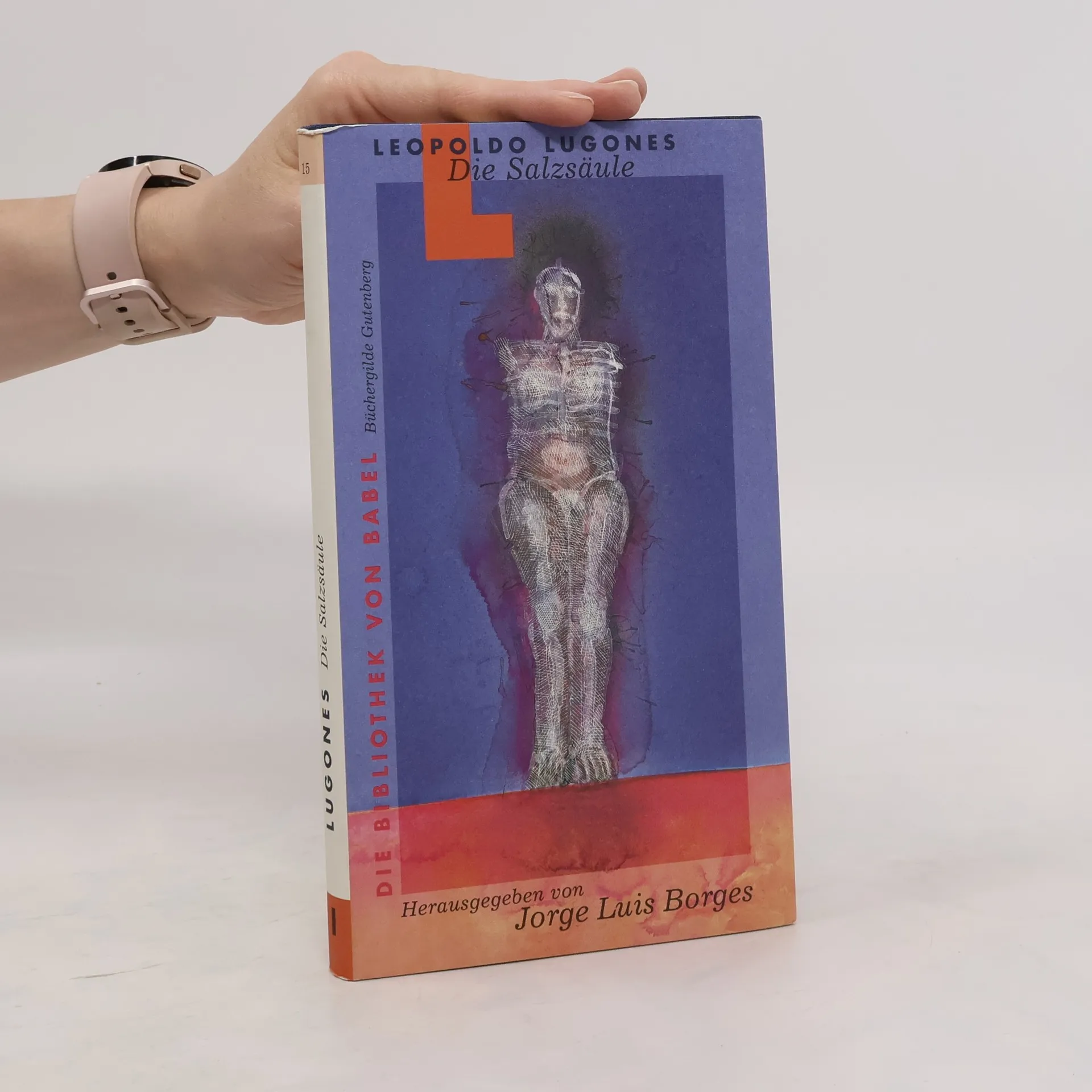
Die phantastischen Erzählungen von Leopoldo Lugones sind düster und bizarr, mit einem ironischen Unterton. Sie handeln von einem Regen aus glühendem Kupfer, aufständischen Pferden und einem Affen, der erst kurz vor seinem Tod sprechen lernt. Lugones gilt in Argentinien als Nationaldichter, ist jedoch hierzulande weitgehend unbekannt.
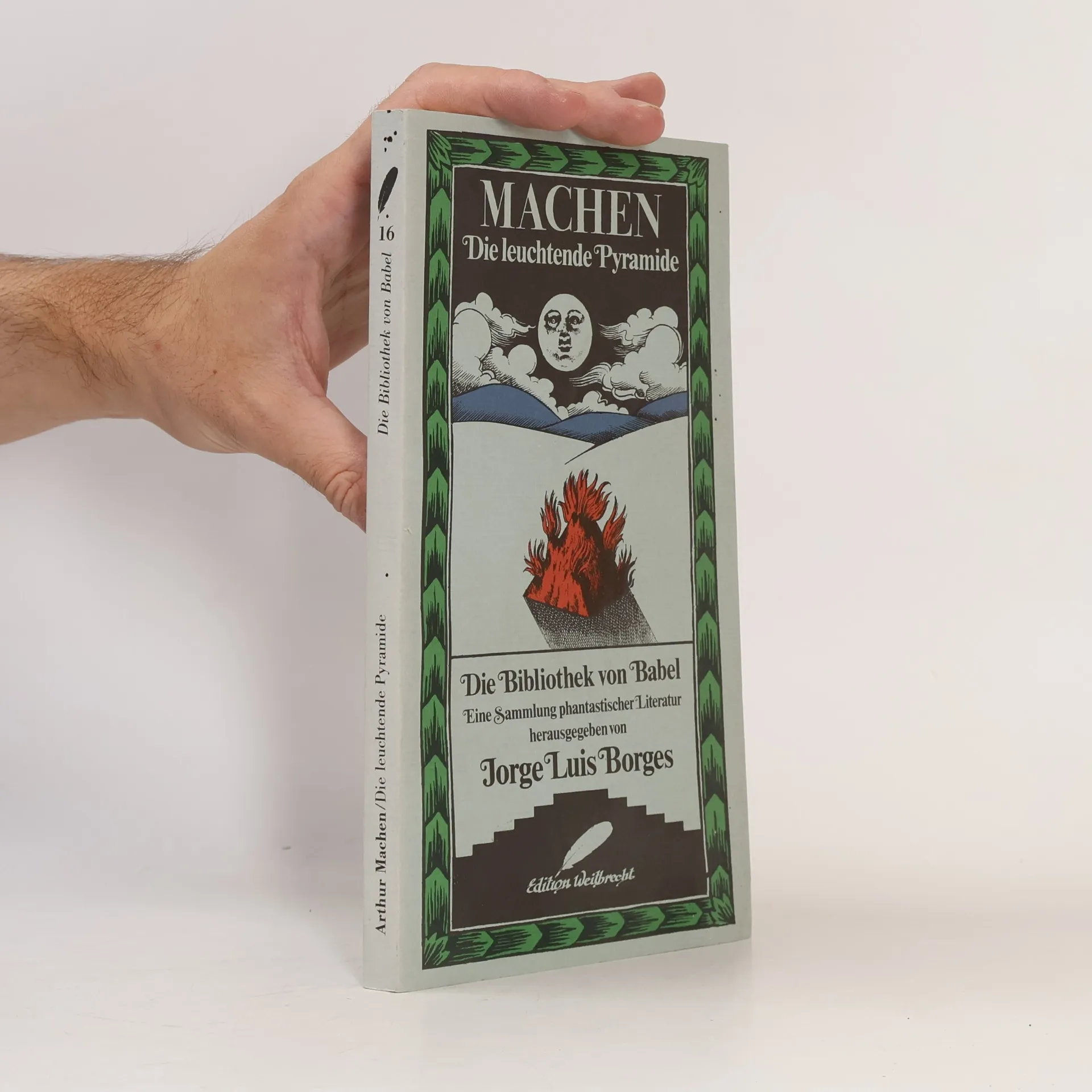
Die möglichen Begriffsbestimmungen für Machen sind weniger wichtig als bestimmte Eigentümlichkeiten, die ich in seinem Werk zu bemerken glaube. Eine davon ist die Existenz des Bösen, nicht als bloße Abwesenheit des Guten, in der Art so vieler Theodizeen, sondern als ein Wesen oder ein Bündnis von Wesen, die unablässig gegen das Gute ankämpfen und die obsiegen können. Der Leser wird so leicht diese gut gearbeiteten Alpträume vergessen, die mit ein wenig Phantasie und Mißgeschick durch seine Nächte geistern können. - Jorge Luis Borges -
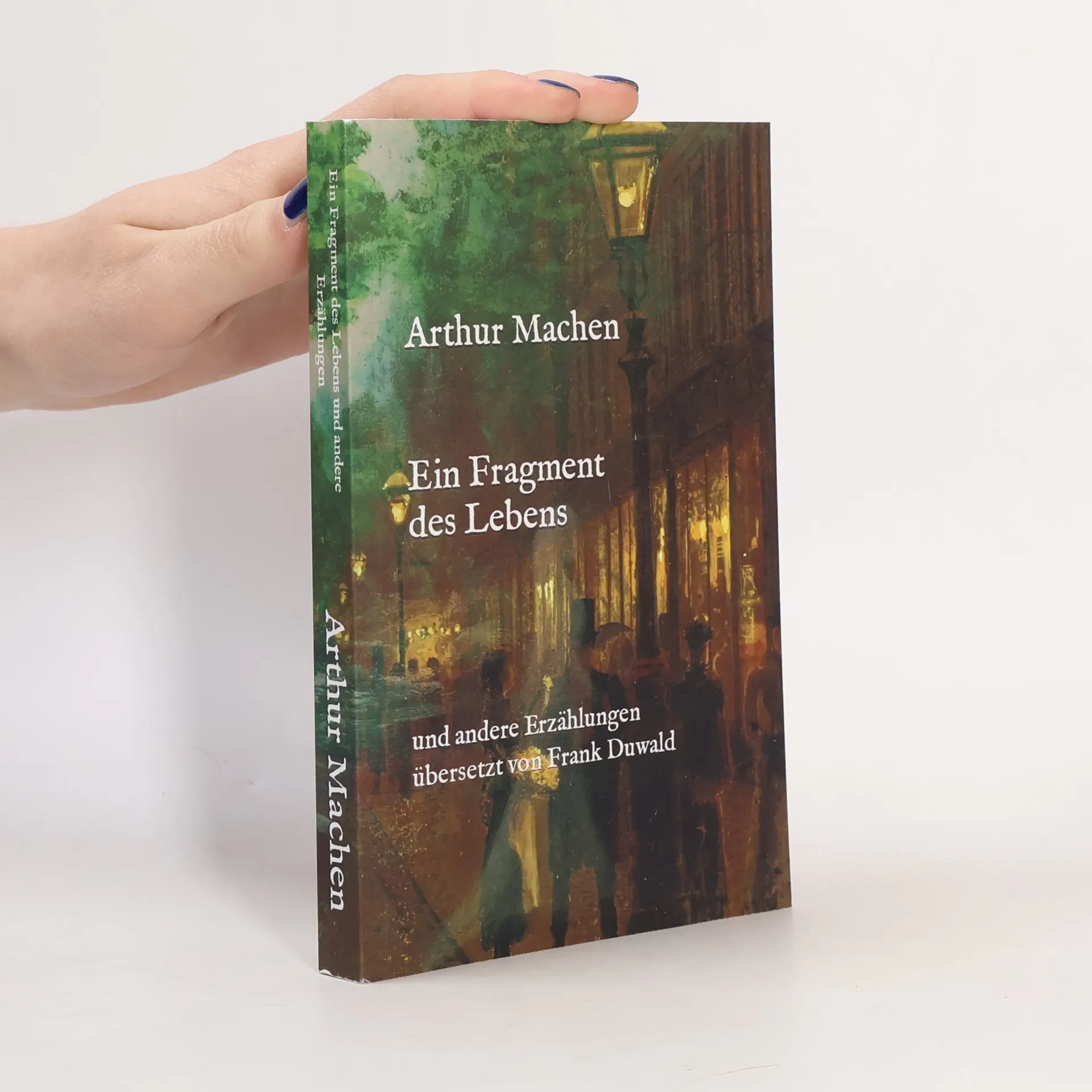
Die Sammlung vereint vier von Machens bedeutendsten Novellen, darunter die Horrorklassiker "The Great God Pan" und "The White People". Während diese Geschichten das Genre prägen, bietet "The Inmost Light" eine konventionellere Erzählweise, die dennoch fesselt. "A Fragment of Life" hebt sich als einzige Nicht-Horror-Geschichte hervor und zeigt absichtlich langatmige Passagen, um die flüchtige Schönheit des Lebens zu reflektieren. Machens Werke sind nicht nur unterhaltsam, sondern auch tiefgründig, und seine Literatur bleibt ein eindrucksvolles Zeugnis seiner visionären Fähigkeiten.
Throughout Ambrose's early years, his father worked to charm his son's heart, pulling him from the dark depths of life. Various methods exist for this, including moral teaching and silence, but Mr. Meyrick employed a unique approach akin to incantation. He guided Ambrose away from the turmoil and vice of the valley, leading him instead toward a higher quest, one filled with beauty and purpose. Ambrose's spirit became entwined with the serene woods, pure waters, and the altars of ancient saints, transforming his perception of life into a sacred rite aimed at achieving mystic sanctity—the Graal. This quest was echoed in the songs of birds at dusk, the awe of dawn on the hills, and the vibrant colors of sunset. Each element of nature—the flowers, ferns, and reeds—held the secret of this sacrament. The ultimate purpose was to fulfill the final rites given to humanity, embodied in the arts, the grandeur of cathedrals, and the magical resonance of words and music. All these elements bore witness to a singular offering in the high service of the Graal, celebrating the profound beauty and mystery of existence.
Edward Darnell erwachte aus einem Traum von einem alten Wald und einem klaren Brunnen, der in grauem Dunst und Dampf unter einer nebligen, schimmernden Hitze aufstieg; und als er die Augen öffnete, sah er das Sonnenlicht hell im Raum, das auf dem Lack der neuen Möbel funkelte. Er drehte sich um und fand den Platz seiner Frau leer, und mit etwas Verwirrung und dem Wunder des Traums, das noch in seinem Geist verweilte, stand er ebenfalls auf und begann hastig, sich anzukleiden, da er ein wenig verschlafen hatte und der Bus um 9.15 Uhr um die Ecke fuhr. Er war ein großer, dünner Mann, dunkelhaarig und dunkeläugig, und trotz der Routine der Stadt, dem Zählen von Coupons und all der mechanischen Plackerei, die zehn Jahre gedauert hatte, blieb um ihn herum der seltsame Hauch einer wilden Anmut, als ob er als Geschöpf des antiken Waldes geboren worden wäre und den Brunnen gesehen hätte, der aus dem grünen Moos und den grauen Felsen aufstieg.
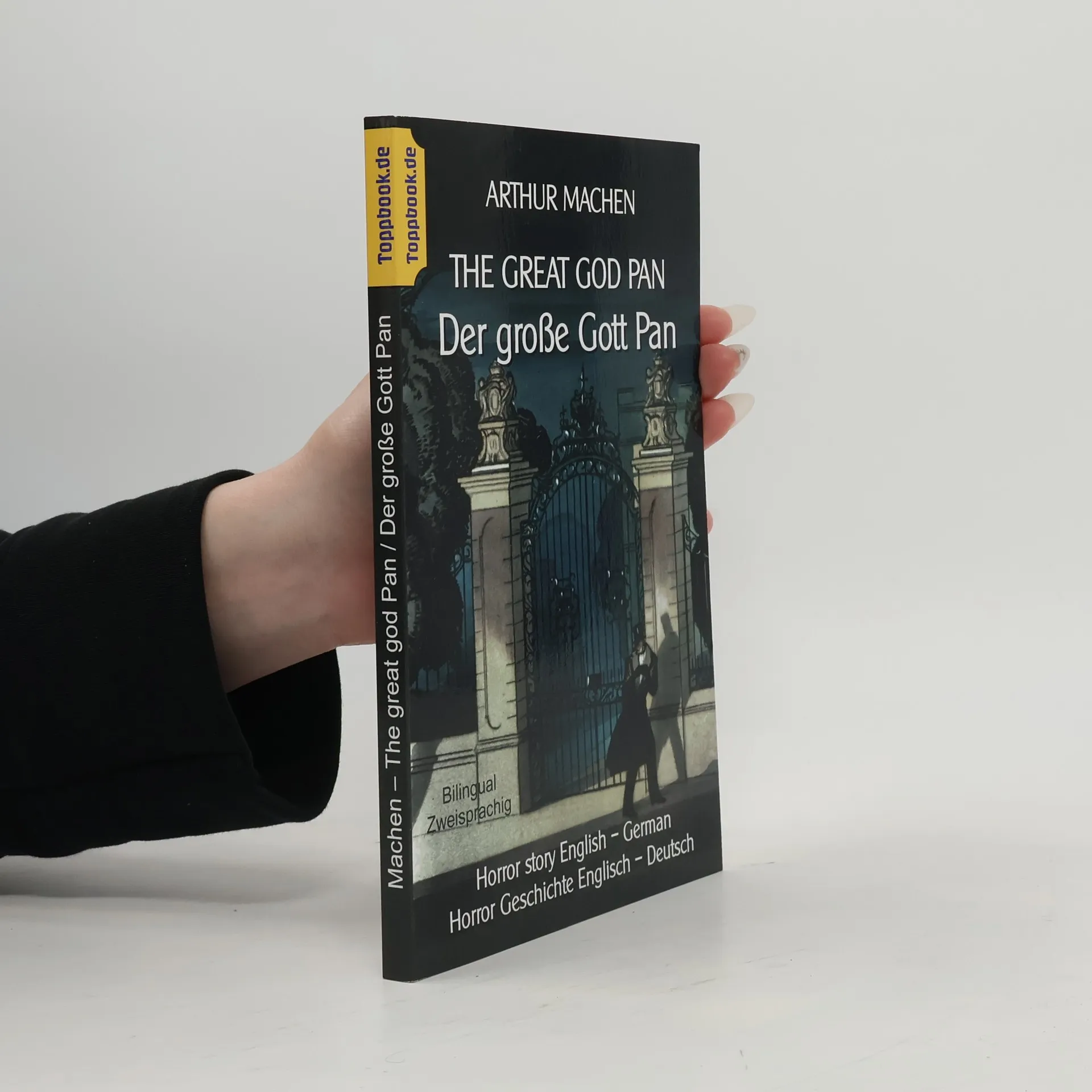
Horror story English - German / Horror Geschichte Englisch - Deutsch. Bilingual / zweisprachig
129 pages
5 hours of reading
The Great God Pan is a horror and fantasy novel by the Welsh writer Arthur Machen. Machen was inspired to write about the Great God Pan through his experiences in the ruins of a pagan temple in Wales. The novel begins with an experiment that allows a woman named Mary to see the supernatural world. This is followed by a report of a series of mysterious events and deaths over many years. But who or what is behind them? Stephen King described the story as "perhaps the best [horror story] in the English language". Der Große Gott Pan ist eine Horror- und Fantasienovelle des walisischen Schriftstellers Arthur Machen. Machen wurde durch seine Erlebnisse in den Ruinen eines heidnischen Tempels in Wales zum Schreiben des Großen Gottes Pan inspiriert. Die Novelle beginnt mit einem Experiment, das einer Frau namens Maria erlaubt, die übernatürliche Welt zu sehen. Es folgt ein Bericht über eine Reihe von mysteriösen Ereignissen und Todesfällen über viele Jahre hinweg. Aber wer oder was steckt dahinter? Stephen King beschrieb die Geschichte als "vielleicht die beste [Horrorgeschichte] in der englischen Sprache".
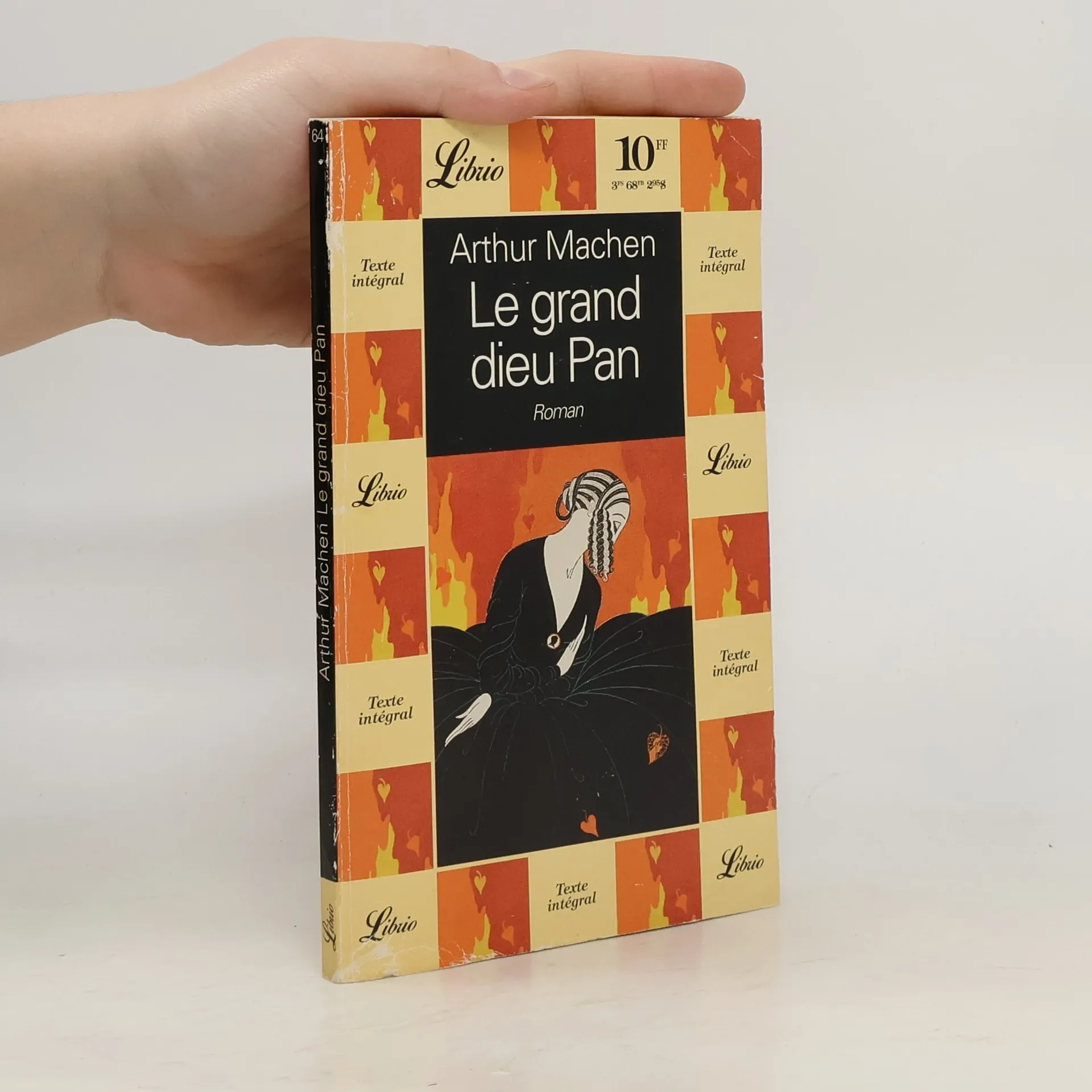
Belle mais démoniaque ! Entourée d'un halo d'étrangeté et de mystère... Telle est la femme qui hante les rues de Londres, mais aussi l'esprit dérangé de ceux qui l'ont rencontrée, des hommes en général fortunés. Tous ont finit leurs jours dans des circonstances ténébreuses, le visage déformé par l'épouvante et l'effroi. Par quelle fatalité cette créature superbe sème-t-elle la mort autour d'elle ? Serait-elle maudite ? Aurait-elle pactisé avec une puissance maléfique ? Il semble bien qu'elle ou sa mère, victime d'une expérience diabolique menée par un savant fou, ait aperçu ce qu'aucun œil humain ne peut contempler... Le dieu de l'abîme, le grand Pan, dont la vue cause une peur " panique " !
Tajemné a hrůzyplné povídky velšského romanopisce jsou situovány do Londýna na přelomu století. Autor, jež byl úzce spjat s okultní společností zasvěcenců magie, píše příběhy o nepochopitelných jevech a tajemných silách, jež ovládají člověka a číhají v něm na impuls a pokyn z pekla.
Machen, který propracovával ve svých povídkách některé motivy a postupy fantastického žánru, přivádí na scénu pohanská božstva, tajné společnosti sadistů i nejrůznější iniciační obřady s erotickým podtextem. Úspěch povídek spočívá v autorově schopnosti rozehrát příběh se záhadou, která je obvykle svázána s magickou atmosférou neobvyklého místa, a nechat jej vyústit do nečekané pointy. Doslov „Hrůza a mytická extáze: dvě polohy úžasu v díle Arthura Machena“ napsal Michal Peprník.
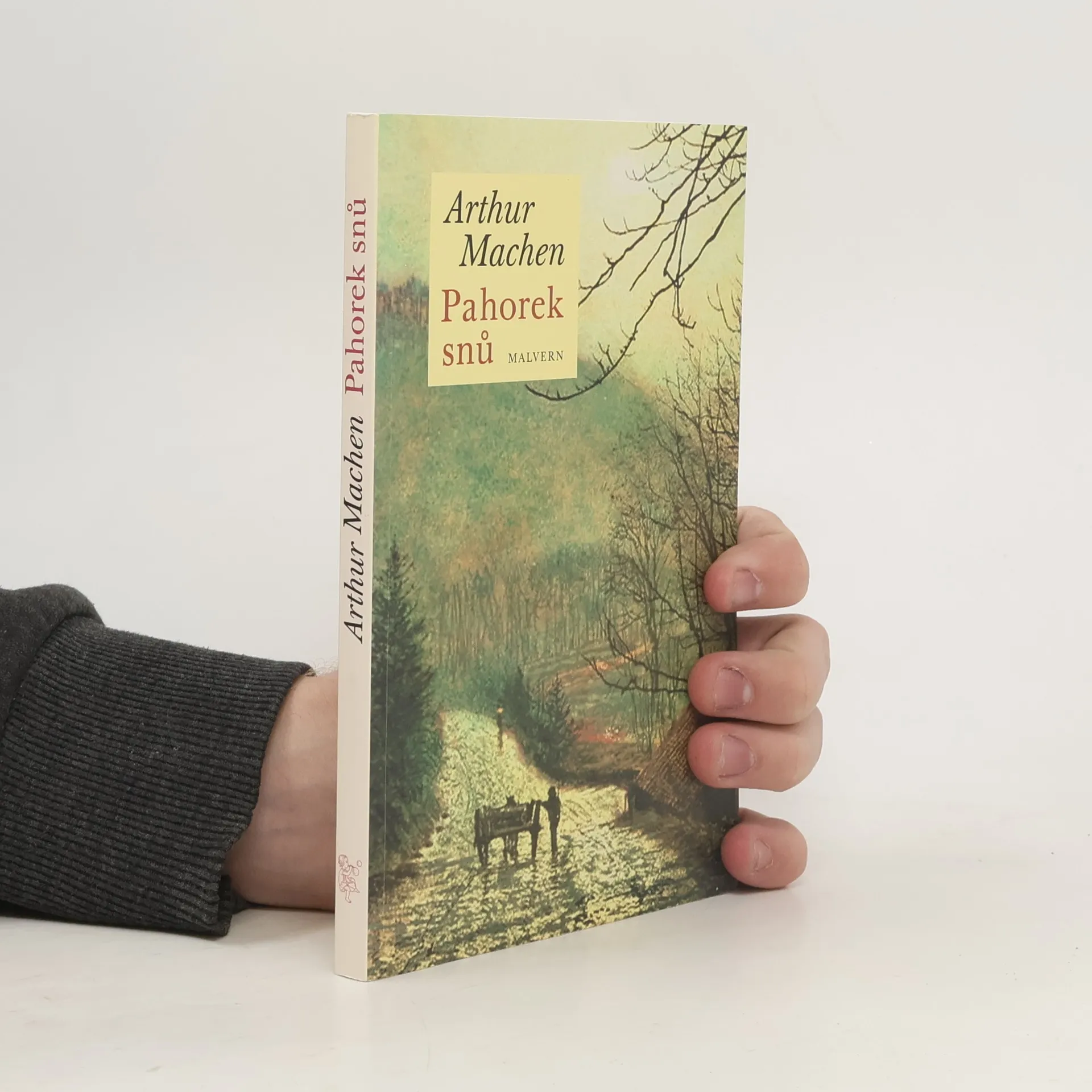
Román Arthura Machena Pahorek snů je snovou autobigrafií jednoho z největších spisovatelů horrorové fikce z období fin de siècle a první poloviny 20. století. Autor uznávaný Lovecraftem a Kingem zde líčí svě dětství a dospívání v přízračném městečku, kdysi významné římské pevnosti, a následný vzestupný pád nadějného spisovatele, či šílence, který se upsal literatuře. Tento, možná neskutečný příběh jeho života je holdem imaginaci venkova i města a všem jejich tajemstvím. Arthur Machen nepsal horrory, ale vždy byl věrný mystériu, skutečnostem světa za oponou, které můžeme odhalit, ale nikdy zcela a úplně vyslovit.
Nový výbor z příběhů velškého vizionáře, který věřil, že „hmota je ve skutečnosti příšernější než duch“, přináší 13 dosud českému milovníkovi imaginativního hororu neznámých povídek a nový a úplný překlad legendární novely Bílý lid. Mezi povídkami jsou i novinářské skicy, které propojují (ne)obyčejný svět Machena novináře se snovým světem mistra makabrózní prózy, jehož tvorbu obdivoval i H. P. Lovecraft.
Vybrané prózy vznikaly mezi polovinou 90. let XIX. století a polovinou 30. let století následujícího a odehrávají se mezi „divadelně strašidelným“ Londýnem plným troglodytů a Walesem, kde za nocí zní řeč čarodějnic, Tylwyth Teg. Jak praví jedna z Machenových postav: „Zda to bylo děsivé, nebo jen zábavné, je věc názoru...“
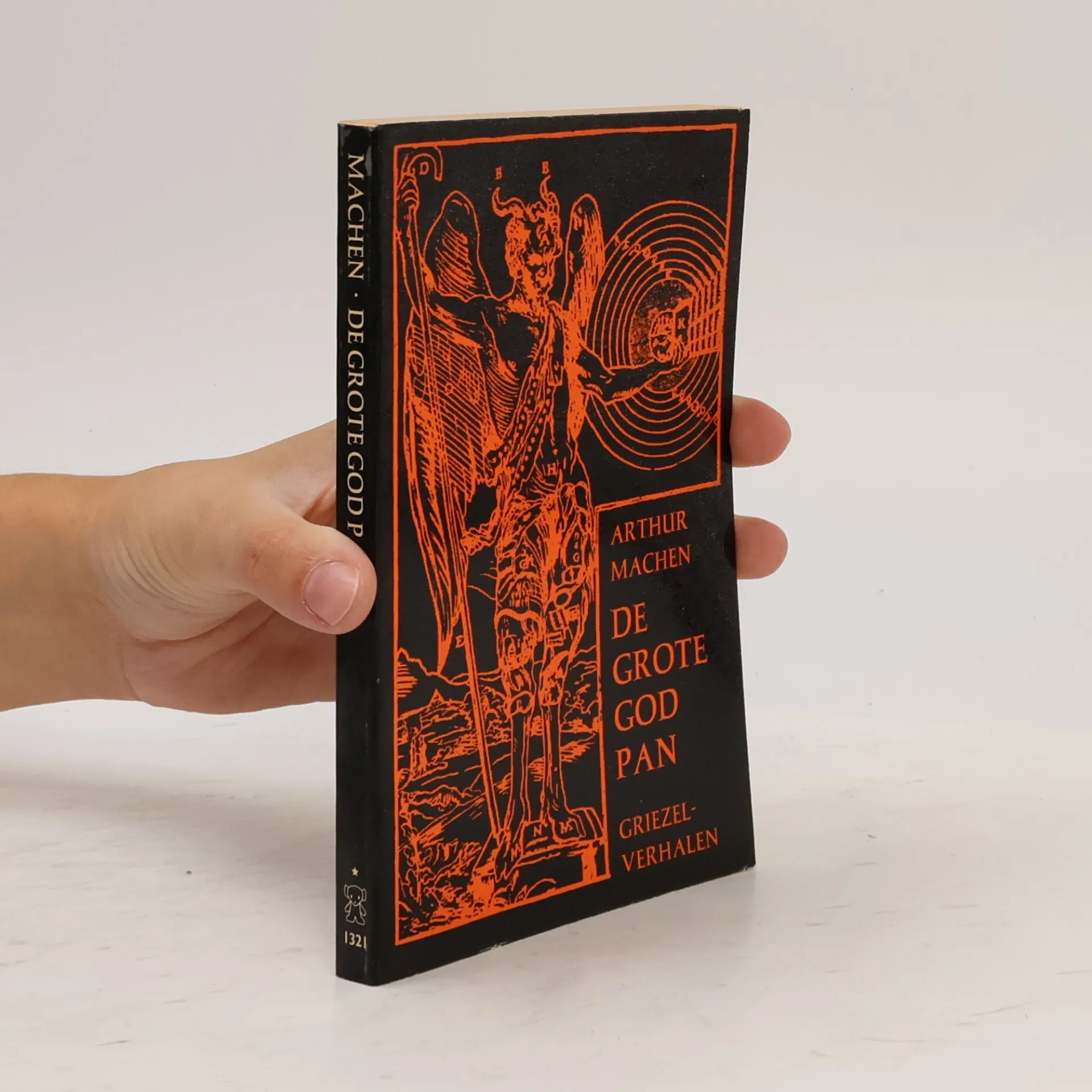
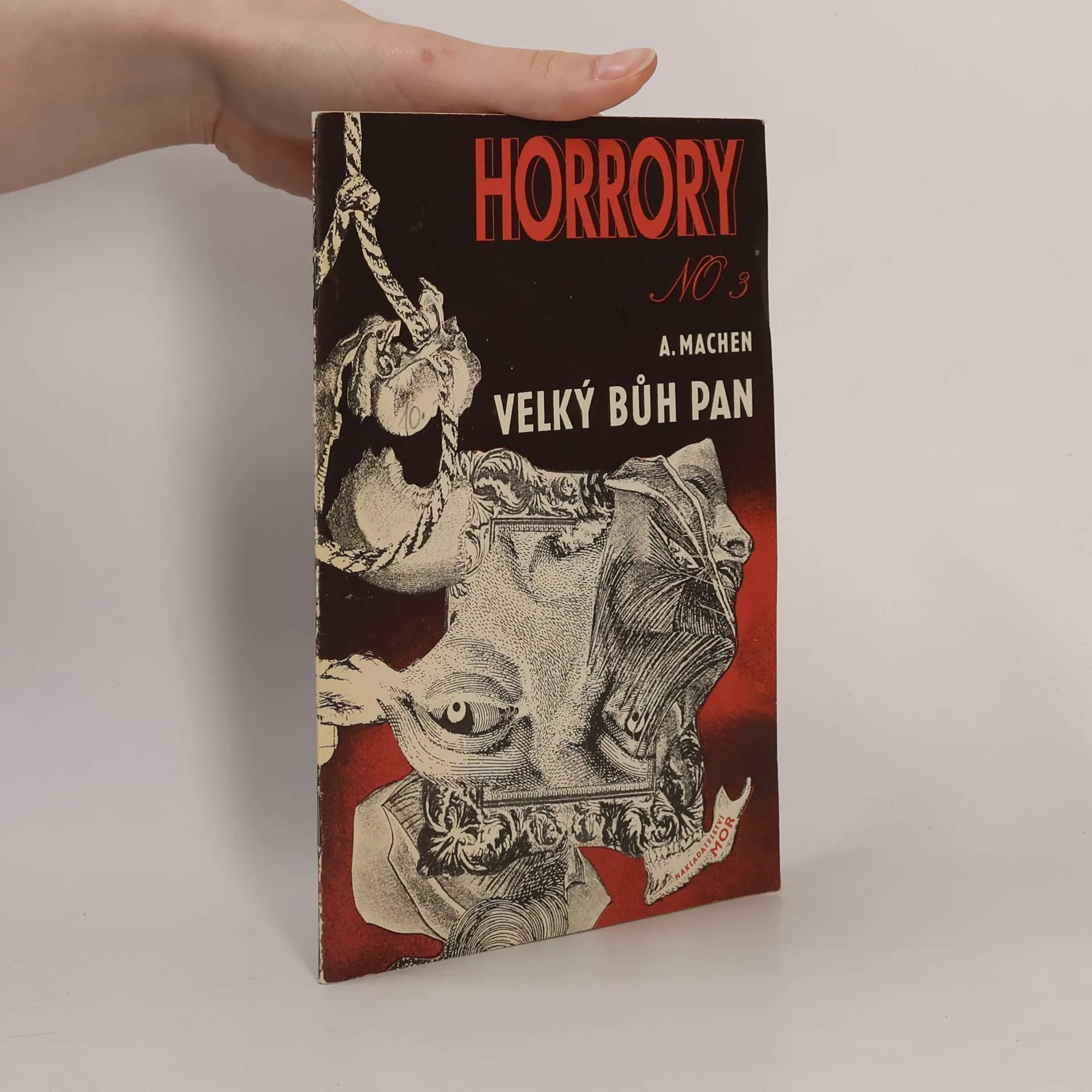
Novela založená na představě, že Pan, mocný bůh lesů, lovců a přírody, nezemřel a ze svého skrytého pohanského světa vysílá anděly zla, kteří opanovávají některé jedince svou magickou mocí. Odráží se tu pojetí Pana jako symbolu absolutna u mystiků, kteří vycházeli z chybného odvození jména Pan od řeckého pan (vše), místo od paein (pást). V podtextu tohoto příběhu o tragédii zavrženého rozumu a nespoutané vitality jako by ožívaly děsivé výjevy z anglickéhé gotického románu či z obrazů Bosche, Grünewalda, Füssliho, Dalího... Chirurgický zásah do mozku dá jedné z hrdinek schopnost uvidět boha Pana, čili dohlédnout na dno vlastní duše, do nevědomí, kam nepronikne světlo rozumu a kde přetrvává animální síla.