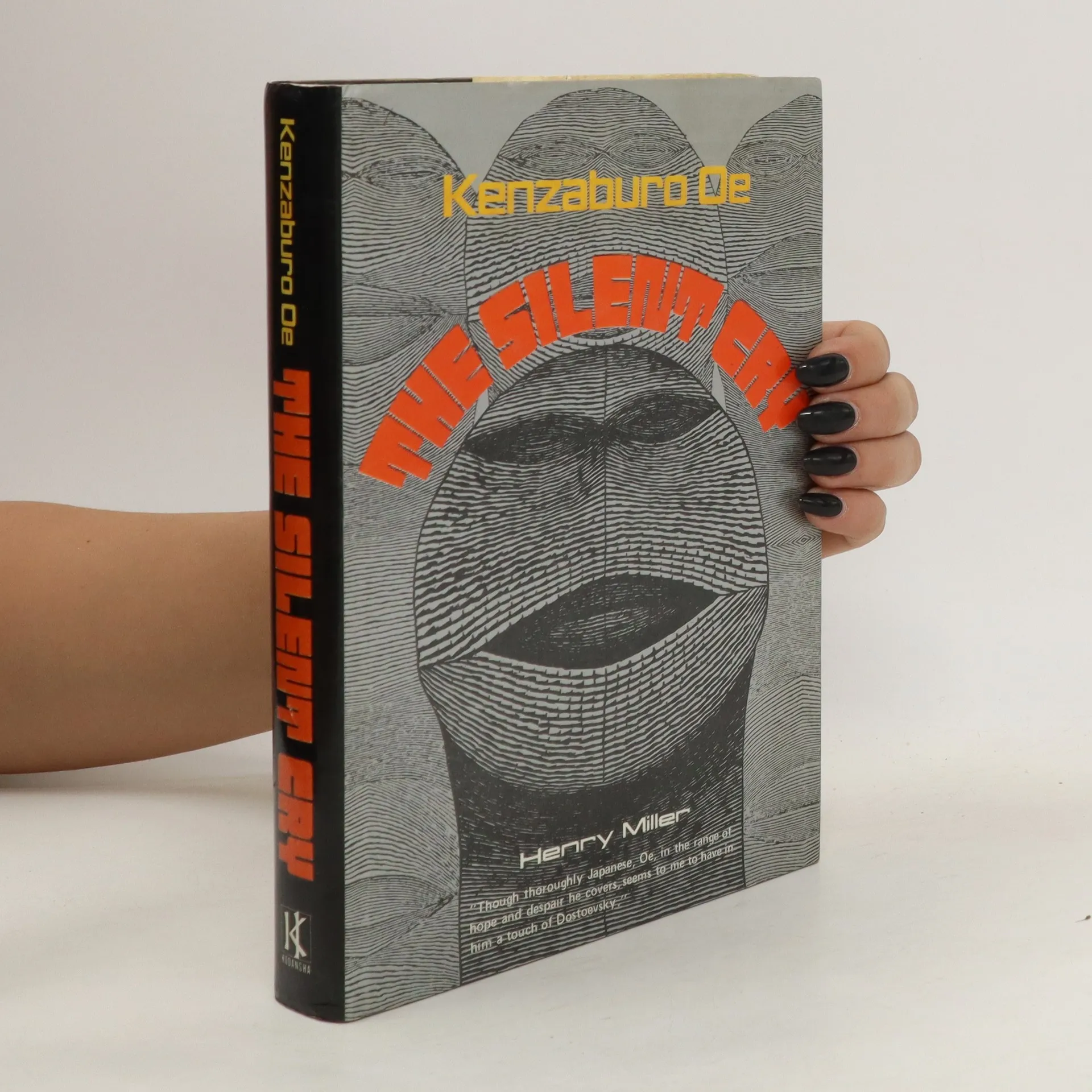
Kenzaburō Ōe is a major figure in contemporary Japanese literature, with works deeply influenced by French and American literary traditions and theory. His writing grapples with political, social, and philosophical concerns, notably nuclear weapons, social non-conformism, and existentialism. Ōe crafted "an imagined world, where life and myth condense to form a disconcerting picture of the human predicament today." His prose is marked by profound explorations of the human condition.
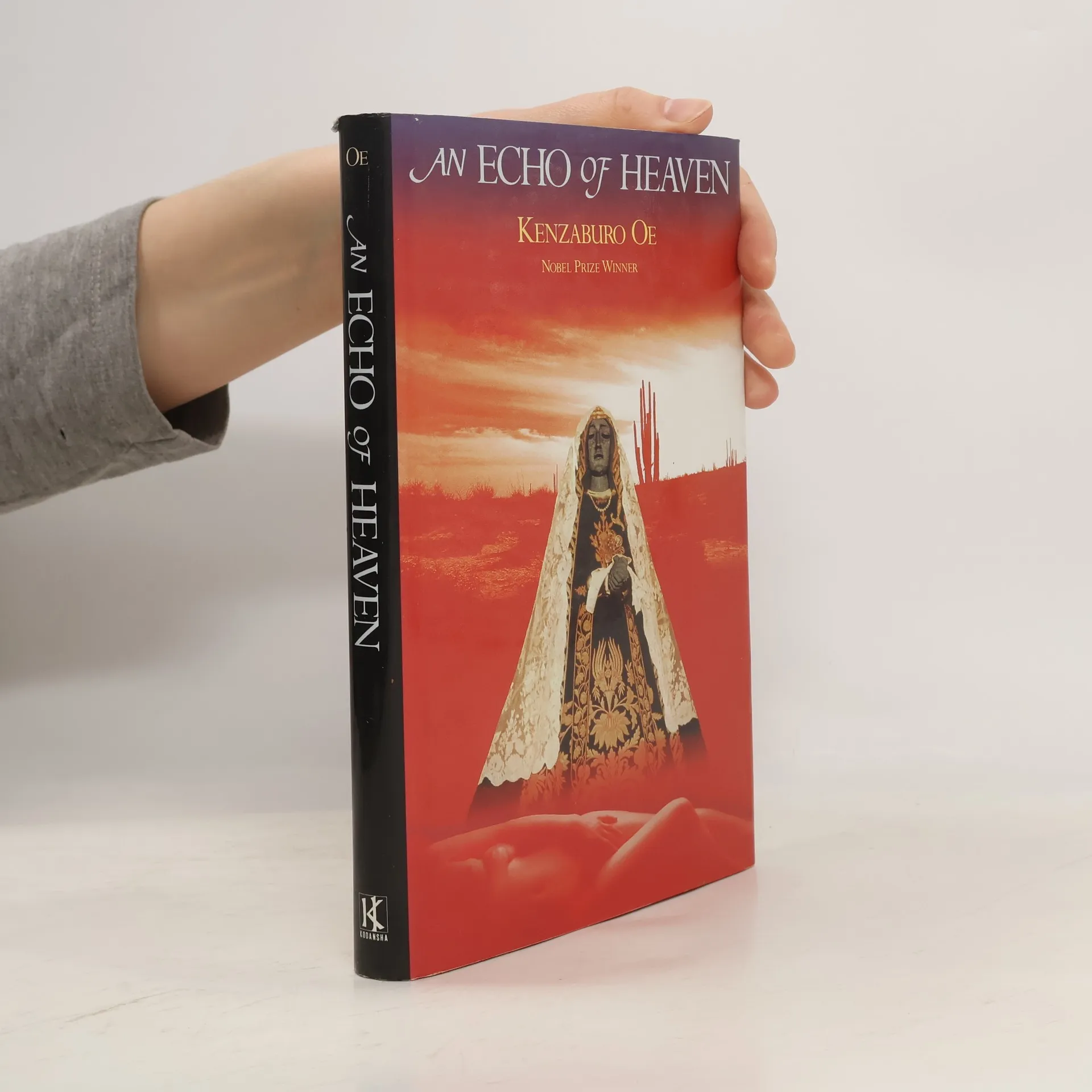
From Nobel Prize winner Oe comes the story of Marie Kuraki, a Japanese woman with a smile like Betty Boop's, who has become a saint to a group of Mexican farm workers. Although Marie is an unbeliever in search of spiritual peace, she embarks on a journey prompted by a series of personal tragedies, including the deaths of her husband and sons.
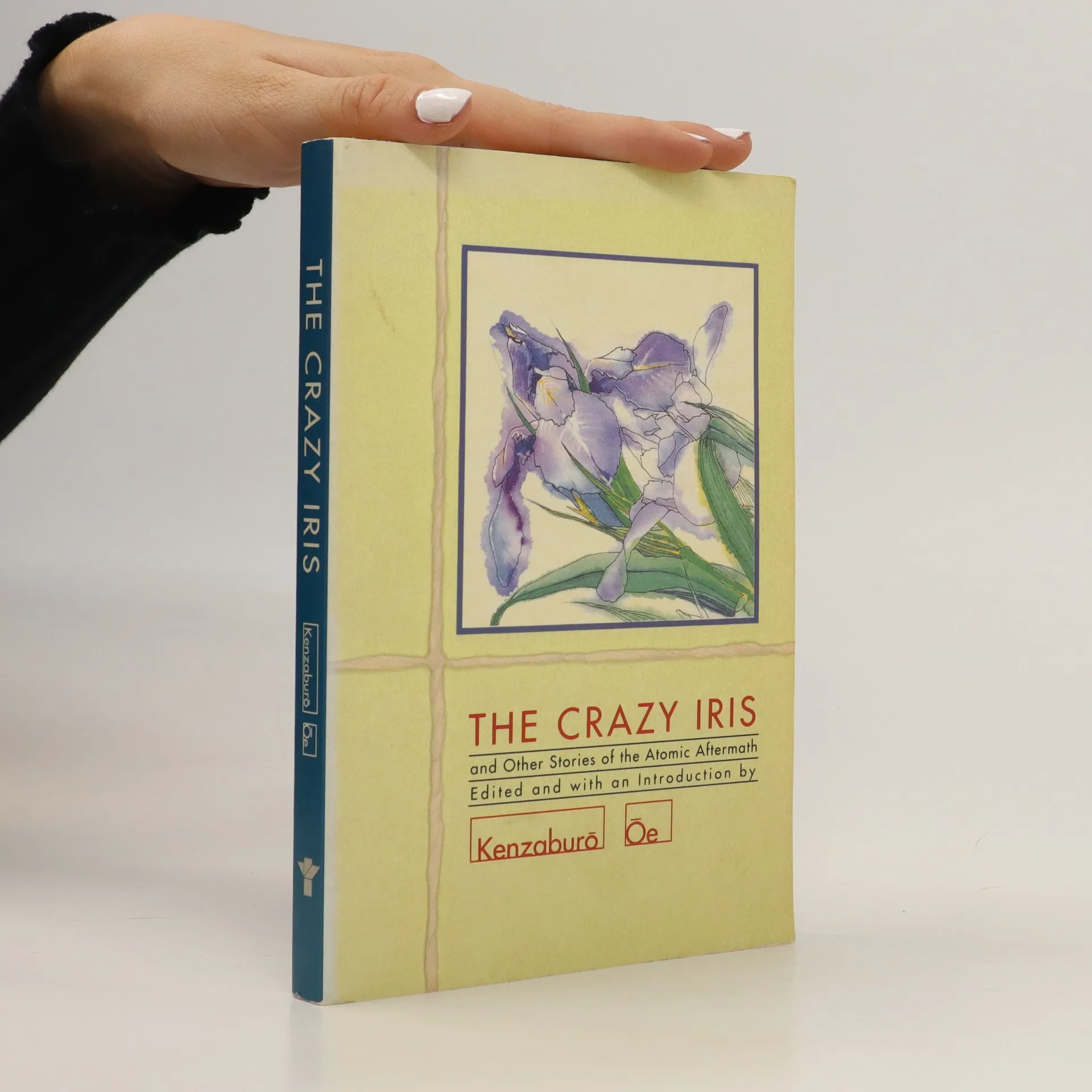
Edited by one of Japan's leading and internationally acclaimed writers, this collection of short stories was compiled to mark the fortieth anniversary of the August 1945 atomic bombings of Hiroshima and Nagasaki. Here some of Japan's best and most representative writers chronicle and re-create the impact of this tragedy on the daily lives of peasants, city professionals, artists, children, and families. From the "crazy" iris that grows out of season to the artist who no longer paints in color, the simple details described in these superbly crafted stories testify to the enormity of change in Japanese life, as well as in the future of our civilization. Included are "The Crazy Iris" by Masuji Ibuse, "Summer Flower" by Tamiki Hara, "The Land of Heart's Desire" by Tamiki Hara, "Human Ashes" by Katsuzo Oda, "Fireflies" by Yoka Ota, "The Colorless Paintings" by Ineko Sata, "The Empty Can" by Kyoko Hayashi, "The House of Hands" by Mitsuharu Inoue, and "The Rite" by Hiroko Takenishi.
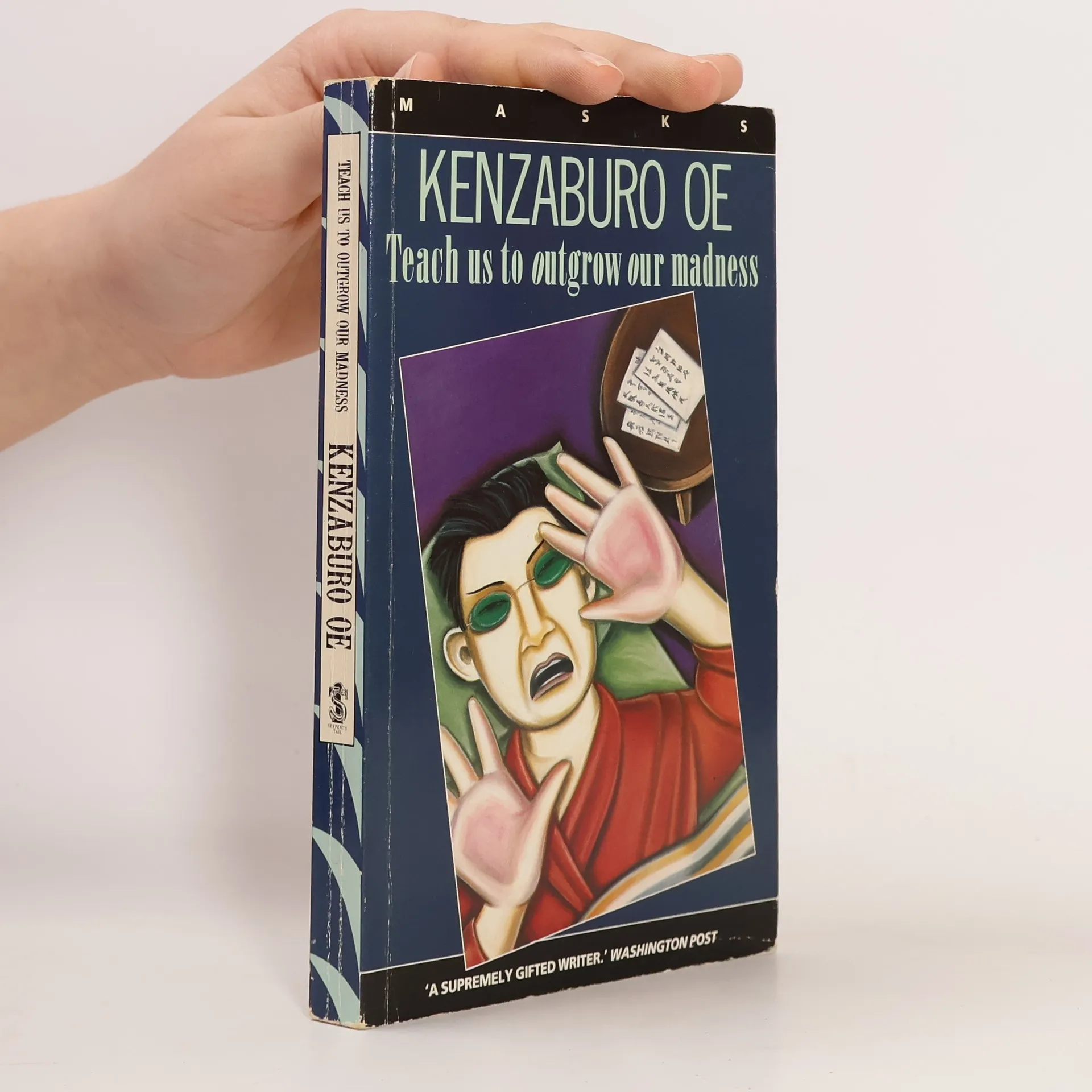
Prize Stock, the first of the novels included in Teach Us to Outgrow Our Madness, depicts the relationship between a Japanese boy and a black American airman captured during the second world war. Teach Us to Outgrow Our Madness, the title story, is a semi-autobiographical account of a father coming to terms with his brain-damaged son. Aghwee The Sky Monster is about a young man's first job - chaperoning a banker's son. In The Day He Himself Shall Wipe My Tears Away, the narrator lies on his hospital bed eagerly waiting to die of cancer.
"Two brothers, Takashi and Mitsu, return from Tokyo to the village of their childhood. Selling their family home leads them to an inescapable confrontation with their family history. Their attempt to escape the influence of the city ends in failure as they realize that its tentacles extend to everything in the countryside, including their own relationship."--Amazon.com
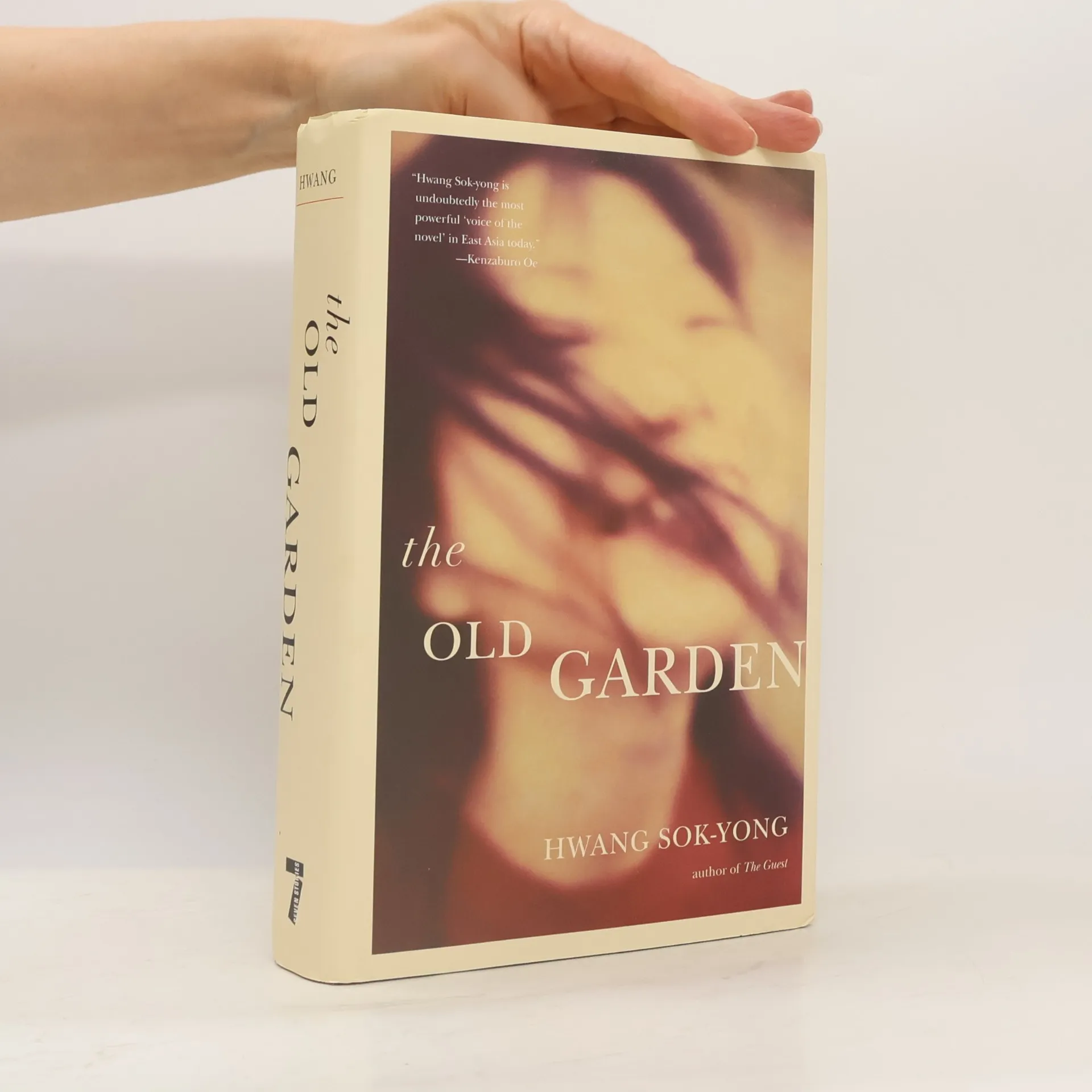
Political prisoner Hyun Woo is freed after eighteen years to find no trace of the world he knew. The friends with whom he shared utopianist dreams are gone. His Seoul is unrecognizably transformed and aggressively modernized. Yoon Hee, the woman he loved, died three years ago. A broken man, he drifts toward a small house in Kalmoe, where he and Yoon Hee once stole a few fleeting months of happiness while fleeing the authorities. In the company of her diaries, he relives and reviews his life, trying to find meaning in the revolutionary struggle that consumed their youth—a youth of great energy and optimism, victim to implacable history. Hyun Woo weighs the worth of his own life, spent in prison, and that of the strong-willed artist Yoon Hee, whose involvement in rebel groups took her to Berlin and the fall of the wall. With great poignancy, Hwang Sok-yong grapples with the immortal questions—the endurance of love, the price of a commitment to causes—while depicting a generation that sacrificed youth, liberty, and often life, for the dream of a better tomorrow.
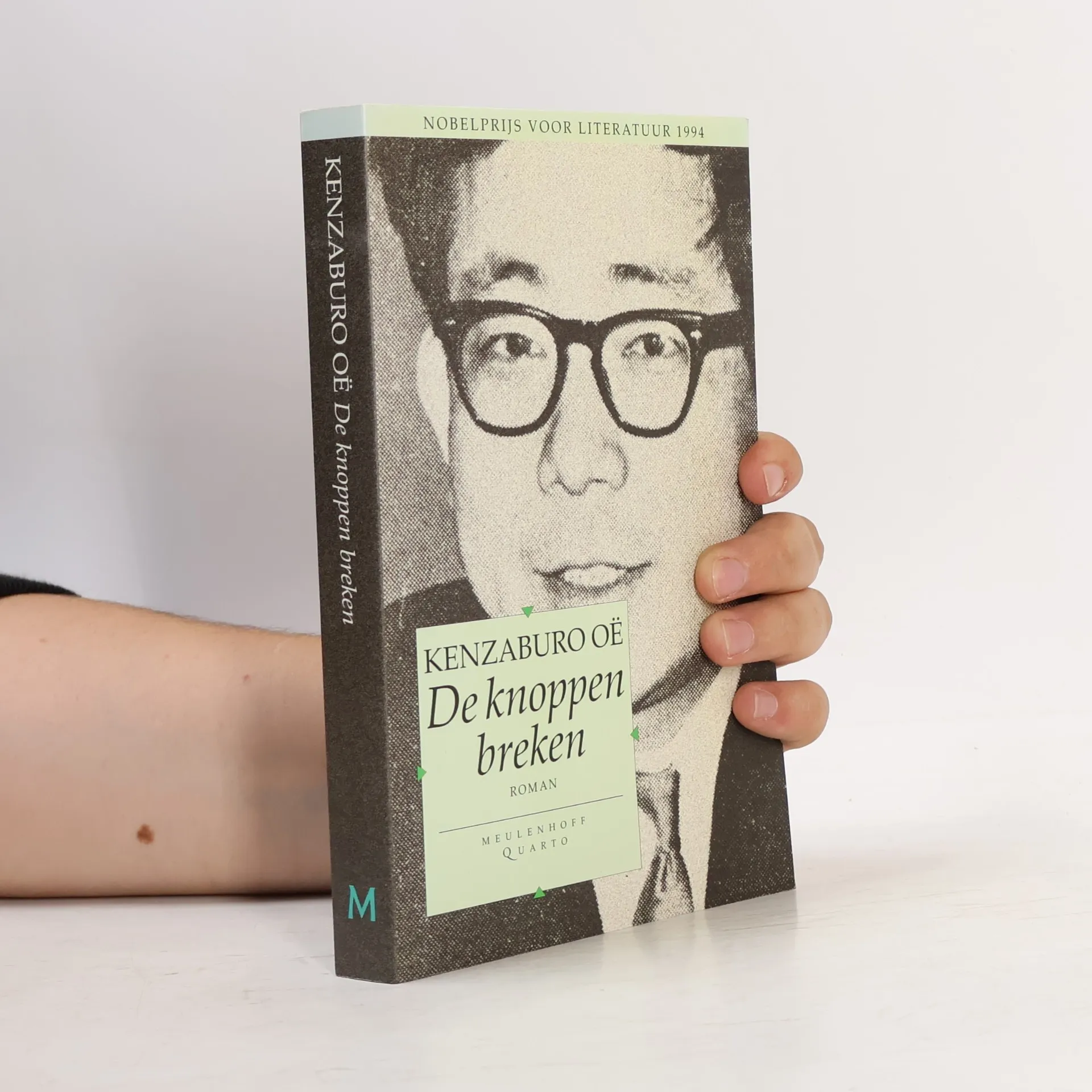
Kenzaburō Ōe, the winner of the 1994 Nobel Prize for Literature, is internationally acclaimed as one of the most important and influential post-World War II writers, known for his powerful accounts of the atomic bombing of Hiroshima and his own struggle to come to terms with a mentally handicapped son. The Swedish Academy lauded Ōe for his "poetic force [that] creates an imagined world where life and myth condense to form a disconcerting picture of the human predicament today." His most personal book, A Personal Matter, is the story of Bird, a frustrated intellectual in a failing marriage whose utopian dream is shattered when his wife gives birth to a brain-damaged child.
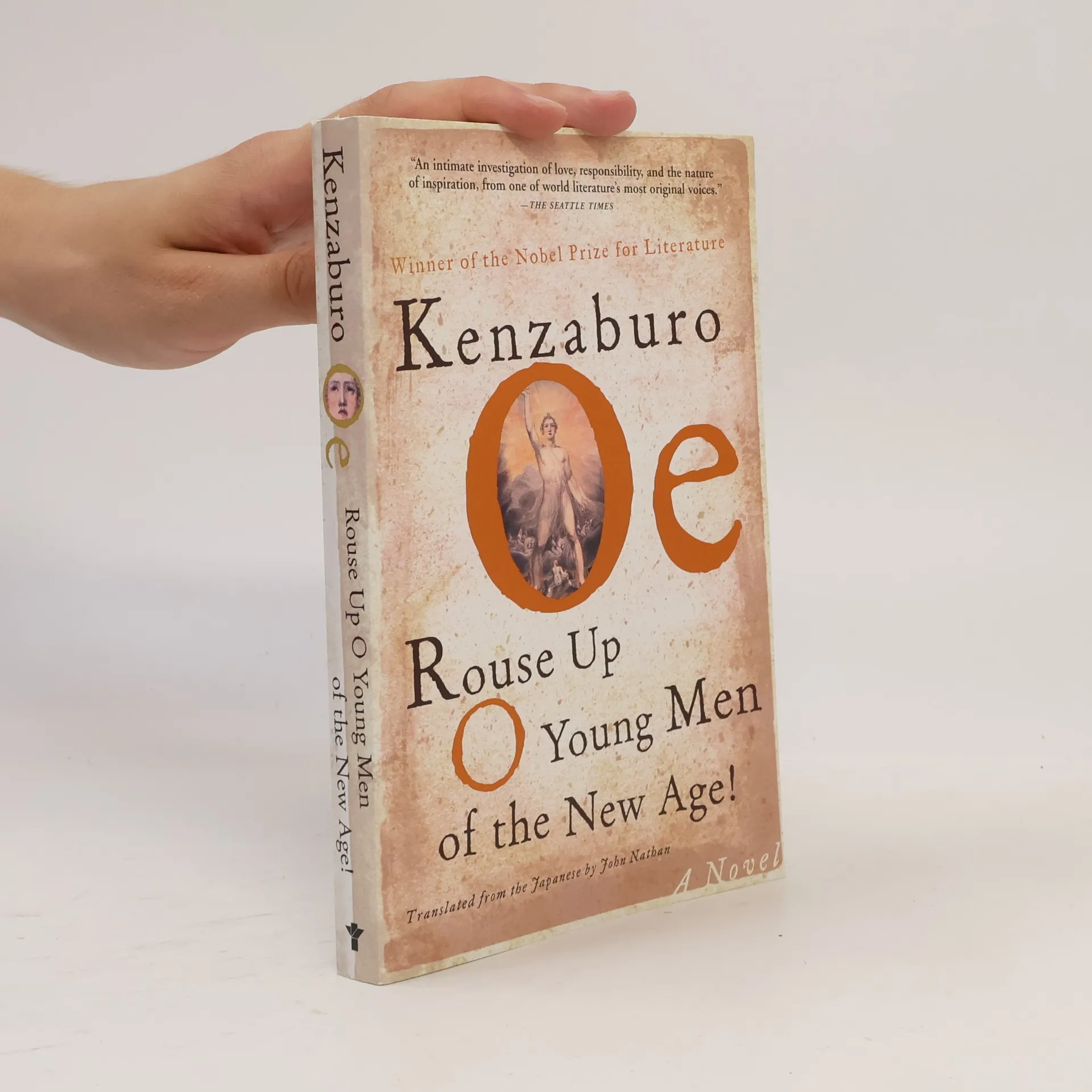
Kenzaburo Oe is one of the world's finest writers, and in Rouse Up O Young Men of the New Age! he delivers a virtuoso novel of extraordinary power, touching on his familiar themes of family, responsibility, the nature of literary inspiration, and the unique nature of parenting a disabled child.
Late in his life, writer Kogito Choko reconnects with his estranged friend, the filmmaker Goro Hanawa. Goro's subsequent suicide causes Kogito to examine and reexamine Goro's life for clues that will lead him to understand his friend's path.
A Quiet Life is an uncanny blend of the real with the imagined, of memoir with fiction. A Quiet Life is narrated by Ma-chan, a twenty-year-old woman. Her father is a famous and fascinating novelist; her older brother, though severely brain damaged, possesses an almost magical gift for musical composition; and her mother's life is devoted to the care of them both. Ma-chan and her younger brother find themselves emotionally on the outside of this oddly constructed nuclear family. But when her father accepts a visiting professorship from an American university, Ma-chan finds herself suddenly the head of the household and at the center of family relationships that she must begin to redefine.
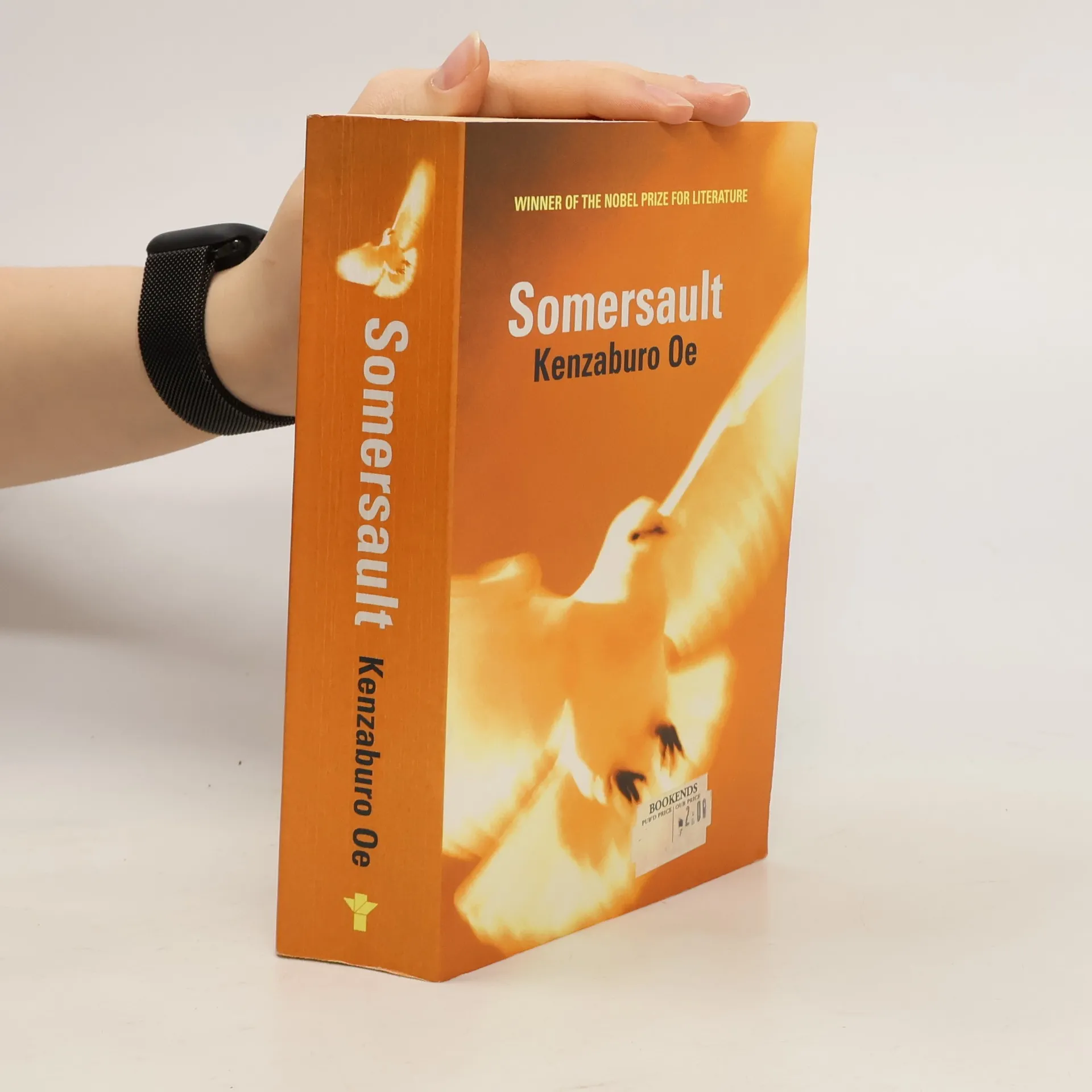
Writing a novel after having won a Nobel Prize for Literature must be even more daunting than trying to follow a brilliant, bestselling debut. In Somersault (the title refers to an abrupt, public renunciation of the past), Kenzaburo Oe has himself leapt in a new direction, rolling away from the slim, semi-autobiographical novel that garnered the 1994 Nobel Prize (A Personal Matter) and toward this lengthy, involved account of a Japanese religious movement. Although it opens with the perky and almost picaresque accidental deflowering of a young ballerina with an architectural model, Somersault is no laugh riot. Oe's slow, deliberate pace sets the tone for an unusual exploration of faith, spiritual searching, group dynamics, and exploitation. His lavish, sometimes indiscriminate use of detail can be maddening, but it also lends itself to his sobering subject matter, as well as to some of the most beautiful, realistic sex scenes a reader is likely to encounter. --Regina Marler
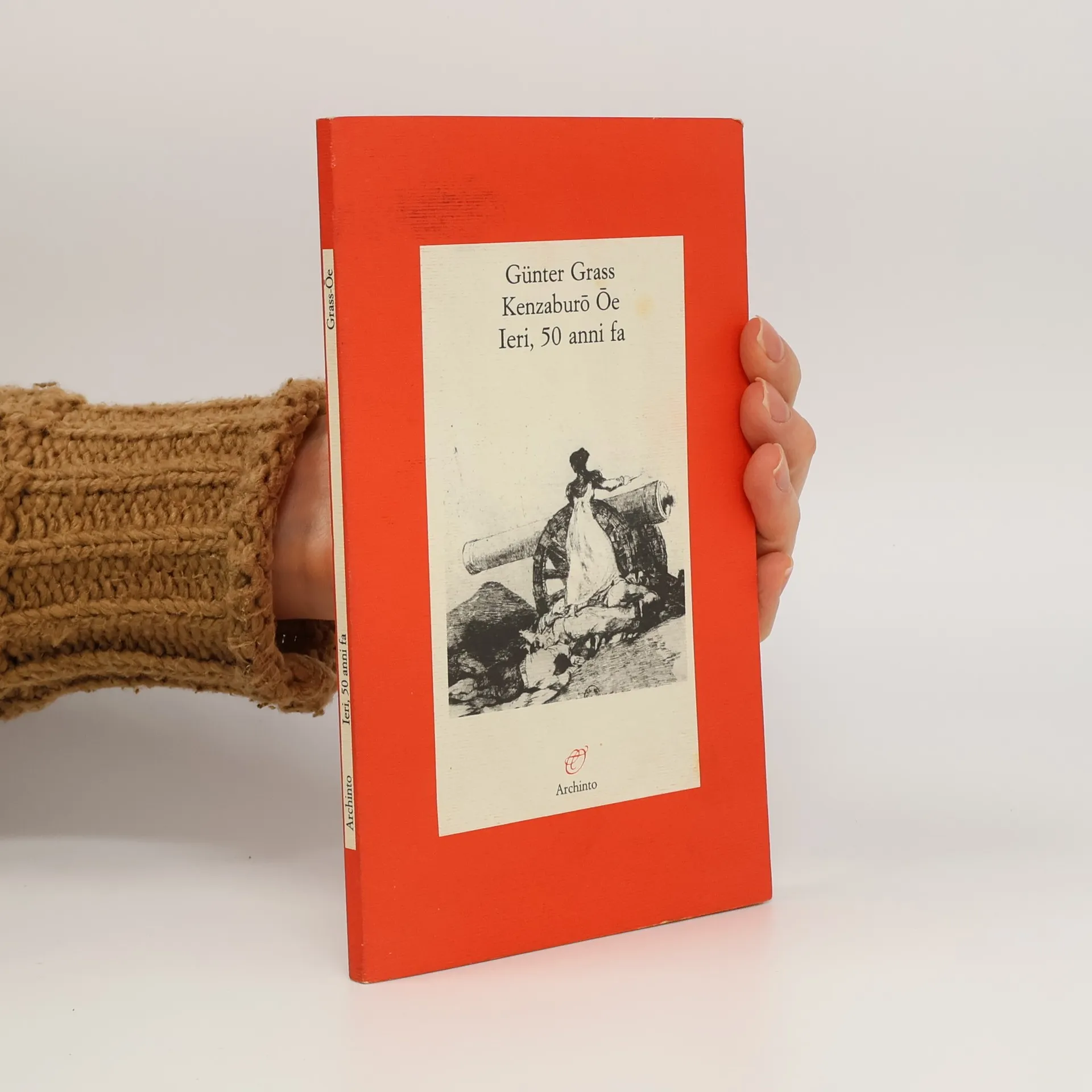
In occasione del cinquantesimo anniversario della fine della guerra, due Nobel parlano di esperienze personali e speranze politiche, in un dialogo senza riserve.(Prefazione di Wolfram Schütte. Traduzione di Maria Luisa Cantarelli e Mariko Muramatsu)
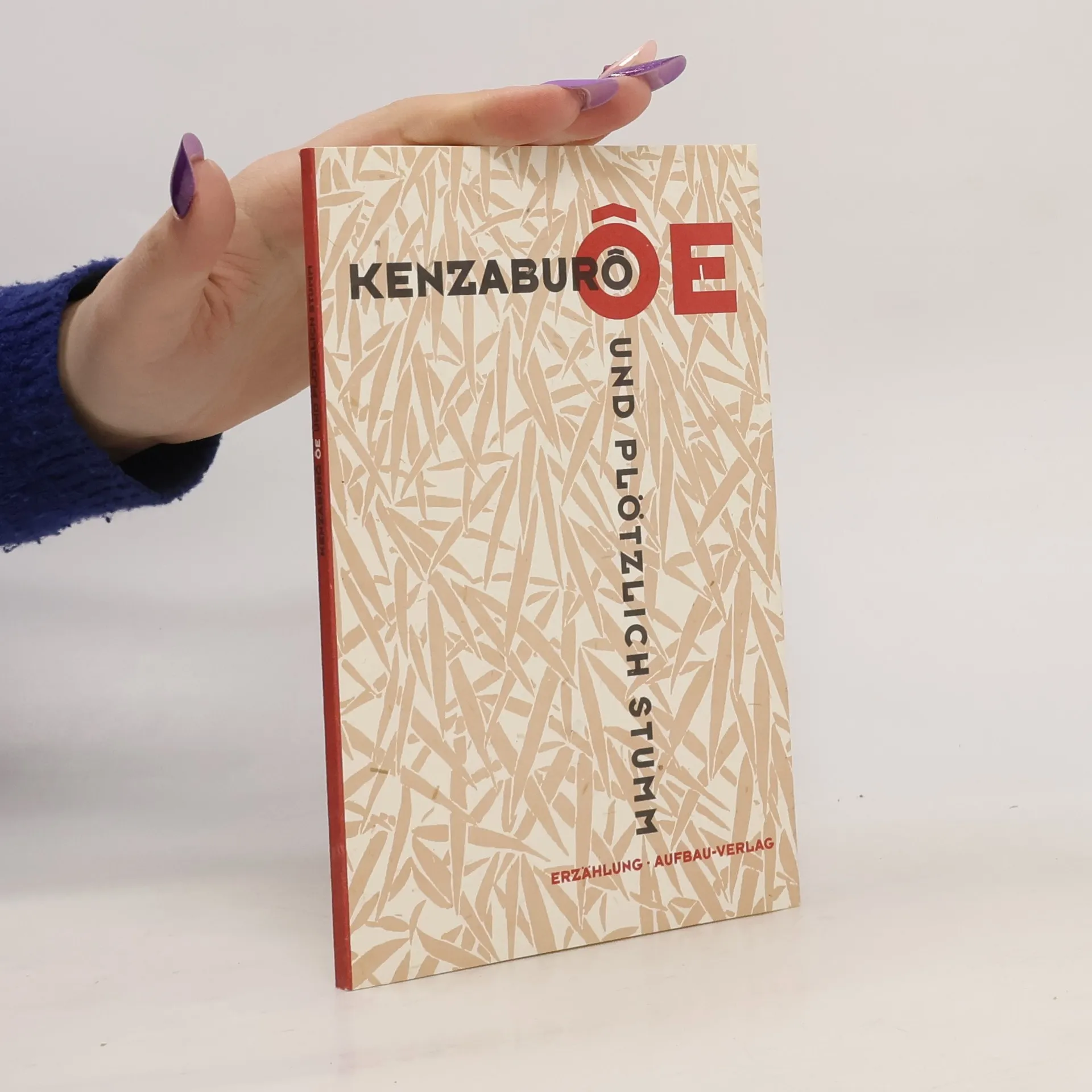
In seinen Romanen, Erzählungen, Essays geht es immer um Ekel, Grausamkeit und vor allem und immer wieder um die moralische Labilität der Mitglieder der Nachkriegsgesellschaft. In der vorliegenden Erzählung fällt einem Romanistikstudenten und seiner Kollegin von der Anglistik eine besonders makabre Arbeit zu. In der Prosektur einer Universitätsklinik müssen sie Leichen aus einem Alkohol-Bassin in ein anderes umladen. Nicht nur der Job ist widerwärtig, sondern auch der Auftraggeber, ein Medizinprofessor. Nach Beendigung der Arbeit erfahren die Werkstudenten, daß ihre Mühe vergeblich war. Die Leichen sollten gar nicht mehr zur Forschung oder Ausbildung verwendet, sondern im Krematorium verbrannt werden. Es bleibt ungewiß, ob ihnen ihr Arbeitslohn überhaupt ausbezahlt wird.
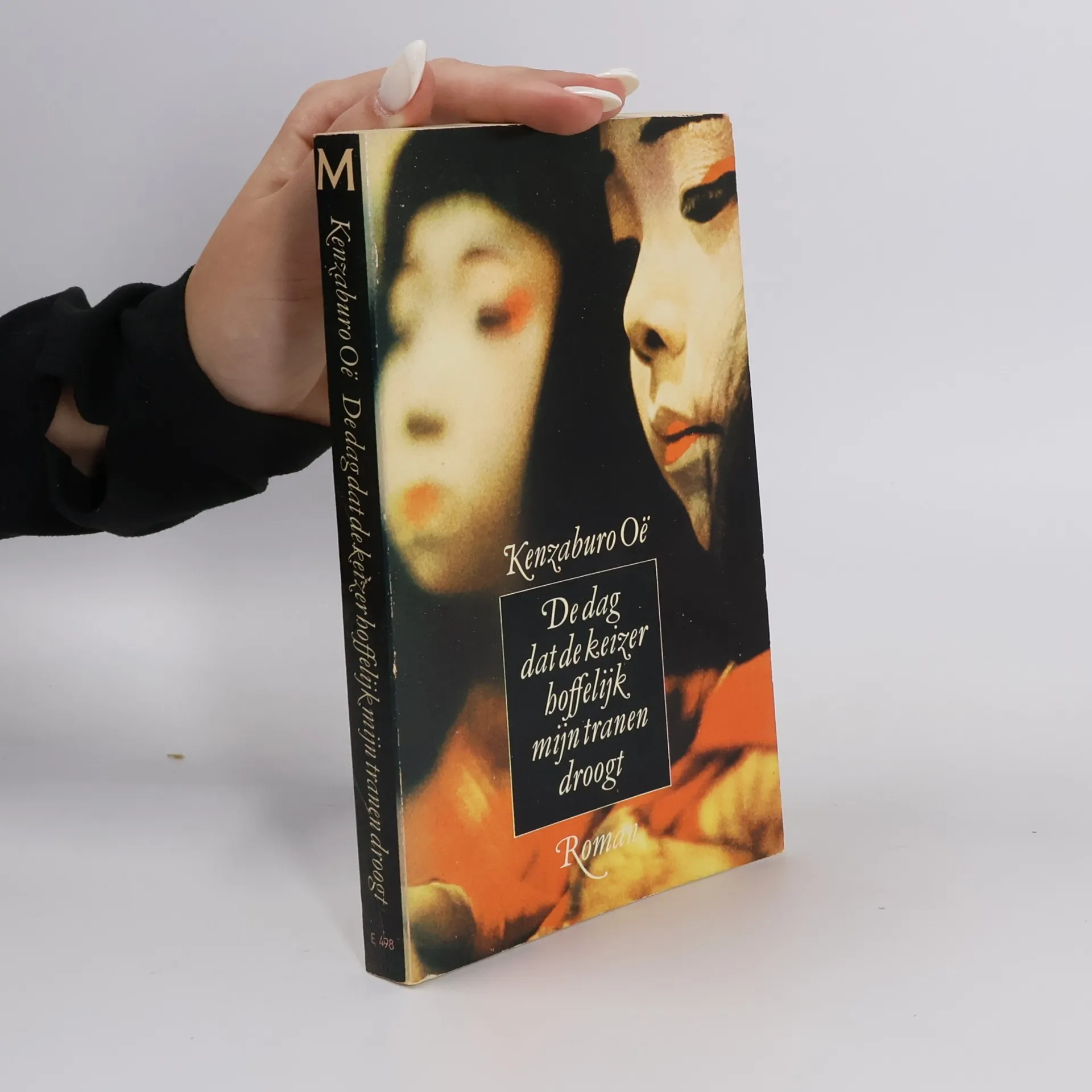
Tijdens zijn verblijf in een ziekenhuis rekent een jonge man af met het traditionele Japan en de keizerverering, waarbij zijn ouders een belangrijke rol spelen.
Auf Shikoku, der Insel von Oes Herkunft, versucht Bruder Gii, seinen Ahnungen folgend, eine neue Kirche zu errichten. Mit kritischer Distanz und als skeptischer Humanist verfolgt Kenzaburo Oe diesen für unsere Zeit exemplarischen Versuch und sein Scheitern, der die Ungelöstheit der modernen „Bedürfnisse der Seele“ unterstreicht.
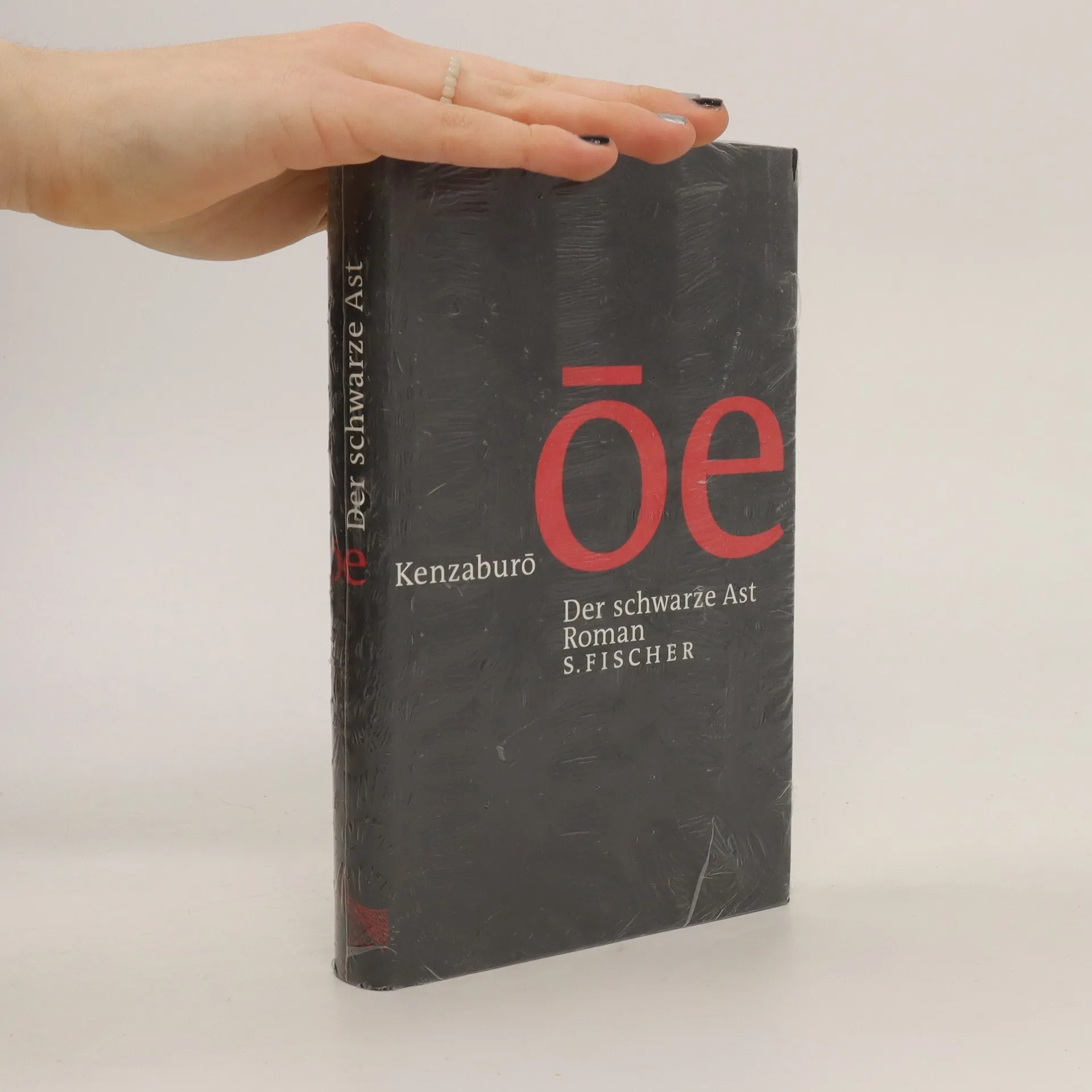
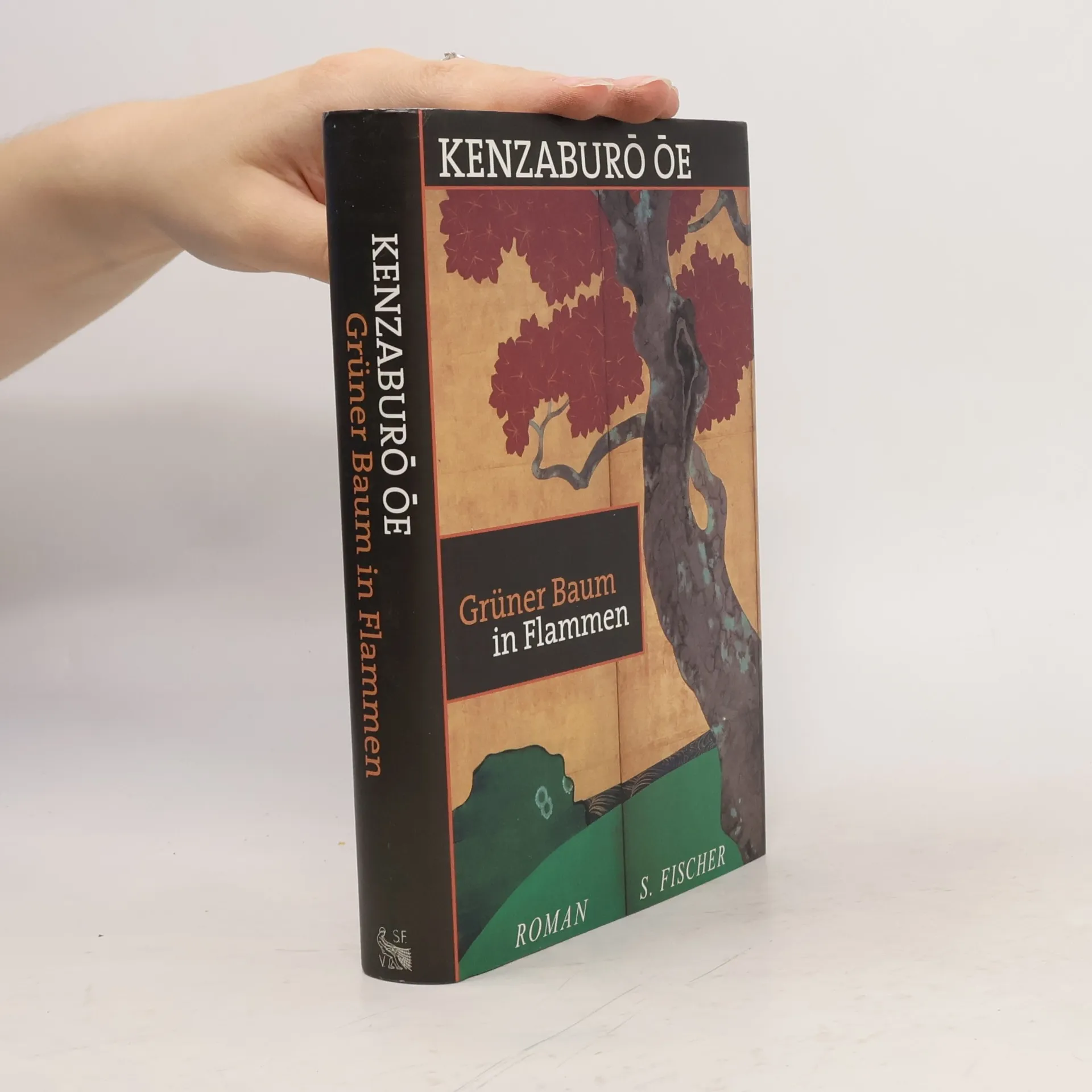
In 'Der schwarze Ast', dem zweiten Band seiner Romantrilogie 'Grüner Baum in Flammnen', führt uns Kenzaburo Oe in sein Heimatdorf auf der japanischen Insel Shikoku, dem Mittelpunkt seiner epischen Welt. Dort haben sich um Bruder Gii Menschen versammelt, die unter dem mystischen Bild eines Grünen Baums in Flammen ihre Sehnsucht fassen und dafür ein Dach, eine „neue Kirche“ suchen. Giis Vater beobachtet das entstehende Amalgam von westlicher Mystik und archaischem Glauben und wird allmählich Teil des Prozesses, der sich um Bruder Gii verselbständigt. Die echte und die gespielte Inbrunst der Anhänger, das Echo in den Medien, die für die einstige Sensation nur noch Kritik und Häme haben, führt zu Spannungen, die die Gemeinschaft immer mehr bestimmen. „Bei Kenzaburo Oe fließen Kulturen ineinander und meißeln das Archaische, das Regionale, das Individuelle aus dem großen Stein der Welt.“ (Saarbrücker Zeitung)
KENZABURÔ ÔEs erschütternder wie berührender Bericht über das Leben mit seinem behinderten Sohn. Kenzaburô Ôe ist 28 Jahre, als sein erstes Kind, Sohn Hikari, mit einer geistigen Behinderung zur Welt kommt. Ôe steht zu diesem Zeitpunkt am Anfang seiner schriftstellerischen Karriere. Aber statt zu schreiben, muss er über Leben und Tod entscheiden. Ôe und seine Frau Yukari entschließen sich für die riskante Operation und schenken Hikari damit das Leben. Diese existentielle Bedrohung hat den Schriftsteller und Menschen Kenzaburô Ôe zutiefst geprägt. Hikari ist heute ein angesehener Komponist klassischer Musik und das Glück seiner Eltern.
Kenzaburo Oe ist einer der Grenzgänger der Literatur, der mit jedem Buch eine Frage stellt, die den Leser nicht ruhen lässt. In seinem Roman Grüner Baum in Flammen zieht er die Quintessenz seines Lebenswerkes. In einer groß angelegten erzählerischen Erkundung beschreibt Oe die gefährliche Suche nach einer neuen Religion, die Befreiung sein kann wie Bürde. Schauplatz ist das Dorf in den Wäldern von Shikoku, um das Oes Erzählungen sich immer wieder ranken. Im wichtigsten Hof des Dorfes liegt eine beinahe hundertjährige Frau im Sterben. Mit ihrem Tod würden die Mythen und Geschichten des Dorfes vergessen. Im letzten Augenblick jedoch findet sie in dem jungen Gij einen Nachfolger, der von der Dorfgemeinschaft zunächst gegen seinen Willen als Retter, Heiler und Heilsbringer gefeiert, dann aber verstoßen wird.
Nip the Buds, Shoot the Kids recounts the exploits of 15 teenage reformatory boys evacuated in wartime to a remote mountain village where they are feared and detested by the local peasants. When plague breaks out, the villagers flee, blocking the boys inside the deserted town. Their brief attempt to build autonomous lives of self-respect, love, and tribal valor is doomed in the face of death and the adult nightmare of war.
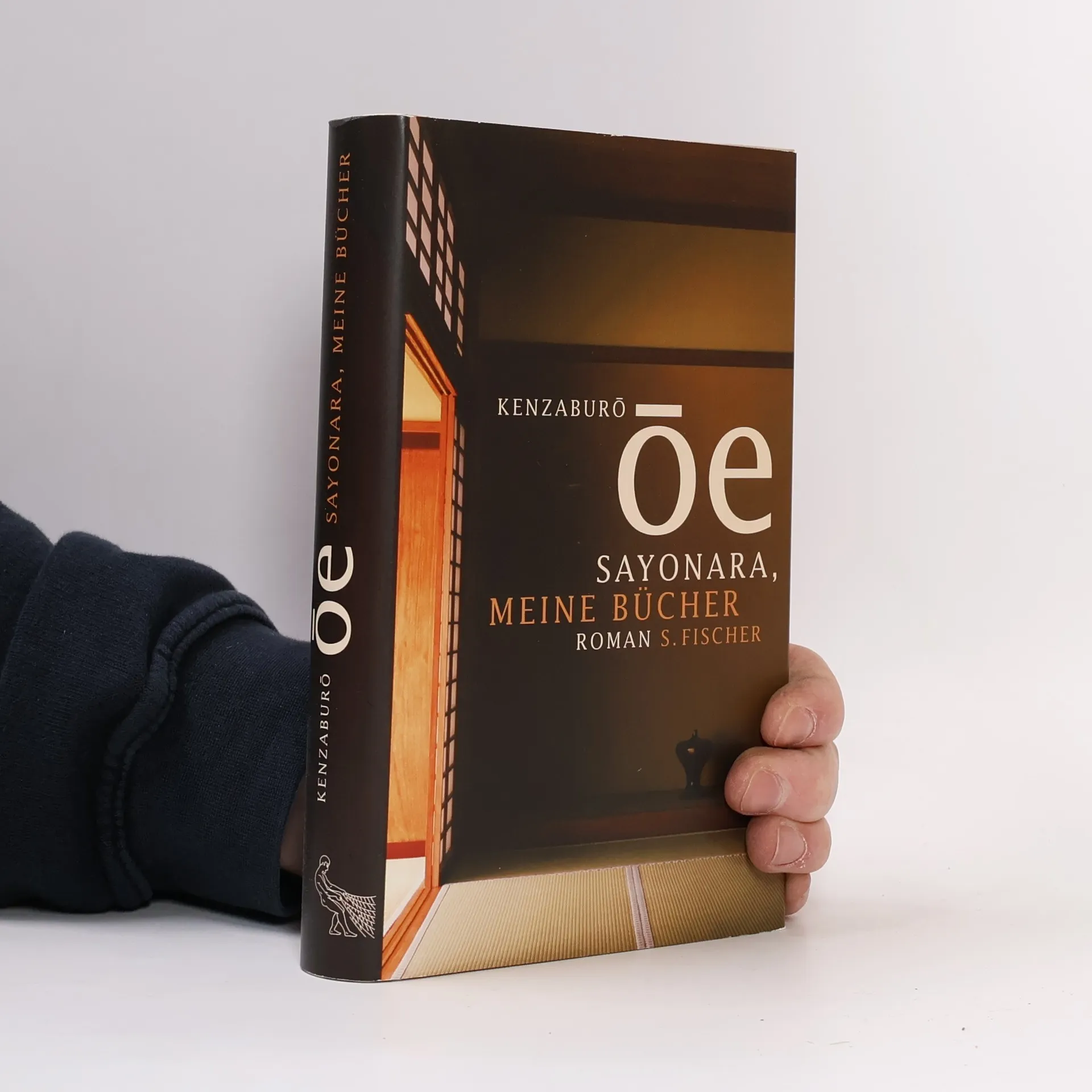
Kogito ist verletzt - ein Gewaltakt hat ihn aus der Bahn geworfen. In schlaflosen Nächten und den Gesprächen mit seinem Freund Shigeru lässt er sein Leben Revue passieren. Fragen nach seiner schriftstellerischen Identität kommen auf, Erinnerungen an seine Kindheit, an das Haus in den Bergen und an die Großmutter, die ihm die Geschichten der Gegend erzählte. Kogito steht am Ende seines Lebens, wäre es nicht an der Zeit, mit dem Schreiben aufzuhören, sich von den eigenen wie von den fremden Büchern zu verabschieden? ›Sayonara, meine Bücher‹ beleuchtet auf bewegende Weise den Werdegang eines der bedeutendsten Schriftsteller unserer Zeit und ist zugleich eine anregende und überraschende Hommage an die Welt der Bücher.
Winner of the 1994 Nobel Prize for Literature, Kenzaburō Ōe is a significant international voice. In this narrative, Ōe explores how our real and imagined pasts shape our lives, taking readers from the forests of southern Japan to the streets of Berlin. The story centers on Kogito Choko, a writer in his sixties who reconnects with his estranged brother-in-law, filmmaker Goro Hanawa. Their correspondence includes a trunk of tapes Goro recorded, reflecting on their youth and estrangement. One evening, Kogito hears Goro say, "I'm going to head over to the Other Side now," followed by a thud, before Goro reassures him that he will continue to communicate. Later, Kogito learns that Goro has jumped to his death from his production company's rooftop, an event that profoundly impacts Kogito and propels him on a quest to understand his late brother-in-law. This journey takes him from Japan to Berlin and back to the rural island of his youth, where he and Goro were involved in a right-wing paramilitary group during the early Occupation of Japan. Their ill-fated plot against an American military base forever alters their friendship. This richly textured work weaves together themes of brotherhood, loss, and artistic ambition, solidifying Ōe's status as a defining talent of our age.
Wir befinden uns im Jahr 20**. Die Ressourcen der Erde gehen zuende, Atomkriege haben die Atmosphäre verseucht. Eine Gruppe »Auserwählter« wird in einer gewaltigen Raumflotte zur Rettung der Menschheit entsandt. Die »Zurückgebliebenen« fühlen sich im Stich gelassen, sie leben unter chaotischen und ärmlichen Verhältnissen. Nach zehn Jahren kehren die »Auserwählten« zurück und stellen mit Erstaunen fest, dass die »Zurückgebliebenen« nicht nur überlebt, sondern sogar mit dem Wiederaufbau begonnen haben. Schnell übernehmen die »Auserwählten« die Herrschaft, um die »Zurückgebliebenen« zu unterdrücken. In Form einer spannenden Science Fiction thematisiert Kenzaburo Oe die Gefahr ökologischer Zerstörung sowie die Ambivalenz unserer Gesellschaftssysteme. Ein spannender und gesellschftskritischer Science Fiction Roman von Kenzaburo Oe.
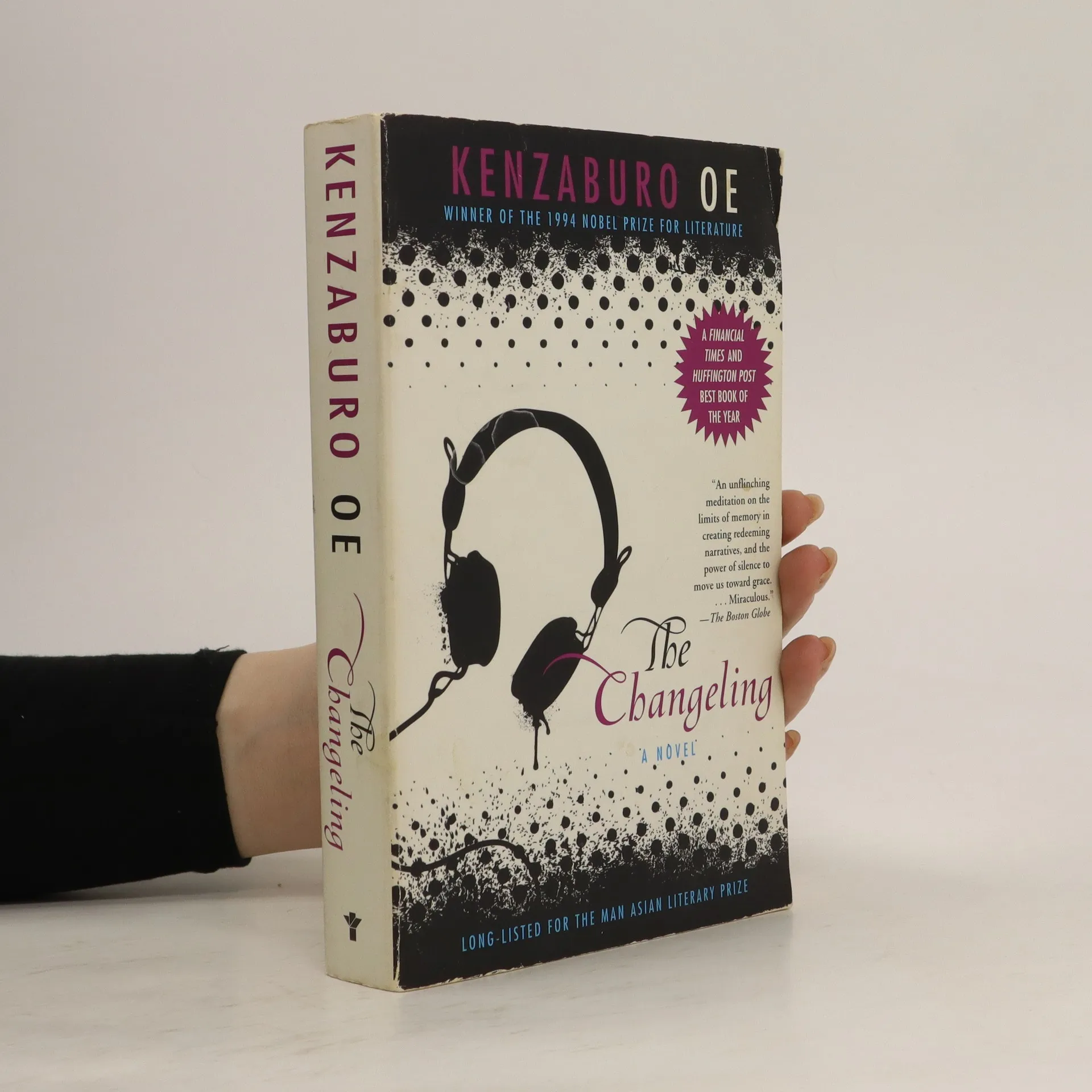
Der neue Roman des japanischen Nobelpreisträgers Ein großes Lebensrätsel treibt Kenzaburô Ôe seit Jahrzehnten um: der mysteriöse Tod seines Vaters, der im Sommer 1945 während eines mächtigen Sturms in ein Boot stieg und im Fluss unter ungeklärten Umständen umkam. In seinem Roman schickt Ôe sein Alter Ego, den Schriftsteller Kogito Choko, in sein japanisches Heimatdorf. In einem geheimnisvollen roten Lederkoffer lagern Dokumente, die ihm dabei helfen sollen, die Geschichte des Vaters zu verstehen und endlich aufzuschreiben. »Der nasse Tod« ist ein meditativer Roman über die Beziehung zum Vater, über sein Vermächtnis, über Sterblichkeit und Erinnerung – und darüber, wie das Geschichtenerzählen heilen kann.
Un adolescent fête ses dix-sept ans dans l'indifférence de sa famille, en pleine décomposition. Complexé, mal dans sa peau, incompris de ses parents, il est terriblement frustré. Obnubilé par ses pulsions sexuelles, il s'est replié sur lui-même et toise ses camarades d'un regard méprisant. Il constitue une proie idéale pour les militants d'extrême droite qui recrutent des jeunes pour donner la claque lors des meetings du partie de l'Action Impériale... Inspirée de faits réels, cette nouvelle du grand maître de la littérature japonaise contemporaine (prix Nobel de littérature 1994) nous plonge dans le mal-être du Japon des années soixante.
Soweit das Werk des Autors in deutscher Sprache nachzulesen ist, findet man bei ihm häufig diese Themenkomplexe wieder: die kleine überschaubare, durch die Zivilisation zutiefst verstörte Dorfwelt seiner Heimatinsel Shikoku; geistig behinderte Menschen (zumal Kinder); Angst vor Identitätsverlust (oder tatsächlich eingetretener Identitätsverlust); unüberbrückbare Gegensätze zwischen traditionell japanischen und amerikanischen Denk- und Verhaltensweisen. Diese Aspekte finden sich auch in diesen Erzählungen. Der Sündenbock handelt von einem japanischen Mediziner, dessen Diplome in Mexiko nicht anerkannt werden und der sich nur im sozialen Abseits durchschlagen kann.
In de zomer van 1957 plannen vier jonge mannen, die allen niet goed passen in de traditionele Japanse samenleving, een zeiltocht van Japan naar Europa.
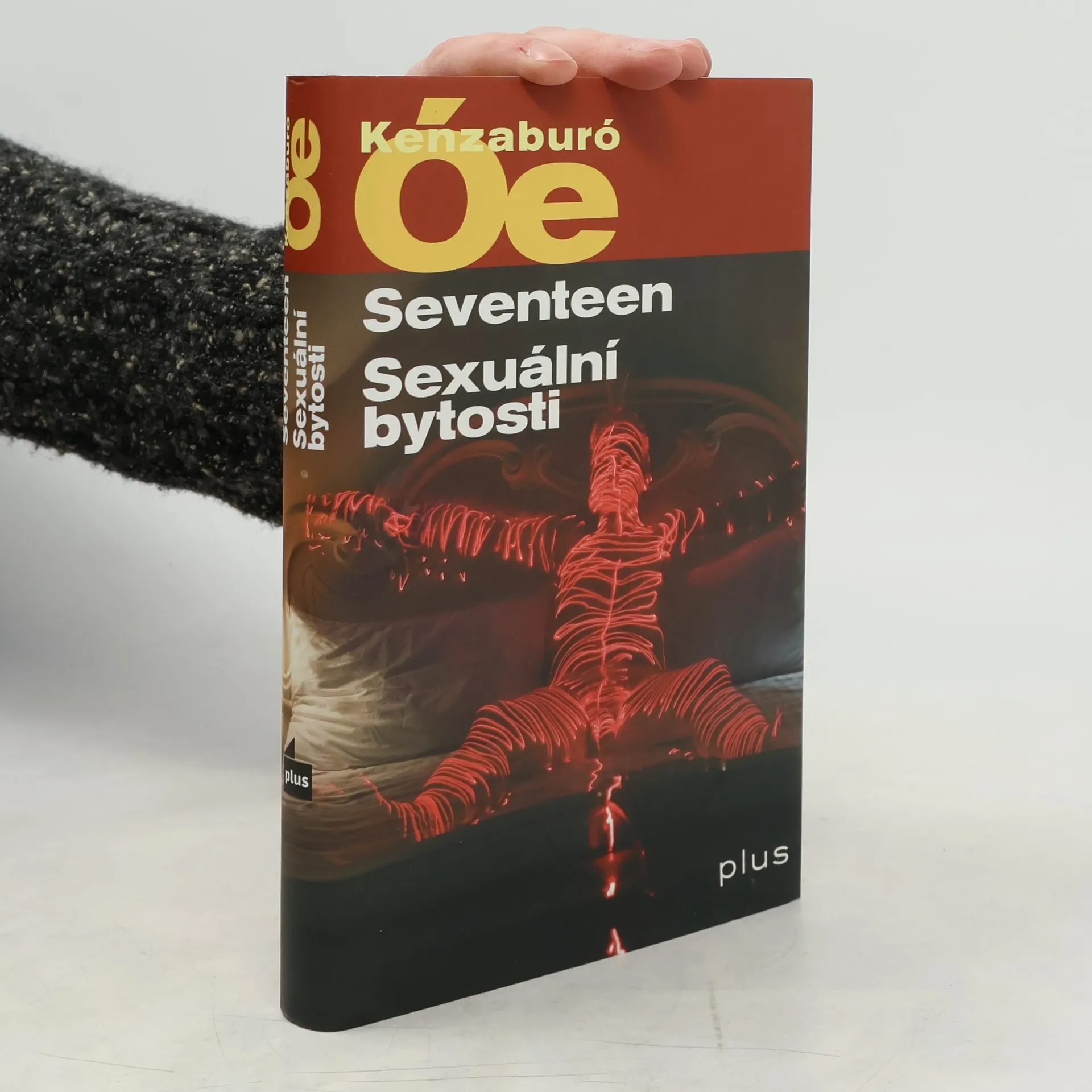
Nový, premiérový český překlad Kenzaburóa Óeho přináší v jednom svazku dvě kratší novely, neméně provokativní než loni vydaná Soukromá záležitost. Seventeen (1961) je příběhem středoškoláka, dospívajícího v Japonsku na přelomu 50. a 60. let, který těžce hledá cestu ze své osamělosti i své místo ve společnosti. Nepochopený sedmnáctiletý mladík, chronický onanista, nachází smysl své existence v extrémním pravicovém hnutí...
Novela Sexuální bytosti (1963) pojednává o partě filmařů, která přijíždí do přímořského letoviska natáčet experimentální film. Každý ze sedmi účastníků výpravy má pro svou účast na natáčení své osobní důvody. Vztahy mezi nimi jsou více než provázané. S jednou z těchto postav se setkáváme i v druhé části románu, jež se odehrává v tokijském metru, kde se v přeplněných vagonech oddává mladík J sebeukájení, přičemž své chování chápe jako formu protestu proti společnosti a riziko potřebné k vymezení vlastní identity.