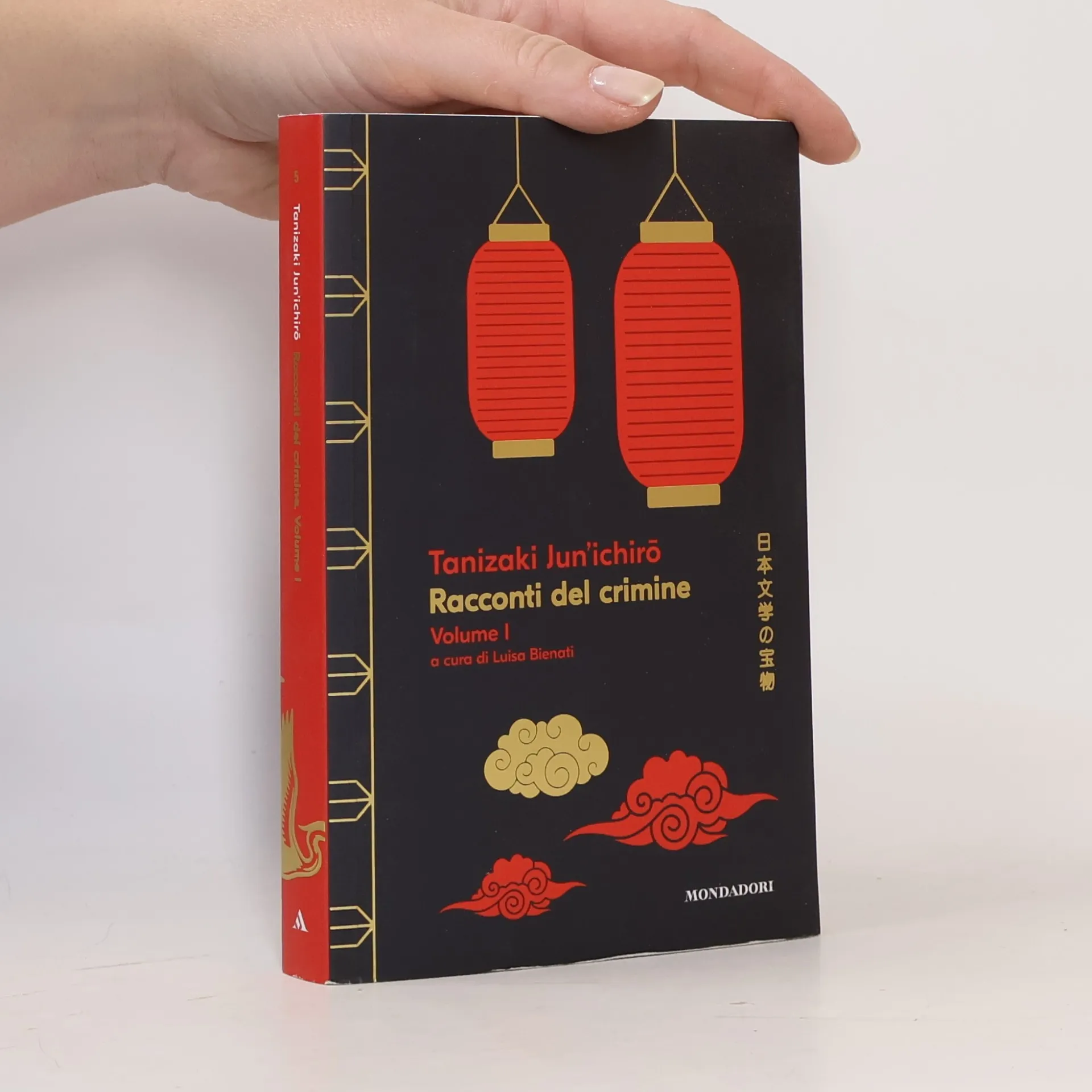
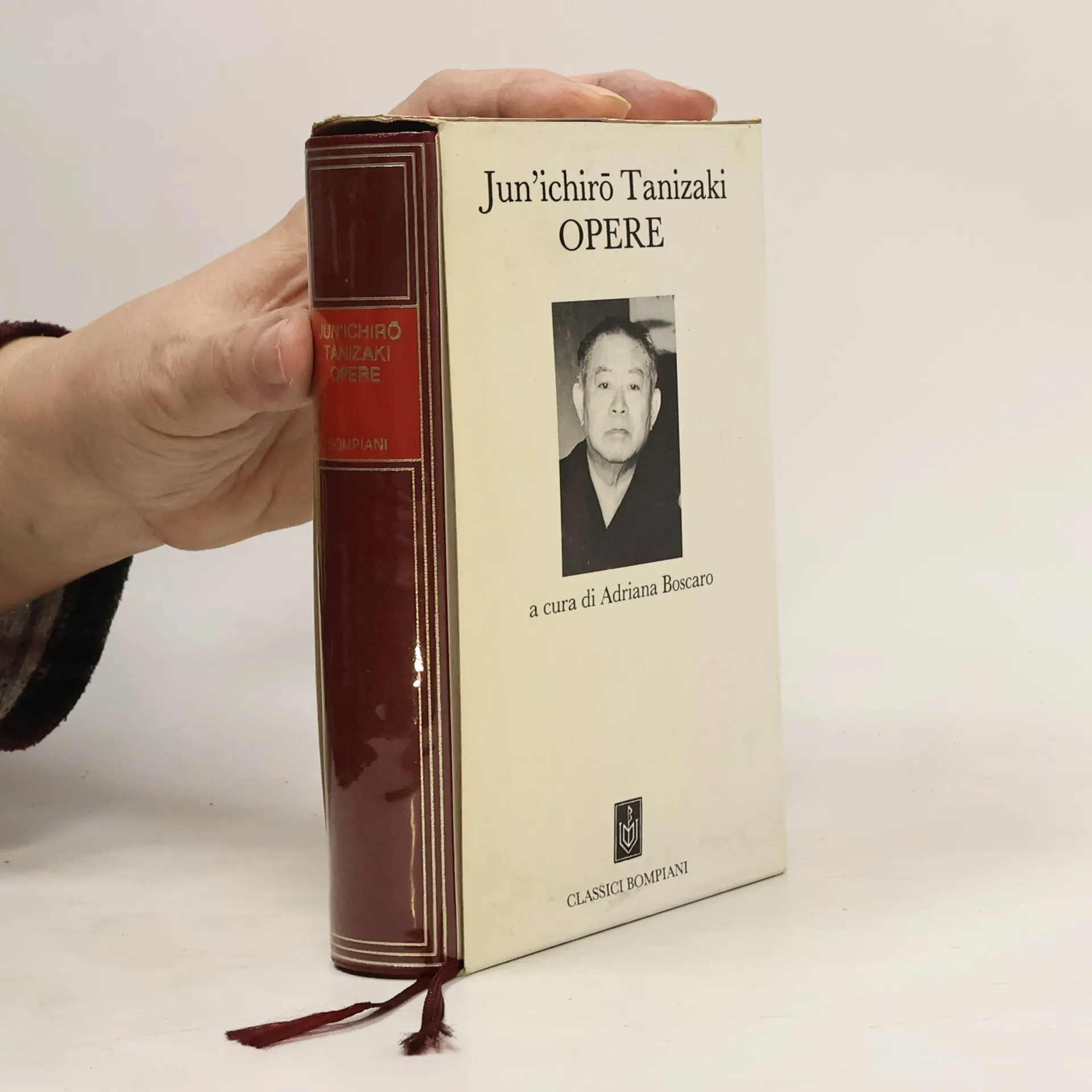
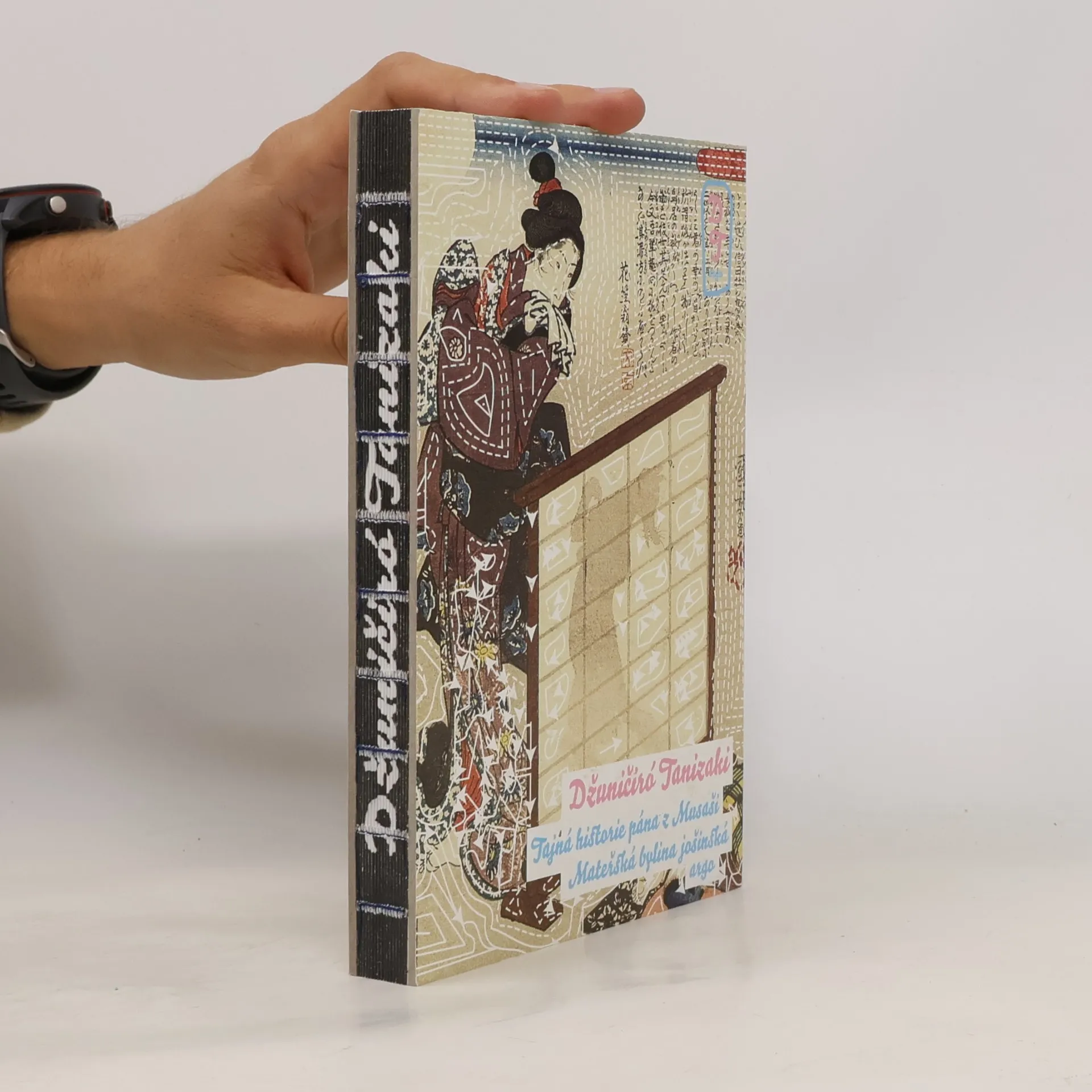
Tanizaki's masterpiece is the story of four sisters, and the declining fortunes of a traditional Japanese family. It is a loving and nostalgic recreation of the sumptuous, intricate upper-class life of Osaka immediately before World War Two. With surgical precision, Tanizaki lays bare the sinews of pride, and brings a vanished era to vibrant life.
Tanizaki Jun’ichirō Books
July 24, 1886 – July 30, 1965
Jun'ichirō Tanizaki was a Japanese author and a major figure in modern Japanese literature. His works often delve into the darker aspects of sexuality and destructive erotic obsessions, while others subtly portray family dynamics amidst the rapid societal changes of 20th-century Japan. Frequently, his narratives explore the search for cultural identity, juxtaposing notions of 'the West' and 'Japanese tradition' to create complex, ironic, and provocative results.


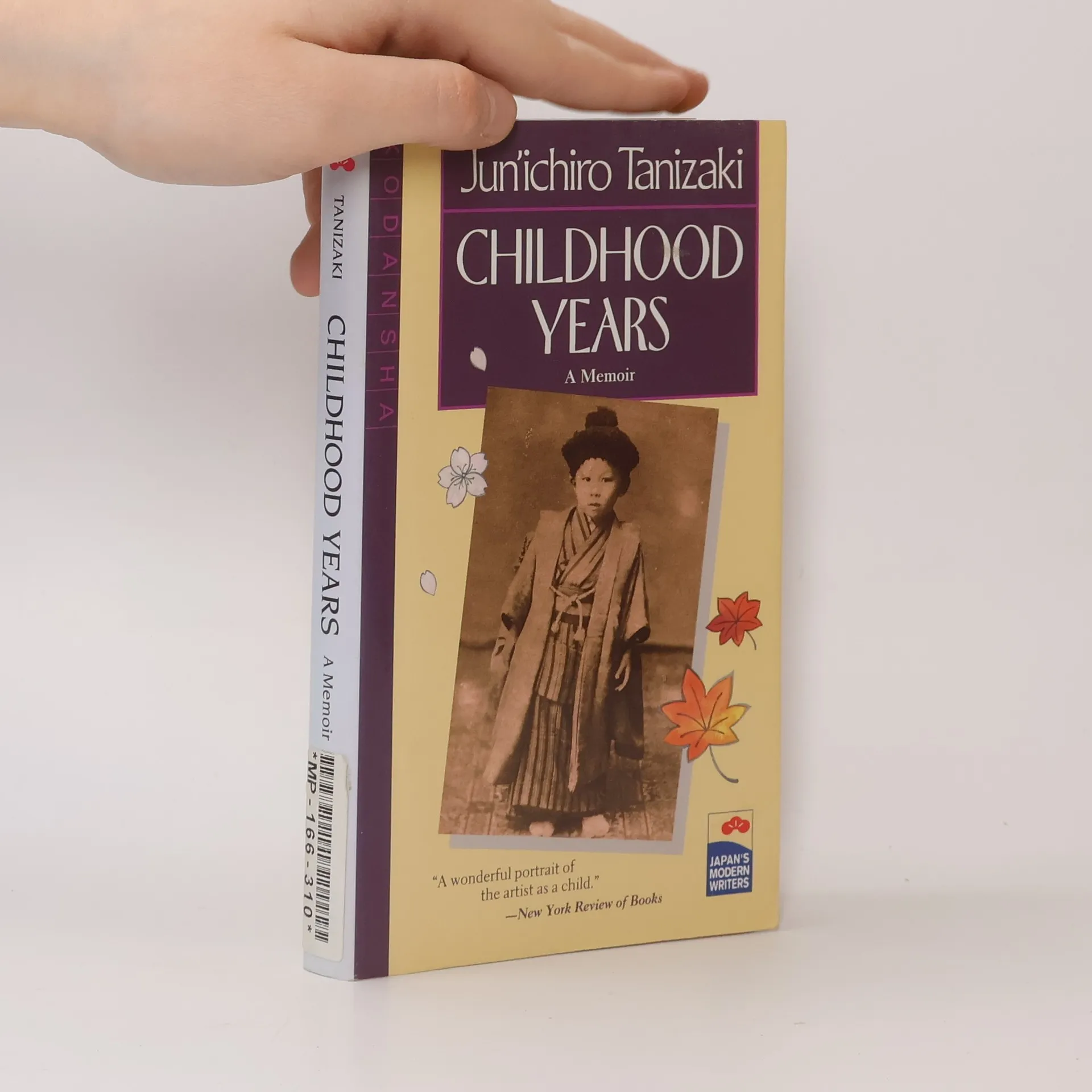
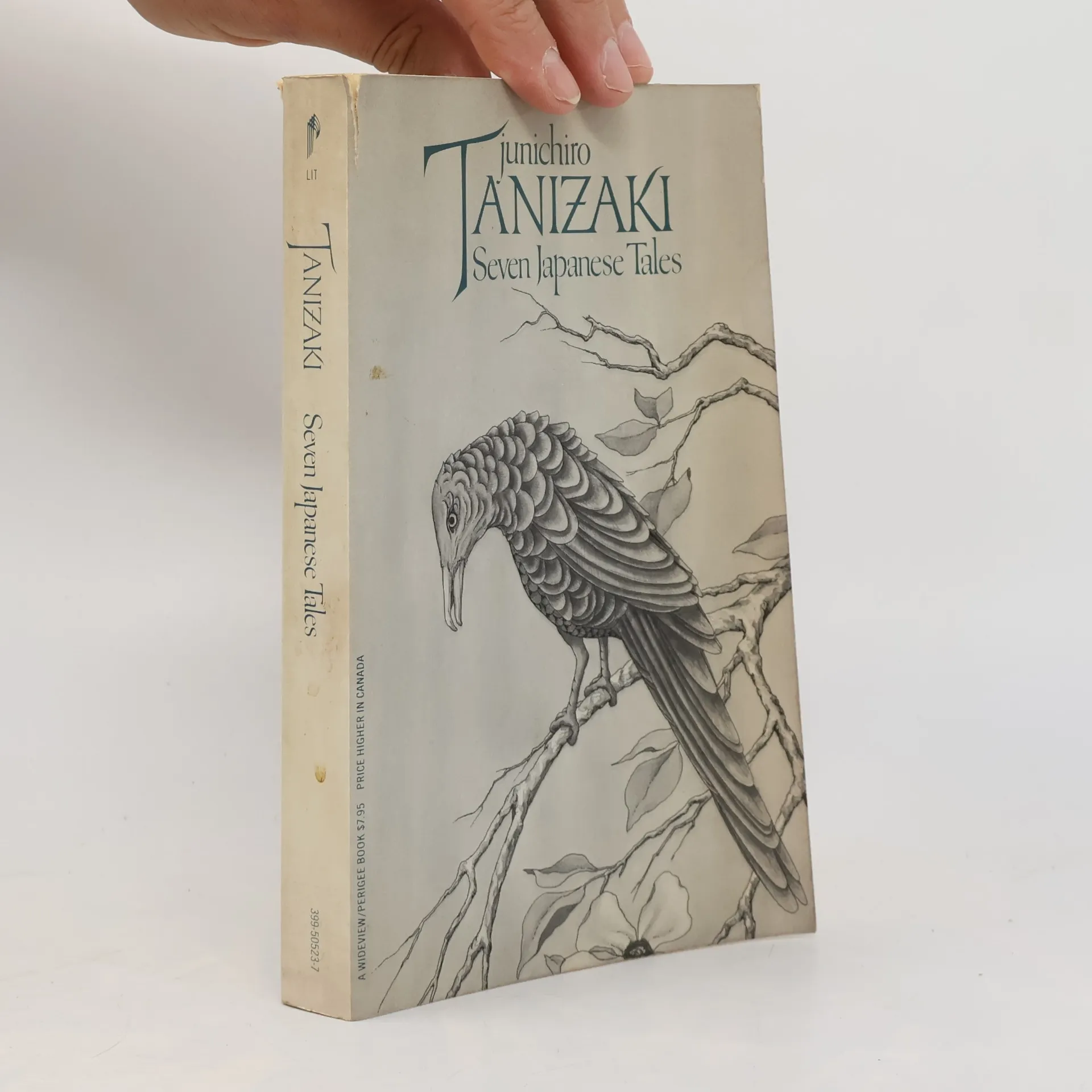
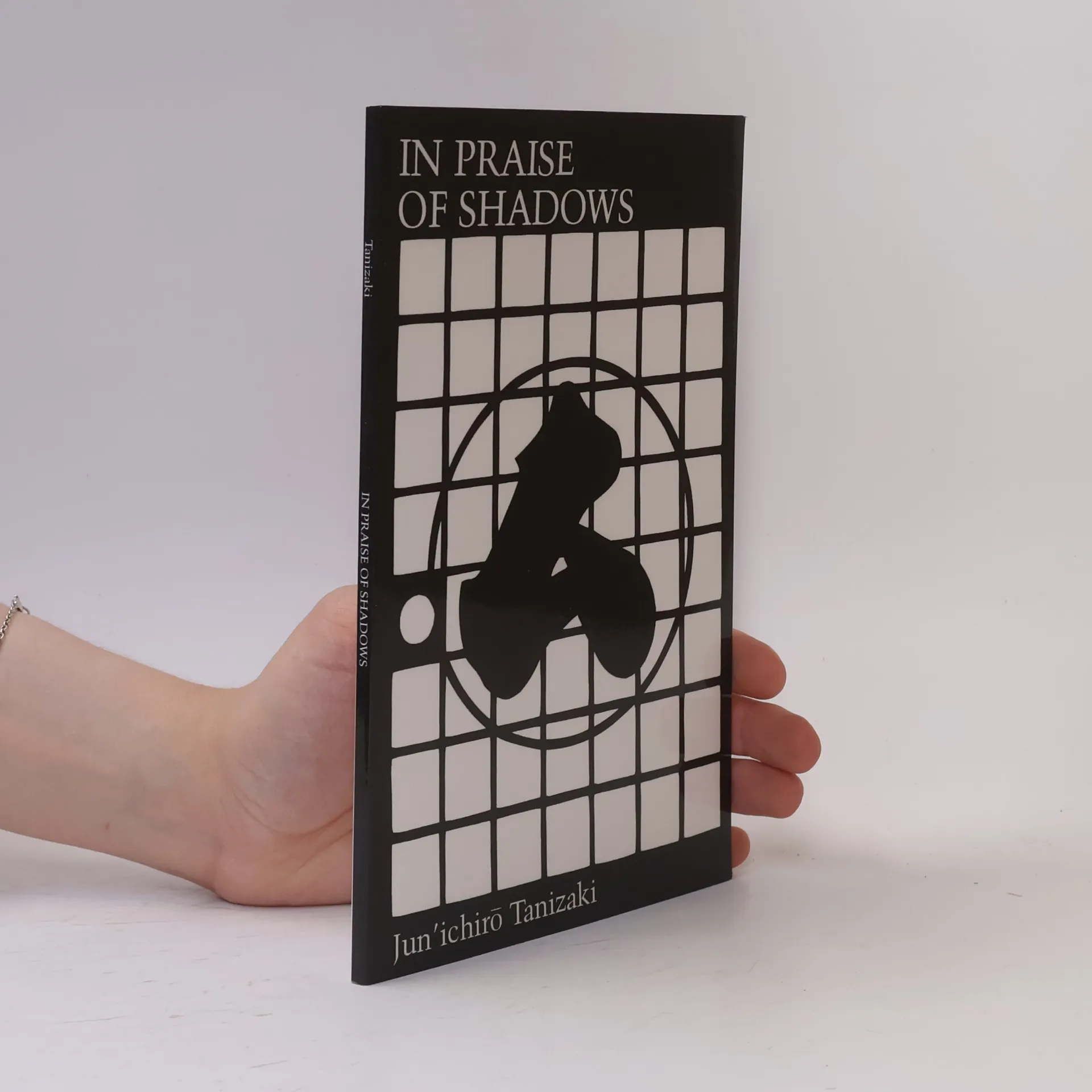
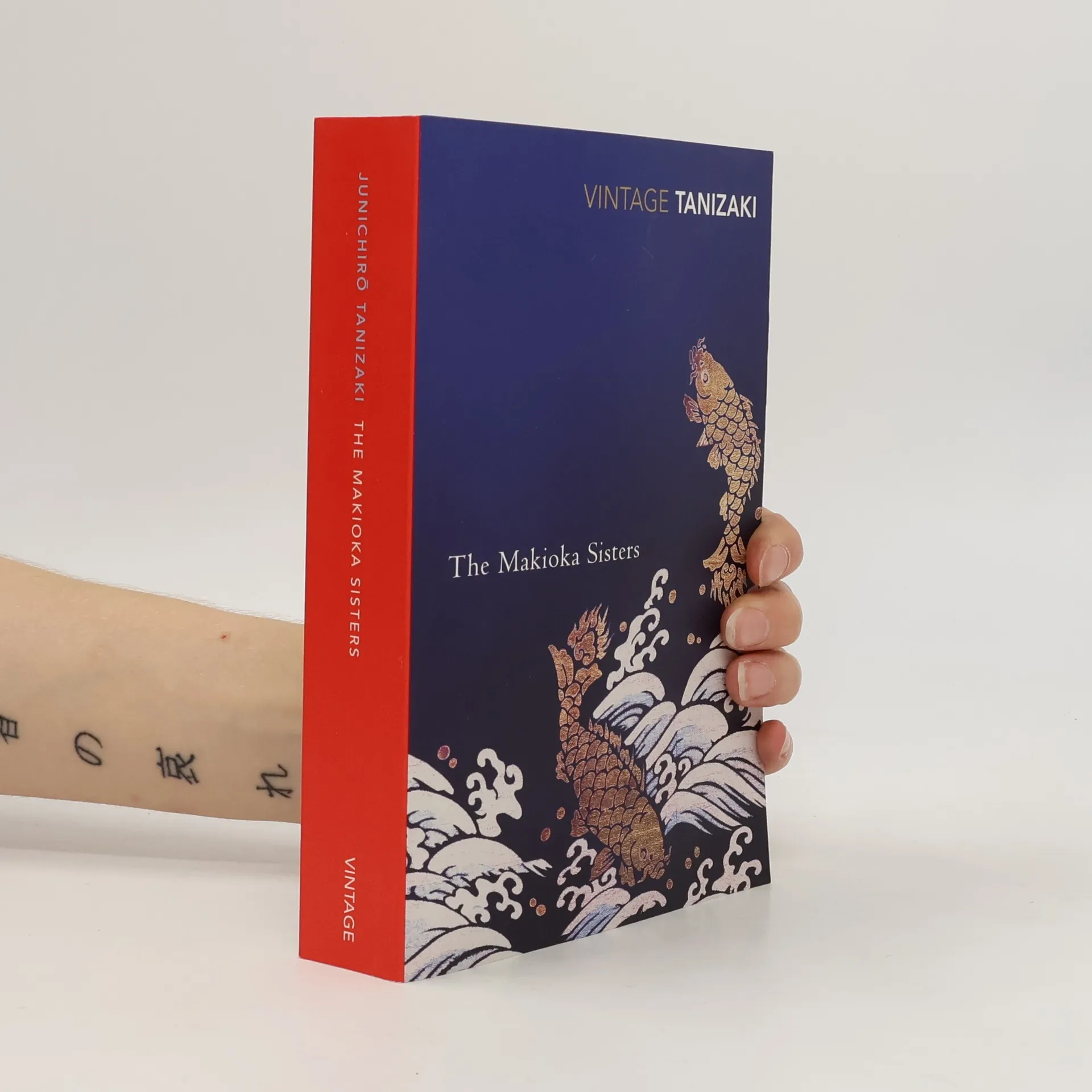
In Praise of Shadows
- 56 pages
- 2 hours of reading
Widely considered to be a classic, this essay on Japanese aesthetics by a major author ranges from the patina of lacquerware and the custom of moon-viewing to monastery toilets and the lighting in a brothel, while contrasting the Japanese sense of subtlety and nuance with Western imports such as electric lighting
Seven Japanese Tales
- 298 pages
- 11 hours of reading
In these seven stories, the author of The Makioka Sisters explores the territory where love becomes self-annihilation, where the contemplation of beauty gives way to fetishism, and where tradition becomes an instrument of refined cruelty.
Tanizaki was, in his own words, 'spoiled rotten' as a child; and his early gift for getting his own way extended to his career as perhaps Japan's greatest modern novelist.
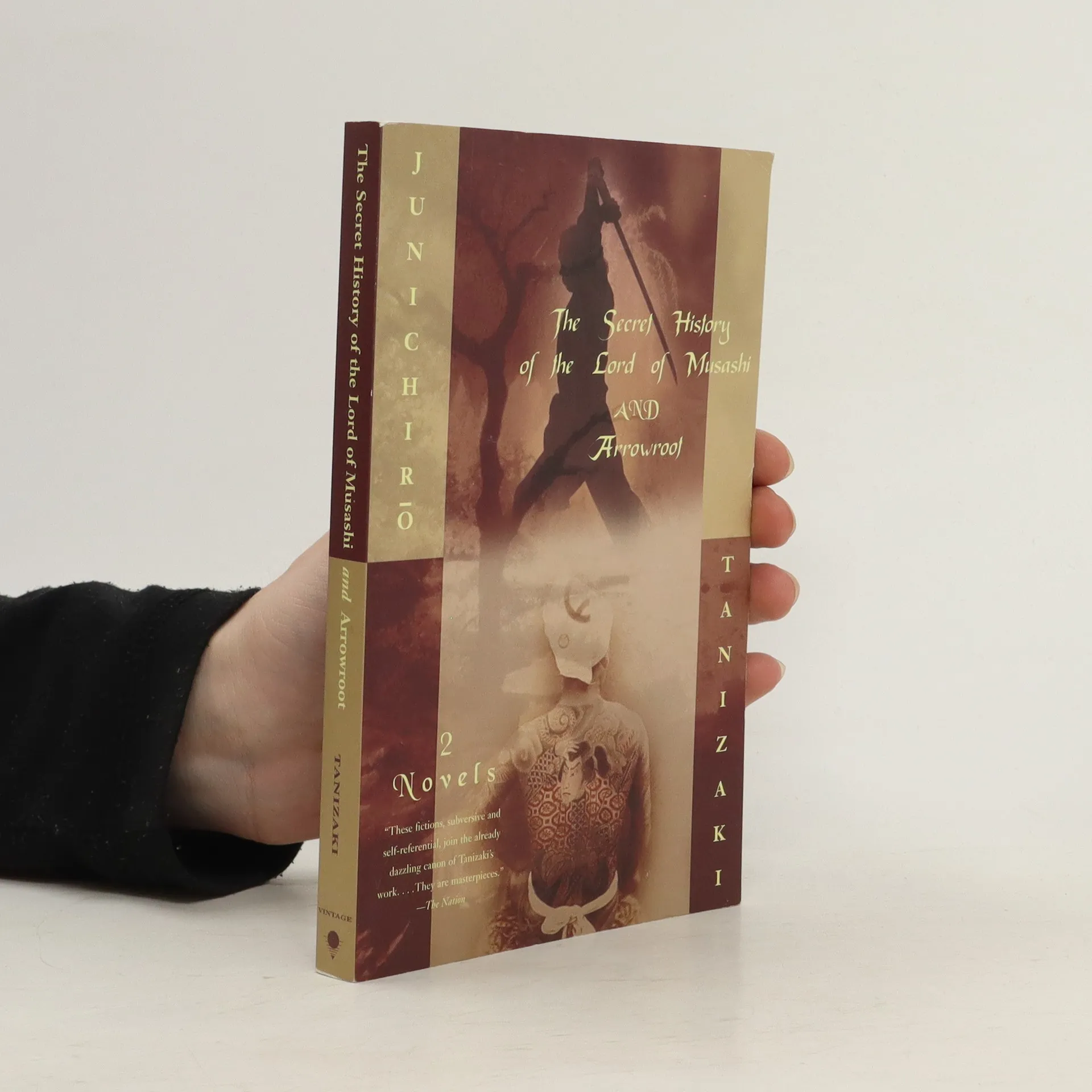
From a Japanese master of romantic and sexual obsession come two novels that treat traditional themes with sly wit and startling psychological sophistication. In The Secret History of the Lord of Musashi, Junichir Tanizaki reimagines the exploits of a legendary samurai as a sadomasochistic dance between the hero and the wife of his enemy. Arrowroot, though set in the twentieth century, views an adult orphan’s search for his mother’s past through the translucent shoji screen of ancient literature and myth. Both works are replete with shocking juxtapositions. Severed heads become objects of erotic fixation. Foxes take on human shape. An aristocratic lady loves and pities the man she is conspiring to destroy. This supple translation reveals the full scope of Tanizaki’s gift: his confident storytelling, luminous detail, and astonishingly vital female characters.
Shinako has been ousted from her marriage by her husband Shozo and his younger lover Fukuko. She's lost her home, status and respectability, but the only thing she longs for is Lily, the elegant tortoiseshell cat she shared with her husband. As Shinako pleads for Lily's return, Shozo's reluctance to part with the cat reveals his true affections, and the lengths he'll go to hold onto the one he loves most. A small masterpiece, A Cat, a Man, and Two Women is a study of Japanese society and manners, and an oddball comedy about a love triangle in which the only real rival is feline
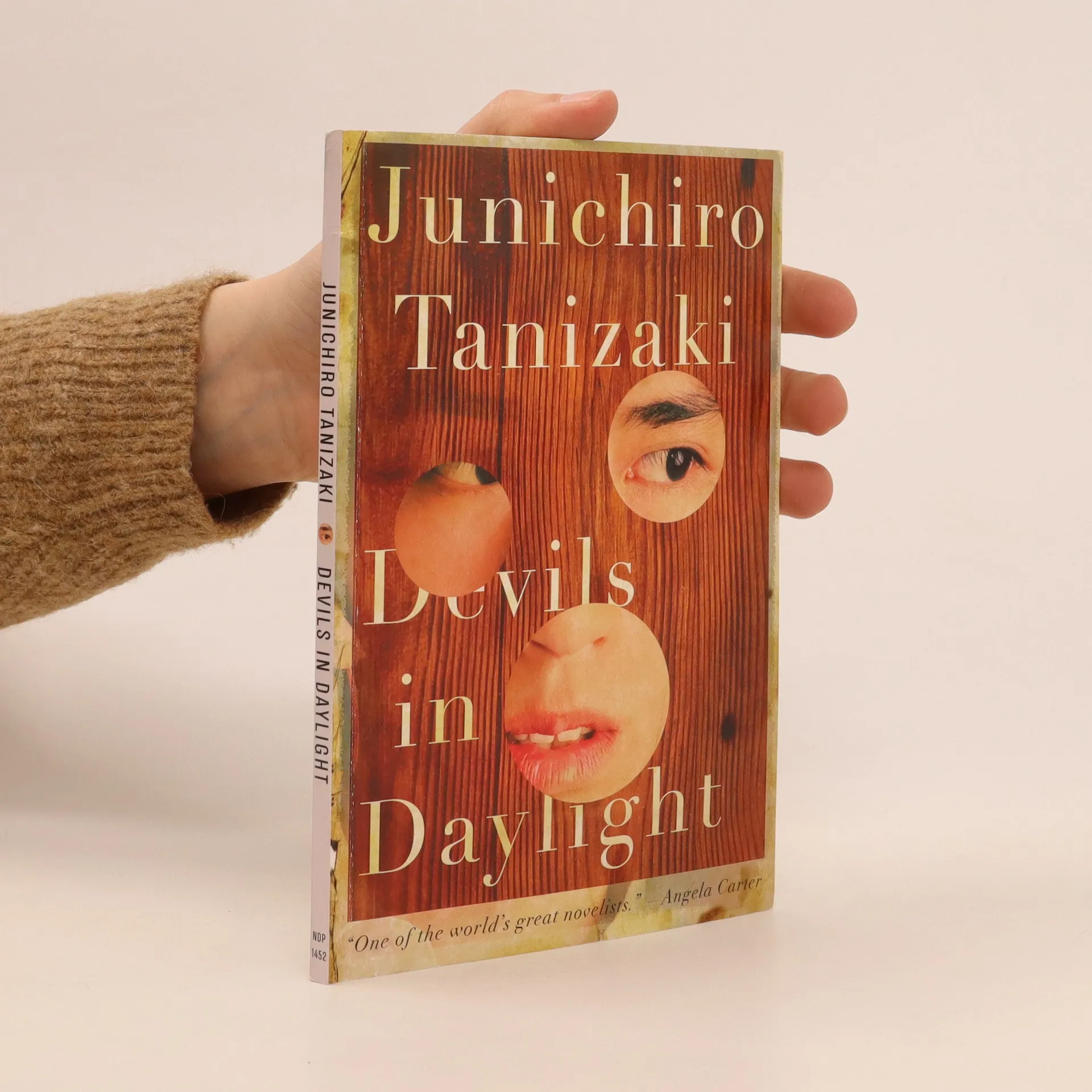
Devils in Daylight
- 96 pages
- 4 hours of reading
Now in paperback, a suspenseful early novella from "the outstanding Japanese novelist of this century" (Edmund White).
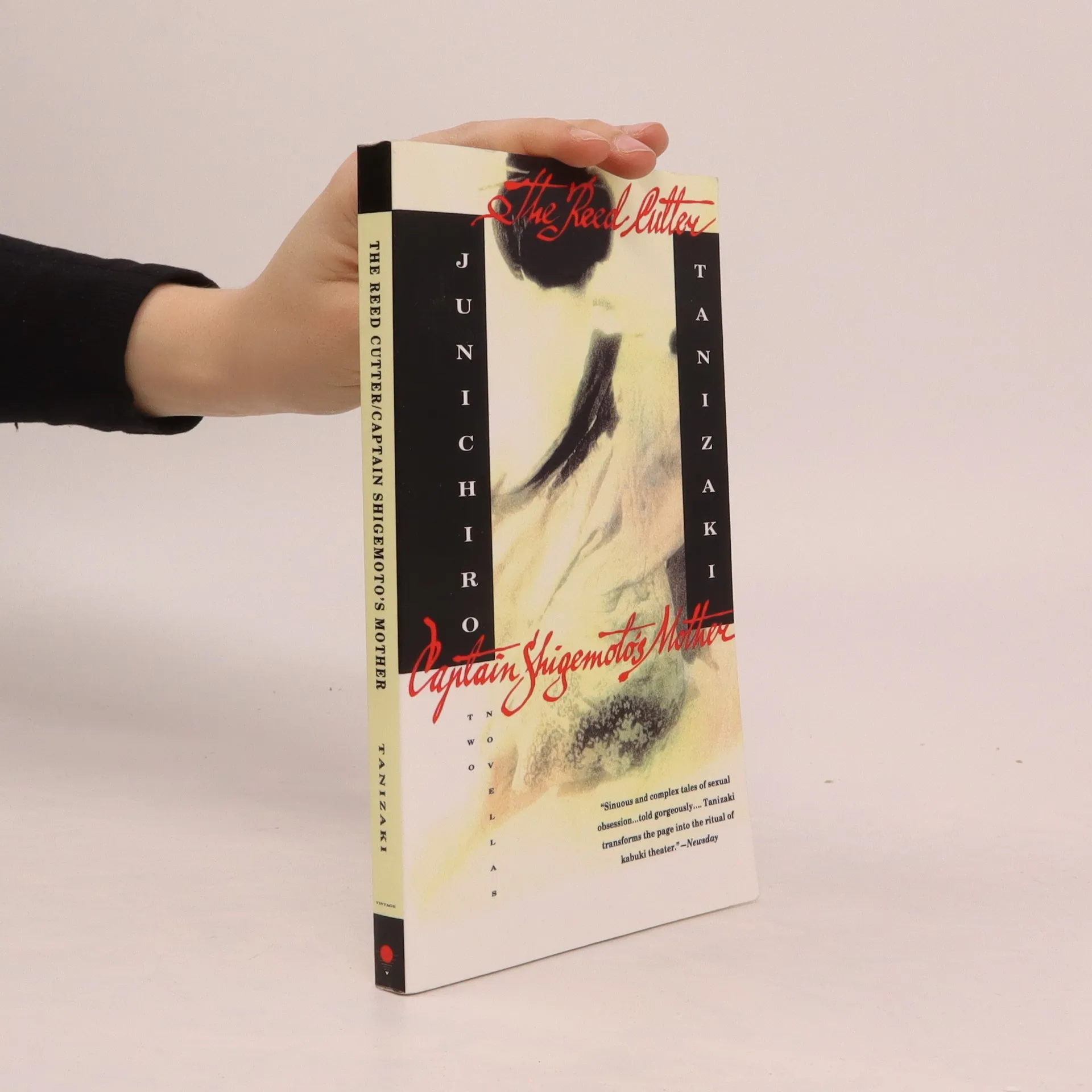
The Reed Cutter and Captain Shigemoto's Mother
- 192 pages
- 7 hours of reading
One of the great novelists of the twentieth century, Junichiro Tanizaki wrote about love--and sex--with a breathtaking suppleness of style and a vast depth of literary allusion. In these two novellas, brilliantly translated by Anthony H. Chambers and appearing in paperback for the first time, Tanizaki probes the translucent screen that separates idealized yearning from humiliating obsession in a society of impenetrable decorum.
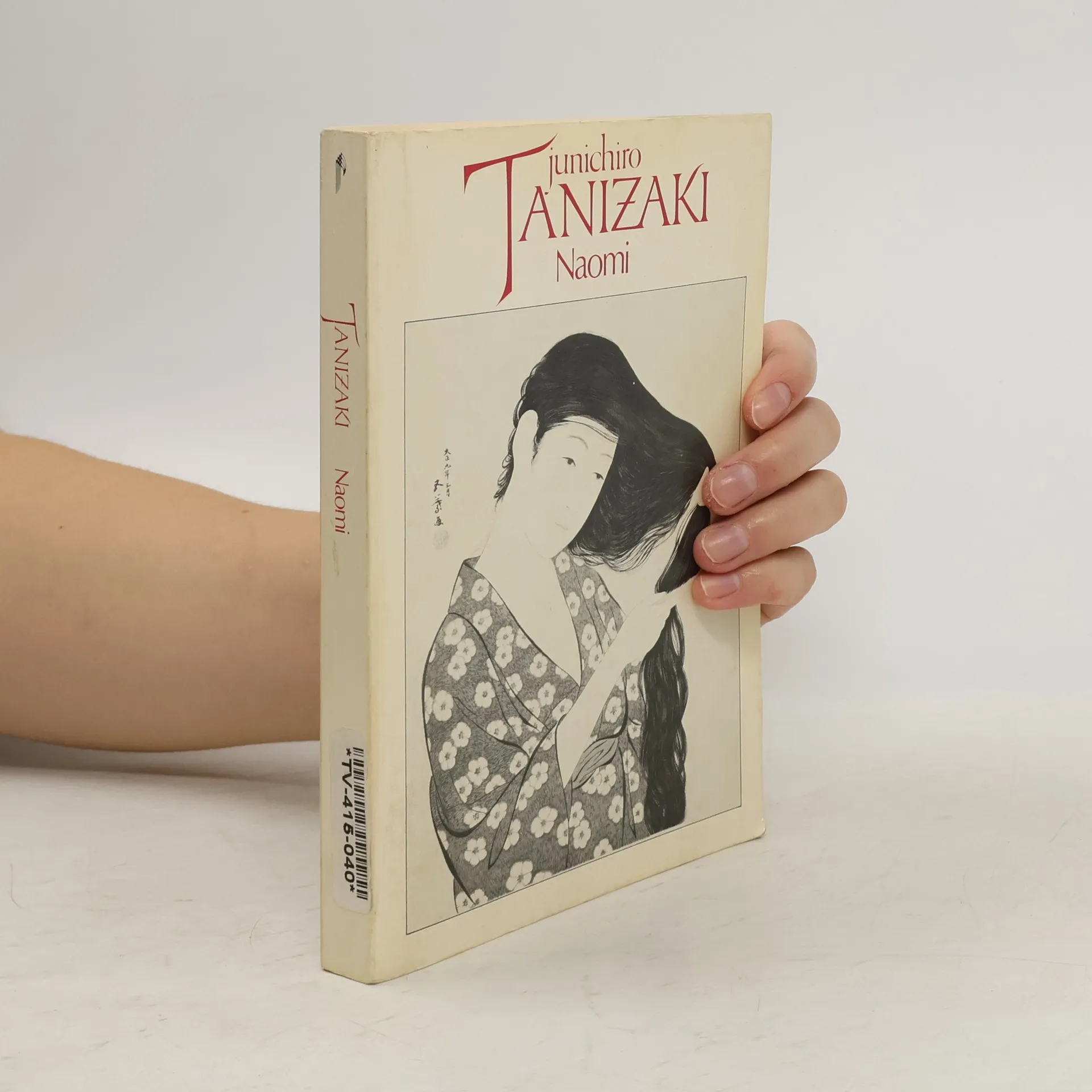
Naomi
- 237 pages
- 9 hours of reading
Na-o-mi. The three syllables of this name, unusual in 1920s Japan, captivate a 28-year-old engineer, who soon becomes infatuated with the girl so named, a teenaged café waitress. Drawn to her Eurasian features and innocent demeanor, Joji is eager to whisk young Naomi away from the seamy underbelly of post—World War I Tokyo and to mold her into his ideal wife. But when the two come together to indulge their shared passion for Western culture, Joji discovers that Naomi is far from being the naïve girl of his fantasies, and his passion descends into a comically helpless masochism. A literary masterpiece that helped to establish Junichiro Tanizaki as Japan's greatest novelist, Naomi is both a hilarious story of one man's obsession and torment, and a brilliant evocation of a nation's cultural confusion.
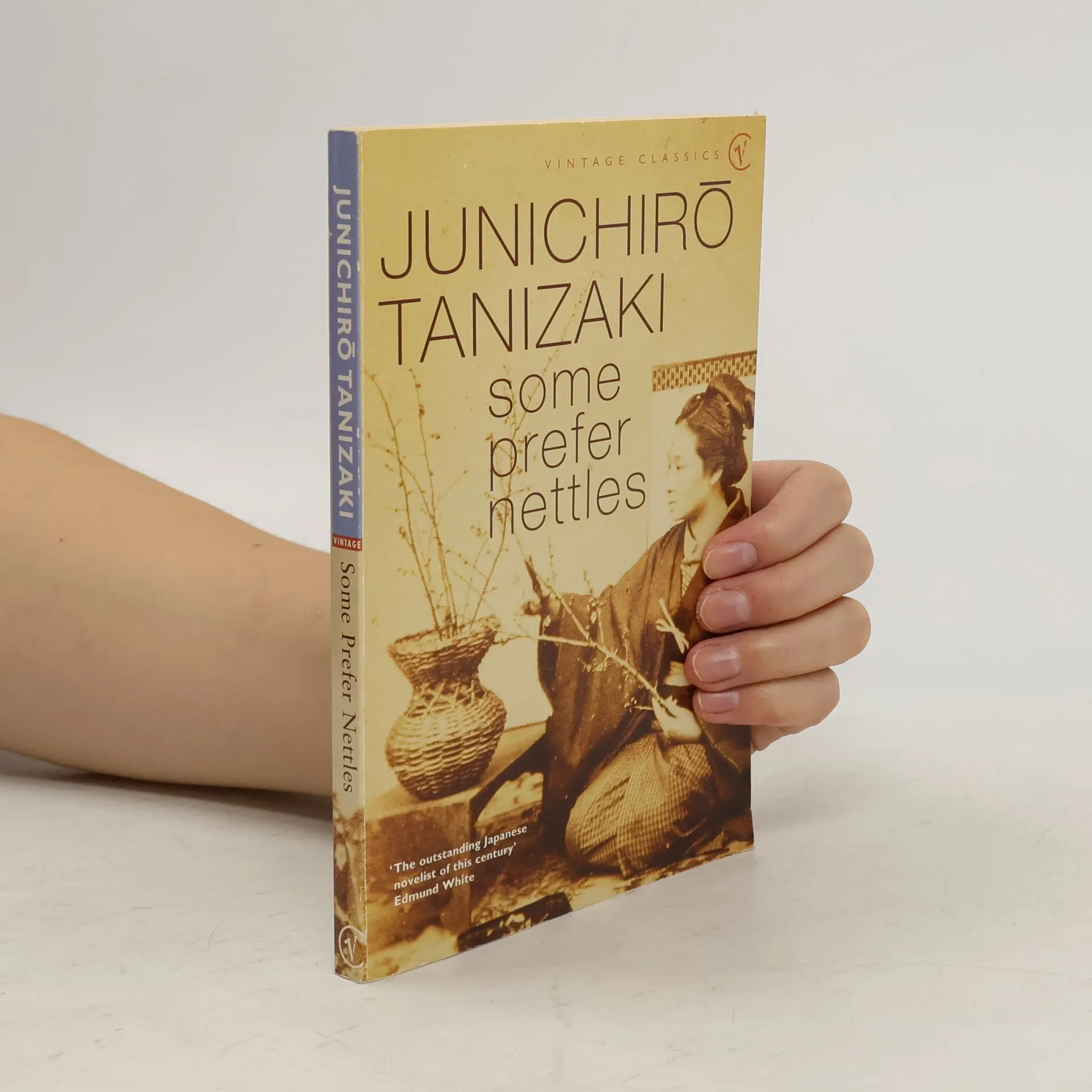
Some prefer nettles
- 160 pages
- 6 hours of reading
Some Prefer Nettles is a subtle and delicate tale of contemporary life that deals with the ramifications of a collapsing marriage. Previous titles published by the author include A Fool's Love, A Portrait of Shunkin and The Key.
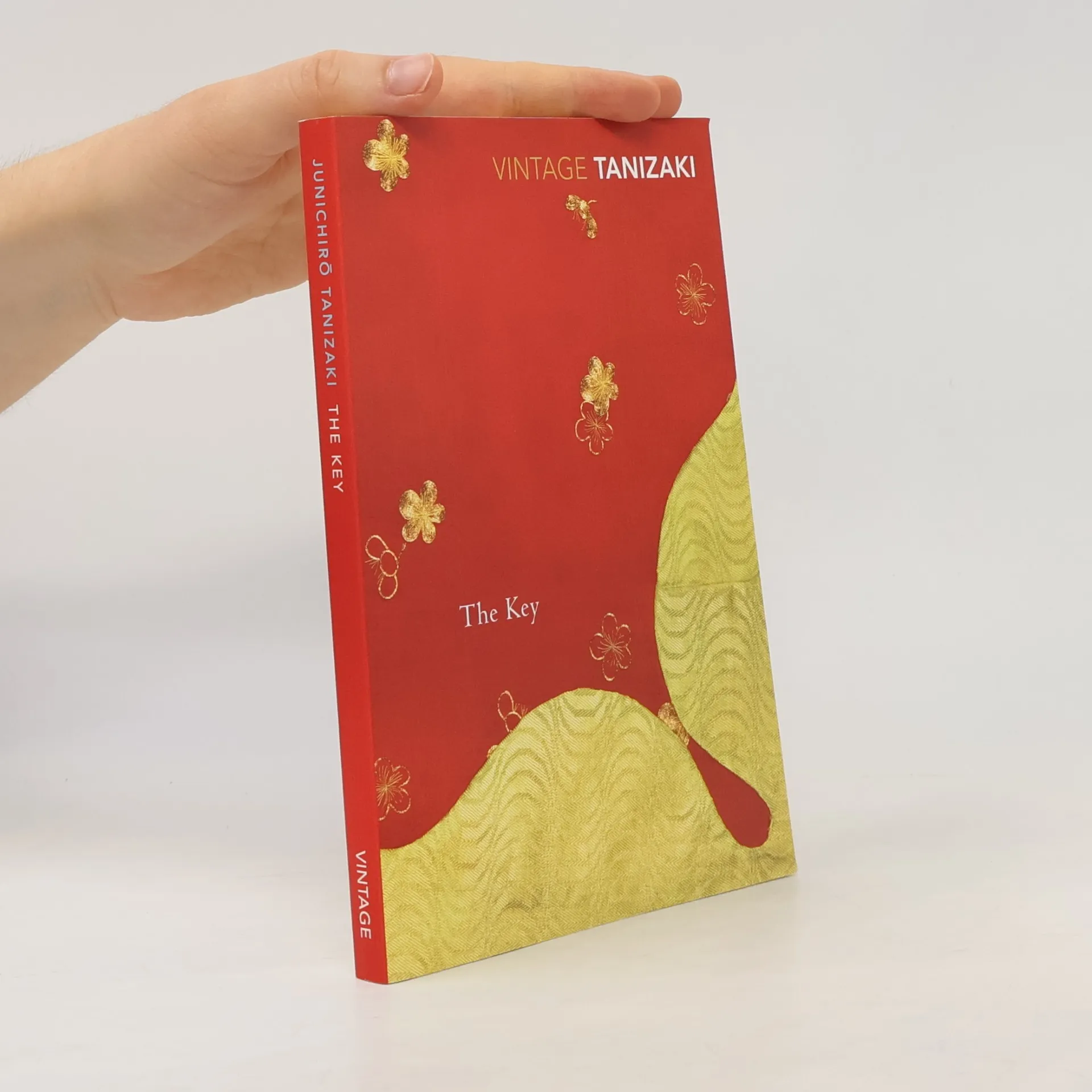
Vintage Classics: The Key
- 160 pages
- 6 hours of reading
This is the diary of a middle-aged man who is deeply in love with his younger wife, Ikuko. In spite of that love, the pair have grown physically apart, each unsure of the other's desires...until the day Ikuko discovers her husband's diary with its desperate hints of jealousy and voyeurism. Ikuko realises she has found the key to his very soul. schovat popis
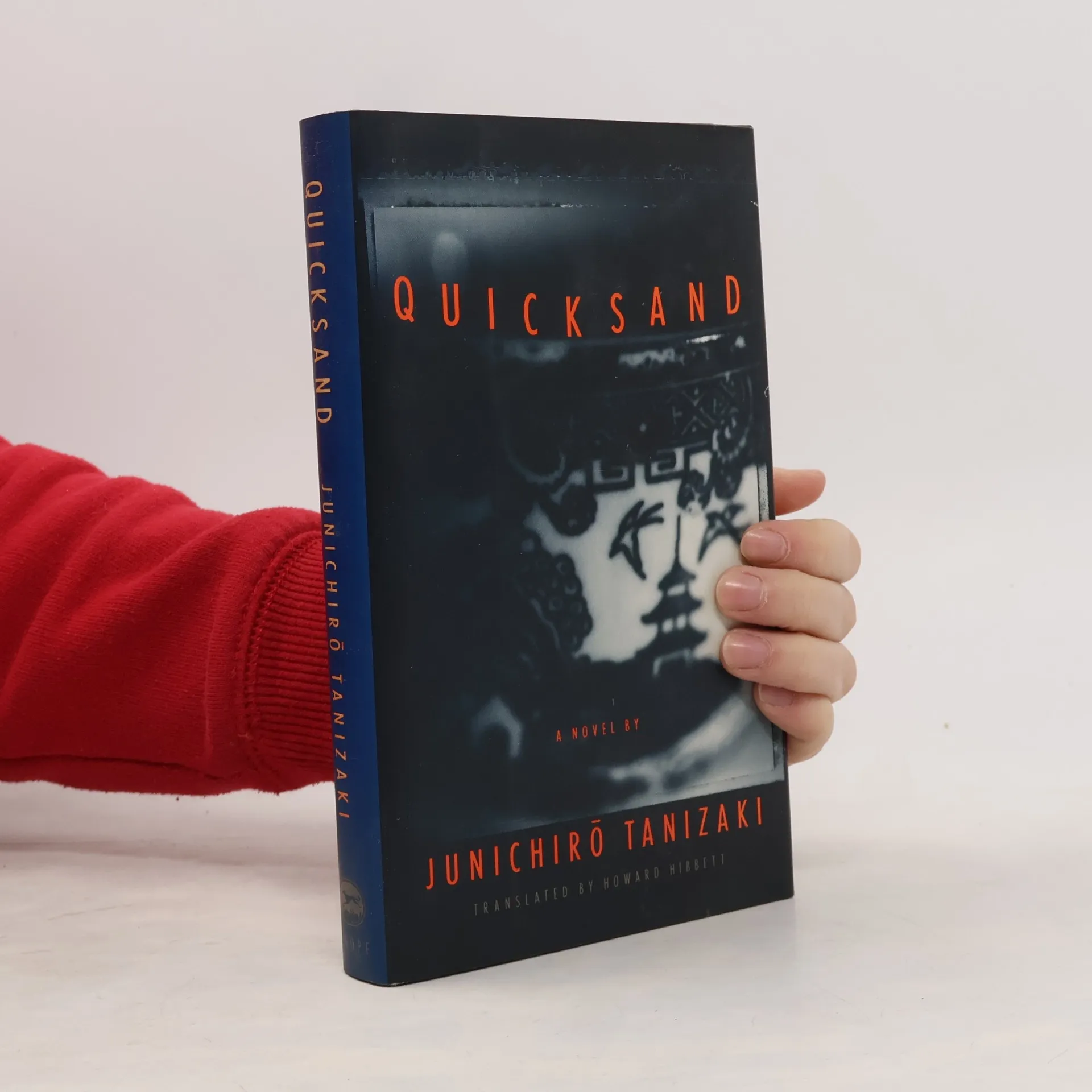
Quicksand
- 224 pages
- 8 hours of reading
Sonoko Kakiuchi is a cultured Osaka lady, unfortunately widowed young. But her story is unsettlingly at odds with her image. It is a tale of infatuation and deceit, of eliberate evil. Its theme is humiliation, its victim Sonoko's mild-mannered husband. At is centre - seductive, manipulating, enslaving - is one of Tanizaki's most extraordinary characters, the beautiful and corrupt art student, Mitsuko.
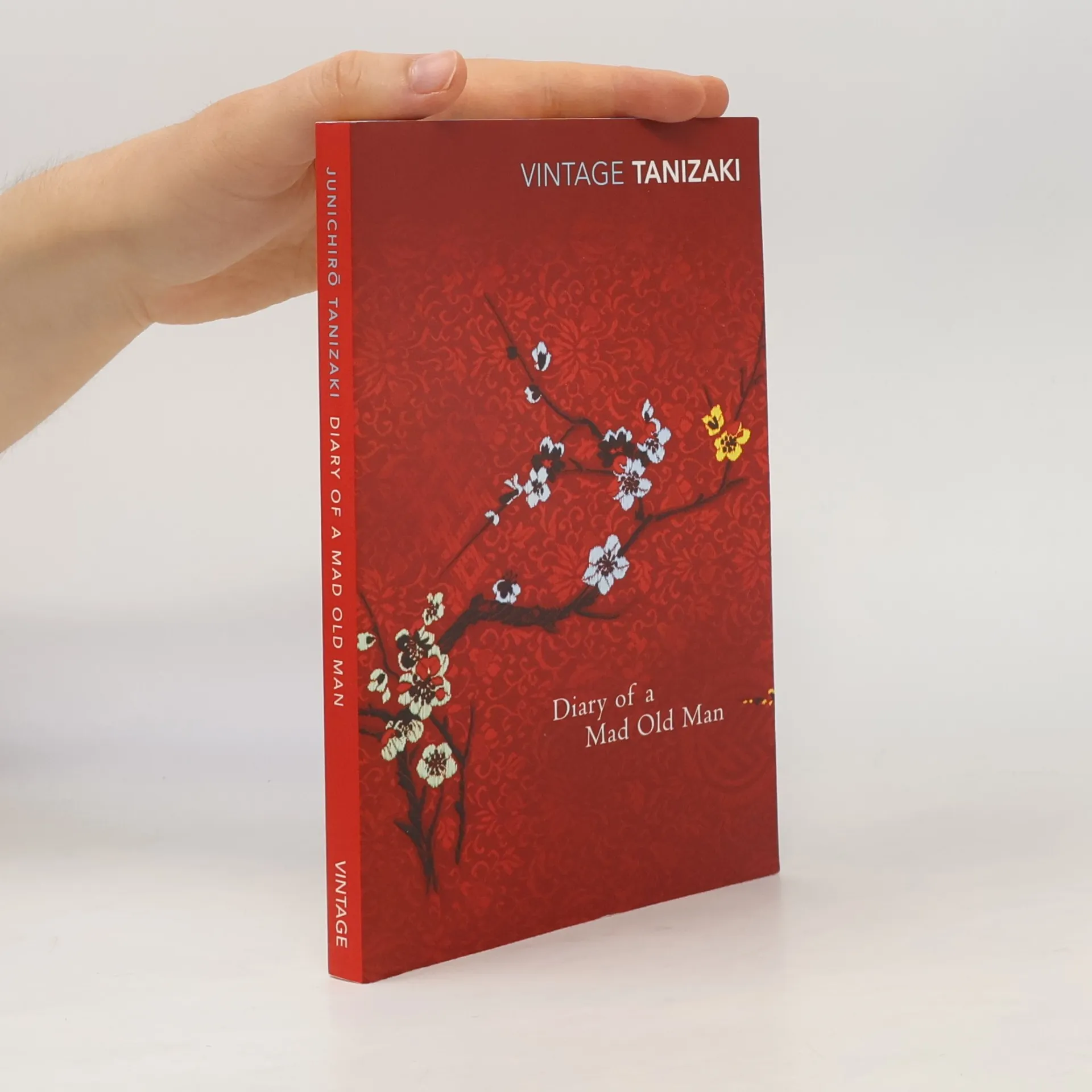
Diary of a Mad Old Man
- 192 pages
- 7 hours of reading
Tanizaki's last novel - written during his final illness, echoes his own life. Moving and powerful, it takes the form of an old man's diary, where he records his struggle with his self-image, and the manifestations of age, and his growing desire for his b
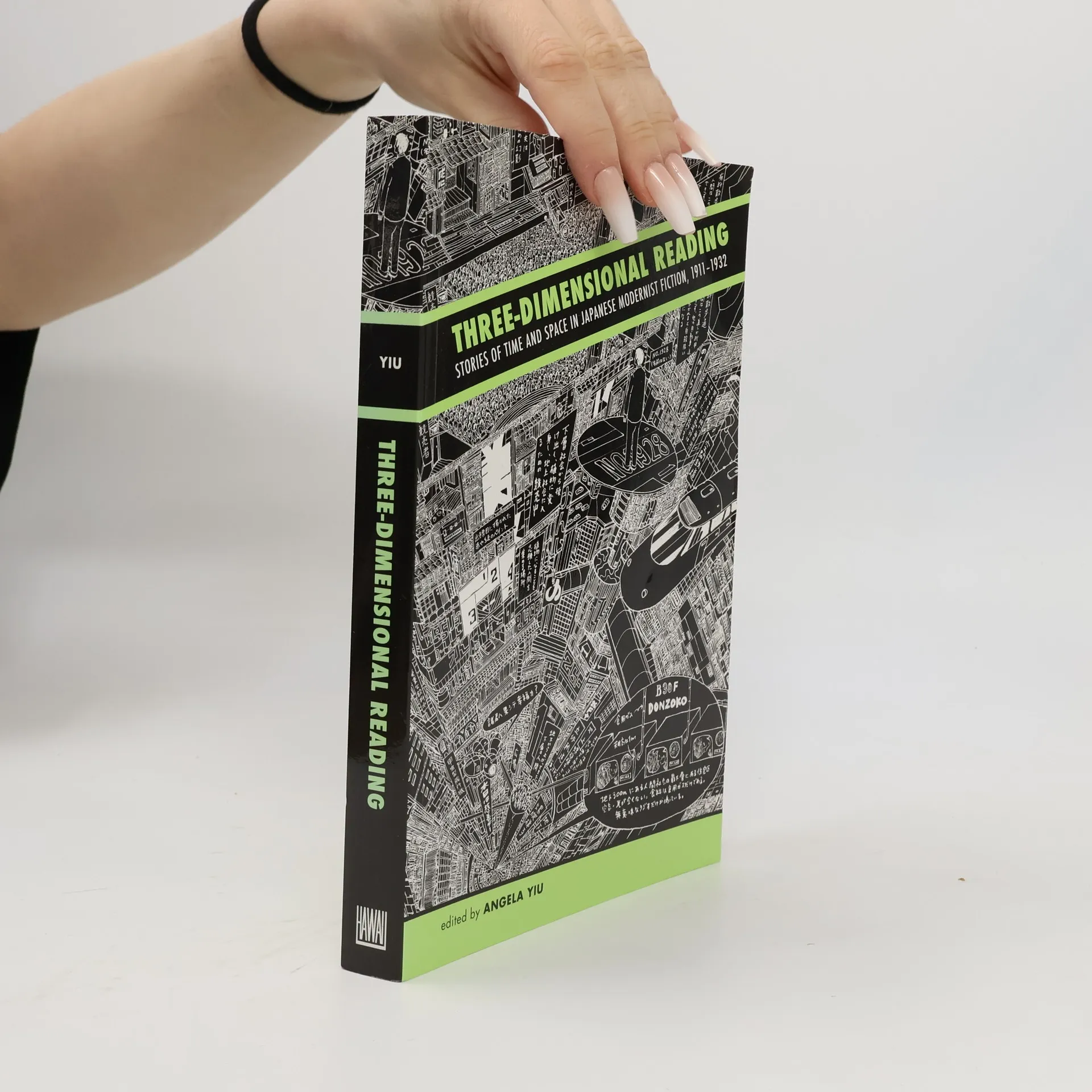
Three-Dimensional Reading
Stories of Time and Space in Japanese Modernist Fiction, 1911-1932
- 264 pages
- 10 hours of reading
Set in a 29th-century dystopian society, this anthology presents a collection of fourteen stories from the 1910s to the 1930s, showcasing the Japanese modernist landscape through the eyes of various characters. These narratives feature a mutant romantic poet, a wandering underdog navigating a post-impressionist world, and an imaginary sick room shaped entirely by sound. The selected works, from both lesser-known and renowned authors, embody a dynamic modernist style during the transformative period between the Meiji and early Showa eras. They explore imaginative dimensions of time and space, depicting futuristic urban environments, colonial settings, and concepts of utopia, dystopia, and heterotopia. Readers are encouraged to move beyond traditional naturalistic representations and engage with the ways modernist Japanese prose distorts and reconfigures the experience of time and space. The introduction and additional materials provide essential historical and critical context, making this anthology a significant resource for studying modern Japanese literature, world literature, global modernism, and utopian studies. The volume also features drawings by contemporary artist Sakaguchi Kyōhei, whose work exemplifies the striking visual reality that transcends temporal and spatial boundaries, highlighting the enduring impact of modernist imagination.
Der Schriftsteller Mizuno erzählt von einem perfekten Mord, wobei das Opfer ein ihm bekannter Kollege ist. Nach der Abgabe seines Manuskripts entdeckt er, dass der echte Name des Kollegen in den letzten Kapiteln verwendet wurde, und versucht, dies zu korrigieren. Doch es ist zu spät, und Mizuno gerät zunehmend in den Bann der Vorstellung, dass ein realer Mord, inspiriert von seinem Buch, geschehen könnte, was ihn zum Hauptverdächtigen machen würde. In seiner Verzweiflung sucht er nach einem Alibi und trifft auf eine deutsche Prostituierte, die er verfolgt, bis sie ihn in ihr Leben lässt. Bald stellt sich jedoch die Frage, ob er nicht selbst das Opfer ist. Die Ereignisse um Mizuno sind so dubios, dass seine Glaubwürdigkeit als Erzähler stark leidet. Während er versucht, dem Schattenmann zu entkommen, der vom Verlag geschickt wurde, um seinen nächsten Roman zu überwachen, stirbt der in seinem Buch ermordete Kollege tatsächlich. Die Situation eskaliert, und Mizuno sieht sich mit der Realität seiner eigenen Erzählung konfrontiert. Der Roman, der 1928 als Fortsetzungsroman erschien und erst 1999 in Buchform veröffentlicht wurde, ist ein herausragendes Beispiel für die Erzählkunst Tanizakis, eines der bedeutendsten japanischen Schriftsteller des 20. Jahrhunderts.
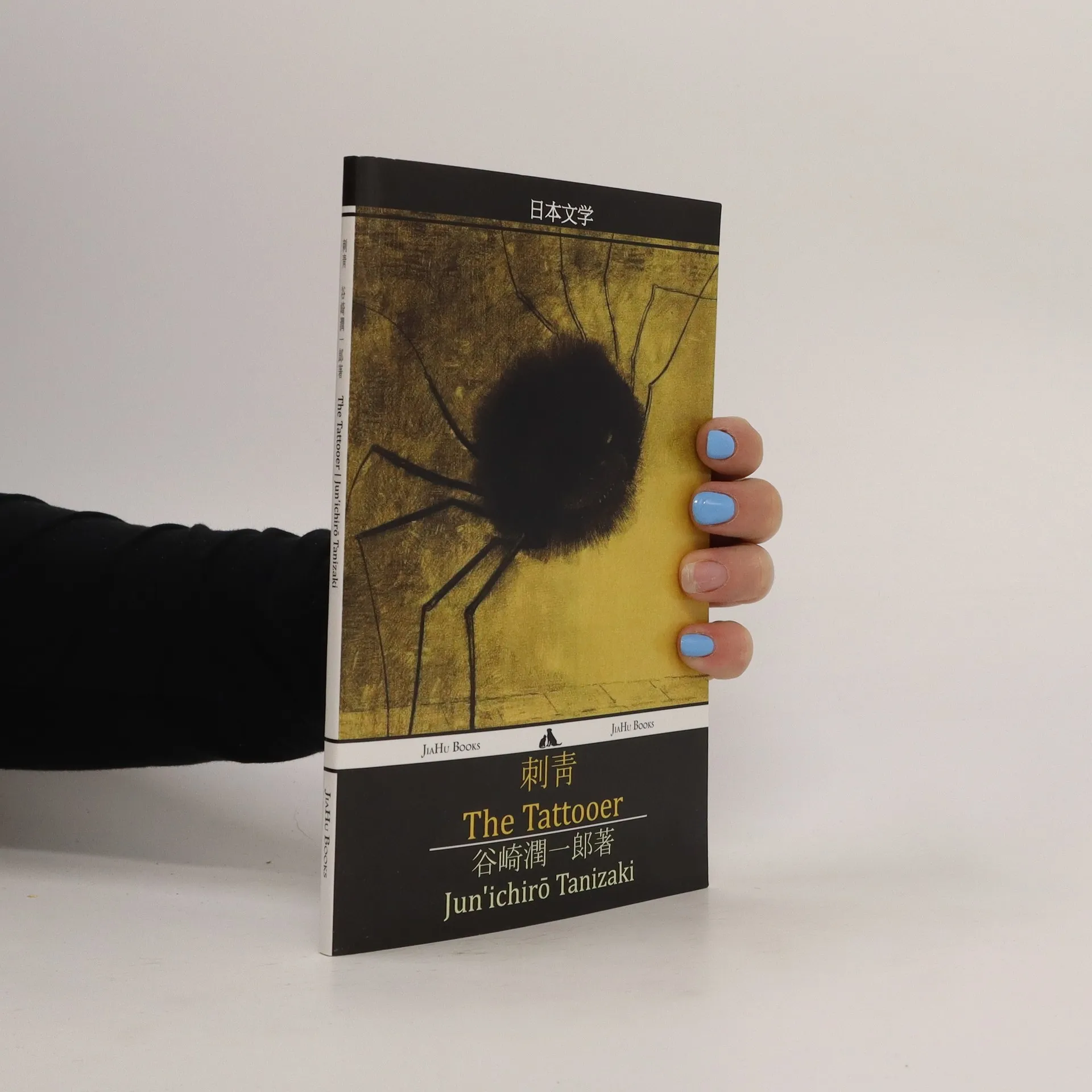
The Tattooer
- 116 pages
- 5 hours of reading
刺青師は、近代日本文学の主要な作家の一人である谷崎潤一郎の最初の作品です。物語では、刺青師が美しい若い女性の体に巨大なクモを彫ります。その後、女性の美しさは悪魔的で魅力的な力を持ち、エロティシズムとサディズム・マゾヒズムが結びつきます。この物語は、谷崎の後の作品に再登場する多くの archetype を予感させます。
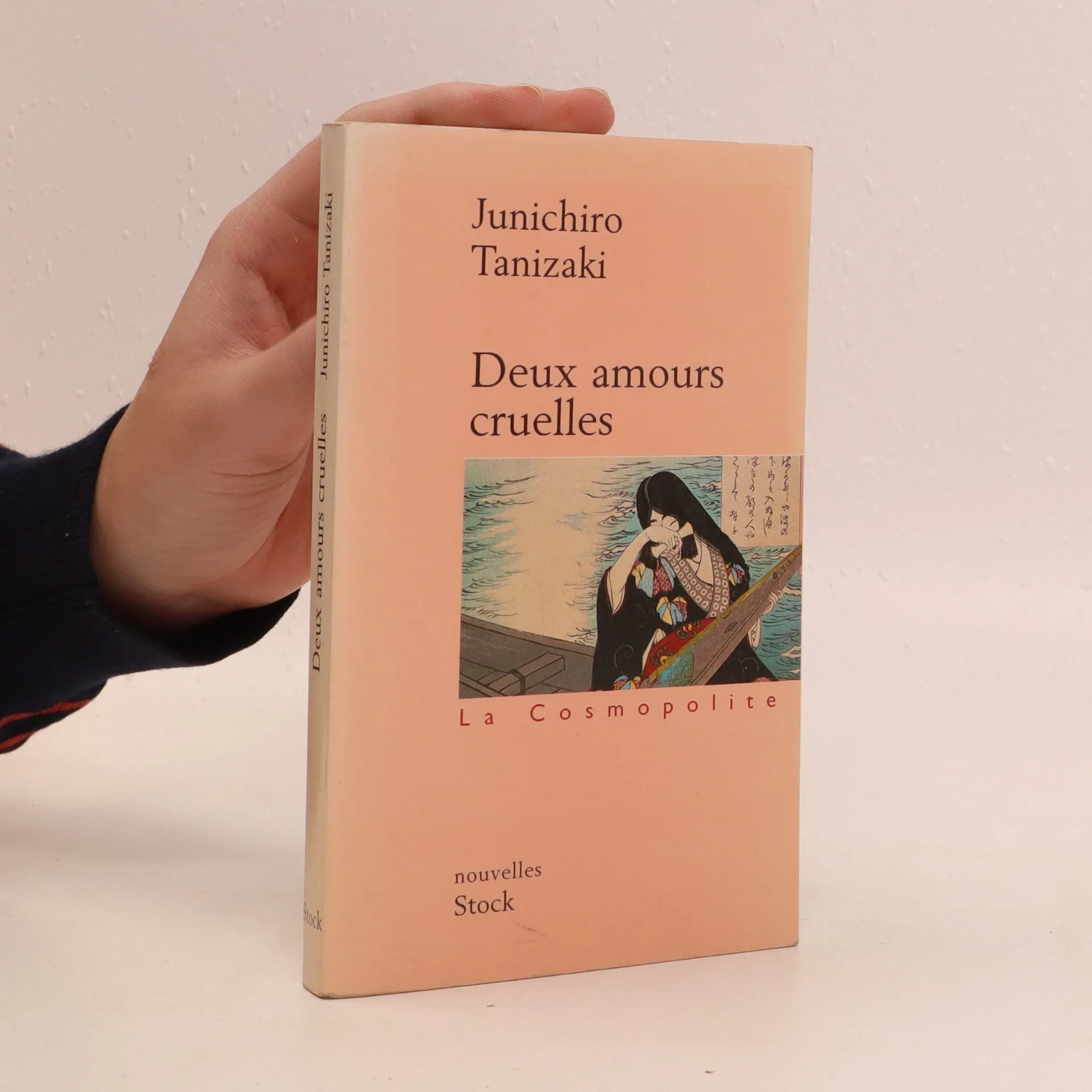
Ce recueil comprend deux nouvelles, deux histoires d'amour atteignant des profondeurs de tendresse et de cruauté rarement abordées par la littérature occidentale. " L'histoire de Shunkin " relate la vie de Koto Mozuya, dite Shunkin, fille d'une riche famille d'apothicaires d'Osaka, et son histoire d'amour avec Sasuke, qui fut son serviteur, son élève et son amant durant toute sa vie. "Ashikari " est l'histoire de Oyu, jeune veuve ayant l'interdiction de se remarier afin d'élever son fils, et de Serizawa, épris l'un de l'autre mais contraints de ne partager qu'un amour platonique. Oyu persuade sa jeune sœur Oshizu d'épouser Serizawa, qu'elle aura au moins comme frère, et, devinant ses sentiments, celle-ci accepte volontiers pour rendre sa sœur heureuse.
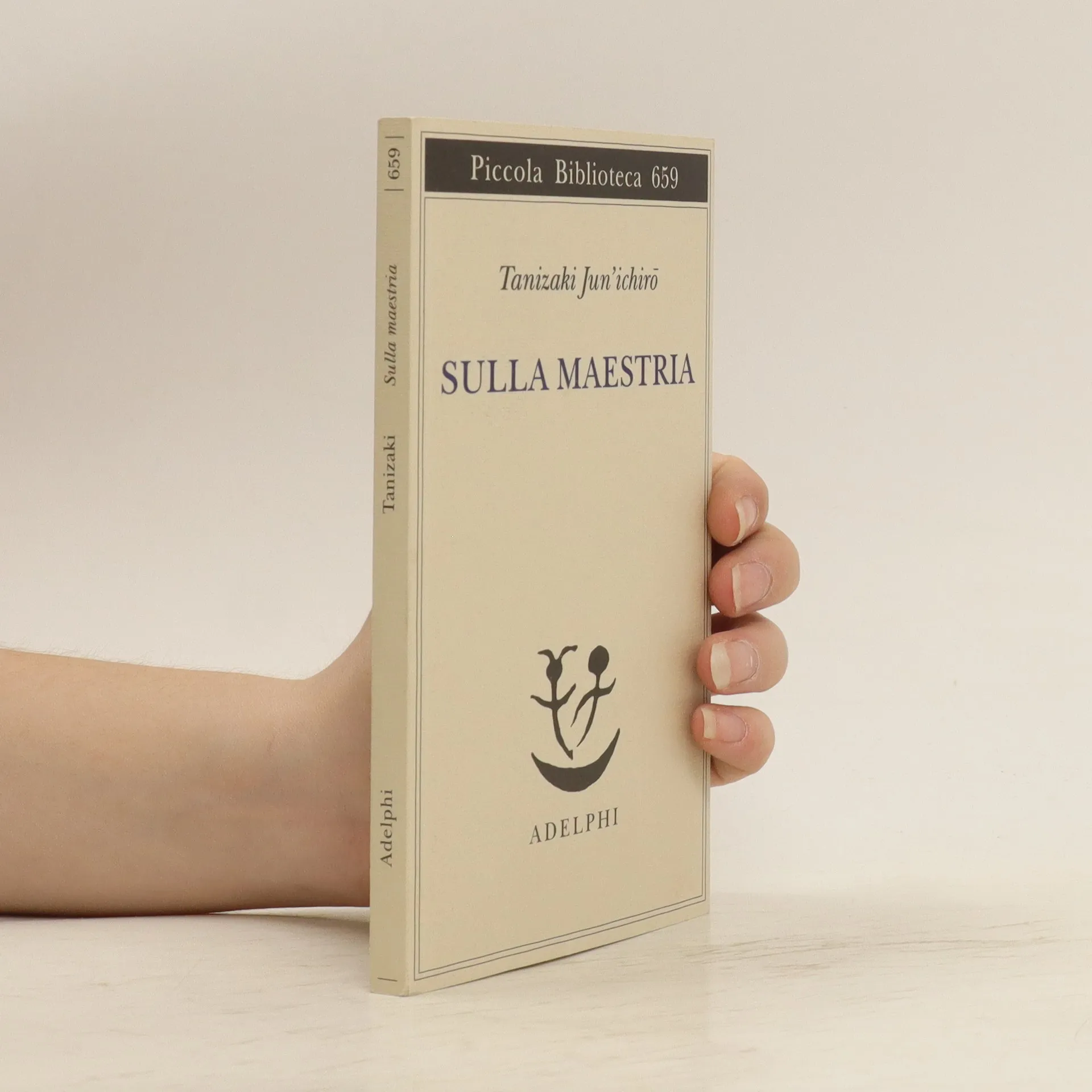
Sulla maestria
- 122 pages
- 5 hours of reading
«La maestria è quella patina che si ottiene attraverso un lungo e instancabile affinamento.» L saggio di Jun'ichiro Tanizaki è un testo chiave per comprendere la cultura giapponese e mette in luce la differenza tra la ricerca orientale della maestria e la concezione occidentale dell'arte. Esamina come nascono i capolavori e offre una scoperta per gli amici dello stile di vita orientale. Attraverso la comprensione del diverso, si apre anche una nuova prospettiva sulla propria cultura. Tanizaki fa confronti memorabili analizzando la recitazione, la danza, la letteratura e la pittura del suo paese. Nella discussione sulla «maestria», confronta sempre con l'Occidente, il che porta a domande sorprendenti: perché la scrittura di Arthur Schnitzler corrisponde all'animo giapponese, mentre quella di August Strindberg no? Cosa unisce la stella del cinema muto tedesco Werner Krauß con il teatro Kabuki? Qual è l'elemento tipicamente americano nei film di Charlie Chaplin? Scritto negli anni '30, Tanizaki fissa in questo saggio ciò che ha plasmato l'identità del Giappone per millenni.
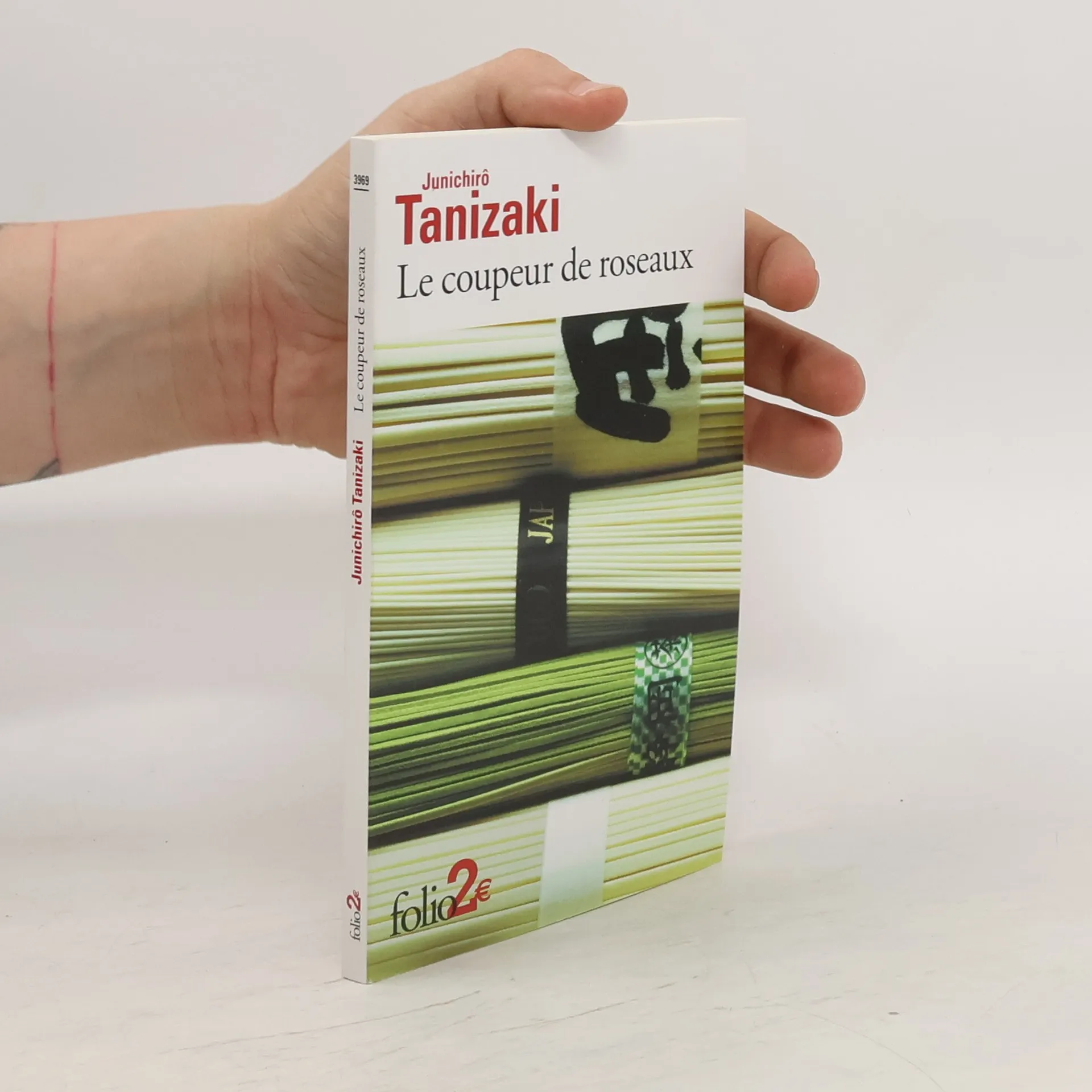
Le coupeur de roseaux
- 128 pages
- 5 hours of reading
Lors d'une promenade autour d'un ancien palais impérial, le sanctuaire de Minase, le narrateur rencontre un homme étrange. Est-ce un fantôme, un esprit qui hante les lieux ? Celui-ci lui offre du saké et lui raconte l'histoire de la belle O-Yû, perverse et inaccessible...
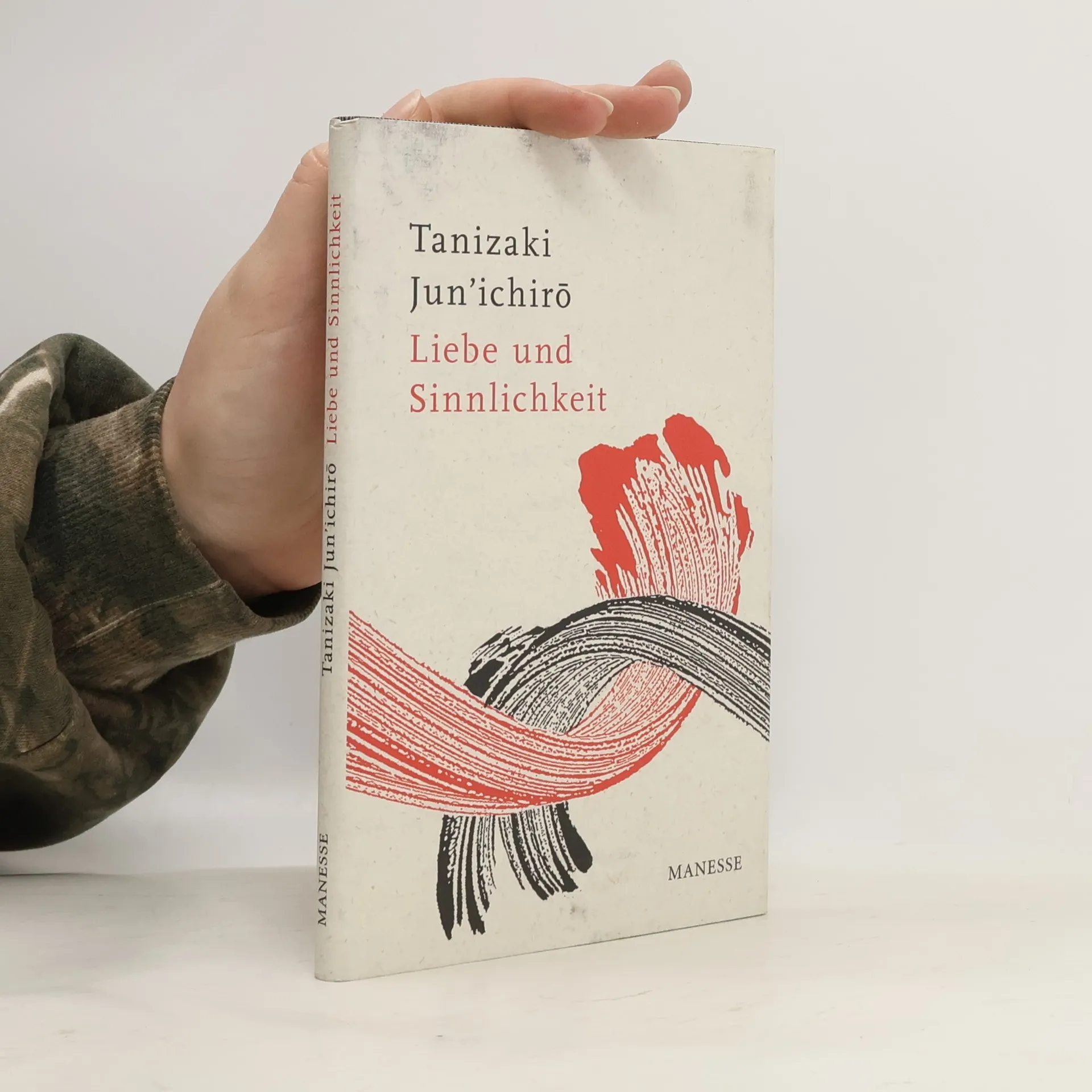
Liebe und Sinnlichkeit
Übersetzt von Eduard Klopfenstein
Mann und Frau begegnen sich in der japanischen Gesellschaft traditionell mit großer Zurückhaltung und Höflichkeit. Wer den Reiz solch verhaltener Sinnlichkeit verstehen will, muss Tanizaki lesen.Japanerinnen waren lange von einer Aura des Mysteriösen umgeben: blass wie der Mondschein, leise wie das Zirpen von Insekten und sanft wie die Tautropfen auf den Gräsern – so wurden sie in der Literatur ihres Landes idealisiert. Verhaltene, nur angedeutete Zärtlichkeit zeichnete ihr Verhältnis zu den Männern aus. Und doch vermochte genau diese Nuancierung des Erotischen, genannt «iroke», die Männer weit mehr zu bezaubern als allzu große Offenheit und Leidenschaftlichkeit. «Selbst eine noch so schöne Frau hat, wenn sie erst einmal völlig nackt dasteht, nichts mehr, was sie enthüllen könnte», schreibt Tanizaki Jun’ichiro.Erfrischend unkonventionell bringt uns der Autor das japanische Verständnis von Sinnlichkeit nahe, die auffallende Zurückhaltung, die sich auch in der Architektur des Landes oder der Vorliebe für verschattete Räume spiegelt. Sein Essay aus den 1930er-Jahren, der mit diesem Band erstmals auf Deutsch vorliegt, liefert wie alle Aufsätze Tanizakis einen wertvollen Schlüssel zum Verständnis japanischer Sitten und Kultur.
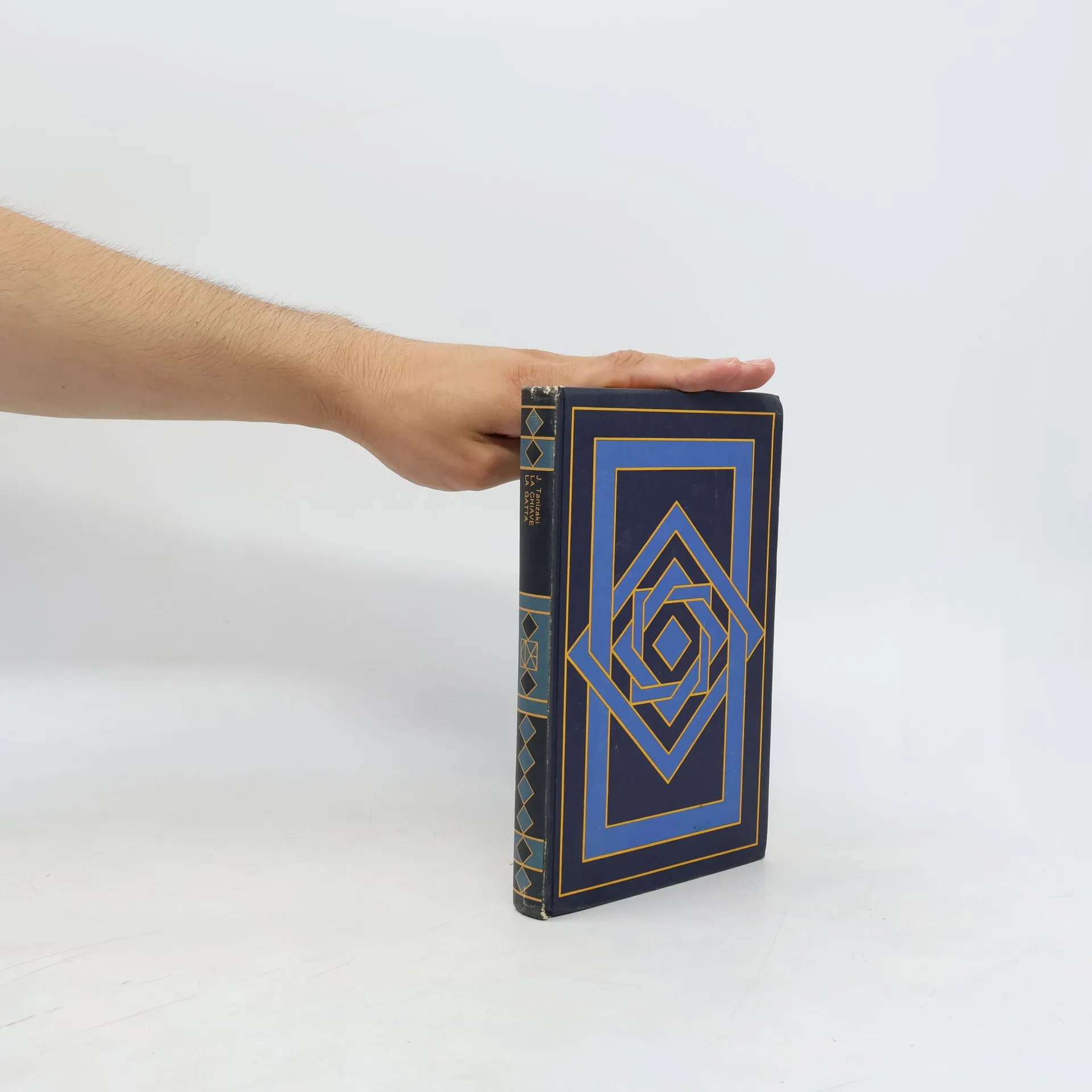
La gatta (Tascabili Narrativa)
- 112 pages
- 4 hours of reading
Schwarze Kirschblüten - Von Geistern, Mördern und Dämonen
Dunkle Geschichten aus Japan
- 576 pages
- 21 hours of reading
Von klassischen Geistergeschichten bis zu den verstörenden Visionen der literarischen Moderne durchzieht das Unheimliche die japanische Literatur. Schwarze Kirschblüten versammelt einige der faszinierendsten dunklen Geschichten aus über eineinhalb Jahrhunderten: rätselhafte Morde, rastlose Geister, groteske Obsessionen und Begegnungen mit dem Unerklärlichen. Mal schaurig, mal melancholisch, mal von schwarzem Humor durchzogen, führen diese Erzählungen in eine Schattenwelt, in der Traum und Wirklichkeit ineinander übergehen – dorthin, wo die schwarzen Kirschblüten des Unheimlichen blühen. Inhalt: Einleitung des Herausgebers Edogawa Ranpo: Der Sesselmann Yoshio Toyoshima: Gespenster der Großstadt Kaita Murayama: Zunge des Teufels Kidō Okamoto: Hundert Geschichten Hyakken Uchida: Der Pockengott Sotō Tachibana: Futon Kidō Okamoto: Die einbeinige Frau Ango Sakaguchi: Unter der vollen Blüte des Kirschbaumwaldes Kyōka Izumi: Der Wandermönch vom Kōya-san Fuboku Kosakai: Inugami Kyūsaku Yumeno: Die Geistertrommel Akinari Ueda: Die blaue Kapuze Fuboku Kosakai: Leichenkerze Edogawa Ranpo: Unmenschliche Liebe Jun’ichirō Tanizaki: Das Geschwür mit dem Menschengesicht Sakutarō Hagiwara: Die Stadt der Katzen Ryūnosuke Akutagawa: Das Höllenbildnis Jūran Hisao: Knochenbuddha Saseo Ono: Yūrei Masao Yamakawa: Ein Leichenzug im Sommer Shūgorō Yamamoto: Der Geistverleih Das Hardcover mit Leseband ist mit einer Silberfolie veredelt.
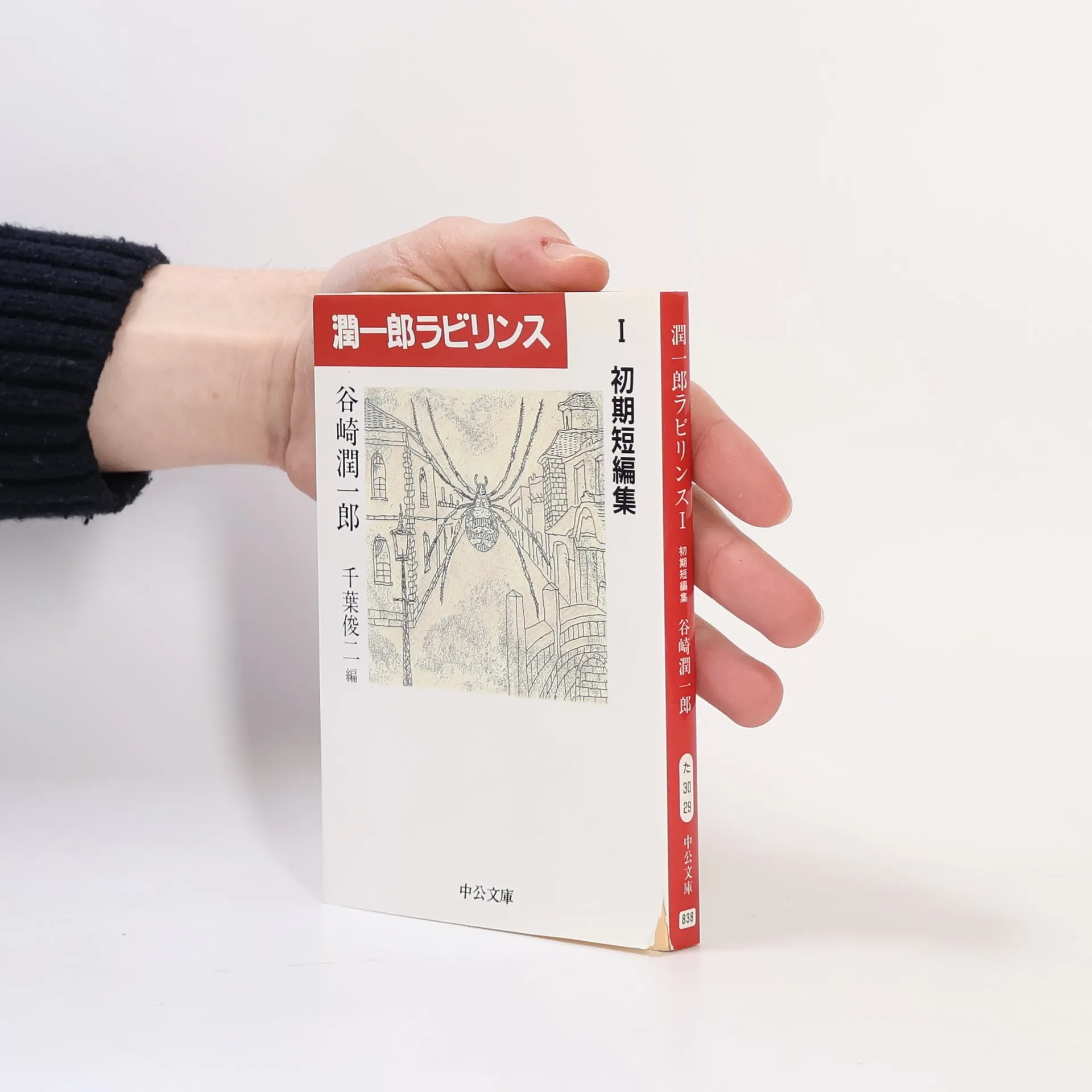
Jun ichirō rabirinsu
初期短編集
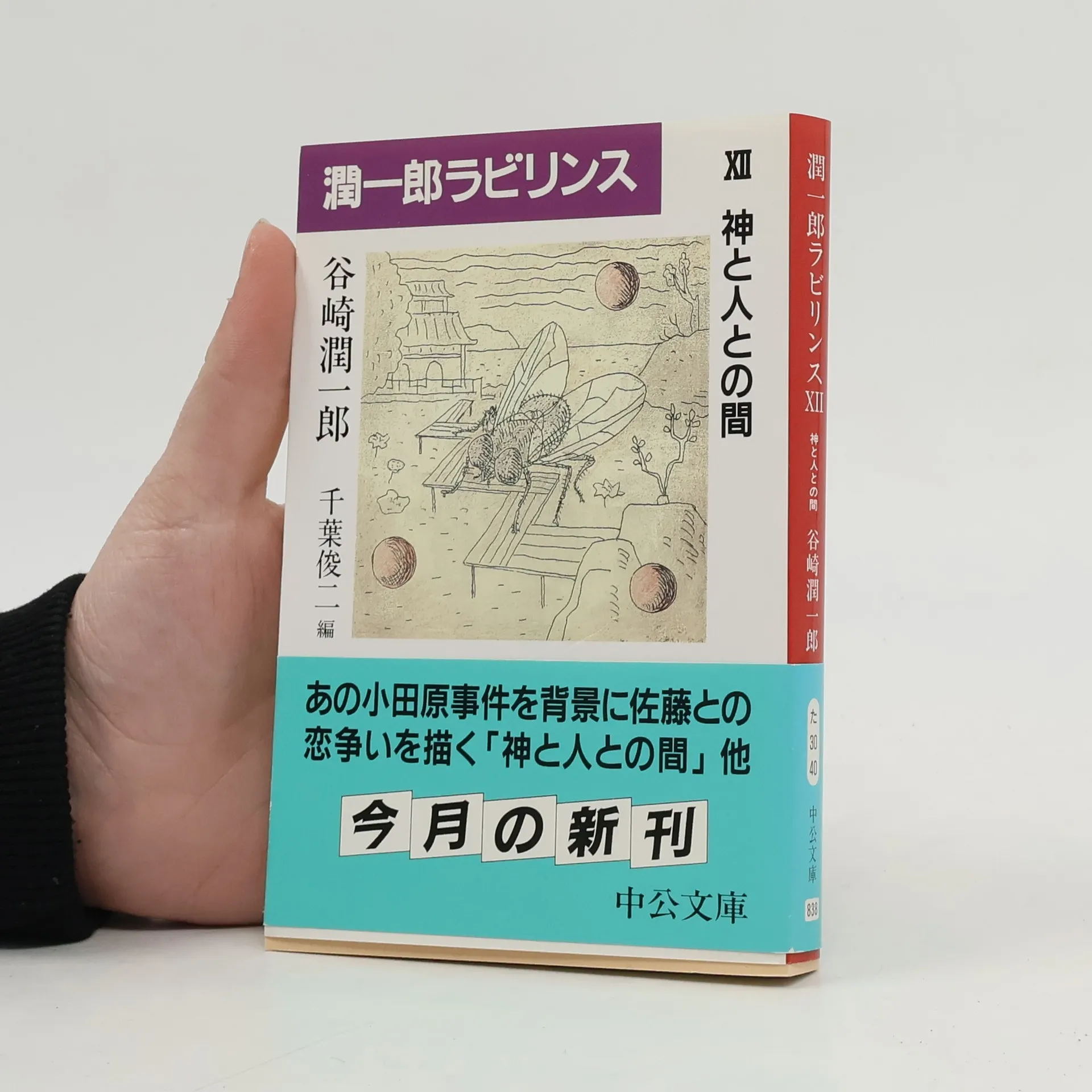
潤一郎ラビリンス - 12: 神と人との間
- 347 pages
- 13 hours of reading
小田原事件に発展した佐藤春夫とのトラブル、添田=谷崎、穂積=佐藤、朝子=千代夫人の三角関係を虚構を織りまぜて小説化した長篇「神と人との間」、既婚者の文学士と離婚者の法学士による理想的な離婚についての対話劇「既婚者と離婚者」、中国趣味を折込んだ「鶴唳」の三篇を収める。
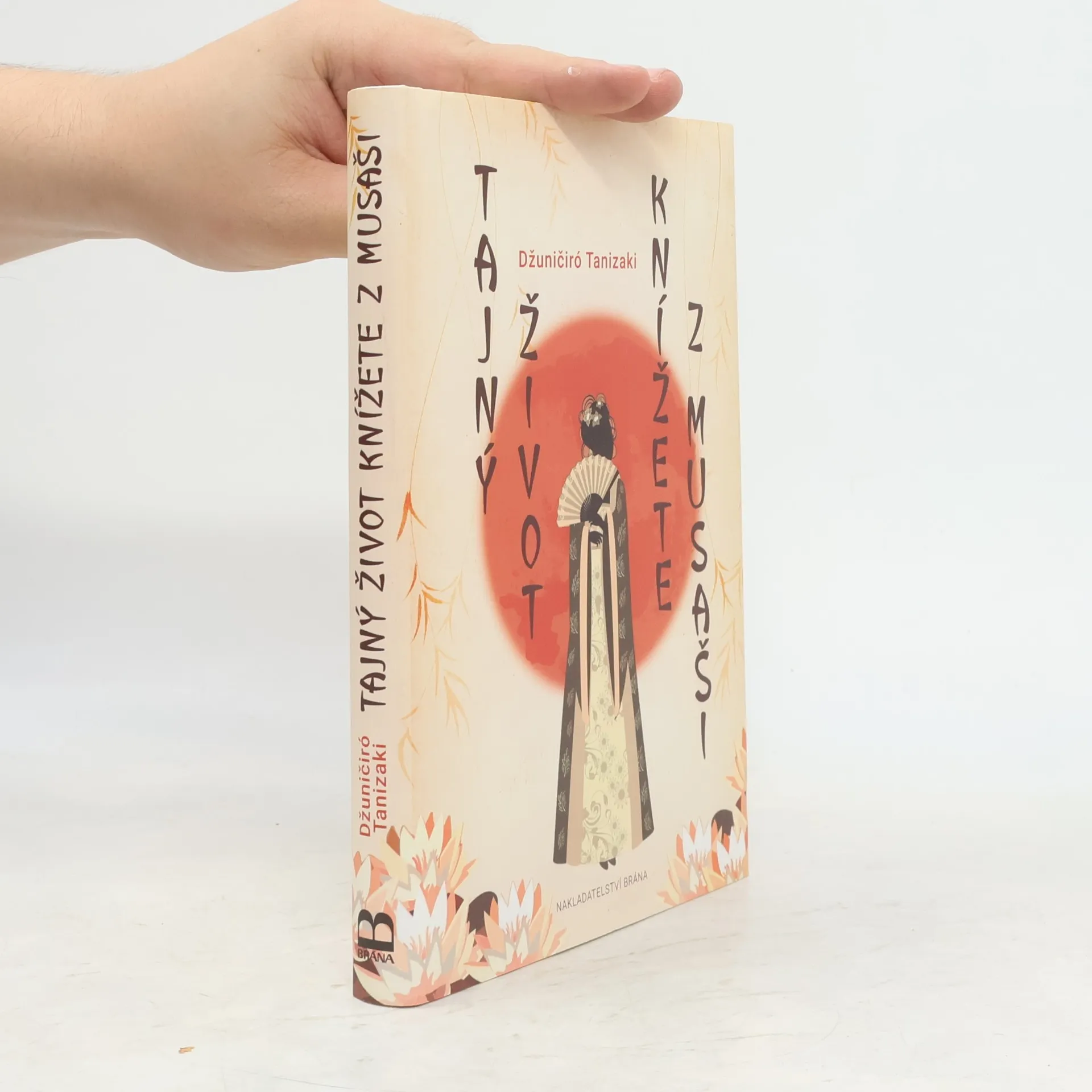
Slavné postavy národních dějin bývají obvykle představovány jako výlupky všech ctností a dávány za příklad dalším generacím. Ale co když jsou takové oficiální verze až příliš krásné, než aby byly i pravdivé, ptá se Tanizaki v Tajné historii pána z Musaši a odpovídá překvapujícím způsobem. Kudy vede hranice mezi hrdinstvím a perverzí? Jedním z…
Tajný život knížete z Musaši
- 168 pages
- 6 hours of reading
Protagonistou románu o knížeti z Musaši je muž, avšak sekunduje mu krásná, ale i pomstychtivá urozená žena. Milostný a spiklenecký vztah této dvojice končí zkázou jednoho významného samurajského rodu a zohavením tváře jeho představitele. Samurajské nosy bývaly trofejemi v bitvách, ale v tomto románu hrají rovněž roli symbolu cynické pomsty. Maskulinní samurajská společnost měla své vlastní mravy a v sexuální oblasti také velkou míru volnosti, jak dosvědčují i výstřední zvyky knížete z Musaši, jehož masochistické sklony se začaly projevovat již od chlapeckých let. Román se odehrává v 16. století.
Značně autobiografický román jednoho z předních moderních japonských spisovatelů, z jehož díla byla do češtiny přeložena novela Milenci z Jeda (1942). Vedle příběhu rozpadávajícího se manželství, v němž muž ztratil o ženu sexuální zájem a i jinak se jí odcizil, zamýšlí se též nad naléhavým problémem opouštění starých japonských tradic a zvyků v důsledku modernizace japonského života a kultury, jejich poevropšťování a amerikanizace.
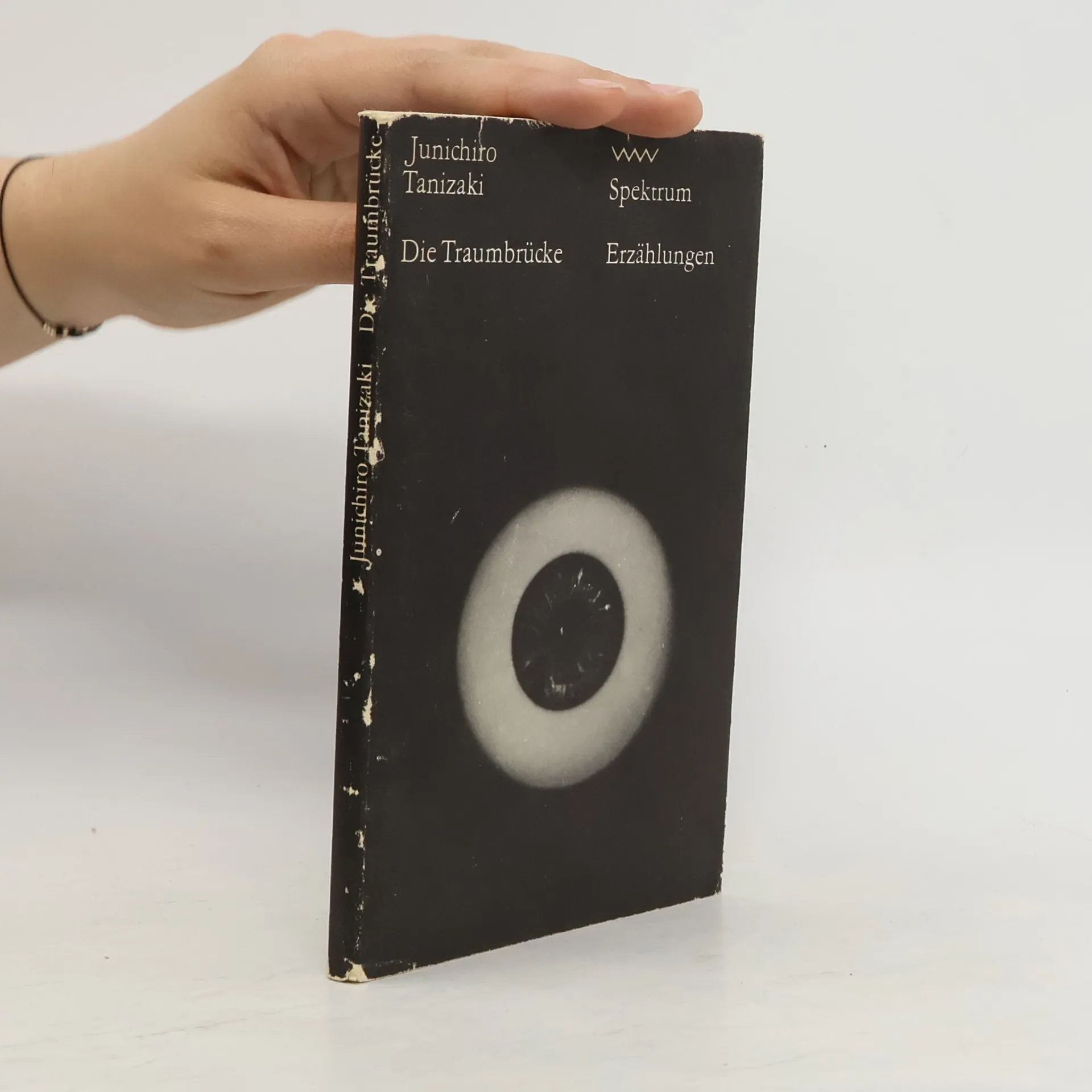
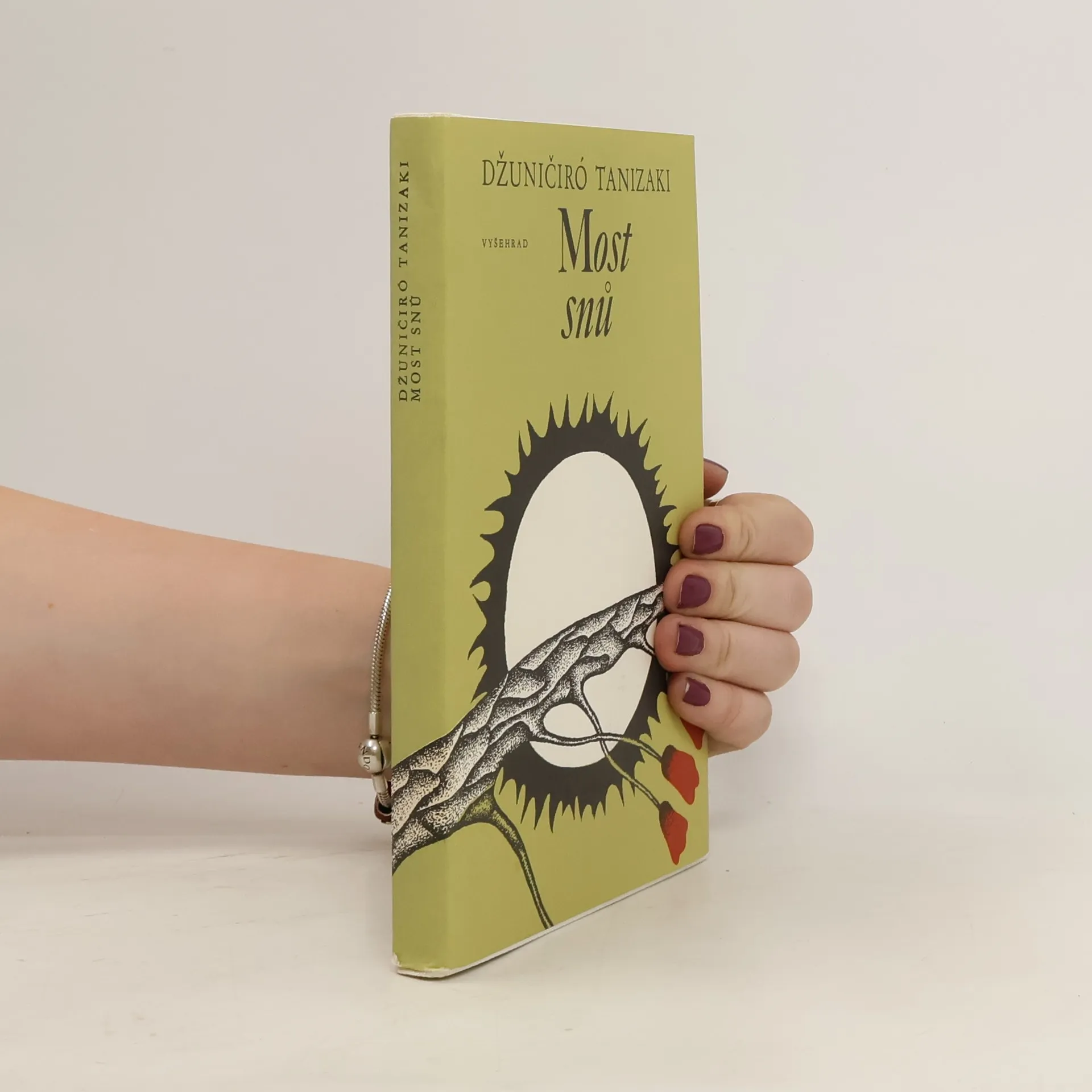
Podmanivá sila Tanizakiho slovesného umění a originální atmosféra jeho příběhů nepřestává po desetiletí přitahovat čtenáře v mnoha zemích světa. U nás to dosvědčuje zájem o jeho česky vydaná díla, zvláště pak o jeho proslulý román Sestry Makiokovy. Pod názvem Most snů vycházejínyní autorovy kratší prózy zastupující všechna hlavní období Tanizakiho tvorby (Tetování, Požaté rákosí, O touze po matce, Most snů, Slepcův příběh). Z nich novelu Most snů napsal v r. 1959, na sklonku své padesátileté spisovatelské dráhy, čtvrt století poté, co začal převádět do současné japonštiny Příběh o Gendžim, vrcholné dílo japonské dvorské literatury z počátku 11. století. Klasické písemnictví je mu často inspiračním pramenem pro vlastní tvorbu. V ní jako by před námi rozvíjel barevné svitky vyprávějící o starém Japonsku, o jeho mravech, životním stylu i myšlení, ale přitom tento dávno zašlý svět doslova vtahuje do současnosti zrcadlící se v příbězích plných fantazie. Svým bohatým jazykem, který utvářely nejlepší tradice japonského vypravěčského umění, líčí osudy milostných vztahů, záhady lidské duše, absurditu některých lidských citů a tužeb i historie dávných rodových bojů, v nichž jsou dramatické osudy umocněny jemnými odstíny existenciálně psychologických postřehů.