No Longer Human
- 188 pages
- 7 hours of reading
A young man describes his torment as he struggles to reconcile the diverse influences of Western culture and the traditions of his own Japanese heritage.


Osamu Dazai was a Japanese author considered one of the foremost fiction writers of 20th-century Japan. His works, often written in a semi-autobiographical style with transparency into his personal life, intrigue readers. His stories also bring awareness to important topics such as human nature, mental illness, social relationships, and postwar Japan. His works are regarded as modern classics in Japan.


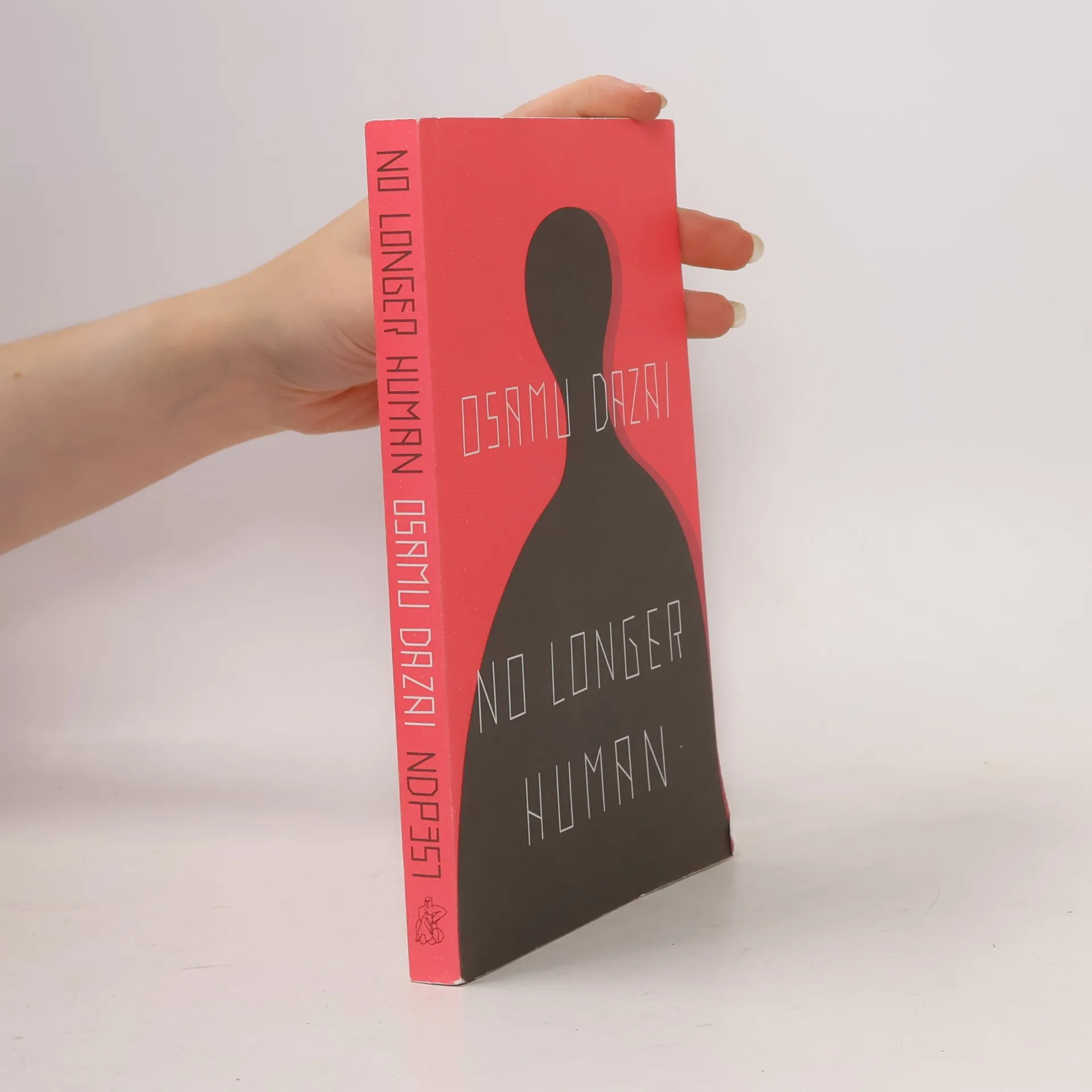
A young man describes his torment as he struggles to reconcile the diverse influences of Western culture and the traditions of his own Japanese heritage.
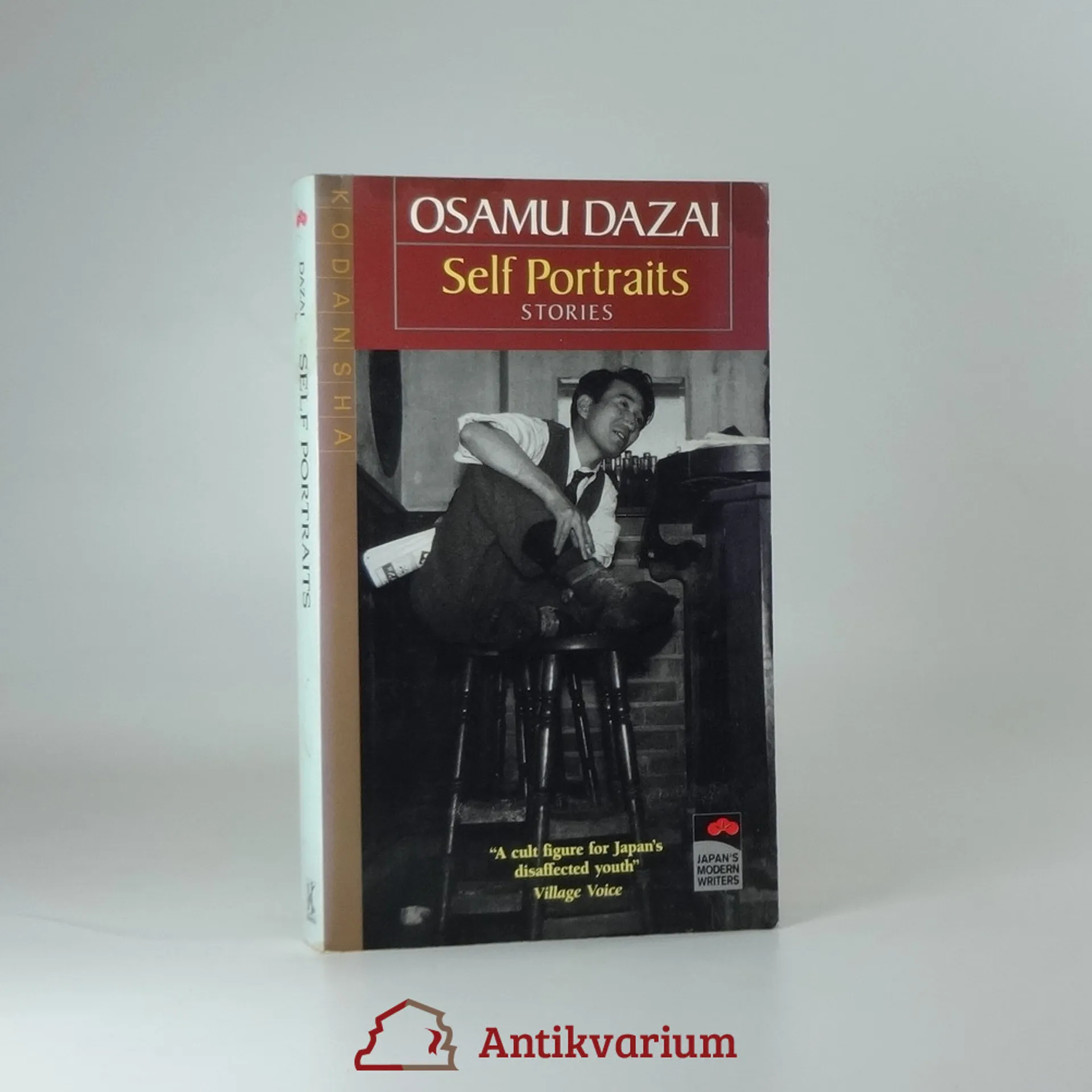
Bringing together novelist Osamu Dazai's best autobiographical shorts in a single, slim volume, Self-Portraits shows the legendary writer at his best--and worst
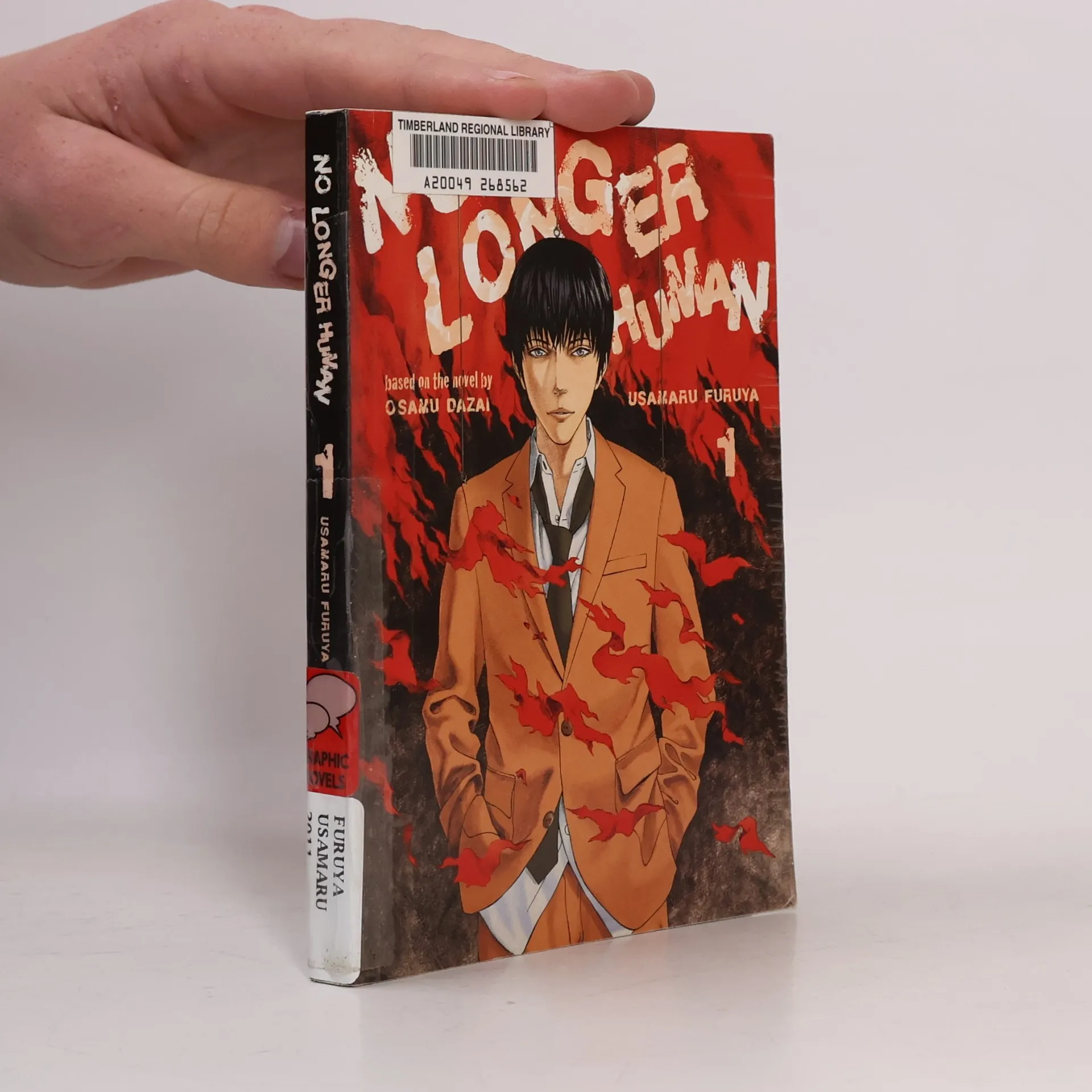
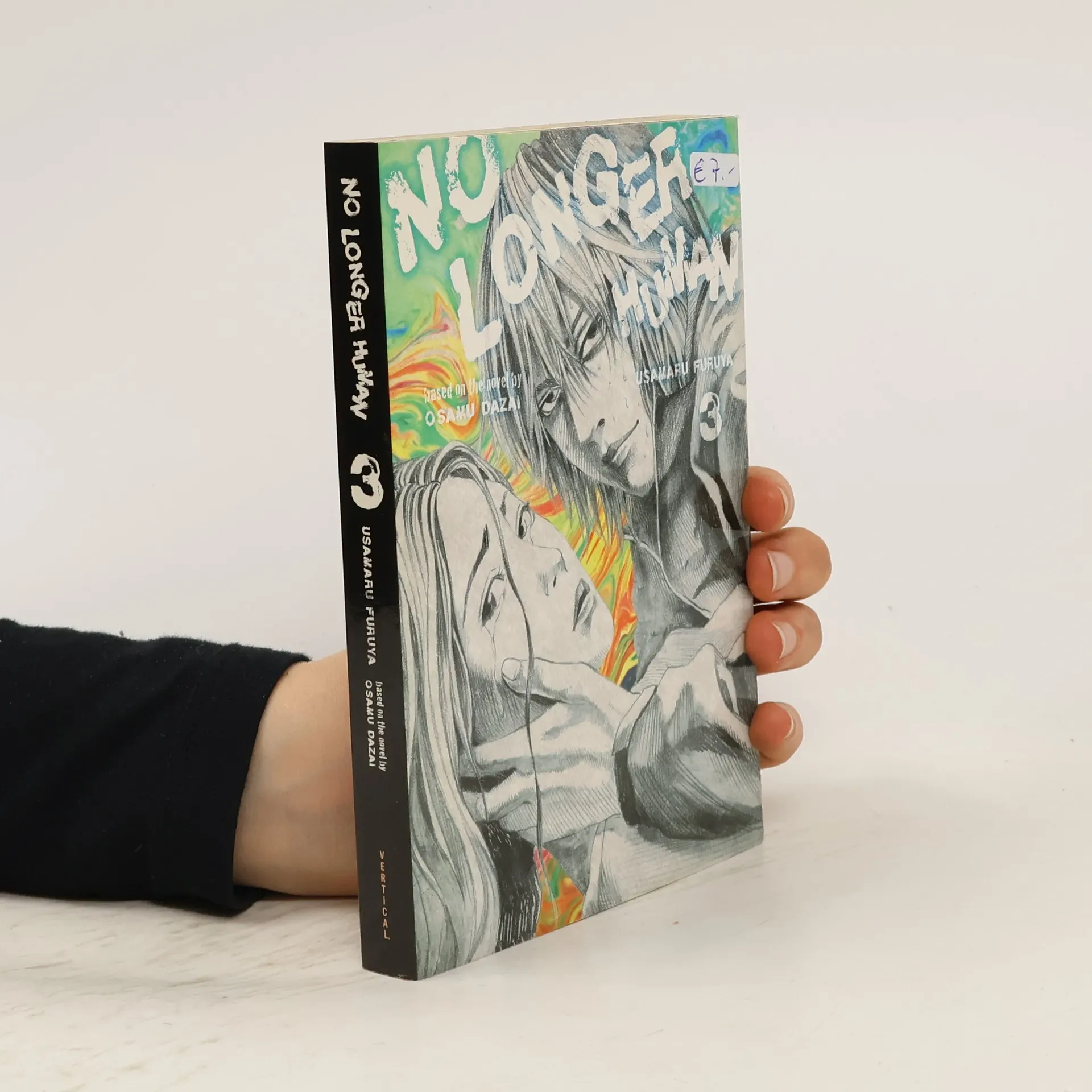
This final volume of the critically acclaimed series, reveals Yozo Ohba's quick and tragic demise. After what appears to be a brief period of marital bliss from the budding cartoonist, a shocking revelation reopens deep emotional wounds leading him towards reclusion and eventual self destruction. A modern classic which explores the mind of an alienated man who feels he is a spectator in his own life. Based on the novel by Osamu Dazai, Usamaru Furuya has breathed new life into the classic with his beautiful graphic art.
Dazai's exploration of egoistic pessimism resonates with contemporary emo culture and the emotional depths of teenagers across generations. Renowned for his novels, he also showcases his literary prowess in this collection of twenty short stories, blending diverse styles with sharp humor and deep empathy for the human experience. Each story reflects his exceptional talent and insight, making this anthology a significant contribution to literature.
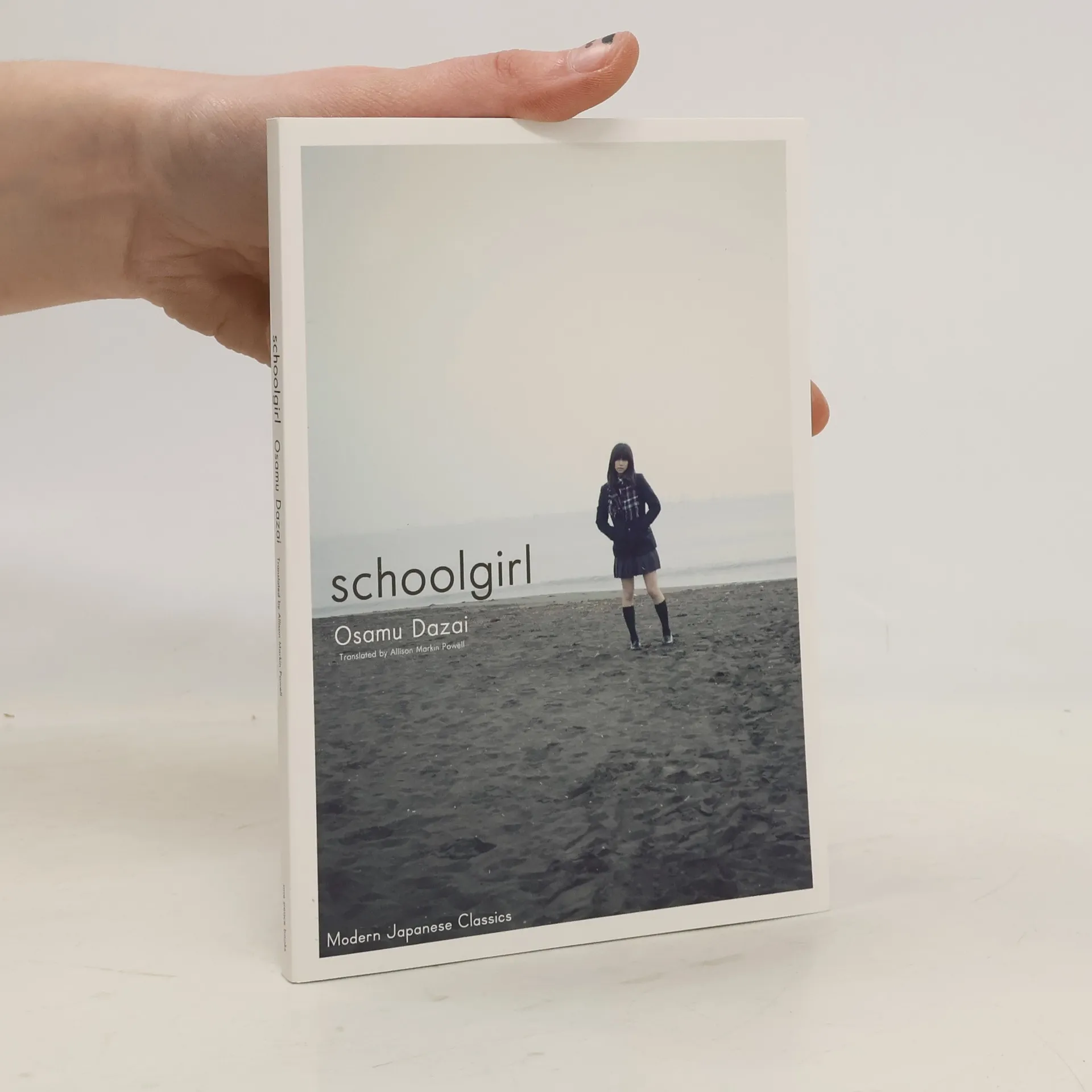
"The novella that first propelled Dazai into the literary elite of post-war Japan. Essentially the start of Dazai's career, Schoolgirl gained notoriety for its ironic and inventive use of language. Now it illuminates the prevalent social structures of a lost time, as well as the struggle of the individual against them--a theme that occupied Dazai's life both personally and professionally. This new translation preserves the playful language of the original and offers the reader a new window into the mind of one of the greatest Japanese authors of the 20th century"--Page 4 of cover.
Dazai Osamu wrote The Fairy Tale Book (Otogizoshi) in the last months of the Pacific War. The traditional tales upon which Dazai's retellings are based are well known to every Japanese schoolchild, but this is no children's book. In Dazai's hands such stock characters as the kindhearted Oji-san to Oba-san ("Grandmother and Grandfather"), the mischievous tanuki badger, the fearsome Oni ogres, the greedy old man, the "tongue-cut" sparrow, and of course Urashima Taro (the Japanese Rip van Winkle) become complex individuals facing difficult and nuanced moral dilemmas. The resulting stories are thought-provoking, slyly subversive, and often hilarious. In spite of the "gloom and doom" atmosphere always cited in reviews of The Setting Sun and the later No Longer Human, though, Dazai's cutting wit and rich humor are evident in the entire body of his work. His literature depicts the human condition in painfully blunt and realistic terms, but, like life itself, is often accompanied by a smile.
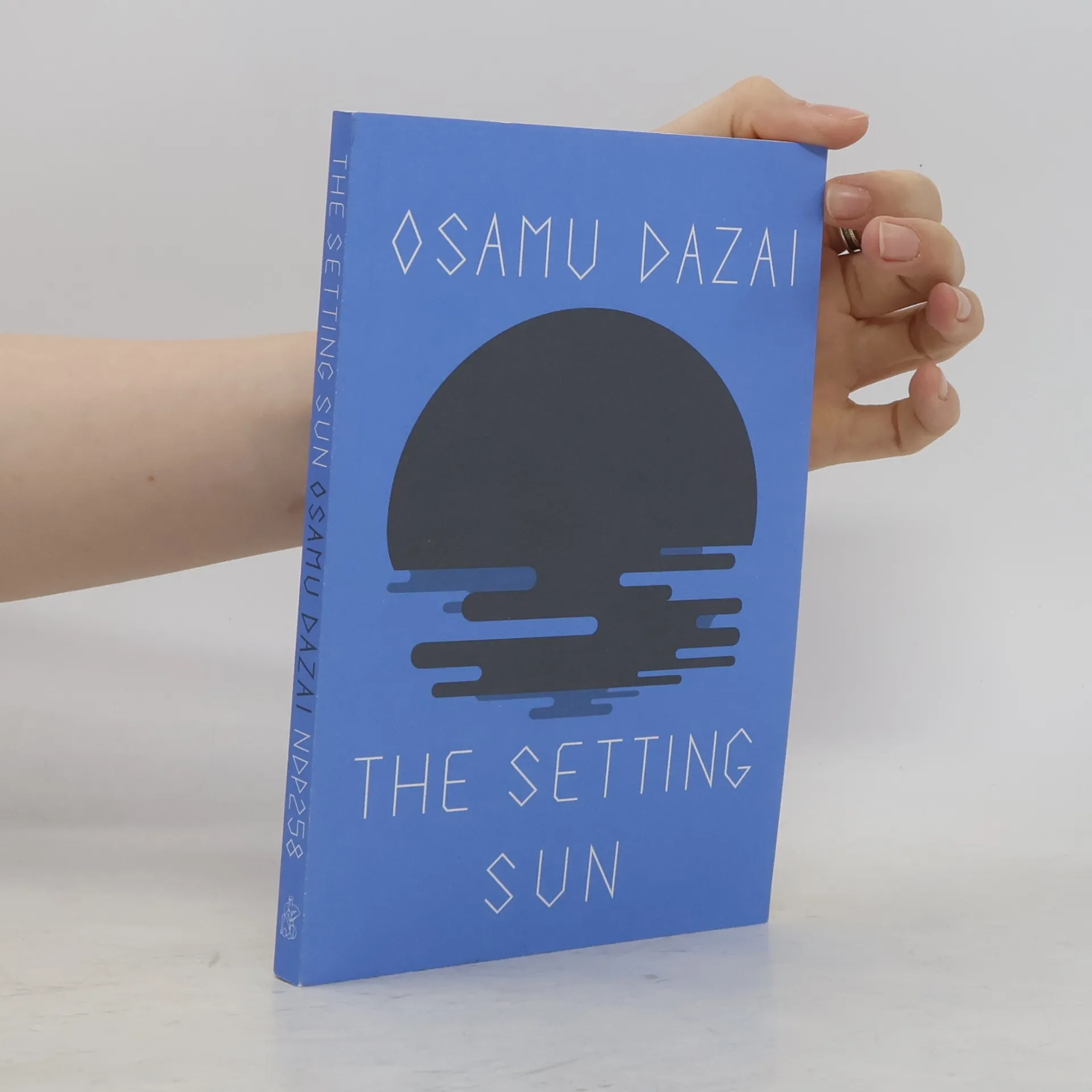
Novel of present day Japan. Reaction of an upper-class family to the war and the resultant cultural impact.
Revives the literary masterpiece of the same name in modern-day Tokyo. Beautifully rendered through Usamaru Furuya's striking visuals, this adaptation of Osamu Dazai's self-destructive semi-autobiography draws an eerie parallel to Furuya's own life as a struggling cartoonist. Considered a classic in Japan, Dazai's No Longer Human (New Directions, 1973) details the life of a youth whose traumatic past renders him incapable of revealing his true emotions. Now told through Furuya's eyes, this tragic tale of loathing and suicide is taken to new levels of dismay.
A glimpse into the humorous, sardonic world of Dazai Osamu, presenting a new and very different look at a one of the recognized masters of Japanese, and indeed global, literature. These works from the middle years of his brief career show a skilled hand, with angst muted and his penchant for subtle comedy deftly displayed. Scholars and fans often divide the career of Dazai Osamu (1909-1948) into three periods: early, middle, and late. The early and late periods tend to get all the attention, but in fact Dazai was at his very best in the middle period, which corresponds roughly to the years of the Pacific War. All the stories in this collection, with the exception of the early "Romanesque," were written during that time.
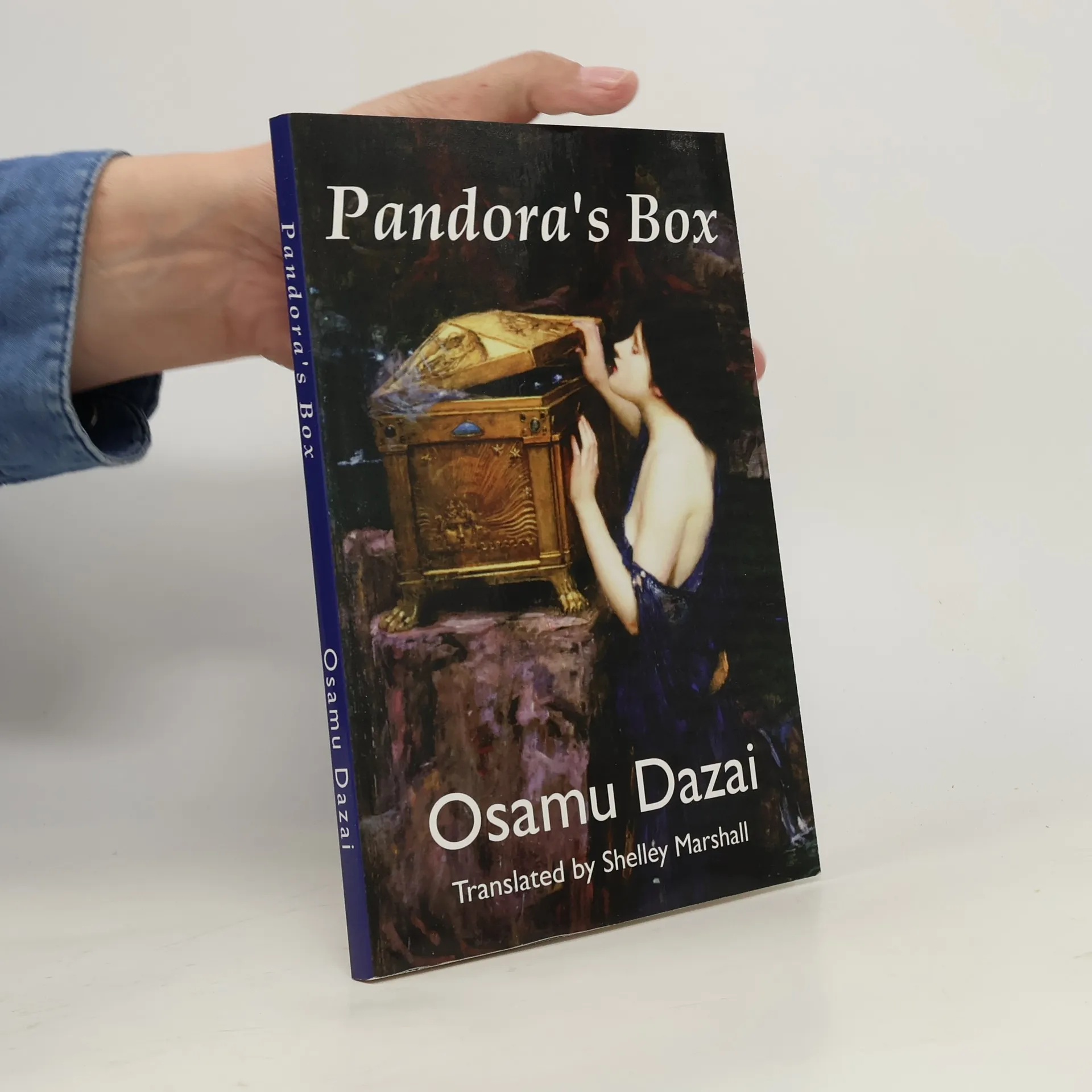
The war is over. Japan is defeated. As his country rebuilds, a young man must fight disease and rebuild his life. He will start at a peculiar sanatorium, where everyone gets a nickname, and where he is surrounded by an odd assortment of patients and caregivers. Osamu Dazai was a leading Japanese modern fiction writer who wrote in the genre of the "I" novel. His work reflected his troubled life, but Pandora's Box is one of his optimistic novels.
For the first time in English, Osamu Dazai's comic prequel to No Longer Human
What dark fate awaits beneath the roaring falls? Suwa and her father live alone on the slopes of Horsebare Mountain, eking out the most meager of existences. During the warmer months the beautiful waterfall brings a few sightseers, but when winter comes there is only solitude. Suwa would do anything to escape the life to which her father has resigned himself. And the lure of the river is strong... This early classic from the author of Japan’s greatest modern novel is a dark, elliptical tale of hopelessness that weaves the folklore of the mountains into an anti-coming-of-age story as vividly relevant today as it was when it was written nearly a hundred years ago.
Set in Tsugaru, Aomori Prefecture, during the spring of 1944, the narrative explores the impact of World War II on a small Japanese community. The story delves into the lives of its residents as they navigate the challenges and changes brought by the war. Themes of resilience, community bonds, and the struggle for normalcy amidst turmoil are central to the characters' experiences, showcasing their hopes and fears during a time of uncertainty.
Early Light gathers three tales by Osamu Dazai, author of the wildly popular No Longer Human
This collection of previously unpublished work has been carefully chosen to present the most fully rounded portrait of Osamu Dazai, the tragic genius of 20th century Japanese literature. By turns hilarious, introspective, ironic, and mystical, these remarkable tales reveal the full range of Dazai’s talents, now lost to the world thanks to his dissolute life and eventual suicide.
A classic of Japanese literature, brought to life in English & manga for the first time!This is the first manga edition in English of The Setting Sun, Osamu Dazai's classic novel, often considered his masterpiece.Set in the aftermath of World War II, this is the story of Kazuko, a strong-willed young woman from an aristocratic family that has fallen into poverty since the war. The book follows Kazuko's journey as she and her family struggle to survive and adapt to the harsh new conditions. In addition to having to move from Tokyo to the countryside, where she is forced to work in the fields to support the family, she has to deal with a difficult divorce, the birth of a stillborn child, and the return of her drug-addicted brother from the war. This gripping and inspiring portrait of one woman's determination to survive in a society that is in the grip of a social and moral crisis tells one story in a fast- changing world, with universal themes that resonates with readers today.After Soseki Natsume, Osamu Dazai is Japan's most popular writer. Dazai is enjoying a surge in interest among young people today thanks to the success of the manga, anime and film series Bungo Stray Dogs, whose protagonist, a detective named Osamu Dazai, is based on the real-life author.
Set in post-World War II Japan, the narrative follows Kazuko as she navigates personal and societal upheaval after losing her family's wealth. Burdened by her mother's illness, a recent divorce, and the trauma of stillbirth, Kazuko's life takes a turn when her brother returns from war, only to struggle with opium addiction. Her brief love affair with a troubled novelist offers little solace, yet she ultimately embraces independence when faced with an unexpected pregnancy, challenging traditional moral constraints. Dazai's exploration of alienation remains relevant, resonating with contemporary readers.
This collection of 14 tales - a half-dozen of which have never before appeared in English - is based on a Japanese collection of, as Dazai described them, "soliloquies by female narrators." Osamu Dazai was a master raconteur who plumbed - in an addictive, easy style - the absurd complexities of life in a society whose expectations cannot be met without sacrificing one's individual ideals on the altar of conformity. The gravitational pull of his prose is on full display in these stories. The collection includes the quietly brilliant long story "Schoolgirl" and shows the fiction of this 20th-century genius in a fresh light.
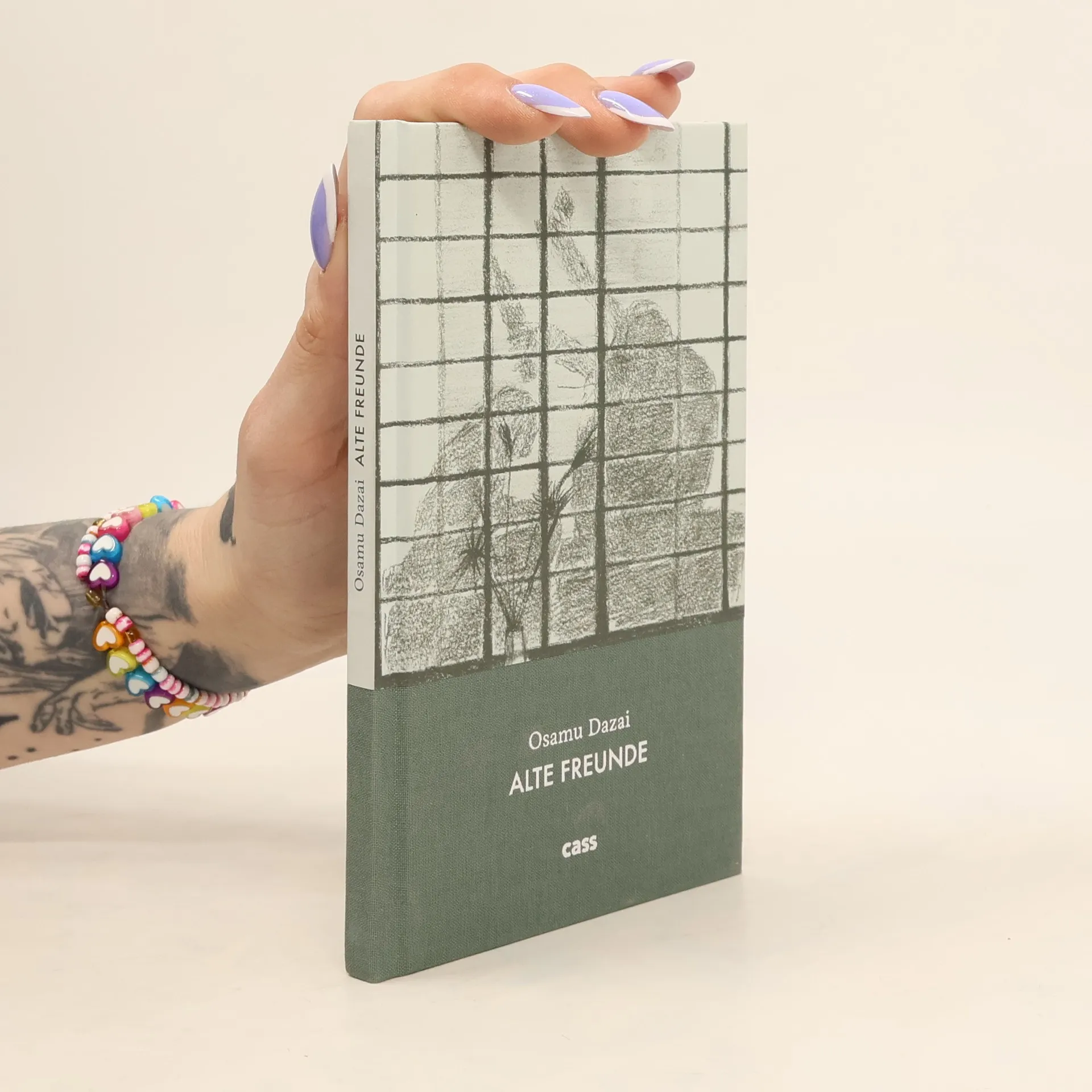
1946. Plötzlich steht ein grobschlächtiger Kerl in Feldarbeitskluft vor der Tür und behauptet, ein alter Schulfreund zu sein. Der Hausherr, ein namhafter Schriftsteller, in Tokyo mit der Familie ausgebombt und jetzt wieder auf dem Land lebend, kann sich nicht erinnern, lässt den Mann aber ein. Der »alte Freund« kommt vom Erzählen ins Schwadronieren, vom Schwadronieren ins Belehren, dezimiert dabei ganz ungeniert den in der Nachkriegszeit raren Whiskey des Hausherrn, ruft gar nach der Frau des Hauses, um sich einschenken zu lassen. Dann geht es ans Beleidigen. Der Hausherr windet sich, sagt aber nichts. Beim endlichen Abschied gibt der ungebetene Gast, beladen mit Zigaretten und dem Rest des Whiskeys, dem Hausherrn den Gnadenstoß. Er zischt ihm etwas zu. Eine Wahrheit. Eine Lüge. Dazais berühmte Erzählung über die Feigheit des Intellektuellen, über Scham und Selbstverachtung. Erstmals aus dem Japanischen ins Deutsche übertragen.
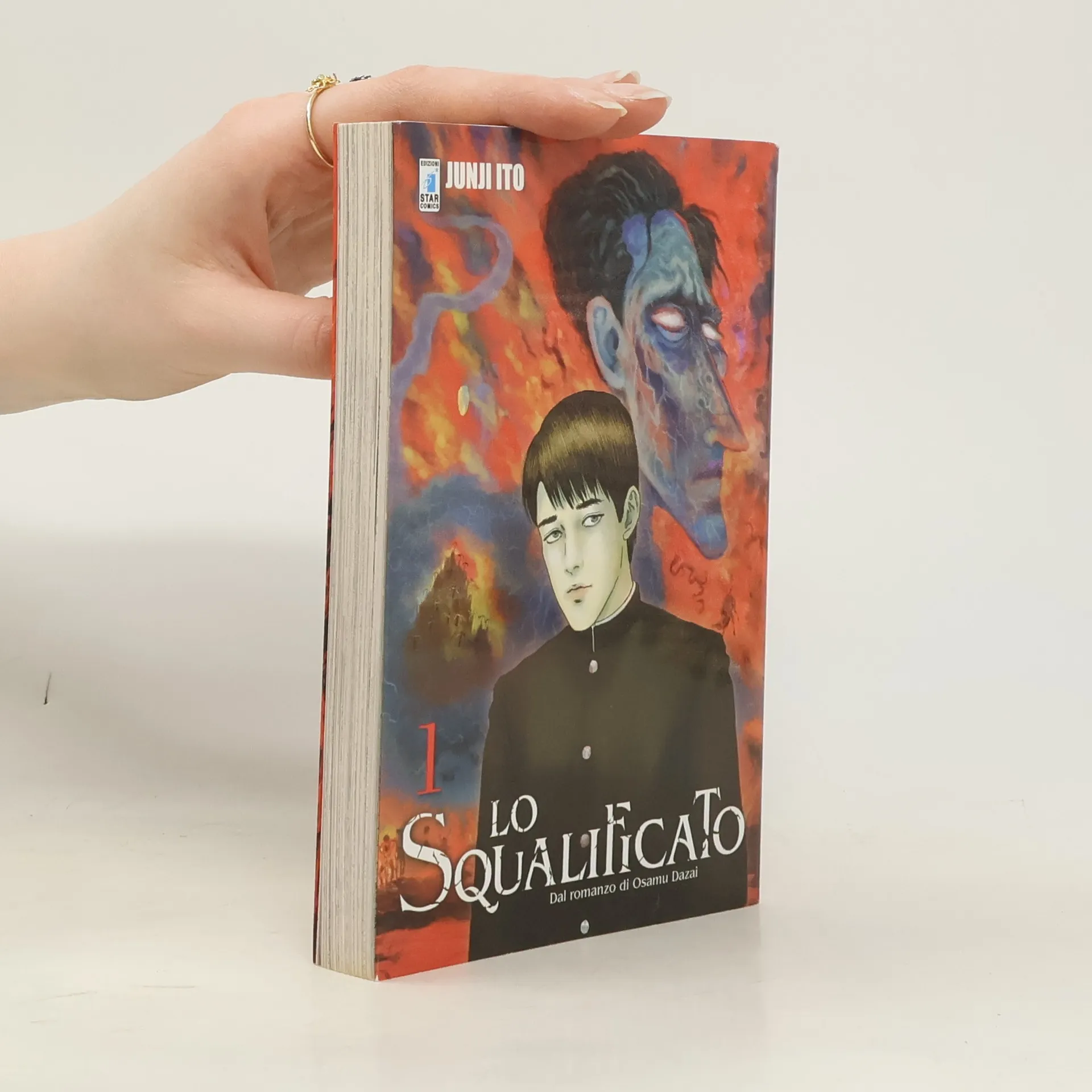
Yozo Oba non riesce a comprendere la felicità degli altri, eppure non può fare a meno di preoccuparsi dell'opinione di chi lo circonda. Ossessionato dal bisogno di ingannare gli altri, decide di nascondersi dietro un atteggiamento da eccentrico buffone, impegnandosi con tutto se stesso. Questo è il racconto della sua vita, vissuta giorno dopo giorno con la sensazione di voler morire...
Der Band enthält Kurzgeschichten aus Dazai Osamus Sammlung "Bannen", die zwischen 1930 und 1936 entstanden. Die Erzählungen thematisieren Dekadenz, Melancholie und Sarkasmus. Dazai, geprägt von europäischem Dandytum, schafft raffinierte Geschichten, die den Leser in eine zeitlose Welt entführen.
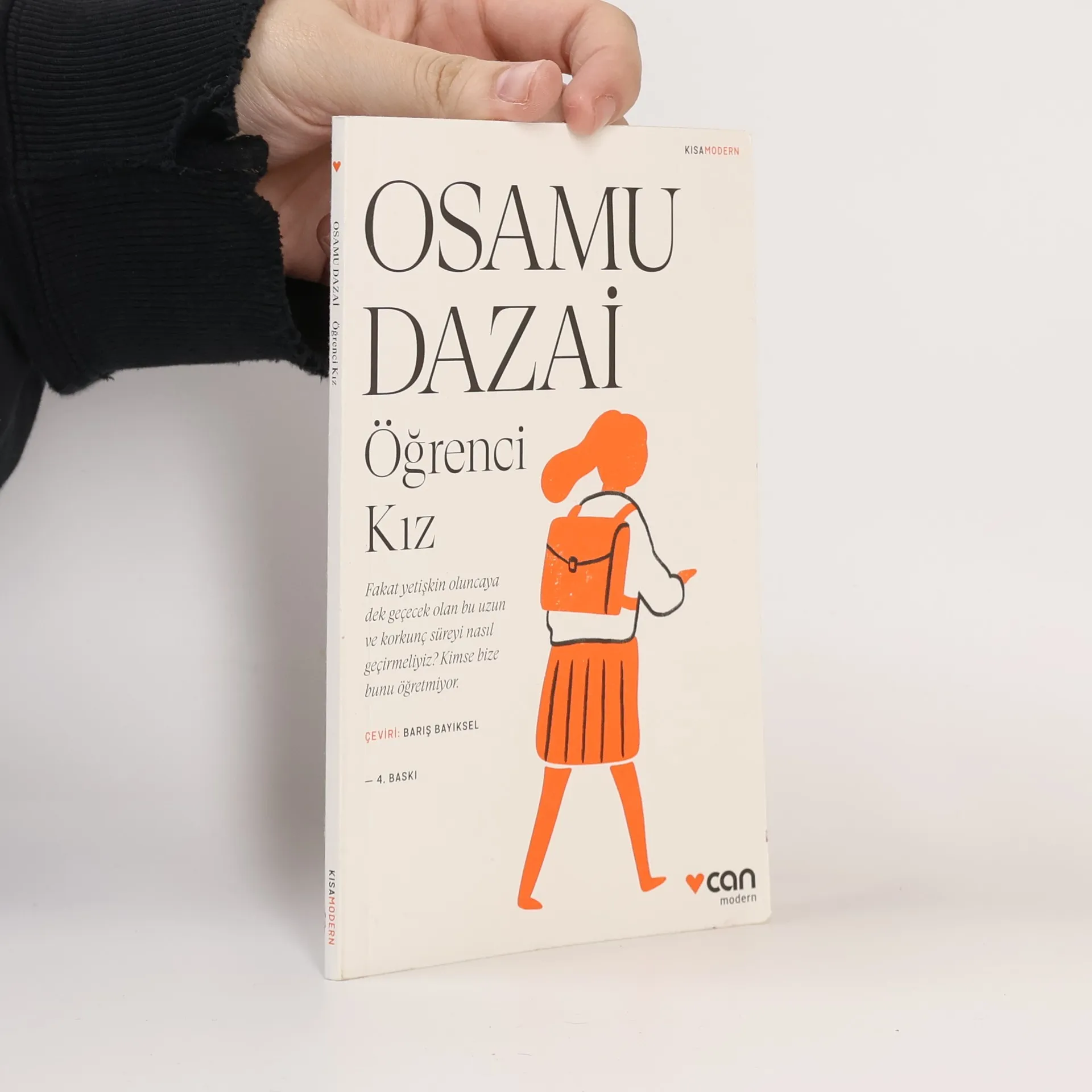
Bir okurunun kendisine gönderdiği günlüklerden esinlenerek yazdığı Öğrenci Kız’da Osamu Dazai bir Tokyo banliyösünde yaşayan isimsiz bir genç kızın bir gününü anlatıyor. Aklına takılan şarkıları, yolda düşündüğü ve gördüklerini, günlük yaşama dair ayrıntıları ve içten içe duyduğu hüznü büyük bir başarıyla ve empatiyle resmetmeyi başarıyor. Yaşama hep çarpıcı bir dürüstlükle bakmış Dazai’nin bir gün kadar kısa romanı, gençlerin sesini ve düşüncelerini çekinmeden aktaran ilk modern yapıtlardan biri.
März 1945, kurz vor Ende des Zweiten Weltkriegs: Tokio ist seit mehreren Monaten Ziel schwerster Luftangriffe. Der bedeutende japanische Schriftsteller Dazai flieht mit seiner Frau und der vierjährigen Tochter aus der Stadt und verfasst unter diesem Eindruck sein erfolgreichstes Werk. Rahmenhandlung ist eine Bombennacht, in der ein Vater seine Tochter mit Märchenerzählungen zu trösten versucht. Dazai wandelt dabei vier in Japan sehr bekannte Märchen in humorvoller Weise ab und gibt ihnen – vor dem Hintergrund des brutalen Kriegsgeschehens – eine sarkastisch-tragische Dimension.
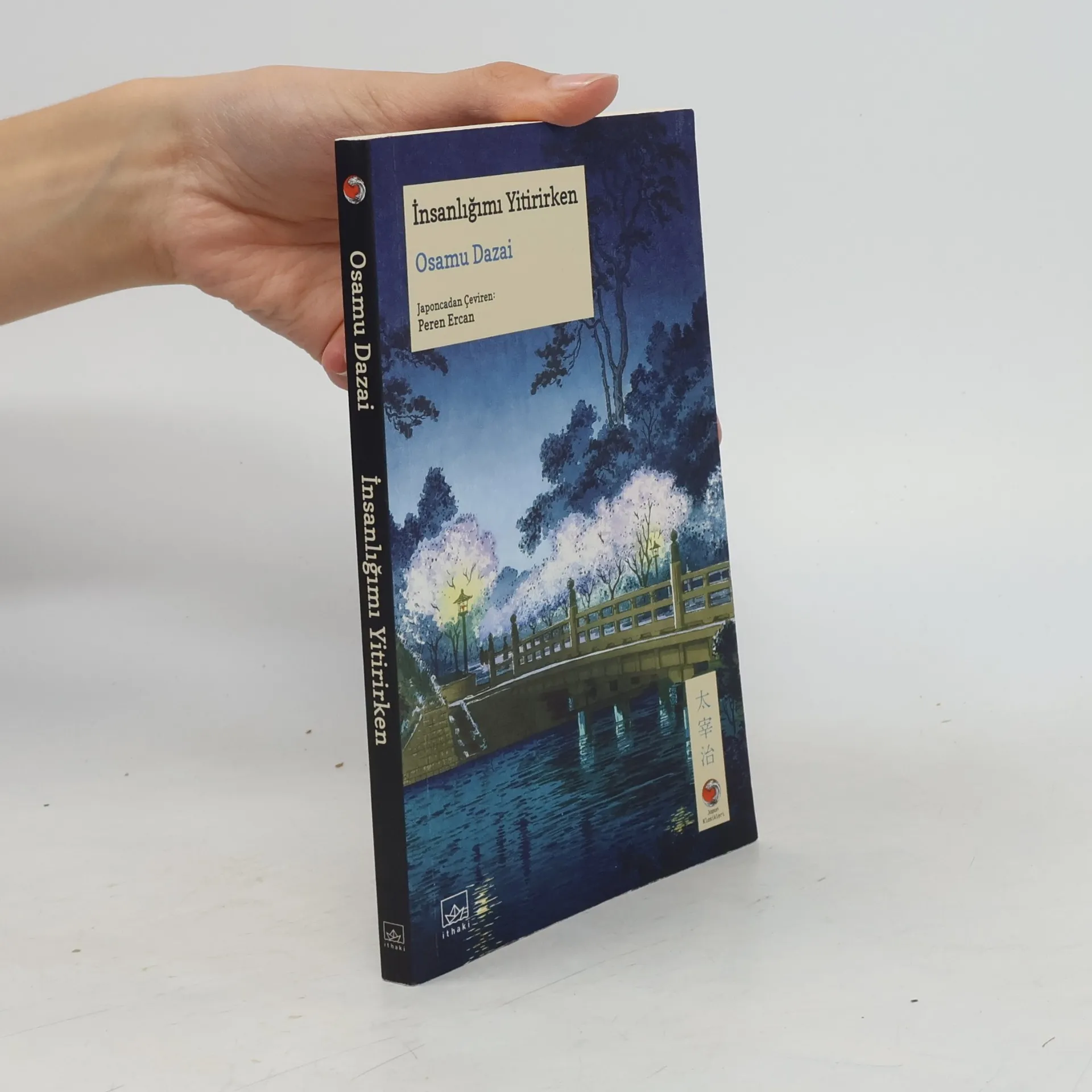
20. yüzyıl Japon edebiyatının önde gelen yazarlarından olan Dazai, 1930'lu yıllarda başladığı yazarlık yaşamında, İkinci Dünya Savaşı sonrasından ölümüne kadar olan sürede önemli öykülere ve romanlara imza atmıştır. Ningen Shikkaku bir anlamda Dazai'nin özyaşamöyküsüdür. Bu eserinde Dazai çocukluğunda yaşadığı yalnızlığı, gençliğinde ailesinden kopuşunu daha sonra ise Tokyo'da geçirdiği sıkıntılı yıllarını, intihar girişimlerini, vereme yakalanışını içe dönük bireysel bir anlatı yerine, yaşam alışkanlıkları üzerinde yoğunlaşarak ustalıkla ve yalın bir anlatımla kaleme almıştır. Kalbi kırılan, üst üste çöküşler yaşayan, gelişigüzel kullandığı ilaçlar sonunda bünyesinin dengesini de kaybeden öykü kahramanı Yozo, anlatının sonunda insanlığını yitirdiğini itiraf etmektedir. Belki de, Yozo'nun anlatısının ilk cümleleri Dazai'nin neyi vurgulamak istediğini çok iyi özetlemektedir. 'Yaşamım utançlarla doludur. İnsan yaşamının ne olduğu hakkında bir fikrim yok.'
Dans l'évocation de la journée d'une adolescente à la veille de la Seconde Guerre mondiale comme dans la description d'un hospice durant le conflit, Dazai fait preuve de toute sa drôlerie, sa délicatesse et son cynisme. En partie autobiographique, ces deux nouvelles sont inédites en français.
Neuübersetzung von Sabrina Wägerle Im Familienkreis mimt Ōba Yōzō den Clown, doch es sind die Possen eines Verzweifelten, der seine schweren inneren Kämpfe hinter Sarkasmus verbirgt. Alle wahren Nöte und Gedanken kann er nur seinen Notizheften anvertrauen. In radikaler Offenheit erzählt dieser Roman-Klassiker von einer so gescheiten wie tief beschädigten jungen Seele auf der glücklosen Suche nach Orientierung und Halt. In Japan ist das Buch millionenfach verbreitet, dort entdeckt jede Lesergeneration aufs Neue die Aktualität dieser zeitlosen Geschichte. Der Kultklassiker ist ein Millionenseller und eines der meistverkauften Bücher in Japan Dazais Meisterwerk ist ein Muss für Japan-Fans und für alle, die Kafka, Murakami oder Dostojewski lesen »Dazais letzter großer Roman ›Gezeichnet‹ machte ihn endgültig zur Kultfigur der existentialistischen Jugend.« Deutschlandfunk »Dazais Verzweiflung hat etwas seltsam Anschmiegsames an sich. Die Offenheit seiner Figuren gegenüber ihrer Grausamkeit und ihrem Egoismus ... macht sie paradoxerweise verletzlich.« The New York Times
Details the life of a troubled young man from a well-off family from Japan's far north who is incapable of revealing his true self to others.
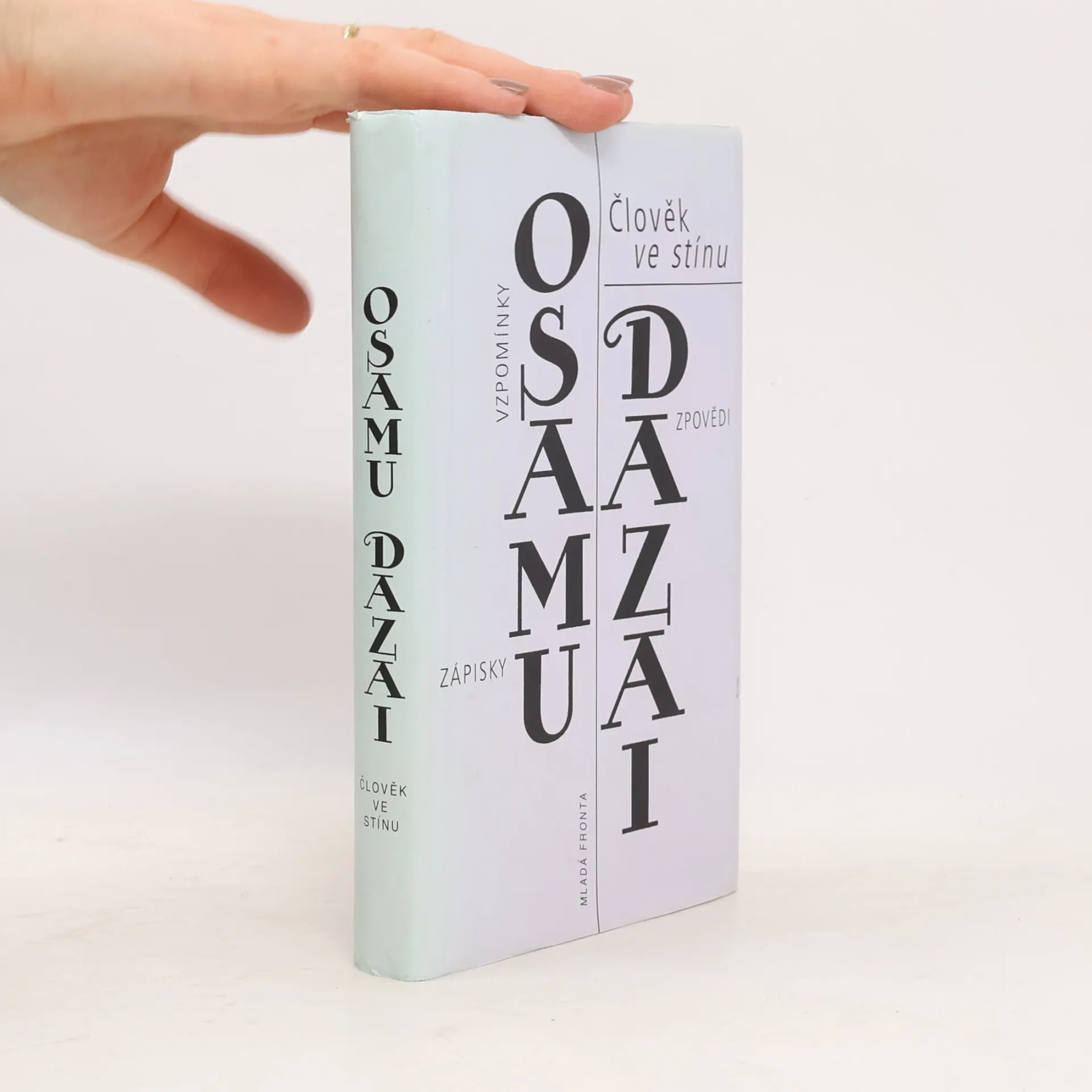
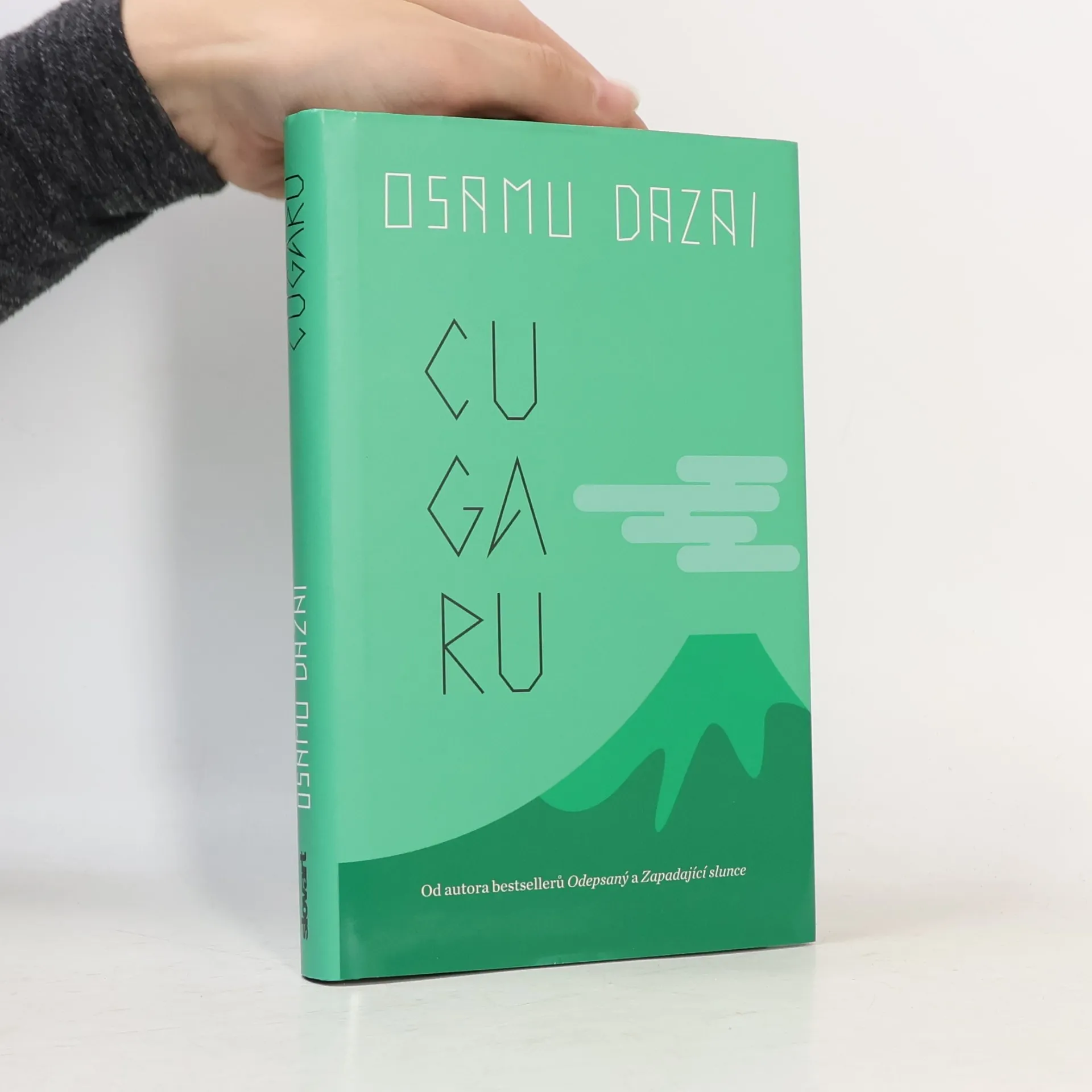
Výbor z rozsáhlého díla japonského spisovatele přináší tři různorodé, přitom však navzájem propojené texty: životopisné Vzpomínky (1933), románový cestopis z autorova rodného kraje Cugaru (1944) a román Selhání (1948).
Na první pohled může Cugaru spisovatele Osamu Dazaie působit „jen" jako laskavý a přívětivý cestopis. Mladý muž se po deseti letech vrací z Tokia do rodného kraje, aby čtenáře provedl krajinou nejsevernější části ostrova Honšú. Jak je však u Dazaiových děl zvykem, i zde se skrývají hlubší témata, která jsou pro autora typická: hraní rolí v nefunkční rodině, pocit vykořeněnosti, rozpolcenost a celková životní bezútěšnost.
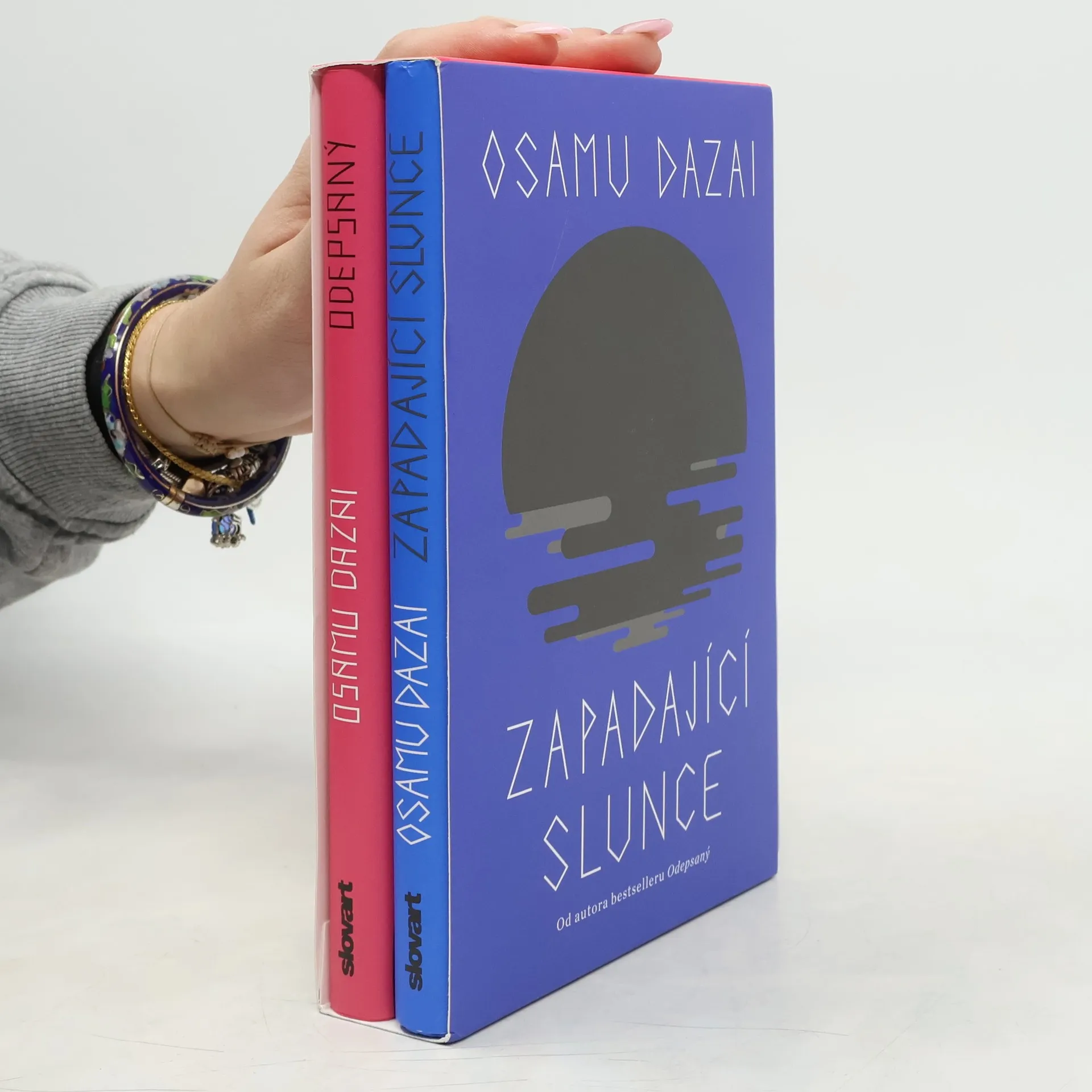
Odepsaný Józó, hlavní hrdina románu Odepsaný, vypráví o svém na první pohled běžném a víceméně normálním životě, přestože se sám cítí neschopen porozumět lidským bytostem. Pokusy o smíření se s okolním světem začínají v raném dětství, pokračují na střední škole, kde se pro své okolí stává klaunem, aby zamaskoval odcizení, až nakonec vedou v dospělosti k pokusu o sebevraždu. Autor románu, japonský spisovatel Osamu Dazai, bez sentimentu zaznamenává náhodné krutosti života a prchavé okamžiky lidské pospolitosti, porozumění a něhy. Jeden z nejprodávanějších japonských románů je důkazem toho, že významné literární dílo nemusí během let ztratit nic ze své nadčasové aktuálnosti. Zapadající slunce Román Zapadající slunce nahlíží na společenský a morální úpadek vládnoucí japonské vrstvy, hlavně aristokracie. Křehkost, emoční síla a poetičnost textu zajistila dílu, podobně jako autorův román Odepsaný, nadčasovost, a výraz „třída zapadajícího slunce“ se dokonce ujal i v hovorové japonštině.