Henry II and Eleanor of Aquitaine
- 352 pages
- 13 hours of reading
New in paperback - The powerful medieval couple who formed an empire beyond England, and whose children included Richard the Lionheart and King John.


Matthew Gregory Lewis is renowned for his seminal Gothic novel, which earned him the moniker "Monk" Lewis. His writing delves into the darker, supernatural aspects of human experience, characteristic of the Gothic genre. Lewis explores the boundaries between good and evil, sin and redemption, and the depths of the human psyche under duress. His narrative style is often characterized by its intensity and suspense, drawing readers into chilling tales. Lewis's prose is marked by a potent atmosphere and moral complexities that prompt reflection.



New in paperback - The powerful medieval couple who formed an empire beyond England, and whose children included Richard the Lionheart and King John.
Richard, Duke of York, was one of the most powerful men of his age. Descended from Edward III and the father of Edward IV and Richard III, he was known after his death as 'King by Right'. This is the story of the man who almost became king
This new book provides a fresh perspective on these well-known rebellions, it examines the causes behind insurrections and how in turn they influenced the development of England from the Normans to the Tudors.
This book is part of the TREDITION CLASSICS series, aimed at reviving public domain literature in print. TREDITION supports non-profit literary projects and donates a portion of proceeds to them. By reading a TREDITION CLASSICS book, you help preserve significant works of world literature.
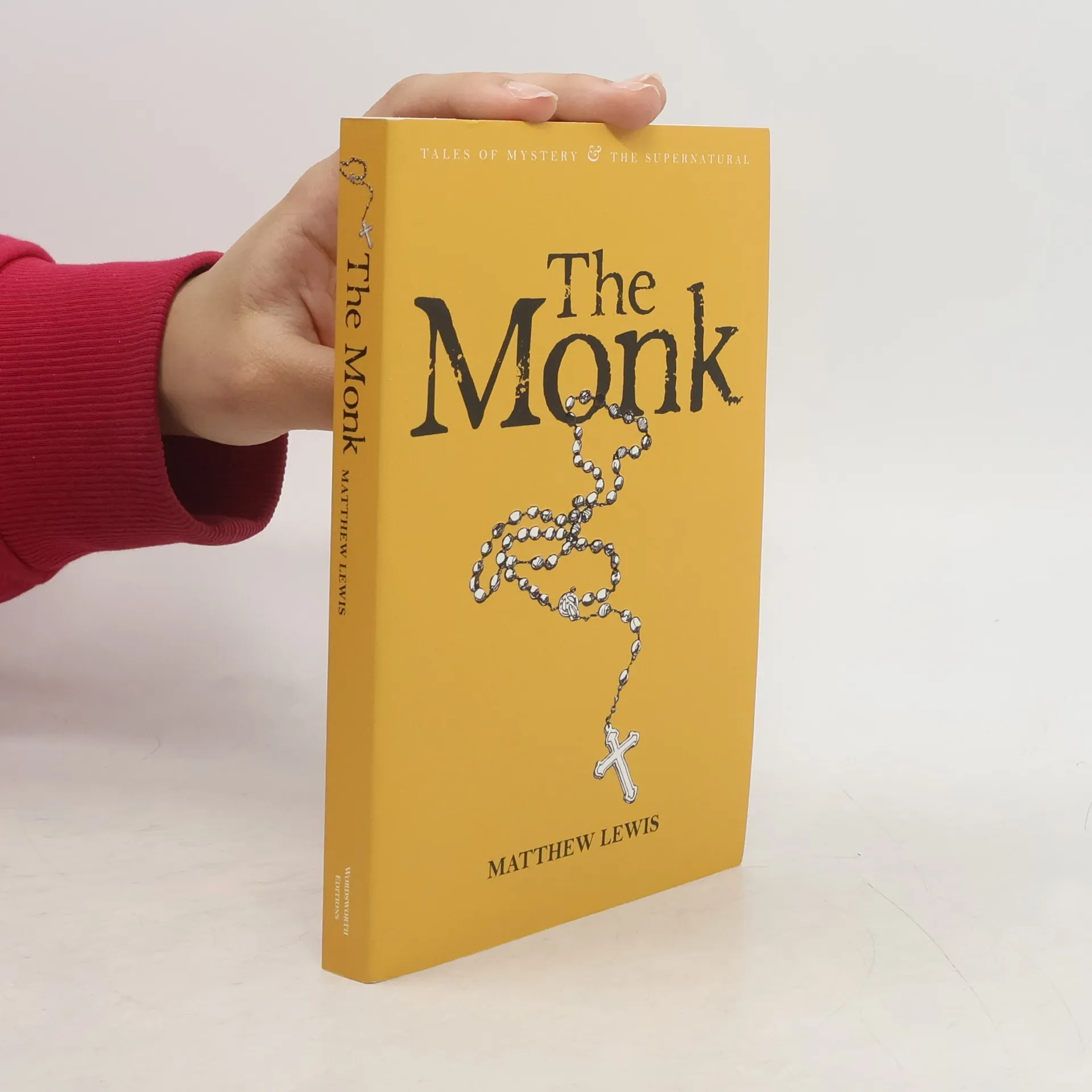
`The Monk was so highly popular that it seemed to create an epoch in our literature', wrote Sir Walter Scott. Set in the sinister monastery of the Capuchins in Madrid, The Monk is a violent tale of ambition, murder, and incest. The great struggle between maintaining monastic vows and fulfilling personal ambitions leads its main character, the monk Ambrosio, to temptation and the breaking of his vows, then to sexual obsession and rape, and finally to murder in order to conceal his guilt. Inspired by German horror romanticism and the work of Ann Radcliffe, Lewis produced his masterpiece at the age of nineteen. It contains many typical Gothic elements - seduction in a monastery, lustful monks, evil Abbesses, bandits and beautiful heroines. But, as the Introduction to this new edition shows, Lewis also played with convention, ranging from gruesome realism to social comedy, and even parodied the genre in which he was writing.
Prepare to be shocked. This novel, written in 1796, is a Gothic festival of sex, magic and ghastly, ghostly violence rarely seen in literature. The Monk is remarkably modern in style and tells a breathless tale of temptation, imprisonment and betrayal. Matthew Lewis recounts the downfall of Ambrosio, the holier-than-thou monk seduced within the walls of a Madrid abbey until he heads for the utter corruption of the soul. Meanwhile, two sets of young lovers are thwarted and the reader thrills to pursuits through the woods by bandits and is chilled by the spectre of nuns imprisoned in vermin-ridden and skeleton-crowded vaults. Late Eighteenth Century audiences were polarised in opinion as to the novel's merits. Lord Byron and the Marquis de Sade were impressed by Lewis's daring, while Coleridge warned parents against The Monk's suitability for their sons or daughters, describing the novel as 'poison for youth. If you want a novel that still terrifies, over two hundred years after it was written, there is none finer than The Monk.
In this Gothic novel, M.G. Lewis tells the story of two young lovers who are shipwrecked on the island of Madeira and encounter a sinister society founded by the Devil himself. Through his richly descriptive prose and skillful use of suspense, Lewis creates a haunting and atmospheric tale of love, betrayal, and diabolical temptation.
The book is a significant historical work that has been preserved for future generations through modern reformatting and design. It has been carefully retyped and reformatted to ensure clarity and readability, avoiding the pitfalls of scanned copies. This effort highlights the importance of the text and its relevance throughout human history, making it accessible to contemporary readers.
Set against a backdrop of Gothic horror, the narrative intertwines the lives of several characters, including the devout monk Ambrosio and the virtuous Agnes, who defies her parents' wishes to pursue love with Don Raymond. Agnes's plight intensifies when she enters a convent, believing she has been abandoned. The story also introduces Antonia, a sheltered girl caught in the web of desire and manipulation. With a scandalous plot and richly drawn characters, the novel explores themes of virtue, temptation, and the darker aspects of human nature, making it a significant work in Gothic literature.
The focus of this book is on accessibility, as it is a reproduction of a historical work designed in large print for individuals with impaired vision. Published by Megali, a company dedicated to making historical texts more readable, it emphasizes the importance of inclusivity in literature while preserving the original content for contemporary readers.
Focusing on the civil war in post-Conquest England, the narrative explores the tumultuous period of King Stephen's reign from 1135 to 1154. This conflict, known as The Anarchy, not only marked a significant power struggle but also led to the decline of the Norman dynasty and the emergence of the powerful Plantagenet kings, reshaping the future of England.
Die zwei virtuosesten Romane der Weltliteratur um menschliche Triebe und den Bund mit dem Teufel sind auf besondere Weise miteinander verknüpft: So liest Aurelie, die weibliche Hauptfigur in E.T.A. Hoffmanns Roman "Die Elixiere des Teufels", sogar Matthew Gregory Lewis' Roman "Der Mönch", der als richtungsweisend für die Gothic novel gilt. In "Die Elixiere des Teufels" zieht Hoffmann alle Register mit psychologischer Meisterschaft: von der Wiederkehr der Toten über das Auftauchen eines Doppelgängers bis hin zum Geschlechterfluch. Nicht umsonst gelten Lewis und Hoffmann als unerreichte Altmeister der Gruselliteratur.
Der Mönch Ambrosio, Abt eines Madrider Kapuzinerklosters, verfällt der Sünde und dem Verbrechen, vergewaltigt und tötet, er verkauft seine Seele dem Teufel und wird schließlich, weil seine Verbrechen selbst dem Teufel zuviel sind, nicht in die Hölle, sondern in einen Abgrund der Sierra Morena gestürzt.
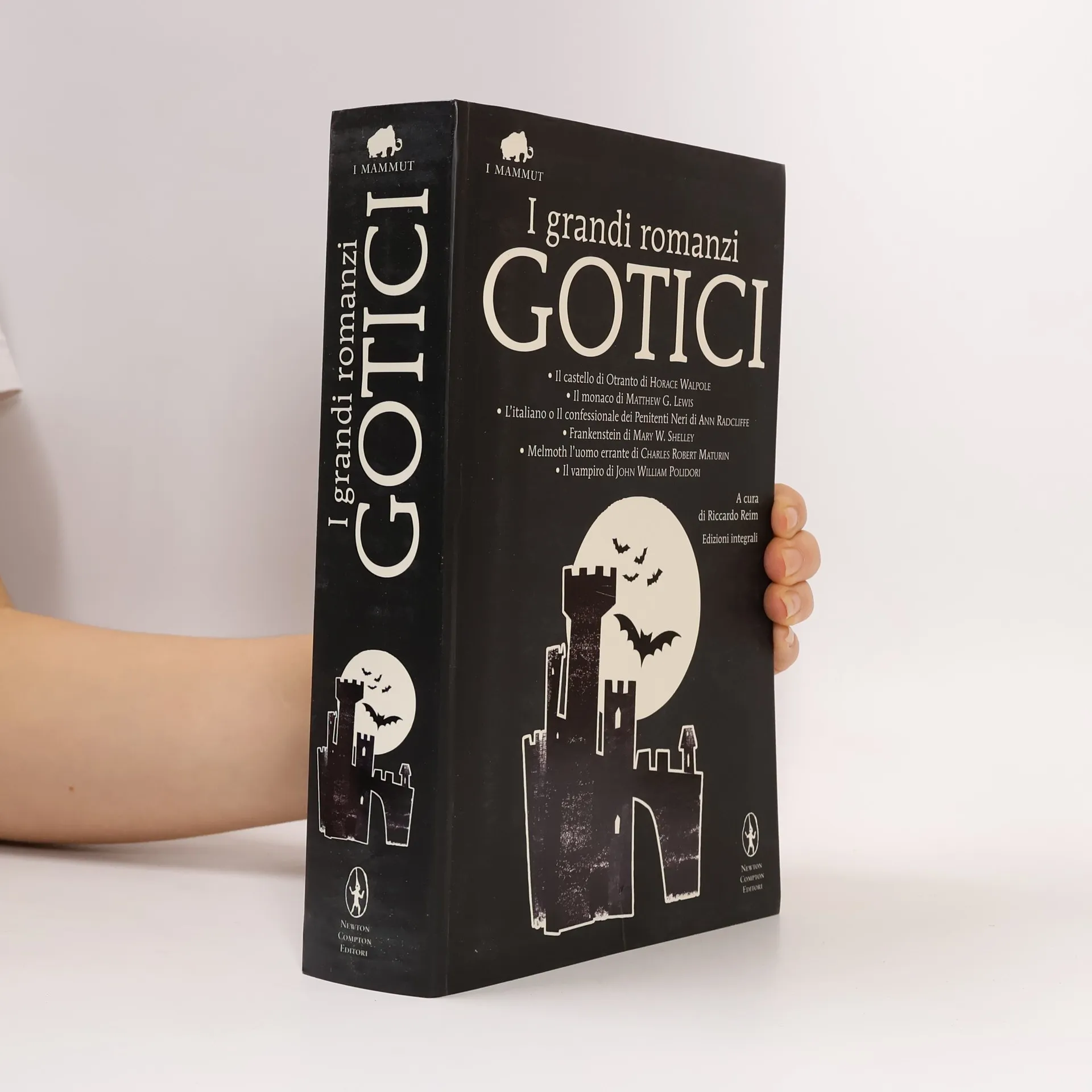
L’annotazione esplora il romanzo gotico, un genere caratterizzato da castelli lugubri, apparizioni spettrali, giovani eroine in pericolo, e figure minacciose come mostri e vampiri. Dall’opera di Horace Walpole nel 1764 fino a quella di Charles Robert Maturin nel 1820, il gotico non è solo un insieme di elementi spaventosi, ma riflette anche angosce e inquietudini contemporanee. Questa narrativa, con il suo "sublime del terrore", emerge come una reazione al predominio della ragione e del buon senso, rivelando una connessione sorprendente con le emozioni moderne. Attraverso i capolavori di autori come M.G. Lewis, Ann Radcliffe, Mary Shelley e John William Polidori, il lettore è invitato a percorrere i labirinti della paura, un elemento centrale della Gothic Fiction. Come sottolineato da D. Punter, la paura non è solo un tema, ma influisce anche su forma, stile e dinamiche sociali nei testi. L’esperienza di leggere questi romanzi diventa così un viaggio affascinante, dove il terrore si manifesta in modo caotico e trionfante sulla pagina scritta, offrendo un brivido di delizia al lettore.
Anglická Gotika