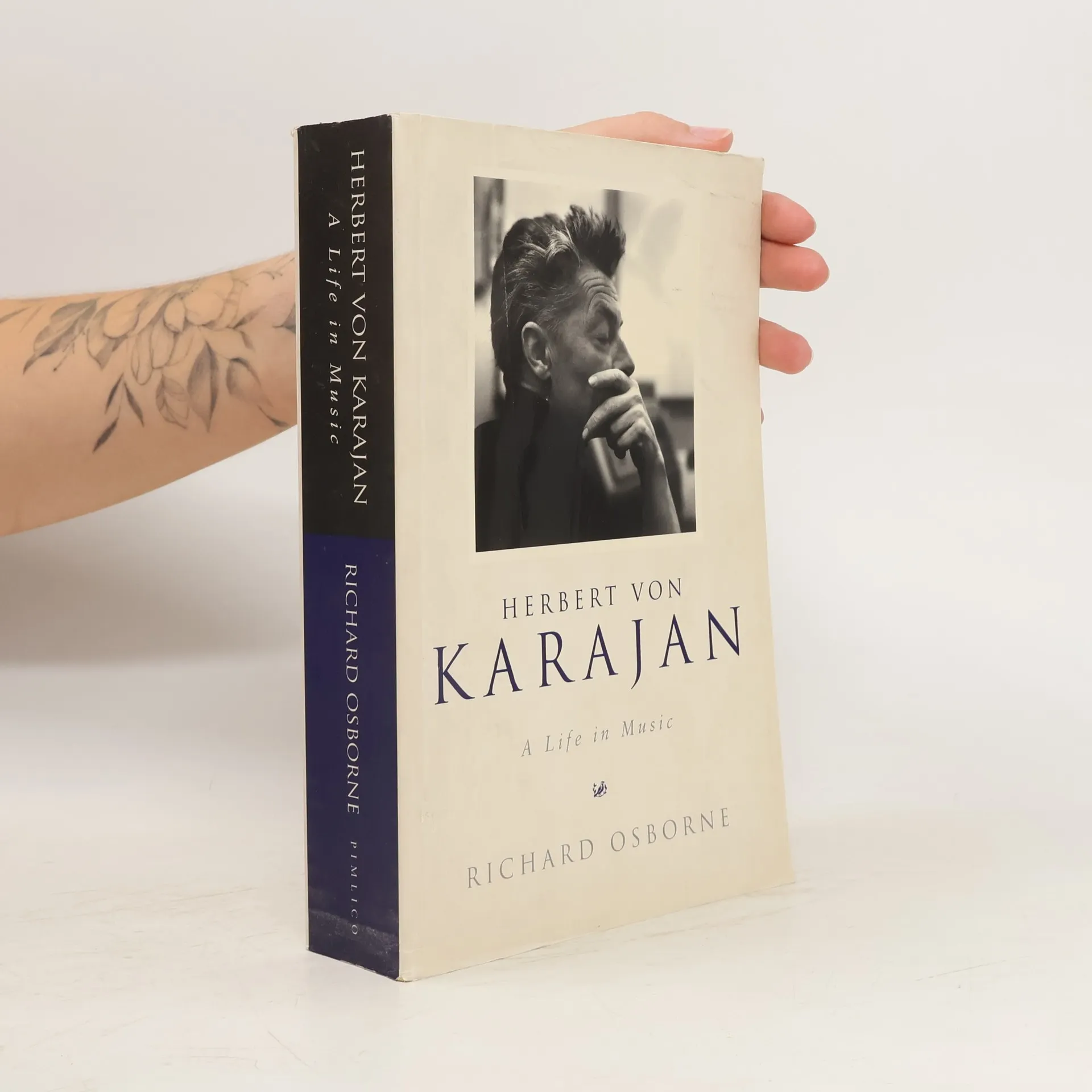
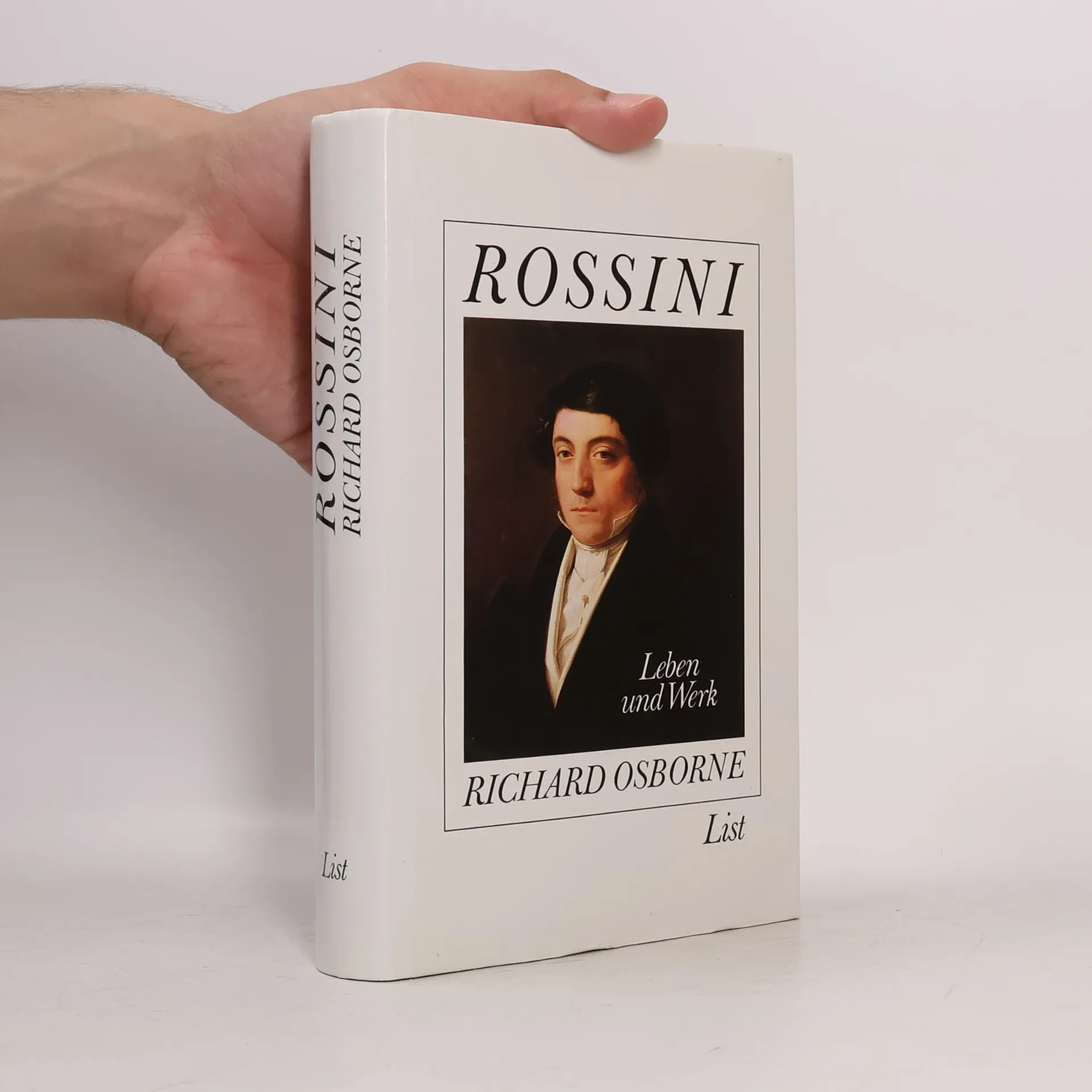
Richard Osborne is known to classical music lovers as the presenter of Radio 3's Saturday Review. With this book, he presents a major biography of Herbert von Karajan, the controversial Austrian composer.
Owning the Masters provides the first in-depth history of sound recording copyright. It is this form of intellectual property that underpins the workings of the recording industry. Rather than being focused on the manufacture of goods, this industry is centred on the creation, exploitation and protection of rights. The development and control of these rights has not been straightforward. This book explores the lobbying activities of record the principal creators, owners and defenders of sound recording copyright. It addresses the counter-activity of recording artists, in particular those who have fought against the legislative and contractual practices of record companies to claim these master rights for themselves. In addition, this book looks at the activities of the listening public, large numbers of whom have been labelled 'pirates' for trespassing on these rights. The public has played its own part in shaping copyright legislation. This is an essential subject for an understanding of the economic, artistic and political value of recorded sound.
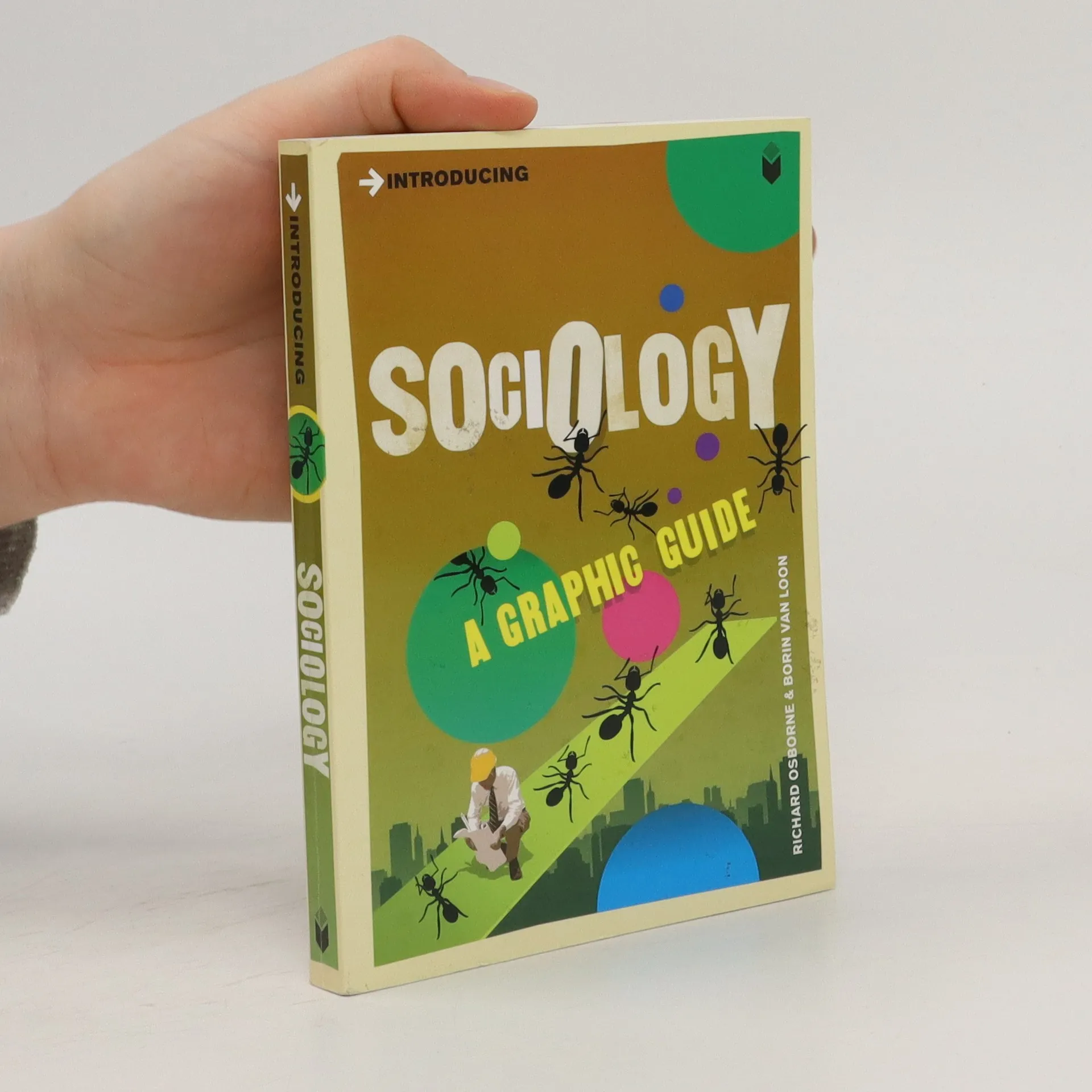
With innovative graphics, "Introducing Sociology" traces the discipline's history, and explains the intricacies of its major thinkers from Comte and Marx to Baudrillard and beyond.
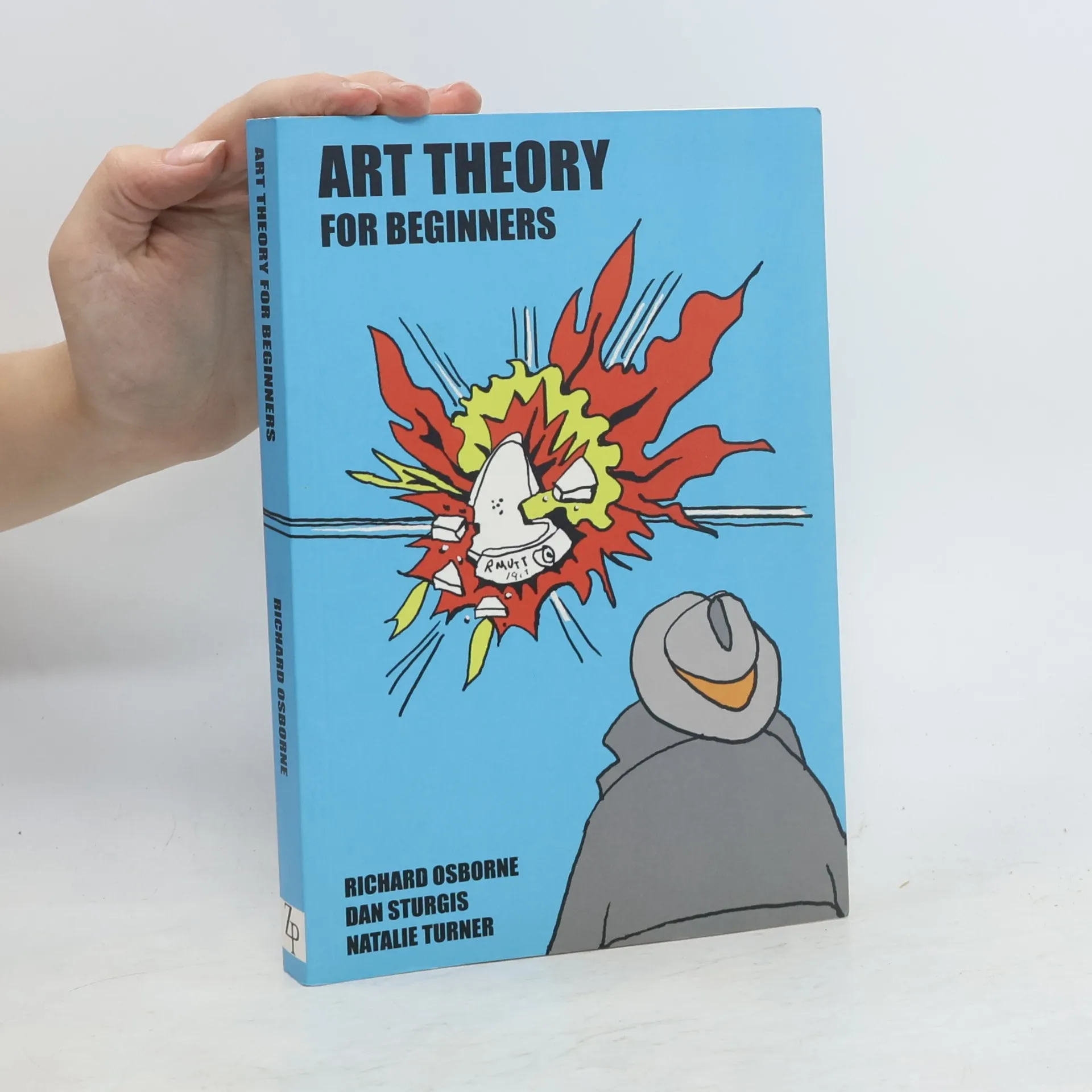
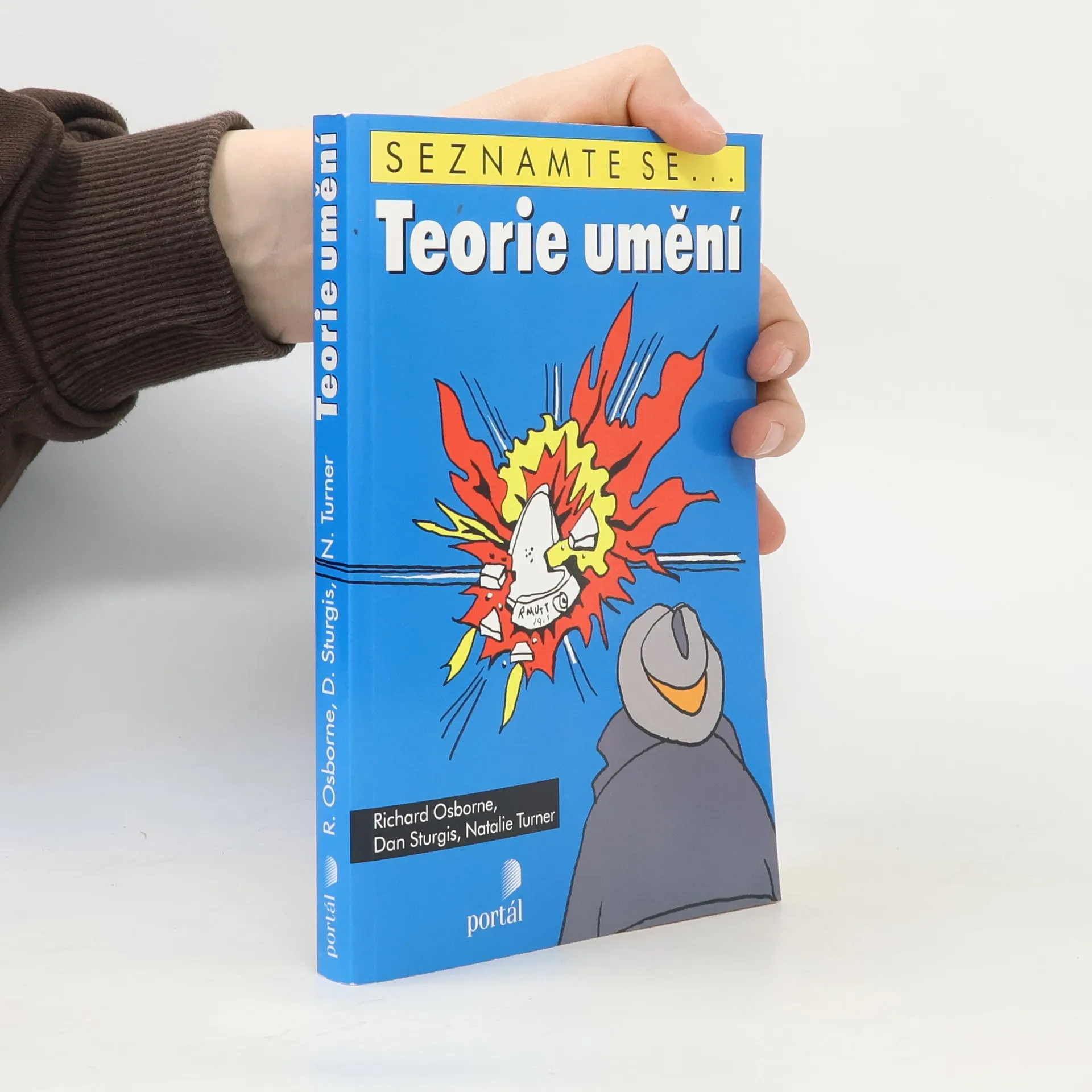
The authors show how the idea of art has developed in the last 5,000 years and how we have reached the point we are at now. They provide a complete survey of all of the aesthetic, historical and practical questions that surround the idea of art. it's a concise and coherent overview/introduction to the main ideas that have shaped western art and culture from the ancient Greeks up to the present day.This is a unique introduction to the ideas of art and not only describes the theories of art but puts them in an historical context to give the reader a wider understanding. Clearly written in demystifies complex theories of art and shows the reader how to make sense of the history of art and of how theory has influenced artists. Illustrated by key images from art history it allows the reader to grasp both the ideas and the images, and how they relate. There are references to Eastern art and other art traditions and these are related to the development of Western art. Contemporary art and art theories are also dealt with, providing the most complete introduction to art theory in existence.
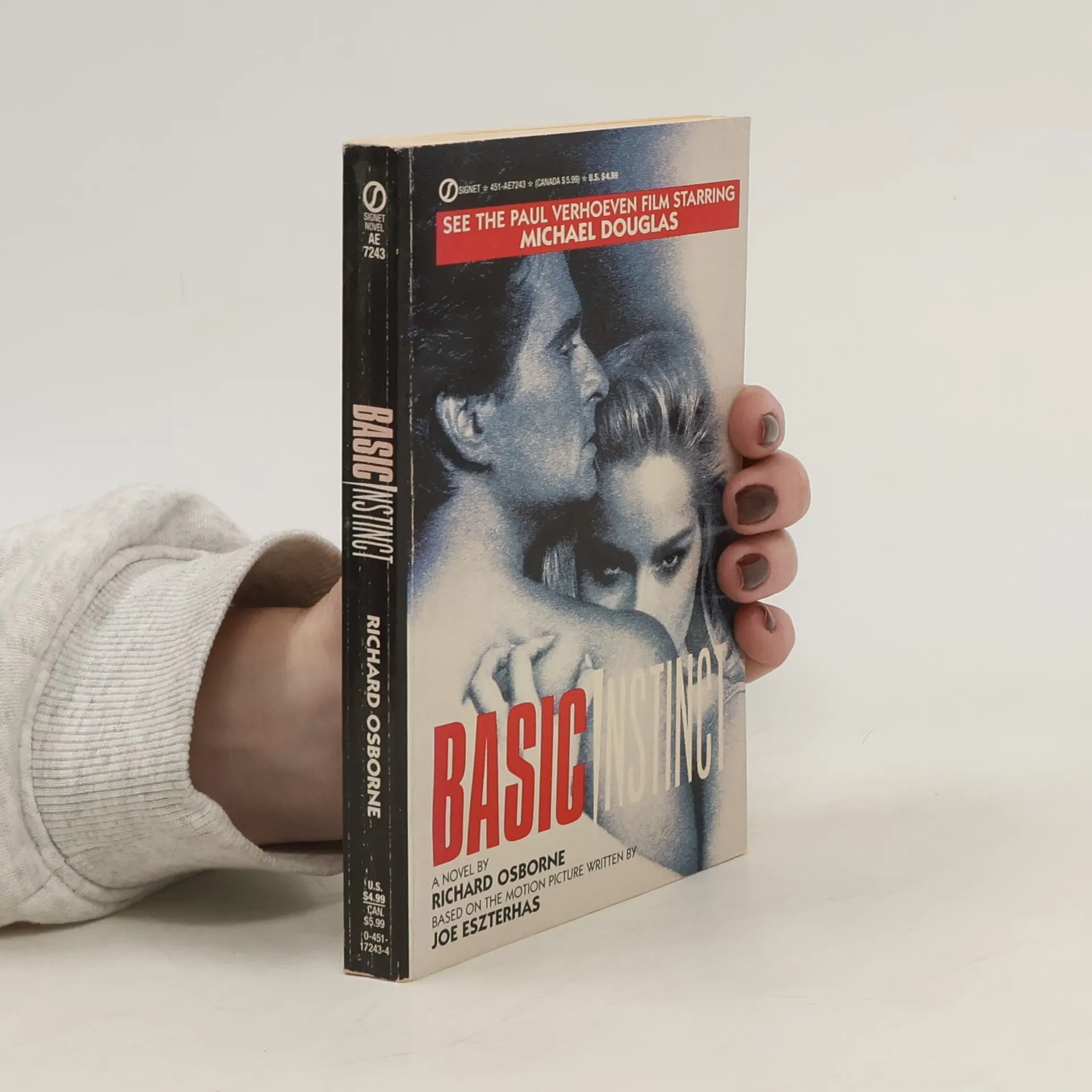
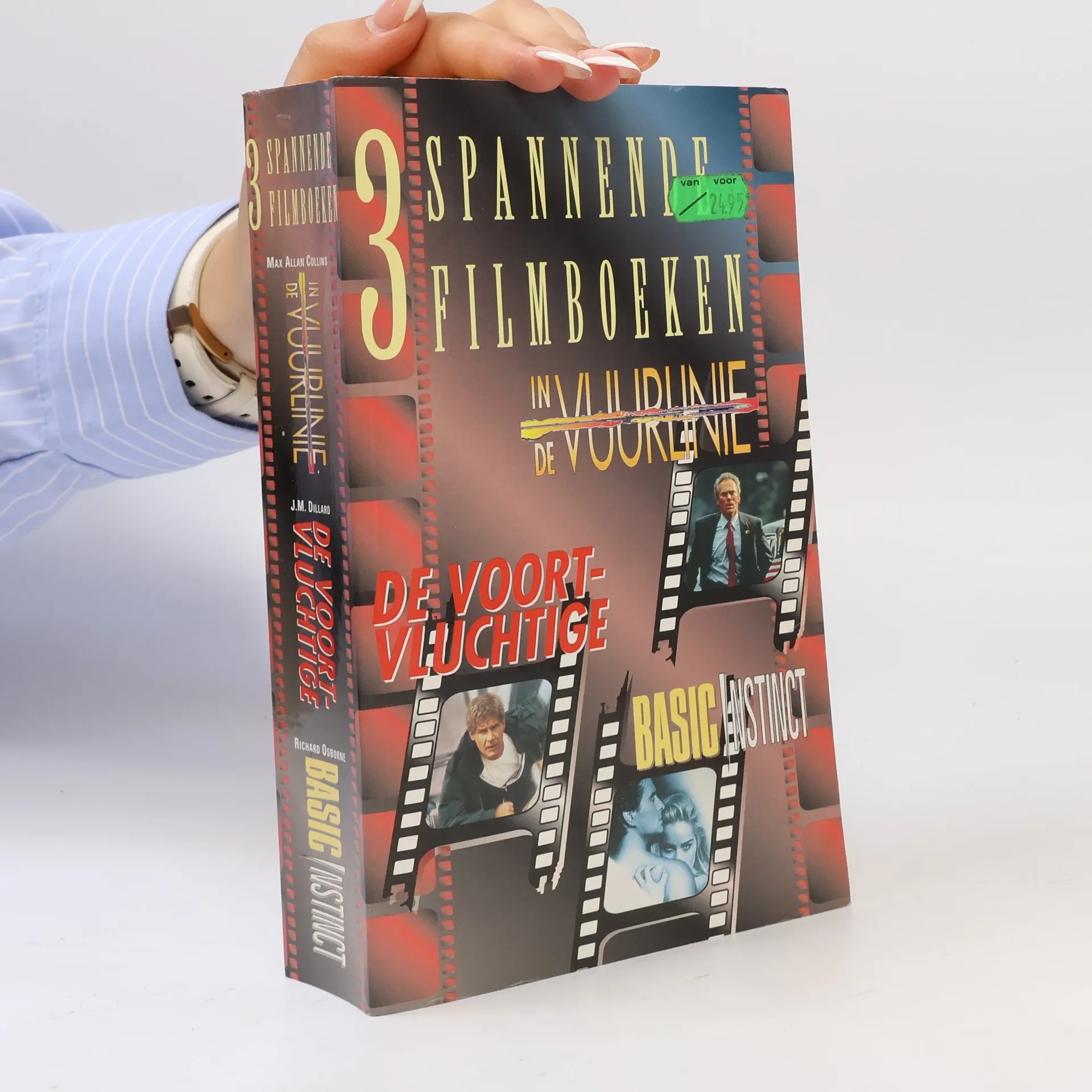
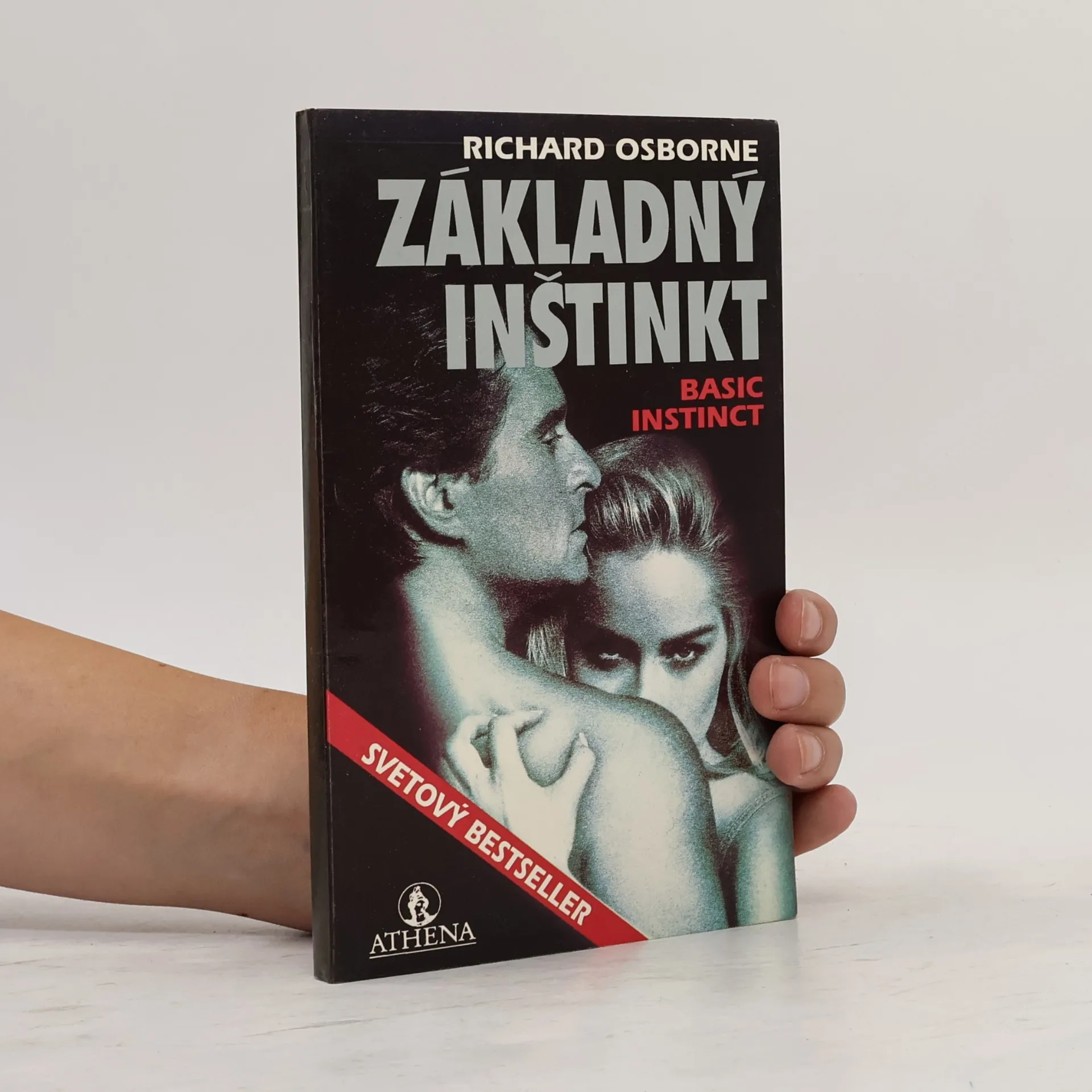
A detective, a female crime writer accused of murder and a woman police psychiatrist, the ex-lover of the detective, all feature in this sexual psychothriller. The male detective is caught between the two women who have a strange, uncanny connection. The film stars Michael Douglas and Sharon Stone.
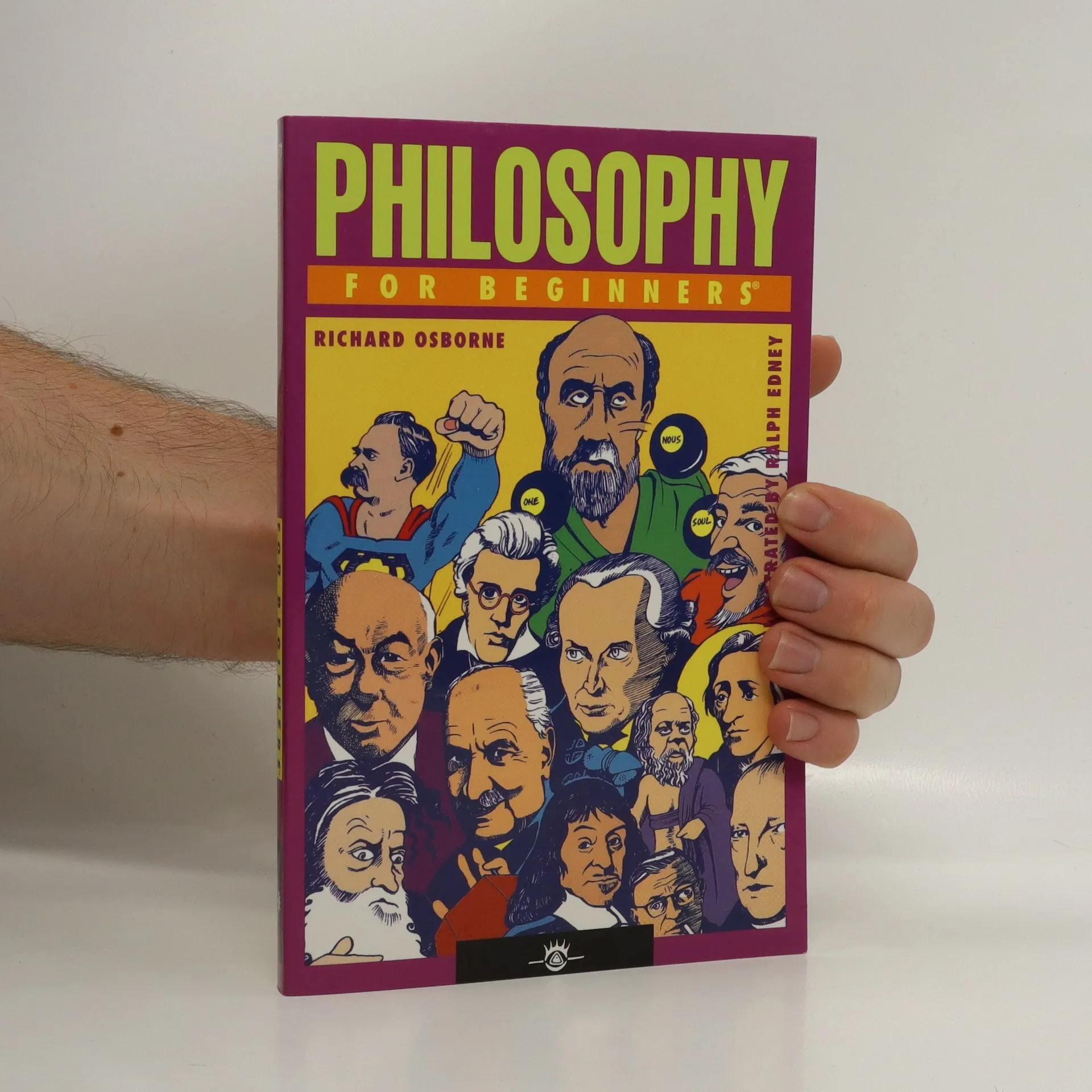
Why does philosophy give some people a headache, others a real buzz, and yet others a feeling that it is subversive and dangerous? Why do a lot of people think philosophy is totally irrelevant? What is philosophy anyway? The ABCs of philosophy - easy to understand but never simplistic. Beginning with basic questions posed by the ancient Greeks - What is the world made of? What is a man? What is knowledge? What is good and evil? - Philosophy For Beginners traces the development of these questions as the key to understanding how Western philosophy developed over the last 2,500 years.
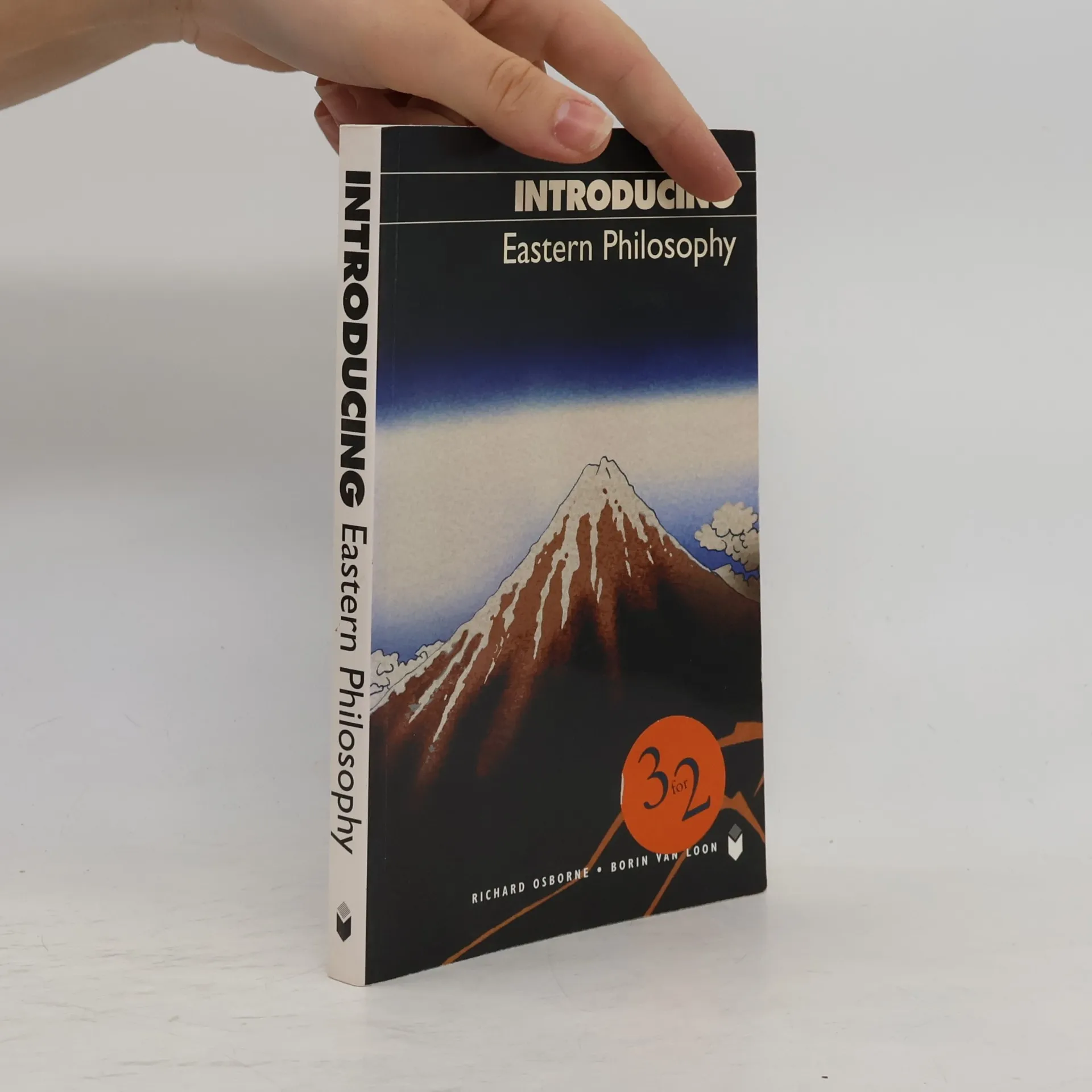
The authors elucidate the complex strands of Eastern thought from Confucius to Buddha, and Islam to Tao. They explain the emphasis on the "nature of being" and on ethical and communal principles. They illuminate the search for enlightenment and show how these ideas are set within a cosmic whole rather than a framework of practical, scientific and individual thought. Illustrations throughout.
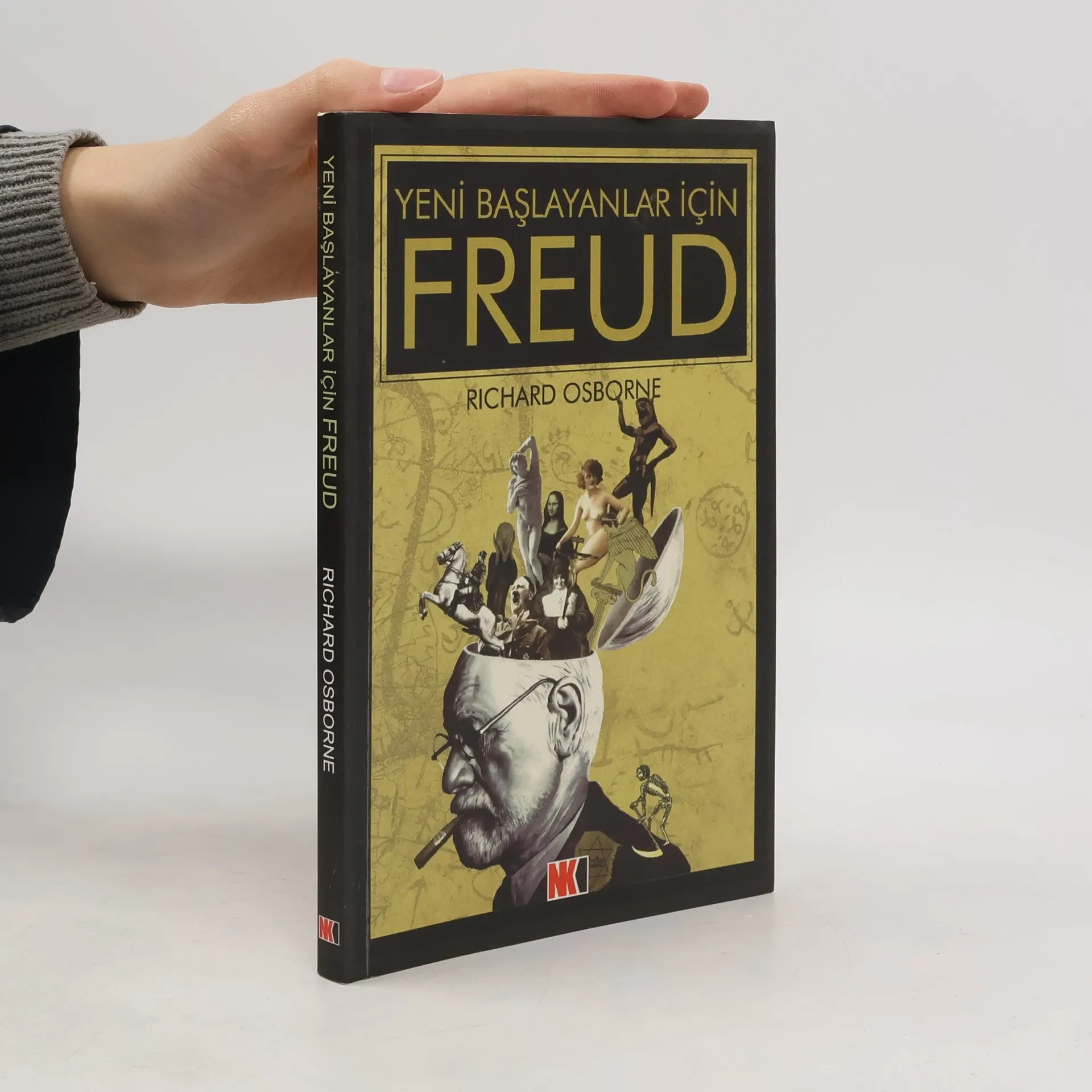
Yeni Başlayanlar İçin Freud kitabı, psikanaliz fikirleri için açık bir giriş niteliği taşımaktadır ve psikanalizin nasıl oluşturulduğunu açıklamaktadır. Kitap, 20. yüzyılın başlarında Freud’un bilinç ve rüya hakkındaki düşüncelerine nasıl ulaştığını ve psikanalizi nasıl geliştirdiğini göstermektedir. Freud’un çalışmalarının başlıca alanlarını bu konular oluşturmaktadır. Kitapta bu konuların yanısıra Freud eleştirileri ve onun ölümünden sonra psikanalizin gelişimi de anlatılmaktadır. Freud’un 20. yüzyıl kültürü üzerindeki tespitleri gösterilmiş ve kültürel çalışmaları; feminizm, film kuramı ve sanat üzerindeki etkileri anlatılmıştır. Bu kitap, basit bir içerikle değil, anlaşılır bir dille ciddi konuları okuyucuya sunmaktadır. 20. yüzyıl, insan kültürünün ve varoluşunun dönüşüm yaşadığı bir dönem olmuştur ve Freud’un fikirleri hem bu değişiklikleri açıklamış hem de onların nedenlerini ortaya koymuştur. Cinsellik, savaş, reklam,sinema ve popüler kültür Freud’un bakış açısına çok şey borçludur. Onun fikirleri pek çok alanda etkin olmuştur. Yeni Başlayanlar İçin Freud kitabı, geniş bir çalışma alanında okuyuculara bilgiler sunmaktadır. Osborne ve Mechan, uzun yıllar süren bir çalışmanın sonucunda bu kitabı ortaya çıkarmışlardır. Bu kitap Freud’u ve psikanalizi anlamak için iyi bir başlangıçtır.
Focusing on accessibility, this publishing house specializes in reproducing historical works in large print, catering specifically to individuals with impaired vision. By enhancing readability, it aims to preserve and share important texts while ensuring that a broader audience can engage with historical literature.
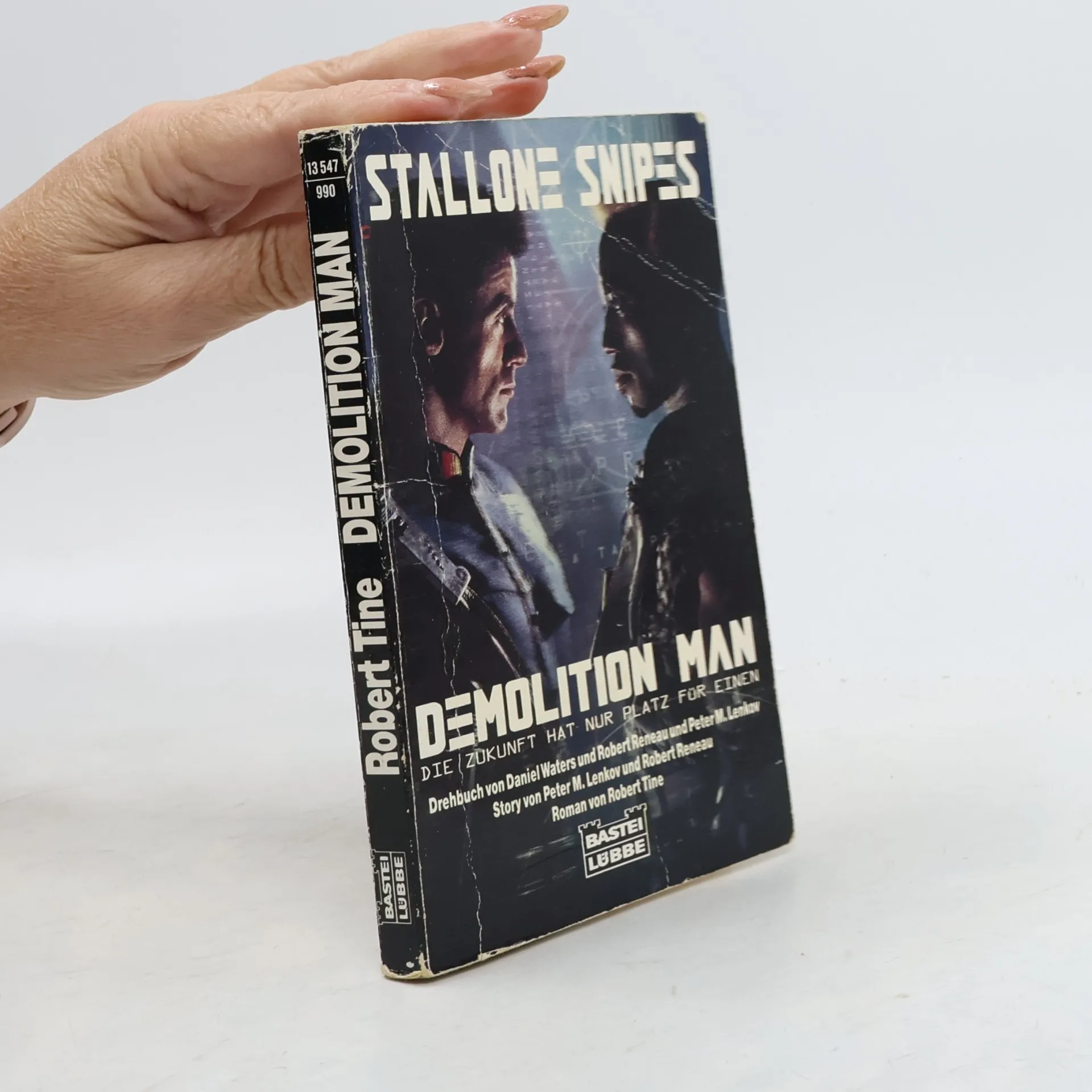
Ein Polizist und ein Bösewicht sind in einem kryogenen Gefängnis eingefroren. Jahre in der Zukunft ist die Erde ein farbloser und angenehmer Ort, an dem Menschen für Schimpfwörter bestraft werden. Sie wird von einem Despoten regiert, aber niemand erkennt es. In diese grüne, saubere Welt werden Sparton und Phoenix geweckt, um ihre früheren Rollen wieder aufzunehmen.
Kniha předkládá zábavnou formou přehled všech důležitých historických i současných myšlenek a teorií, týkajících se umění. Začíná od jeskynních nástěnných maleb lovců mamutů, uvádí myšlenky řeckých klasiků Platona a Aristotela, mapuje klasiky středověku a renesance (Tomáše Akvinského, Giorgia Vasariho, Leonarda da Vinciho), probírá filozofii estetiky anglických racionalistů, německých hegeliánů, zmiňuje se o klasicích moderny a končí postmodernou.
Kniha je určena studentům filozofie, estetiky, dějin umění, ale i všem zájemcům o teorii umění.
Kniha předkládá zábavnou komiksovou formou přehled důležitých myšlenek a konceptů východní filozofie. Zvláště se zabývá myšlenkovými proudy, které se zrodily v Číně a Indii, mají prastaré kořeny a dnes stále víc ovlivňují myšlení a náboženské vnímání západního světa. Brilantním a zároveň humorným způsobem se zde vysvětlují základy různých škol indického hinduismu a buddhismu nebo čínská konfuciánská a taoistická. Seznámíme se tak se základy východní eschatologie, neosobní etiky, s pojmy osvícení a nirvána v kontrastu se západním pojetím individualismu a vědeckého pohledu na svět. Kniha je určena studentům filozofie a religionistiky.