Stuart Hall was an influential Jamaican-born British sociologist and cultural theorist whose work shaped the understanding of culture and identity. His theoretical approaches analyzed power relations and representation in the media. Hall explored how cultural practices influence social structures and how people create meaning in their everyday lives.
Selected Writings on Race and Difference gathers more than twenty essays by
Stuart Hall that highlight his extensive and groundbreaking engagement with
race, representation, identity, difference, and diaspora.
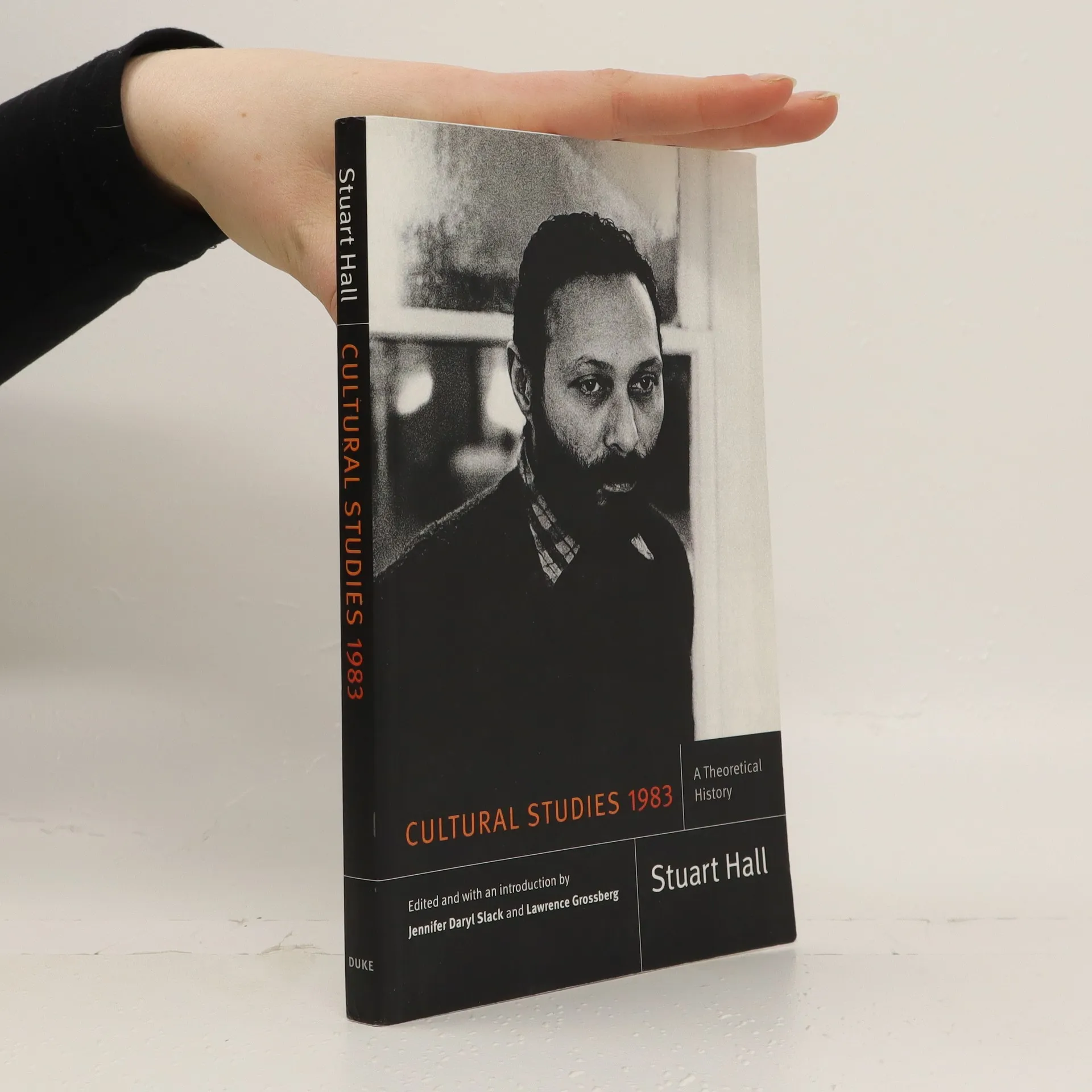
The publication of Cultural Studies 1983 is a touchstone event in the history of Cultural Studies and a testament to Stuart Hall's unparalleled contributions. The eight foundational lectures Hall delivered at the University of Illinois in 1983 introduced North American audiences to a thinker and discipline that would shift the course of critical scholarship. Unavailable until now, these lectures present Hall's original engagements with the theoretical positions that contributed to the formation of Cultural Studies. Throughout this personally guided tour of Cultural Studies' intellectual genealogy, Hall discusses the work of Richard Hoggart, Raymond Williams, and E. P. Thompson; the influence of structuralism; the limitations and possibilities of Marxist theory; and the importance of Althusser and Gramsci. Throughout these theoretical reflections, Hall insists that Cultural Studies aims to provide the means for political change.
A Financial Times Best Economics Book of the Year A Foreign Affairs Best Book of the Year “A highly intelligent, fact-based defense of the virtues of an open, competitive economy and society.” —Fareed Zakaria, Global Public Square, CNN “Amid a growing backlash against international economic interdependence, Clausing makes a strong case in favor of foreign trade in goods and services, the cross-border movement of capital, and immigration. This valuable book amounts to a primer on globalization.” —Richard N. Cooper, Foreign Affairs Critics on the Left have long attacked open markets and free trade agreements for exploiting the poor and undermining labor, while those on the Right complain that they unjustly penalize workers back home. Kimberly Clausing takes on both sides in her compelling case that open economies are actually a force for good. Turning to the data to separate substance from spin, she shows how international trade makes countries richer, raises living standards, benefits consumers, and brings nations together, and outlines a progressive agenda to manage globalization more effectively, presenting strategies to equip workers for a modern economy, and establish a better partnership between labor and the business community.
First appearing in 1964, and long since out of print, Stuart Hall and Paddy
Whannel's landmark book The Popular Arts takes seriously the importance of
studying popular culture, thereby opening up an almost unprecedented field of
analysis of everything from film, pulp crime novels, and jazz to television
and advertising.
How and why did an activity familiar in London streets as long ago as the 1860s come to be described by the British press and police in August 1972 as ‘a frightening new strain of crime’? And if mugging—for this is the crime in question—was new in 1972, how could comparative statistics be produced for its incidence going back to 1968?The authors of this highly acclaimed study argue that mugging is first and foremost a socially constructed phenomenon. It was introduced into public consciousness by media coverage of muggings in the United States and police anticipation of its appearance in Britain. Its ‘discovery’ in 1972 was followed by a crime control explosion. It received massive media coverage. Judges, politicians, and moralists presented it as an index of the growing tide of violence, of the breakdown of public morality, and of the collapse of law and order. Sentences for petty street crime jumped from six months to twenty years.This book examines the political, economic, and ideological dimensions of mugging—setting the problem of ‘crime’ in its wider historical context. It shows how the particular social definition of mugging constructed by the media and crime control agencies was able to connect with existing social anxieties in the population at large and argues that this has helped to legitimate a more coercive state role in a period of growing political, economic and racial conflict.
In July 1996, cultural theorists bell hooks and Stuart Hall met for a series of wide-ranging conversations on what Hall sums up as "life, love, death, sex." From the trivial to the profound, across boundaries of sexualities and genders, hooks and Hall dissect topics and themes of continual contemporary relevance, including feminism, home and home-coming, class, black masculinity, family, politics, relationships, and teaching. In their fluid and honest dialogue they push and pull each other as well as the reader, and the result is a book that speaks to the power of conversation as a place of potential pedagogy. Inhaltsverzeichnis Foreword by Paul Gilroy Preface by bell hooks Dialogue between bell hooks and Stuart Hall
Tornado Boys is part of the ever-popular 'Boys' series, and differs from
earlier titles. With focus on the GR1/GR4 versions of the Tornado (and not the
F3 interceptor), readers will enjoy fascinating insights on what it is like to
operate this multi-role bomber/reconnaissance aircraft against the backdrop of
modern-day scenarios.
Growing up in a middle-class family in 1930s Jamaica, still then a British colony, the young Stuart Hall found himself caught between two worlds- the stiflingly respectable middle class in Kingston, and working-class Jamaica, grindingly poor, though rich in culture, music and history. But as colonial rule was challenged, things were beginning to change. When, in 1951, a scholarship took him across the Atlantic to Oxford University, Hall gained unexpected access to this other Jamaica. Also making the journey to Britain were young Jamaicans from all walks of life, as well as writers and thinkers from across the Caribbean. Now, Hall faced a new struggle- that of building a life in a post-war England so rife with racism that it could barely recognize his humanity.
This collection of Stuart Hall's key writings on Marxism surveys the formative
questions central to his interpretations of and investments in Marxist theory
and practice.
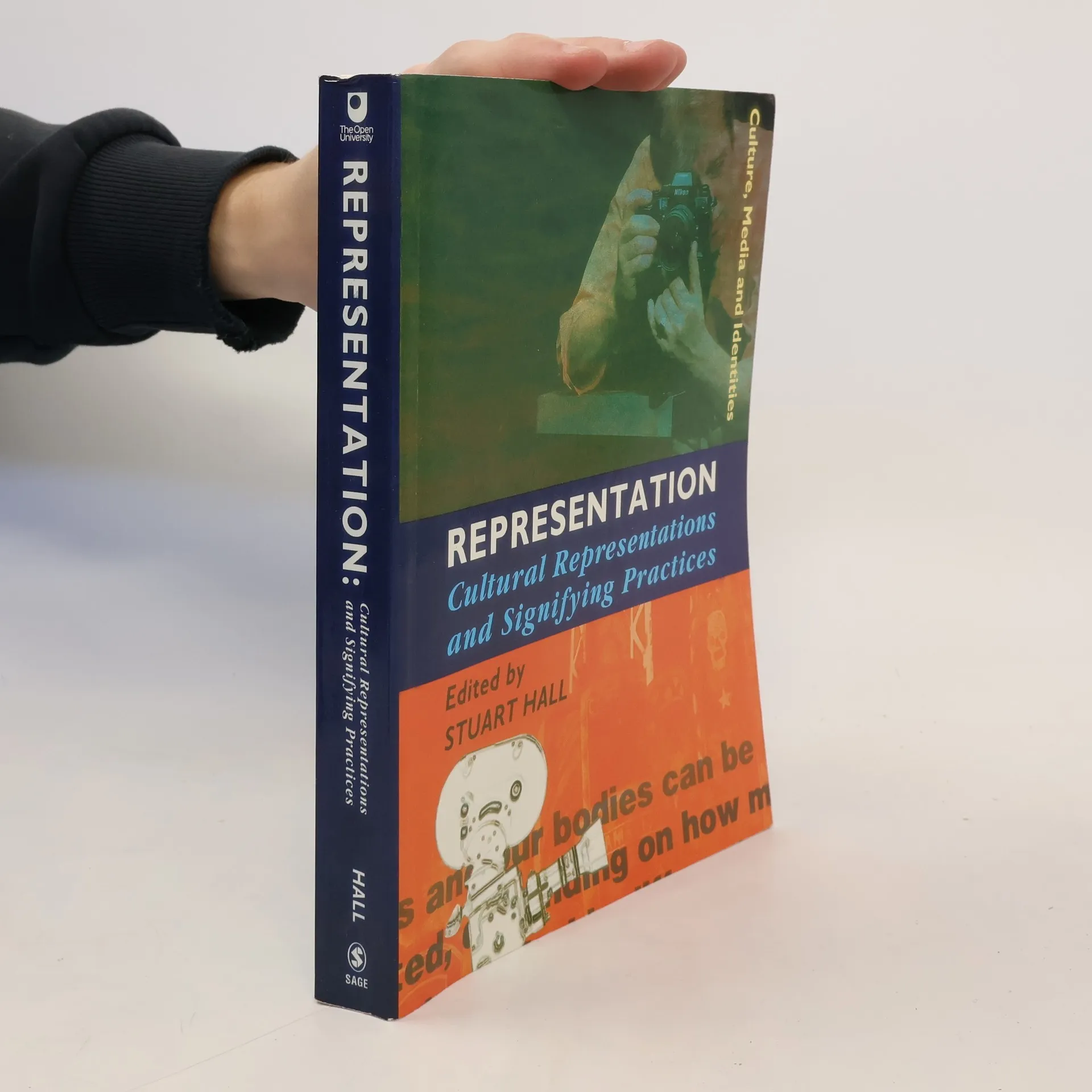
This broad-ranging text offers a comprehensive outline of how visual images, language and discourse work as `systems of representation'. Individual chapters explore: representation as a signifying practice in a rich diversity of social contexts and institutional sites; the use of photography in the construction of national identity and culture; other cultures in ethnographic museums; fantasies of the racialized `Other' in popular media, film and image; the construction of masculine identities in discourses of consumer culture and advertising; and the gendering of narratives in television soap operas.
"Questions of Cultural Identity" explores the complex relationship between culture and identity in contemporary society. It examines whether traditional identities—gender, sexuality, race, class, and nationality—are declining, leading to new forms of identification. With contributions from various scholars, it offers theoretical and practical insights into the identity crisis.
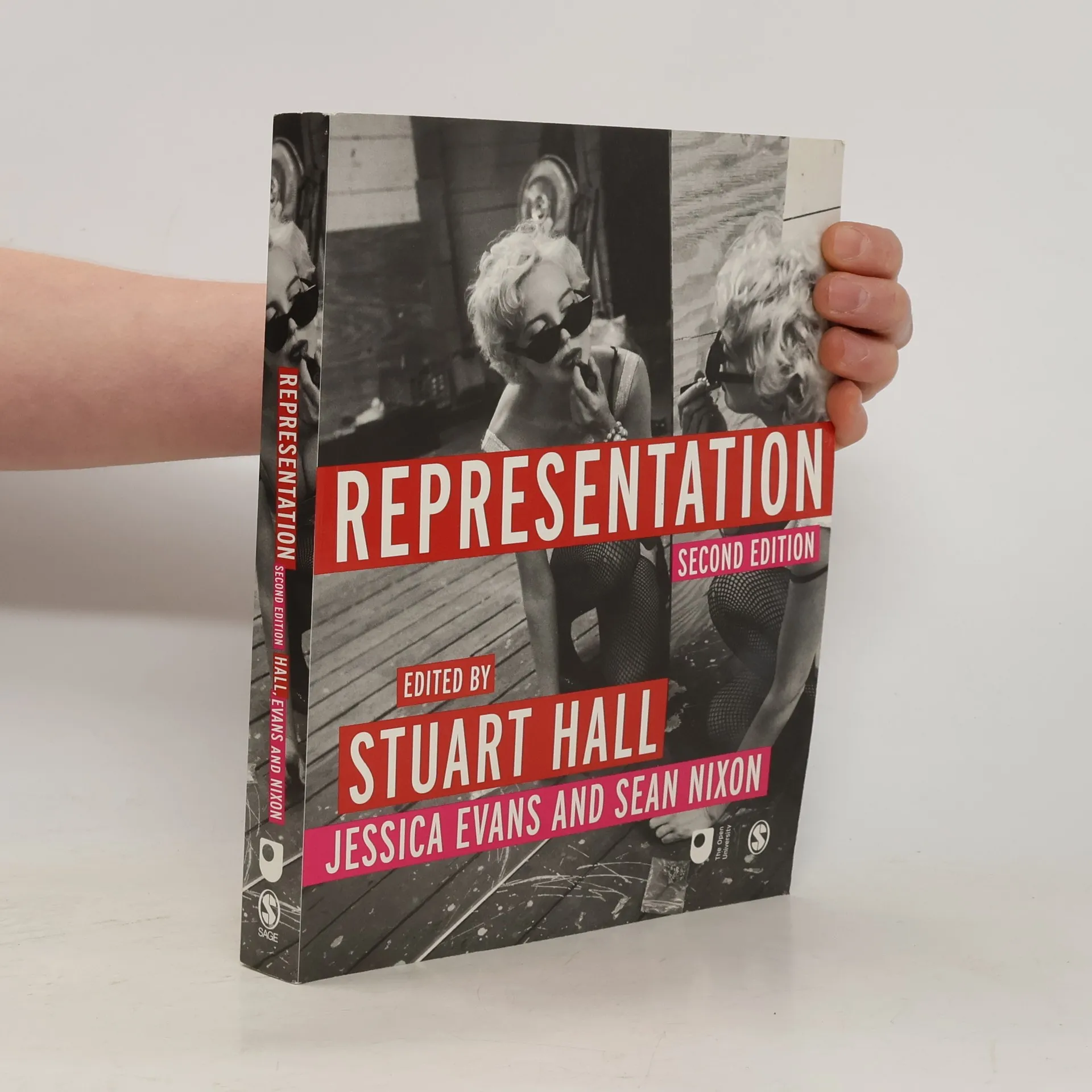
Cultural Representations and Signifying Practices - Second Edition
440 pages
16 hours of reading
Since 1997 Representation has been the key go-to textbook for students learning the tools to question and critically analyze institutional and media texts and images. This long-awaited Second Edition - update and refreshes the approach to theories of representation by signalling key developments in the field - addresses the emergence of new technologies and formats of representation, from the internet and the digital revolution to reality TV - includes an entirely new chapter on celebrity culture and personalisation, to debates about representation and democracy, and involve illustrations of an intertextual nature, cutting across various technologies and formats in which 'the real' or the authentic makes an appearance - offers new exercises, new readings, new images and examples for a new generation of students This book will once again prove an indispensible resource for students and teachers in cultural and media studies.
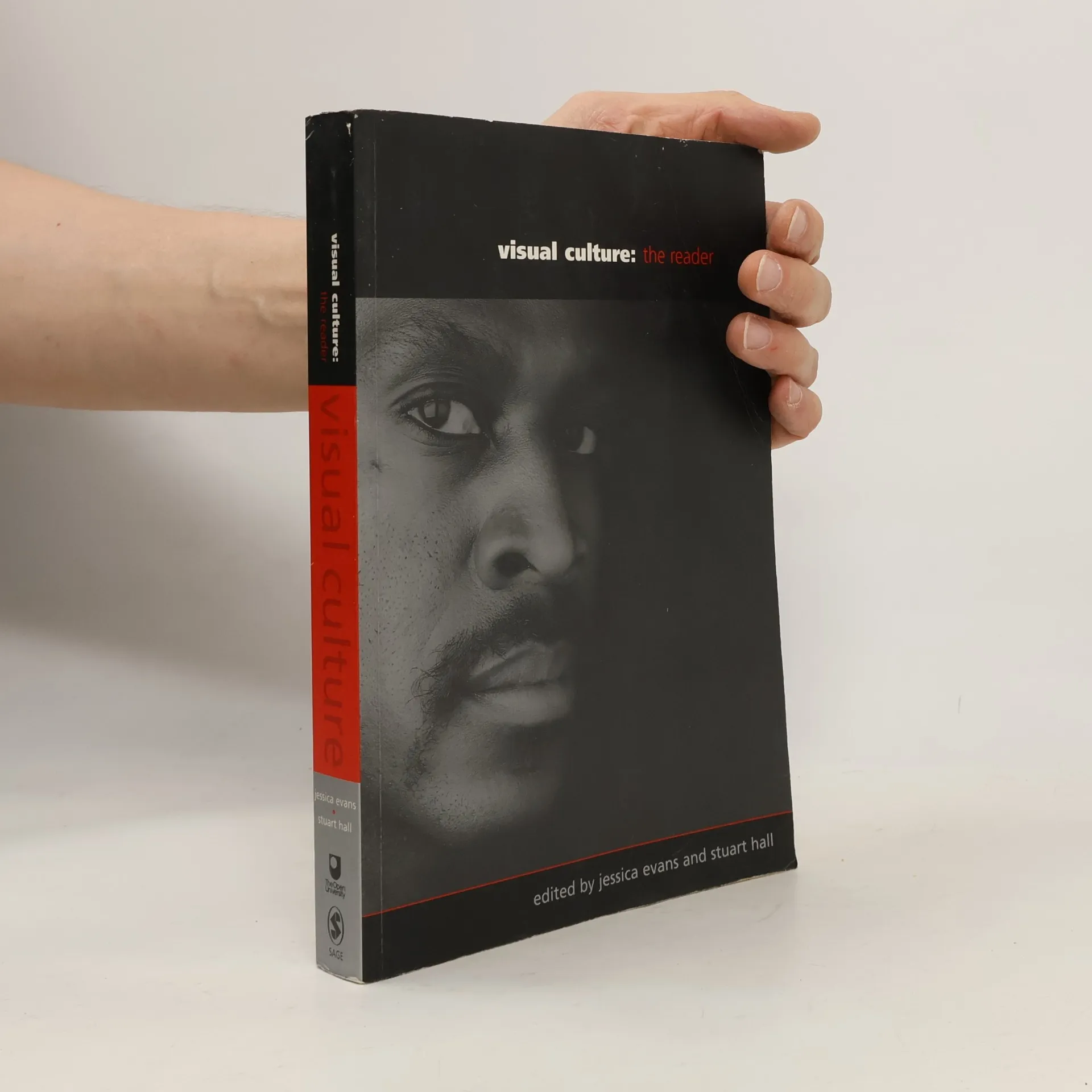
Visual Culture provides an invaluable resource of over 30 key statements from a wide range of disciplines, including four editorial essays which place the readings in their historical and theoretical context. Although underpinned by a focus on contemporary cultural theory, this reader puts issues of visual culture and the rhetoric of the image at center stage.
Understanding Modern Societies an Introduction Book 1
352 pages
13 hours of reading
Formations of Modernity is a major introductory textbook offering an account of the important historical processes, institutions and ideas that have shaped the development of modern societies. This challenging and innovative book 'maps' the evolution of those distinctive forms of political, economic, social and cultural life which characterize modern societies, from their origins in early modern Europe to the nineteenth century. It examines the roots of modern knowledge and the birth of the social sciences in the Enlightenment, and analyses the impact on the emerging identity of 'the West' of its encounters through exploration, trade, conquest and colonization, with 'other civilizations'. Designed as an introduction to modern societies and modern sociological analyses, this book is of value to students on a wide variety of social science courses in universities and colleges and also to readers with no prior knowledge of sociology. Selected readings from a broad range of classical writers (Weber, Durkheim, Marx, Freud, Adam Smith, Montesquieu, Hobbes, Locke, Rousseau) and contemporary thinkers (Michael Mann, E.P. Thompson, Edward Said) are integrated in each chapter, together with student questions and exercises.
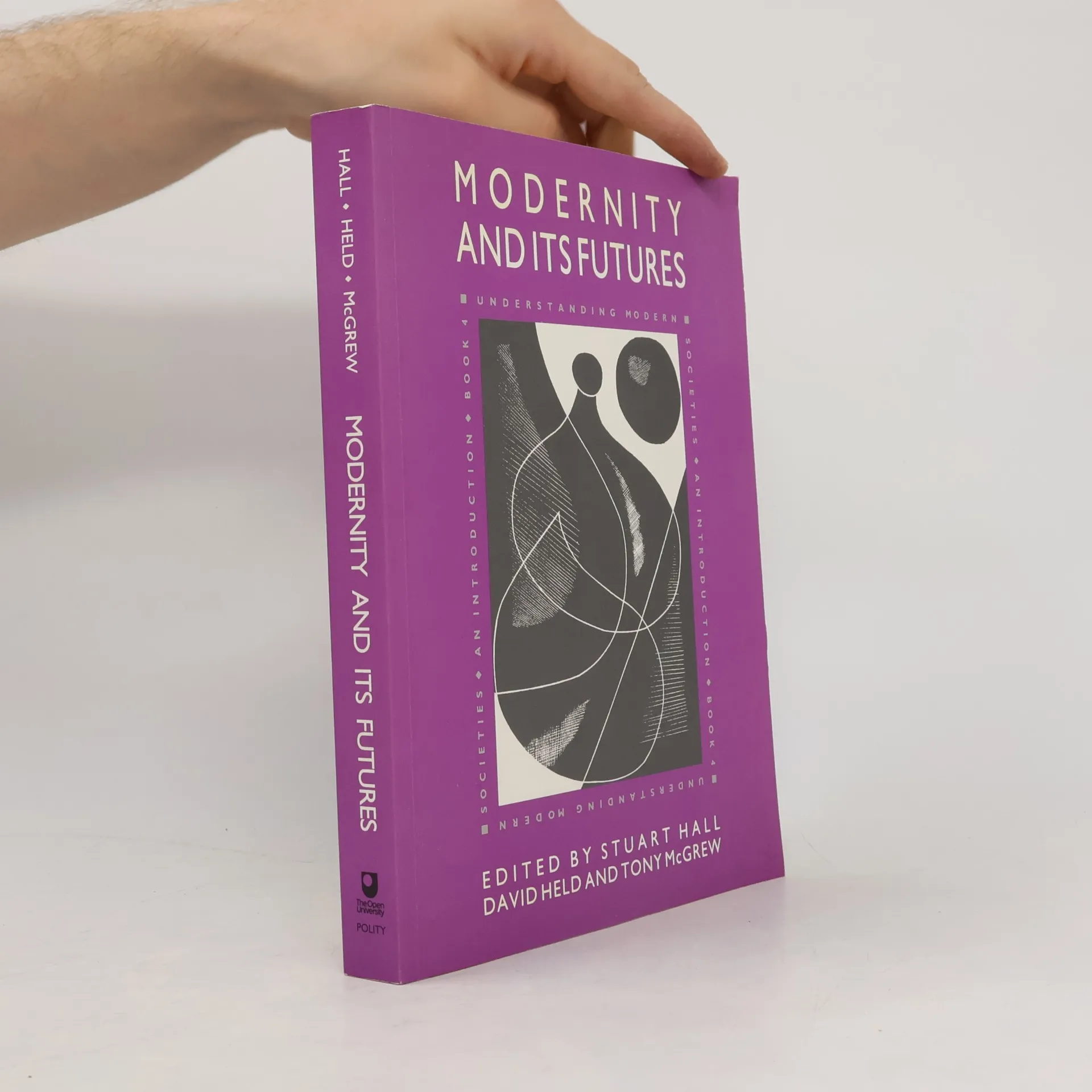
Modernity and its Futures is a major introductory textbook which examines the forces reshaping modern industrial societies and the new patterns, structures and relationships that are emerging in the contemporary world.
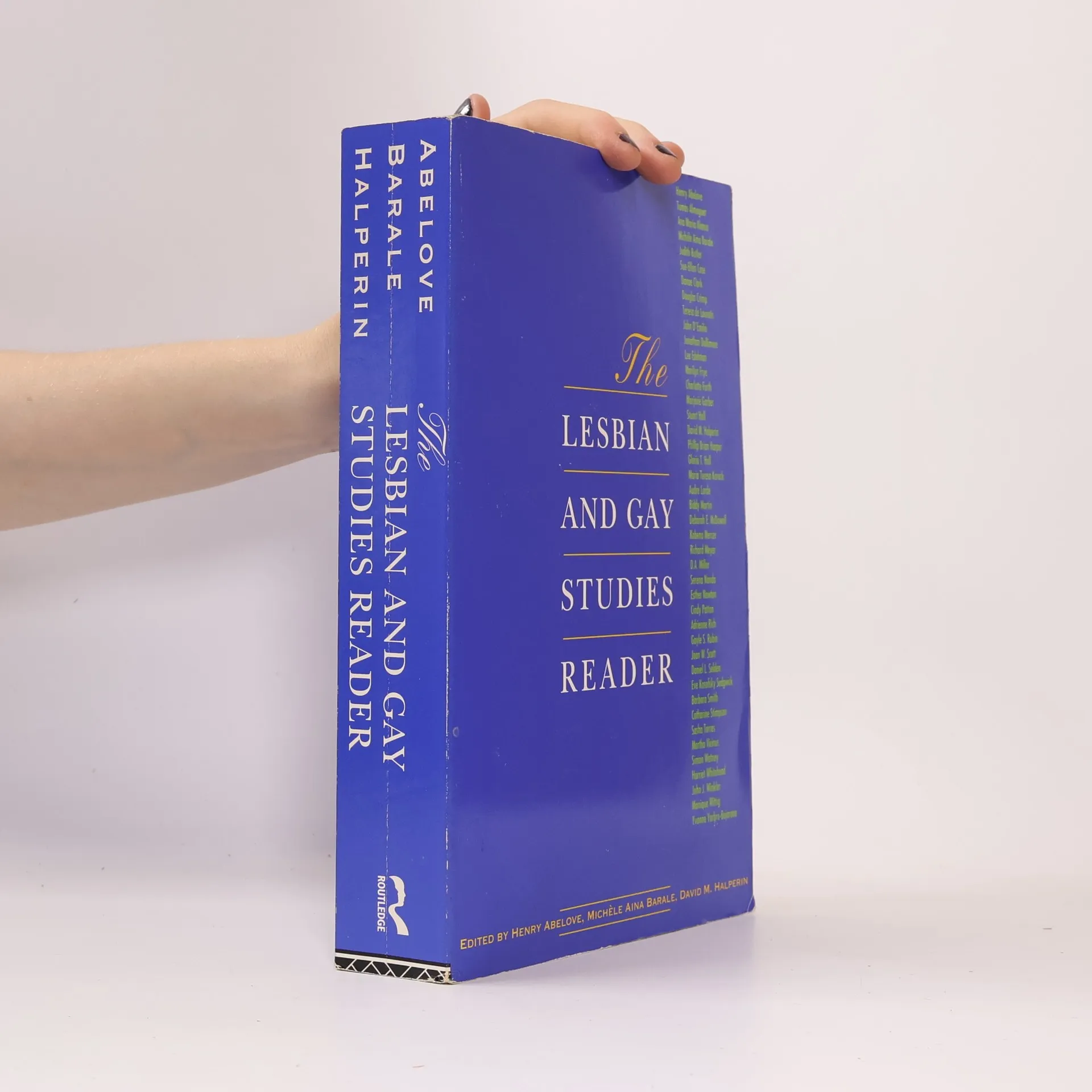
This anthology brings together forty-two influential essays, many regarded as classics, providing a vital overview of contemporary lesbian and gay studies. It showcases the breadth and depth of current scholarship, featuring contributions from esteemed scholars such as Judith Butler, John D'Emilio, and Eve Kosofsky Sedgwick. The essays delve into diverse sexual, ethnic, racial, and socio-economic experiences, reflecting a wide range of disciplines including history, literature, cultural studies, and sociology.
The collection addresses significant themes such as gender roles, feminist theory, AIDS, and the politics of representation, while also exploring figures and topics like Oscar Wilde, Gertrude Stein, and the hijras of India. It highlights the cultural construction of gender and sexuality, examining the impact of societal norms on individual identities and experiences.
Additionally, the anthology includes an extensive bibliographical essay, serving as a valuable resource for further exploration in the field. The contributions reflect the most important English-language work in lesbian and gay studies, making it an essential read for anyone interested in understanding the complexities of sexual identity and cultural expression.
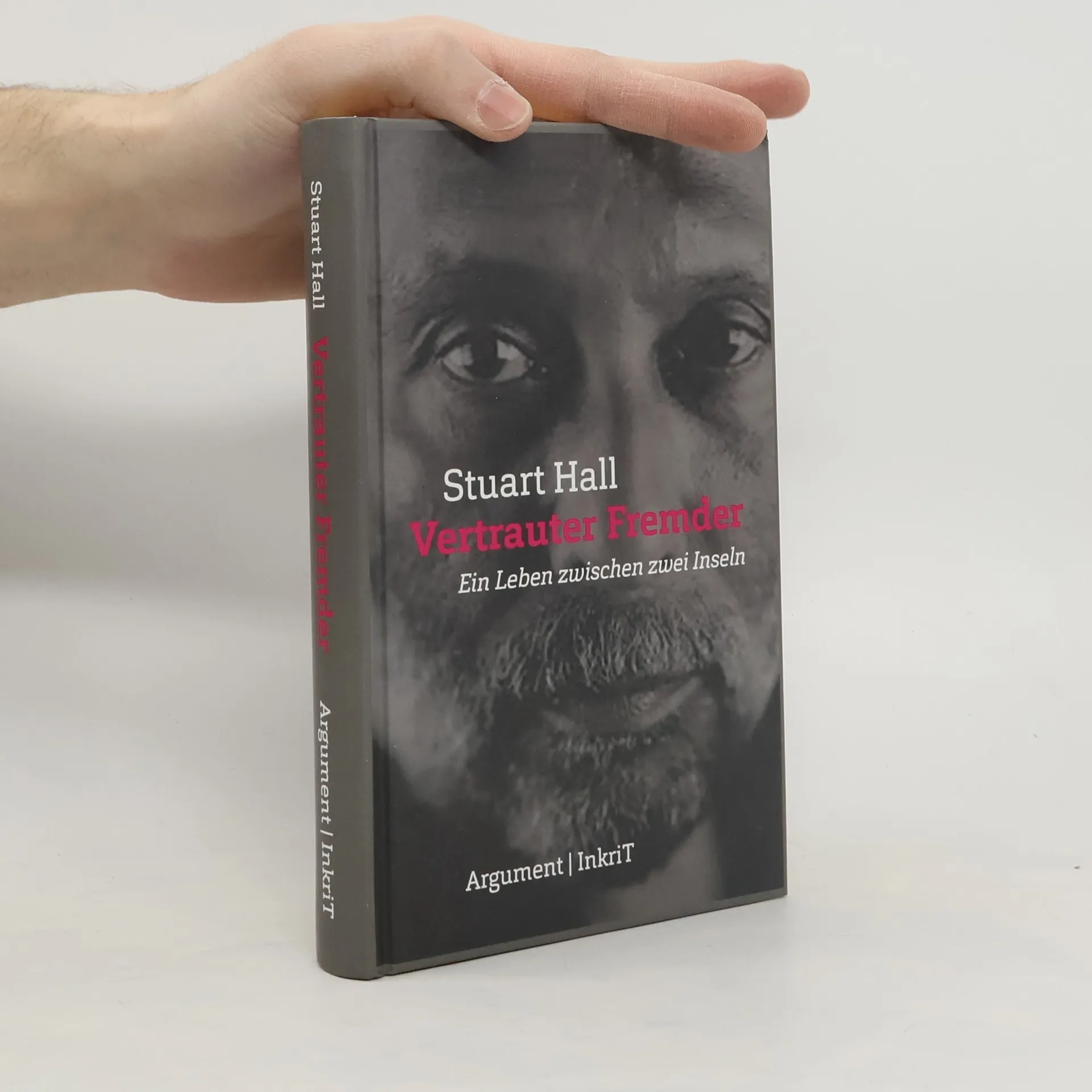
Stuart Halls Vermächtnis: Lebensgeschichte als Politik des Kulturellen Stuart Halls Autobiografie ist eine unverzichtbare Lektüre für alle, die sich mit den Themen Race, Identität, (Post-)Kolonialismus und Diaspora befassen. Hall schuf Denkwerkzeug aus Widersprüchen. Er gründete die Cultural Studies, um das Alltagsleben als umkämpften Ort sichtbar zu machen, an dem um die Köpfe und Herzen der Menschen gerungen wird. Er wurde einer der einflussreichsten Denker zu den Themen Ideologie, Identität und Repräsentation, Hegemonie, Medien- und Massenkultur. Halls Jugend in Jamaika, der Wechsel nach England, das Studium in Oxford, die Aneignung von Literatur und Jazz, die Wurzeln seiner politischen Existenz, die politischen und kulturellen Entwicklungen im postkolonialen England: »Vertrauter Fremder« zeigt sein Leben zwischen zwei Inseln.
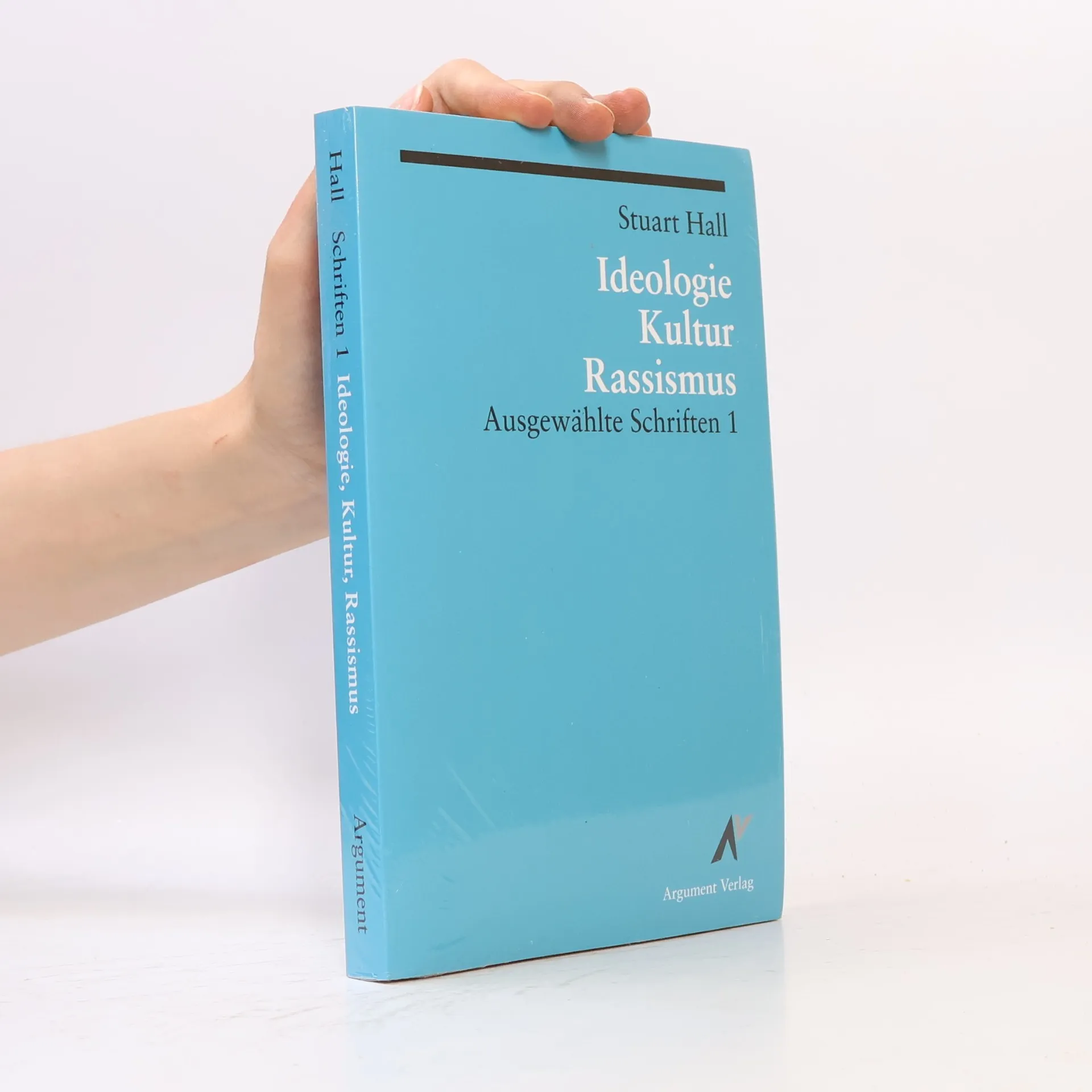
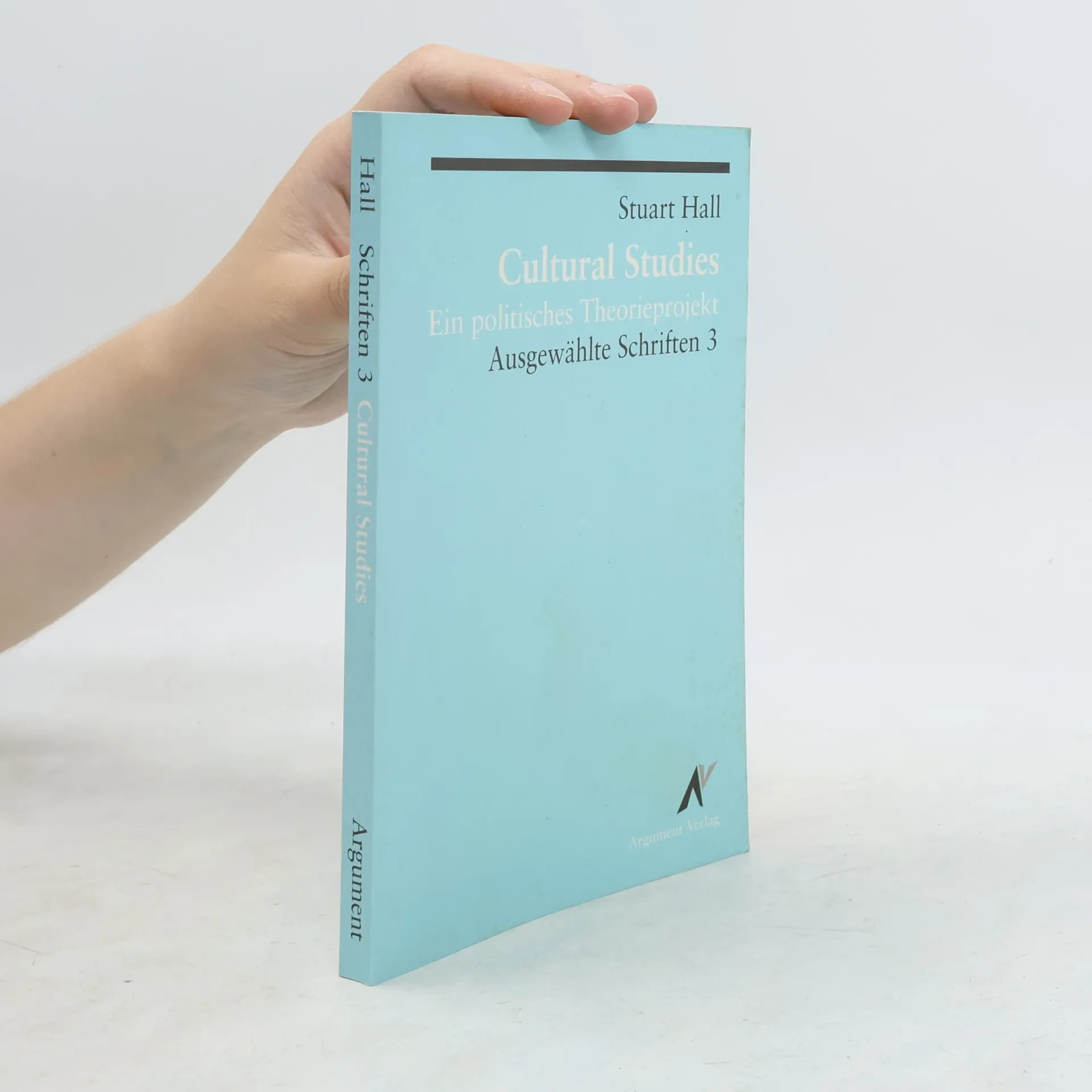
Stuart Hall ist nicht nur einer der wichtigsten Begründer der Cultural Studies. Sein Einfluss ist vor allem deshalb so entscheidend, weil er sich immer neuen theoretischen und politischen Fragen stellt, Grenzen überschreitet und dabei am Anspruch festhält, das unlösbare Spannungsverhältnis zwischen Theorie und Praxis aufrechtzuerhalten. Denn Theorie ist für ihn immer eingreifende Theorie im Interesse der Befreiung. "Geht dieses Spannungsverhältnis verloren, kann man zwar eine hervorragende intellektuelle Arbeit leisten, aber man verliert die intellektuelle Praxis, die Politik." Band 1 gibt einen Überblick über Stuart Halls vielfältiges theoretisches Studien zur Marxschen Theorie, zur Medien- und Massenkultur, zur Neuen Rechten und zum Rassismus sowie kritische Analysen linker Politik.
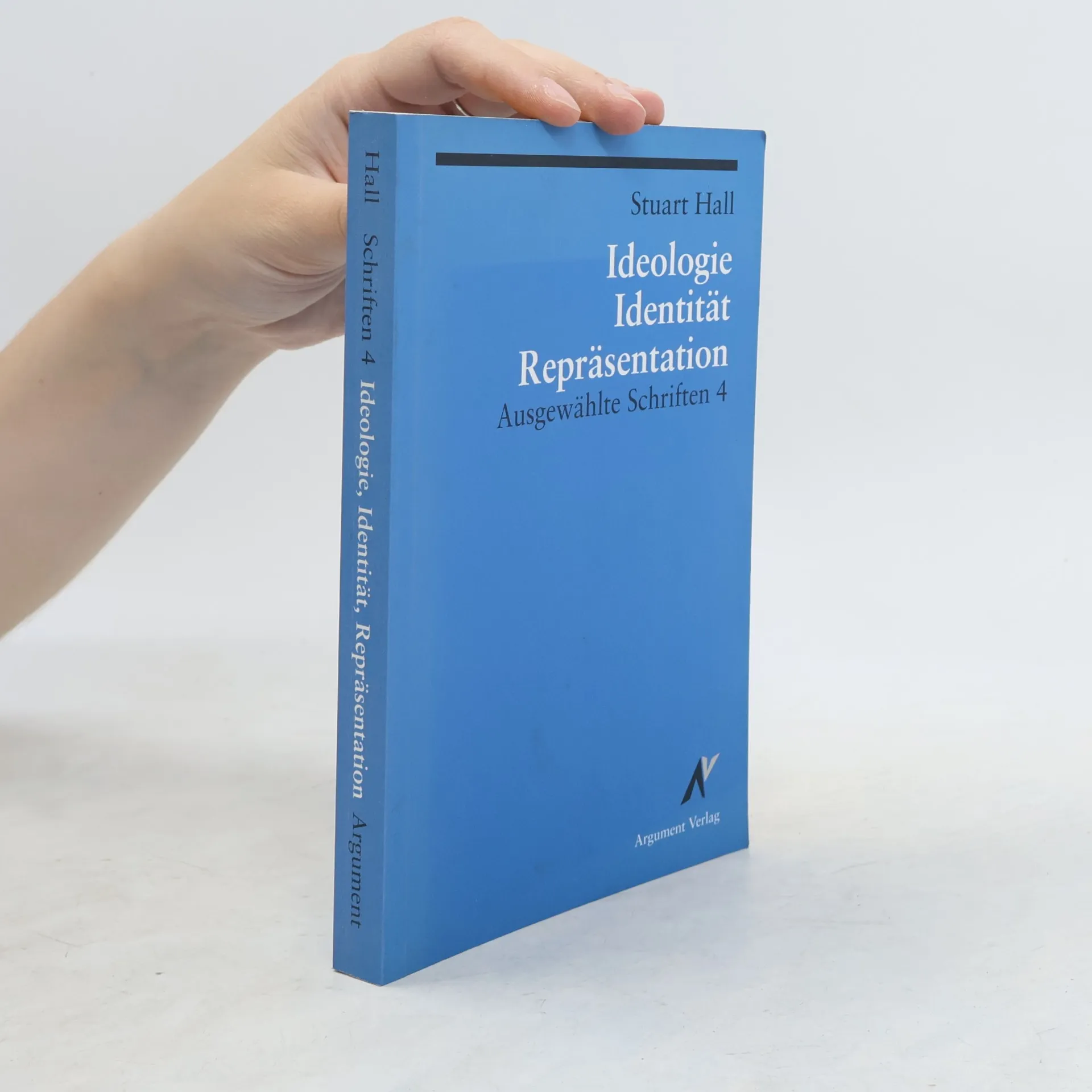
Stuart Hall untersucht Medien, Massenkultur, Rassismus und die Neuen Rechten und entwickelt die Grundlagen der Cultural Studies. Er analysiert Kultur, Identität und Differenz und kritisiert ideologische Prozesse der kapitalistischen Gegenwart. Halls Arbeiten bieten Werkzeuge zur Analyse gesellschaftlicher Krisen und erkunden Möglichkeiten linker Politik. Die neue zweibändige Ausgabe umfasst alle fünf Bände seiner ausgewählten Schriften.
Flaschenpost an die Zukunft! In diesem postum veröffentlichten Buch über das verhängnisvolle Dreieck von Rasse, Ethnie und Nation zeichnet der große Soziologe und Begründer der Cultural Studies, Stuart Hall, nach, wie alte Hierarchien in unseren Gesellschaften aufgebrochen wurden und unterdrückte Minderheiten neue Repräsentationsformen von kultureller Identität durchzusetzen begannen – und wie sich dagegen immer wieder Widerstand formierte. Von der Renaissance bis zur Aufklärung und darüber hinaus diente der Begriff »Rasse« dazu, soziale Unterschiede aufgrund von Hautfarbe als natürlich und unwandelbar darzustellen. Auch heute findet die rassistische Fundierung von ethnischer und politischer Zugehörigkeit im Zeichen der Identitätspolitik wieder verstärkt Zuspruch. Die Neudefinitionen, die im 20. Jahrhundert von der schwarzen Bürgerrechtsbewegung und von Migrantinnen und Migranten in westlichen Gesellschaften durchgesetzt wurden, zeigen für Hall jedoch, wie Identitäten und Vorurteile im Medium der Sprache transformiert werden können. Sie geben Grund zur Hoffnung, dass in der migrantischen Diaspora immer wieder neue Anstöße entstehen, um den Bedrohungen des Fundamentalismus und des Nationalismus zu begegnen. Ein Vermächtnis von brennender Aktualität.
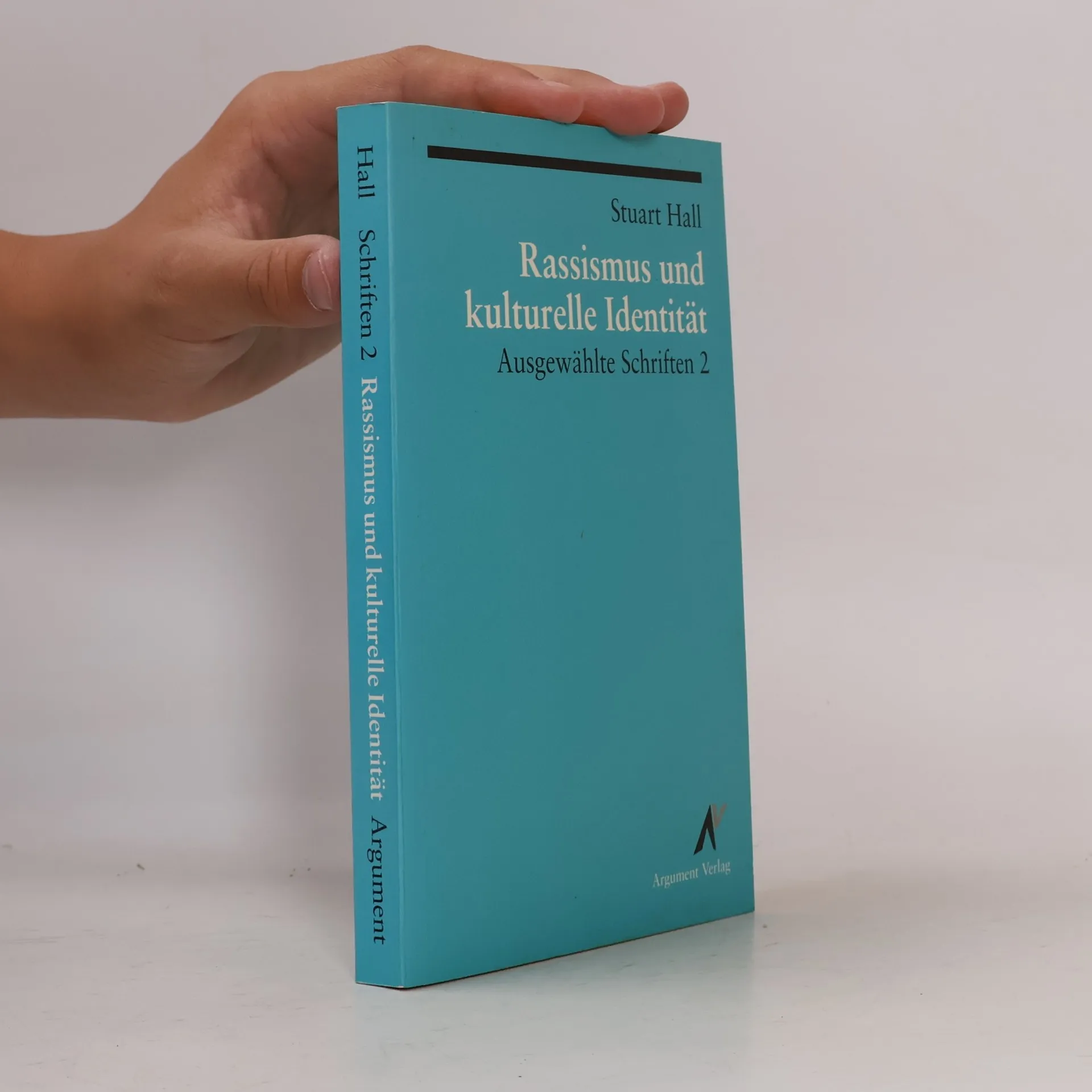
Herausgegeben und übersetzt von Ulrich Mehlem [und 6 andere] ; mit einer Bibliografie der Werke Stuart Halls von Juha Koivisto.Band 2 erörtert zwei gegensätzliche Formen der Kulturpolitik "schwarzer" Bewegungen. Hall verbindet dabei eine Präsentation historischen Materials und theoretischer Strömungen mit begrifflicher Arbeit an Kategorien wie "Kultur", "Identität", "Differenz".
Výbor teoretických studií a esejů je čtvrtým svazkem série Postkoloniální myšlení. Tato série má volně chronologickou návaznost a obsahuje jak překlady ucelených knih (Frantz Fanon – Černá kůže, bílé masky a Homi K. Bhabha – Místa kultury), tak dvě antologie vybraných textů. Stávající svazek se zaměřuje na následující období od osmdesátých let dvacátého století po současnost. V průběhu této doby se postkoloniální reflexe autorů a autorek působících na převážně anglo-amerických univerzitách rozvinula napříč celou sférou humanitních disciplín. Tato reflexe přináší kritickou revizi filosofických, historických, antropologických, literárních, kulturních i genderových či jinak předsudečně zaměřených reprezentací, identit a narativů/vyprávění dějin. Klíč pro pochopení současné situace nejen v kolonizovaných zemích, ale také v kontextu globalizace je možné nalézt v rozličných proměnách pojmu postkoloniality. Sám tento pojem není však nikterak homogenní a byl či je často problematizován pro svoji historickou neurčitost, teoretickou nezakotvenost či obecně pojmovou proměnlivost. Smyslem výboru je českému čtenáři nabídnout pluralitu přístupů a kritických stanovisek teoretického postoje, jenž vedl ke změně společenskovědního paradigmatu v posledních třiceti letech.