

"Quaternions for Computer Graphics" by John Vince provides a clear introduction to quaternions, covering their invention, applications in rotation, and relevance in computer graphics. The revised 2nd edition features color figures, extra examples, and a detailed index. It's ideal for students and professionals in computer science, mathematics, and programming.
John Vince Books
January 1, 1941

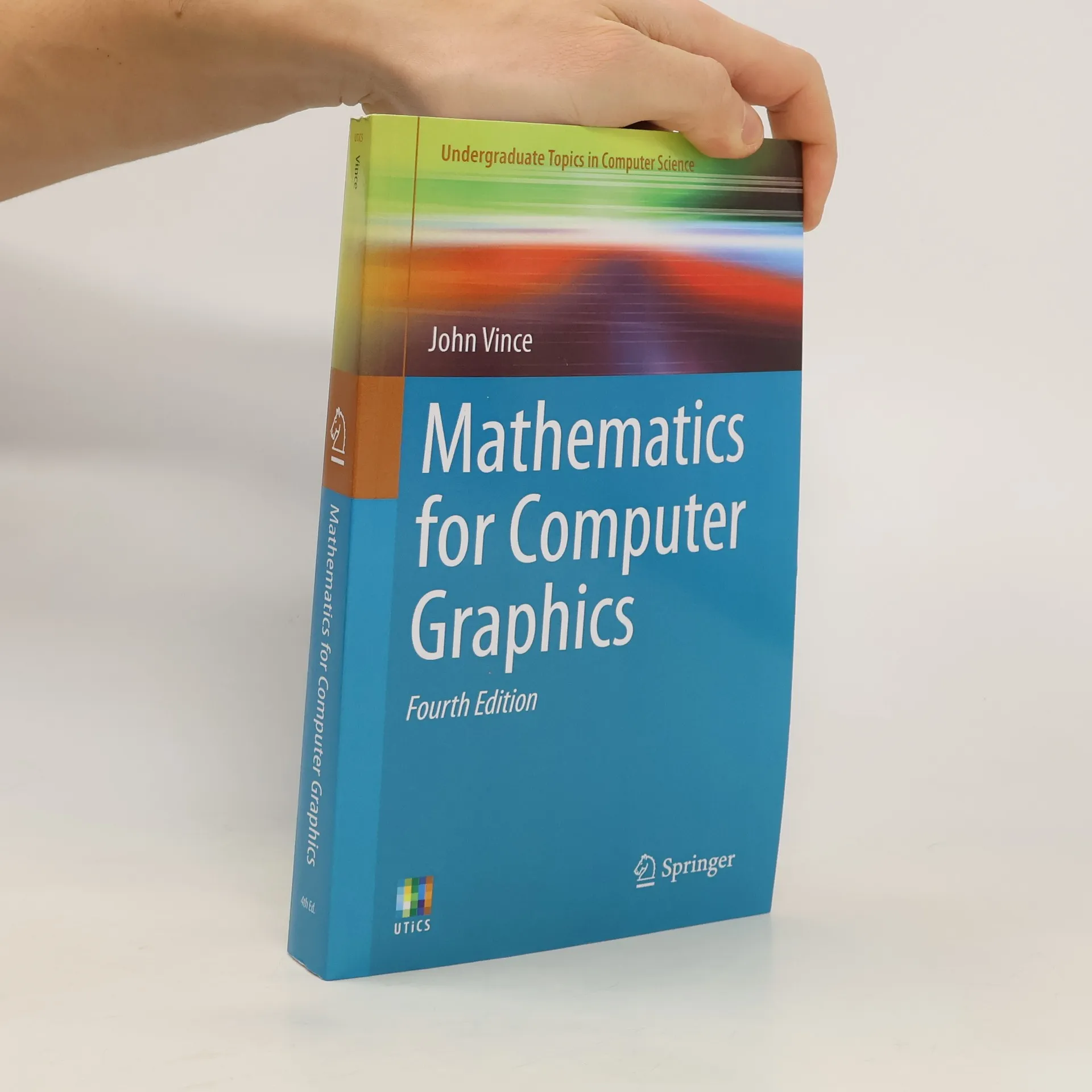
Mathematics for Computer Graphics
- 412 pages
- 15 hours of reading
John Vince explains a wide range of mathematical techniques and problem-solving strategies associated with computer games, computer animation, virtual reality, CAD and other areas of computer graphics in this updated and expanded fourth edition. The first four chapters revise number sets, algebra, trigonometry and coordinate systems, which are employed in the following chapters on vectors, transforms, interpolation, 3D curves and patches, analytic geometry and barycentric coordinates. Following this, the reader is introduced to the relatively new topic of geometric algebra, and the last two chapters provide an introduction to differential and integral calculus, with an emphasis on geometry. Mathematics for Computer Graphics covers all of the key areas of the subject, including: Number sets Algebra Trigonometry Coordinate systems Transforms Quaternions Interpolation Curves and surfaces Analytic geometry Barycentric coordinates Geometric algebra Differential calculus Integral calculus This fourth edition contains over 120 worked examples and over 270 illustrations, which are central to the author’s descriptive writing style. Mathematics for Computer Graphics provides a sound understanding of the mathematics required for computer graphics, giving a fascinating insight into the design of computer graphics software and setting the scene for further reading of more advanced books and technical research papers.
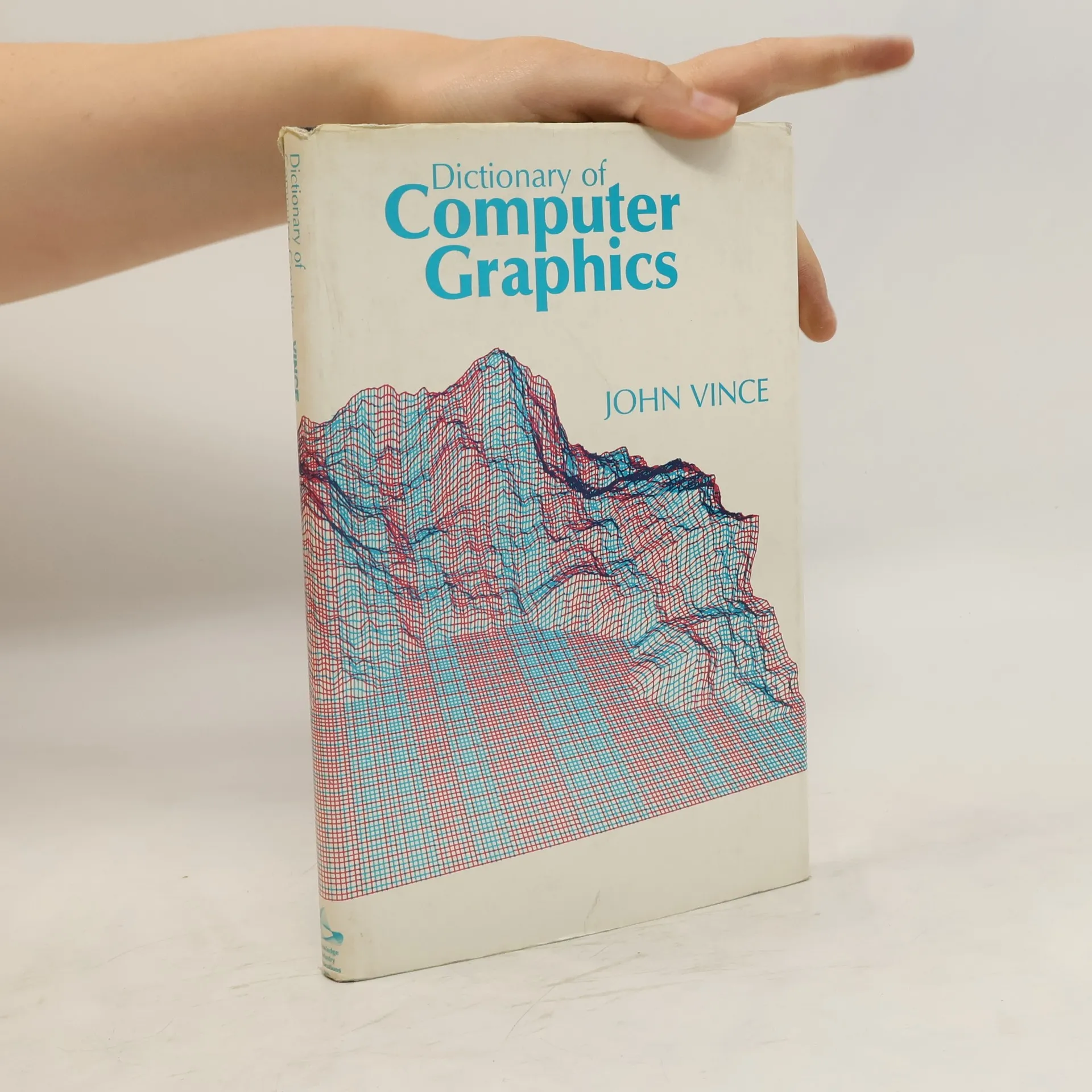
Dictionary of Computer Graphics
- 132 pages
- 5 hours of reading
The third edition presents updated insights and comprehensive analysis, enhancing the reader's understanding of the subject matter. It features new chapters, revised content, and additional resources that reflect the latest research and developments. The author’s expertise shines through as they explore complex themes and provide practical applications, making it an essential resource for both students and professionals. This edition aims to deepen knowledge and encourage critical thinking in the field.
Calculus for Computer Graphics
- 400 pages
- 14 hours of reading
The book highlights essential mathematical concepts for students in computer graphics, including geometry, matrices, vectors, and rotation transforms. It emphasizes the importance of quaternions, curves, and surfaces while noting the growing role of calculus in addressing complex software challenges. This comprehensive approach equips learners with the foundational knowledge necessary for advancing in the field of computer graphics.
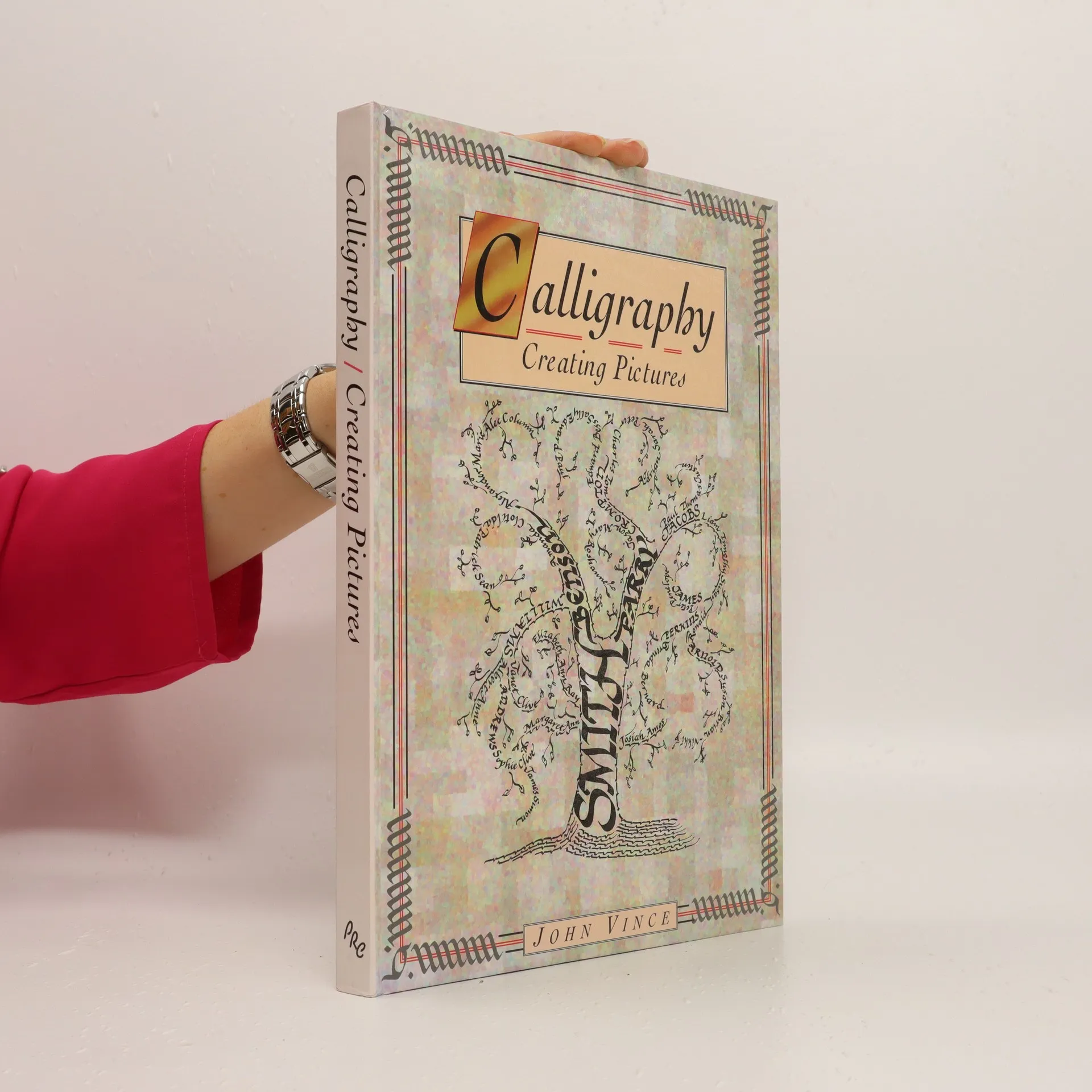
Calligraphy - creating pictures.
- 159 pages
- 6 hours of reading
The author employs a unique approach to the development of calligraphy skills with emphasis on producing a picture composed of the written word.