

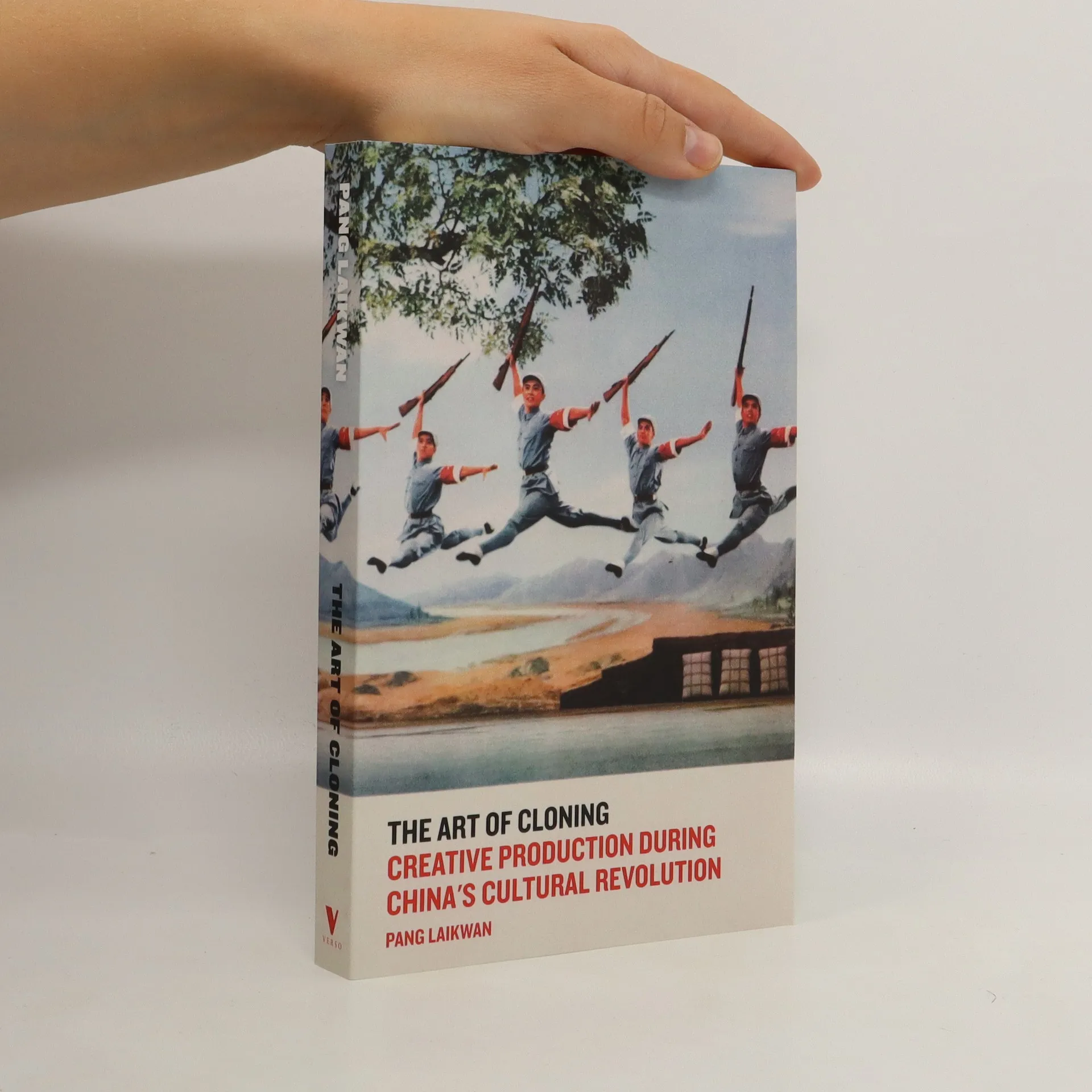
The Art of Cloning : Creative Production during China's Cultural Revolution
- 320 pages
- 12 hours of reading
Cultural production under Mao, and how artists and thinkers found autonomy in a culture of conformity In the 1950s, a French journalist joked that the Chinese were “blue ants under the red flag,” dressing identically and even moving in concert like robots. When the Cultural Revolution officially began, this uniformity seemed to extend to the mind. From the outside, China had become a monotonous world, a place of endless repetition and imitation, but a closer look reveals a range of cultural experiences, which also provided individuals with an obscure sense of freedom. In The Art of Cloning, Pang Laikwan examines this period in Chinese history when ordinary citizens read widely, traveled extensively through the country, and engaged in a range of cultural and artistic activities. The freedom they experienced, argues Pang, differs from the freedom, under Western capitalism, to express individuality through a range of consumer products. But it was far from boring and was possessed of its own kind of diversity.