Mark Spahn brings a wealth of experience from his diverse career in Japan, encompassing roles as an educator, computer magazine writer, programmer, and translator. This background informs his insightful approach to language and culture. Specializing in technical translation and consulting, Spahn leverages his extensive knowledge to make complex subjects accessible. His literary contributions often focus on the intricacies of Japanese writing systems, offering readers valuable tools for understanding.
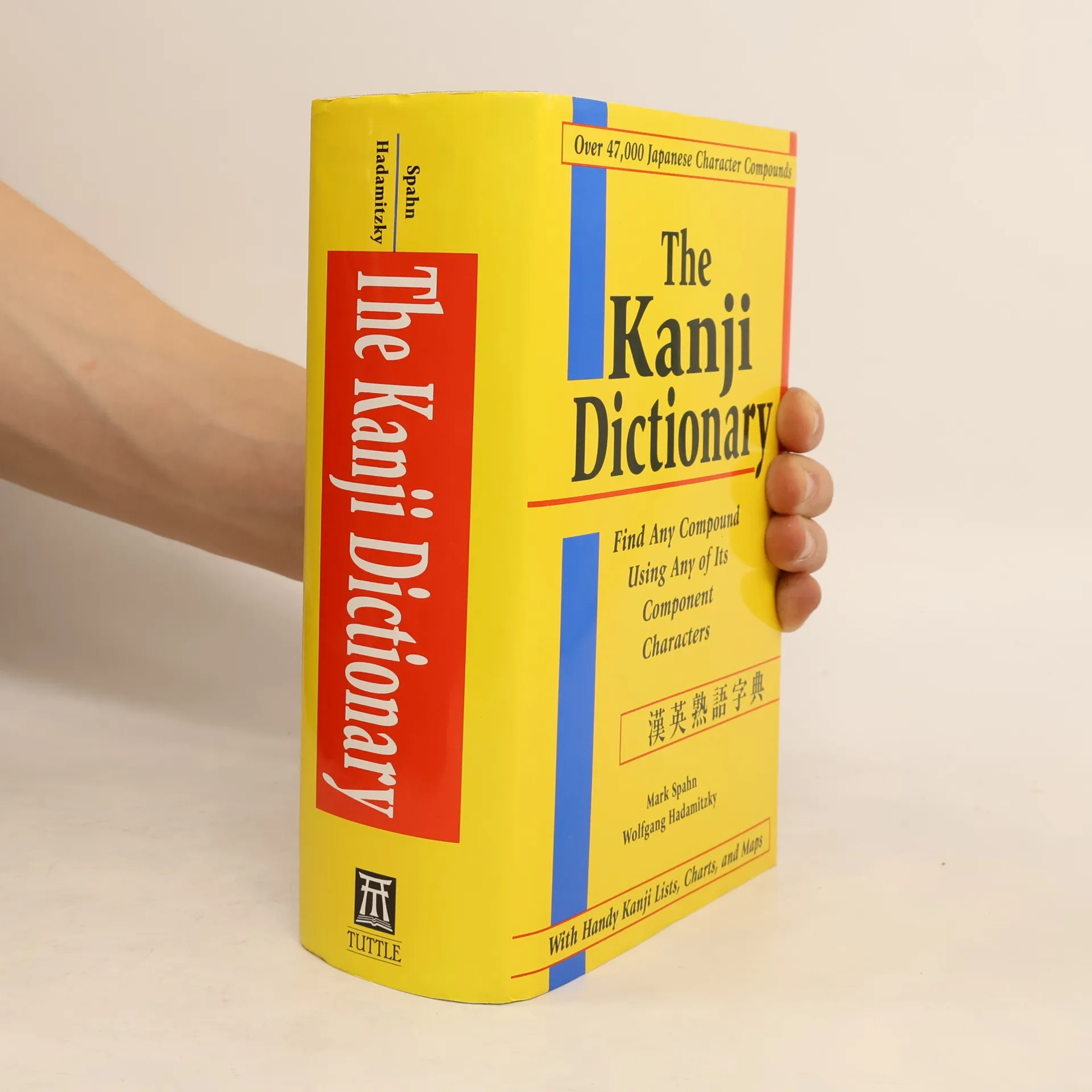
This comprehensive dictionary simplifies the Japanese written language by providing clear definitions and organized entries for kanji characters. It enhances accessibility through user-friendly features, making it an essential resource for learners and enthusiasts alike. With its systematic approach, it aids in understanding the nuances of kanji, promoting effective study and mastery of the language.
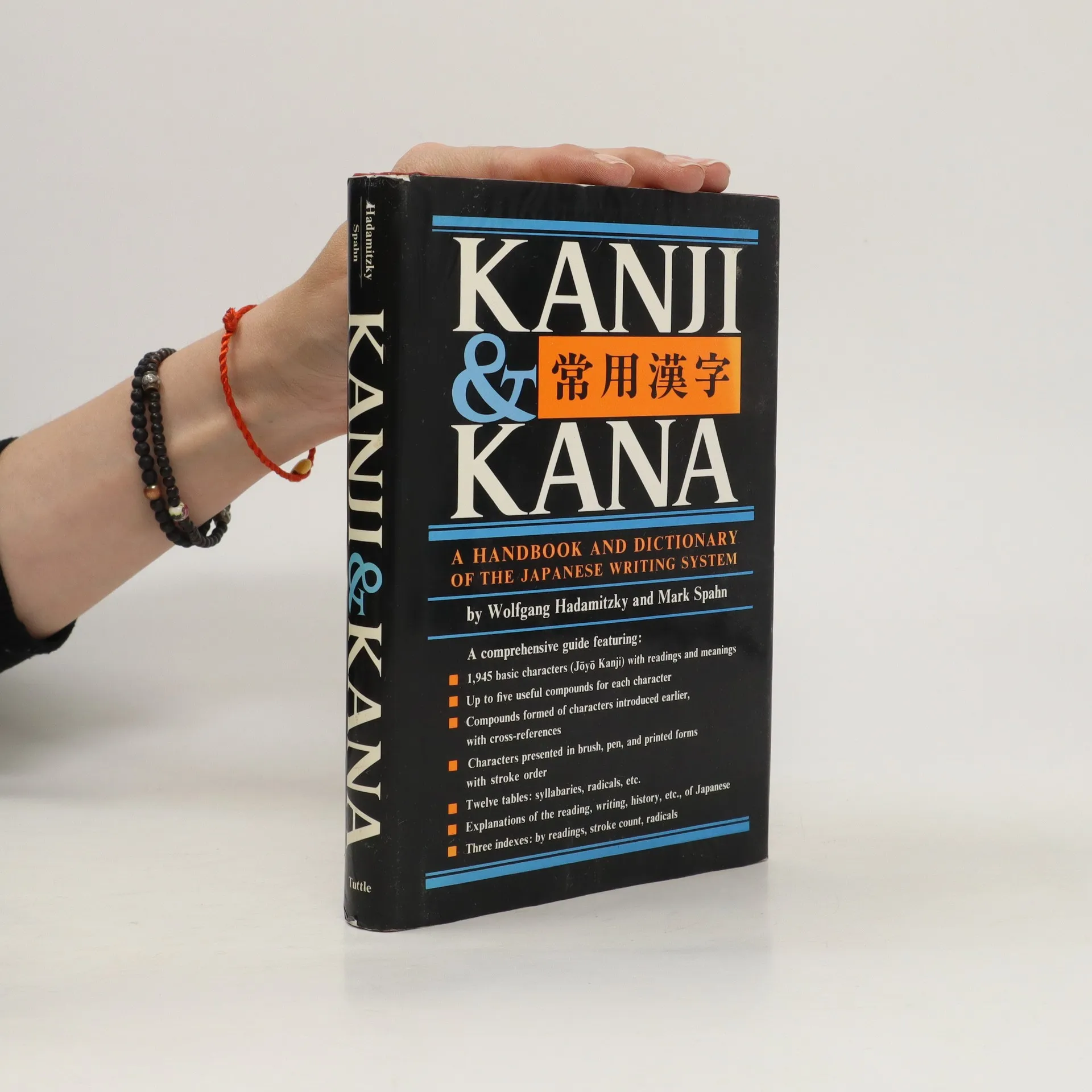
The introductory chapters provide an overview of the origins and current use of the syllabaries Hiragana and Katakana, as well as the Kanji used in Japan. Numerous charts support the learning and referencing of essential aspects of the Japanese writing system. The main section covers the 2,136 Joyo-Kanji, organized by frequency and complexity, according to the guidelines of the Japanese Ministry of Education from 2010. Each Kanji is presented in aesthetic brush script and standard writing. Small numbers at the beginning of each stroke indicate the writing order. For each Kanji, all officially approved readings and their meanings are listed. Additionally, information on the structure and components of the character is provided. To clarify the context of readings and meanings, up to five common compounds are exemplified, illustrating the practical use of the characters and avoiding rote memorization. This expands vocabulary and reinforces previously learned Kanji. The compounds primarily include characters with a lower index number in the book than that of the target character. The volume concludes with three indexes for quick reference on pronunciation, stroke count, and radicals.