Stephen Gill is a distinguished scholar whose work primarily focuses on Global Political Economy, International Relations, and Social and Political Theory. His research delves into the complex mechanisms of global power and their profound influence on contemporary society. Through sharp analytical insights, Gill provides a critical lens through which to understand the forces shaping our increasingly interconnected world.
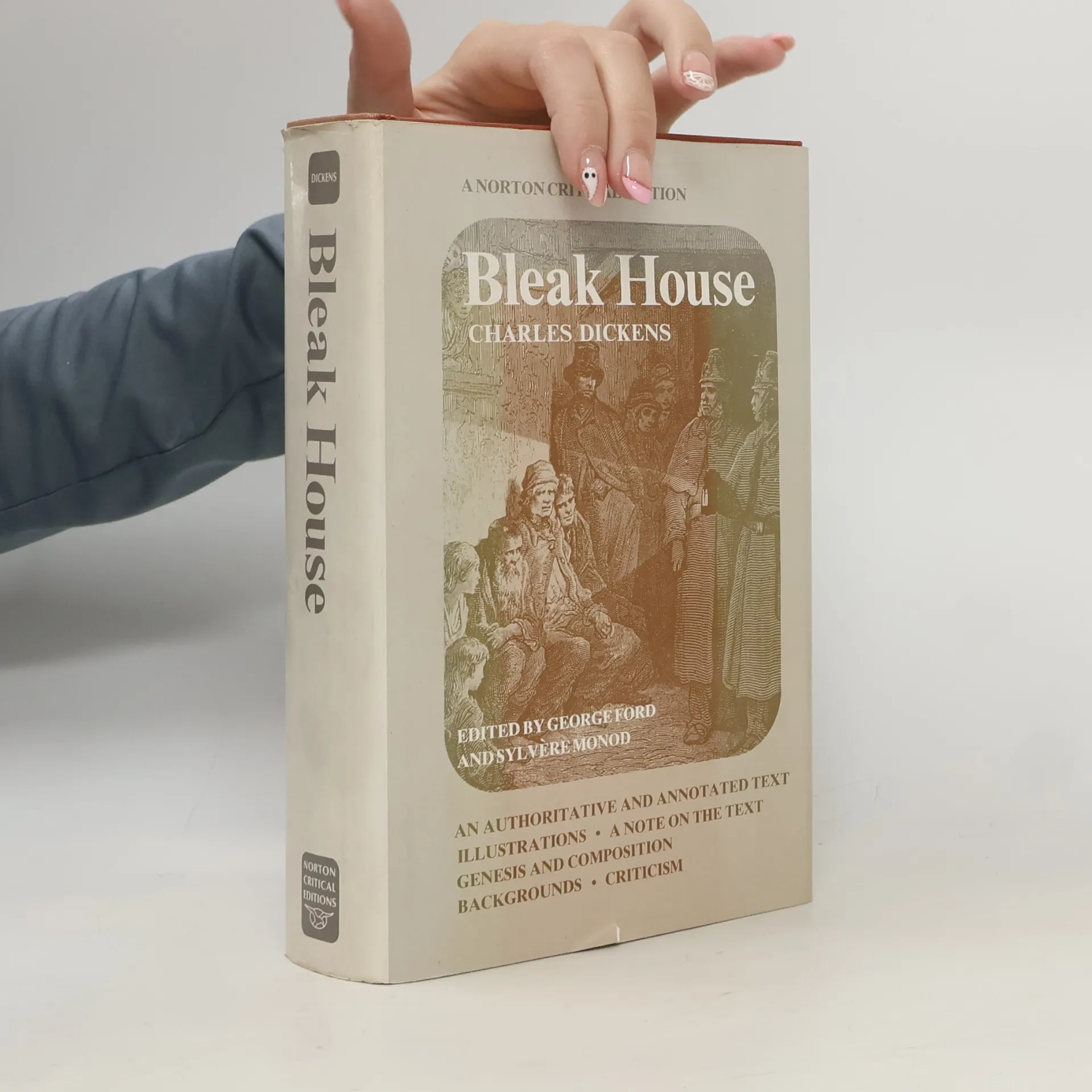
an authoritative and annotated text, illustrations, a note on the text, genesis and composition, backgrounds, criticism
986 pages
35 hours of reading
This authoritative text of Bleak House was the first to be established by a comparative study of all the surviving versions of Dickens' novel, incorporating evidence from the original manuscript and corrected proofs.
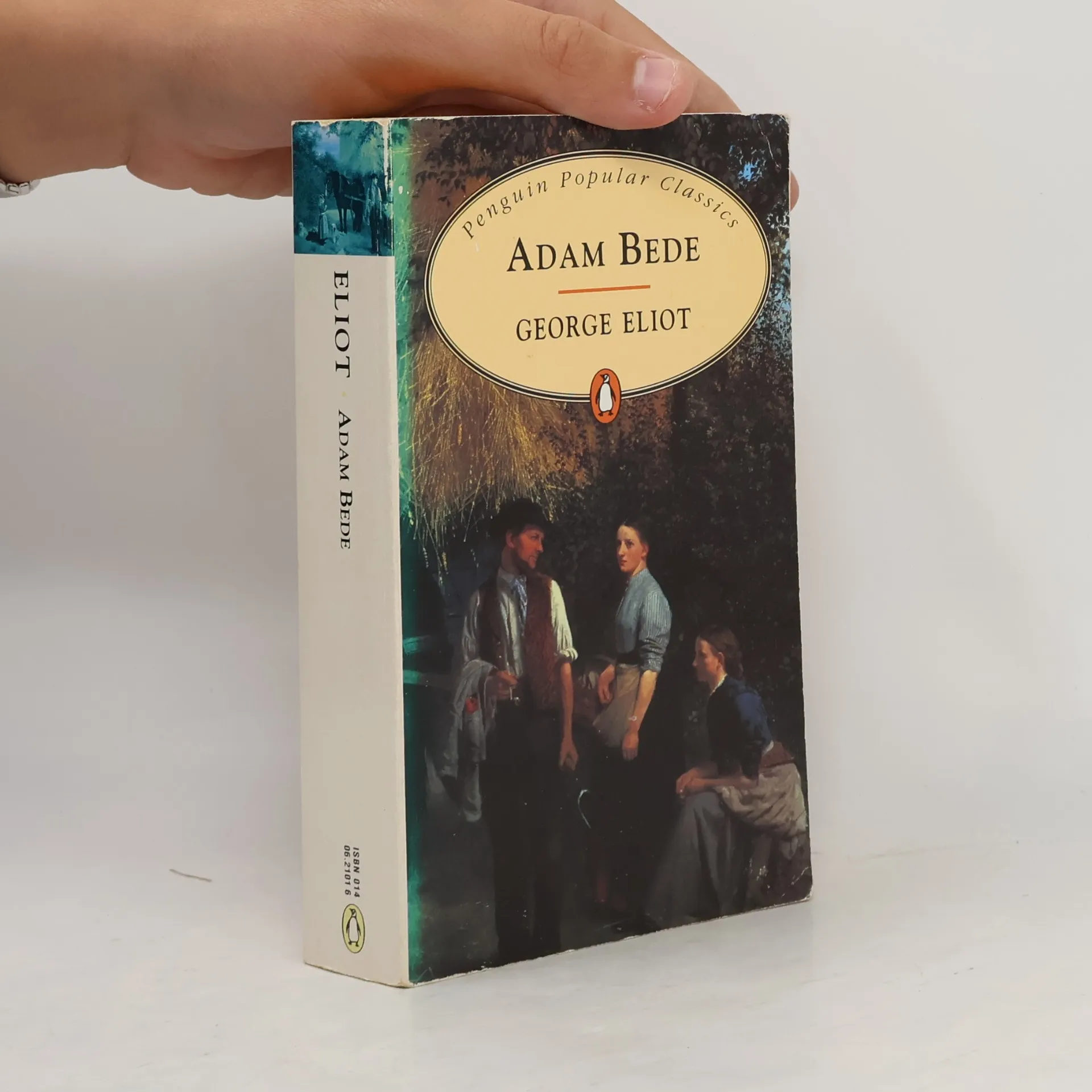
This is a title in an inexpensive range of classics in the Penguin Popular Classics series. The story takes place at the close of the 18th century. Hetty Sorrel, the niece of farmer Martin Poyser is loved by Adam Bede, the village carpenter, but is deluded by the attentions of a young squire.
Based on intimate knowledge of the poet's manuscripts, on a fresh look at contemporary records and on a study of the mass of material that has appeared since the last serious biography, this new account of Wordsworth focuses on what was most important to him - his life as a writer.
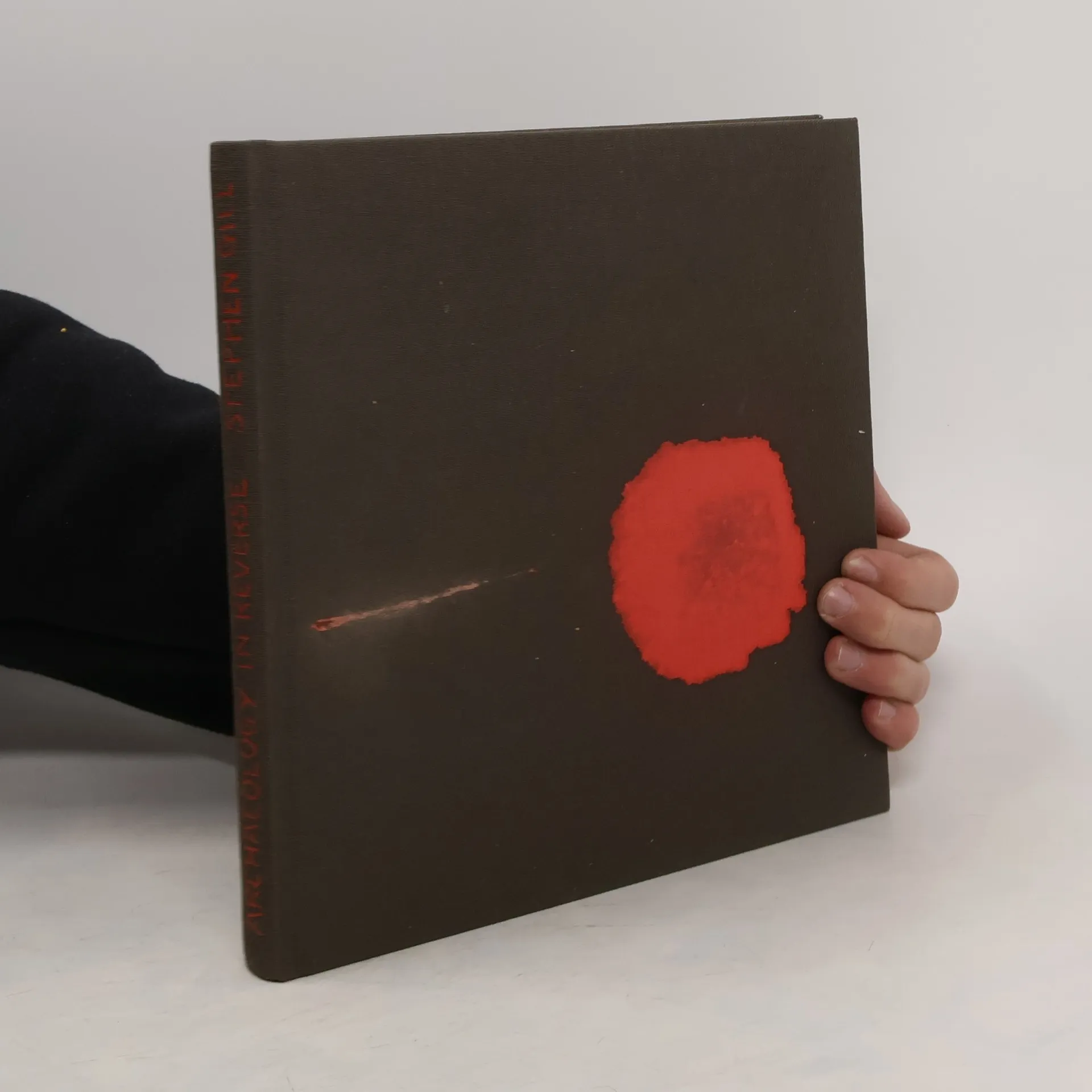
Stephen Gill has learnt to haunt the places that haunt him. His photo-accumulations demonstrate a tender vision factored out of experience; alert, watchful, not overeager, wary of that mendacious conceit, "closure." There is always flow, momentum, the sense of a man passing through a place that delights him. A sense of stepping down, immediate engagement, politic exchange. Then he remounts the bicycle and away. Loving retrievals, like a letter to a friend, never possession… What I like about Stephen Gill is that he has learnt to give us only as much as we need, the bones of the bones of the bones... --Iain SinclairContinuing to photograph where his award-winning book Hackney Wick left off, Stephen Gill also made Archaeology in Reverse in this personally cherished area of East London. Still making pictures with the camera he bought at Hackney Wick market for 50 pence, for this volume Gill focuses on things that do not yet exist.This magnificently produced book features traces and clues of things to come in a poetic, sometimes eerie and quiet photographic study of a place in a state of limbo prior to the rapid transformation that the area faces during the build-up to the Olympics in 2012.