

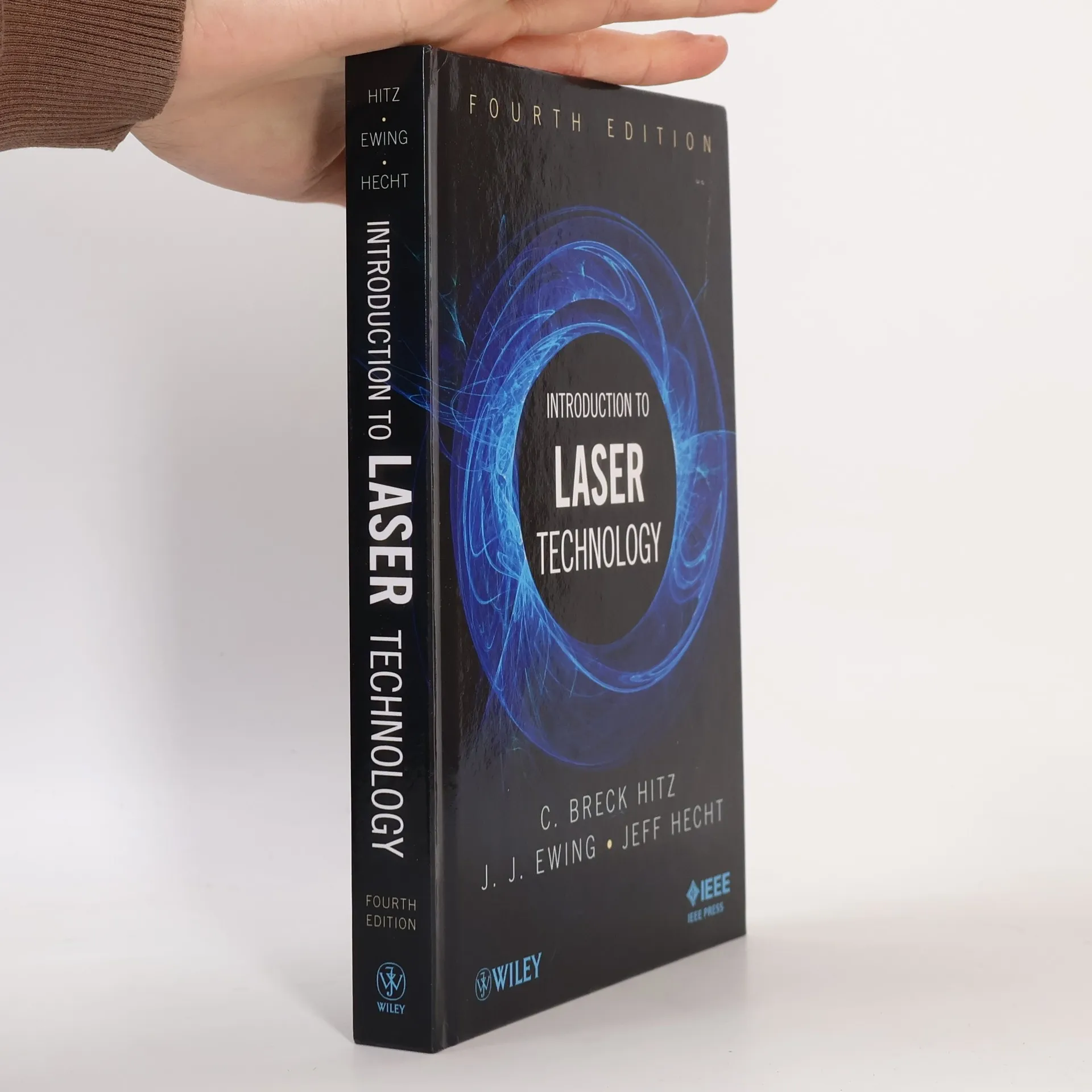
This introductory text is the only one available that elucidates the physics and engineering principles relevant to all lasers. As lasers gain prominence in our high-tech world, many technicians and engineers who work with them often lack formal training in electro-optics, leading to inefficient use of these vital tools. The Fourth Edition provides a comprehensive understanding of laser functionality and limitations, guiding readers on selecting the appropriate laser for various applications and how to enhance laser performance. With a blend of clarity and technical depth, it covers the characteristics and applications of commercial lasers globally, alongside discussions on light, optics, fundamental laser elements, and modification techniques. The updated edition features new chapter-end problems and expanded content on topics such as material and wavelength, diode laser arrays, quantum-cascade lasers, fiber lasers, thin-disk and slab lasers, ultrafast fiber lasers, Raman lasers, quasi-phase matching, and optically pumped semiconductor lasers. This resource is ideal for students, technicians, engineers, and professionals seeking a thorough introduction to laser technology.
Jeff Hecht Book order (chronological)
Jeff Hecht is a prolific writer specializing in the fields of lasers, light, and optics. His extensive work has been featured in a variety of prominent publications, showcasing his adeptness at explaining complex scientific concepts. Hecht's writing offers readers a clear and insightful exploration of the world of photonics.
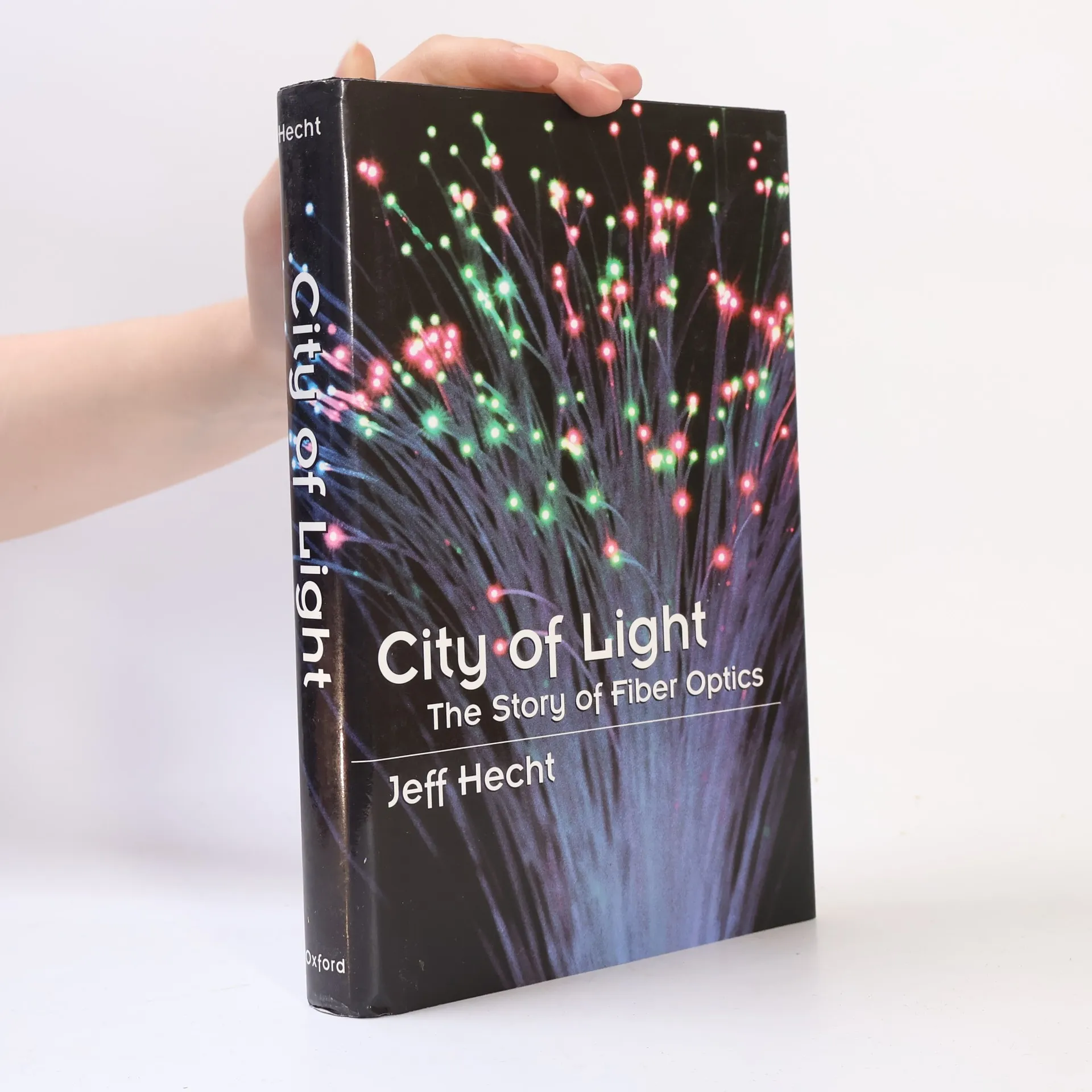
The narrative explores the evolution of fiber optics, illustrating its journey from a 19th-century novelty to a cornerstone of global communications. Crafted for a general audience by a seasoned journalist, it vividly recounts the key figures and concepts that propelled this groundbreaking technology. The foundational idea of guiding light was first examined in the 1840s, where researchers demonstrated it using jets of water. Its popularity surged later with the creation of illuminated fountains at Victorian exhibitions. The modern fiber-optic technology, utilizing flexible glass fibers, emerged independently multiple times in the early 20th century, with one of its initial applications being the endoscope, which revolutionized medical examinations. The practical use of endoscopes began in 1956 when an undergraduate developed solid glass fibers. The advent of the laser sparked interest in optical communications, leading to significant advancements at Standard Telecommunication Laboratories, where Charles K. Kao and his team proposed fiber-optic communications, proving glass could transmit light over long distances. Corning Glass Works then created low-loss glass fibers in 1970, paving the way for rapid development. By 1977, experimental phone links utilized fiber optics, and within years, long-distance companies began implementing fiber cables. The first transatlantic fiber-optic cable was laid in 1988, establishing fiber opti
Optics
- 170 pages
- 6 hours of reading
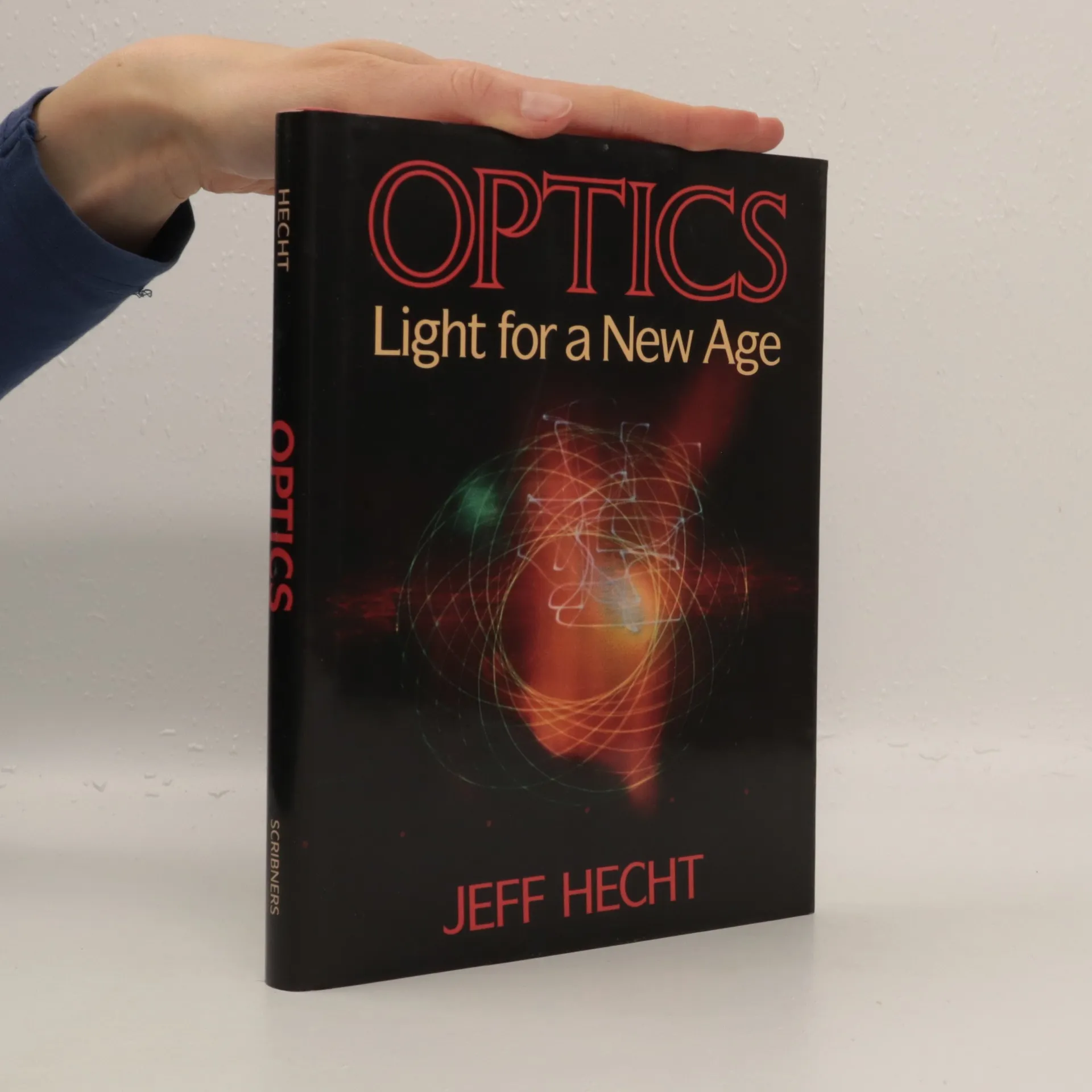
Young adult introduction to optics and light, including what light is and does, simple optics and how they work, the eye, light sources, light detection and robot vision, infrared and ultraviolet light, Optical instruments, cameras and television, fiber optics, light and life, ray guns and reality.