Philippe Petit Book order (chronological)
August 13, 1949
Philippe Petit is renowned for his audacious high-wire walk between the twin towers of the World Trade Center, an act famously dubbed the "artistic crime of the century." His performance was characterized by daring precision and artistic vision. Petit's high-wire feats have captivated audiences worldwide, cementing his legacy as a unique figure in performance art.


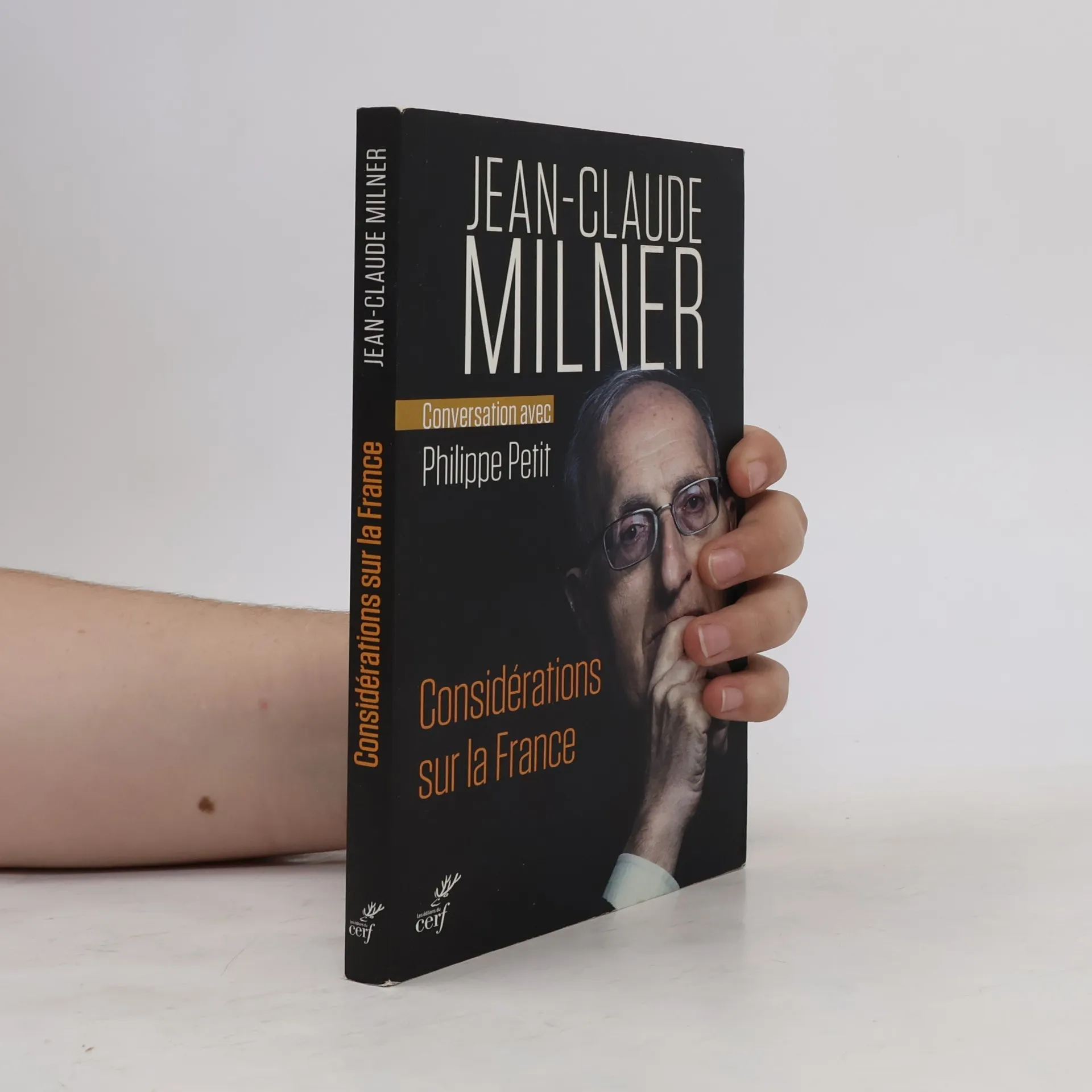
Considérations sur la France
- 190 pages
- 7 hours of reading
Pourquoi assistons-nous, impuissants, au délitement de notre démocratie ? Quels liens unissent les catholiques aux droits de l'homme ? Pourquoi la défaite de 1940 est-elle à l'origine des crises actuelles ? Dans ce livre d'entretien, Jean-Claude Milner aborde ces questions et bien d'autres. Il explore les origines de la séparation des pouvoirs selon Montesquieu, le rôle des notables et de la petite bourgeoisie intellectuelle, ainsi que les répercussions de la guerre d'Algérie, qui demeure une ligne de fracture idéologique. Milner traite également des enjeux contemporains tels que le regroupement familial et le port du voile dans l'espace public, tout en questionnant notre rapport à l'État-Nation et à l'Europe. En revisitant les traces du passé, il éclaire le présent. Après "Relire la Révolution", il poursuit sa relecture de l'histoire de France à travers un échange vif mais nuancé. Jean-Claude Milner, élève de l'École normale supérieure, est un intellectuel majeur de la gauche française, tandis que Philippe Petit, docteur en philosophie, est journaliste et essayiste, auteur d'une trentaine de livres d'entretien et d'un essai sur Sartre.
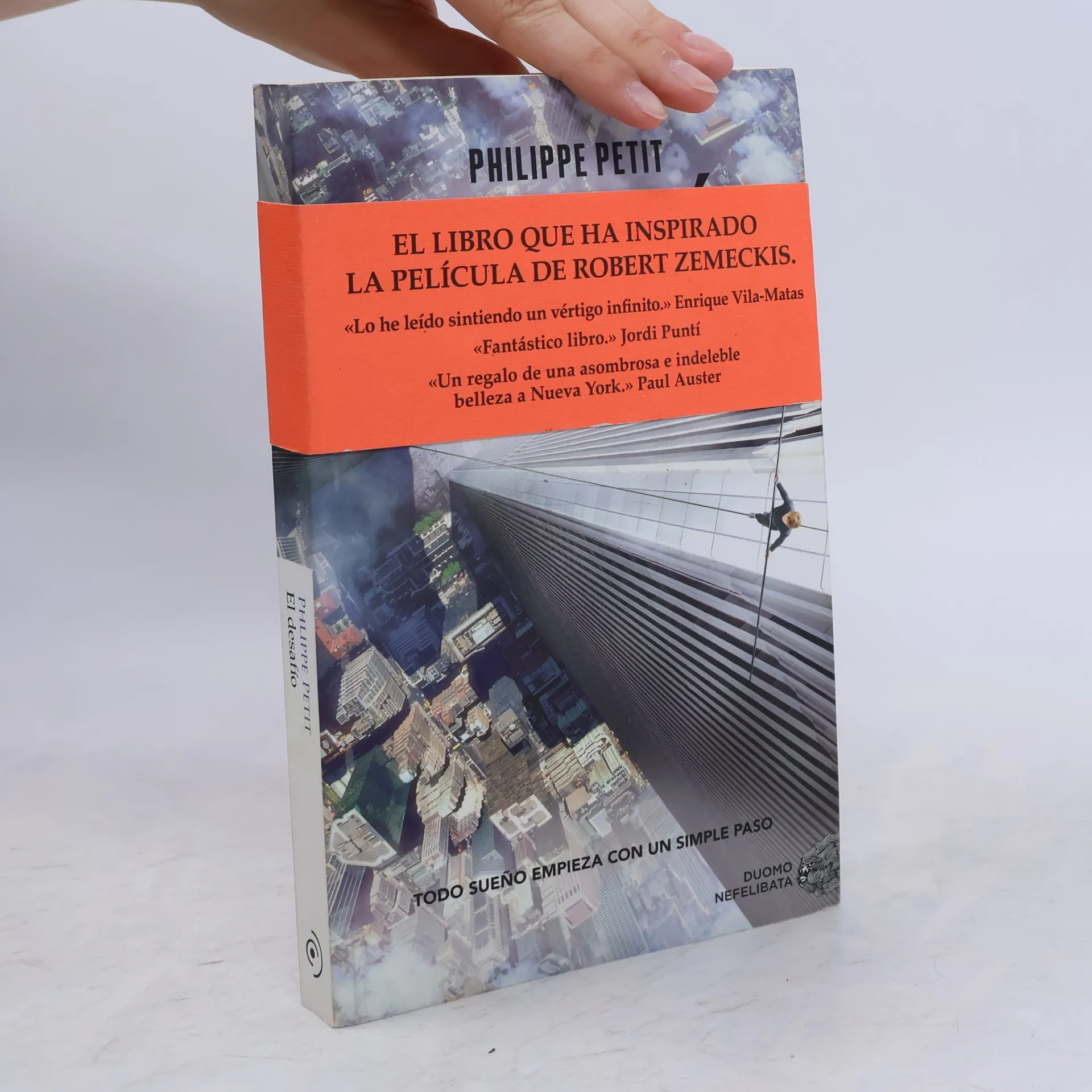
El desafío. The Walk
- 288 pages
- 11 hours of reading
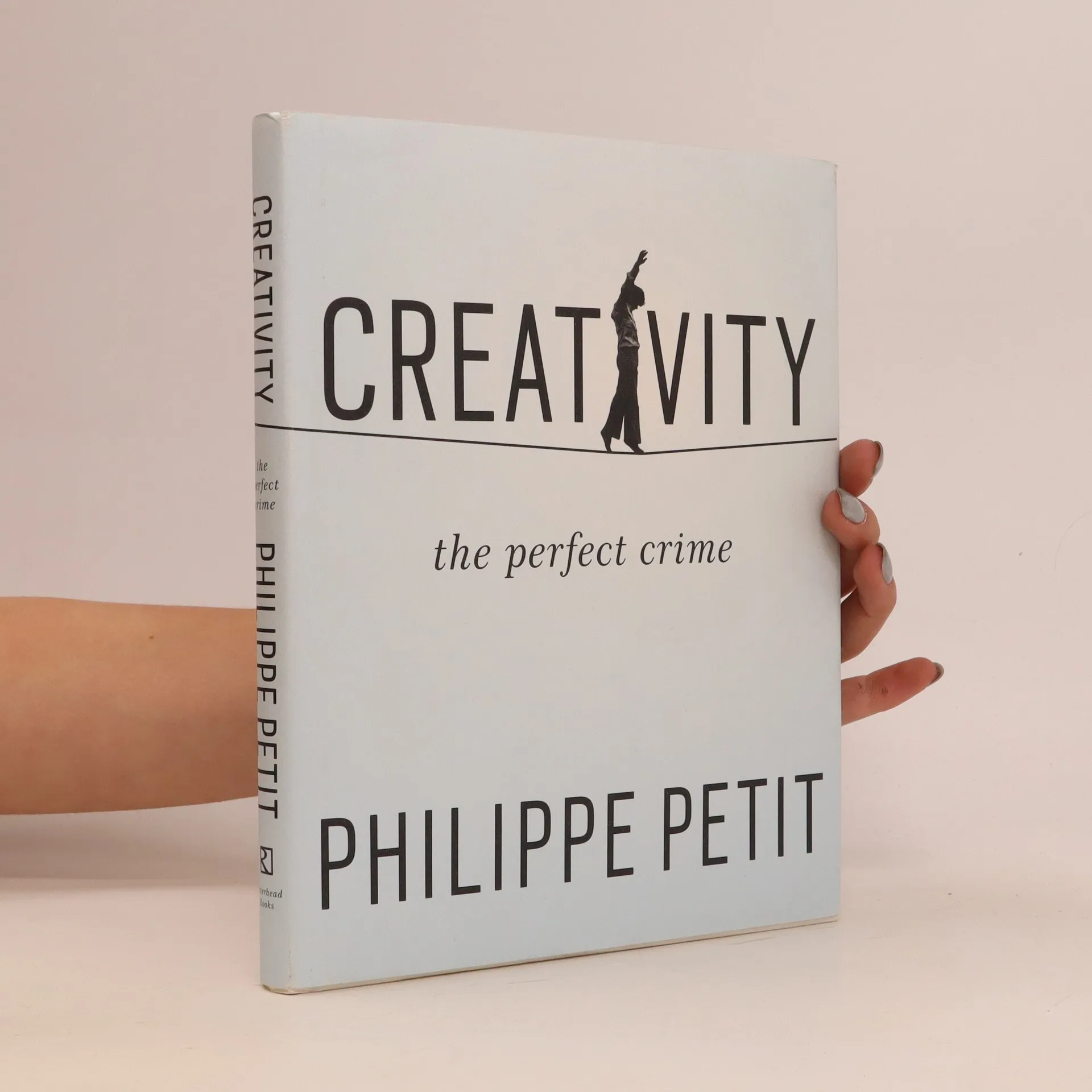
Creativity
- 209 pages
- 8 hours of reading
Revealing new and unconventional ways of going about the artistic endeavor, a master of the impossible, known for his epic 1974 walk between the Twin Towers of the World Trade Center, shares strategies and insights for tackling the challenges and possibilities of everyday life.
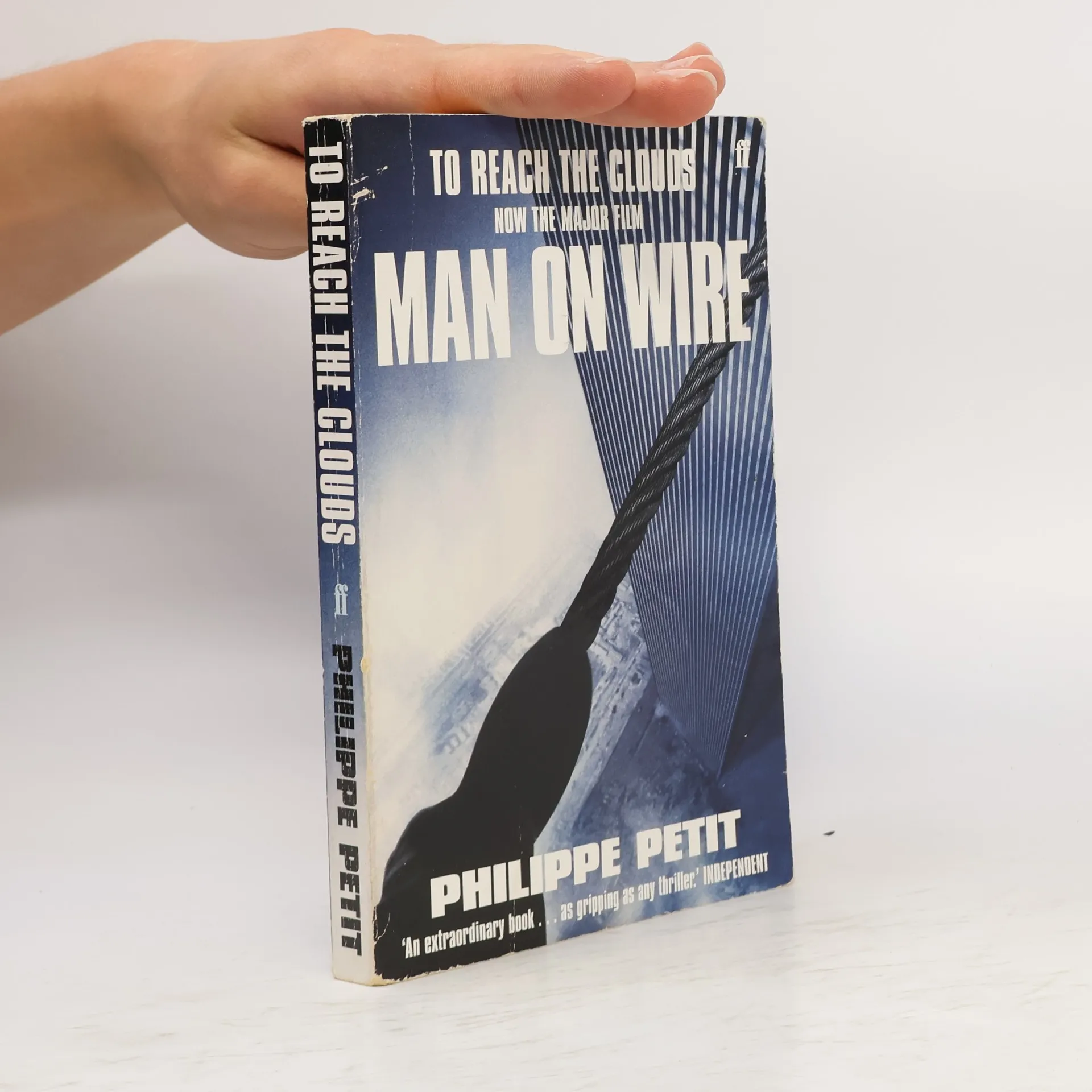
To Reach the Clouds - Man on Wire
- 227 pages
- 8 hours of reading
In this book Philippe Petit re-creates a six-year quest to realise his dream, in adventure as thrilling as the walk itself. In an unforgettable memoir he tells the story of how he conspired, connived, improvised and insisted his way to this 'coup', abetted by a motley crew of accomplicies, a miracle and his passion.
Über mir der offene Himmel
- 276 pages
- 10 hours of reading
Ein fesselndes Buch, spannender als eine Kriminalgeschichte. Was geht einem Seiltänzer durch den Kopf, während er in 45 Minuten über ein 700m langes Seil vom Pariser Palais de Chaillot bis in die zweite Etage des Eiffelturms läuft? Wie bereitet er ein Abenteuer dieser „Spannweite“ vor?
Paroxysm
- 120 pages
- 5 hours of reading
Offers transcripts of interviews with French intellectual Jean Baudrillard, covering topics such as: Fukuyama; 1989 and the collapse of Communism; Bosnia; the Gulf War; Rwanda; the New World Order; consumer society and social exclusion; liberation; and nihilism.
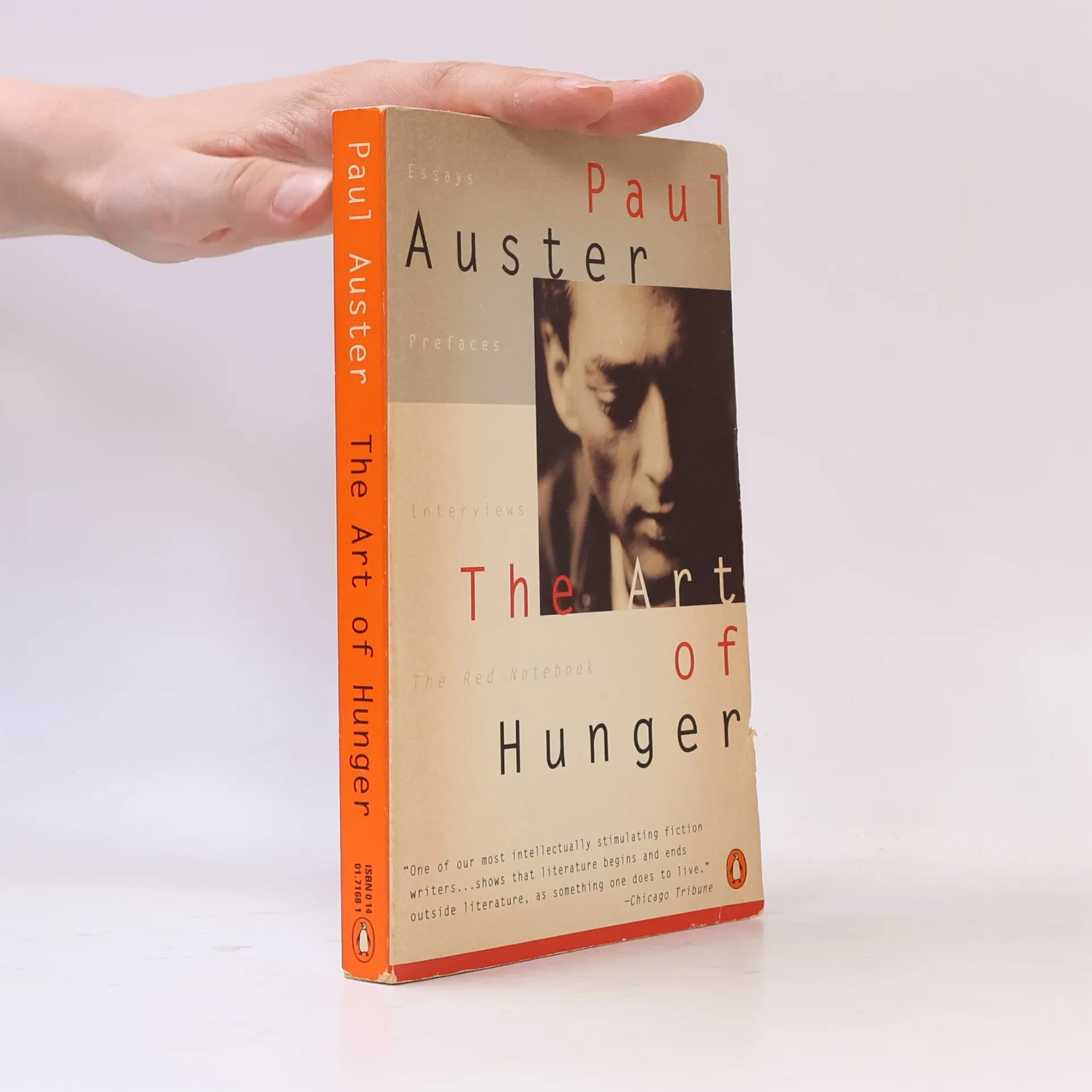
Now including The Red Notebook--a collection of autobiographical sketches on coincidence--The Art Of Hunger undermines our accepted notions about literature. Auster's meditations on writing and artists leads us to a better understanding of the toll of writing.