

Exploring the evolution of LGBTQ+ themes, this book examines historical artifacts and artworks to address intriguing questions about sexuality and identity. It delves into ancient practices, such as the nature of relationships in Ancient Greece and the significance of cross-dressing in Shakespeare's works. By analyzing a diverse range of objects, from Egyptian papyri to contemporary art, it provides a rich tapestry of gay history, revealing how perceptions of love and attraction have changed over time.
R. B. Parkinson Book order (chronological)
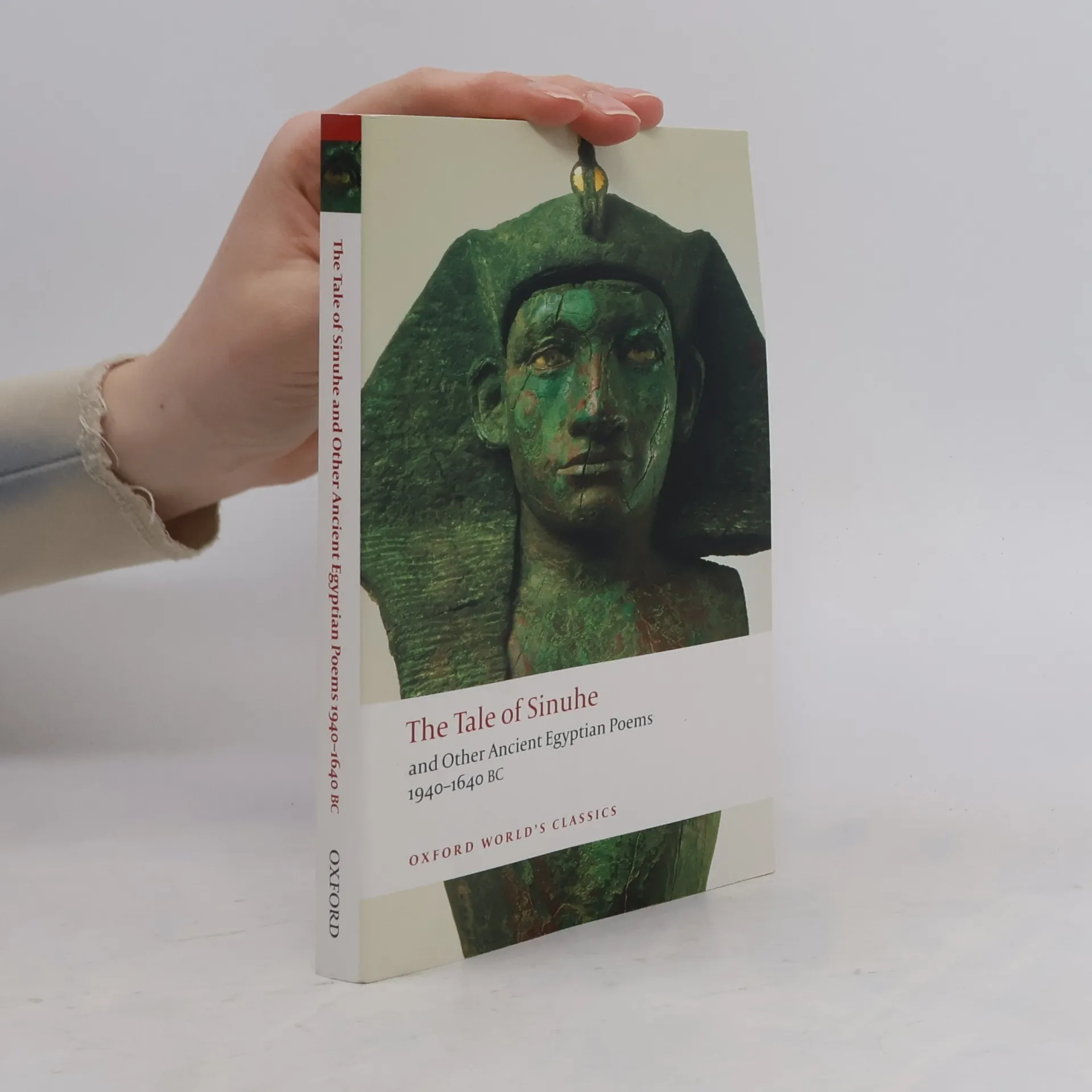
Oxford World's Classics: The Tale of Sinuhe
- 298 pages
- 11 hours of reading
The Tale of Sinuhe, from c.1875 BC, has been acclaimed as the supreme masterpiece of Ancient Egyptian poetry, a perfect fusion of monumental, dramatic, and lyrical styles, and a passionate probing of its culture's ideals and anxieties. This anthology contains all the substantial surviving works from the golden age of Egyptian fictional literature. Composed by an anonymous author in the form of a funerary autobiography the Tale tells how the courtier Sinuhe flees Egypt at the death of his king. Other works from the Middle Kingdom (c.1940-1640 BC) include a poetic dialogue between a man and his soul on the problem of suffering and death, a teaching about the nature of wisdom spoken by the ghost of the assassinated King Amenemhat I, and a series of light-hearted tales of wonder from the court of the builder of the Great Pyramid. These new translations draw on recent and innovative advances in Egyptology, and together with contextualizing introductions and notes to each work provide for the first time a literary reading of these ambiguous and fascinating poems to enable the modern reader to experience them as much as their original audience did, three thousand years ago
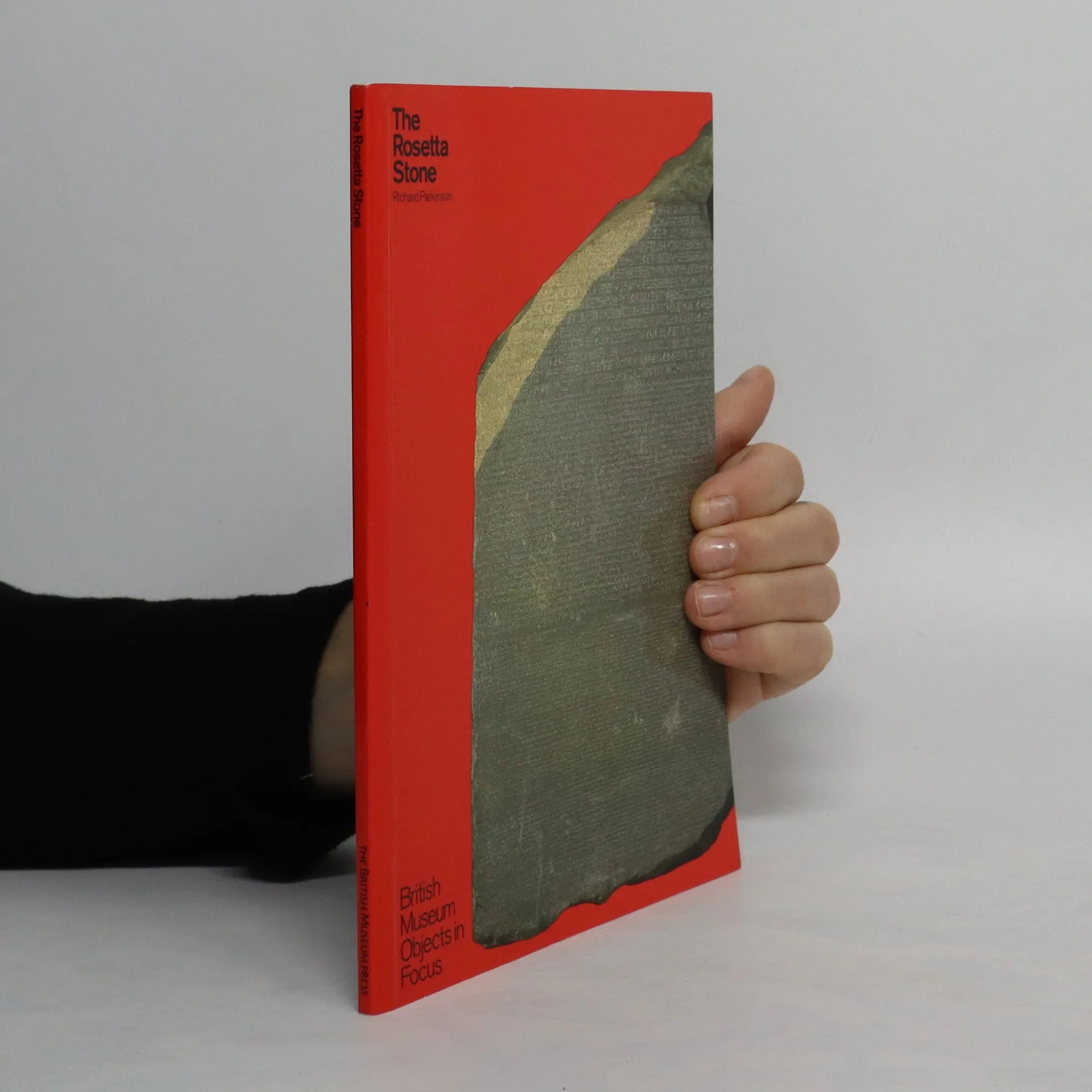
The Rosetta Stone
- 64 pages
- 3 hours of reading
The Rosetta Stone contains a decree written three times in Greek, Demotic and hieroglyphic that provided the key to the mysterious hieroglyphic script of ancient Egypt, and opened up 3,000 years of that country's history and culture.
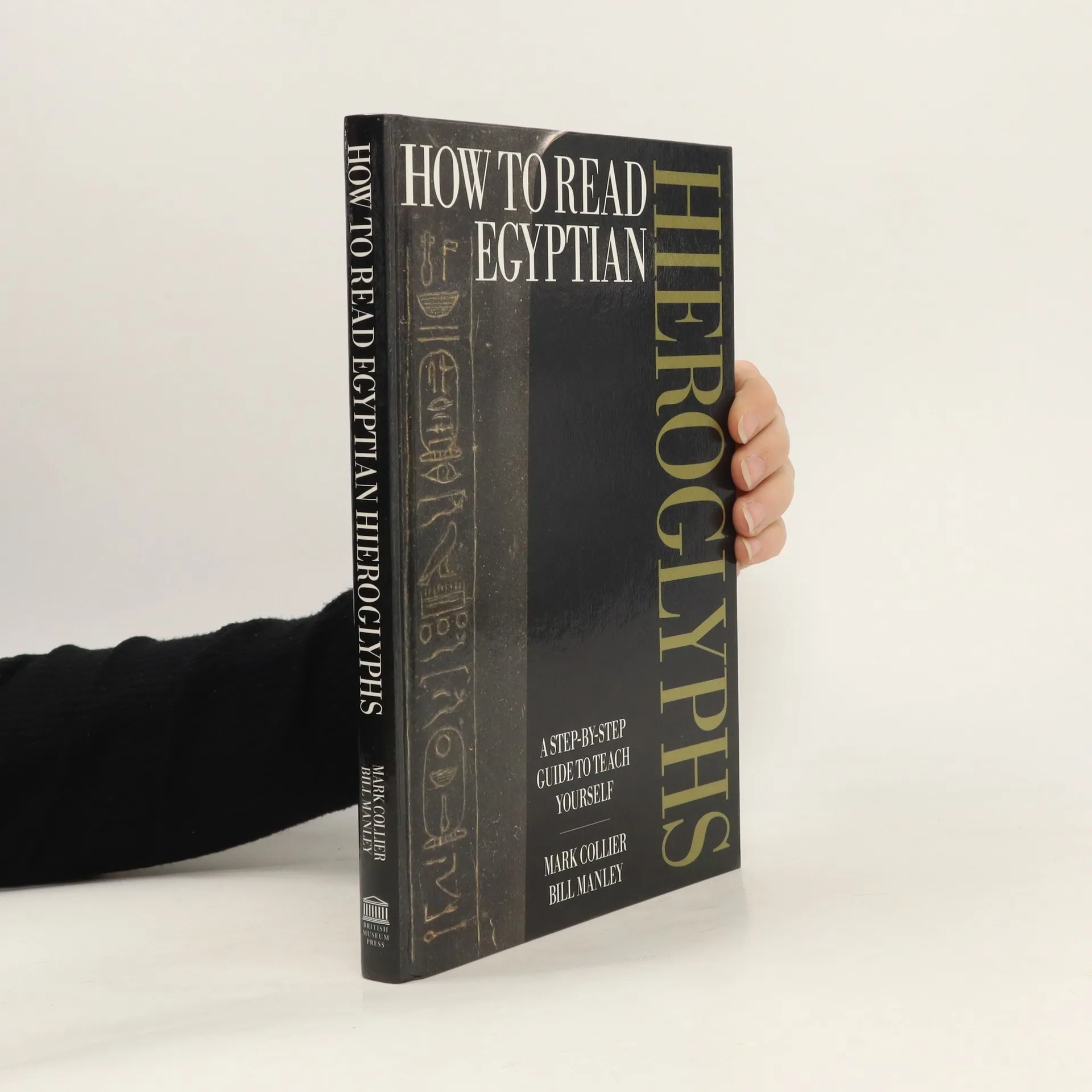
How to read Egyptian hieroglyphs : a step-by-step guide to teach yourself (egyptské hieroglyfy)
- 192 pages
- 7 hours of reading
Hieroglyphs are pictures used as signs in writing. When standing before an ancient tablet in a museum or visiting an Egyptian monument, we marvel at this unique writing and puzzle over its meaning. Now, with the help of Egyptologists Mark Collier and Bill Manley, museum-goers, tourists, and armchair travelers alike can gain a basic knowledge of the language and culture of ancient Egypt.Collier and Manley's novel approach is informed by years of experience teaching Egyptian hieroglyphs to non-specialists. Using attractive drawings of actual inscriptions displayed in the British Museum, they concentrate on the kind of hieroglyphs readers might encounter in other collections, especially funerary writings and tomb scenes. Each chapter introduces a new aspect of hieroglyphic script or Middle Egyptian grammar and encourages acquisition of reading skills with practical exercises.The texts offer insights into the daily experiences of their ancient authors and touch on topics ranging from pharaonic administration to family life to the Egyptian way of death. With this book as a guide, one can enjoy a whole new experience in understanding Egyptian art and artifacts around the world.