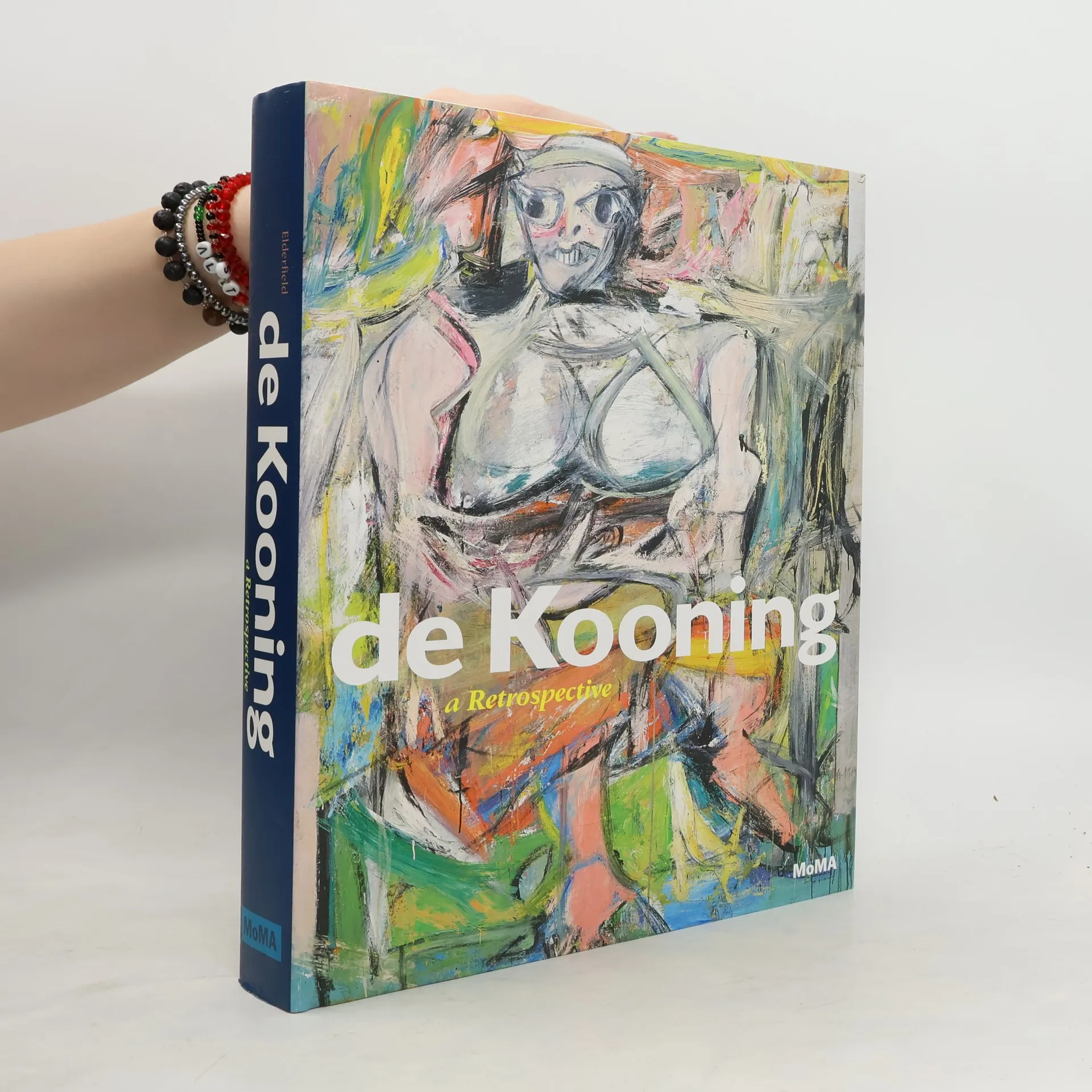
Overview: Published in conjunction with the first large-scale, multi-medium, posthumous retrospective of Willem de Kooning's career, this publication offers an unparalleled opportunity to appreciate the development of the artist's work as it unfolded over nearly seven decades, beginning with his early academic works, made in Holland before he moved to the United States in 1926, and concluding with his final, sparely abstract paintings of the late 1980s. The volume presents approximately 200 paintings, sculptures, drawings and prints, covering the full diversity of de Kooning's art and placing his many masterpieces in the context of a complex and fascinating pictorial practice. An introductory essay by John Elderfield, MoMA's Chief Curator Emeritus of Painting and Sculpture, provides an in-depth exploration of de Kooning's development, context and sources, theory of art and working methods. Sections devoted to particular areas of the artist's oeuvre provide an illustrated chronology of the period and a brief introduction, as well as detailed entries on groups of works. With lavish, full-color documentation, this landmark publication is the most complete account of de Kooning's artistic career to date.
John Elderfield Books


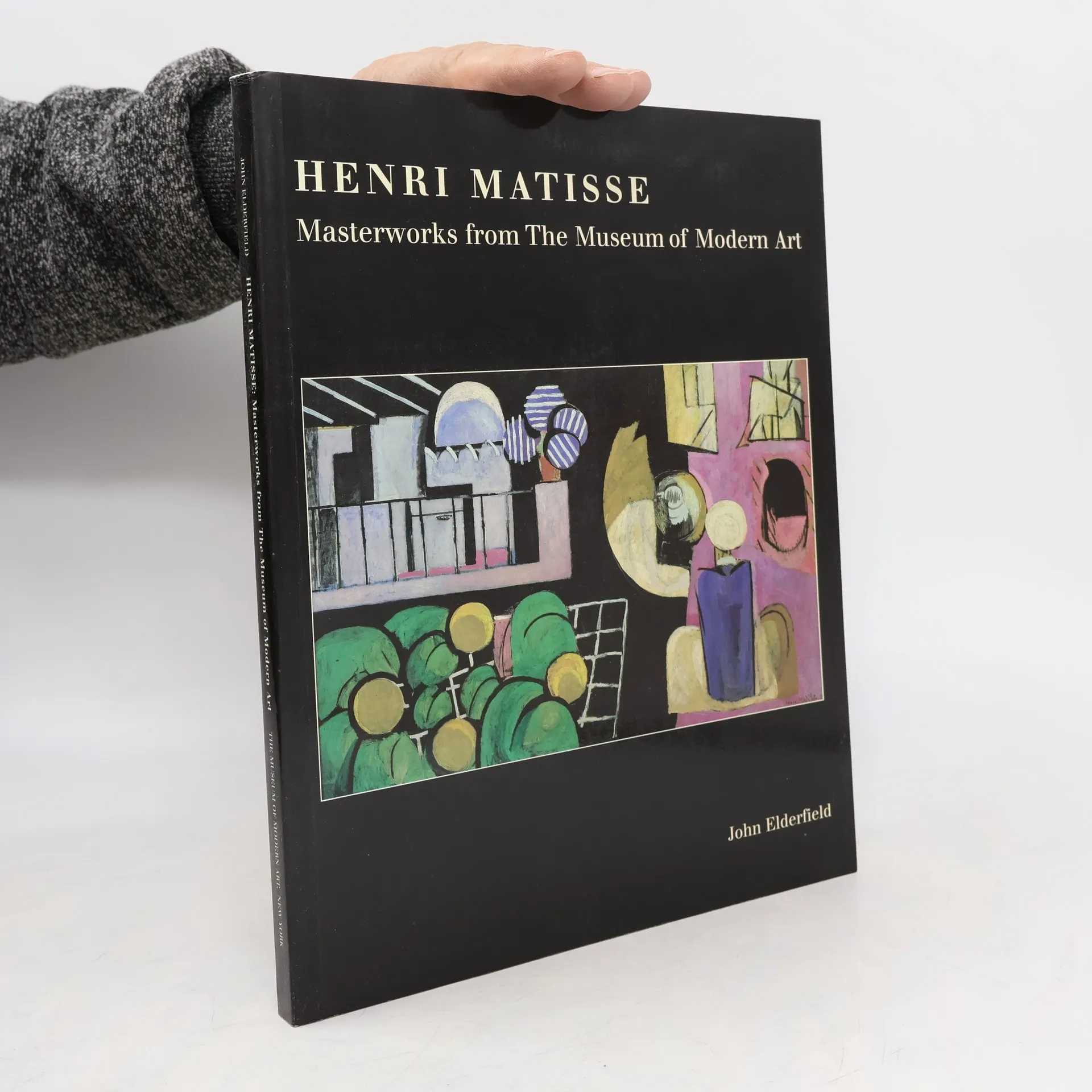
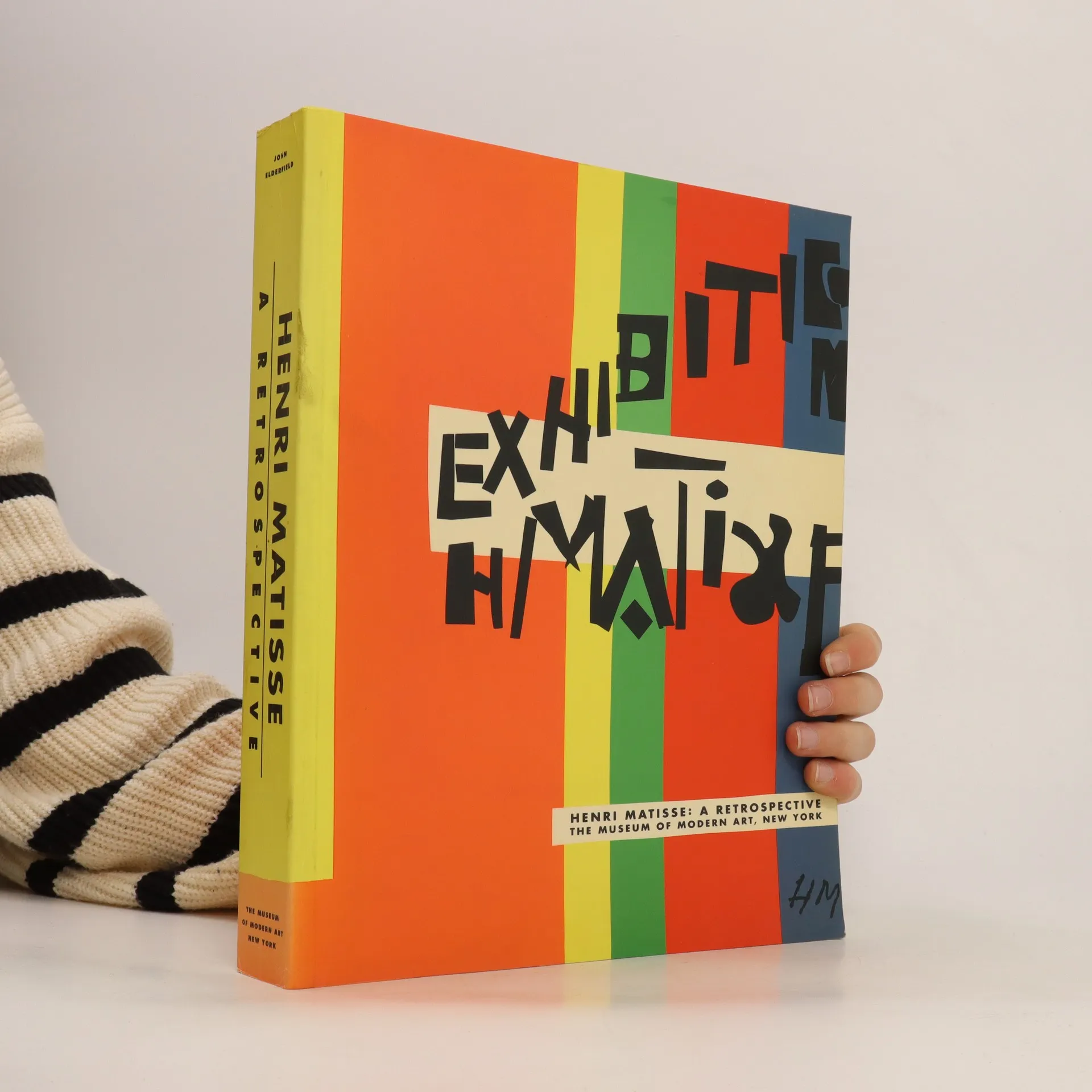
Lavishly produced in oversize format, here is the complete illustrated catalogue of a landmark new exhibition devoted to the artist--the largest ever assembled--to be held at The Museum of Modern Art, New York, from September through January. Includes biographical notes, a chronology, and introductions to each major period of Matisse's career. 320 colorplates reproduce every painting and cutout in the exhibition; 92 black-and-white plates illustrate the sculptures, drawings, and prints; and 180 illustrations show related works not in the exhibition.
Drawing Is Everything: Founding Gifts of the Menil Drawing Institute
- 224 pages
- 8 hours of reading
This book showcases a remarkable collection of artworks donated to commemorate the establishment of The Menil Drawing Institute. It highlights the significance of these pieces in the context of contemporary art and their contribution to the cultural landscape. Through detailed descriptions and vibrant imagery, the publication honors the artists and the impact of their work, emphasizing the institute's role in preserving and promoting drawing as a vital art form.
Jenny Saville: Oxyrhynchus
- 100 pages
- 4 hours of reading
Set against the backdrop of the historically rich city of Oxyrhynchus, Saville's new body of work explores the concept of layered narratives through a series of twelve artworks. Utilizing oil, charcoal, and pastel on canvas, she intertwines landscapes and figures, creating a mysterious interplay of bodies and images that reflect the archaeological significance of the site. Each piece invites viewers to engage with the complexities of history and memory embedded within the layers of her artistic expression.
Helen Frankenthaler
- 88 pages
- 4 hours of reading
This striking new book features fourteen paintings and two works on paper by renowned American abstract painter Helen Frankenthaler. číst celé
Bonnard
- 269 pages
- 10 hours of reading
"Pierre Bonnard (1867-1947) is among the most enigmatic of the great masters of twentieth-century painting. In this book, Sarah Whitfield and John Elderfield bring a new understanding to his deeply serious, complex paintings." "Published to accompany a major retrospective exhibition at the Tate Gallery, London, and at The Museum of Modern Art, New York, Bonnard features two important essays based on much fresh research. Sarah Whitfield, curator of the exhibition, discusses the legacy of the Symbolism of Bonnard's early years and the way in which his acceptance of nature's surrender to time finds expression in the grand elegiac paintings of the later period. John Elderfield, curator of the exhibition at The Museum of Modern Art, writes about Bonnard's awareness of the complexities of visual perception, and how crucial an understanding of this is to fully comprehending his stature as a painter."--Jacket
Cezanne Portraits
- 256 pages
- 9 hours of reading
Th is book, like the exhibition it accompanies, looks at the special pictorial and thematic characteristics of Cézanne's portraiture practice, including his creation of complementary pairs and multiple versions of the same subject . The chronological development of the artist's portraiture is also explored , with an examinat ion of the changes that occurred with respect to his style and method, on the one hand, and his understanding of resemblance and identity, on the other . Th e extent to which particular sitters inflected the characteristics and development of his practice is also considered . Cézanne Portraits features works that mutually inform each other to reveal arguably the most personal , and therefore most human, aspect of his art, and one that has hitherto received surprisingly little attention. They range from Cézanne's earliest surviving self - portraits , dating from the 1860s, through to his final portraits of Vallier, the gardener at his hou se near Aix - en - Provence, made shortly before the artist's death in 1906. Exhibition curator John Elderfield contributes an illuminating introductory essay on Cézanne's portraiture, while the artist's biographer, the late Alex Danchev, provides an informative dramatis personae on the sitters featured . The catalogue texts are by John Elderfi eld, Mary Morton and Xavier Rey , and a chronology by Jayne Warman sets the artist's work in the context of his life.
Anna Weyant
- 220 pages
- 8 hours of reading
Focusing on the evolution of a prominent artist, the book offers a deep exploration of Anna Weyant's insightful critique of women's representation in both pop culture and art history. It documents six years of her work, making it the most extensive publication on her painting practice to date, showcasing her sharp wit and artistic development.
Against the Grain: Contemporary Art from the Edward R. Broida Collection
- 128 pages
- 5 hours of reading
Focusing on a diverse collection of contemporary art, this catalogue showcases 175 works gifted by Edward R. Broida to The Museum of Modern Art. It features prominent artists such as Vija Celmins, Philip Guston, and Richard Serra, with most pieces created post-1960. The book includes an introduction by John Elderfield and an interview with Broida, enhancing the understanding of the collection. Each of the 38 featured artists is represented with at least one work, offering a comprehensive view of modern artistic approaches.
About Bridget Riley
- 596 pages
- 21 hours of reading
This anthology includes the vast majority of significant essays on Bridget Riley written since 1999. This was a particularly fruitful period in the reception of her work, as the discourse broadened and her reputation as one of the most important painters of her generation solidified.The essays range from biographical and career overviews to detailed analysis of specific aspects or themes that occur throughout Riley's career. The selection reflects a rich body of work, which sustains the interest of important authors, as evidenced by multiple pieces by �ric de Chassey, Lynne Cooke, Robert Kudielka, Paul Moorhouse and Richard Shiff. Together, this volume of essays tells the story of an artist whose art has continuously evolved over nearly six decades.Most of the critical texts have been written in close consultation with the artist, the result of long conversations, studio visits and archive access. Largely commissioned on the occasion of particular exhibitions, these essays track and trace Riley's focus and influences at different moments in time. Each essay builds upon the next, with more recent authors clearly responding and referencing earlier discourse. The result is a collection of great breadth and cohesion.Featuring essays by 18 authors including Frances Spalding, Michael Bracewell, and Dave Hickey.
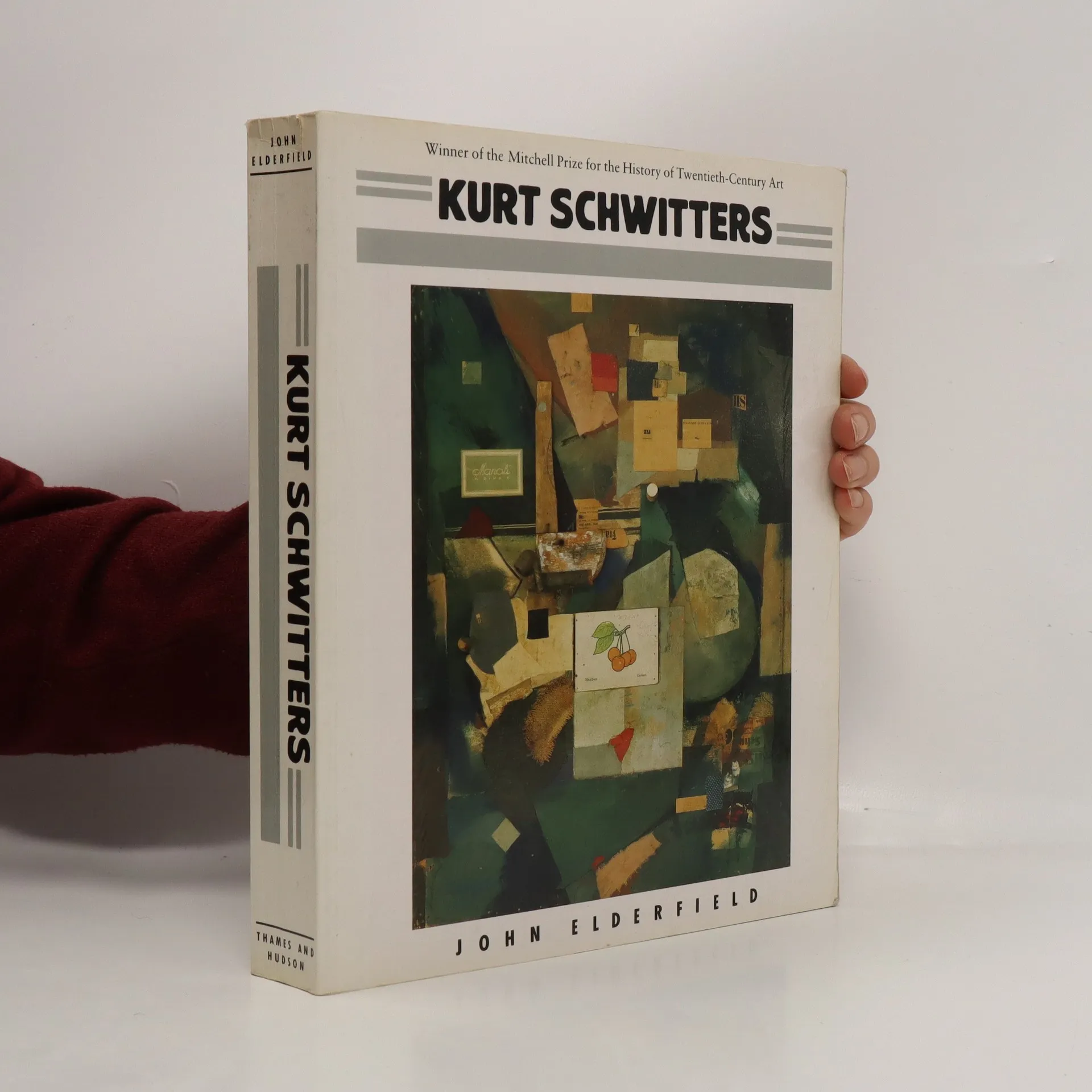
Kurt Schwitters
- 424 pages
- 15 hours of reading
Traces the life and career of the German artist, discusses his aesthetics, and shows examples of his assemblages, paintings, and sculpture
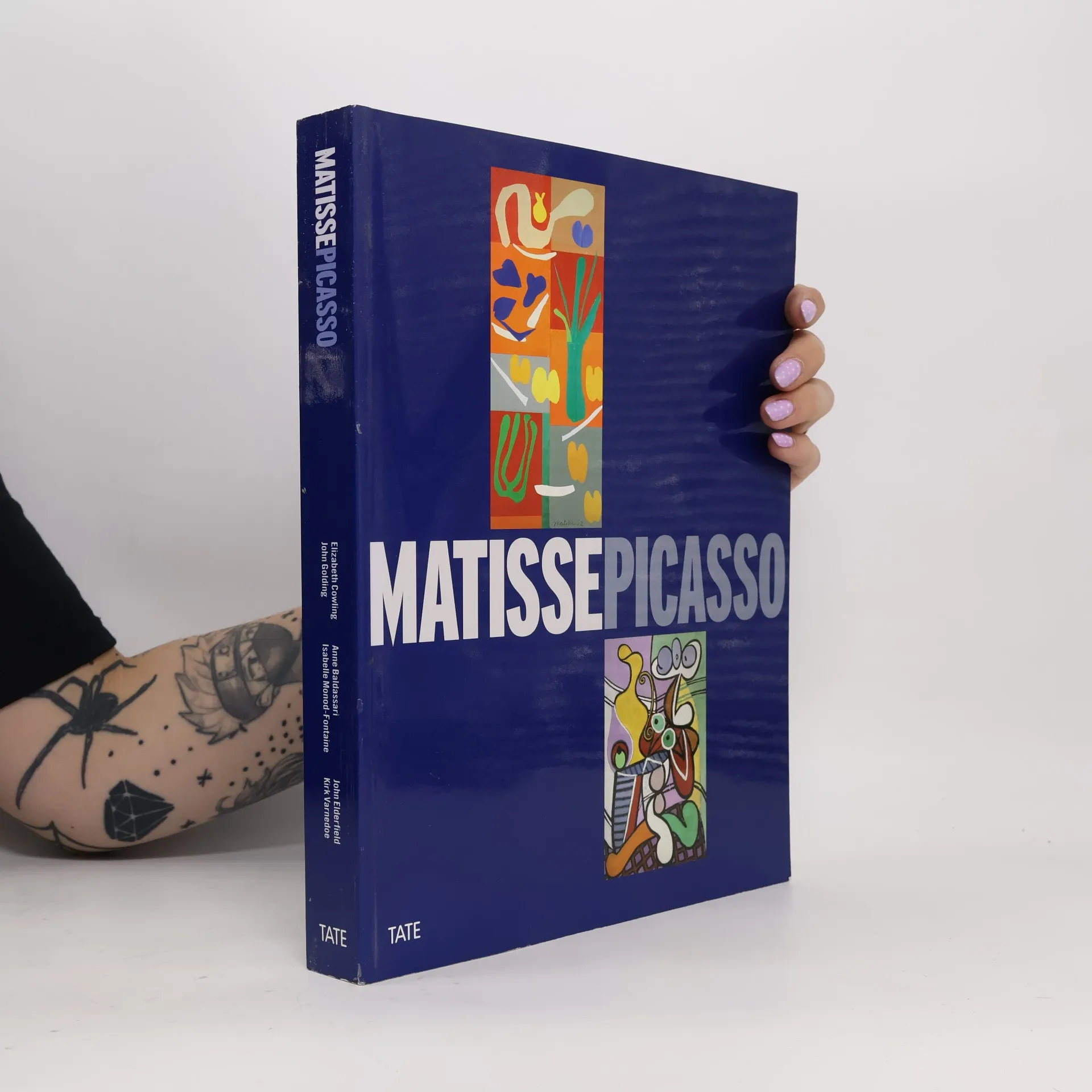
Matisse, the bard of colour, and Picasso, the breaker of moulds: together, these two giants shaped the world of modern art. They were, as Picasso once said, "North Pole, South Pole." The work of Henri Matisse (1869-1954) is a sensous hymn to colour, that wild yet subtle colour which he tamed, mastered and managed, and which expressed his feelings towards women and the world. Colour was the tool with which he controlled line, arabesque, volume, light transparency, reflection and space, and though he did not shrink from pushing his creativity to the verge of abstraction, he never succumbed to it entirely. It was an approach well noted by America's Abstract Expressionists. This new and carefully conceived freedom marked not only the extraordinary significance of the painter and sculptor Matisse in the history of modern art, but also his influence, which was no less decisive than that of his main rival, Pablo Picasso. In fact, Matisse's stylistic liberation actually goes one step further in the pursuit of his own personal goal - the perfect synthesis of line and colour - by which he sought revolutionary approaches to the great tradition of French painting by drawing upon its classical aspects.
A challenging exploration of the visual arts from 1880 through 1920, Modern Starts is an unconventional guide to the beginnings of modernism. Deliberately abandoning customary labels--such as Fauvism, Cubism, and Futurism--and accepted chronological ordering, Modern Starts offers many pathways, each independent and self-sufficient, intended to suggest fresh modes of looking at and thinking about works both very familiar and quite unfamiliar. Loosely organized into three thematic sections, the book begins with "People," treating the great period of early modern figurative art from Rodin and Matisse to Munch. "Places" features landscapes and cityscapes by such artists as Atget, Cazanne, de Chirico, and Lager. "Things" addresses the importance of object-like works, such as Duchamp's "Readymades" and Brancusi's sculptures; and representations of things from Picasso's still lifes to Lucian Bernhard's advertising posters. Provocative juxtapositions, new contexts, and inventive interplays of mediums provide a stimulating look at the beginnings of modernism. Published to coincide with MoMA2000, an 18-month series of exhibitions at The Museum of Modern Art, New York drawn from the Museum's incomparable collection. Modern Starts is the first in a series of three volumes focusing on distinct 1880-1920, 1920-60, and 1960-2000.
Bob Dylan, The Brazil Series
- 192 pages
- 7 hours of reading
Bob Dylan has been a prolific graphic artist since the 1960s, and his graphic art is marked by the same constant drive for renewal that characterises his music. Never content to remain static in a single form of expression that he has already cultivated, he is constantly experimenting and testing new artistic techniques and expressions. This book of the exhibition at the National Gallery of Denmark encompasses some 100 works, including completely new works to be seen in public for the first time. Bob Dylan has recently delved into painting in acrylic, and the exhibition is the first to document this new direction in the artist's work, showing larger format paintings alongside drawings. Dylan's works are often created during his exhaustive touring, and his motifs bear corresponding imprints of the environments and people that he crosses in his life. As a graphic artist he functions as a phenomenal observer who depicts the immediately banal and everyday facets of life in such a way that they appear fresh and new for the viewer.
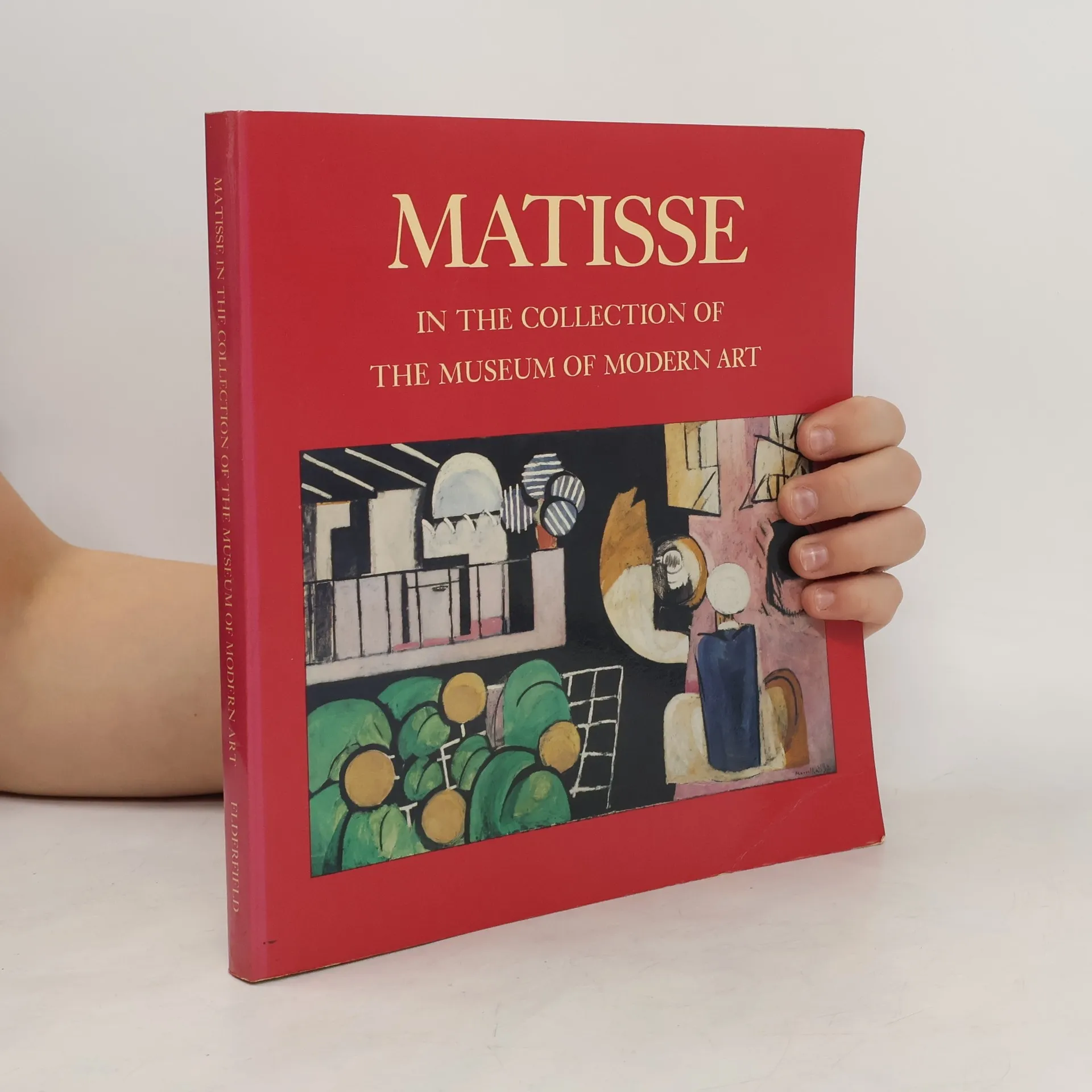
Matisse in the Collection of the Museum of Modern Art, Including Remainder-interest and Promised Gifts
- 232 pages
- 9 hours of reading
Book by Elderfield, John; Matisse, Henri; Castleman, Riva; Lieberman, William Slattery; Museum of Modern Art (New York, N.Y.)
A publishing collaboration between Gagosian Gallery and Phaidon. An in‐depth study of painters’ and photographers’ studios with examples from the sixteenth through the twentieth centuries. Introductory essays and catalogue entries on individual works by two experts in their respective fields – John Elderfield for In the Studio: Paintings and Peter Galassi for In the Studio: Photographs. An invaluable and unprecedented art historical resource that will also appeal to a general audience. The slipcased two‐book set accompanies simultaneous exhibitions, one each on painting and photography, at Gagosian Gallery’s New York locations, open February 17–April 18, 2015.
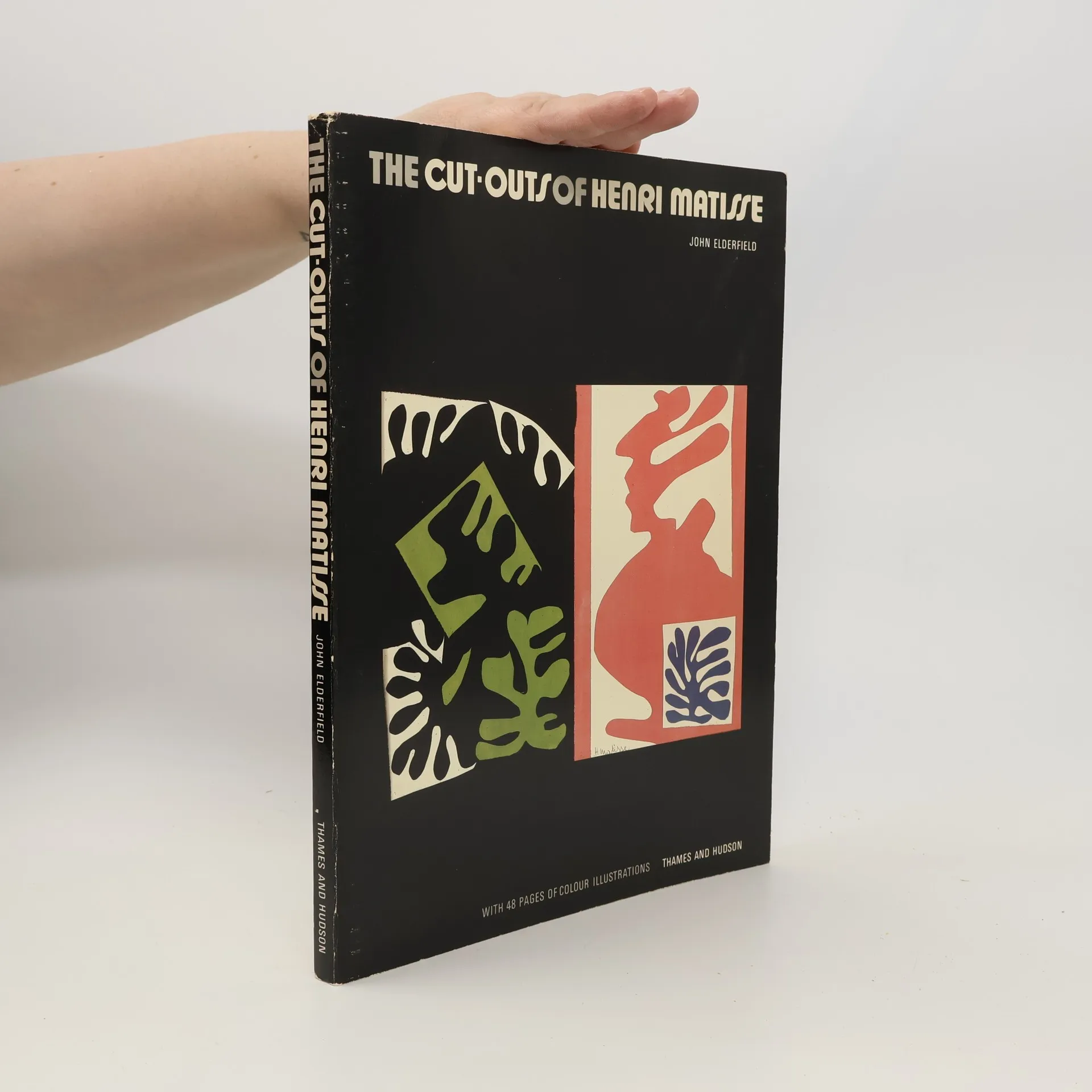
The Cut-Outs of Henri Matisse
- 128 pages
- 5 hours of reading
With the simple technique of the paper cutout, Matisse revitalized his work and "attained a form filtered to its essentials."
Matisse Picasso
- 368 pages
- 13 hours of reading
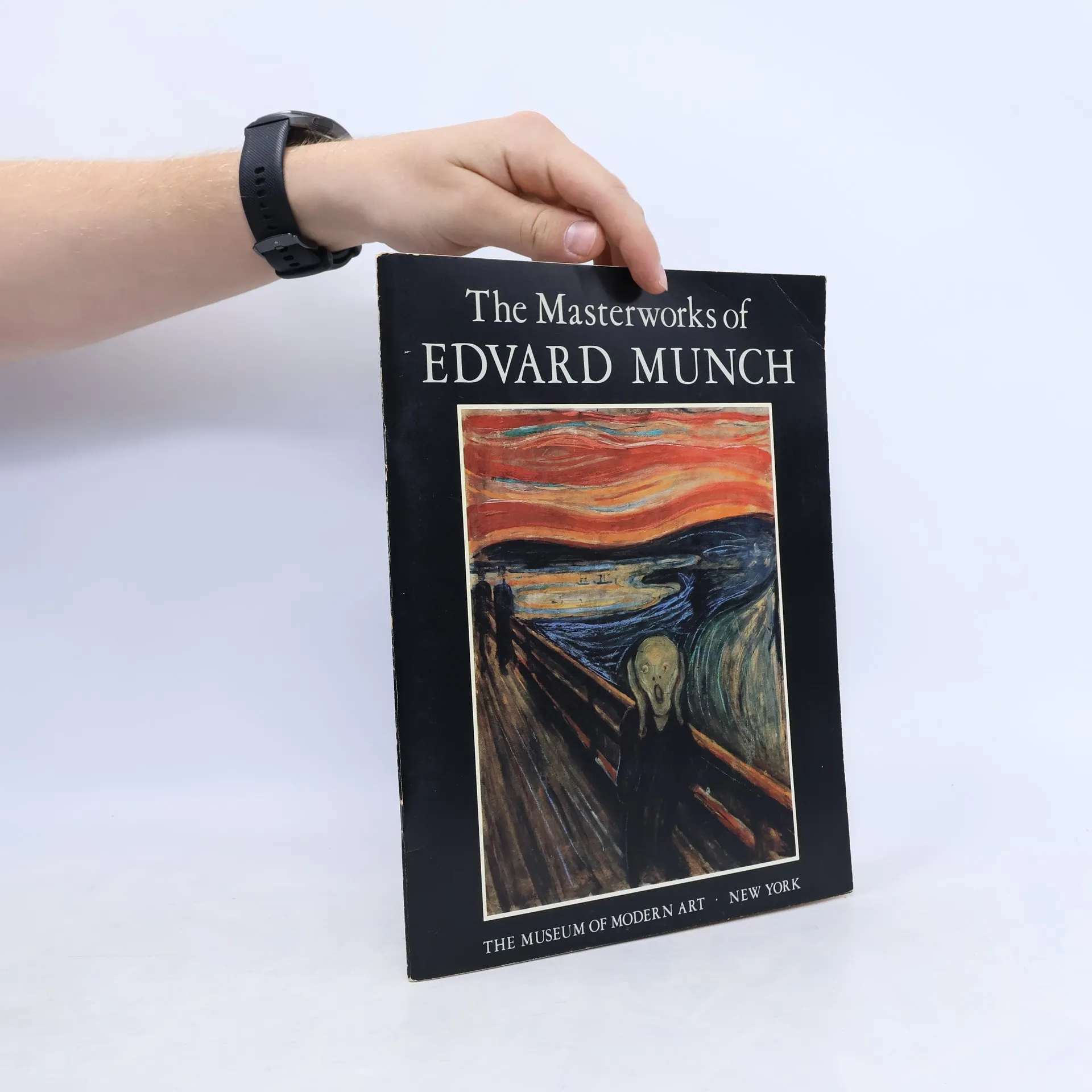
The Masterworks of Edvard Munch
- 64 pages
- 3 hours of reading
The Masterworks of Edvard Munch
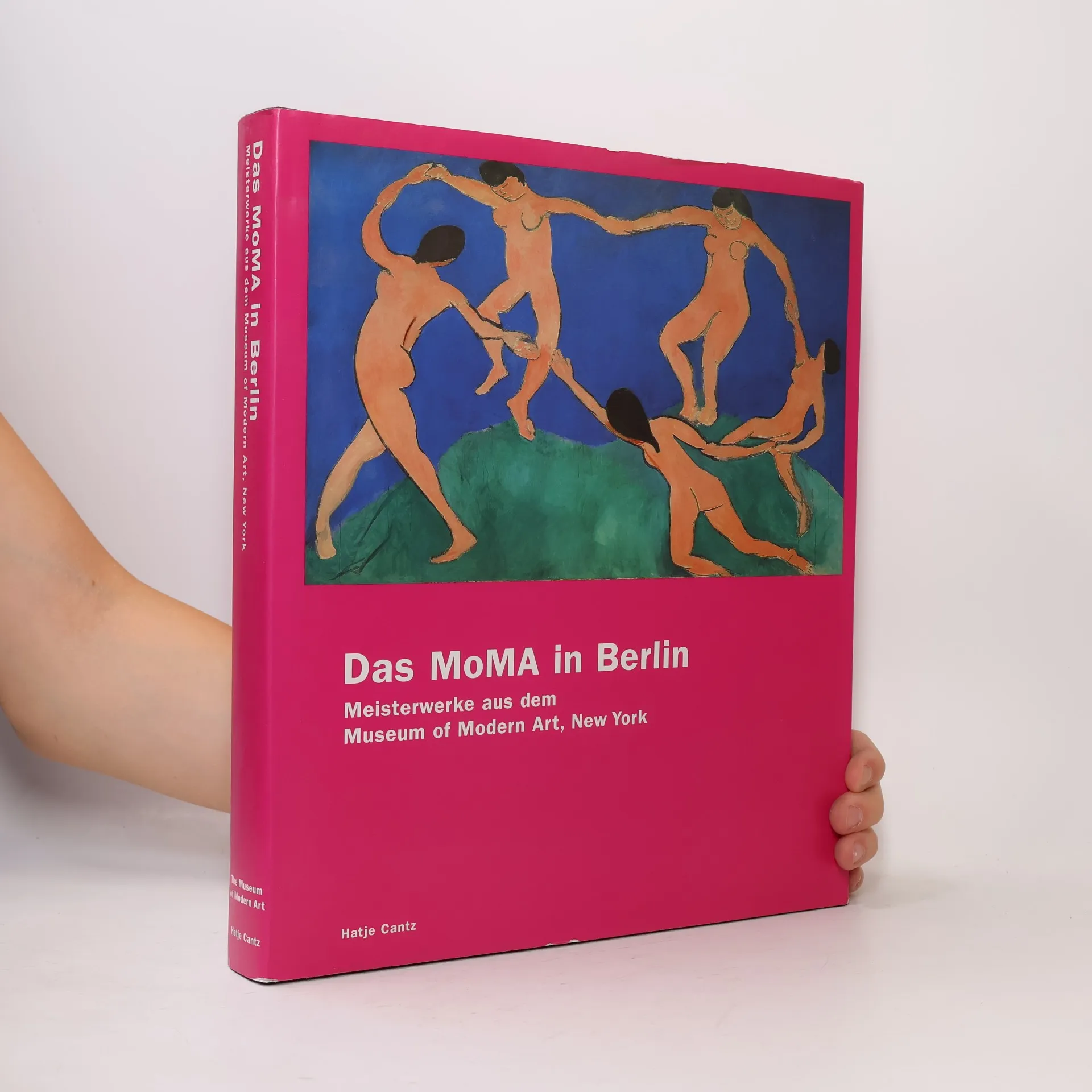
Das Museum of Modern Art, kurz MoMA, in New York gilt unbestritten weltweit als die bedeutendste Sammlung zur Kunst des 20. Jahrhunderts. Kein anderes Museum verfügt über eine solche Fülle hochkarätiger Meisterwerke aus dieser Zeit. Jeder große Name, jede Epoche und Stilrichtung sind hier vertreten.§Mit diesem Bildband wird Ihnen die Ausstellung des Jahres 2004 in Berlin sowie die Geschichte des MoMA präsentiert. Neben großformatigen, ganzseitigen Reproduktionen der Kunstwerke bietet er eine Chronologie des Hauses und eine Vielzahl von begleitenden, erläuternden Texten führender Kunsthistoriker, die teilweise erstmals in deutscher Sprache vorgelegt werden können.