Focusing on the Mach 2 Convair B-58 Hustler, this book details its design and development, highlighting the engineering challenges and innovations that led to its creation. It also explores the aircraft's operational history during wartime, showcasing its significance in military aviation. Through in-depth analysis and historical context, readers gain insight into the technological advancements and strategic implications of the B-58 Hustler in the Cold War era.
David Doyle Books


C-130 Hercules: Lockheed's Military Air Transport and Its Variants
- 128 pages
- 5 hours of reading
The Lockheed C-130 Hercules has been in continuous production for over six decades, longer than any other military aircraft in the world, and no end of production is yet in sight. The Hercules has been a part of US combat operations since Vietnam, and the airframe, which began life as a simple transport, has been adapted to a variety of roles, including gunship, electronic warfare, refueling, and rescue. This book chronicles the development and use of the Hercules from concept to combat. Through dozens of archival photos, many never before published, as well as detailed photographs of some of the finest existent examples of surviving vehicles, these iconic armored fighting vehicles are explored, and their history is explained.
Huey in Vietnam: Bell's UH-1 at War
- 112 pages
- 4 hours of reading
The design, development, and evolution of the Bell UH-1 Huey in combat during the Vietnam War.Few implements of war are as representative of the US presence in Vietnam as the Bell Huey UH-1-series helicopters. Whether serving in the role of troop transport for airborne assault, supply transports, aerial gunships, or medical evacuation, the Huey was seemingly everywhere. The versatile aircraft, officially the "Iroquois," was affectionately known to all as the "Huey," a name derived from its early model designation of HU-1A. The Huey, later redesignated UH-1, was a mainstay during America's presence in Vietnam, and 11 Huey crewmen earned the Medal of Honor. This comprehensive volume details the complete, colorful, and important history of this iconic helicopter and the men who flew it.
USS Intrepid (CV-11/CVA-11/CVS-11): From World War II, Korea, and Vietnam to Museum Ship
- 144 pages
- 6 hours of reading
A visual history of USS Intrepid , one of the most visited museum ships in the world!USS Intrepid , the "Fighting I," was one of America's longest-serving aircraft carriers. Launched during WWII, Intrepid and her crews weathered kamikazes, torpedoes, and typhoons throughout three years of heavy combat. With her days at sea over, Intrepid first hosted the Navy exhibits during the US bicentennial celebrations in 1976, before finding a new home as the Intrepid Sea, Air & Space Museum on the Hudson River waterfront in New York City.
P-61 Black Widow: Northrop Night Fighter in WWII
- 112 pages
- 4 hours of reading
The complete history of the P-61 "Black Widow," one of the most advanced and most sinister-looking fighter aircraft of the Second World War.The striking P-61 Black Widow was the first purpose-built American night fighter. Designed by Jack Northrop and Vladimir Pavlecka, the P-61's menacing appearance was matched by the plane's advanced technology and fearsome weaponry. Interestingly, the Widow is credited with the final aerial kill of the war. Part of the Legends of Aviation series, this book—by prolific author David Doyle—tells the story of the Black Widow from the experimental XP-61 on through the final production variant, the F-15A.
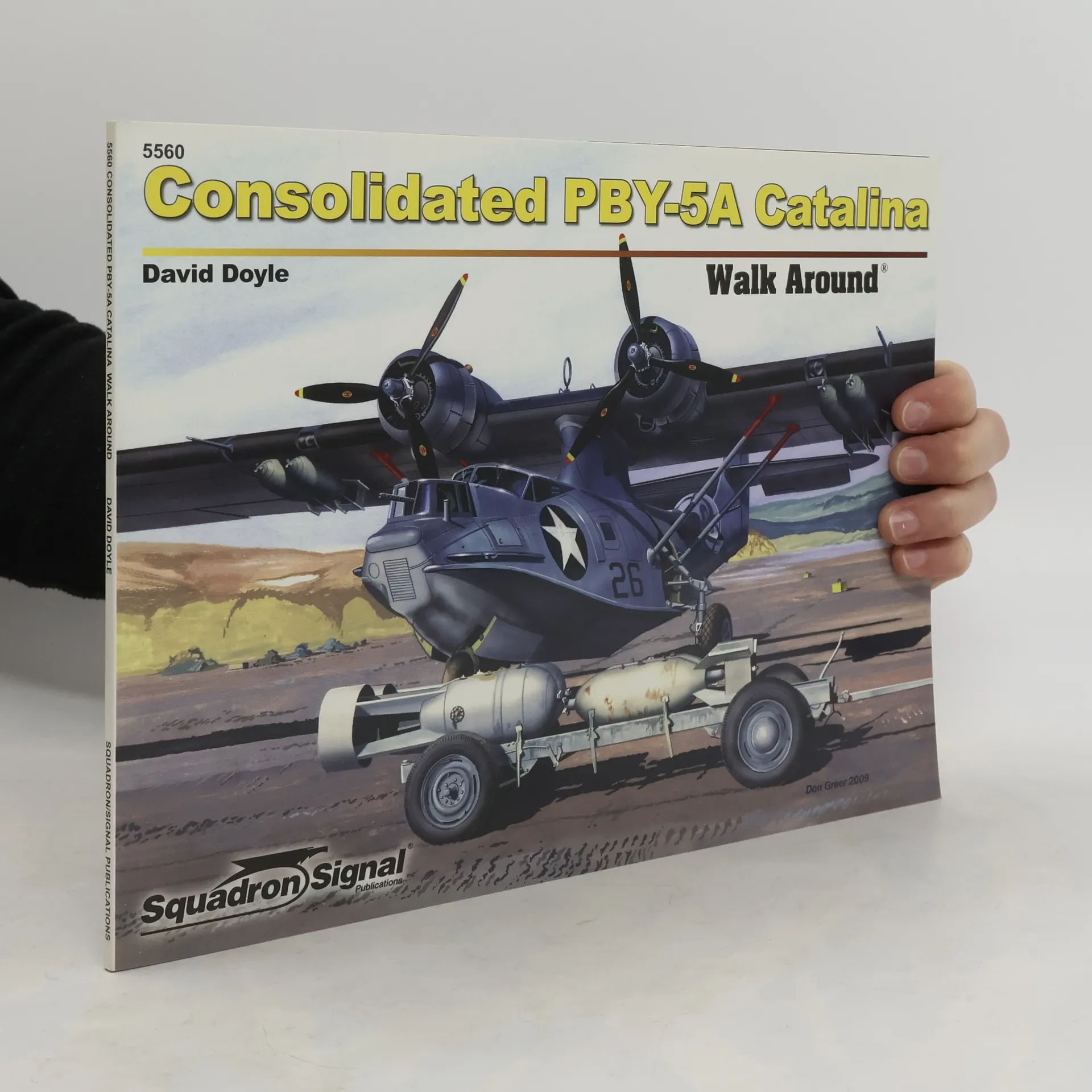
Consolidated PBY-5A Catalina
- 72 pages
- 3 hours of reading
The Consolidated PBY is the most readily recognized and widely produced flying boat design ever made. The aircraft, which came to be known as the Catalina, has it origins in Consolidated's 1932 Model 28. The US Navy began taking deliveries of the PBY-5A in October 1941 and then placed orders for over 600 more following Pearl Harbor. During WWII, PBYs conducted anti-submarine warfare, patrol bombing, convoy escort, search-and-rescue operations, and cargo transport. Some PBY-5As went to the US Army and others to US Allies - Australia, Britain, Canada and the Free French forces. This book presents a comprehensive view of the Catalina with 170 photographs, color profiles and detailed line drawings.
Sherman Tank, Vol. 4: The M4A3 Medium Tank in World War II and Korea
- 128 pages
- 5 hours of reading
Powered by a massive Ford V-8 engine, the M4A3 Sherman was the standard tank of the US Army during the later stages of WWII, as well as the Korean War. The M4A3 was also supplied to the Marines during WWII, when the Corps faced a shortage of their preferred M4A2. The M4A3 was used by both services during the Korean War and was supplied in large numbers to Allied nations during the post-WWII rebuilding process. This book chronicles the development and use of these vehicles from concept to combat. Through dozens of archival photos, many never before published, as well as detailed photographs of some of the finest existent examples of surviving vehicles, these iconic armored fighting vehicles are explored, and their history is explained.
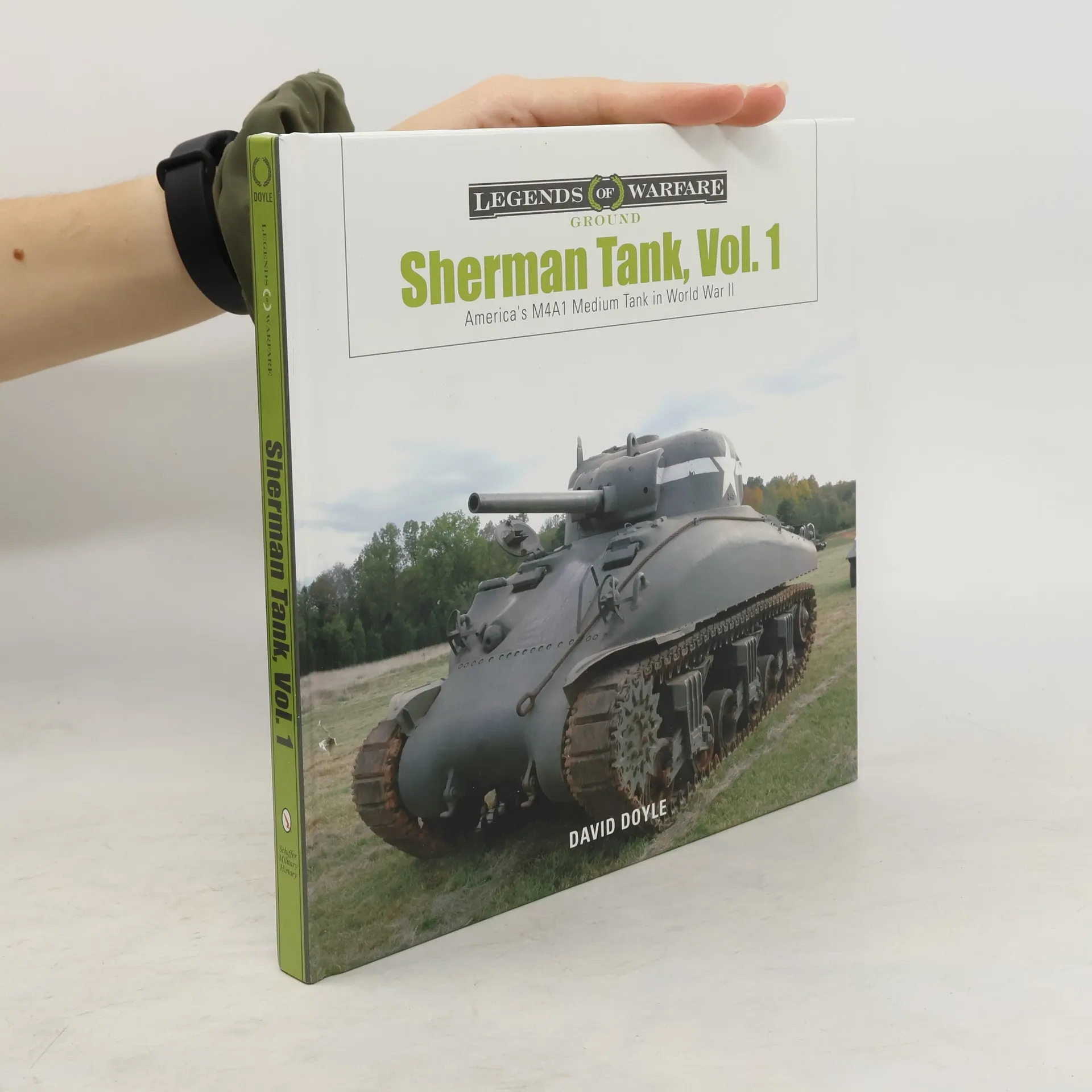
Sherman Tank Vol. 1
- 112 pages
- 4 hours of reading
This book documents the development and production of the M4A1 through its many variations, as well as its combat use around the globe. Produced by Lima Locomotive Works, Pressed Steel Car Company, and Pacific Car and Foundry, the M4A1 was the first of the famed Sherman tanks and preceded the welded-hull M4 into production. Powered by a nine-cylinder, air-cooled radial engine, the M4A1 fought in North Africa with both US and British forces, across northwestern Europe, and on Pacific Islands with both the Army and the Marines, serving well into the 1950s. The evolving design went through three major hull designs, multiple turret designs, and armament with either a 75 mm or 76 mm gun--all of which are detailed in this book. Extensive archival photographs are augmented by stunning color images of preserved tanks, taking the reader around and inside this famed warhorse. Part of the Legends of Warfare series.
PBY Catalina: Consolidated's Flying Boat in WWII
- 144 pages
- 6 hours of reading
A Legends of Warfare guide to the most iconic military flying boat ever produced.
F-15 Eagle
- 144 pages
- 6 hours of reading
This new book provides a visual guide to every F-15 variant, from the first airframes produced in the early 1970s to the brand new F-15EX Eagle II.
This is the 2nd edition of this title, and has nearly doubled in size from the previous edition, published 10 years ago. Twice as many photos and pages have been added, making this the most comprehensive guide on the subject.. 1,000 b/w photos with an 8 page color section.
B-17 Flying Fortress, Vol. 1
- 112 pages
- 4 hours of reading
The B-17 Flying Fortress is one of the most iconic aircraft in aviation history. Through a broad range of photos gathered from around the world, this book, the first of a two-volume series, chronicles the design, development, and wartime use of the early models of the Flying Fortress, from the ill-fated experimental model 299 through the B-17D, including the famous "Swoose." These early models are distinguished by their narrow fuselage, art deco styling, and a small, "shark fin" tail. A second volume will continue the B-17 story with the large-tail later models, B-17E through B-17H. The story of these iconic WWII aircraft is told through carefully researched photos, many of which have never before been published, and which are reproduced in remarkable clarity. Large, clear photos, coupled with descriptive and informative captions, unlock the secrets of this aircraft.
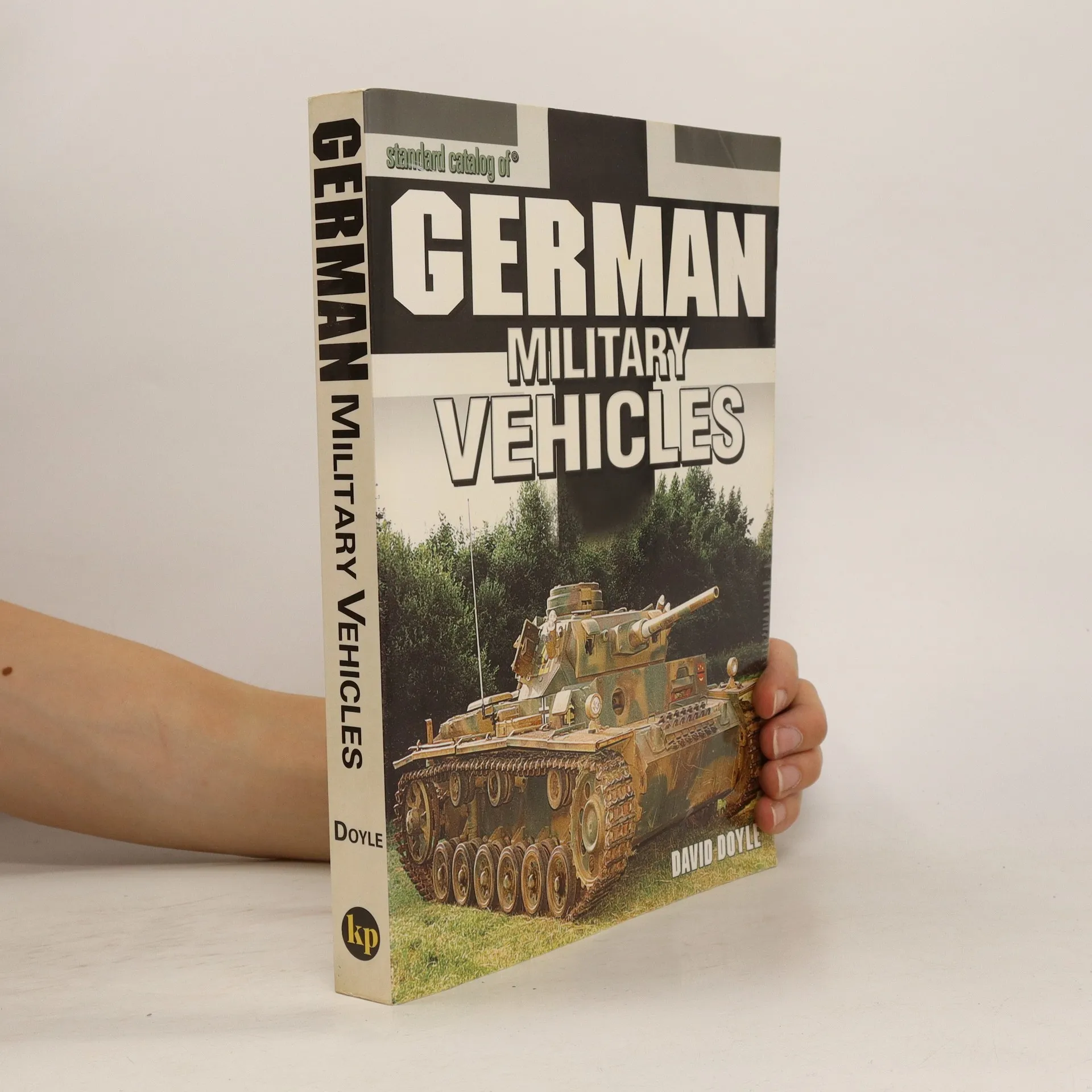
Standard Catalog of German Military Vehicles
- 512 pages
- 18 hours of reading
"This is the first-ever collection of images and data on German Military vehicles! Packed with never-before-seen photos and recently-discovered technical data, Standard Catalog of German Military Vehicles delivers comprehensive coverage of the most revered and feared war machines of WWII. Covering everything from the famous Tiger tanks to obscure and peculiar hybrids, motorcycles and tracked vehicles, this all-encompassing reference is a must-have for any military historian, military vehicle enthusiast or military modeler. With historical information behind each of the 200 featured vehicles, as well as specifications for each and more than 1,000 detailed photographs - Standard Catalog of German Military Vehicles is the best, biggest and most complete book on the market!"
B-17 Flying Fortress, Vol. 2: Boeing's B-17E through B-17H in World War II
- 128 pages
- 5 hours of reading
The Boeing B-17 Flying Fortress is one of the most iconic aircraft in aviation history. Through a broad range of photos gathered from around the world, this book—the second of two volumes—chronicles the design, development, and wartime use of the late models of the Flying Fortress, from the first truly combat-capable model, the B-17E, to the lifesaving B-17H. These B-17 versions featured the so-called "large" tail and were famously used in the devastating strategic-bombing campaign against Germany. As a special feature, detailed coverage of the famed "Memphis Belle" is included. Combine volumes 1 and 2 for the complete photographic reference on the Flying Fortress.
Grumman F4F Wildcat
- 128 pages
- 5 hours of reading
The F4F and FM Wildcat aircraft was the US Navy's front-line fighter in the early days of WWII. This iconic aircraft was designed and produced by Grumman, as well as the newly-formed Eastern Aircraft Division of General Motors. As larger and more powerful fighters joined the fleet in the later stages of the war, the Wildcat remained in the fray, flying from the decks of escort carriers, which were too small to permit the operation of the later aircraft. The Wildcat was remarkable not only because it served through the duration of the war, but also because it was the mount of some of the nation's most distinguished aces, including Butch O'Hare and Joe Foss.
The current economic climate has meant that cost control is firmly back on the corporate agenda. This edition maintains that all too often, costs are cut in a way that is actually detrimental to the company in the short and long-term. The author highlights and examines the many pitfalls managers face, and suggests a more flexible model which will offer stability and sustainability in the modern global marketplace. Getting maximum results out of organisational resources while minimising costs will continue to rank as one of the main strategic issues facing managers for many generations to come.
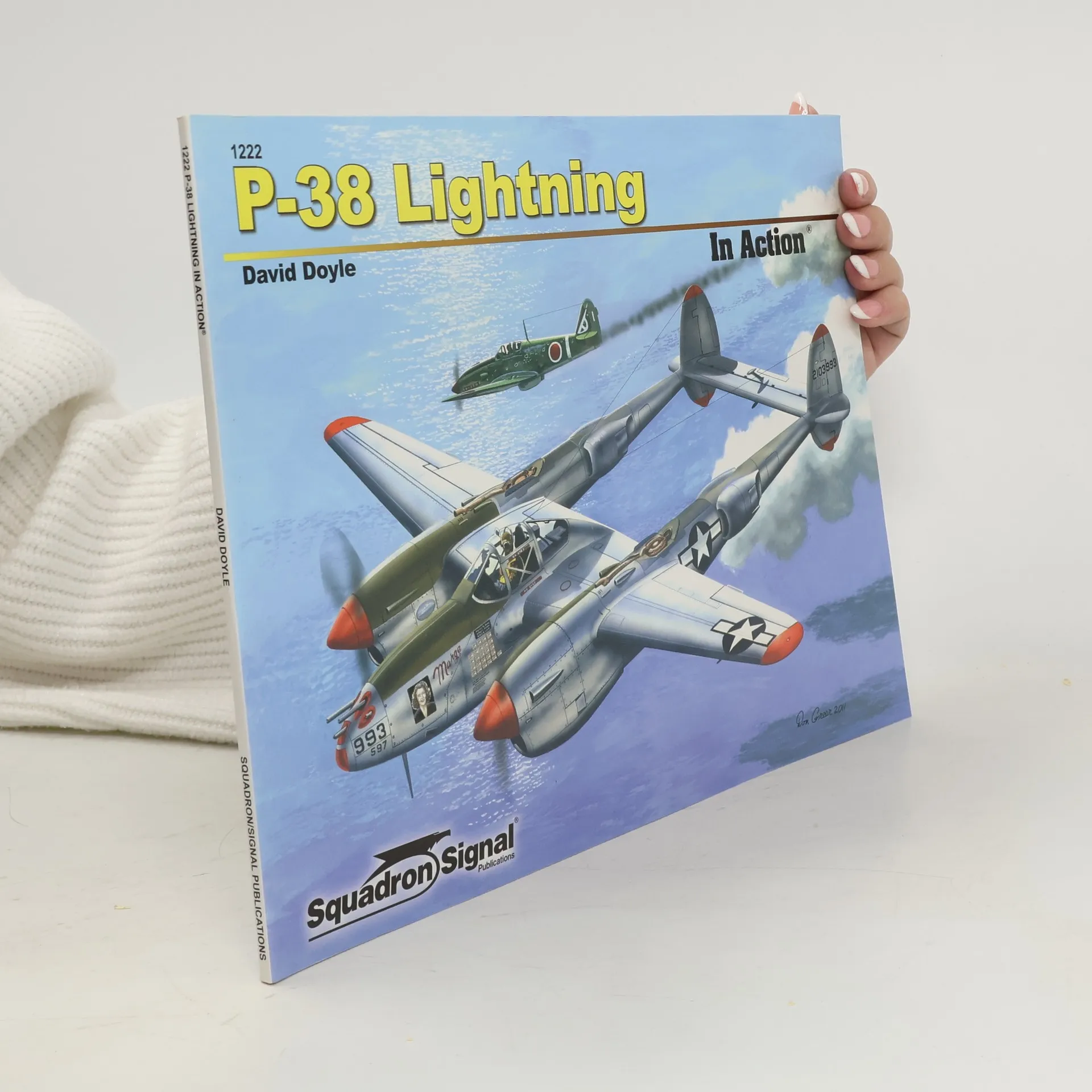
P-38 Lightning in Action
- 72 pages
- 3 hours of reading
The development and combat history of the twin-engine, twin-boom, Lockheed P-38 Lightning from the first flight of the XP-38 in January 1939 through a succession of models, ending with the electronic-laden two-seat P-38M. Created on the drawing boards of two of America's most notable aircraft designers - Hall Hibbard and Clarence 'Kelly' Johnson - the P-38 Lightning was the only US pursuit plane to remain in continuous production throughout WWII. In the Southwestern Pacific, the P-38 served as the USAAF's primary long-range fighter prior to the arrival of the P-51D Mustang. Top American air aces and Medal of Honor winners Richard Bong and Thomas McGuire both flew Lightnings, and it was a P-38 that brought down Japanese Admiral Isoroku Yamamoto's plane in April 1943. The Lightning saw service in Europe too, and it was after flying a P-38 to assess the progress of the Normandy Invasion in 1944, that US Lt. Gen. Jimmy Doolittle referred to the Lightning as "the sweetest-flying plane in the sky." Illustrated with nearly 150 period photographs, a third of them rare original color photos, plus color profiles and detailed line drawings. 72 pages.
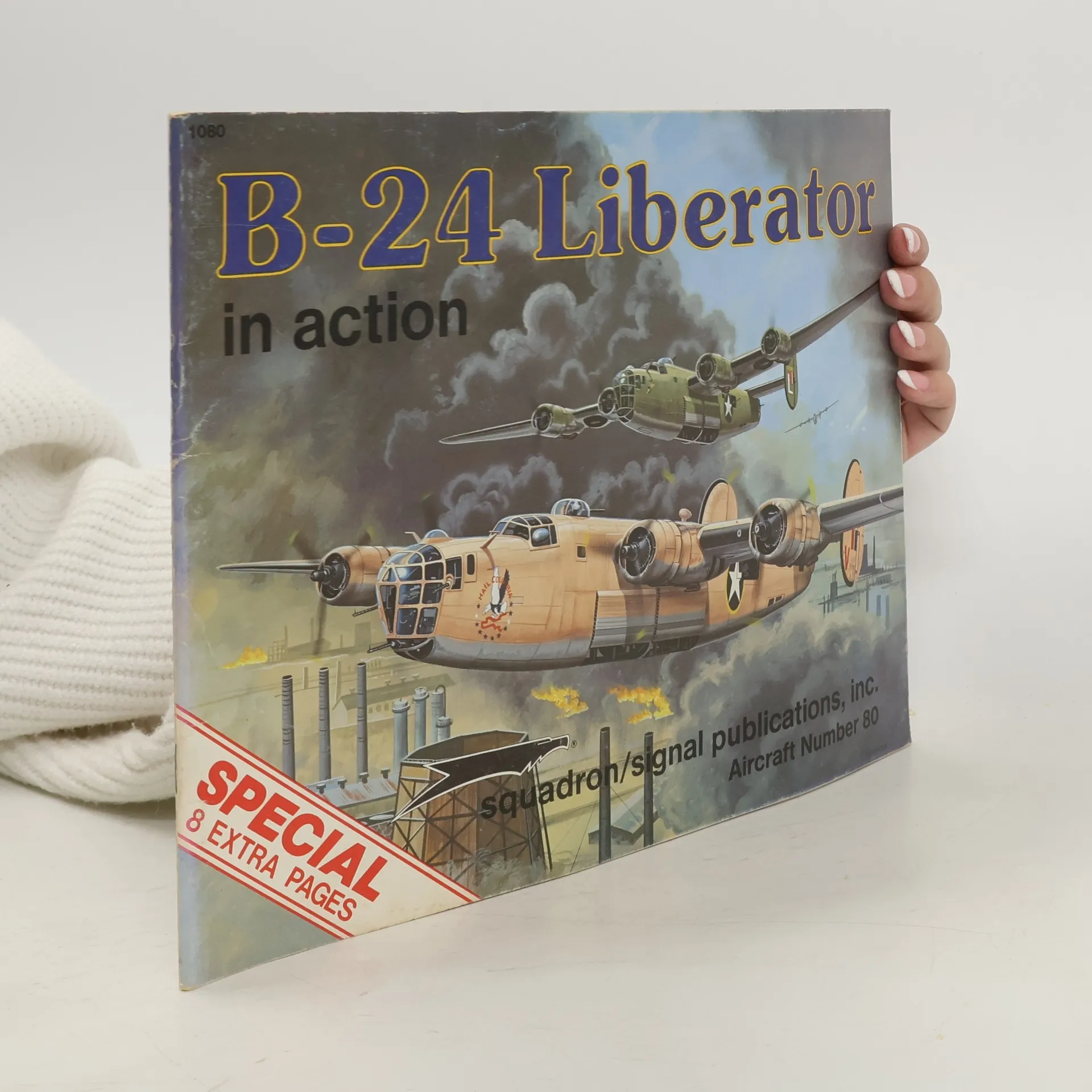
The B-24 Liberator, produced by four different firms, in five different plants, was built in greater quantities than any other WWII bomber. Operated by the US Army Air Force and US Navy on all fronts during WWII, and supplied to British Commonwealth nations, the 18,482 Liberators took the war to the Axis doorstep. This lavishly illustrated new edition brings to life no less than 20 variants these famed aircraft, as well as their crews. Experimental versions, classic bombers, freighters, tankers, reconnaissance birds, and even the rare gunship version are discussed.
The narrative follows Boris Rus, a young man from Fiume, Italy, as he engages in unconventional warfare against the German and Axis Powers during World War II. The story shifts dramatically from his acts of resistance to his harrowing experiences in the Dachau concentration camp. This poignant account reveals the brutal realities of survival and the unforeseen events that unfold in the aftermath of war, highlighting the resilience of the human spirit in the face of unimaginable adversity.
P-51 Mustang, Vol. 2: The D, H and K Models in World War II and Korea
- 112 pages
- 4 hours of reading
Even today, almost eighty years after its first flight, the North American P-51 Mustang remains one of the most famous and recognizable aircraft in the world. Nimble and fast, qualities that lead the Mustang to be used even today in air races, the aircraft was forged in battle. This, the second of two volumes on this iconic aircraft, explores the "bubbletop" versions that helped bring the war to the German and Japanese homelands. These Mustangs were widely used escorting Allied bombers deep into the enemy homeland. The story of this historic fighter is told through carefully researched archival photos, as well as photographs of preserved examples, illuminated through detailed captions, thereby illustrating not only the use of the late WWII Mustang, but also the details of its construction. Large, clear photos, coupled with descriptive and informative captions, put the reader on the airfield and in the sky with this historic aircraft.
SB2C Helldiver: Curtiss's Carrier-Based Dive Bomber in World War II
- 112 pages
- 4 hours of reading
While initally labeled as a troublesome aircraft, the Curtiss SB2C Helldiver went on to be noted for striking more Japanese targets than any other US Navy dive bomber. Despite this, the Helldiver was to be the last of a long line of US Navy dive bombers. The development, production, and combat use of the many variations of the Helldiver are examined, including experimental variants that did not progress beyond the prototype stage. Profusely illustrated with war-era photographs, both black-and-white and color, which are augmented with beautiful color photos of the only remaining flyable example, this book provides the reader with a concise yet thorough study of this legendary aircraft. Part of the Legends of Warfare series.
F6F Hellcat
- 112 pages
- 4 hours of reading
The Grumman F6F Hellcat formed the backbone of America's carrier-based fighter force as the Allies pressed the war toward Japan. Powered by a massive and reliable Pratt & Whitney radial engine, the Hellcat racked up an incredible 19:1 kill ratio against its foes in WWII, and 305 aviators earned ace status while flying the Hellcat. Such famed US naval aces as David McCampbell, Cecil Harris, Eugene Valencia, and Alex Vraciu all flew the Hellcat. In addition to its wing-mounted .50-caliber machine guns, the F6F was equipped to carry bombs as well, allowing pilots to deliver up to 2,000 pounds of bombs on targets. By the time that Hellcat production ended in November 1945, 12,275 examples had rolled off Grumman's Bethpage, Long Island, assembly line. Through carefully researched photos, many never before published, the history and details of this iconic aircraft are revealed. Part of the Legends of Warfare series.
B-29 Superfortress, Vol. 1: Boeing's XB-29 through B-29B in World War II
- 128 pages
- 5 hours of reading
The Boeing B-29 Superfortress was not only the largest and most advanced US aircraft to see combat in World War II, it was also the most expensive weapons system of the war, even exceeding the cost of developing the atomic bomb--the weapon that ultimately would be delivered to Hiroshima and Nagasaki by a pair of B-29s in August 1945. Through a broad range of photos gathered from around the world, this book, the first of a two-volume series, chronicles the design, development, and World War II combat of the iconic Superfortress. The story of this historic aircraft is told through carefully researched photos, which are reproduced in remarkable clarity. Large, clear photos, coupled with descriptive and informative captions, unlock the secrets of this aircraft.
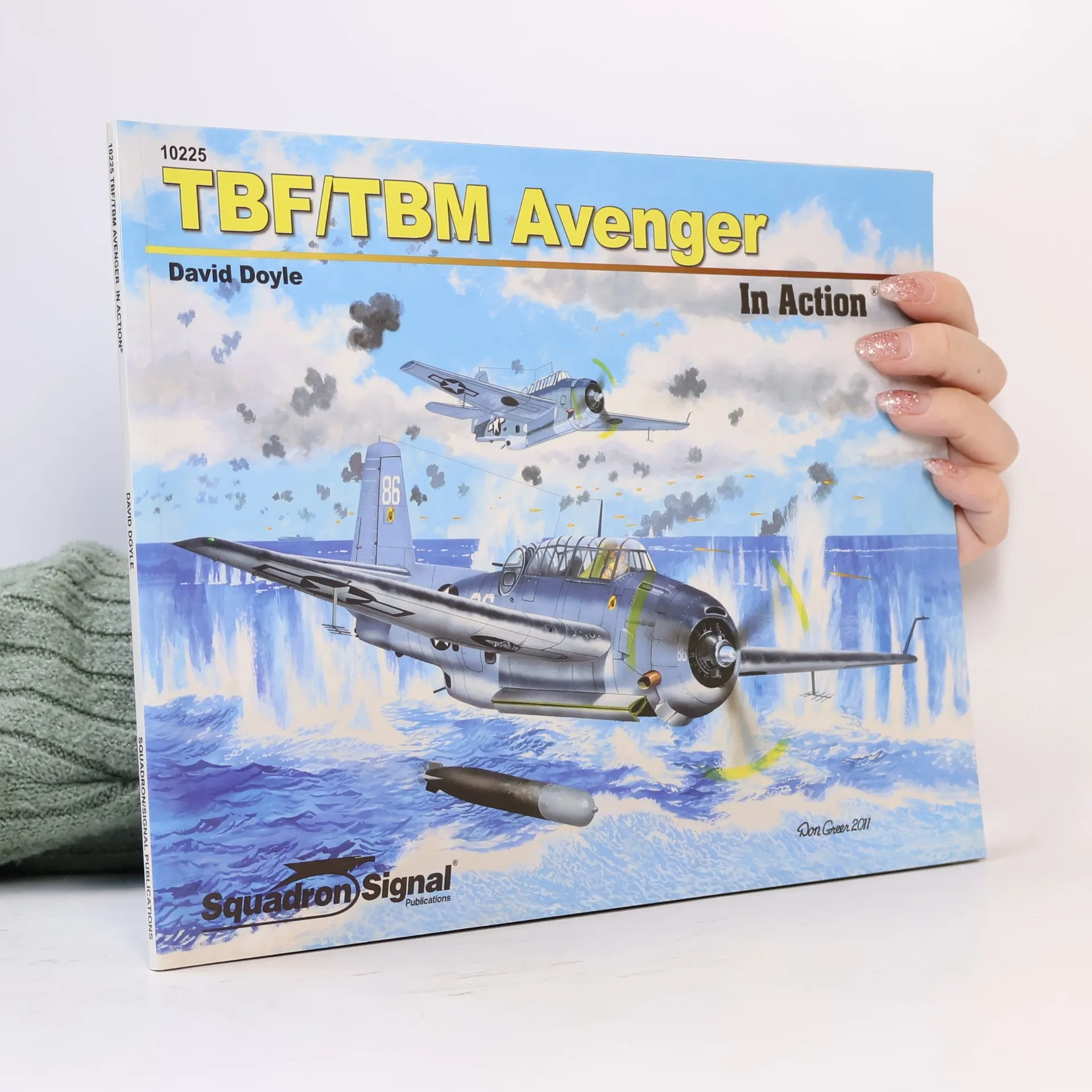
TBF/TBM Avenger: Grumman's First Torpedo Bomber in World War II
- 112 pages
- 4 hours of reading
The Grumman-designed TBF Avenger was unquestionably the most successful torpedo bomber in the US fleet during WWII. Developed just prior to the US entry in WWII, the type made its combat debut at the Battle of Midway. Demand for the large carrier-borne aircraft, which could drop conventional bombs and depth charges in addition to torpedoes, soon outstripped Grumman's capacity. To supply the needed aircraft to the US Navy, the US Marines, and the Royal Navy, the Eastern Aircraft Division of General Motors was contracted to build duplicate aircraft, which were designated TBM. With numerous adaptations, both the TBF and TBM continued to serve militaries well after WWII. Through carefully researched photos, many of which have never before been published and which are reproduced in remarkable clarity, the history and details of this iconic aircraft are revealed and put the reader in the skies with this historic aircraft.
GMC DUKW: America's Amphibious Duck in World War II and Korea
- 128 pages
- 5 hours of reading
The General Motors Corporation DUKW was without a doubt the most successful amphibious military vehicle ever constructed. This is due in large part to the enormous amount of scientific and engineering talent that was devoted to the project. Included in the design team were America's Cup winner Rod Stephens, adventurer and environmentalist Dennis Puleston, and scientist and engineer Palmer C. Putnam. The DUKW was so successful and so widely used that Gen. Dwight Eisenhower described it as "one of the most valuable pieces of equipment produced by the United States during the war". This book chronicles the development and use of these vehicles from concept to combat in WWII and Korea. Through dozens of archival photos, many never before published, as well as detailed photographs of some of the finest existent examples of surviving vehicles, these iconic armored fighting vehicles are explored, and their history is explained.
B-29/B-50 Superfortress, Vol. 2: Post-World War II and Korea
- 128 pages
- 5 hours of reading
The largest and most advanced US aircraft to see combat in WWII, the B-29 Superfortress was also the most expensive weapons system of the war, even exceeding the cost of developing the atomic bomb. Not surprisingly, the aircraft remained a part of the US arsenal in the following years and again saw combat in Korea. The evolution of the B-29 into the B-50 is covered in this book--the second of two volumes--as is the B-50's part as an early nuclear deterrent. Not only is the production of these aircraft illustrated, so are the host of adaptations, from mother ship to X-planes to weather and refueling aircraft. This volume chronicles the design, development, and deployment of these later versions through photos gathered from around the world.
A-26 Invader: Douglas A-26/B-26 from WWII through Vietnam
- 144 pages
- 6 hours of reading
A Legends of Warfare guide to Douglas's high-powered attack bomber
M26 Pershing: America's Medium/Heavy Tank in World War II and Korea
- 144 pages
- 6 hours of reading
The Pershing was the American answer to the famous German Panther and Tiger tanks. This book is a complete photo history of the mighty Pershing and its variants.
P-39 Airacobra
- 144 pages
- 6 hours of reading
With a midengined configuration, sturdy tricycle landing gear, and nose-mounted 37 mm cannon, the Bell P-39 was a thoughtful and innovative design. However, the plane lacked the all-out performance of some other key fighters available to Allied fliers (e.g., Spitfire, Hellcat, Mustang), particularly at altitude. Largely rejected by British and American combat squadrons, the Airacobra was much better received in the Soviet Union, where the Red Air Force successfully deployed large quantities of the type against the Luftwaffe. This new entry in the Legends of Warfare series features detailed photographic coverage of all variants of the Airacobra, including prototypes, trainer versions, production models C through Q, and the P-400.
USMC Tracked Amphibious Vehicles
- 144 pages
- 6 hours of reading
This is the most complete and up-to-date reference on the tracked amphibious vehicles deployed by the United States Marine Corps
Panther Tank: The Panzerkampfwagen V in World War II
- 128 pages
- 5 hours of reading
Featuring sloping armor and armed with a powerful 75 mm gun, Germany’s Panther tank was developed as a counter to the Soviet T-34. Entering production in 1943, the Panther was intended to become Germany’s standard medium tank. Although featuring potent armament and excellent armor, the Panther was hampered by disruptive production and drivetrain maintenance requirements. Produced in three variants, by three firms (MAN, Daimler-Benz, and MNH), the roughly 6,000 Panthers were used on the Eastern Front, in Italy, and from Normandy to Berlin. In this greatly expanded edition of the author’s earlier work, almost 250 photos are used to present the Panther from the factory to the battlefield in considerable detail.
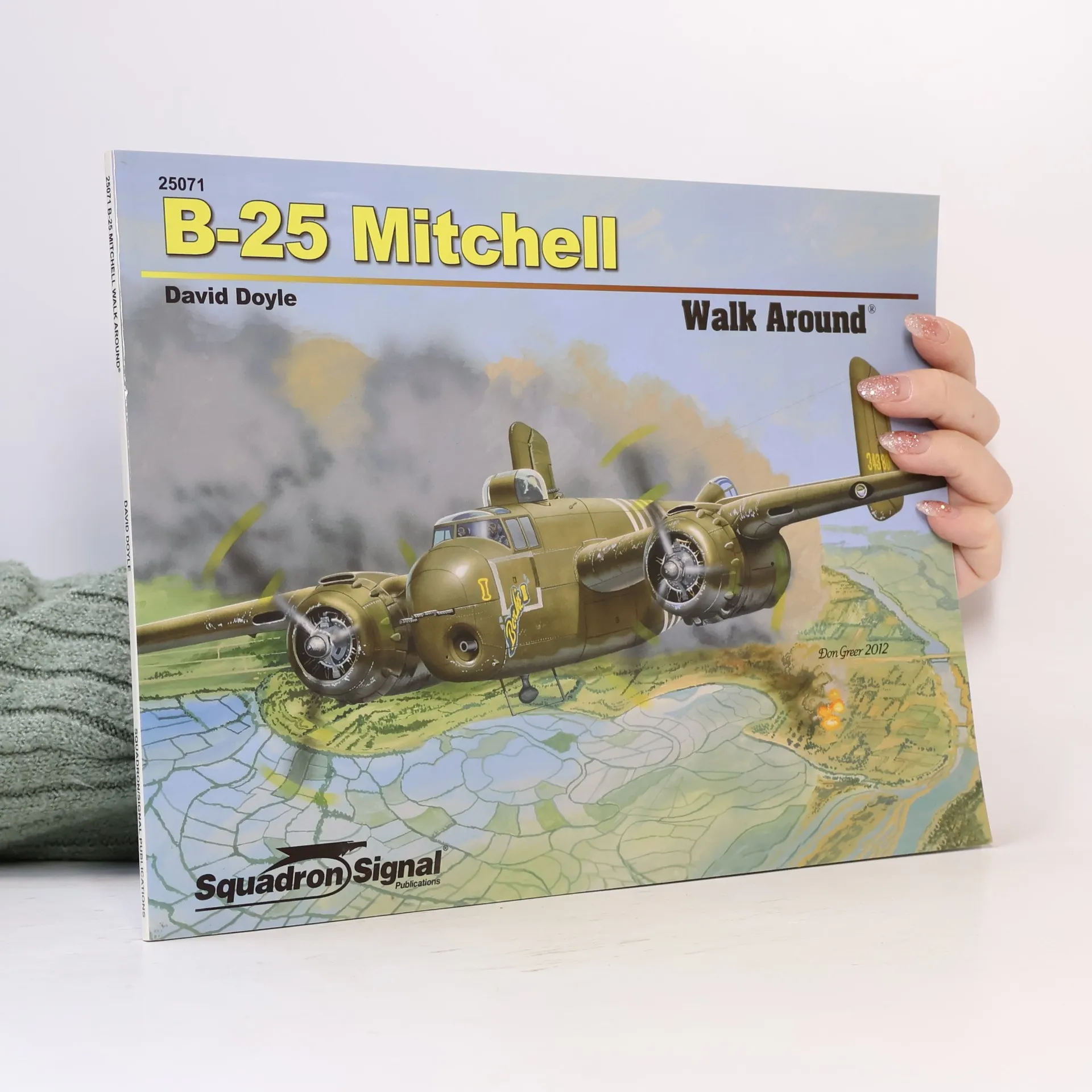
B-25 Mitchell in action
- 72 pages
- 3 hours of reading
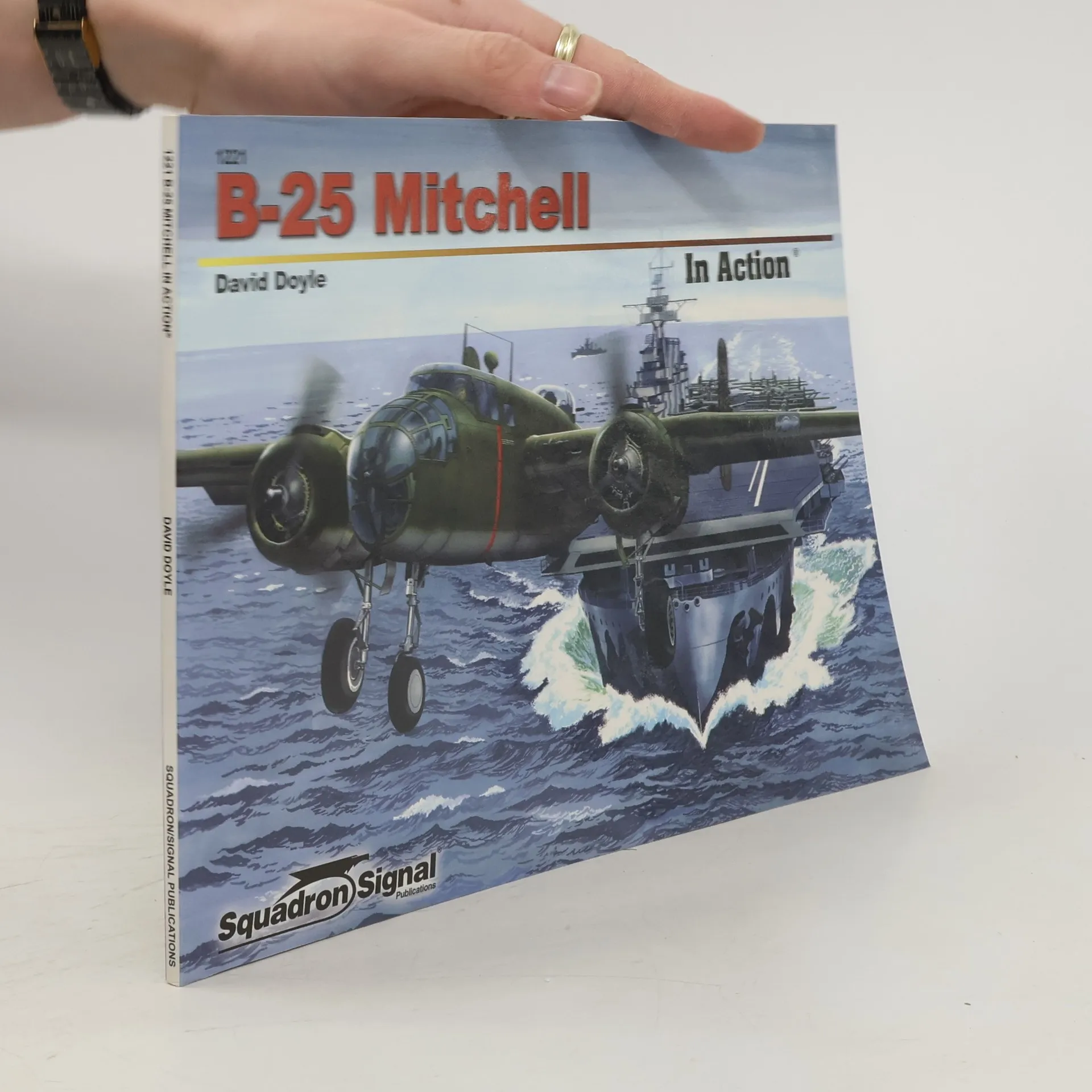
The North American B-25 Mitchell was one of the premier US warplanes of WWII. It gained immortality early in the US involvement in the war when a small group of B-25Bs under Lt Col. Jimmy Doolittle took off from the deck of the USS Hornet and executed a surprise attack on military targets on the Japanese island of Honshu. Subsequently, Mitchells saw service in every theater of war, doing duty as tactical bombers, coastal patrol aircraft, photo-reconnaissance and photo-mapping planes, and, when fitted with additional guns and rockets, superb ground- and shipping-attack platforms. The US supplied B-25s to the British Royal Air Force and to the Soviet Union, which flew them against the Nazis on the Eastern Front. The career of the Mitchell is covered from the experimental NA-40 prototype to the final production B-25J model. US Marine Corps PBJ versions are also chronicled. Eight all-new pages of photos and information fill out this latest edition.
Walk Around: B-26 Marauder
- 80 pages
- 3 hours of reading
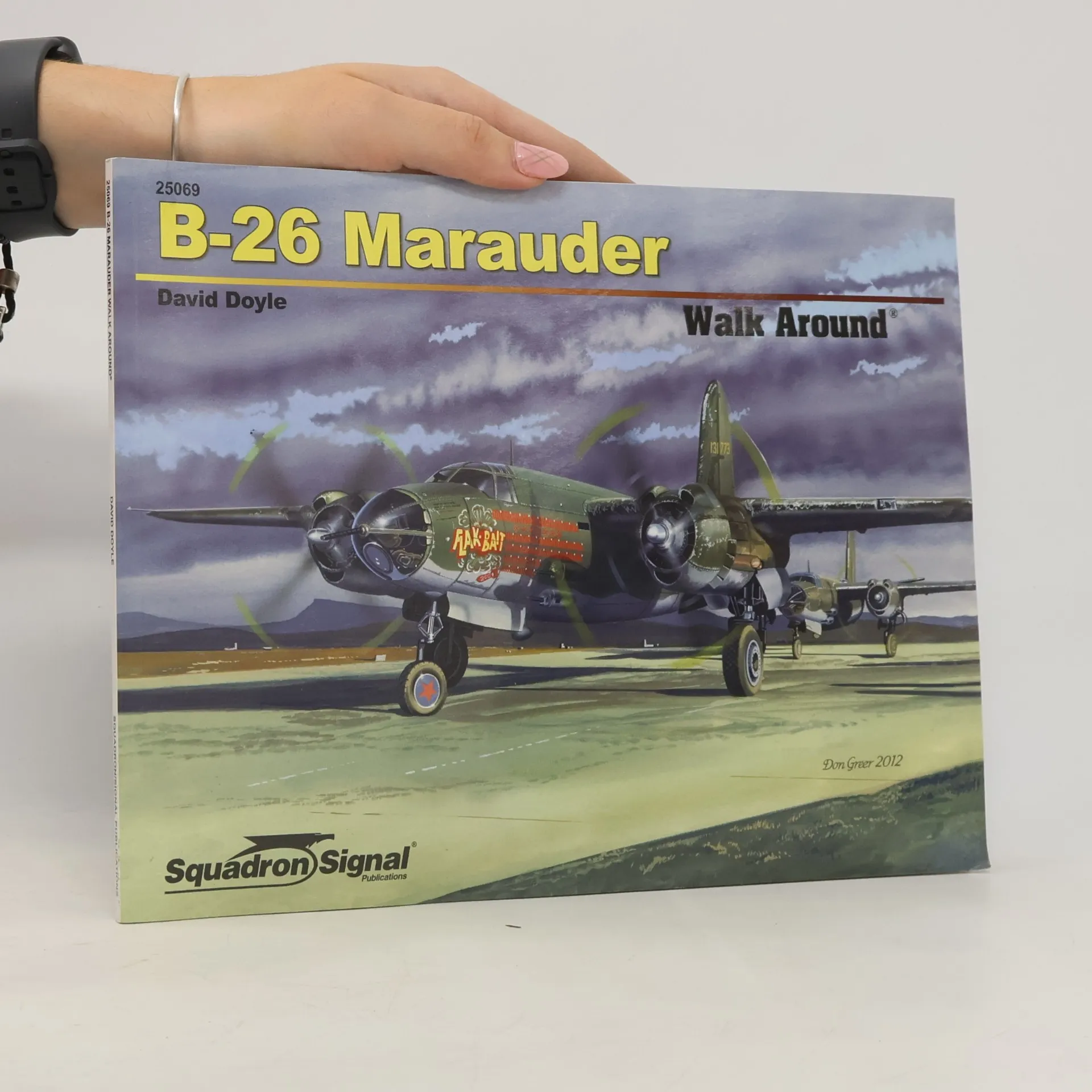
From bombardier’s station to the pads for the tail gunner’s knees, this book explores the Marauder up-close and in detail, surveying the intricacies of Martin’s WWII medium bomber. Exclusive photos illustrate the rarely seen inner workings and outer features of the B-26G, with additional coverage of the B-26, B-26B, and B-26C. Initially dubbed “the Widowmaker” due to its high wing loading and high landing speeds, refinements in the design improved performance and crew training.
B-29 Superfortress In Action
- 88 pages
- 4 hours of reading
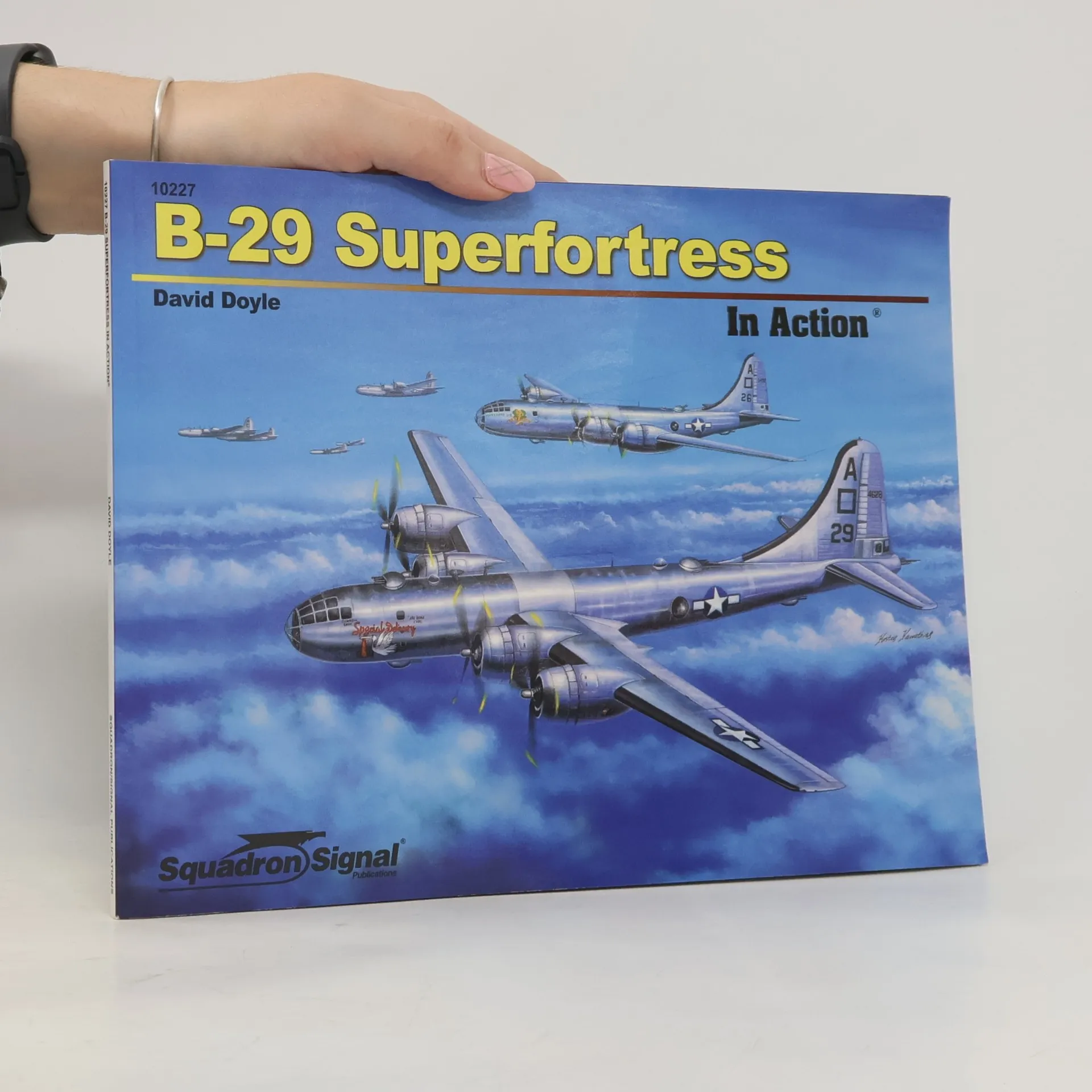
The Boeing B-29 Superfortress was the most advanced production aircraft in the world when it took to the air for the first time in September 1942. While most often remembered as the type of aircraft that dropped the first atomic bomb, and for its extensive use in bombing Japan during the latter stages of World War II, the B-29 also saw plenty of combat during the Korean War. This all-new edition of B-29 Superfortress In Action uses 248 vintage photographs, 90 of them in full color, to chronicle the history of this famed heavy bomber. Photos and detailed captions chart the development, production, use, and disposition of not only the XB-29, YB-29, B-29, B-29A, B-29B, and of course the famed Silverplate atomic bombers, but also notable variants such as the F-13, F-13A, SB-29, KB-29, EB-29, WB-29, P2B and the history-making X-1 carrier. Also included is coverage of the experimental XB-39 and XB-44 variants. Individual sections of the book explore the interior and armament of these bombers, as well as their production by Boeing, Martin, and Bell. Illustrated with 248 photographs. 88 pages.
TBF/TBM Avenger in Action
- 80 pages
- 3 hours of reading
The Avenger was the foremost Torpedo Bomber in the US Navy's arsenal during WWII. Designed by Grumman as a replacement for the Douglas TBD Devastator, Avenger production began prior to the Japanese attack on Pearl Harbor and it remained in US Navy service until October 1954. Demand for the large torpedo bomber was so strong that General Motor's newly-formed Eastern Aircraft Division was contracted as a second source for the Avenger, ultimately accounting for more than half of the total production. In addition to its obvious use as a torpedo bomber, the Avenger also served as a horizontal bomber, dropping conventional bombs, as well as mines and notably, depth charges, while operating in an antisubmarine role. This all-new edition is filled with 212 vintage photos, 29 of them in color, these are augmented by five color profiles and a like number of detailed line drawings.
Walk Around: B-25 Mitchell
- 80 pages
- 3 hours of reading
Soaring into the pages of history with Jimmy Doolittle's famed Tokyo Raiders, the North American B-25 Mitchell was the most-produced American medium bomber of World War II. Profusely illustrated, this volume examines the nuances of the external features and explores the inner workings of the B-25D model, the scarce hard-hitting, cannon-armed B-25H, and also the most abundantly-produced Mitchell bomber, the B-25J. Enhancing the color photographs, taken both on the ground and in the air, four vintage black-and-white images and 14 line drawings further illustrate details, while five color renderings of aircraft and markings provide a glimpse into the nature of WWII noseart. SS25071
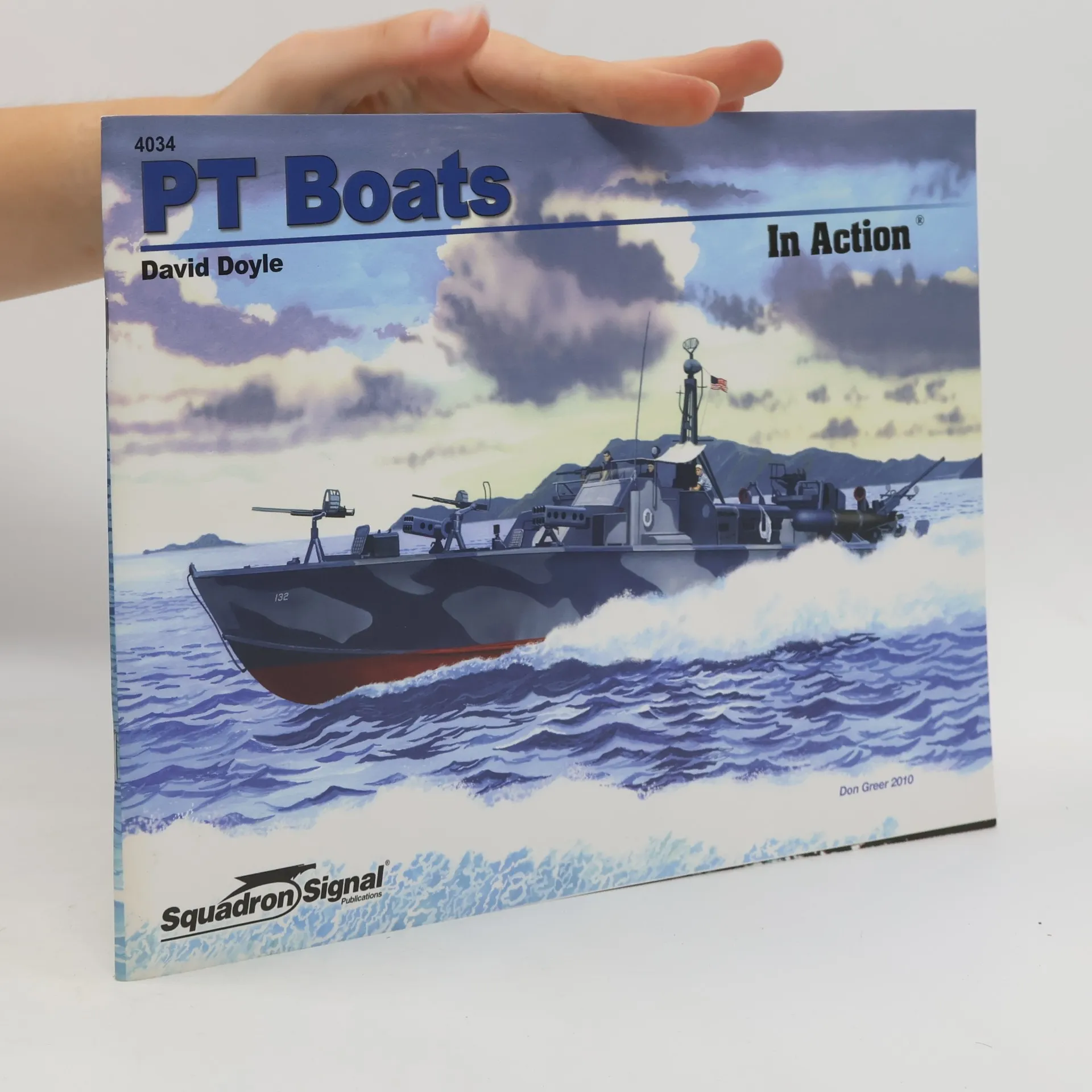
In Action - 34: PT Boats
- 64 pages
- 3 hours of reading
American Patrol Torpedo - or PT - boat crews served valiantly in every theater during WWII. From the Aleutians to the Mediterranean, these men harassed enemy shipping, launched attacks against much more formidable warships, rescued downed air crews, and spirited General Douglas MacArthur to safety from Corregidor Island in March of 1942. PT boats also laid mines and smokescreens, coordinated air-sea rescue actions, and conducted intelligence and raiding operations. This volume chronicles the evaluation, use, and eventual destruction of the US PT boat fleet through 180 photographs, many of them color. Coverage includes ELCO, Higgins, and Huckins boats; 64 pages.
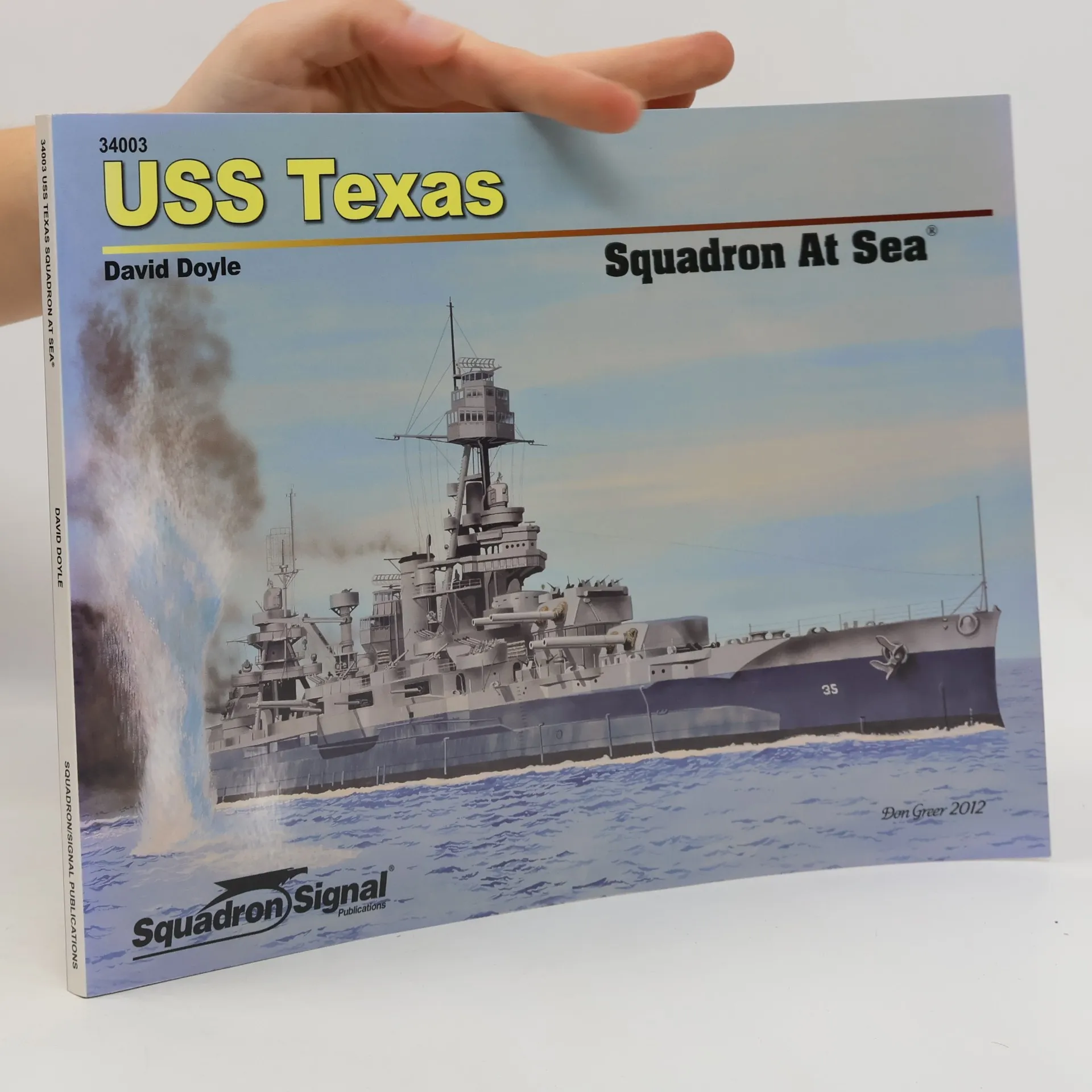
Squadron at Sea - 34003: USS Texas
- 152 pages
- 6 hours of reading
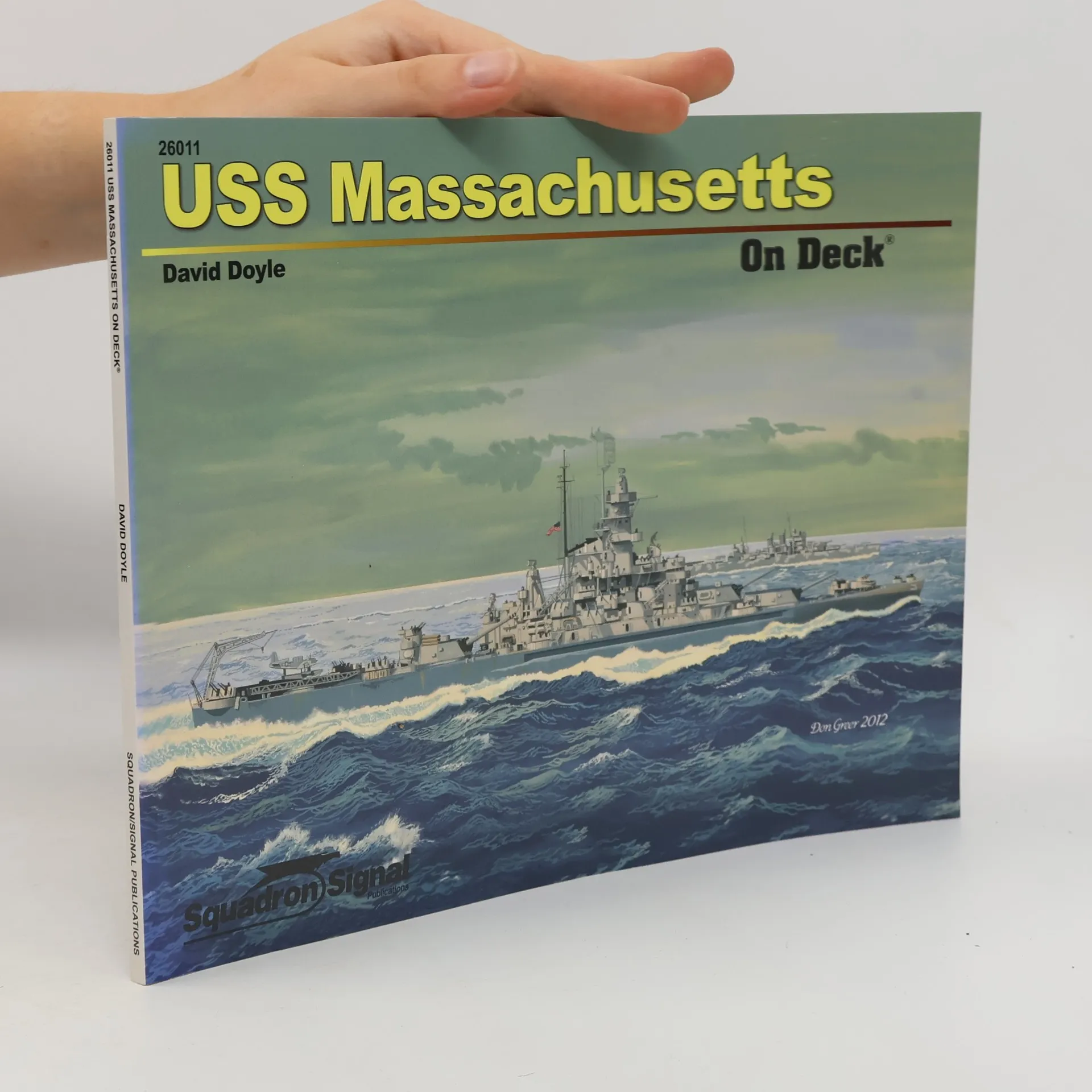
On Deck - 26011: USS Massachusetts
- 96 pages
- 4 hours of reading
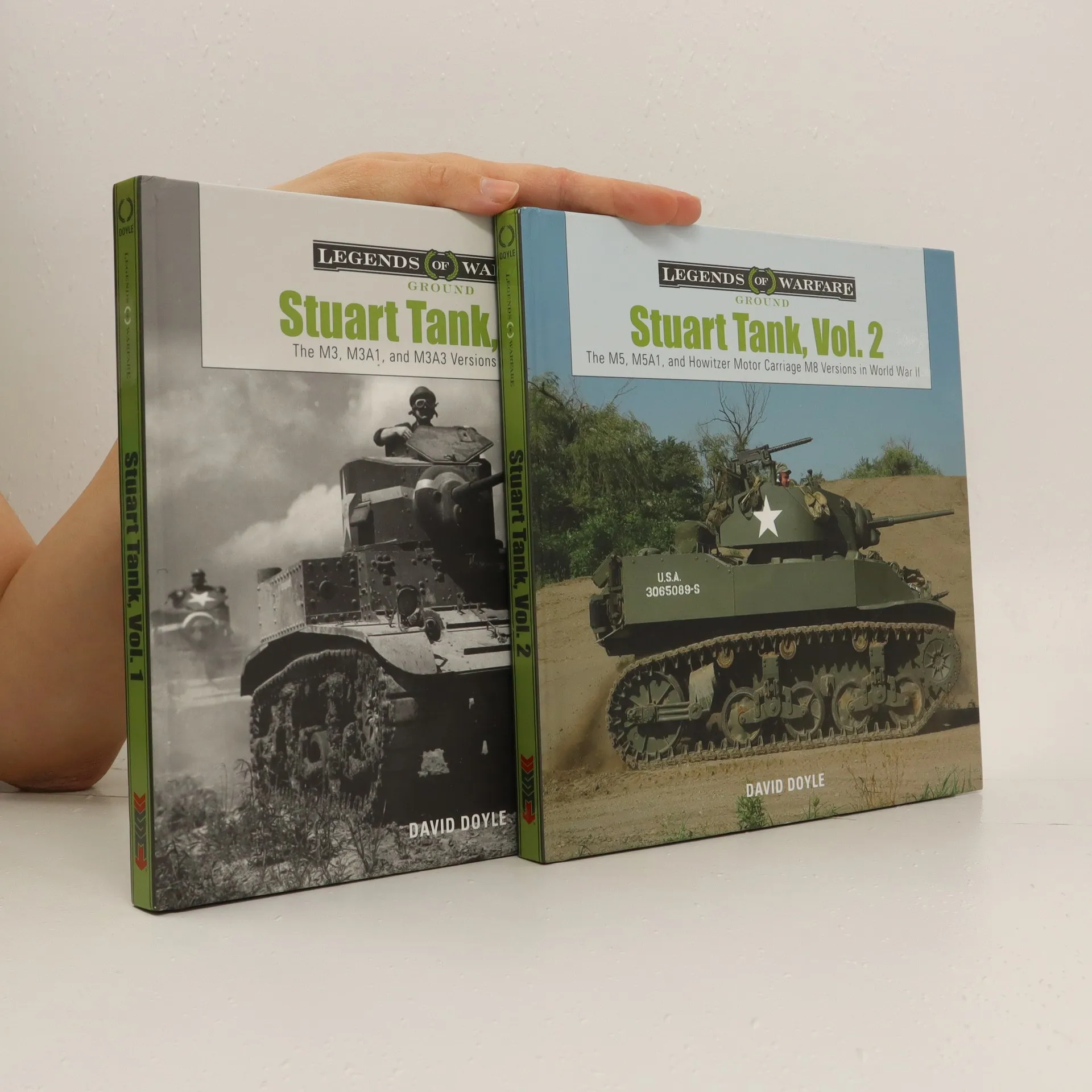
Stuart tank
- 2 volumes
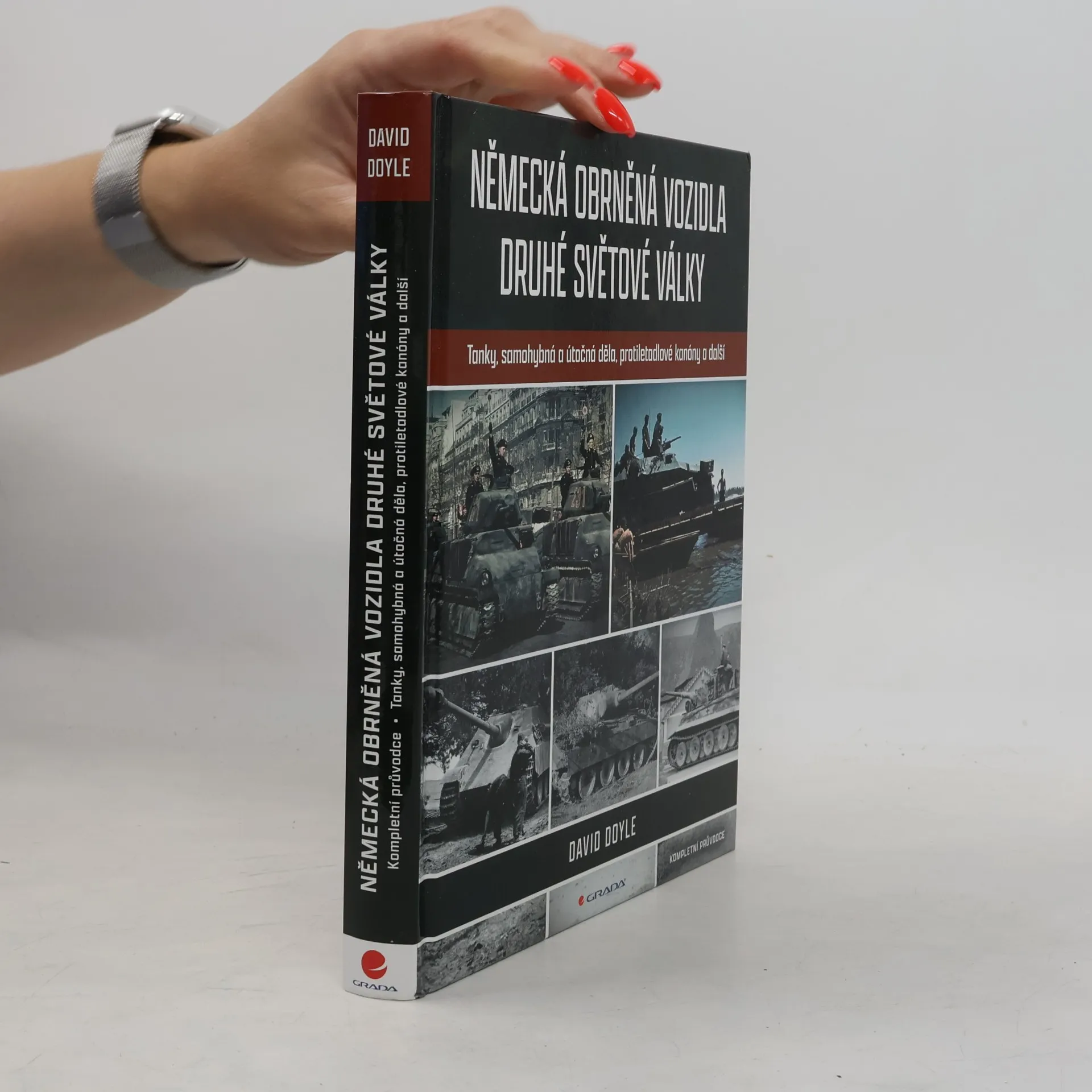
Německá obrněná vozidla druhé světové války
- 328 pages
- 12 hours of reading
Kniha poskytuje čtenáři přehled o všech obrněných vozidlech, která používaly jednotky Wehrmachtu i SS během druhé světové války. Více než 300 stran textu, který doprovází přes 400 fotografií, z nichž mnohé nebyly doposud zveřejněny, činí z této knihy nejobsáhlejší dílo na toto téma. David Doyle jako zkušený autor sestavil publikaci ideální pro historika i modeláře, v níž nabízí technické informace, fotografie a historii nasazení: obrněných automobilů polopásových vozidel tanků útočných děl stíhačů tanků Jagdpanzer a Panzerjäger samohybných děl, houfnic a minometů protiletadlových vozidel plamenometných vozidel vyprošťovacích vozidel obrněných ženijních vozidel