
Explore the latest books of this year!
Bookbot

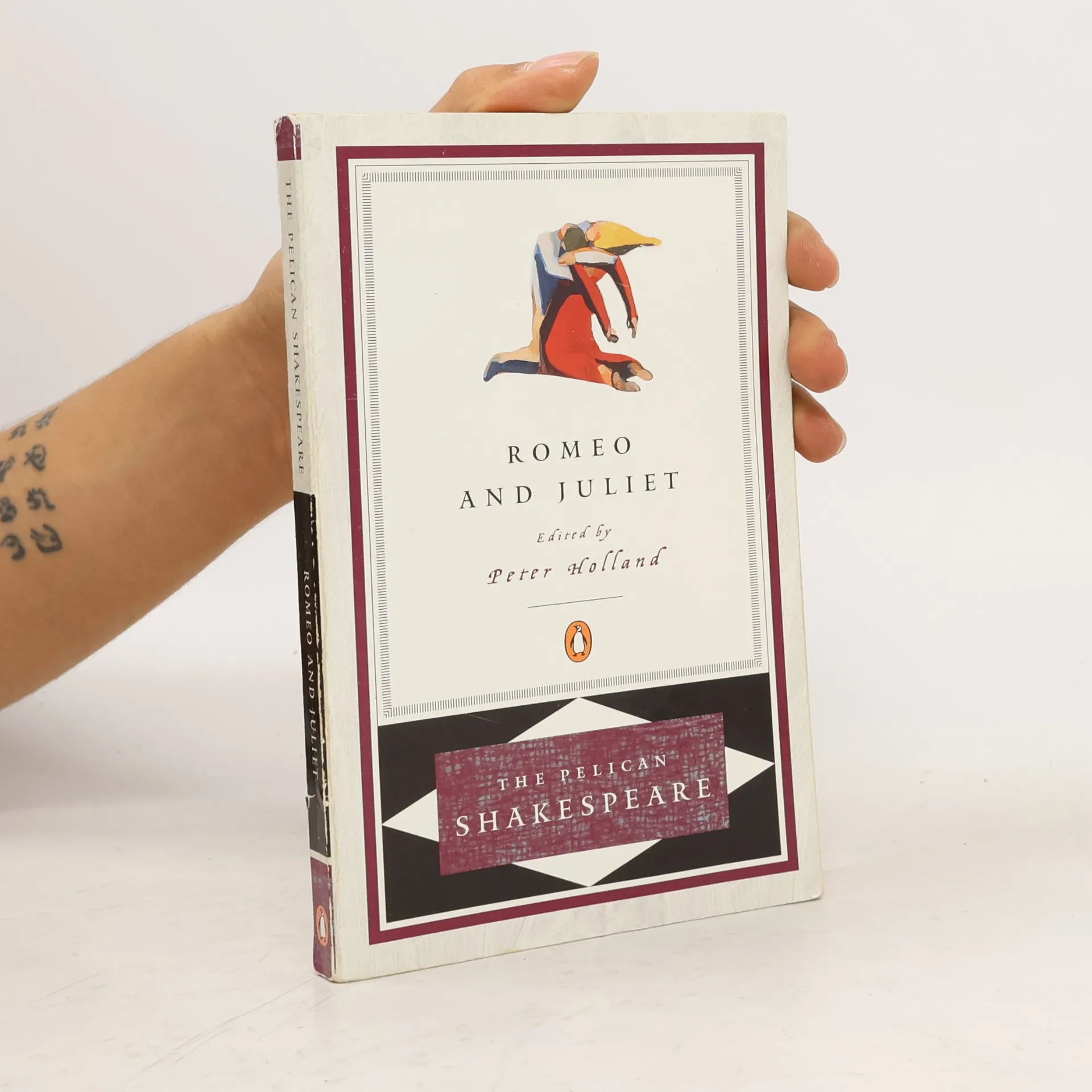
Peter Holland

    Shakespeare and Forgetting
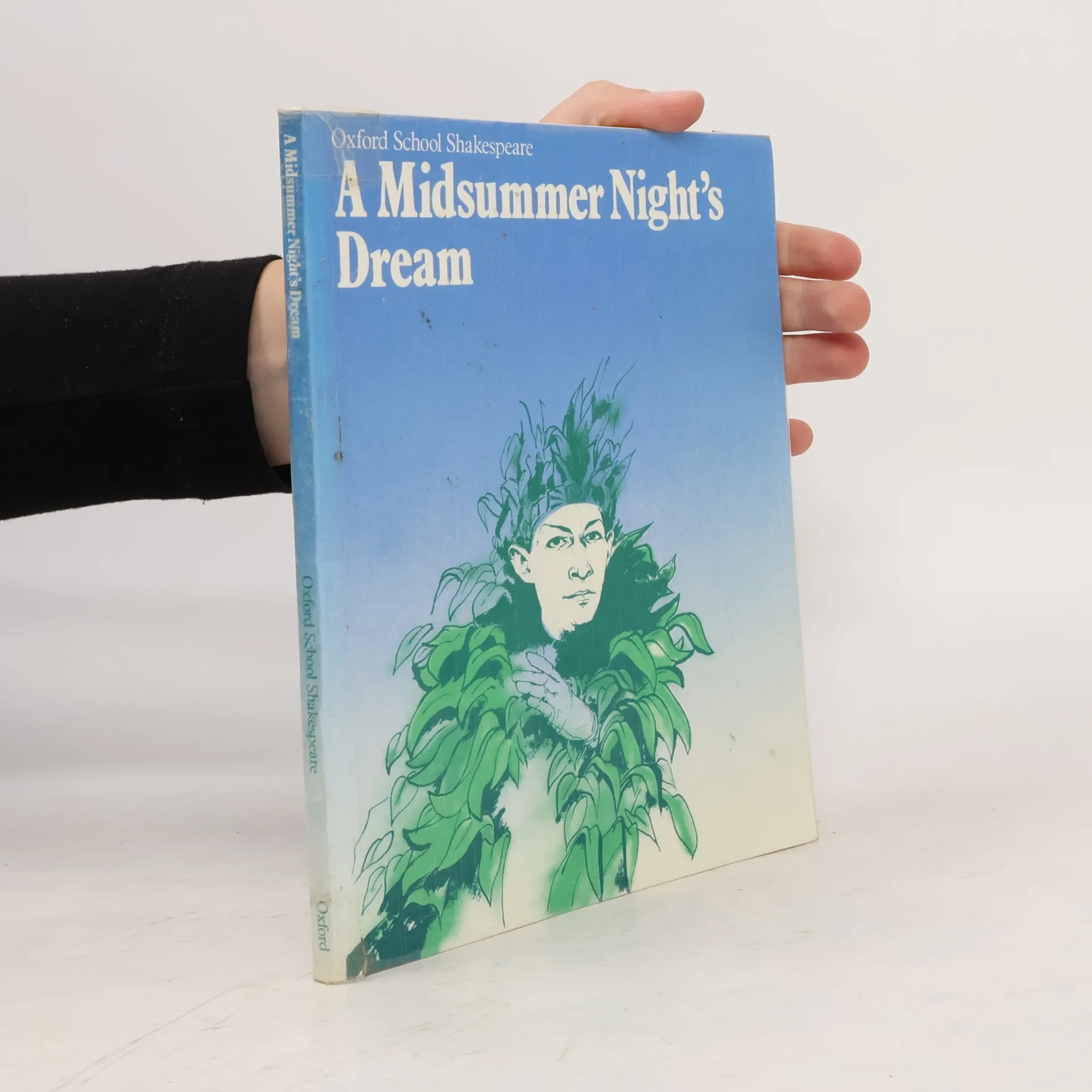
    A Midsummer Night's Dream
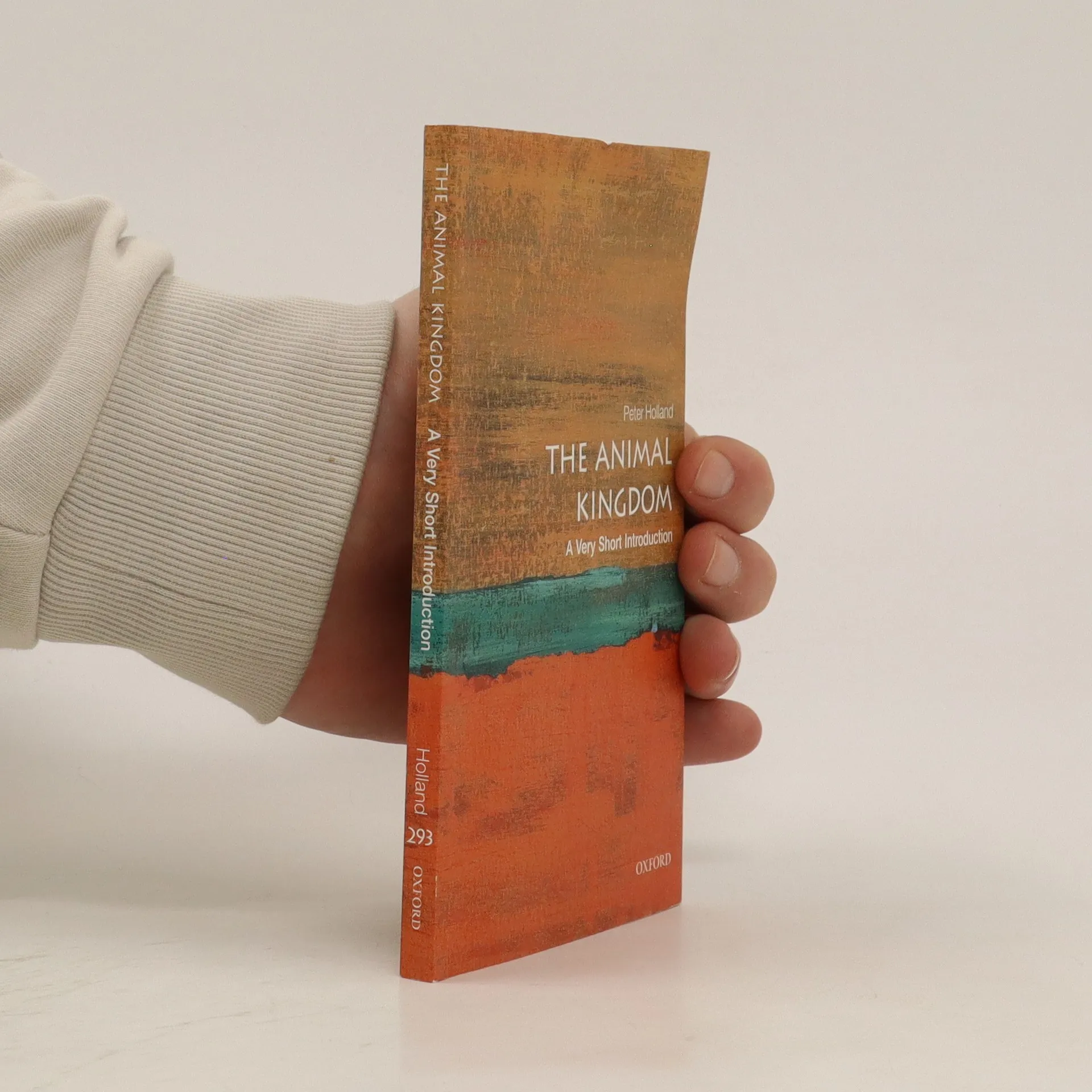
    The Animal Kingdom: A Very Short Introduction
    Coriolanus
    • Coriolanus

      • 304 pages
      • 11 hours of reading

      "Coriolanus is perhaps the most brilliant political play ever written. Set in Ancient Rome, it remains a gripping psychological study of the relationship between personality and politics. The introduction to this new edition considers Shakespeare's adaptation of his historical material (Plutarch's Lives) in relation to the social and political conditions in London and Stratford at the time of the play's composition, also offering new evidence that it was written in 1608. Professor Parker examines the play's history and particularly its staging at the Blackfriars theatre, where it was probably the first of Shakespeare's plays to be presented and for which it may have been written. A thorough commentary pays special attention to the needs of actors and directors."--Publisher description

      Coriolanus
      4.2
    • Molecular biology has revolutionized our understanding of animals and their evolution. In this Very Short Introduction, Peter Holland provides an authoritative summary of the modern view of animal life, its origins, and the new classification resulting from DNA studies.

      The Animal Kingdom: A Very Short Introduction
      4.2
    • A Midsummer Night's Dream

      • 96 pages
      • 4 hours of reading

      HUMOUR & COMEDY Two young lovers, Hermia and Lysander, meet in the wood with the intention of running away and getting married secretly. They are followed by Demetrius, who loves Hermia, and Helena, who is in love with Demetrius. What they don’t know is that the wood is enchanted… Dossiers: Shakespeare's Sources The Elizabethan Performance

      A Midsummer Night's Dream
      4.0
    • What does it signify when a Shakespearean character forgets something or when Hamlet determines to 'wipe away all trivial fond records'? How might forgetting be an act to be performed, or be linked to forgiveness, such as when in The Winter's Tale Cleomenes encourages Leontes to 'forget your evil. / With them, forgive yourself'? And what do we as readers and audiences forget of Shakespeare's works and of the performances we watch? This is the first book devoted to a broad consideration of how Shakespeare explores the concept of forgetting and how forgetting functions in performance. A wide-ranging study of how Shakespeare dramatizes forgetting, it offers close readings of Shakespeare's plays, considering what Shakespeare forgot and what we forget about Shakespeare. The book touches on an equally broad range of forgetting theory from antiquity through to the present day, of forgetting in recent novels and films, and of creative ways of making sense of how our world constructs the cultural meaning of and anxiety about forgetting. Drawing on dozens of productions across the history of Shakespeare on stage and film, the book explores Shakespeare's dramaturgy, from characters who forget what they were about to say, to characters who leave the stage never to return, from real forgetting to performed forgetting, from the mad to the powerful, from playgoers to Shakespeare himself.

      Shakespeare and Forgetting