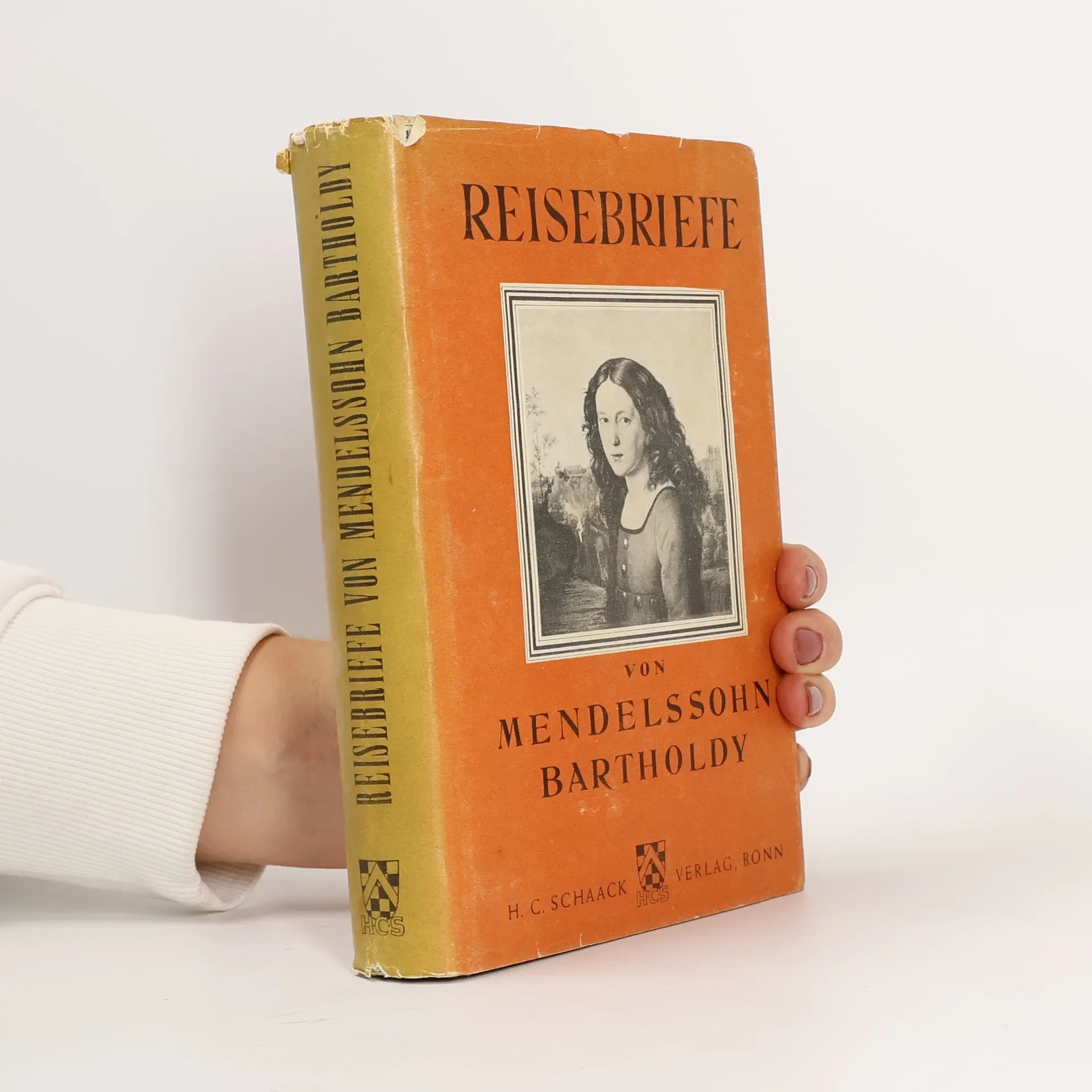
The Mendelssohn Family (1729-1847)
- 378 pages
- 14 hours of reading


Felix Mendelssohn was a German composer, pianist, organist, and conductor of the early Romantic period. Early recognized as a musical prodigy, his parents were cautious in promoting his talent. Mendelssohn's essentially conservative musical tastes set him apart from more adventurous contemporaries, and he founded a conservatoire that became a bastion of this anti-radical outlook. Though his work experienced a period of denigration, his creative originality is now recognized, making him one of the most popular composers of the Romantic era.


Andreas Ottensamer presents. Klarinette und Klavier.
Die Bearbeitung von Mendelssohn Bartholdys Klavierstücken für Klarinette und Klavier durch Andreas Ottensamer bringt eine frische Perspektive auf die beliebten "Lieder ohne Worte". Die Klarinette übernimmt den gesanglichen Melodiepart, während das Klavier unterstützend agiert. Diese Kombination ermöglicht eine treue Wiedergabe der Originalkompositionen und eröffnet gleichzeitig neue Klangmöglichkeiten. Die Auswahl der Stücke und die spezifischen Eigenschaften der Instrumente transportieren ein breites Spektrum an Emotionen, von tiefer Melancholie bis hin zu fröhlicher Leichtigkeit.
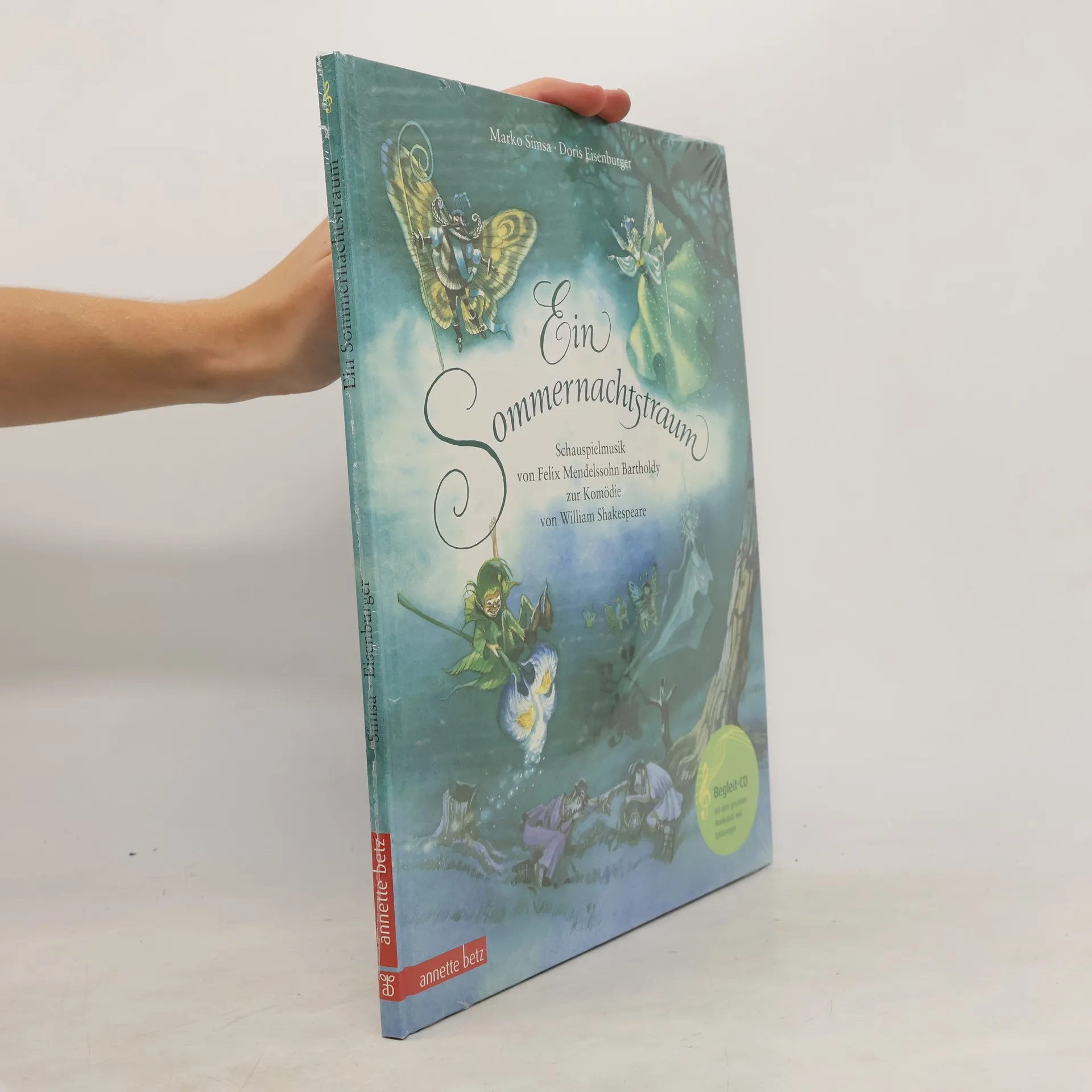
Spielerisch präsentiert Marko Simsa Shakespeares berühmte Komödie von Zauberei und Liebe mit der über 200 jahre später komponierten Musik Mendelssohn Bartholdys. Der fröhlich freche Kobold Puck führt durch die Geschichte. Auf der Begleit-CD: das gesamt Musikstück mit zusätzlichen Erklärungen (Gesamtspieldauer: 79 Minuten)
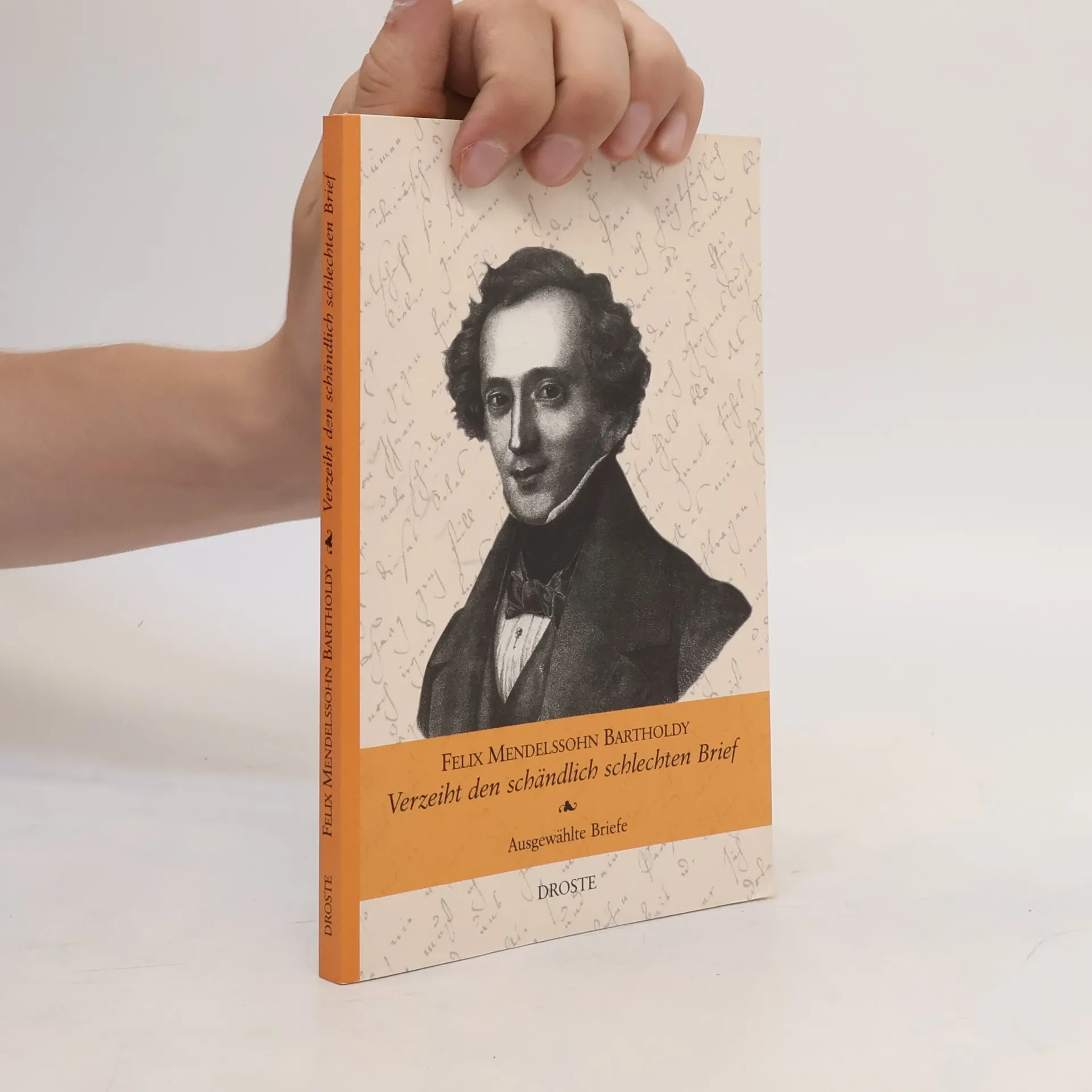
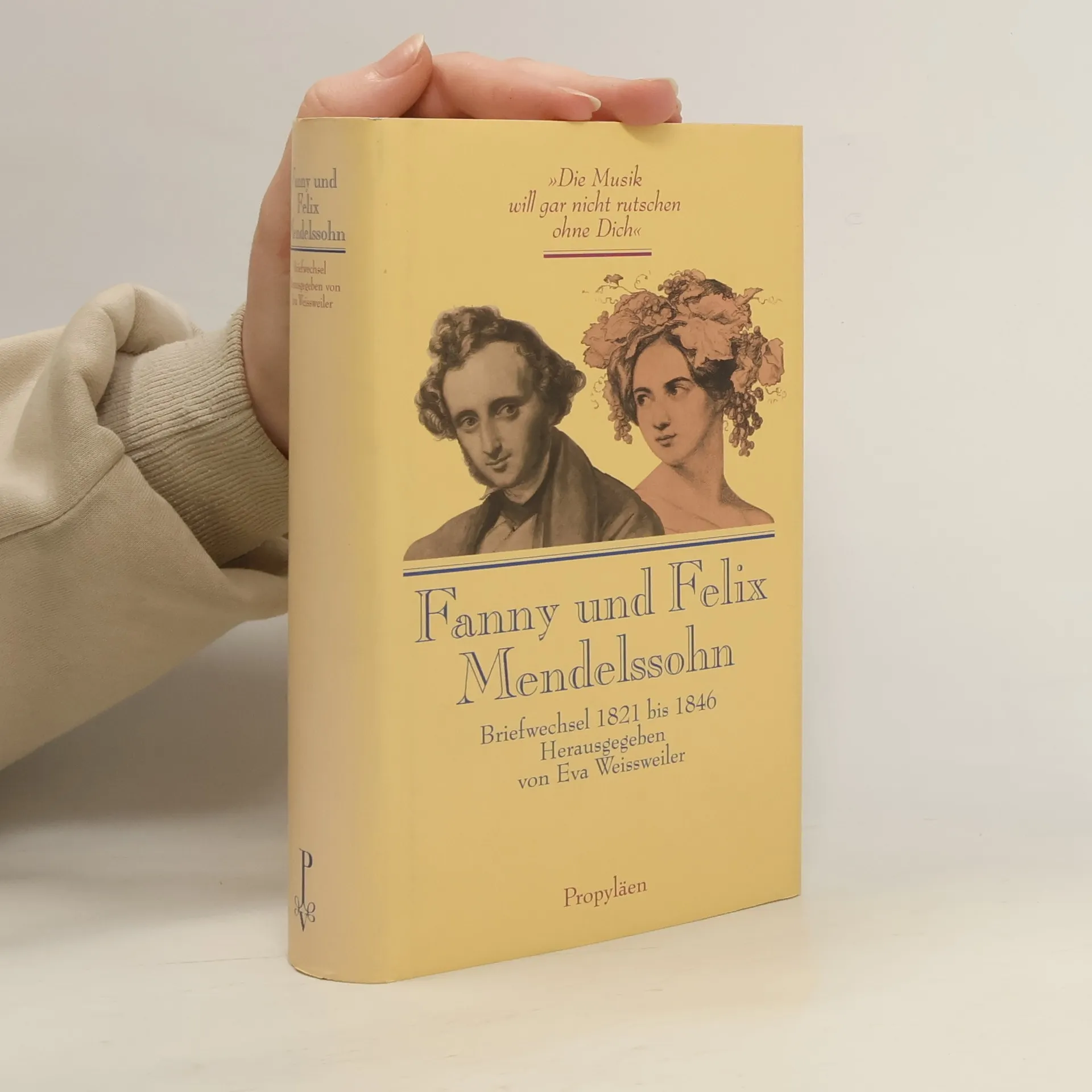
Scrivere lettere fu per la famiglia Mendelssohn molto più che una semplice pratica; la lettera era diventata un autentico strumento di riflessione, di pratica letteraria, di confronto ideologico e teoretico, di critica e di autoanalisi. Anche nel nipote Felix Mendelssohn Bartholdy l'impegno epistolare era diventato un'incombenza quotidiana, talvolta più gravosa della stessa attività compositiva, come dimostra la mole enorme di lettere costitutiva del suo lascito, un epistolario gigantesco comprendente testi personali e familiari, cronache di viaggio, lettere di lavoro, musicali e artistiche, insieme a semplici biglietti legati alle più svariate esigenze. Questi testi, elaborati con una varietà di registri straordinaria, offrono un ritratto preciso e variegato di un autore complesso, inquieto e problematico, rispetto all'immagine spesso consegnata dagli storici di un autore aperto, generoso e disponibile, che, come artista, fu alla perenne ricerca di quell'equilibrio e di quella perfezione sempre meno presenti nella realtà culturale del tempo.
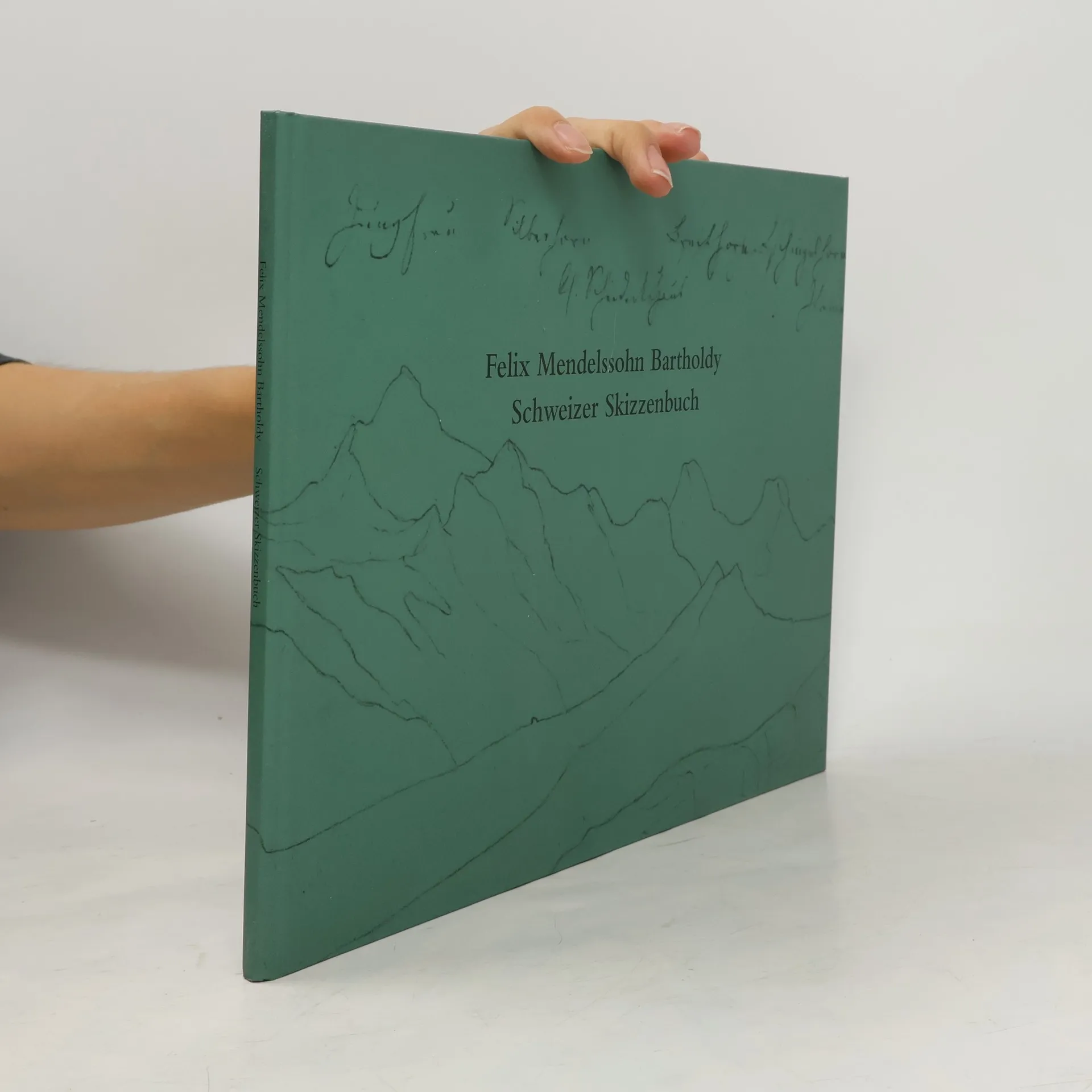
In 1842, Felix Mendelssohn Bartholdy travelled in Switzerland. During his visit, he drew landscapes as well as small villages and created some delightful pictures of Lausanne, Chamonix and Bern. German and English text.
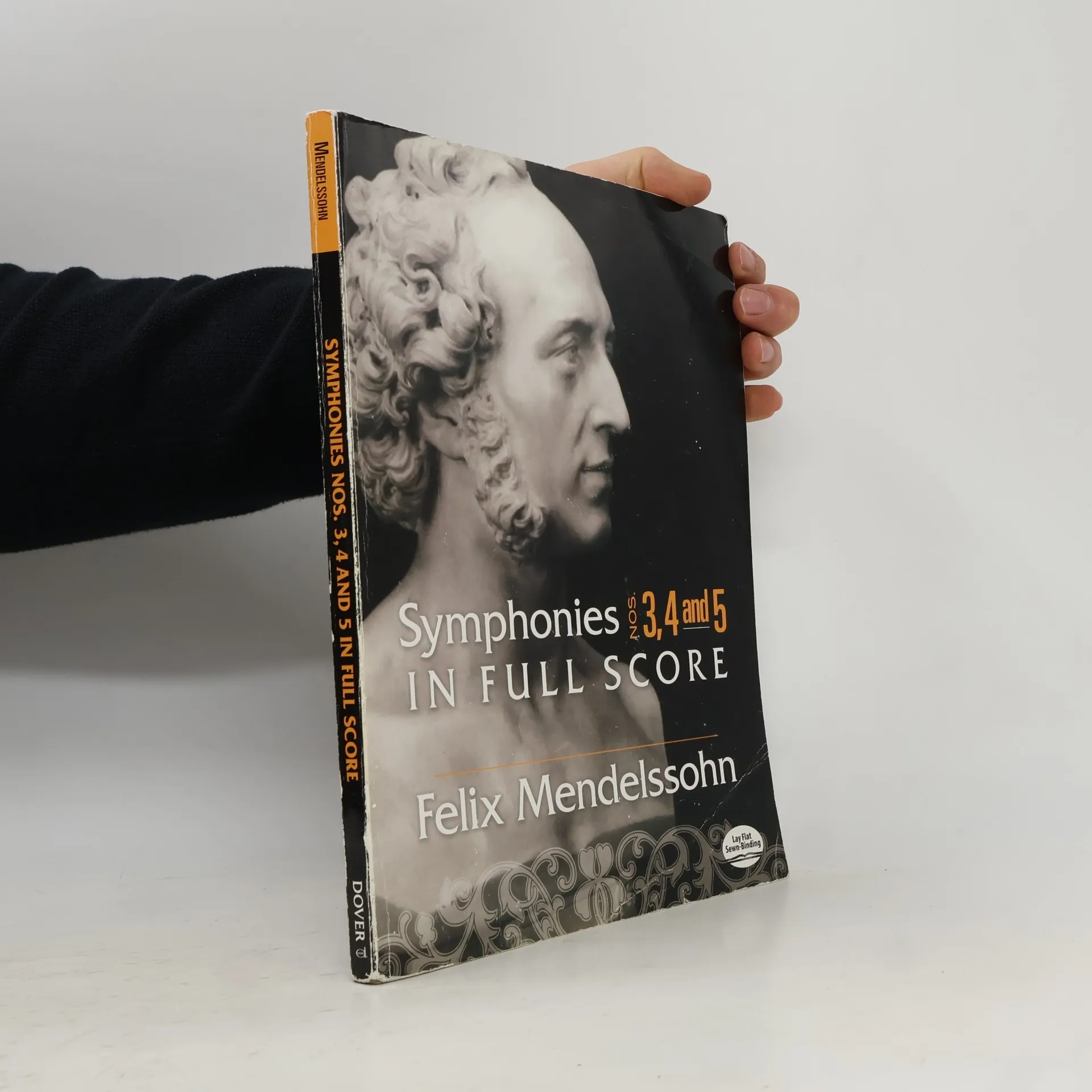
Mendelssohn's three greatest symphonies — among the most performed and best-loved in the orchestral repertoire — are presented here in one handsome, authoritative volume. This modestly priced compilation is essential for music students, conductors, and other music lovers.Known as the "Scottish" Symphony, Symphony No. 3 in A Minor, Op. 56, was inspired by a trip to the highlands and dedicated to Queen Victoria. Its lively second movement is derived from Scottish folk music. Also inspired by the composer's travels, Symphony No. 4 in A Major, Op. 90, is commonly known as the "Italian" Symphony and evokes the sunny peninsula's color and atmosphere. Symphony No. 5 in D Major, Op. 107, called the "Reformation" Symphony, was written in 1832 to commemorate the 300th anniversary of Martin Luther's Augsburg Confession, the momentous document that formed the cornerstone of the Protestant Reformation. All three works appear here in definitive Breitkopf and Härtel editions.
Die beiden abendfüllenden Oratorien 'Paulus' und 'Elias', die Leben und Wirken des neutestamentarischen Apostels bzw. des alttestamentarischen Propheten in Musik setzen, zählen zu den wichtigsten und nach wie vor häufig aufgeführten geistlichen Werken Mendelssohn Bartholdys. Die Textfassung folgt der neuesten kritischen Edition.
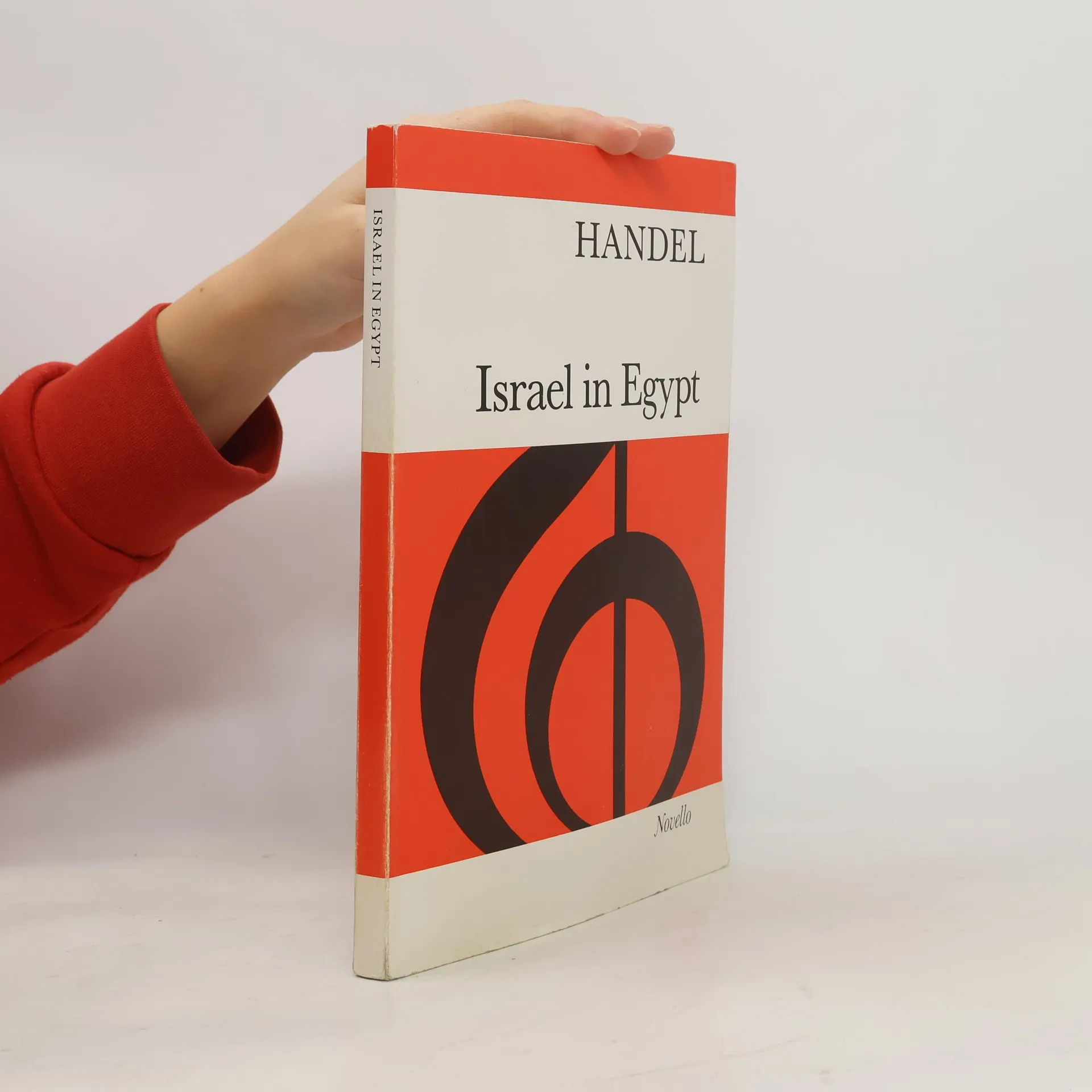
(Music Sales America). A sacred oratorio, written in 1738 arranged for SSATBB, edited, and the piano accompaniment arranged by Mendelssohn.
Songs Without Words - Romances sans Paroles - Urtext - Für Klavier / For Piano / Pour Piano
German
Op. 70: Ein Oratorium nach Worten des Alten Testaments MWV A 25, 1845-1846 - Klavierauszug deutsch/englisch
from the Breitkopf & Härtel complete works edition
From the Breitkopf & Härtel Complete Works Edition
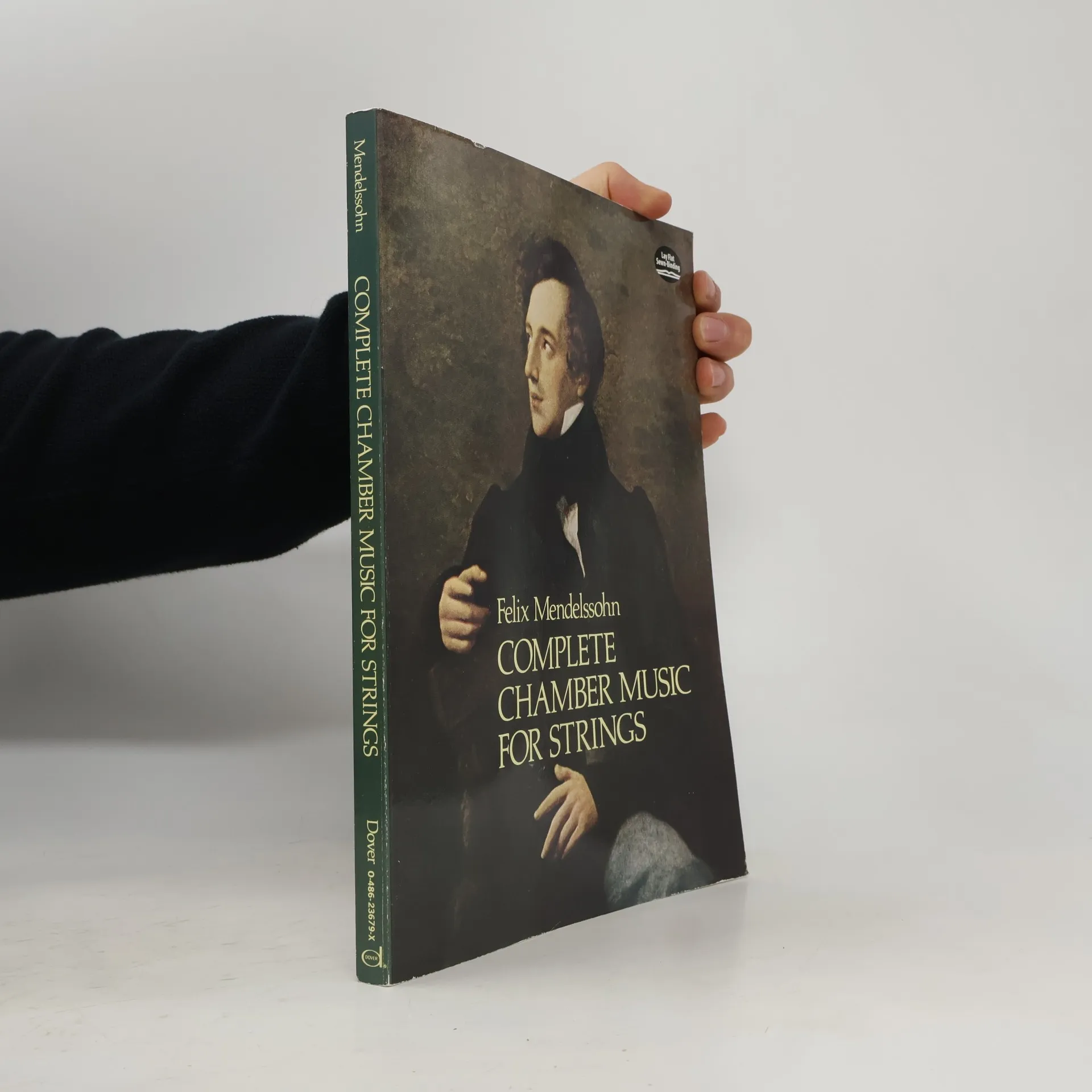
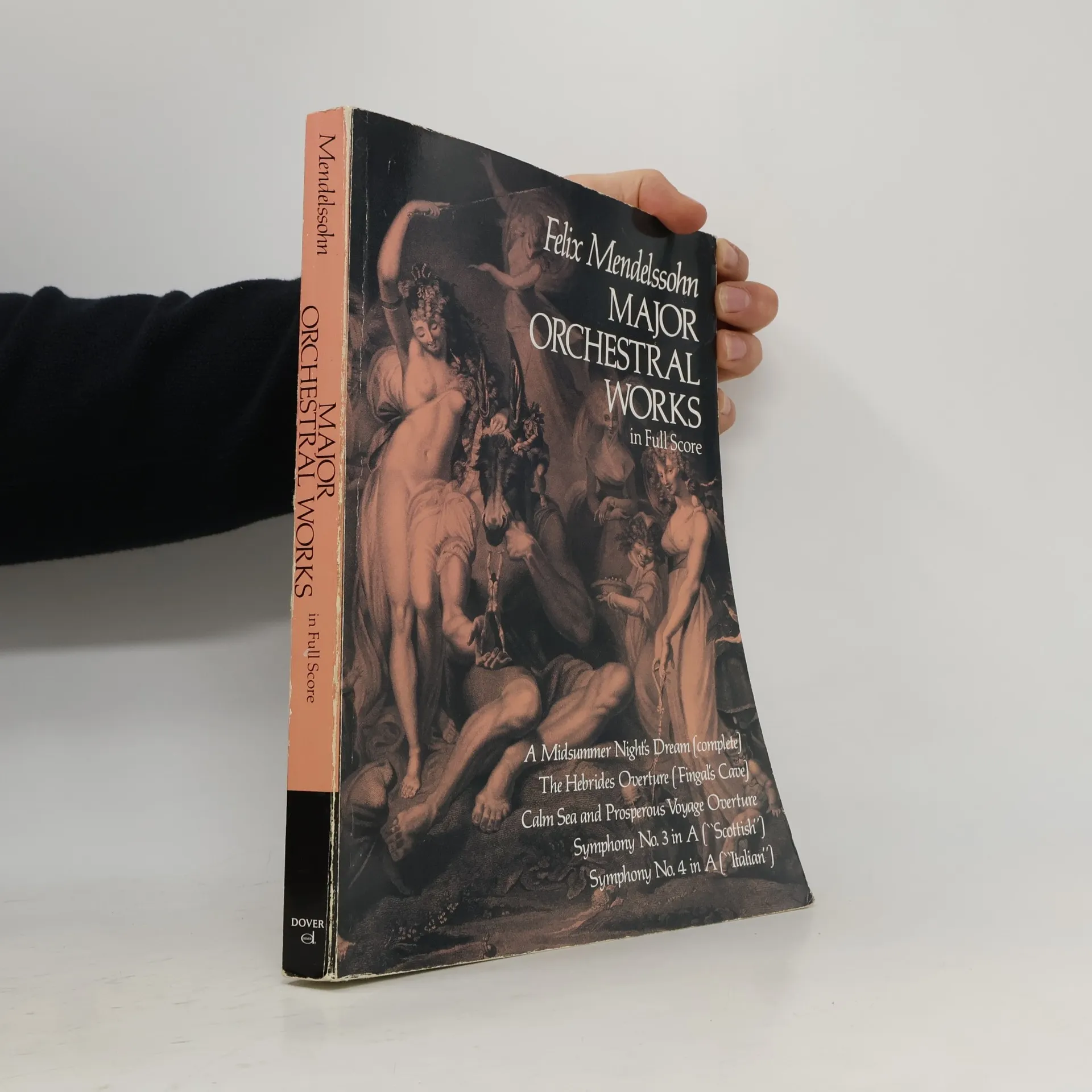
Here in one volume are all of Mendelssohn's major orchestral works in full score: the complete "Midsummer Night's Dream" Overture and Incidental Music, plus all the play cues and all the "melodramas" more than has ever been recorded; The Hebrides Overture, or Fingal's Cave, Op. 26; its pendant, the Calm Sea and Prosperous Voyage Overture, Op. 27; Symphony No. 3 in A ("Scottish"), Op. 56; and Symphony No. 4 in A ("Italian"), Op. 90. These are the most performed orchestral works and are usually considered Mendelssohn's finest. This sturdy edition has been reproduced from selected volumes of the Breitkopt & Hartel Complete Works edition, edited by Julius Rietz. Noteheads are large and clear, and wide margins and ample staves offer space for written notes, analysis, and more."
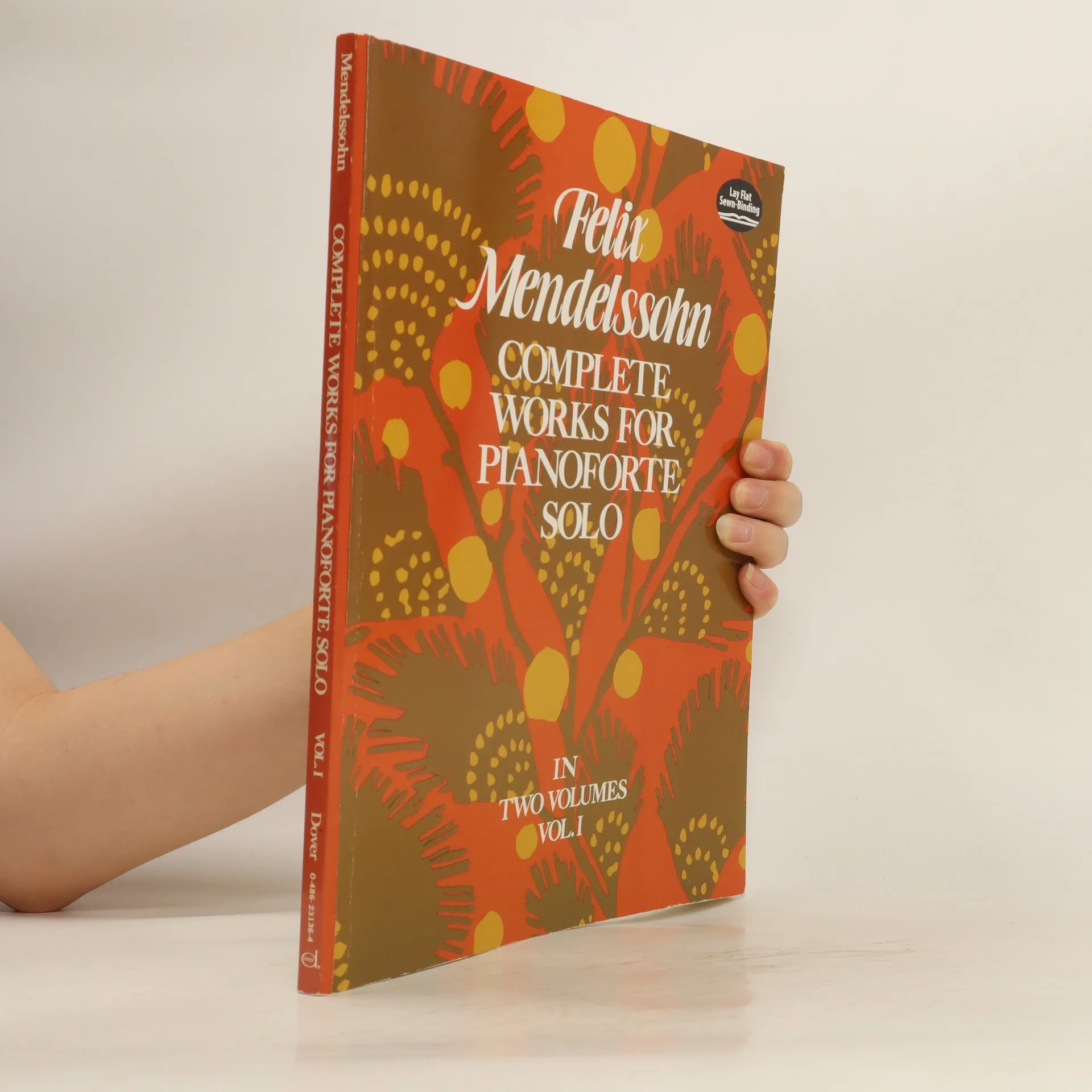
Mendelssohn's complete works for pianoforte solo are now contained in this two-volume republication of the outstanding Breitkopf & Hartel edition. Included in Volume One are: "Capriccio in F-sharp Minor" (1825), "Sonata in E Major" (1826), Seven Characteristic Pieces," "Rondo Capriccioso in E Major" (1824), "Fantasy in F-sharp Minor" (1835), "Andante cantabile e Presto agitato in B Major" (1838), "Etude in F Minor" (1836), "Scherzo in B Minor," "Gondola Song in A Major" (1837), "Scherzo a Capriccio in F-sharp Minor," "Three Caprices" (1833 1835), "Six Preludes and Fugues" (1827 1837), "Variations Serieuses in D Minor" (1841), "Six Pieces for Children" (c. 1842), "Variations in E-flat Major" (1841), and Variations in B-flat Major." Volume Two contains: "Three Predules" (1836), "Three Etudes" (1834 1838), "Sonata in G Minor" (1821), "Sonata in B-flat Major" (1827), "Album Leaf (Song Without Words) in E Minor," "Capriccio in E Major/Minor" (1837), "Perpetuum Mobile in C Major," "Prelude and Fugue in E Minor" (1827, 1841), "Two Pieces," and "Song Without Words" [48 pieces in 8 books]. Noteheads have been reproduced in a size large enough to be read easily at the keyboard. Margins and spaces between staves are generous, permitting insertion of written notes, analysis, fingerings, running measure numbers, etc. For playing, study, or just listening to records, this work will be an admirable addition to your music library. "
Reprint of the ed. published between 1874-1877 by Breitkopf & Heartel, Leipzig under title: Feur Pianoforte allein.