
Explore the latest books of this year!
Bookbot

Stephen J. Blank

    This author delves into the complex strategic issues of the post-Soviet world. Their analyses focus on a deep understanding of the dynamics and evolution of regions following the collapse of the Soviet Union. The work emphasizes strategic thought and international relations, highlighting historical context and future implications.

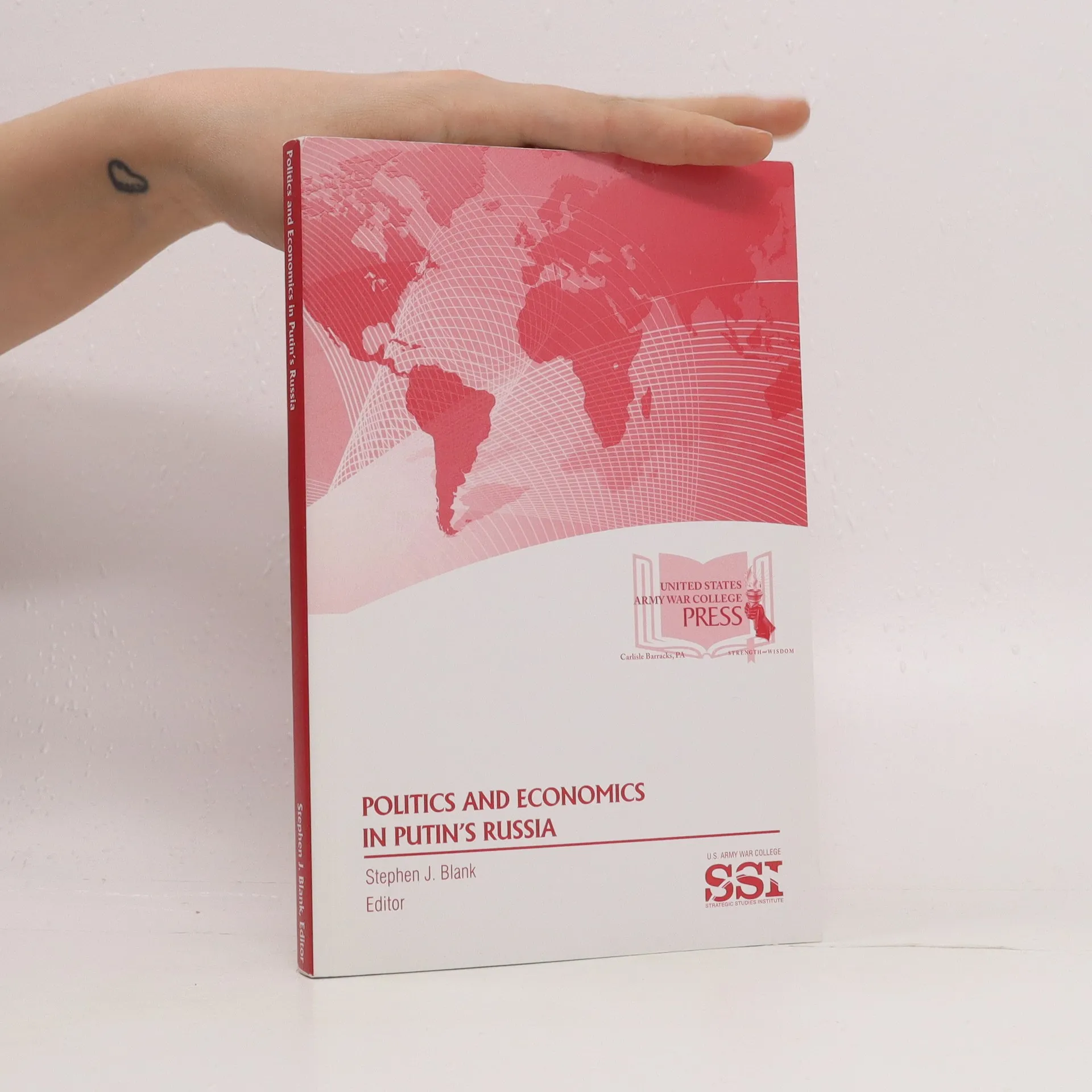
    Politics and economics in Putin's Russia
    NATO Enlargement and the Baltic States
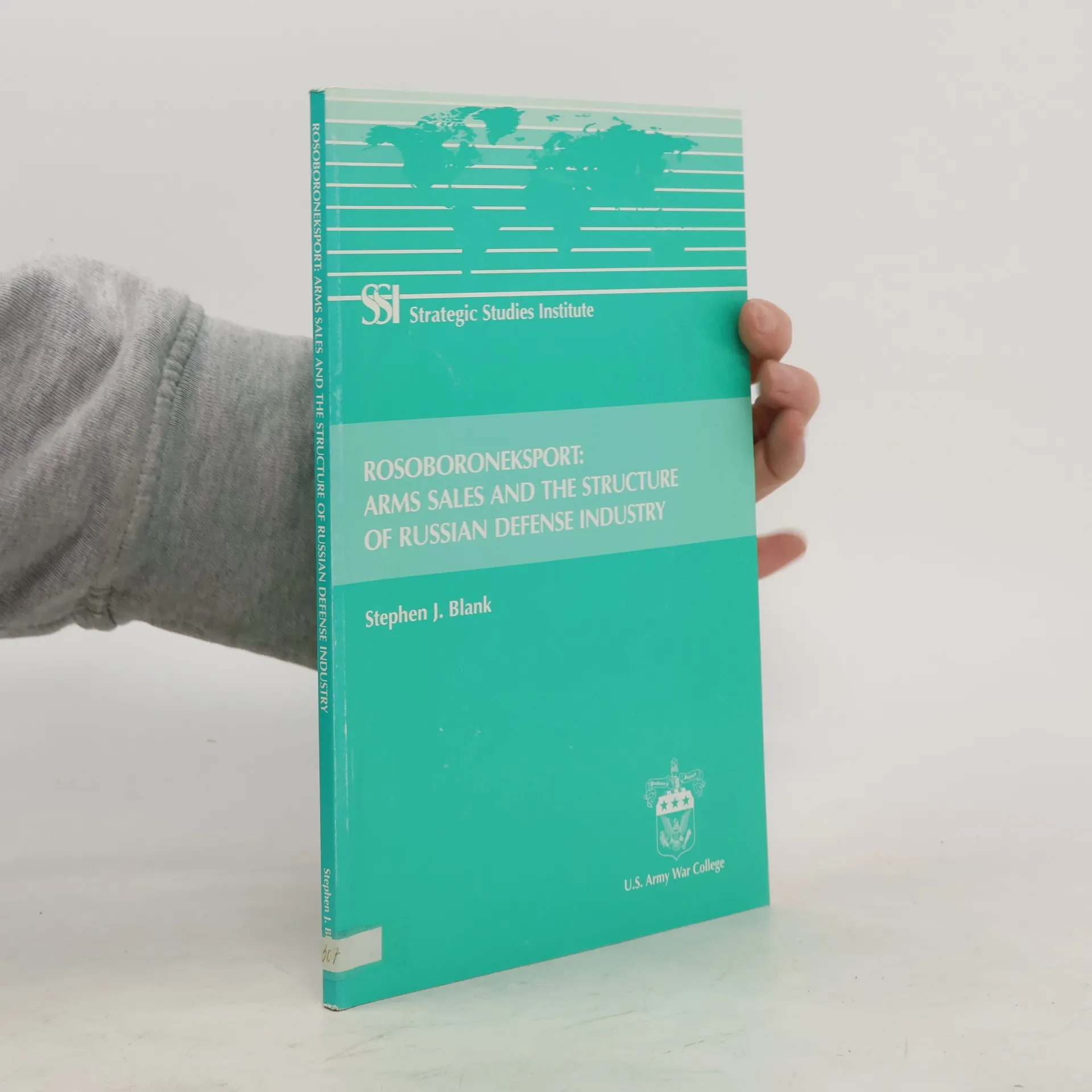
    Rosoboroneksport
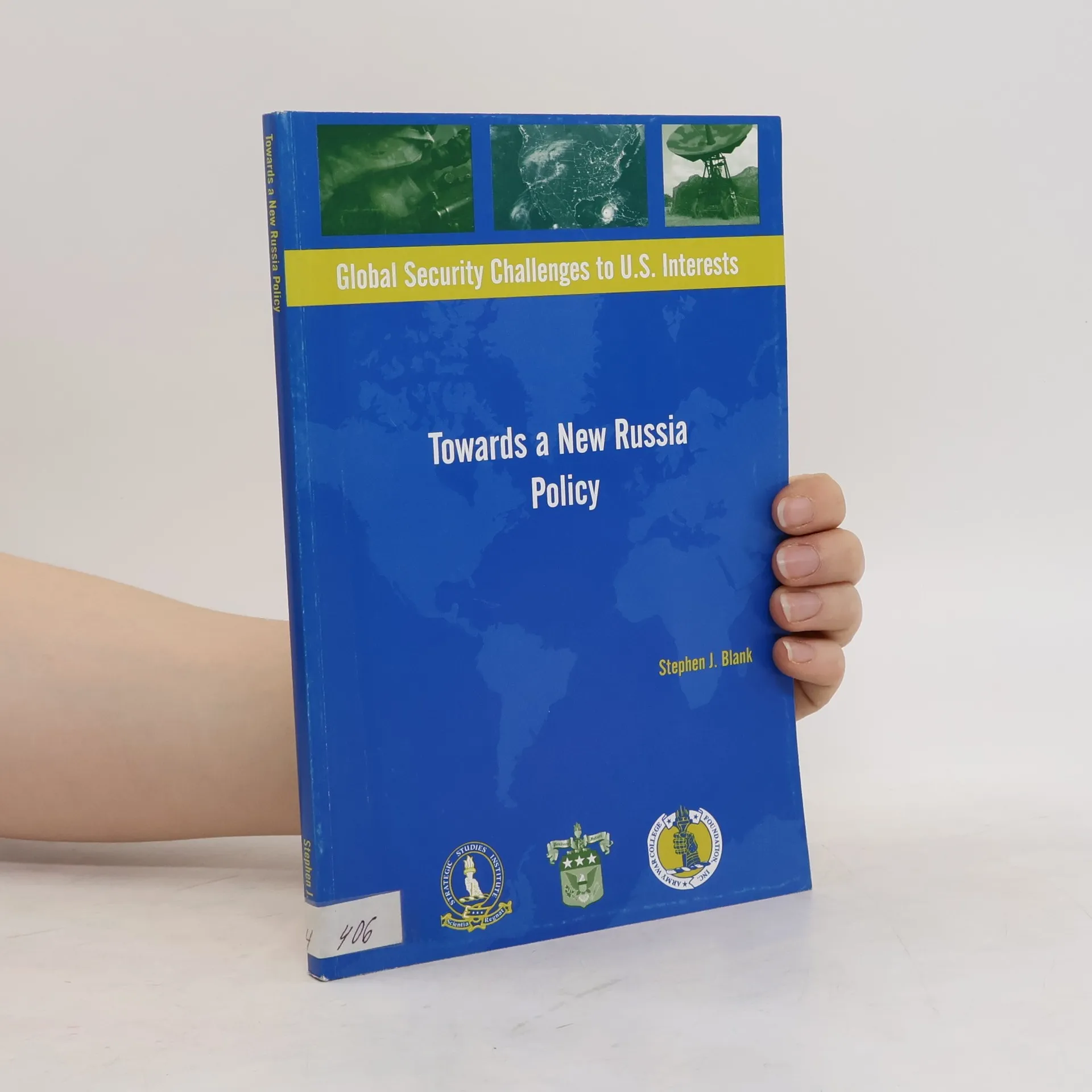
    Towards a New Russia Policy
    • Towards a New Russia Policy

      • 140 pages
      • 5 hours of reading

      It is obvious that U.S.-Russian relations and East-West relations more broadly have recently deteriorated. Yet analyses of why this is the case have often been confined to American policy. The author examines some of the key strategic issues at stake in this relationship and traces that decline to Russian factors which have been overlooked or neglected. At the same time, he has devoted considerable time to recording some of the shortcomings of U.S. policy and recommending a way out of the growing impasse confronting both sides.

      Towards a New Russia Policy
    • NATO's enlargement has brought it to the borders of the Baltic states who covet membership in NATO. However, admitting them into NATO is one of the most difficult problems for the Alliance because of Russia's unconditional opposition to such action and because of NATO's own internal divisions on this issue. Nonetheless, a new regime or system of security for the entire Baltic region must now be on the U.S. and European agenda. The key players in such a process are Russia, Germany, and the United States. Their actions will determine the limits of the possible in constructing Baltic security for the foreseeable future. Dr. Stephen Blank presents a detailed and extensive analysis of these three governments' views on Baltic and European security. Their views on regional security are materially shaped by and influence their larger views on their mutual relations and policy towards Europe. Their views also demonstrate the complexity of the issues involved in constructing Baltic, not to mention European, security. But because NATO enlargement is the most serious foreign policy and defense issue before Congress now, such an analysis can illuminate much of what is happening in the NATO enlargement process and why it has taken its current shape.

      NATO Enlargement and the Baltic States
    • Politics and economics in Putin's Russia

      • 210 pages
      • 8 hours of reading

      In one way or another, the papers included in this monograph, from the Strategic Studies Institute's annual conference on Russia in May 2012, all point to the internal pathologies that render Russian security a precarious affair at the best of times. As the editor suggests, the very fact of this precariousness makes Russia an inherently unpredictable and even potentially dangerous actor, not necessarily because it will actively attack its neighbors, though we certainly cannot exclude that possibility, but rather because Russia may come apart trying to play the role of a great power in Eurasia or elsewhere. As we all know, that outcome happened in 1917 and in 1989-91, with profound implications for international security and U.S. interests.

      Politics and economics in Putin's Russia