2020 Das Jahr, das die Welt veränderte
Der amerikanische Soziologe und Bestsellerautor über die Geschichte der Pandemie
- 528 pages
- 19 hours of reading


Eric Klinenberg is a sociologist who examines pivotal issues facing contemporary society. His work delves into the growing trend of living alone and its broader implications, scrutinizes the power and influence of media in shaping public discourse, and provides in-depth social analyses of disaster and crisis. Klinenberg combines meticulous research with sharp insight to reveal the underlying societal forces at play.



Der amerikanische Soziologe und Bestsellerautor über die Geschichte der Pandemie
How can we bring people together? In Palaces for the People the sociologist and best-selling author Eric Klinenberg presents a simple but transformative idea for health, happiness, safety and healing our divided, unequal society. Too often we take for granted and neglect our libraries, parks, markets, schools, playgrounds, gardens and communal spaces, but decades of research now shows that these places can have an extraordinary effect on our personal and collective wellbeing. Why? Because wherever people cross paths and linger, wherever we gather informally, strike up a conversation and get to know one another, relationships blossom and communities emerge - and where communities are strong, people are safer and healthier, crime drops and commerce thrives, and peace, tolerance and stability take root. Through uplifting human stories and an illuminating tour through the science of social connection, Palaces for the People shows that properly designing and maintaining this 'social infrastructure' might be our single best strategy for a more equal and united society.
At some point, everyone embarks on a quest for love, navigating dating and relationships in search of a deep connection. While this may seem standard today, it starkly contrasts with the past. Single individuals now have unprecedented romantic options, thanks to technology, which enhances our ability to connect and evaluate these choices. Yet, many experience frustration in the process. Contemporary dilemmas—like deciphering cryptic emoji texts or questioning quirky snack preferences—reflect unique challenges of our time. However, the shift in our romantic lives isn’t solely due to technology; the entire culture surrounding love has transformed dramatically. Just decades ago, people typically married young after meeting a suitable partner in their neighborhood, often with family approval. In contrast, today’s individuals marry later and spend years searching for their ideal match or soul mate. To explore these changes, Aziz Ansari collaborated with NYU sociologist Eric Klinenberg on an extensive research project. They conducted hundreds of interviews and focus groups globally, analyzed behavioral data, and created an online research forum on Reddit, gathering thousands of insights. Their work incorporates contributions from leading social scientists, resulting in a unique blend of social science and humor that sheds light on modern romance.
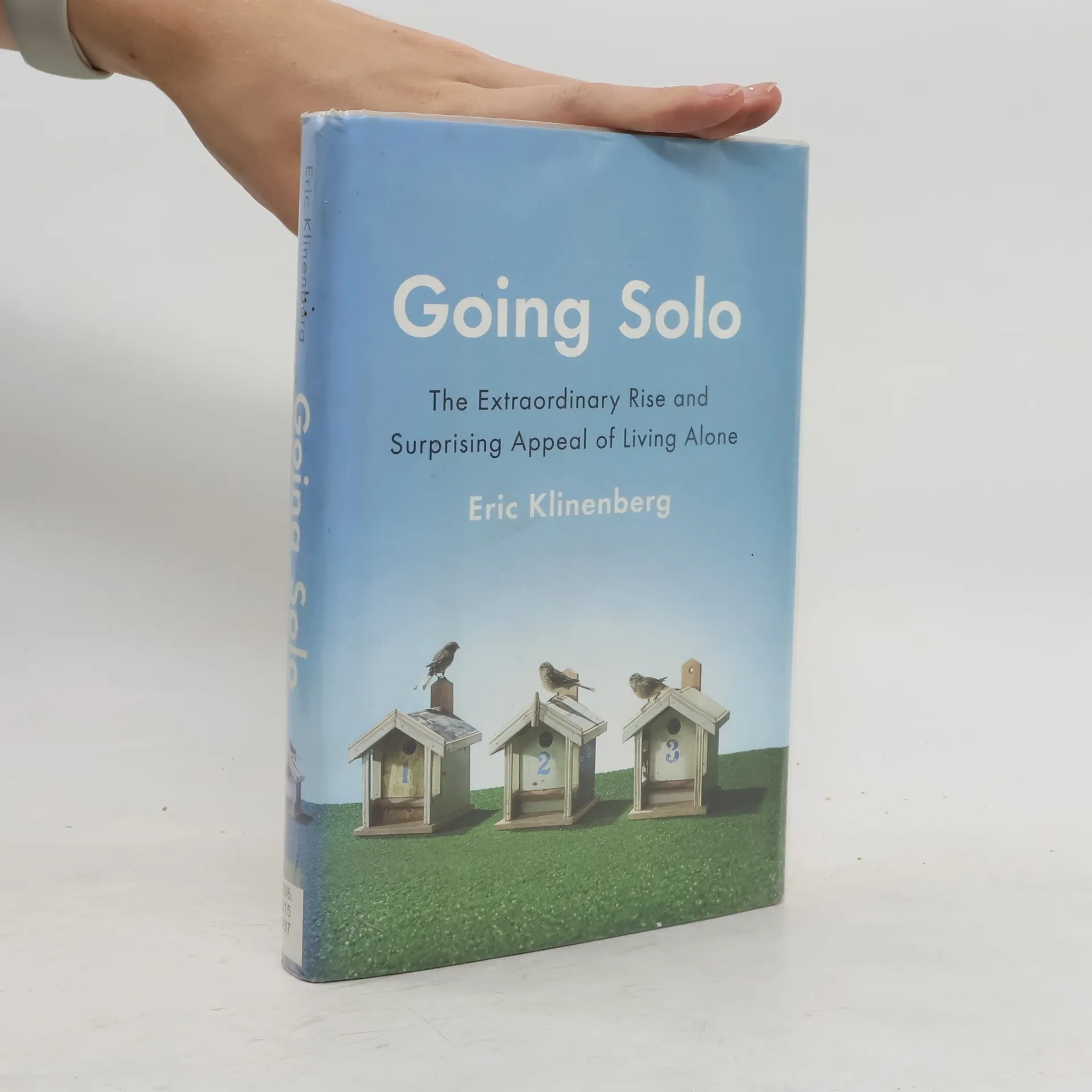
This examination reveals the significant demographic shift of increasing numbers of people living alone, offering insights into the benefits of this change. In 1950, only 22 percent of American adults were single; today, over 50 percent are, with 31 million living alone. Solo dwellers comprise 28 percent of U.S. households, outnumbering any other domestic unit, including nuclear families. Renowned sociologist Eric Klinenberg argues that these statistics reflect a profound transformation rather than a fleeting trend. He investigates the rise of solo living and its impact on culture, business, and politics. Contrary to the belief that living alone leads to loneliness, Klinenberg finds that many solo dwellers are actively engaged in social and civic life. They tend to dine out, exercise, attend cultural events, and volunteer more than their married counterparts. Moreover, those living alone often enjoy better mental health and adopt more sustainable lifestyles, favoring urban apartments over large suburban homes. Through over three hundred interviews with diverse individuals, Klinenberg concludes that this lifestyle can foster self-discovery and appreciation for good company. With compelling statistics and vivid personal stories, he challenges conventional wisdom and provides a critical assessment of how living alone is reshaping the American experience.