Mortal Questions
- 226 pages
- 8 hours of reading
Thomas Nagel's Mortal Questions explores some fundamental issues concerning the meaning, nature and value of human life.


Thomas Nagel is a distinguished American philosopher whose work delves deeply into the nature of mind, ethics, and political theory. He is renowned for his incisive critique of reductionist approaches to consciousness and for his contributions to complex moral and political frameworks. Nagel consistently probes fundamental questions of human subjectivity and moral responsibility, prompting readers to consider the essence of experience and ethical action.


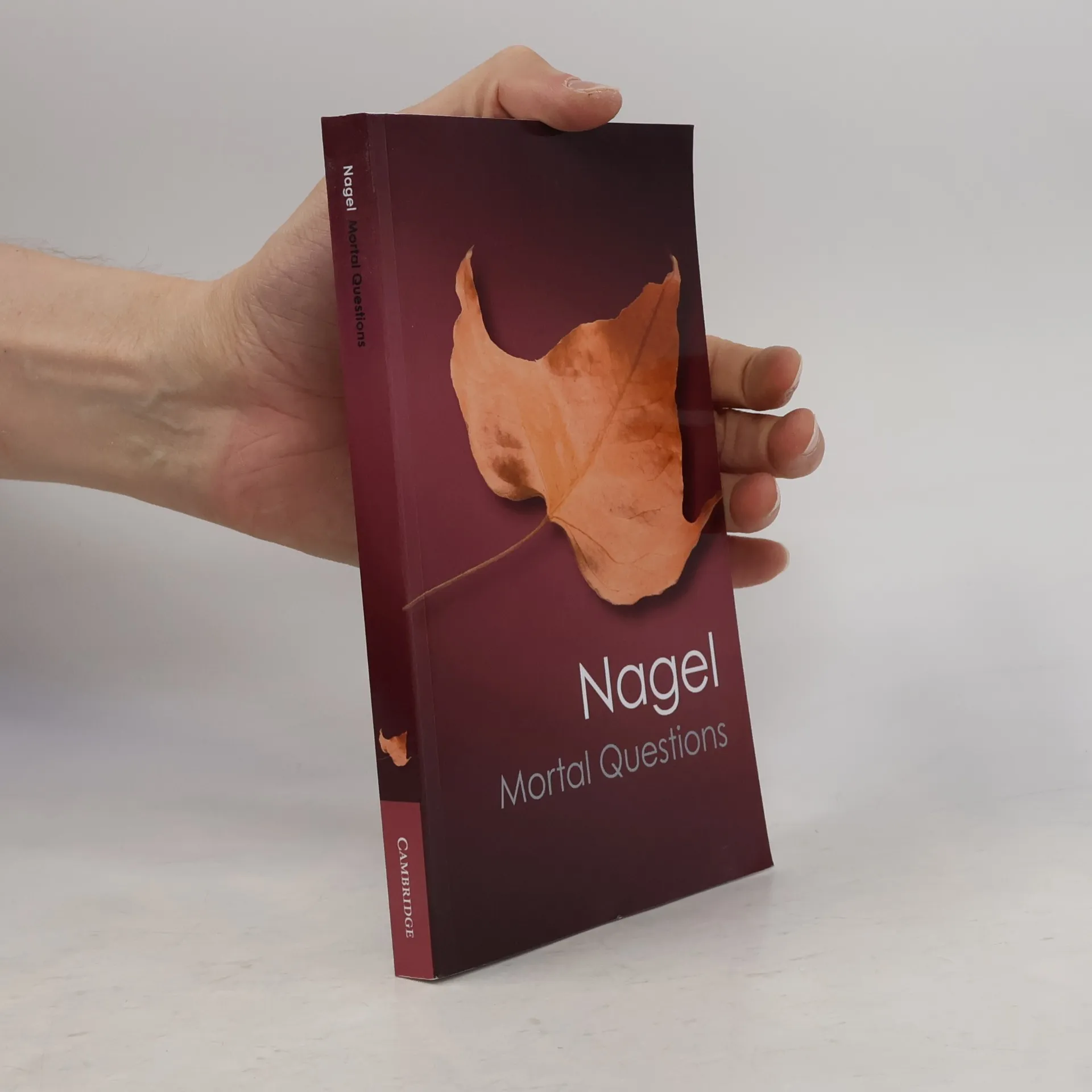
Thomas Nagel's Mortal Questions explores some fundamental issues concerning the meaning, nature and value of human life.
This volume presents two closely related essays by Thomas Nagel: "Gut Feelings and Moral Knowledge," discusses the value of intuitions in understanding human rights and argues against subjectivist and reductionist accounts of morality of the kind offered by evolutionary psychology or based on brain scans. The second essay, "Moral Reality and Moral Progress," proposes an account of the historical development of moral truth, according to which it does not share the timelessness of scientific truth. This is because moral truth must be based on reasons that are accessible to the individuals to whom they apply, and such accessibility depends on historical developments. The result is that only some advances in moral knowledge are discoveries of what has been true all along.
Exploring the irreducible subjectivity of consciousness, this classic work significantly influenced the fields of philosophy, psychology, and neuroscience. It highlights the importance of understanding consciousness in non-human animals, prompting extensive scientific inquiry into various species. The fiftieth-anniversary edition also features a second essay where Nagel presents his updated views on the mind-body problem, providing a contemporary perspective on the issues raised in the original article.
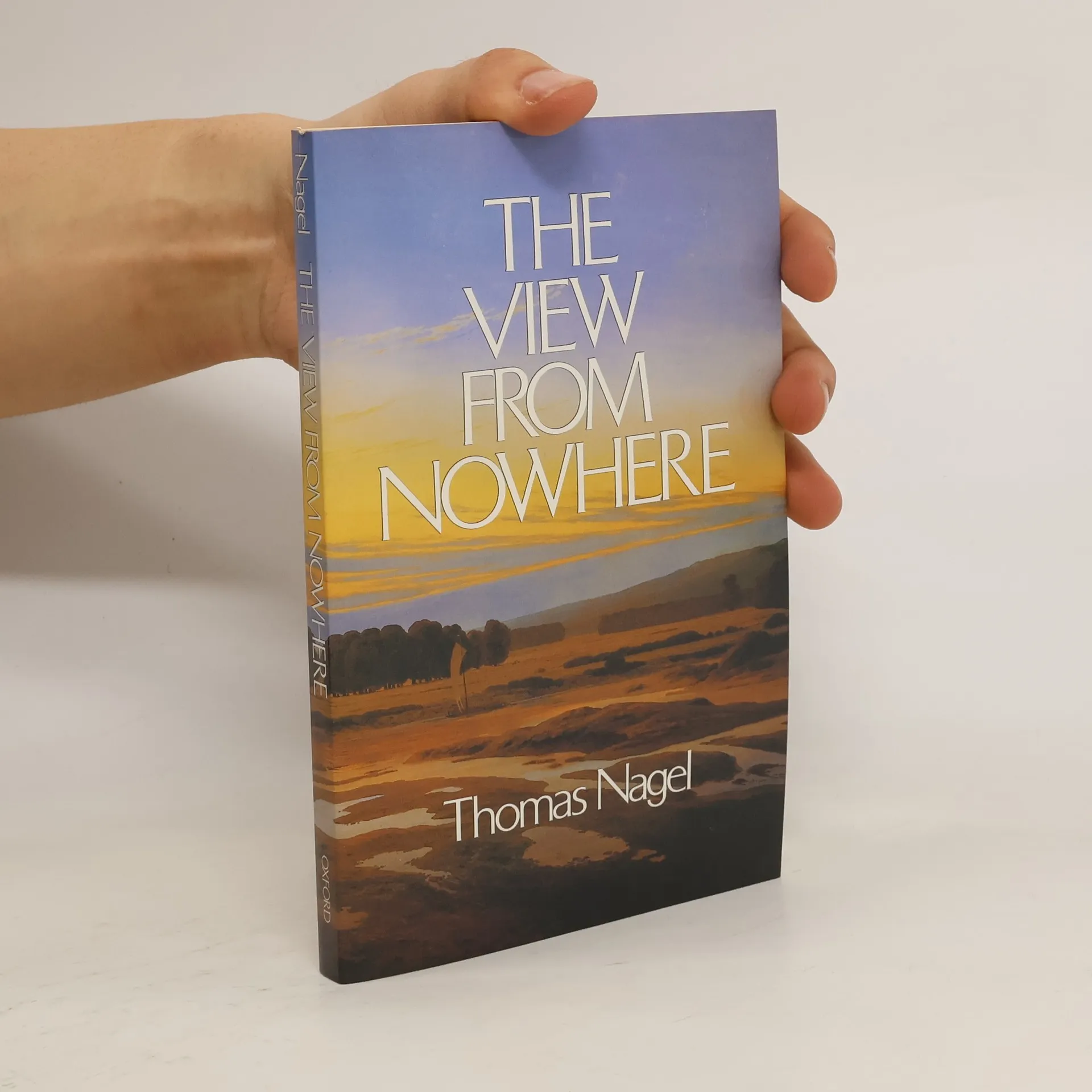
Human beings have the unique ability to view the world in a detached way, but at the same time each of us is a particular person in a particular place, each with his own "personal" view of the world. Thomas Nagel's ambitious and lively book tackles this fundamental issue, arguing that our divided nature is the root of a whole range of philosophical problems, touching every aspect of human life. He deals with its manifestations in such fields of philosophy as the mind-body problem, personal identity, knowledge and skepticism, thought and reality, free will, ethics, the relation between moral and other values, the meaning of life, and death.
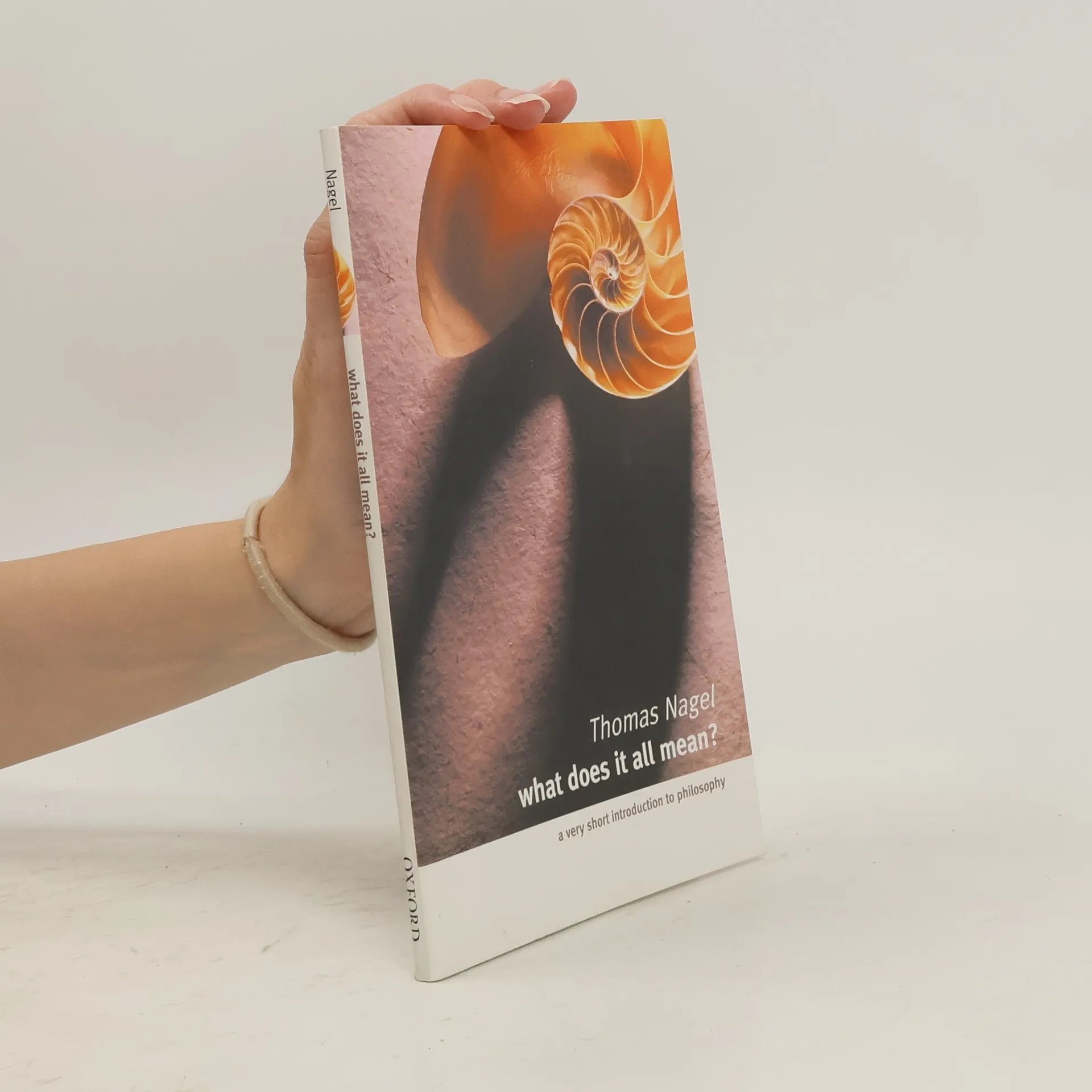
In this cogent and accessible introduction to philosophy, the distinguished author of Mortal Questions and The View From Nowhere sets forth the central problems of philosophical inquiry for the beginning student.
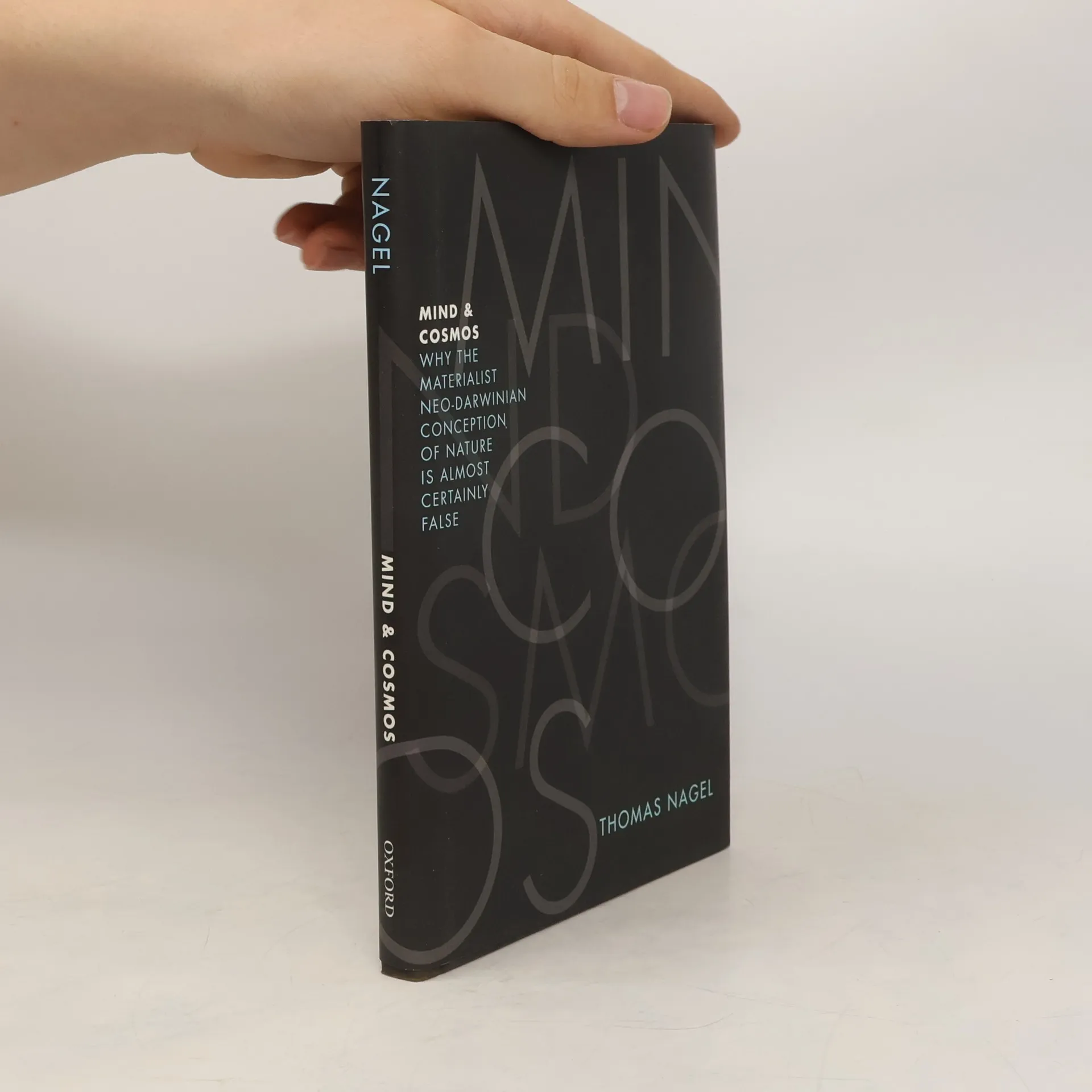
In Mind and Cosmos Thomas Nagel argues that the widely accepted world view of materialist naturalism is untenable. The mind-body problem cannot be confined to the relation between animal minds and animal bodies. If materialism cannot accommodate consciousness and other mind-related aspects of reality, then we must abandon a purely materialist understanding of nature in general, extending to biology, evolutionary theory, and cosmology. Since minds are features of biological systems that have developed through evolution, the standard materialist version of evolutionary biology is fundamentally incomplete. And the cosmological history that led to the origin of life and the coming into existence of the conditions for evolution cannot be a merely materialist history. An adequate conception of nature would have to explain the appearance in the universe of materially irreducible conscious minds, as such. No such explanation is available, and the physical sciences, including molecular biology, cannot be expected to provide one. The book explores these problems through a general treatment of the obstacles to reductionism, with more specific application to the phenomena of consciousness, cognition, and value. The conclusion is that physics cannot be the theory of everything.
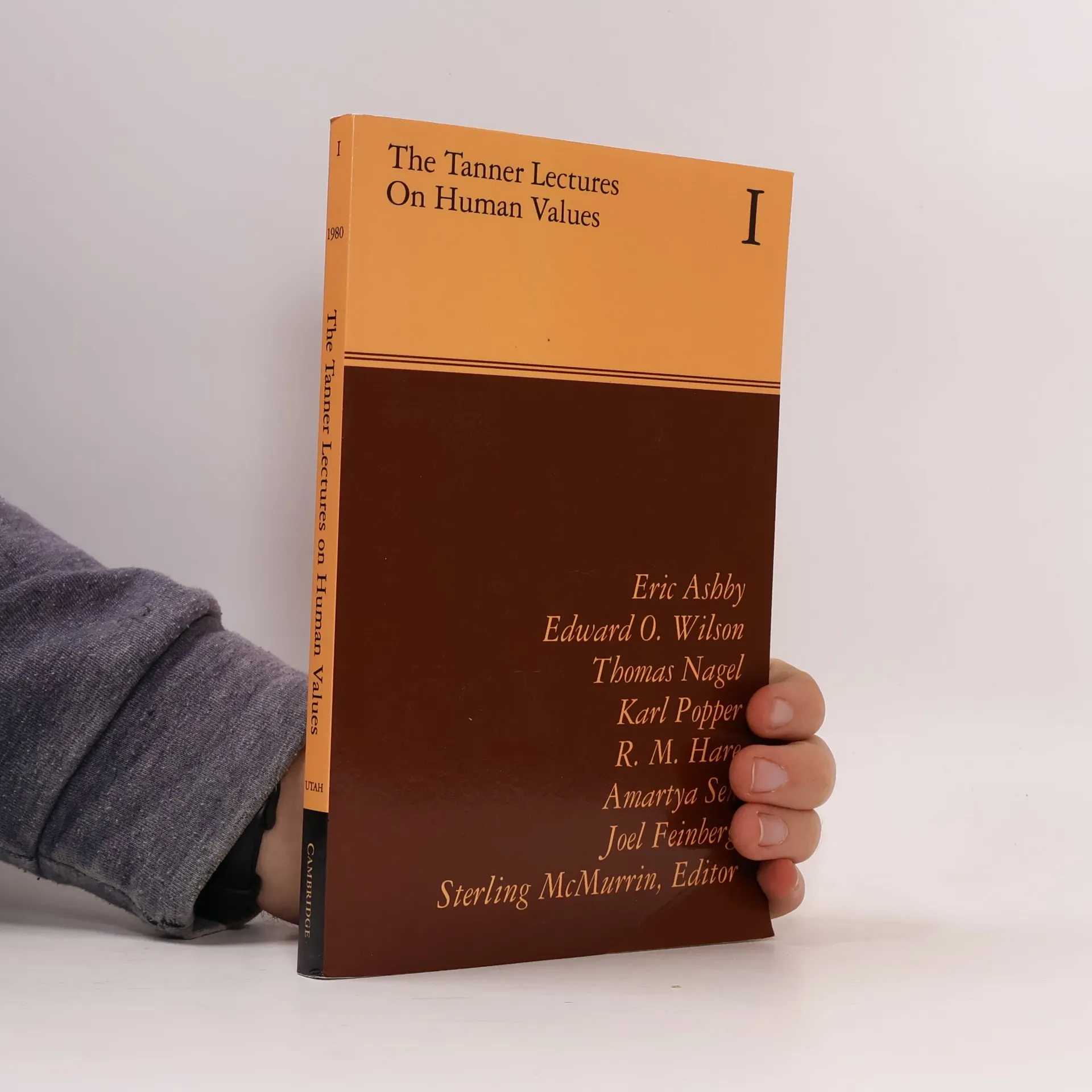
A prestigious series of lectures that are international and intercultural, and transcend ethnic, national, religious, and ideological distinctions.
Mit diesem Werk liefert Thomas Nagel, einer der einflussreichsten Philosophen englischer Sprache, eine überzeugende Verteidigung der Vernunft gegen die Angriffe des Subjektivismus. Relativistische Ansprüche im Hinblick auf Sprache, Logik, (Natur-)Wissenschaft und Ethik weist Nagel in vier Kapiteln systematisch zurück. Das »letzte Wort« in Debatten über die objektive Gültigkeit jeder Art von Denken muss in bestimmten uneingeschränkten Prinzipien liegen. »Wenn es so etwas wie Vernunft gibt, muss sie universal sein.«
Eine Abhandlung über Gleichheit und Parteilichkeit ist das Hauptwerk Thomas Nagels zur politischen Philosophie. Hervorgegangen aus seinen 1990 in Oxford gehaltenen Locke Lectures erkundet Nagel in diesem dichten Traktat den Konflikt zwischen individueller Freiheit und gesellschaftlicher Gleichheit – zwischen dem Einzelnen und dem Kollektiv. Dieser Konflikt, den er als das Grundproblem der politischen Philosophie bezeichnet, lässt sich nicht auf Systemebene lösen, denn er hat seinen Ursprung darin, dass schon jede Person zwei Standpunkte einzunehmen in der Lage ist: den persönlichen und den überpersönlichen. Diesem unhintergehbaren Dualismus Rechnung zu tragen, ist die Aufgabe jeder politischen Lehre, die die Frage beantworten will: »Wie sollen wir in einer Gesellschaft miteinander leben?« Ein Klassiker.
Drei cartesianische Meditationen des Autors von »Was bedeutet das alles?« über das Bewußtsein und das Ich, über Werte und moralische Gebote sowie über die Gründe, die uns zum Handeln motivieren können. Nagels einflußreicher Essay über Subjektivität und Objektivität, der ein zentrales Grundverhältnis klassischer Probleme der Philosophie aufweist, rundet den Band ab.
Nicht weniger als unser Denken unterliegt unser Handeln gewissen Anforderungen der Rationalität, und eine davon ist der Altruismus. Dieses Buch verteidigt eine Auffassung der Ethik und eine zugehörige Auffassung der Natur des Menschen, wonach Handlungen Auflagen der Vernünftigkeit unterliegen, ausgesprochen in gewissen zentralen Grundsätzen der Moral, die ihrerseits einer elementaren Aufforderung zum Altruismus entspringen. Der Altruismus selbst geht zurück auf eine Anerkennung der Realität anderer Personen und, gleichbedeutend damit, auf die Fähigkeit, sich selbst als lediglich ein Individuum unter einer Vielzahl anderer zu sehen.
Neues Kommunales Haushalts- und Rechnungswesen mit Kassen- und Prüfungsrecht
Die Reform des Gemeindehaushaltsrechts bringt grundlegende Neuerungen für das Haushalts-, Rechnungs-, Kassen- und Prüfungswesen in Baden-Württemberg. Dieses Fachbuch ist eine Praxishilfe und eignet sich zugleich für Lehrende und Studenten in der Aus- und Fortbildung. Die wesentlichen Punkte der Planung, des Vollzugs, des Jahres- und Gesamtabschlusses sowie der Prüfung werden aufgegriffen. Maßstab ist der Blickwinkel des Praktikers: so kurz und straff wie möglich, so viel wie für die Anwendung in der Praxis nötig. Prozessbeschreibungen, Schaubilder und Buchungssätze sichern eine anschauliche Darstellung.
Radikal, provokativ und erhellend zugleich: Nagels berühmter Essay von 1974 ist einer der am häufigsten zitierten philosophischen Aufsätze des 20. Jahrhunderts. Fledermäuse haben Erfahrungen von sich und der Welt, die uns Menschen sehr fremd sind. Diese Erfahrungen sind jedoch eine subjektive Realität, die sich nicht vollständig auf objektiv erforschbare Vorgänge in Organismus, Gehirn und Nervensystem reduzieren lässt: Letztlich geht es Nagel in seinem Text also um das sogenannte Leib-Seele- bzw. Gehirn-Psyche-Problem beim Menschen bzw. eine prinzipielle Kritik am neurowissenschaftlichen Reduktionismus. Der Übersetzer Ulrich Diehl erläutert die besondere Bedeutung und die Wirkungsgeschichte dieses philosophischen Klassikers. Sprachen: Deutsch, Englisch
Mit diesem „Taschenbuch“ legt der Autor nicht nur eine reine Übersicht der in der Augenoptik gebräuchlichen Formeln vor, sondern ergänzt diese mit Erklärungen, Zeichnungen, Tabellen und Definitionen. Dieses ist gerade für den Lernenden hilfreich, da Zusammenhänge einfacher zu begreifen sind. Beginnend mit den Formeln und zusammenhängen zu mathematischen und physikalischen Grundlagen werden die Themenbereiche Allgemeine Optik, Instrumentenkunde der Augenoptik, der Kontaktlinse, der Augenglasbestimmung und den Wettergeräten aufgezeigt. Den Abschluss bildet der Bereich zur fachbezogenen Kalkulation, der von einem Stichwortverzeichnis ergänzt wird.
Das Praxisbuch mit einem Angebot zu interaktivem Training - 1. Auflage
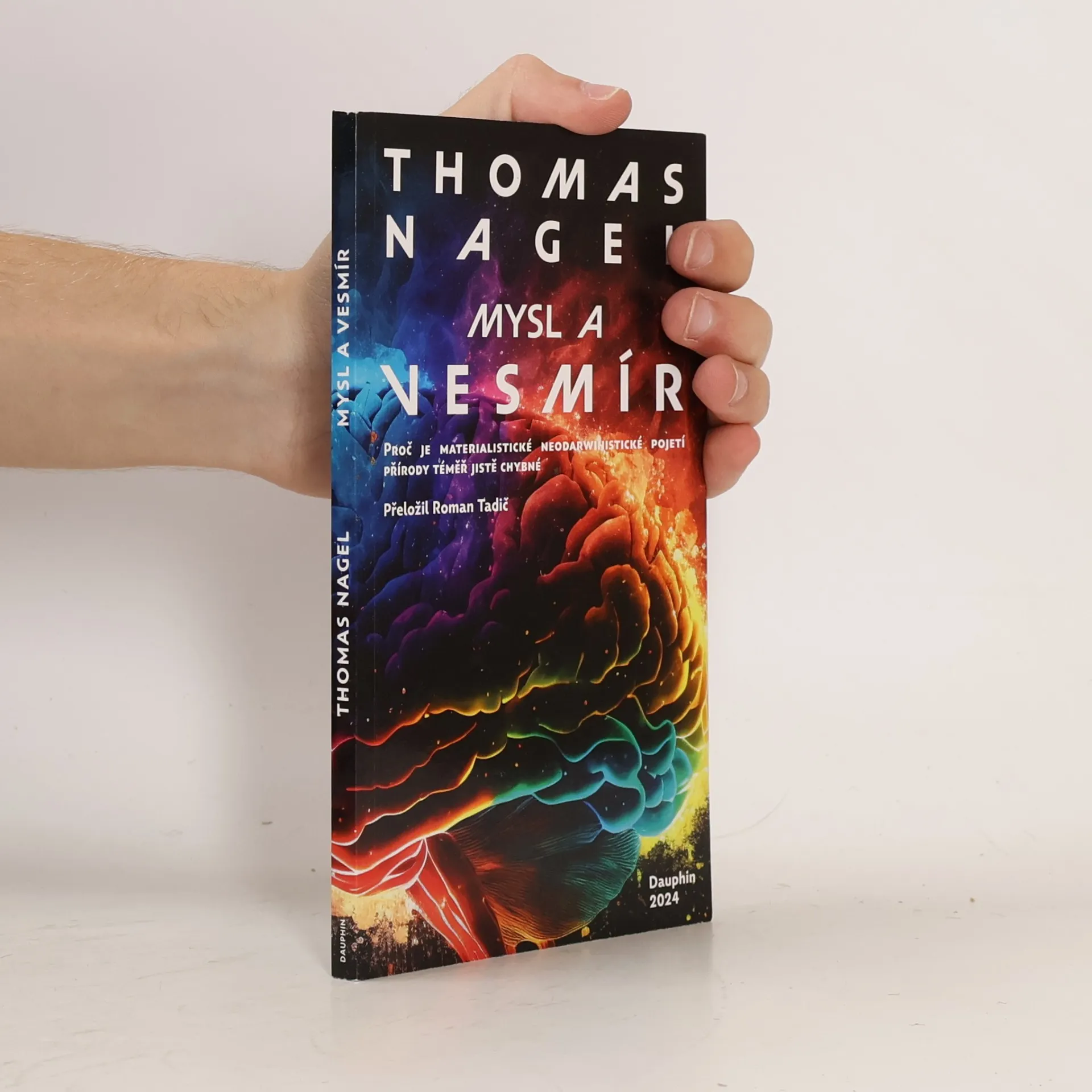
Mysl a vesmír Thomase Nagela je rešerše filosofických otázek týkajících se základního fyzikálního a biologického výzkumu lidské mysli. Nagel tvrdí, že přírodní a společenské vědy nejsou schopny vysvětlit existenci mysli a vědomí v paradigmatu, ve kterém se monetálně pohybují a tudížje třeba revidovat používané metodologie. Píše, že mysl je základním aspektem přírody a že jakákoli filosofie přírody, která ji nedokáže vysvětlit, je zásadně chybná.
Táto rozsahom malá knižka amerického profesora filozofie predstavuje úvod do filozofie pre čitateľov, ktorí sa s filozofiou stretávajú po prvý krát. Rozoberá sa v nej deväť z množstva filozofických problémov. Ide o také problémy, ako je napríklad problém poznávania, mysle, vzťahu duševného a telesného, slobodnej voľby, čo je správne a čo nesprávne, chápanie spravodlivosti, o nazeranie na zmysel života a na smrť. Popri vysokoškolských študentoch a hĺbavých stredoškolákoch, pre tých kniha bude dobrou učebnou pomôckou, môže zaujať i iných čitateľov s hlbším záujmom o abstraktné pojmy a teoretické diskusie.