Toril Moi's scholarship delves into the intricate relationship between literature and philosophy, particularly through the lenses of aesthetics and feminist theory. She explores how to read literature alongside philosophy and vice versa, ensuring neither discipline is diminished. Moi's work illuminates the distinctive voices and stylistic nuances of women writers and literary texts. Her approach offers a rigorous yet sensitive engagement with the formal and thematic dimensions of her subjects.
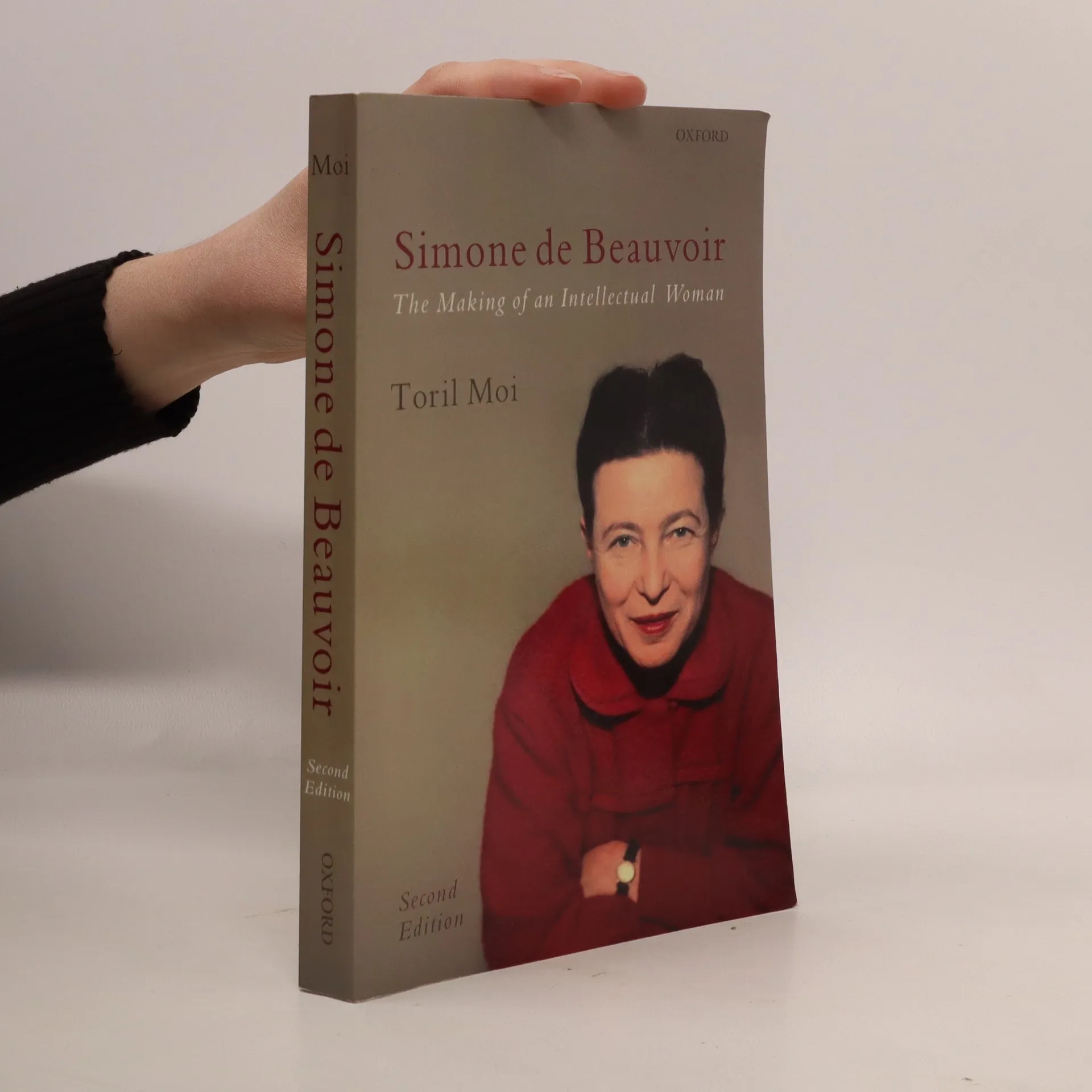
For the second edition of her landmark study of Simone de Beauvoir, Toril Moi provides a major new introduction discussing current developments in Beauvoir studies as well as the recent publication of papers and letters by Beauvoir, including her letters to her lovers Jacques-Laurent Bost and Nelson Agren, and her student diaries from 1926-7.
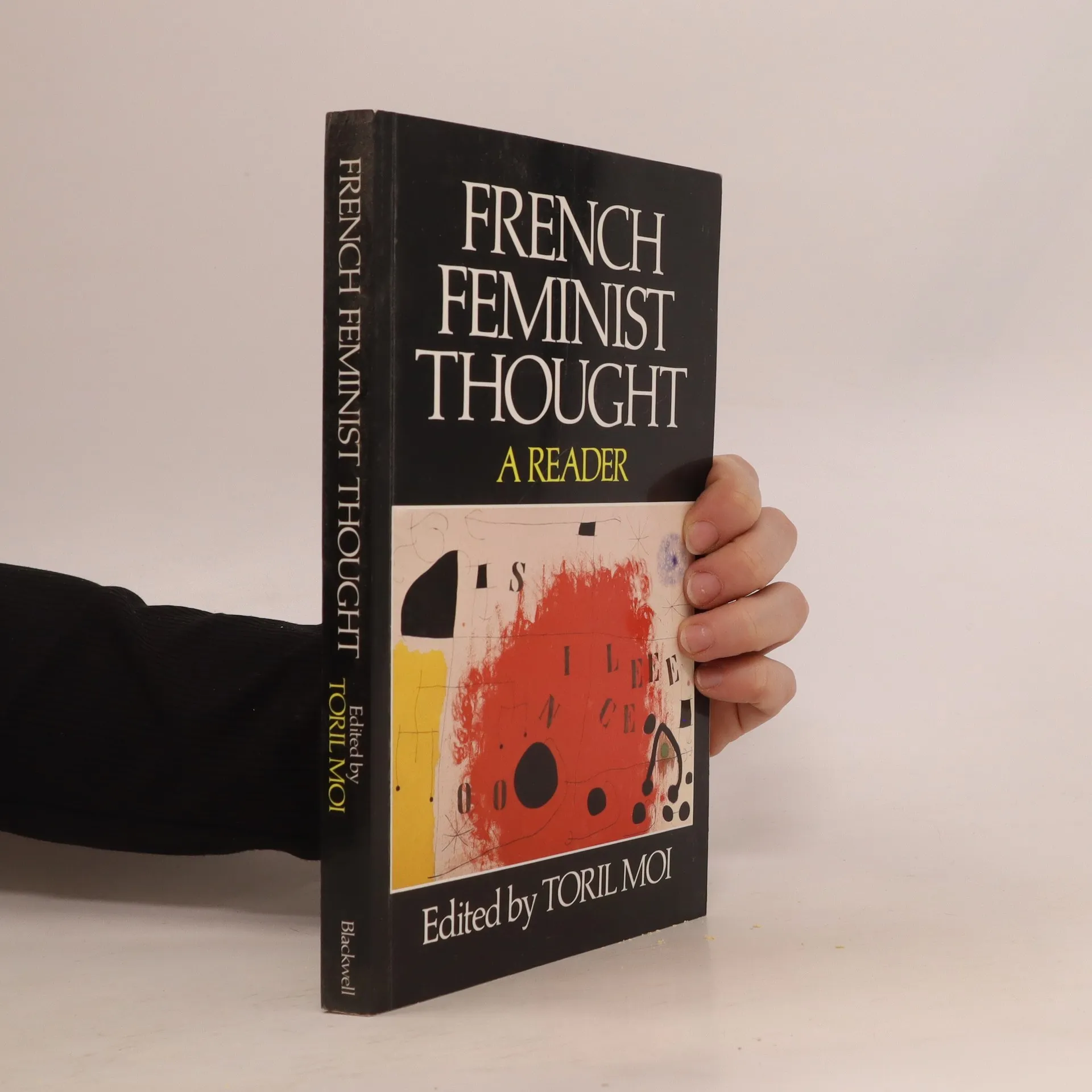
This anthology introduces the English-speaking reader to some of the major elements of recent French feminist thought. While including contributions from well-known theorists such as Luce Irigaray and Julia Kristeva, the book aims particularly to demonstrate the variety of views held by French women on the central issues of feminist politics, creativity, writing and sexual difference by providing a cross-section of texts from the women's movement, recent feminist research and intellectual debate in France. The book includes selections from the works of Simone de Beauvoir, Annie de Pisan, Anne Tristan, Christine Delphy, Arlette Farge, Elisabeth Badinter, Michele Le Doeuff, Sarah Kofman and Michele Montrelay. French Feminist Thought also presents the English-speaking reader with the new feminist approaches to male-dominated disciplines such as history, philosophy and psychoanalysis.
Julia Kristeva is a theorist and has been acclaimed for her work in
linguistics, psychoanalysis, literary and political theory. This is an
introduction to her work in English, containing a range of essays from all
phases of her career.
'Moi's detailed and critical discussion of the two main strands in feminist criticism Anglo-American and French] provides us with a basis for advancing the political and theoretical orientation of feminst theory.' - Mahnaz Koosha Mohseni