

Erben compiled and wrote A Bouquet based on his studies of Slavic folktales and folk songs. First published in 1853, it is dotted with murder and mayhem : graves opening and the dead walking the earth, the animate becoming the inanimate and vice versa, ogres and monsters of lake and wood, human transformations reminiscent of Ovid's Metamorphoses. Written as ballads, Marcela Sulak's new translation perfectly captures the cadence and rhythm in an English that is fresh and energetic. Through the years A Bouquet has come to be regarded as a masterpiece and wellspring of inspiration to artists of all stripes, including Antonín Dvořák, who composed a series of symphonic poems to some of these tales. Of the many illustrators who have contributed to the various editions that have appeared over the past century and a half, Alén Diviš's artwork is generally considered the most powerful. This edition also includes Erben's own notes explaining the origins of many of these tales.
Didier Debord Books
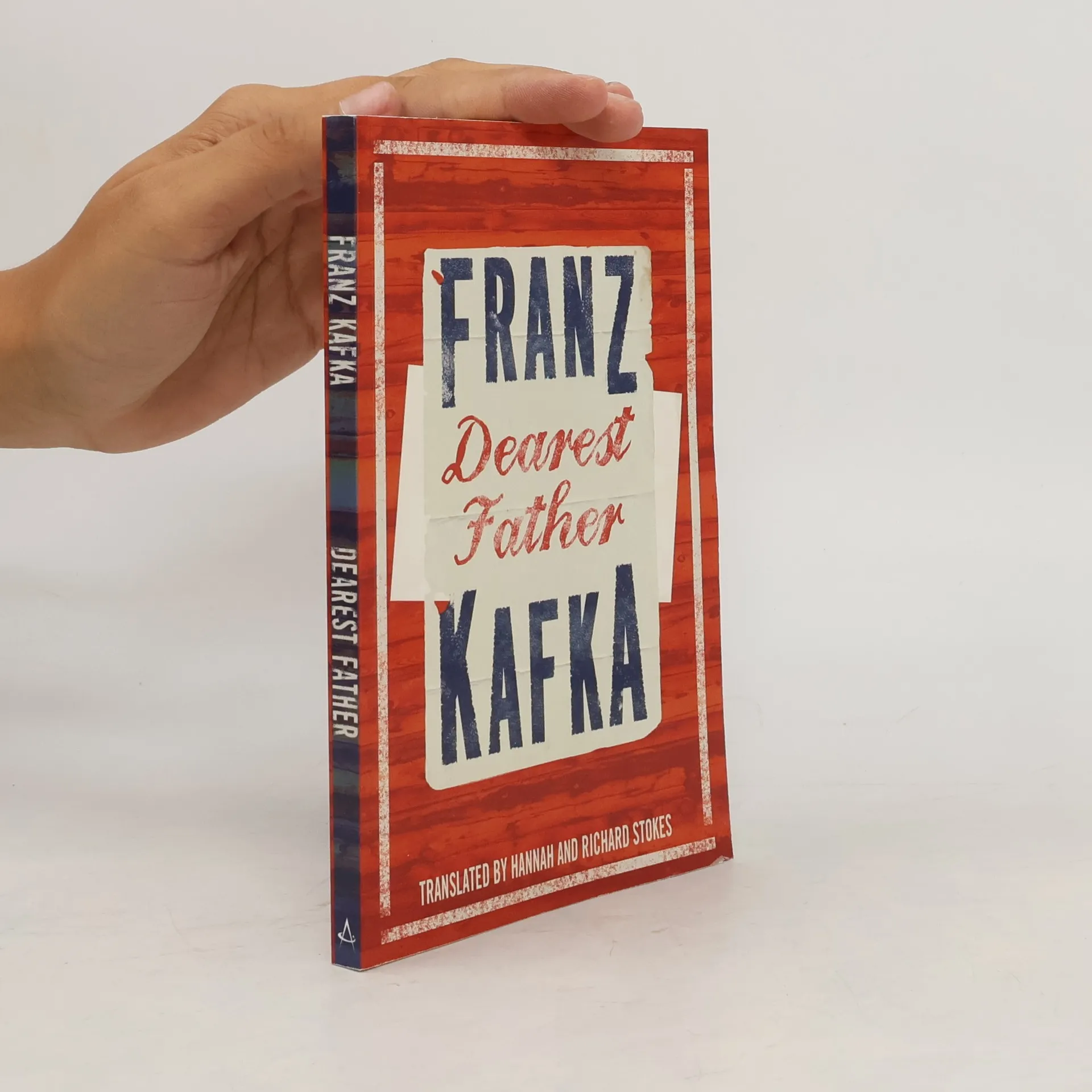
Dearest Father
- 128 pages
- 5 hours of reading
Conflict between father and son is one of the oldest themes in literature, and in this open letter to his father - a letter which was never sent - Kafka tries to come to terms with one of the most deeply rooted obsessions of his troubled soul. Written as a long, tense and dramatic confession in which writer and man are gathered together in front of an ambivalent figure of authority, Dearest Father is a desperate attempt to retrace the origins of a turbulent and highly conflicted relationship between an unflinching parent and an extremely sensitive child. Both a merciless indictment of his father and an impassioned appeal to him, Kafka's inspired work is one of the most lucid and touching psychological documents of the twentieth century.