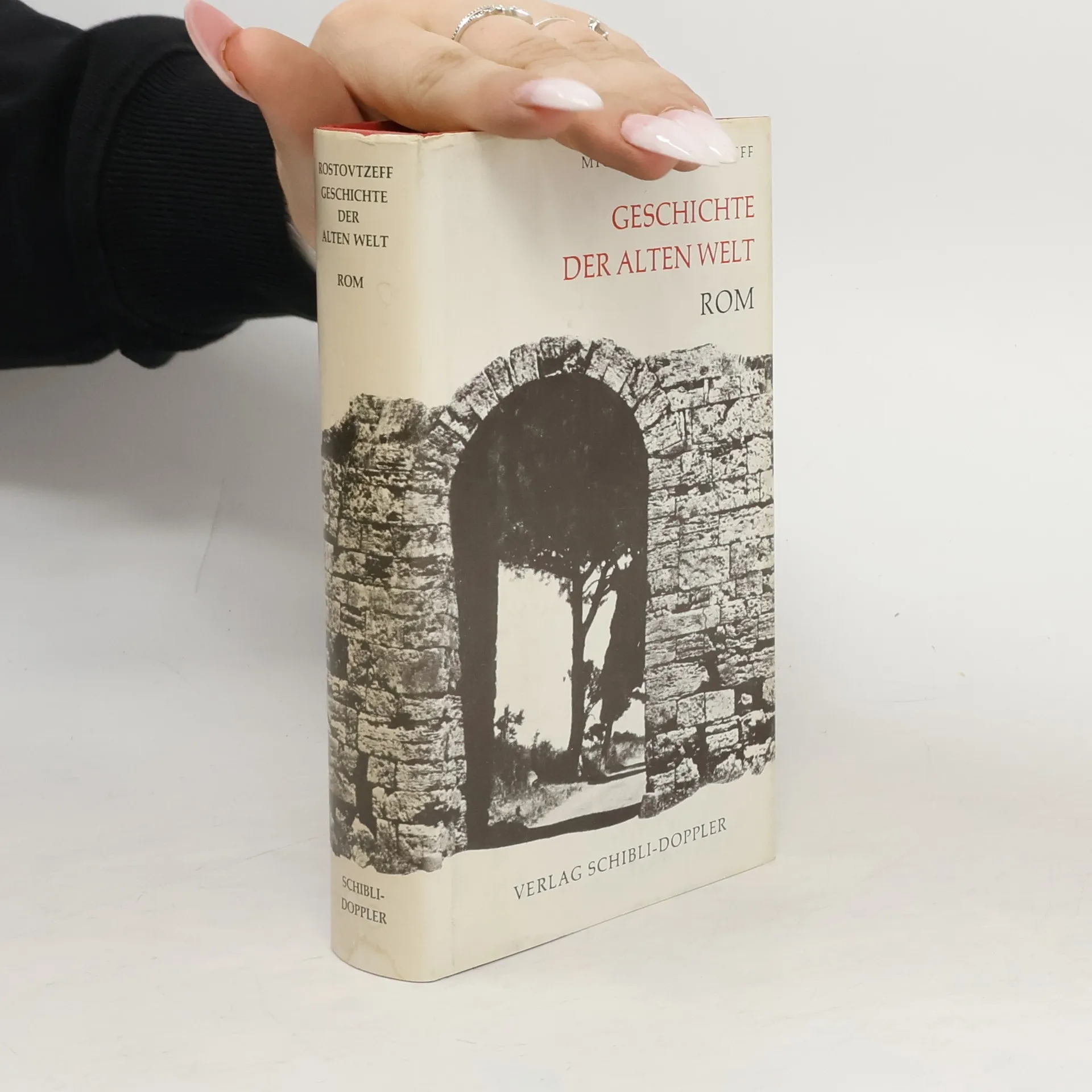
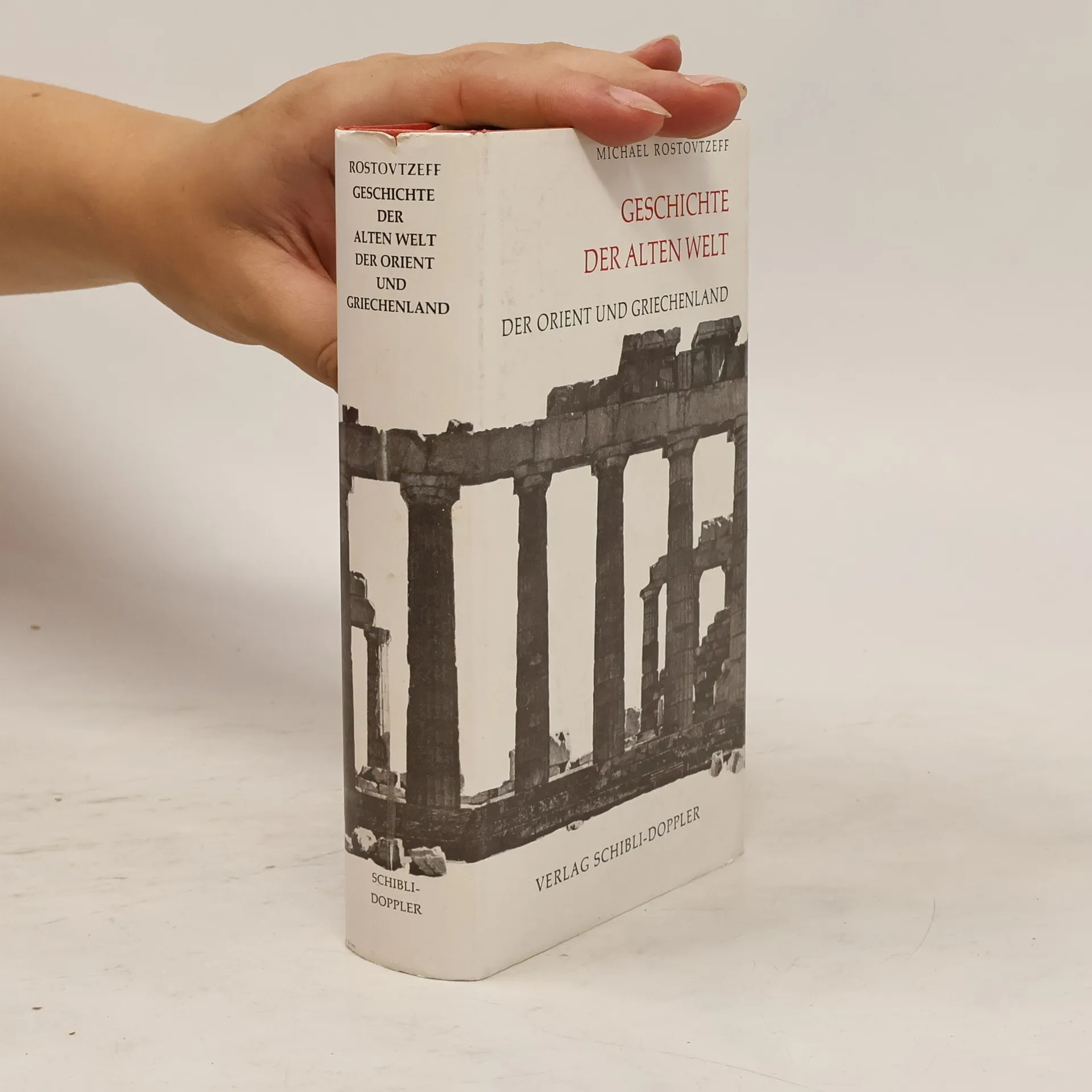
Michael Rostovtzeff Book order (chronological)
This historian focused on ancient Greek and Roman history, with his work profoundly shaped by personal experiences with revolution. He explored the social and economic causes behind the Roman Empire's collapse, uniquely merging archaeological evidence with literary sources. His analyses, though sometimes controversial, offered a fresh perspective on the ancient world. He is considered the last of the great 19th-century ancient historians.


Die Epoche von 323 bis 30 v. Chr., die wir „Hellenismus“ nennen, war eine Zeit der politischen Umbrüche, aber auch der wirtschaftlichen und kulturellen Hochblüte. In der Nachfolge Alexanders des Großen bildete sich im griechischen Osten ein neues Staatensystem heraus, das weit in den Westen ausstrahlte. Der Aufstieg der Diadochenreiche hatte einen ungeahnten wirtschaftlichen Aufschwung zur Folge und ließ ein intensives geistiges und kulturelles Leben erblühen. Unter Roms Vorherrschaft gelang schließlich eine engere Verbindung derdamaligen Kulturwelt. Das 1941 erschienene Werk des Historikers Michael Rostovtzeff schildert in profunder Kenntnis der literarischen und archäologischen Zeugnisse das soziale und wirtschaftliche Leben dieses spannenden Zeitalters. Die ungekürzte zweibändige Studienausgabe dieses klassischen Standardwerks enthält zahlreiche neue Abbildungen. Die Einleitung von Heinz Heinen würdigt die Bedeutung des großen russischen Historikers für die Altertumswissenschaft.
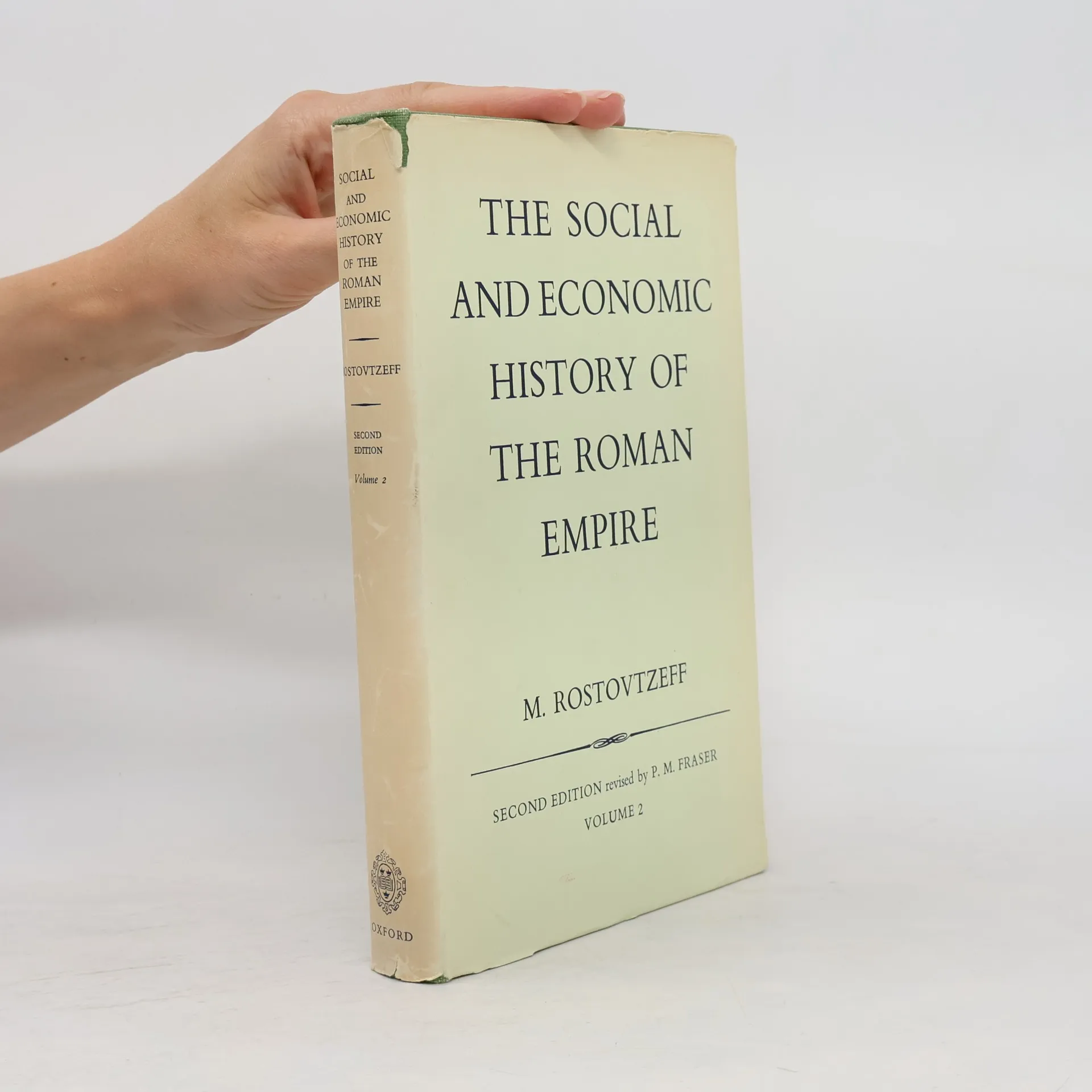
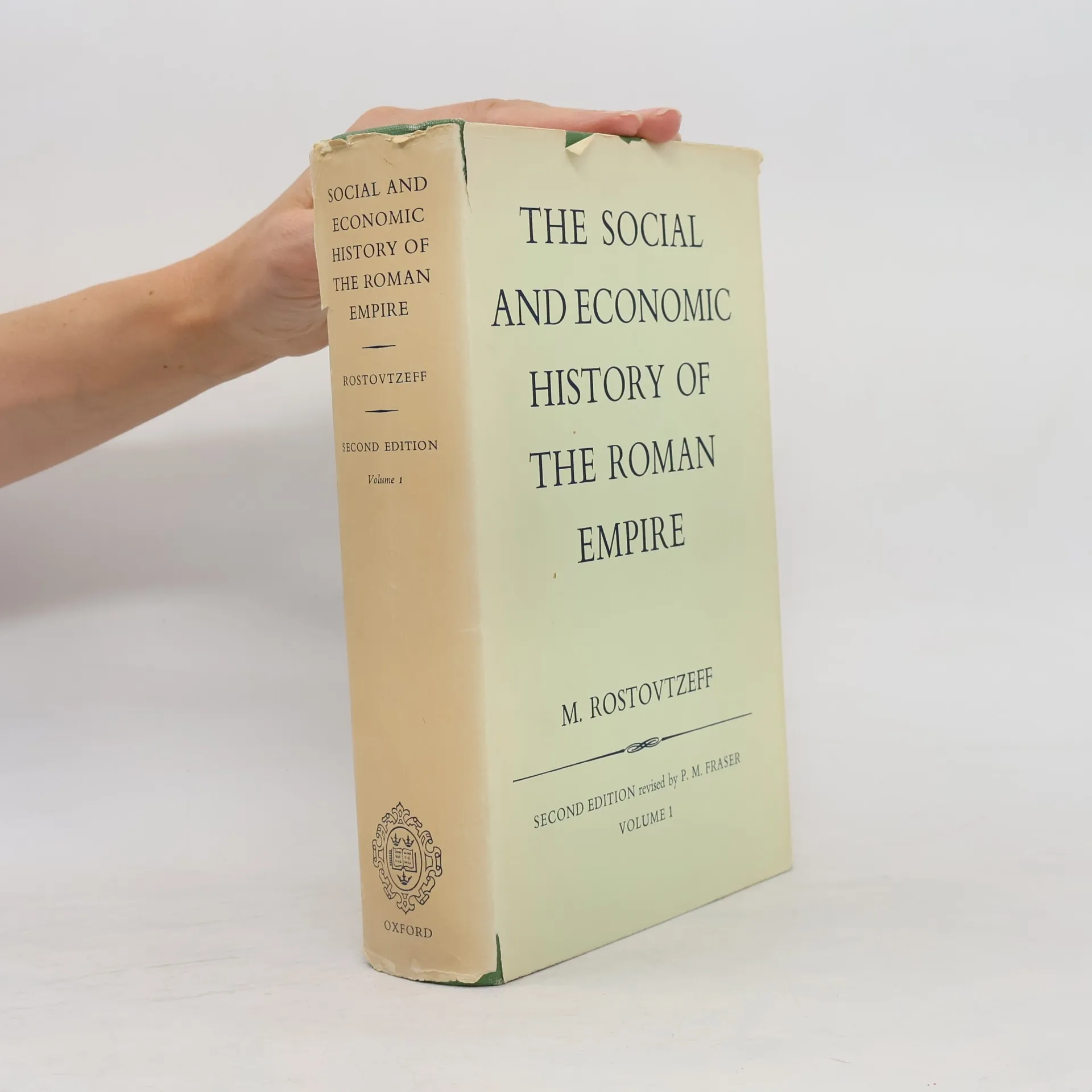
Oxford University Press Academic Monograph Reprints - 1: The Social & Economic History of the Roman Empire
Second Edition Revised by P. M. Fraser
- 890 pages
- 32 hours of reading
The Social & Economic History of the Roman Empire
Second Edition Revised by P. M. Fraser
- 890 pages
- 32 hours of reading
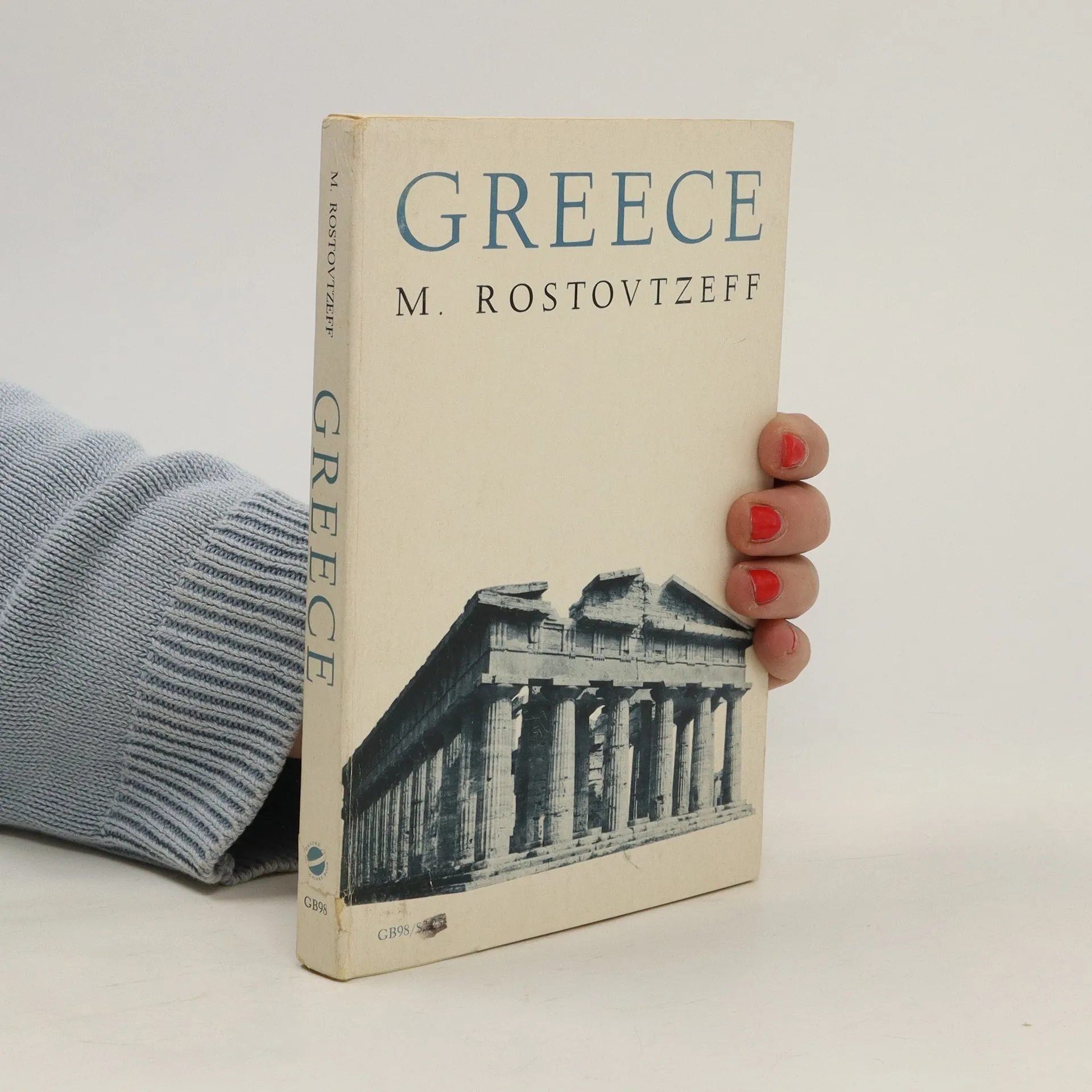
Greece
- 352 pages
- 13 hours of reading
Greece is a companion volume to the paperback edition of Rome, & with it comprises the greater part of Rostovzeff's major work, A History of the Ancient World. From the appearance of prehistoric Aegean settlements, thru the rise of the city states, to the diffusion of Hellenistic culture after the conquests of Alexander, Greek history is recounted & set in the larger perspective of ancient Mediterranean civilization. Told from the point of view of historian, archeologist & connoisseur, Greece isn't only an exact study but also an appreciation of that civilization which "still lives, as the foundation of all the chief manifestations of modern culture." For this paperback edition, Elias J. Bickerman has completed a new comprehensive bibliography & emended the text & chronology in accordance with contemporary research. The maps have been redrawn to conform with recent scholarship. The 37 plates include photographs of newly discovered material as well as many illustrations retained from the original edition.
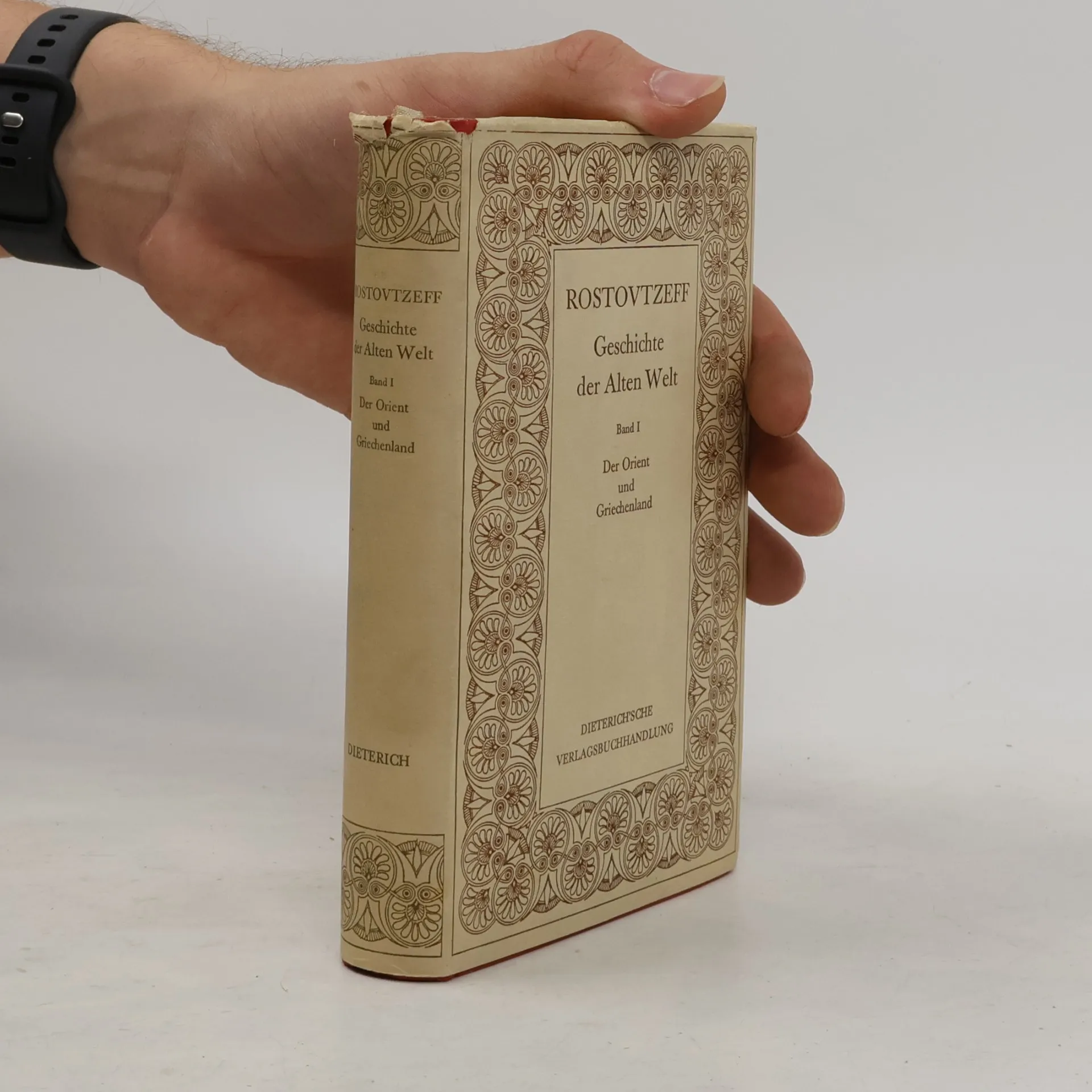
Dieses monumentale Buch, erstmals 1927 veröffentlicht, ist brillant geschrieben und hat sich trotz neuer Entdeckungen und Forschungen bewährt. Rostovtzeffs Erzählung beginnt im vierten Jahrhundert v. Chr. und endet mit der sozialen und politischen Katastrophe des dritten Jahrhunderts. Dazwischen untersucht er nicht nur die politischen und militärischen Ereignisse dieser Jahrhunderte, sondern auch das soziale und wirtschaftliche Milieu, die Persönlichkeiten und die Einzelheiten des täglichen Lebens.
Die hellenistische Welt
Gesellschaft und Wirtschaft. Band I