

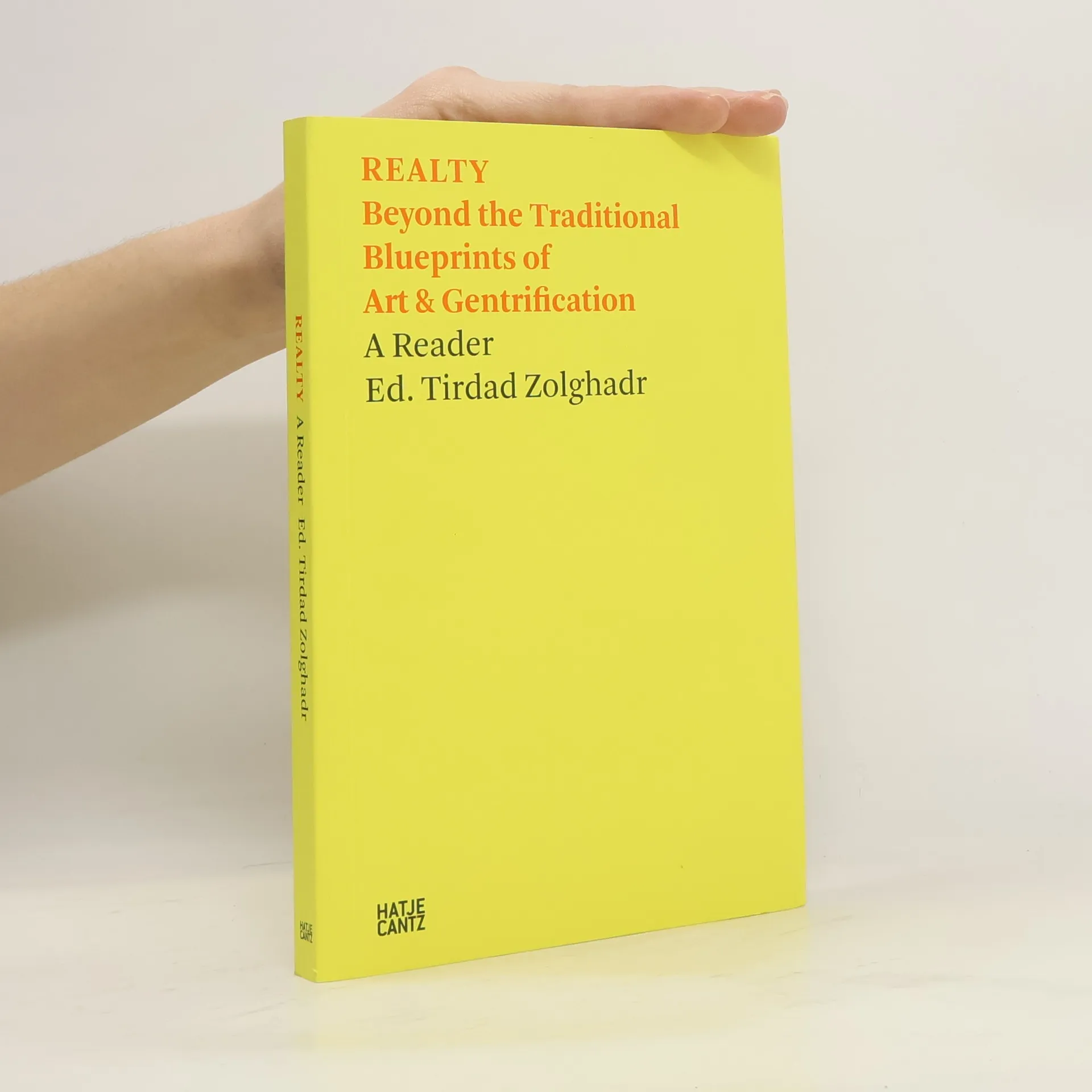
How to transcend land grab economies, even by means of art? The reader REALTY moves from the safety of critique to the vulgarity of suggestions. The pandemic?s effect on mobility presents a historic opportunity. Rarely has criticism of our extractive artworld logic of one-place-after-another been louder. REALTY is a long-term curatorial program by Tirdad Zolghadr (*1973), initially commissioned by the KW Institute for Contemporary Art. With the help of numerous artists and experts who contributed over 2017?2020, this reader revisits how contemporary art can contribute to decisive conversations on urbanism.00TIRDAD ZOLGHADR (*1973) is a curator and writer. He is currently artistic director of the Sommerakademie Paul Klee. Curatorial work over the last two decades includes biennial settings as well as long-term, research-driven efforts, most recently as associate curator at KW Institute for Contemporary Art Berlin, 2016-20
Thomas Keenan Books
This author examines ethical and political challenges through literary analysis, focusing on how humanity confronts them. His work often delves into the aberrations and predicaments found within ethics and politics. He utilizes his profound insight into literature and human rights to illuminate complex contemporary issues. His writing prompts reflection on responsibility in the modern world.

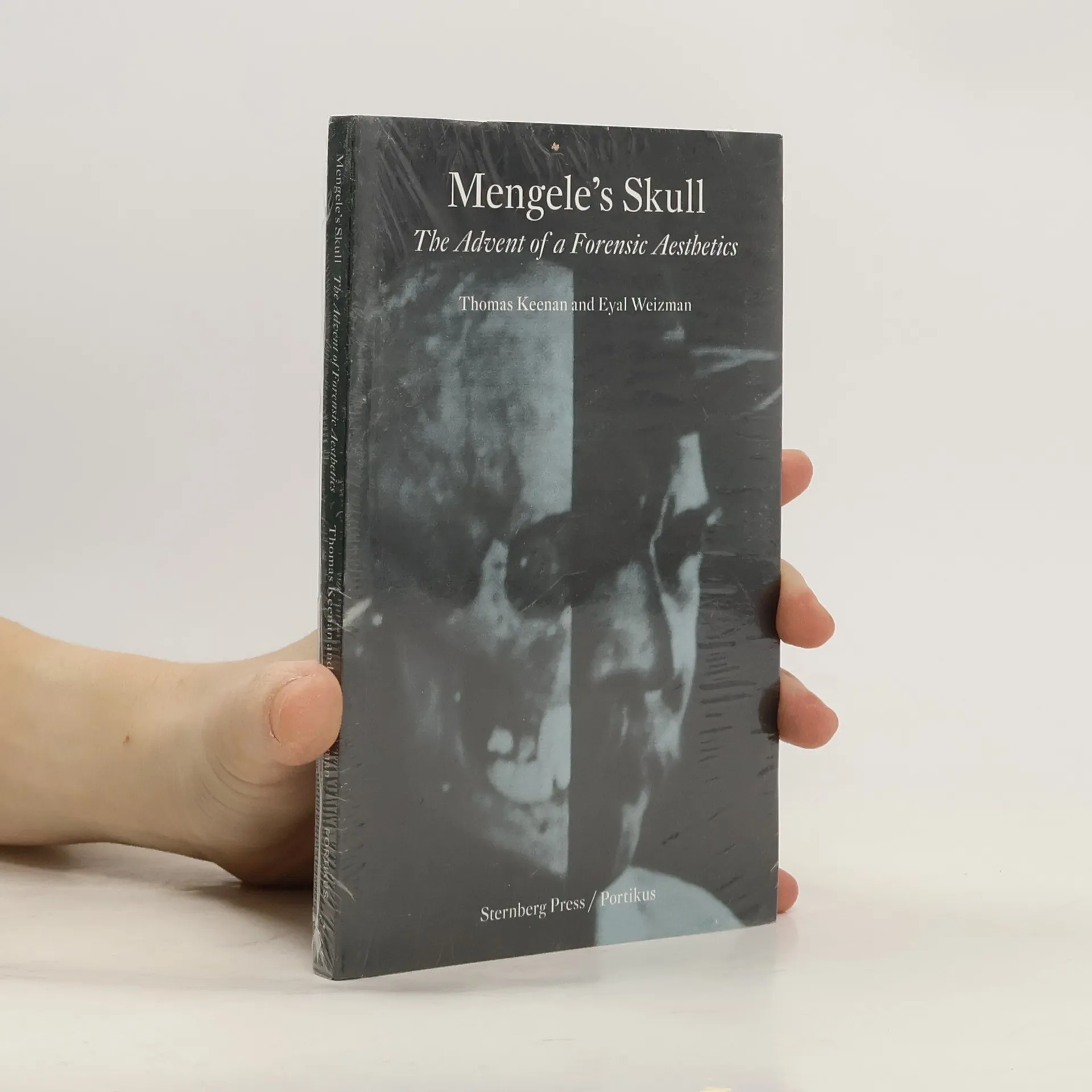
In 1985, the body of Josef Mengele, one of the last Nazi war criminals still at large, was unearthed in Brazil. The ensuing process of identifying the bones in question opened up what can now be seen as a third narrative in war crime investigations—not that of the document or the witness but rather the birth of a forensic approach to understanding war crimes and crimes against humanity. In the period coinciding with the discovery of Mengele’s skeleton, scientists began to appear in human rights cases as expert witnesses, called to interpret and speak on behalf of things—often bones and human remains. But the aesthetic, political, and ethical complications that emerge with the introduction of the thing in war crimes trials indicate that this innovation is not simply one in which the solid object provides a stable and fixed alternative to human uncertainties, ambiguities, and anxieties. The complexities associated with testimony—that of the subject—are echoed in the presentation of the object. Human remains are the kind of things from which the trace of the subject cannot be fully removed. Their appearance and presentation in the courts of law and public opinion has in fact blurred something of the distinction between objects and subjects, evidence and testimony. Named an ICA London 2012 Book of the Year and one of Longform's best books written about fugitive war criminals.
An Introduction to Child Development
- 456 pages
- 16 hours of reading
This edition enhances the exploration of biological foundations and moral development within the field of developmental psychology. It also emphasizes applied aspects, making it particularly relevant for students. The text is designed to provide a comprehensive understanding of how psychological principles develop throughout the human lifespan.
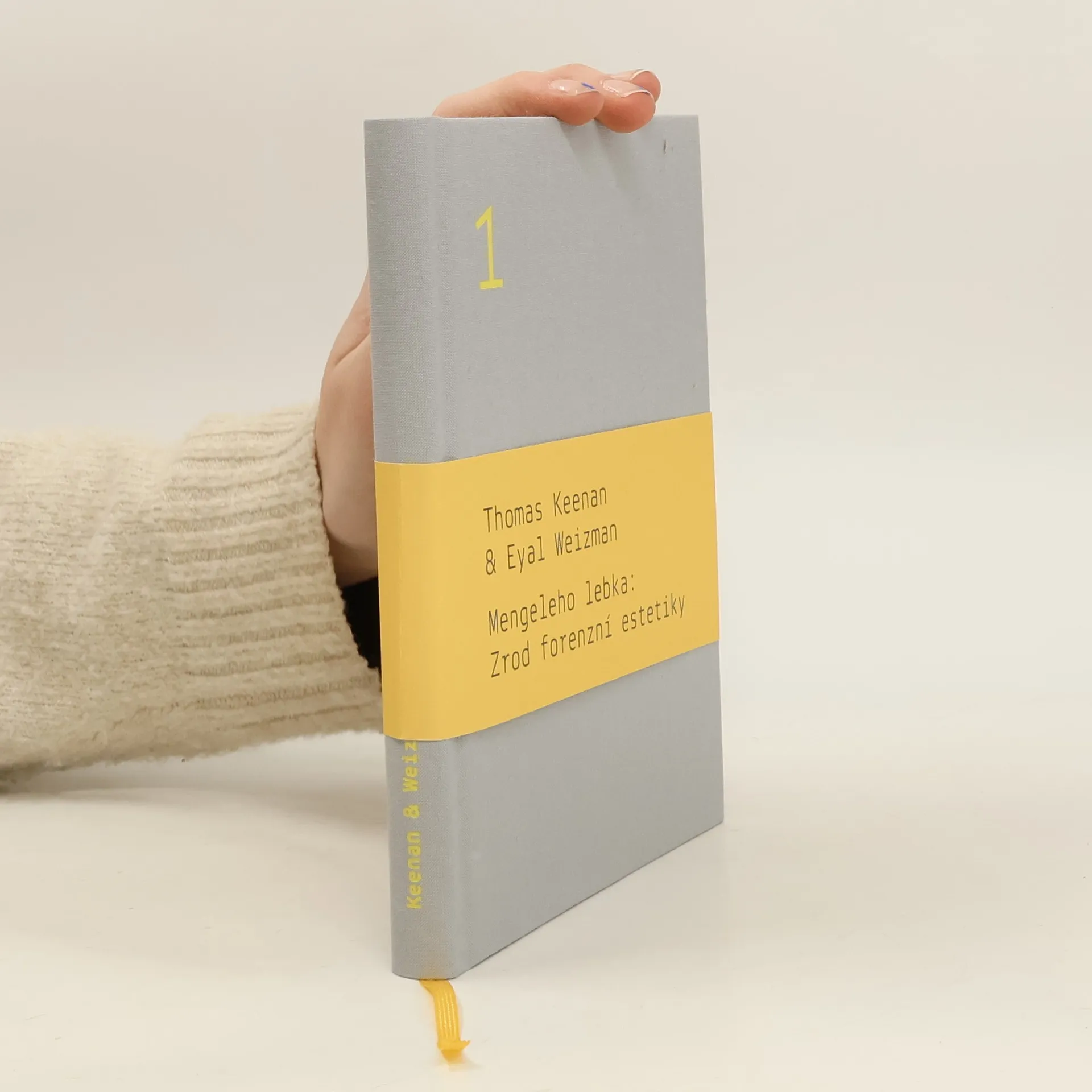
Mengeleho lebka : zrod forenzní estetiky
- 116 pages
- 5 hours of reading
V roce 1985 bylo v Brazílii nalezeno tělo Josefa Mengeleho, jednoho z posledních nacistických zločinců, kteří byli stále na svobodě. Studie autorů Thomase Keenana a Eyala Weizmana popisuje, jak identifikace Mengeleho ostatků otevřela cestu k vyšetřování válečných zločinů, které není založeno na svědectví a paměti, ale na forenzním přístupu. Vědci začínají vystupovat v lidskoprávních trestních případech jako expertní svědci, jejichž úlohou je interpretovat většinou kosti a lidské pozůstatky a mluvit za ně. Publikaci doplňuje český doslov Tomáše Dvořáka a Martina Charváta.