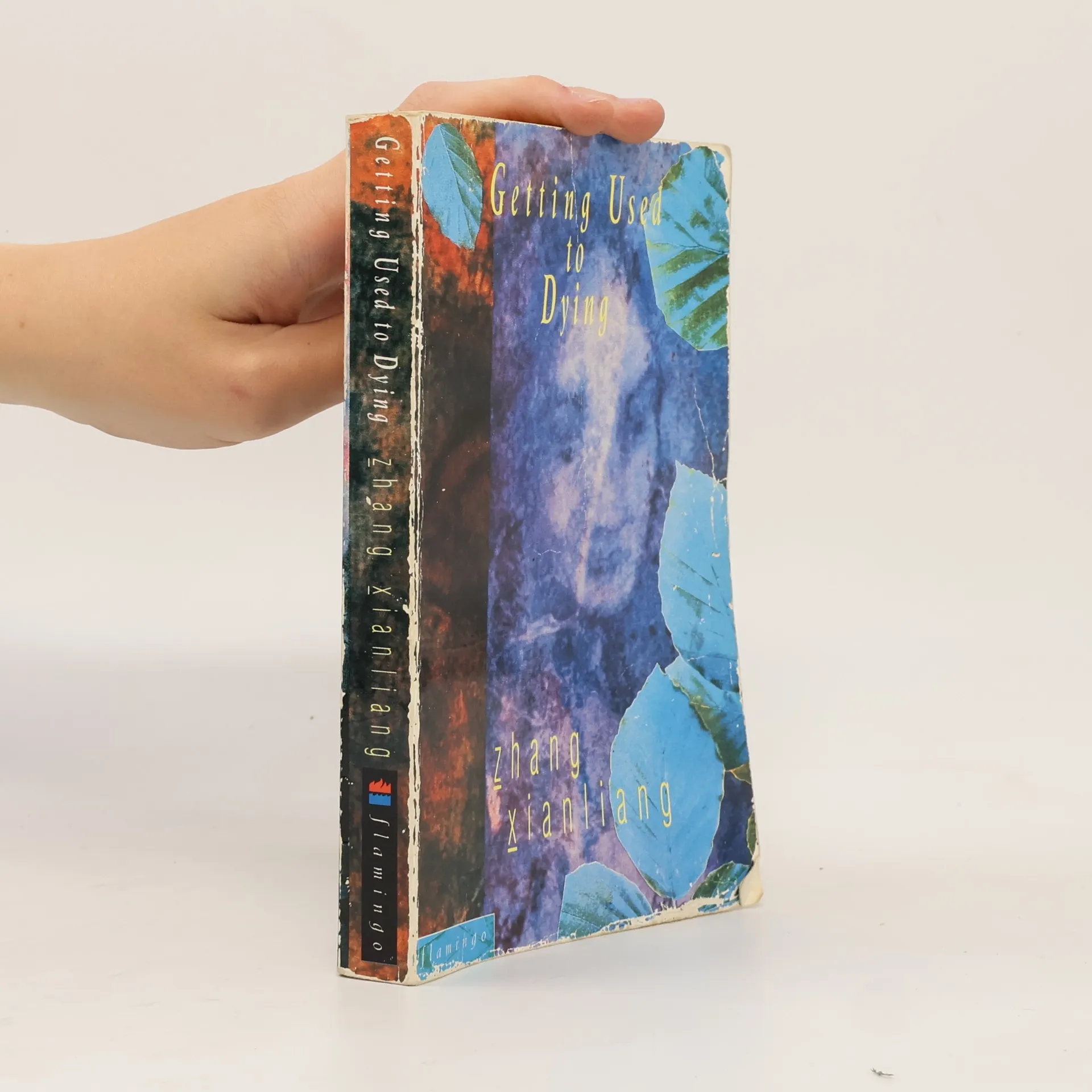
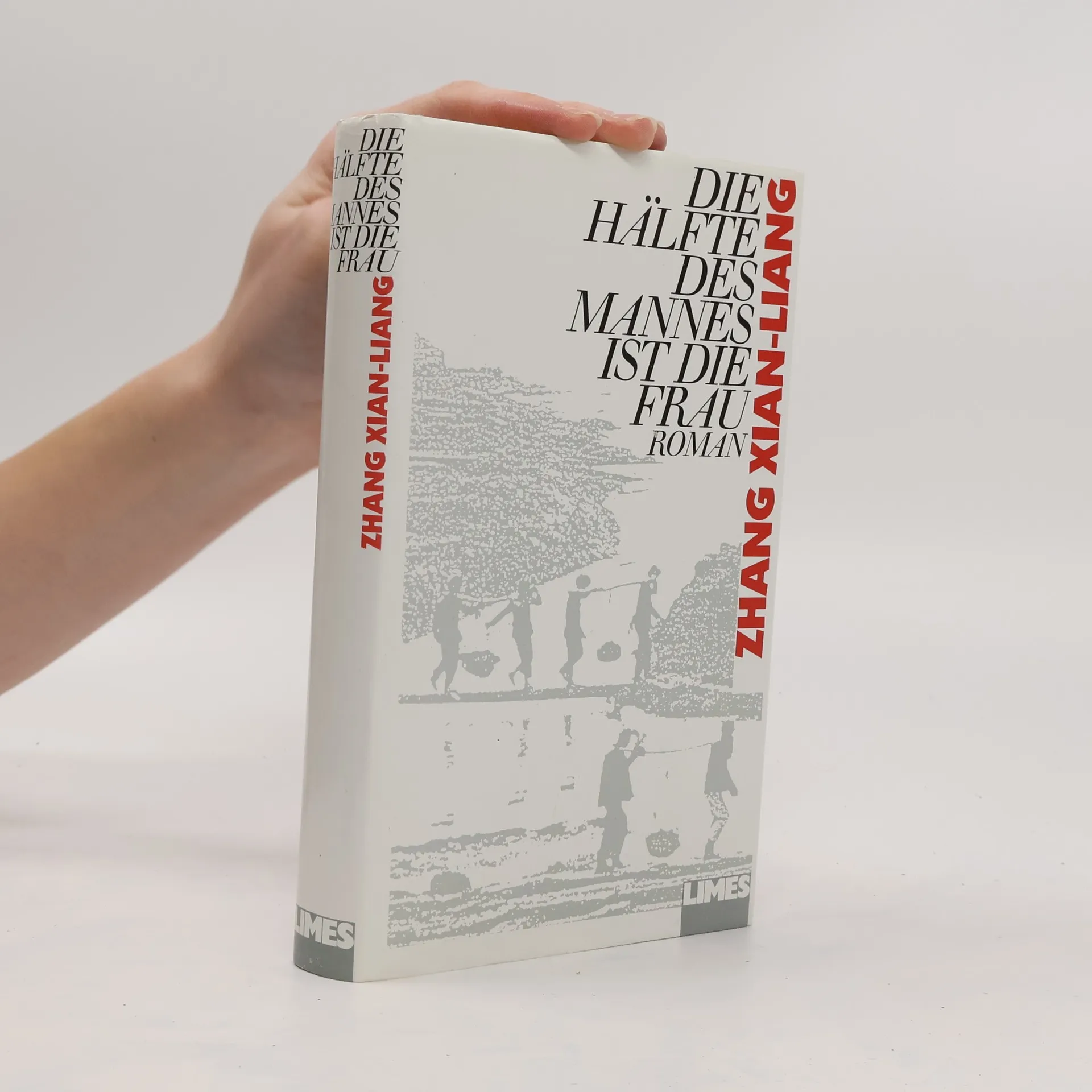
Zhang Xianliang was a Chinese author and poet whose work deeply explores the experiences of political imprisonment and the turbulent periods of Chinese history. His largely autobiographical reflections, inspired by personal encounters with political persecution and the Cultural Revolution, offer a profound look at human resilience in the face of adversity. Through his distinctive style, he conveys raw and intimate portraits of individuals navigating extreme circumstances, seeking meaning and hope. His writing is characterized by its candor and depth, establishing him as a significant voice in Chinese literature.
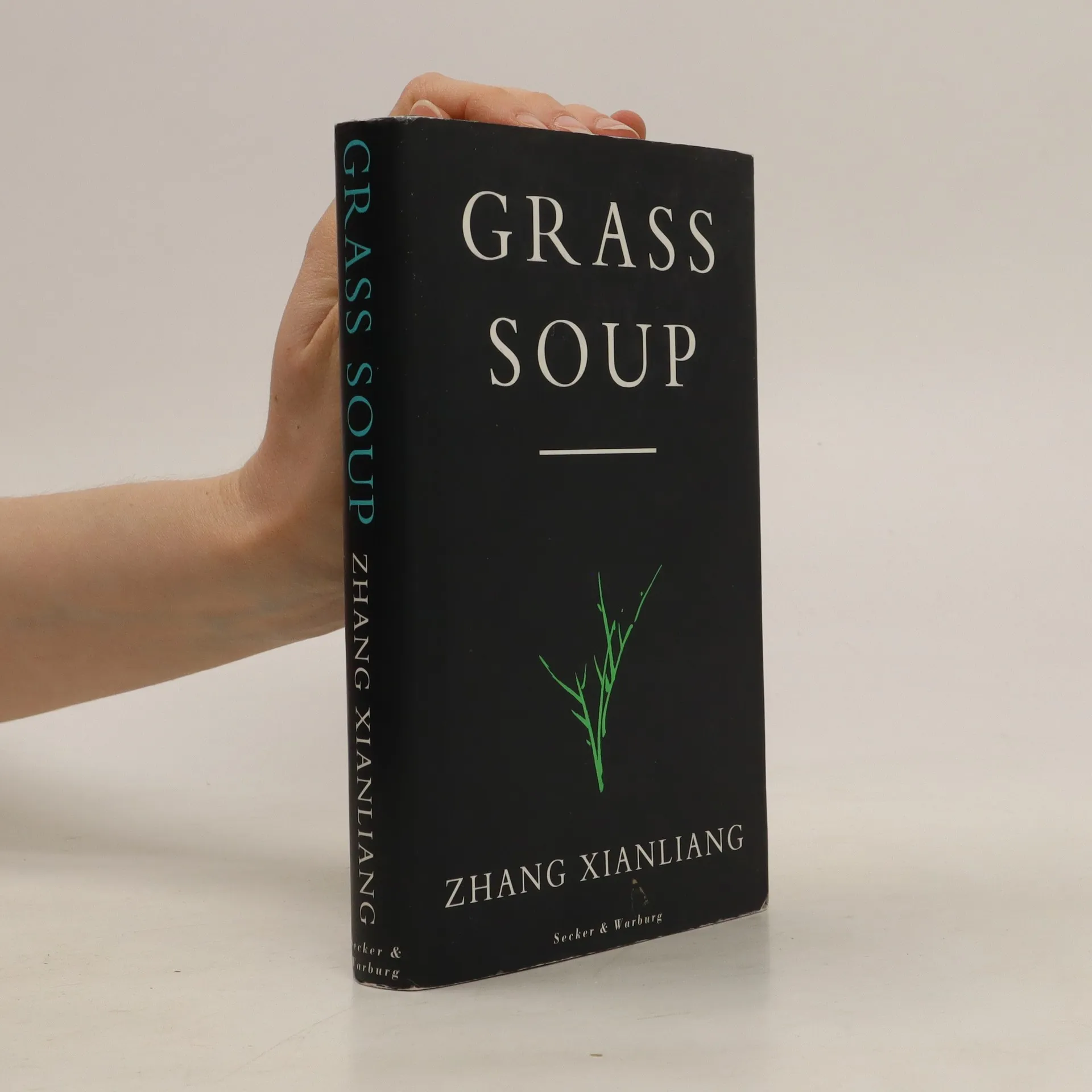
"Rehabilitated" in 1979, former political prisoner Zhang Xianliang recovered from the authorities a diary he had kept while in a labour camp during the 1960s. This book is a detailed annotation to the necessarily terse entries in that diary.
For years, Zhang Xianliang has been in and out of prison and labor camps while achieving recognition as one of China's foremost writers, and this powerful autobiographical novel and insider's portrait brilliantly chronicles what it means to be Chinese in China today.
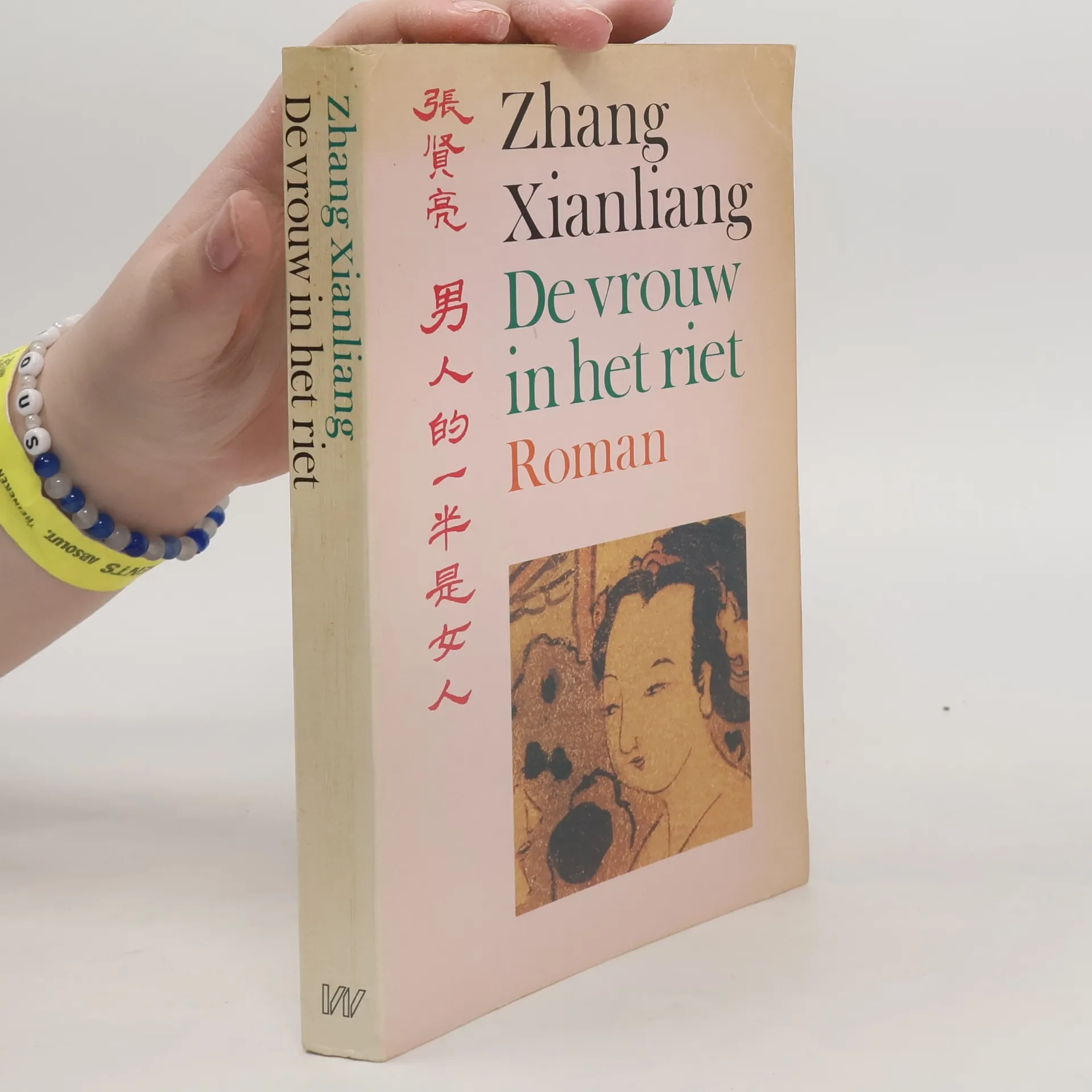
Poet Zhang Yonglin is sentenced to a labor camp he ironically describes as a haven amidst the hysteria of the Chinese Cultural Revolution. After he marries a woman he had seen eight years earlier, the story becomes, on one level, an analogy between his temporary sexual impotence and the postion of intellectuals. A year later he is ready to abandon his wife and escape from the camp. Cameo appearances by philosophic and literary figures (Marx and Meng-tz, Othello and Song Ji) and discussing China and sex allow the incorporation of non-novelistic elements while indulging in gallows humor.