

George Long Book order (chronological)
George Long was an English classical scholar whose life's work focused on making ancient texts accessible to modern readers. His editorial work on the Bibliotheca Classica series was a pioneering attempt to produce scholarly editions of classical texts with English commentaries. Through this endeavor, he enriched the literary world, facilitating a deeper understanding of ancient literature and law for a wider audience. His contributions lay in rendering and interpreting classical thought.

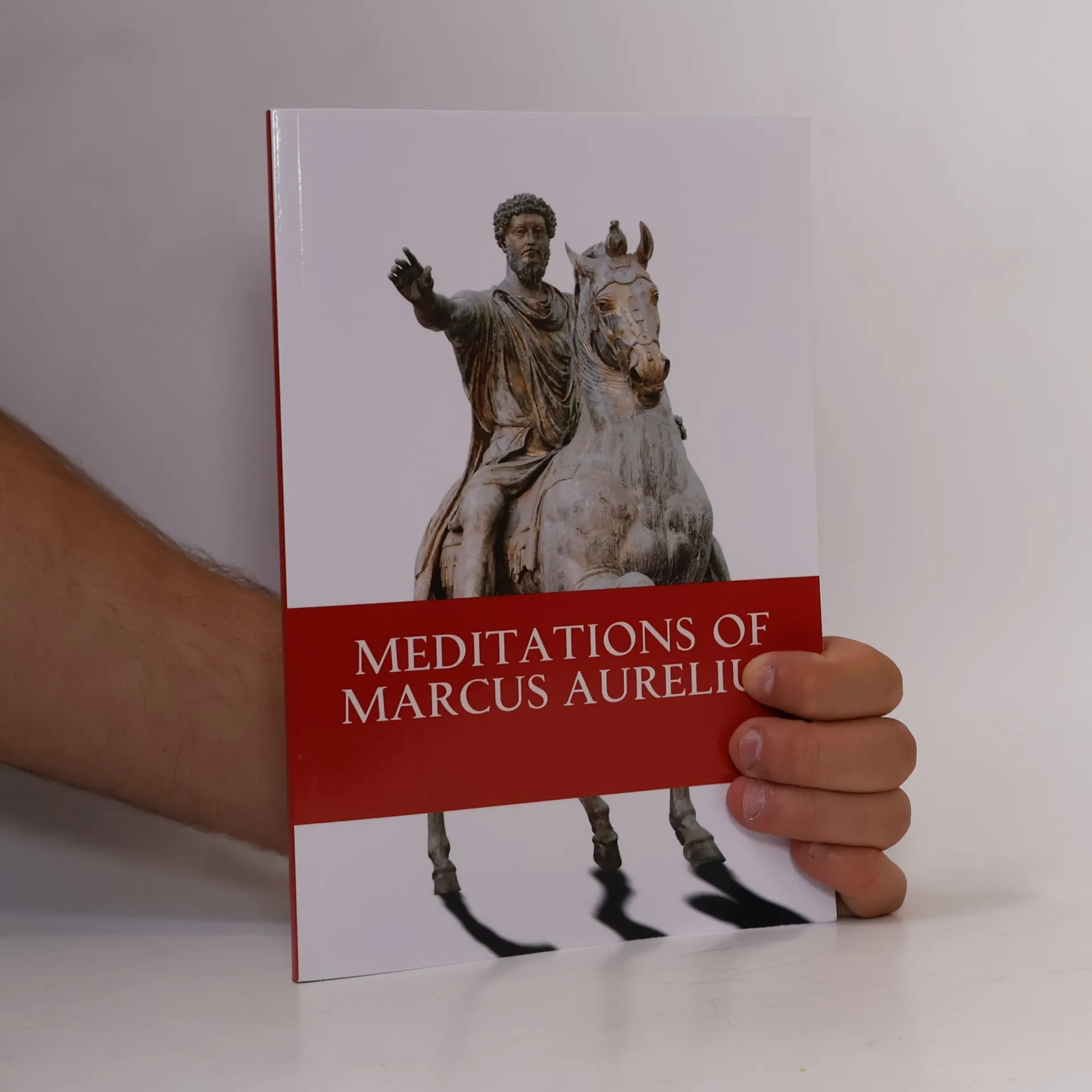
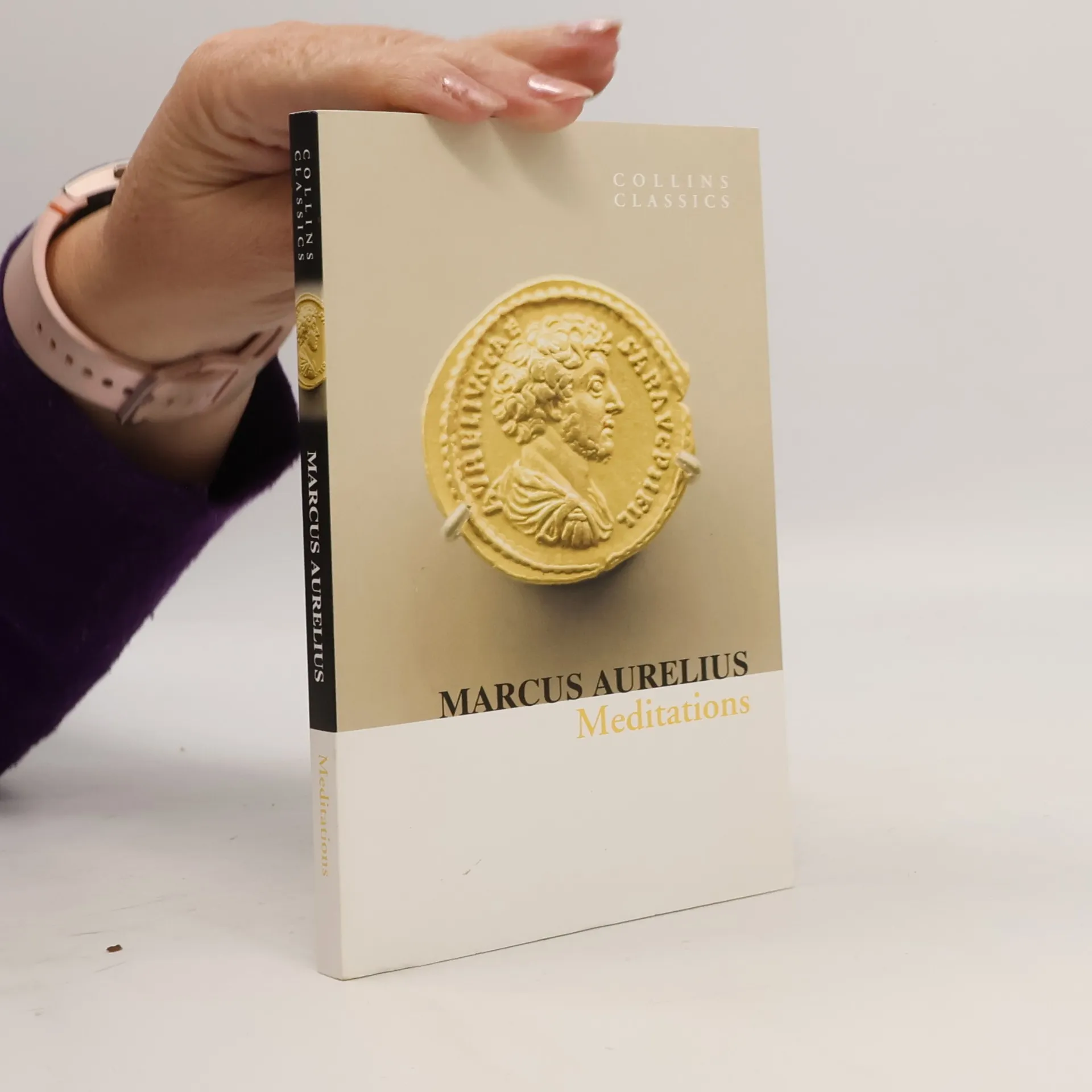
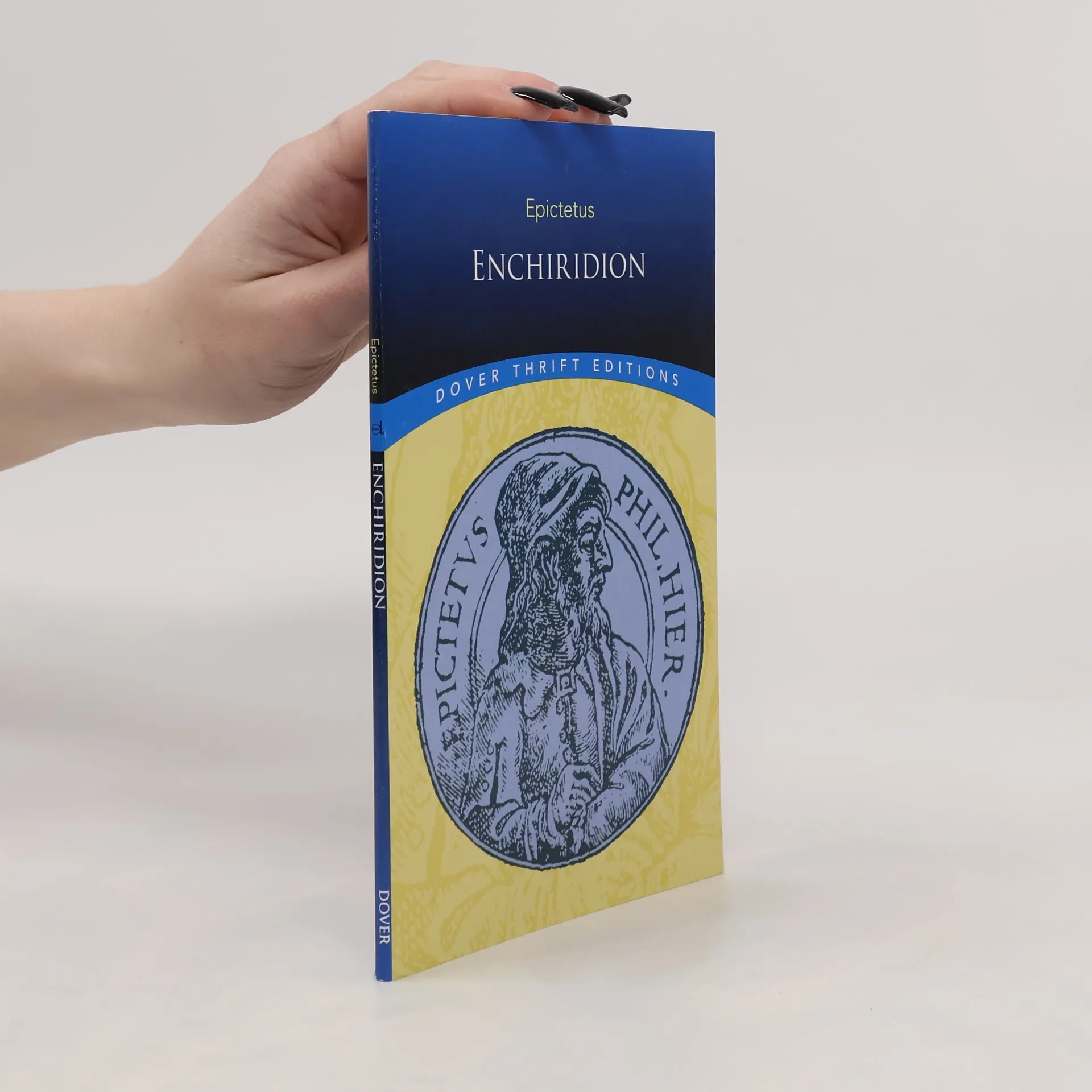
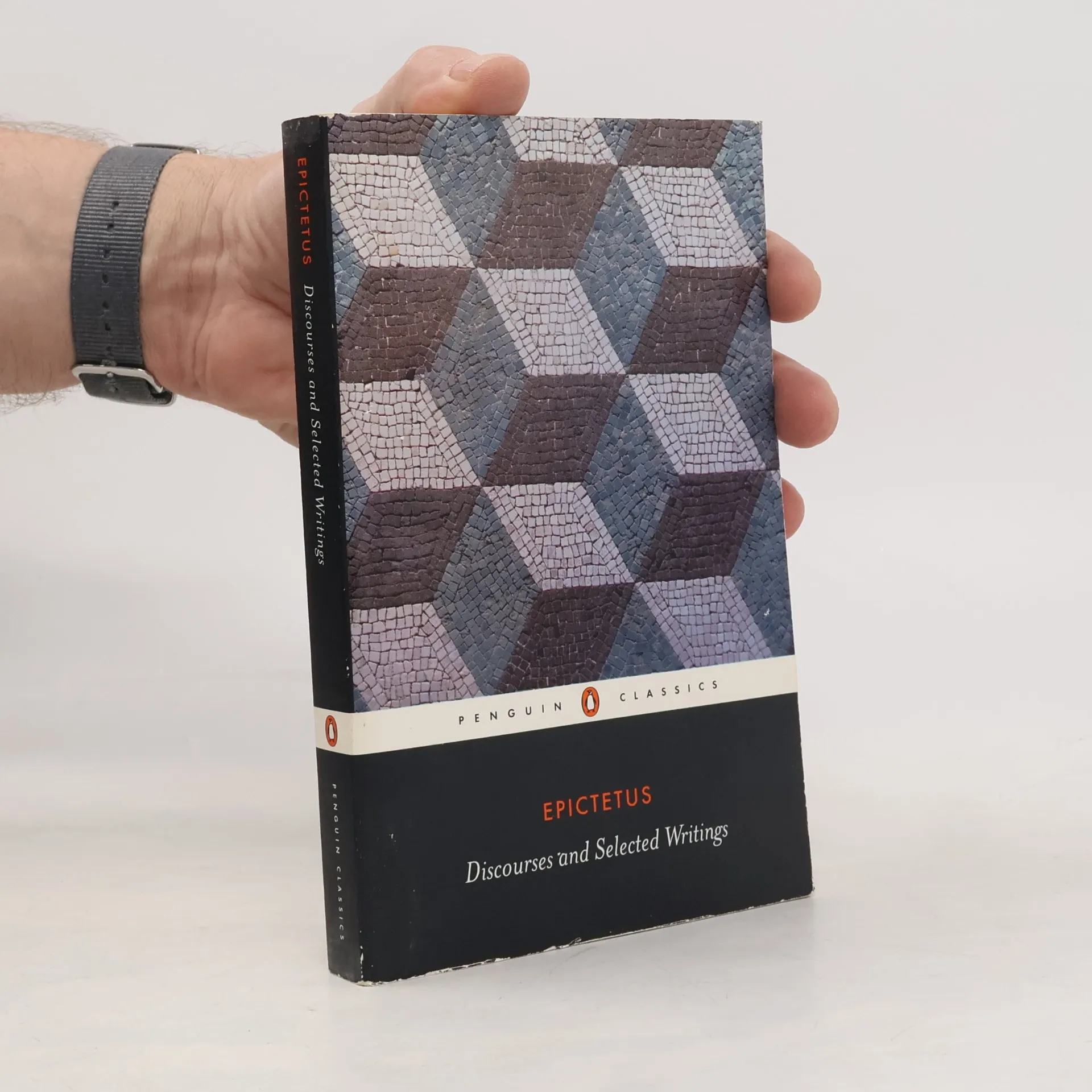
Handbook of Epictetus also known as Enchiridion written by legendary Greek Stoic philosopher Epictetus is a manual of Stoic ethical advice. Compiled by Arrian, who was a student of Epictetus, this great classic will surely attract a whole new generation of readers. For many, the Handbook of Epictetus is required reading for various courses and curriculums. And for others who simply enjoy reading timeless pieces of classic literature, this gem by Epictetus is highly recommended. Published by Classic Books America and beautifully produced, the Handbook of Epictetus would make an ideal gift and it should be a part of everyone's personal library.
This volume presents a faithful reprint of the original 1891 edition of Marcus Aurelius Antoninus's reflections. It offers insights into the Stoic philosophy of the Roman Emperor, emphasizing themes such as self-discipline, virtue, and the nature of the human experience. Readers can explore Aurelius's personal thoughts, which remain relevant and thought-provoking, providing guidance on how to navigate life's challenges with wisdom and resilience.
The Meditations of Marcius Aurelius (Hardcover)
- 108 pages
- 4 hours of reading
The hardcover edition of Meditations presents the profound insights and philosophical spirit of Roman Emperor Marcus Aurelius, skillfully translated by George Long. This work delves into themes of stoicism, self-reflection, and the human condition, offering timeless wisdom that remains relevant today. The translation captures the essence of Aurelius's thoughts, inviting readers to explore his meditative reflections on life, virtue, and resilience.
The Meditations of Marcius Aurelius
- 108 pages
- 4 hours of reading
The edition of Meditations highlights the profound philosophy and introspective spirit of Marcus Aurelius, offering readers a deep insight into the thoughts of the Roman Emperor. Translated by George Long, this version captures the essence of Aurelius's reflections on life, virtue, and the human experience, making it accessible for contemporary audiences.
Discourses and Selected Writings
- 400 pages
- 14 hours of reading
Epictetus, a Greek stoic and freed slave, ran a thriving philosophy school in Nicropolis in the early second century AD. His animated discussions were celebrated for their rhetorical wizardry and were written down by Arrian, his most famous pupil. Together with the Enchiridion, a manual of his main ideas, and the fragments collected here, The Discourses argue that happiness lies in learning to perceive exactly what is in our power to change and what is not, and in embracing our fate to live in harmony with god and nature. In this personal, practical guide to the ethics of stoicism and moral self-improvement, Epictetus tackles questions of freedom and imprisonment, illness and fear, family, friendship and love, and leaves an intriguing document of daily life in the classical world.
Parallel Lives Vol. 1
- 386 pages
- 14 hours of reading
Plutarch's Lives of the Noble Greeks and Romans, commonly called Parallel Lives or Plutarch's Lives, is a series of biographies of famous men, arranged in tandem to illuminate their common moral virtues or failings. The surviving Parallel Lives, contain twenty-three pairs of biographies, each pair consisting of one Greek and one Roman, as well as four unpaired, single lives. It is a work of considerable importance, not only as a source of information about the individuals biographized, but also about the times in which they lived.
Meditations
- 256 pages
- 9 hours of reading
HarperCollins is proud to present its incredible range of best-loved, essential classics. Our life is what our thoughts make it The extraordinary writings of Marcus Aurelius (AD 121-180), the only Roman emperor to have also been a stoic philosopher, have for centuries been praised for their wisdom, insight and guidance by leaders and great thinkers alike. Never intended for publication, Meditations are the personal notes born from a man who studied his unique position of power as emperor while trying to uphold inner balance in the chaotic world around him. Boldly challenging many of our biggest questions, Aurelius wrestles with the divided self, considering the complexities of human nature, rationality and moral virtue, affirming its place as one of the most timeless, significant works of philosophy to date.
The Meditations of Marcus Aurelius
- 88 pages
- 4 hours of reading
Meditations is a collection of personal writings by Marcus Aurelius, the Roman Emperor from 161 to 180 AD, reflecting his thoughts on Stoic philosophy. Composed in Koine Greek, these 12 books serve as a source of guidance and self-improvement, likely written during his time in Sirmium while planning military campaigns. The work was never intended for publication, and "Meditations" is a title assigned posthumously. The writings consist of quotations ranging from single sentences to lengthy paragraphs. This edition features the classic translation by George Long, originally printed in The Harvard Classics, and is presented as an 80-page, 9x6 trade paperback with a black glossy cover and cream paper. Famous quotes include reflections on the brevity of life, the importance of living in the present, and the notion that our judgments shape our experiences. Themes throughout the work emphasize self-discipline, overcoming the fear of death, and the significance of a rich inner life. Marcus encourages readers to recognize the divine in the world, live rationally, and avoid luxury. The insights found within the Meditations offer profound wisdom that resonates deeply, inviting readers to explore Marcus's thoughts beyond mere generalizations.