

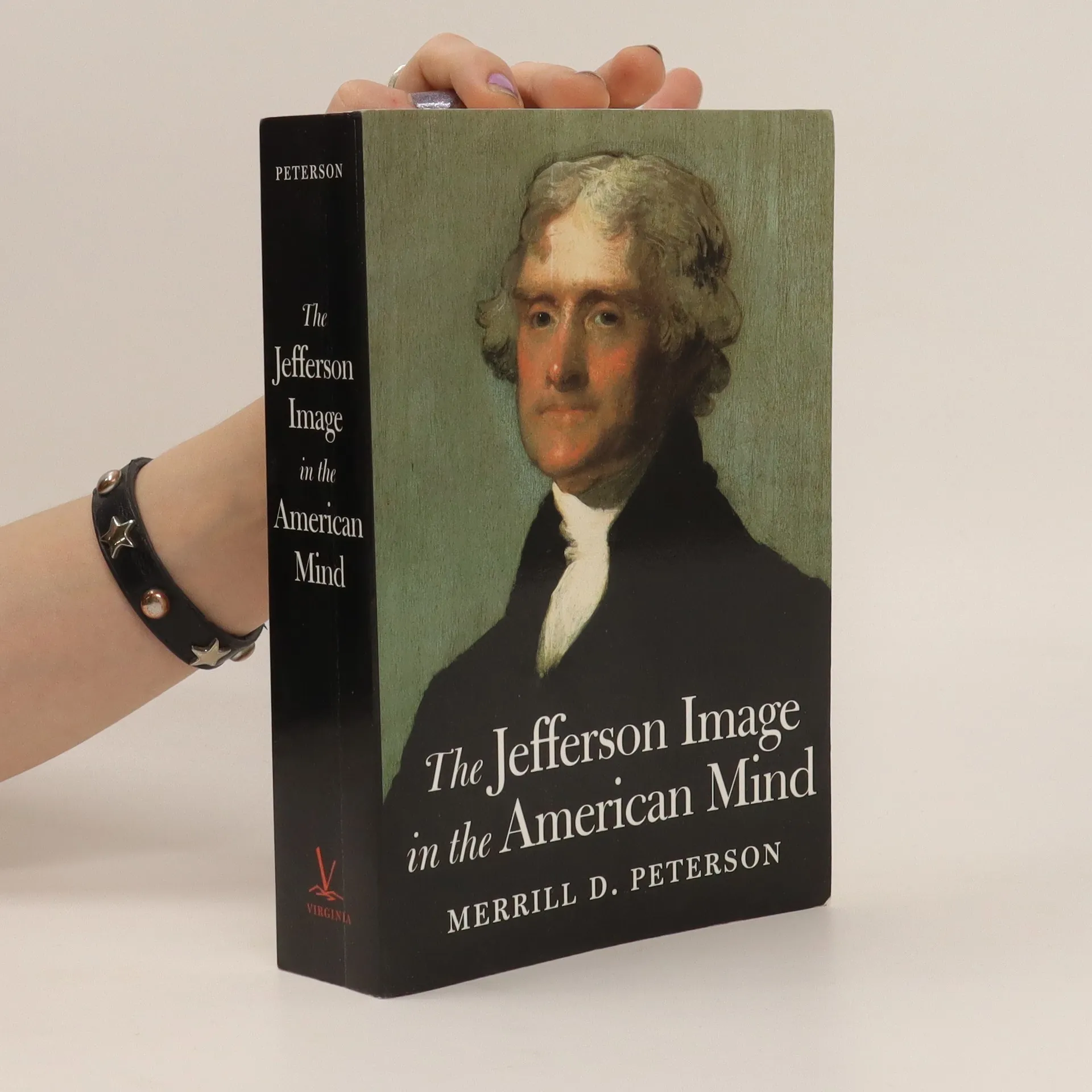
Since its publication in 1960, The Jefferson Image in the American Mind has become a classic of historical scholarship. In it Merrill D. Peterson charts Thomas Jefferson's influence upon American thought and imagination since his death in 1826. Peterson shows how the public attitude toward Jefferson has always paralleled the political climate of the time; the complexities of the man, his thoughts, and his deeds being viewed only in fragments by later generations. He explains how the ideas of Jefferson have been distorted, defended, pilloried, or used by virtually every leading politician, historian, and intellectual. Through most of our history, political parties have engaged in an ideological tug-of-war to see who would wear "the mantle of Jefferson."
Merrill D. Peterson Book order (chronological)
Merrill Daniel Peterson was a historian and professor. His work focused on American history and politics, often exploring the intricate relationships between individuals and institutions. Peterson's profound insights into the American mind and his precise prose make him a significant historian illuminating the American narrative.
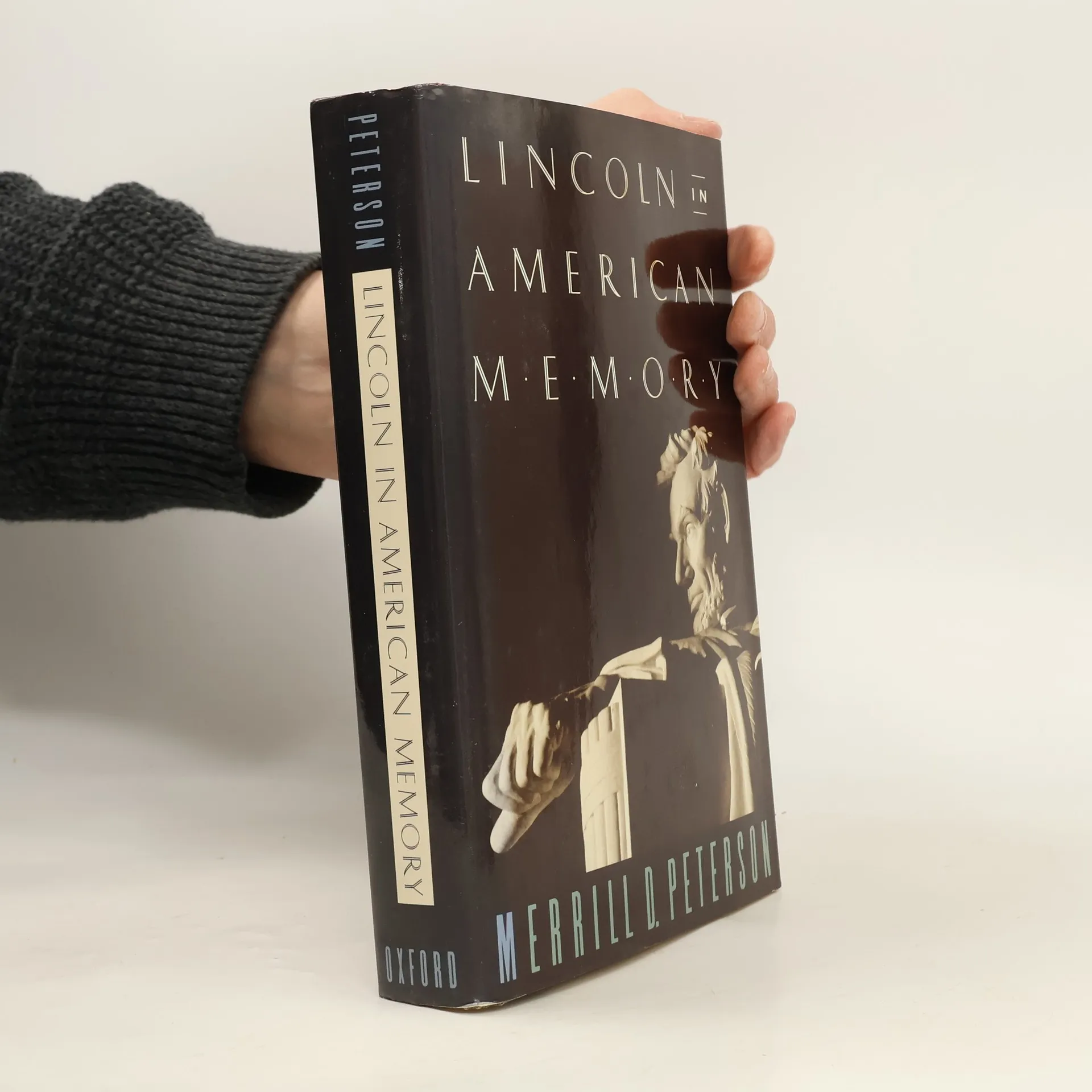
Lincoln in American Memory
- 496 pages
- 18 hours of reading
Lincoln's death was a monumental event that elicited "indescribable sorrow" across the nation, as noted by historian Merrill Peterson. Following his assassination, Lincoln's body was transported by a special funeral train to Springfield, Illinois, where it was viewed by nearly a million people, marking the transformation of the president into a mythic figure. In exploring Lincoln's legacy, Peterson examines how his image has evolved in American memory from the time of his death to the present. This account reveals the complexities of American politics and society while delving into Lincoln's character. People from various regions idealized him, each reshaping his memory to claim his legacy, while his family and memorabilia collectors contended over his visible impact. Peterson also addresses the varied responses of African Americans to Lincoln's memory, highlighting their initial celebration of emancipation contrasted with the realities of poverty and segregation. He discusses the multitude of reminiscences and biographies, noting that serious historical analysis came late, as myth-makers shaped Lincoln's image for their agendas. Peterson identifies five key archetypes of Lincoln: savior of the Union, great emancipator, man of the people, first American, and self-made man, revealing much about both Lincoln and American identity. His work stands as a comprehensive assessment of Lincoln's place in collective memory.