

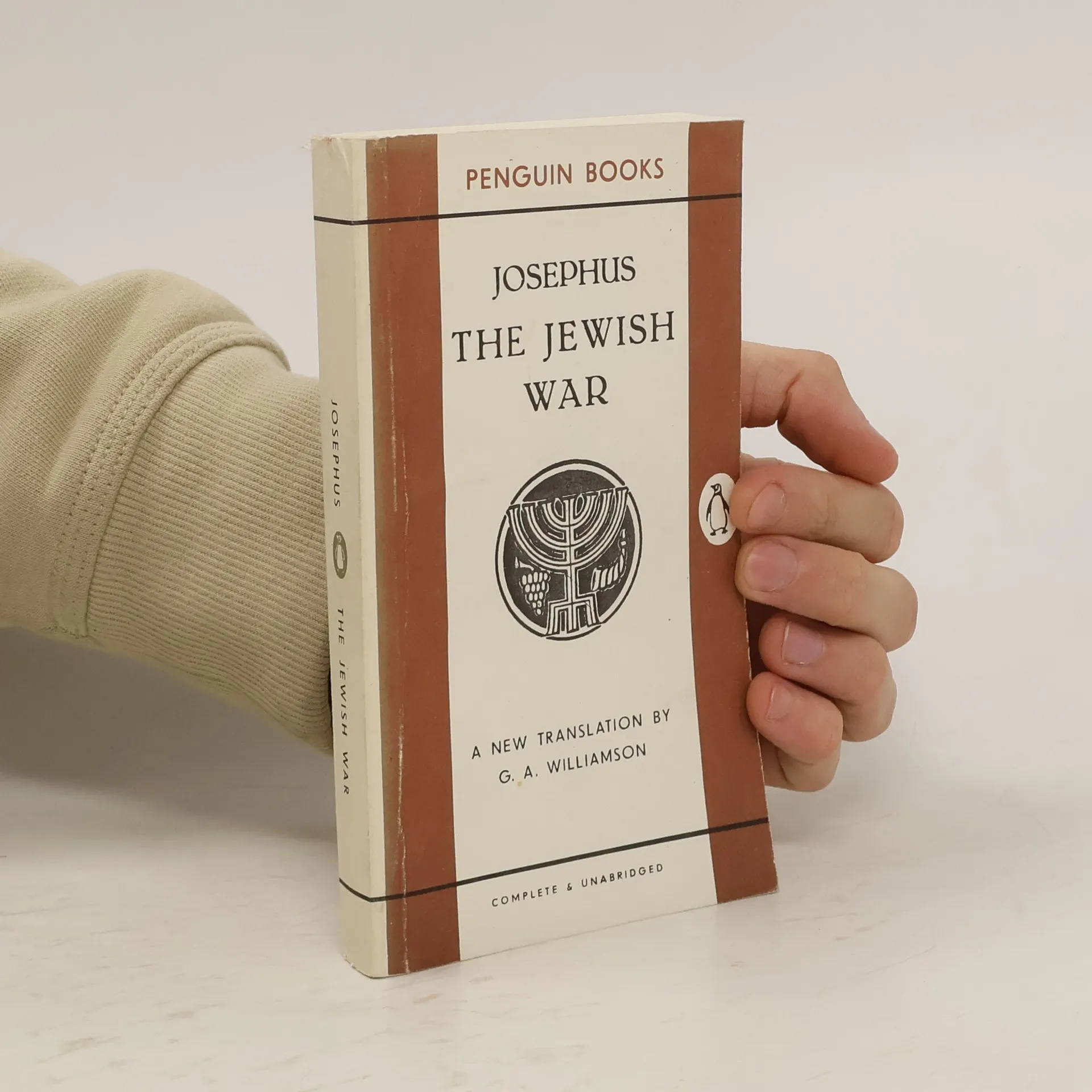
Josephus’ account of a war marked by treachery and atrocity is a superbly detailed and evocative record of the Jewish rebellion against Rome between AD 66 and 70. Originally a rebel leader, Josephus changed sides after he was captured to become a Rome-appointed negotiator, and so was uniquely placed to observe these turbulent events, from the siege of Jerusalem to the final heroic resistance and mass suicides at Masada. His account provides much of what we know about the history of the Jews under Roman rule, with vivid portraits of such key figures as the Emperor Vespasian and Herod the Great. Often self-justifying and divided in its loyalties, The Jewish War nevertheless remains one of the most immediate accounts of war, its heroism and its horrors, ever written.
Betty Radice Book order (chronological)
Betty Radice served as joint editor of Penguin Classics and vice-president of the Classical Association. Her editorial work focused on making classical literature accessible to a wider audience, ensuring its enduring relevance. She was dedicated to the appreciation and understanding of ancient texts for contemporary readers.


The letters of Abelard and Heloise
- 312 pages
- 11 hours of reading
The story of Heloise and Abelard remains one of the world's most celebrated and tragic love affairs. Despite their misfortunes, these staunch Christians as their letters reveal, found a path through self-pity into acceptance of a changed but lasting relationship Whilst Heloise attained fame for her learning and administrative genius as an abbess, Abelard became an inspired teacher in Paris and the foremost logician of his day. This translation includes Abelard's account of his misfortunes (Historica calamitatum); four of their personal letters; the 'letters of Direction', in which he advises her how to adapt for women the rule of Benedict; correspondence between Heloise and peter the Venerable and two Abelard's hymns--from back cover
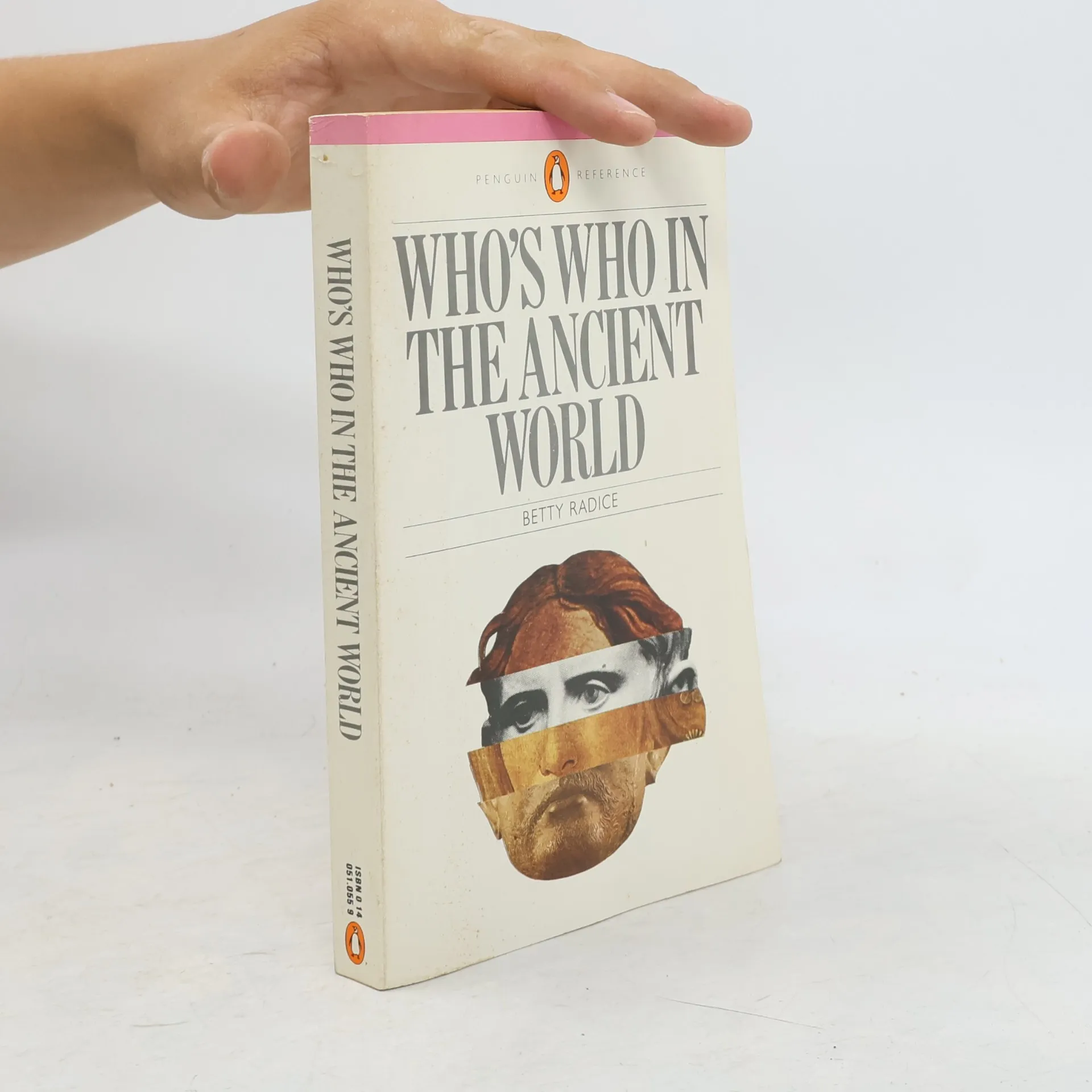
Who's who in the Ancient World
- 336 pages
- 12 hours of reading
Provides a reference to those events and personalities of classical antiquity most often encountered in Western art and literature