

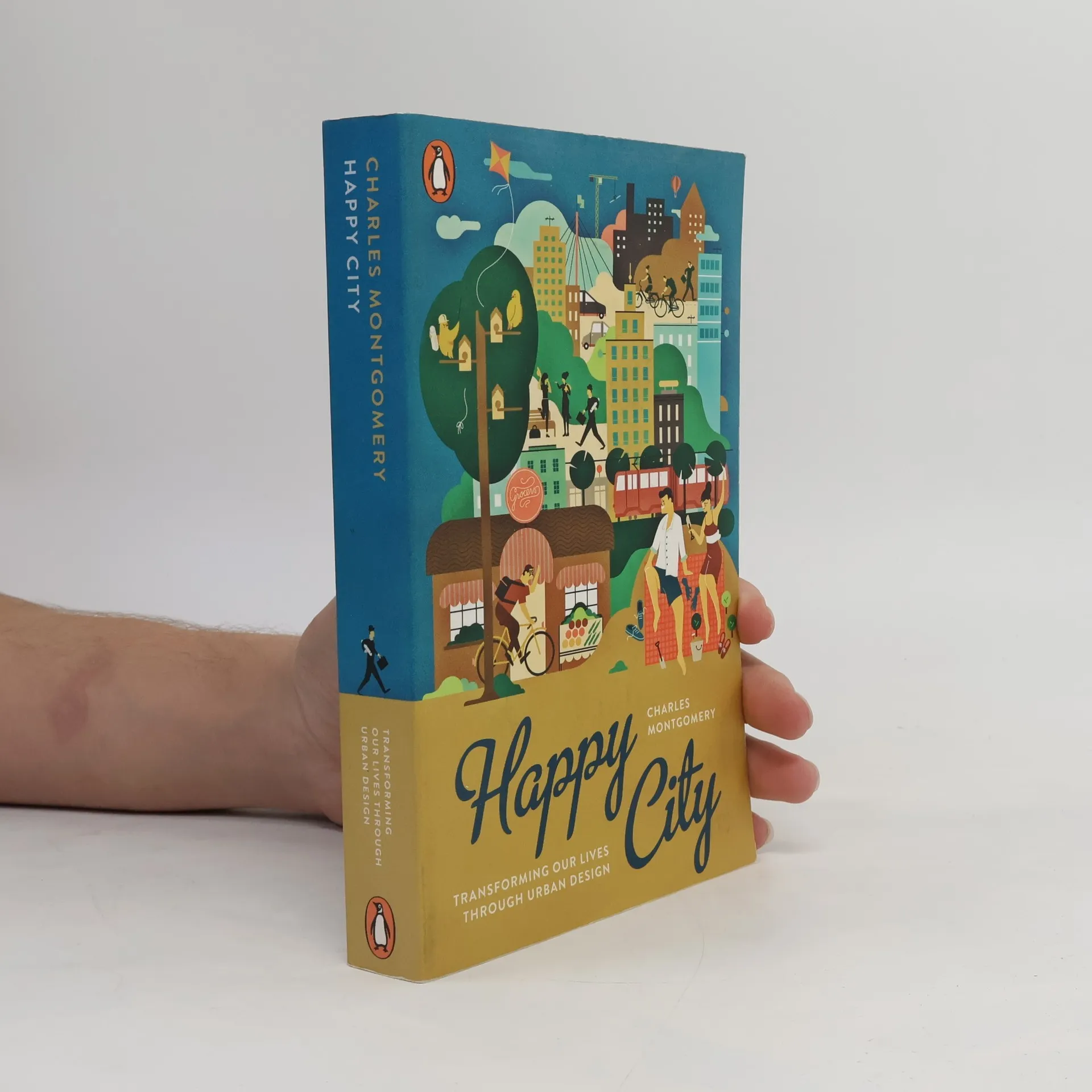
More of us than ever are moving to inner cities, mixed-use suburbs, and densely constructed towns. Our surroundings have certainly changed--but is city living cheering us up, or are we as gloomy on our walks to the subway as we were on our long predawn commutes? And if that's the case, how can we turn things around? In breezy, vivid prose, Montgomery reports from such exciting and dysfunctional places as Bogotá, once a dangerous, car-obsessed city, now a bike-loving model of civic excellence; California's San Joaquin Valley in the apocalyptic aftermath of the housing crisis; and a suburb of Vancouver, where a power company gathers energy from sewage to provide its citizens with heat and hot water. Full of cutting-edge insights from behavioral economists and leading urban thinkers, Happy City offers a completely new way to examine city life, showing us how small innovations can radically improve our experiences. Practical, genial, and fiercely open-minded, Montgomery has written a brilliant book about what today's cities are getting right--and how tomorrow's cities can do even better.
Charles Montgomery Books
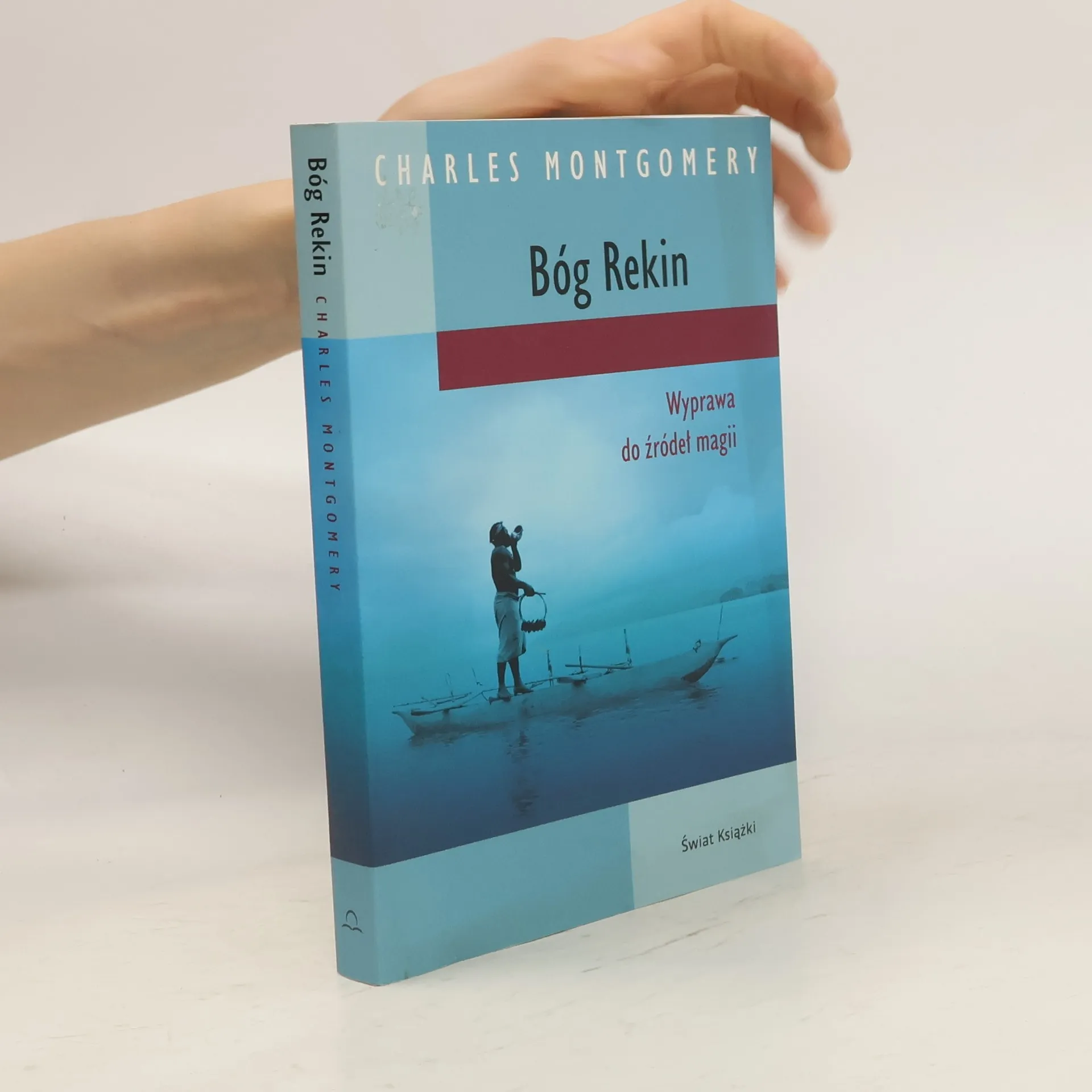

In 1892, the Bishop of Tasmania set sail for Melanesia with the intent of rescuing islanders from lives of fear, black magic, and cannibalism. Over 100 years later, his great grandson, Charles Montgomery, followed the bishop's route through the South Pacific, seeking out the spirits and myths his missionary forebear had sought to destroy. Montgomery explored remote shores where gospel and empire never took hold. He rubbed shoulders with barefoot preachers, witch doctors, and gun-toting rebels, only to discover that the pagan spirits were more tenacious than the missionaries had imagined. Melanesians had stirred Jesus and Mary into an already spicy broth of ancestor worship, ghosts, shark gods, and magic. Through confrontations with a bizarre cast of characters—the randy ethnographer, the soft-talking assassin, the leper prophet—the journey becomes a debate on the nature of magic, myth, and faith, and a metaphor for the transforming power of story.
W 1892 roku biskup Tasmanii wyruszył w rejs do Melanezji z zamiarem ocalenia mieszkańców wysp od życia w strachu, czarnej magii i kanibalizmie. Ponad 100 lat później jego prawnuk, Charles Montgomery, podążył śladami biskupa przez Południowy Pacyfik, poszukując duchów i mitów, które jego przodkowie misjonarze starali się zniszczyć. Montgomery eksplorował odległe brzegi, gdzie ewangelia i imperium nigdy nie zagościły. Spotykał się z boso chodzącymi kaznodziejami, czarodziejami i rebeliantami z bronią, odkrywając, że pogańskie duchy były bardziej wytrwałe, niż misjonarze mogli sobie wyobrazić. Melanezyjczycy wprowadzili Jezusa i Maryję do już pikantnego wywaru kultu przodków, duchów, bogów rekinów i magii. Poprzez konfrontacje z dziwaczną galerią postaci – rozwiązłym etnografem, cichym zabójcą, prorokiem trędowatym – podróż staje się debatą na temat natury magii, mitu i wiary oraz metaforą transformującej mocy opowieści.