The Good Bee
- 192 pages
- 7 hours of reading
Bees need our help. But you can't save what you don't love. And you can't love what you don't know. The Good Bee is a celebration of this most vital and mysterious of nature's wizards.



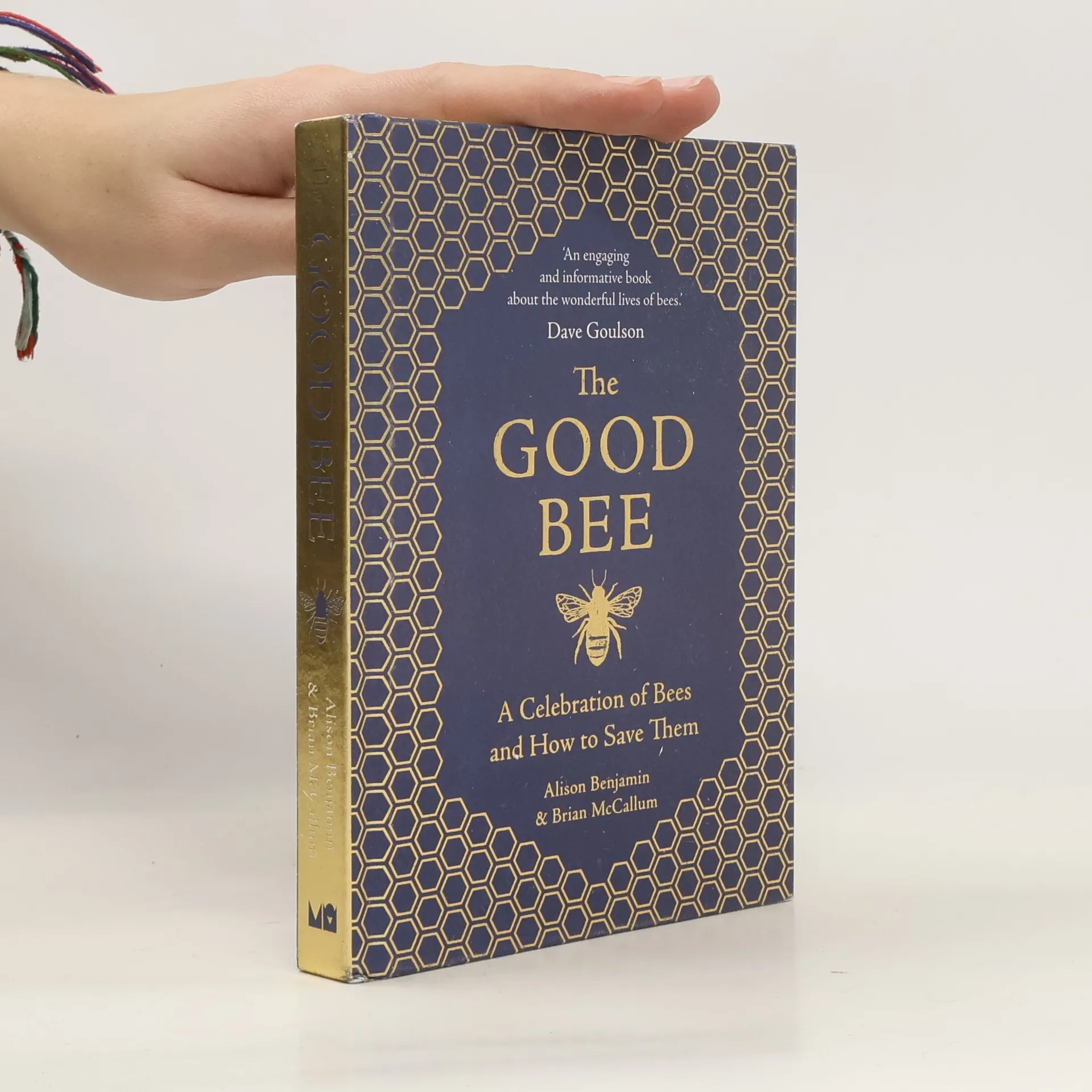
Bees need our help. But you can't save what you don't love. And you can't love what you don't know. The Good Bee is a celebration of this most vital and mysterious of nature's wizards.
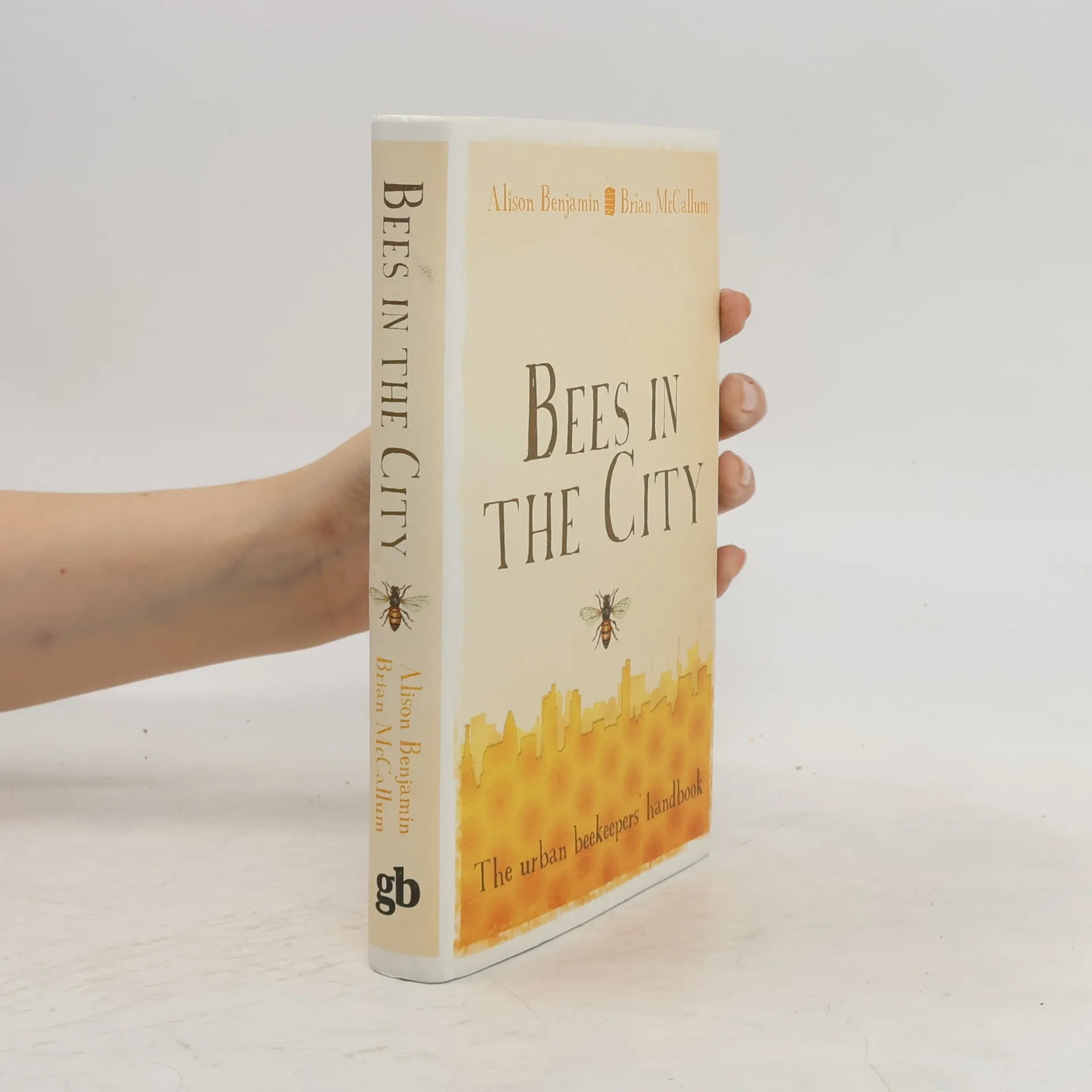
The landscape of London is surprisingly home to numerous bee hives, found on rooftops, in royal grounds, among skyscrapers, and in backyards across the city. This book paints a vivid portrait of these hidden locations and introduces readers to the beekeepers and their bees throughout the seasons. Following the authors over a year, it serves as a travelogue, nature guide, and how-to manual for urban dwellers interested in beekeeping. Through interviews with a diverse range of urban apiarists, readers will discover how city workers tend to their bees during lunch breaks, entrepreneurs sell London honey, youth workers use beekeeping to support troubled teenagers, and environmentalists strive to green the city with nature's efficient pollinator. By connecting with this new breed of beekeepers and learning to keep bees in small spaces, readers will find inspiration to embrace this increasingly popular pastime.
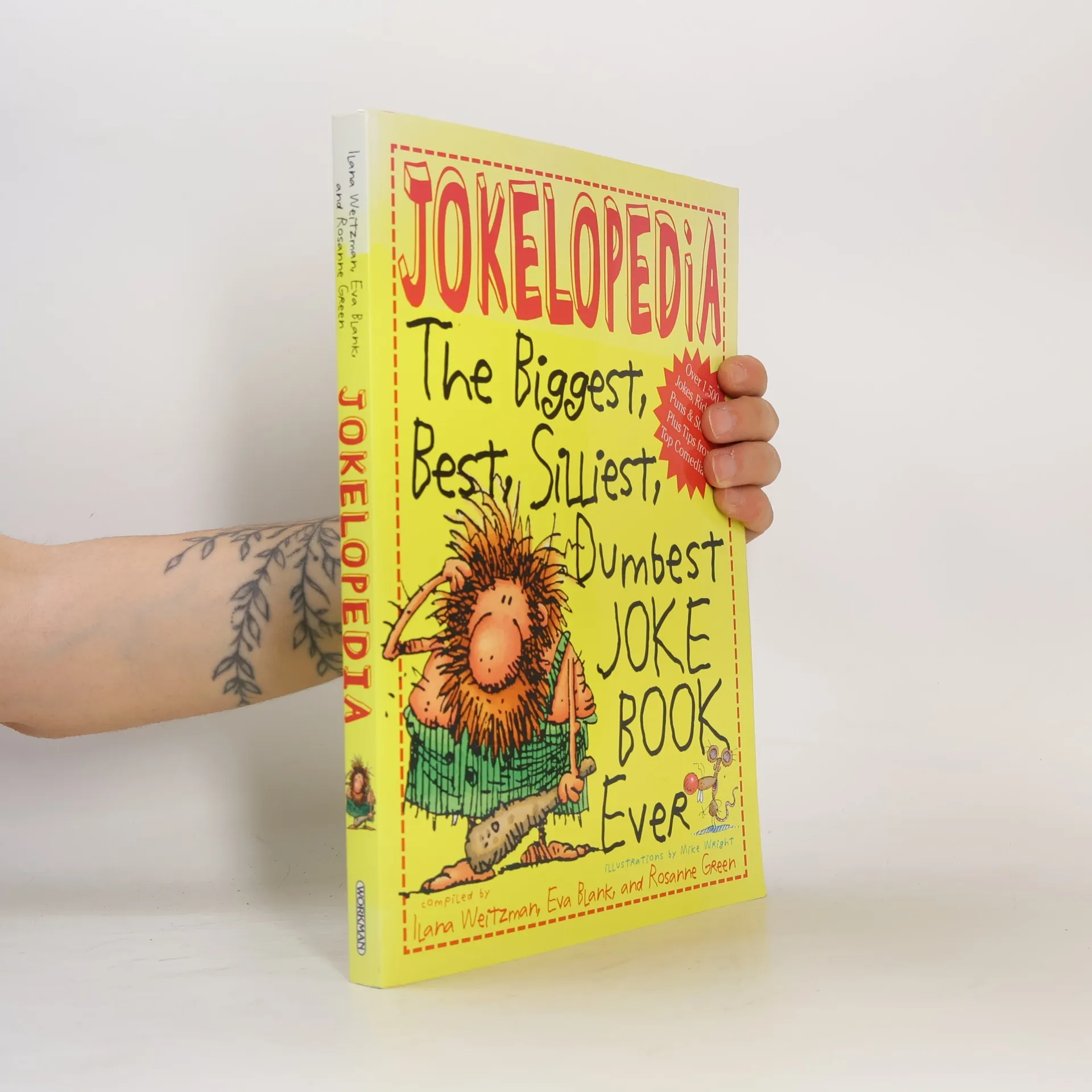
Jokelopedia is the ultimate joke book, featuring over 1,700 hilarious jokes for every occasion. It includes 59 elephant jokes, such as, "Why are elephants banned from public swimming pools? They always drop their trunks." You'll find a variety of knock-knock jokes, like the classic exchange with a raven, along with teacher, food, gross, and classic "why-did-the-chicken-cross-the-road" jokes. The book also offers a section of tongue twisters, including the challenging "sneaking in my creaky squeaky reeking sneakers." Beyond the jokes, it provides valuable joke-telling tips and profiles of famous funny figures, from Will Ferrell to SpongeBob SquarePants. With content organized into categories like doctor, robber, lightbulb, and vampire jokes, this edition serves as a comprehensive resource for aspiring comedians and class clowns. It features both classic jokes and fresh variations, ensuring a wide appeal. The book is sprinkled with amusing facts and pointers, enhancing the joke-telling experience. For example, did you hear about the two antennae that met on a rooftop and got married? The reception was amazing! With its vast collection and engaging format, this book is perfect for anyone looking to spread laughter.
Weltweit sterben ganze Stämme von Honigbienen. Anfang 2008 blieb in Amerika ein Drittel aller Bienenstöcke unbewohnt; in Frankreich liegt die Sterberate sogar bei 60 Prozent. Der britische Agrarminister warnt davor, dass die Honigbiene bereits in zehn Jahren ausgestorben sein könnte. Wenn die Welt ihre schwarz-gelben Arbeiter verliert, verschwindet nicht nur der Honig vom Frühstücksbrot, sondern alles, was auf der Bestäubung von Bienen beruht. Ein Drittel unserer essbaren Pflanzen, aber auch Futtermittel für Nutztiere und pflanzliche Rohstoffe sind damit in Gefahr. Was steckt hinter der Katastrophe? Sind es Viren, Pestizide, die Chemiekonzerne oder klimatische Bedingungen? Oder sind sogar die Imker selbst Schuld? In diesem Buch gehen zwei leidenschaftliche Imker diesen und anderen Fragen nach. Und stellen die dringende Frage: Gibt es überhaupt eine Möglichkeit, die Honigbienen vor dem Aussterben zu retten – und mit ihnen die Welt, wie wir sie kennen?