When Drew Linden's new job brings him back to his native Belfast, he is determined to remain distant from everything that once tied him there, including his friends and family. But as three of generation of family history unfold, it becomes clear that the past Drew has been running from is the very thing he needs to face.
Contents:Twenty-nine Palms by Mary O'DonnellA Drive by Philip MacCannThe Lip by Roddy DoyleSigns by Ursula de BrunThe Girl in the Yellow Dress by Patrick QuigleyTo Prevent Rust, Weeping and Bleeding by Sara BerkeleyWax by Jennifer C. CornellCharlie Chaplin's Wishbone by Aidan MathewsFather's Music by Dermot BolgerLosing Claire by Molly McCloskeyBag of Jewellery by Philip DavidsonRoaches by Glenn PattersonStart of a Great Adventure by Ciaran FolanThe Long Drop by Evelyn ConlonA Legacy and Some Gunks--An Entirely True Story by Bernard MacLavertyThe Family Plot by Brian LeydenThe Hands of Dingo Deery by Patrick McCabeThe Milking Bucket by Vincent McDonnellOur Fenian Dead by Lucille RedmondIn the Vatican Museum by Tom PhelanAfternoon by Desmond HoganGrow a Mermaid by Marina CarrThe Terms by Mike McCormack
It is the summer of 1969 and ten-year-old Mal is finding it difficult to settle in his new home, a housing estate on the outskirts of Belfast. He befriends a brash and rebellious teenager, Francy, who revels in his own status as an outsider and has set up camp in the local dump. But this is no ordinary summer - the civil rights marches are beginning, and the simmering sectarian tensions of the Larkview estate are set to erupt, hastening Mal's painful, shocking, loss of innocence. "One of the great novels about Ulster at the start of its Troubles." - Carlo Gebler "Remarkable assured...Patterson's novel, needless to say, is neither afraid nor prejudiced, but courageously magnanimous." - Guardian "A novel of visionary power that sees through a child's eyes a Belfast about to explode into sectarian strife." - Sunday Tribune "This is a very good novel and deserves your immediate attention." - Books Ireland
Avery isn't everyone's idea of a model Presbyterian minister. A Velvet Underground fan and student of stand-up comedy, the former bank-worker can't quite get used to being ?Reverend?. Then there's his difficulty remembering biblical quotations . . .Despite all this, Avery has absolute faith in his ability always to know the right thing to do. Until, that is, a man appears in his east Belfast church and confesses to murder. The only problem is ? this man can't remember where, when or why he killed. Avery commits himself to finding out the truth of what happened, but if this stranger seems hampered by the limitations of his own memory, then the minister's hands are tied by his professional and personal responsibilities ? and, as Avery soon realizes, neglecting his own concerns could have disastrous consequences .
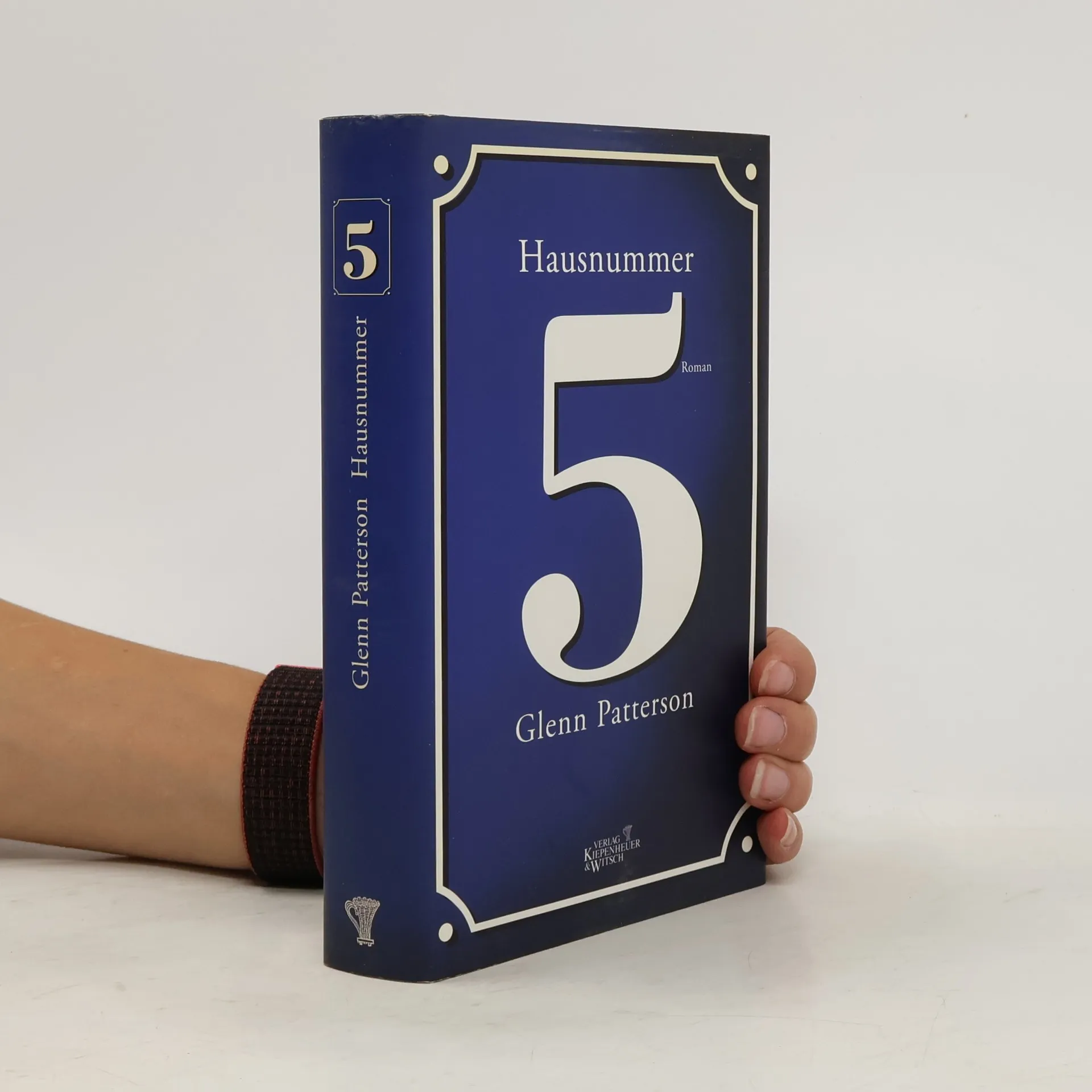
Number 5 is a 3-bedroom terrace house in suburban Belfast, where successive occupants navigate their joys and struggles amid the changing seasons outside. The memories of previous residents linger, shaping the house's atmosphere as they cope with life's challenges.
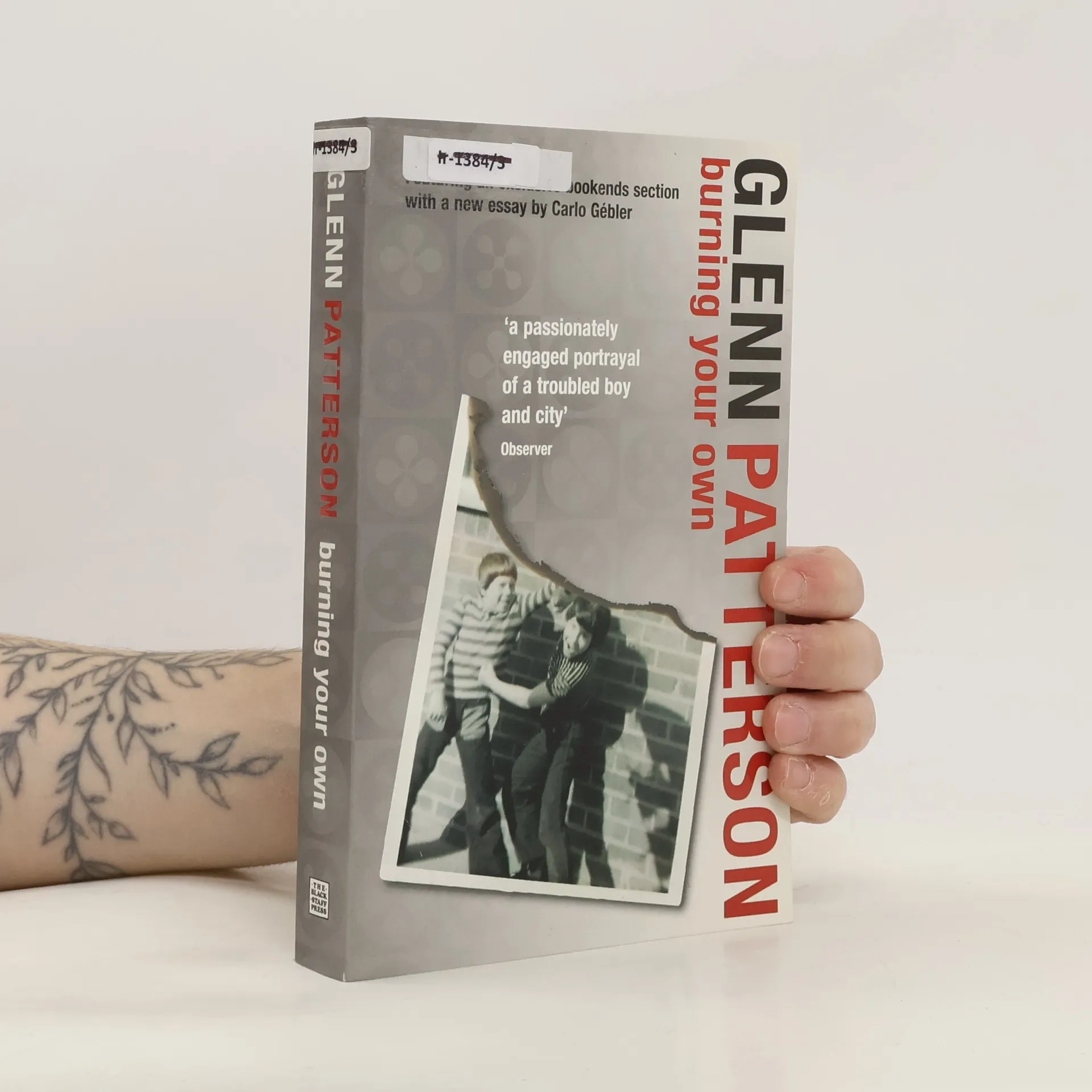
Hailed by Anne Enright as 'the best book about The Troubles ever written',
this novel by Glenn Patterson - the Bafta-nominated writer behind the Good
Vibrations film - spans three decades of Belfast history and is regarded by
many as one of the finest Ulster novels ever written.
A topical novel about lost love, growing older and the realities of life in a
society that is still coming to terms with thirty years of violence, some of
that violence still very present and dangerous.
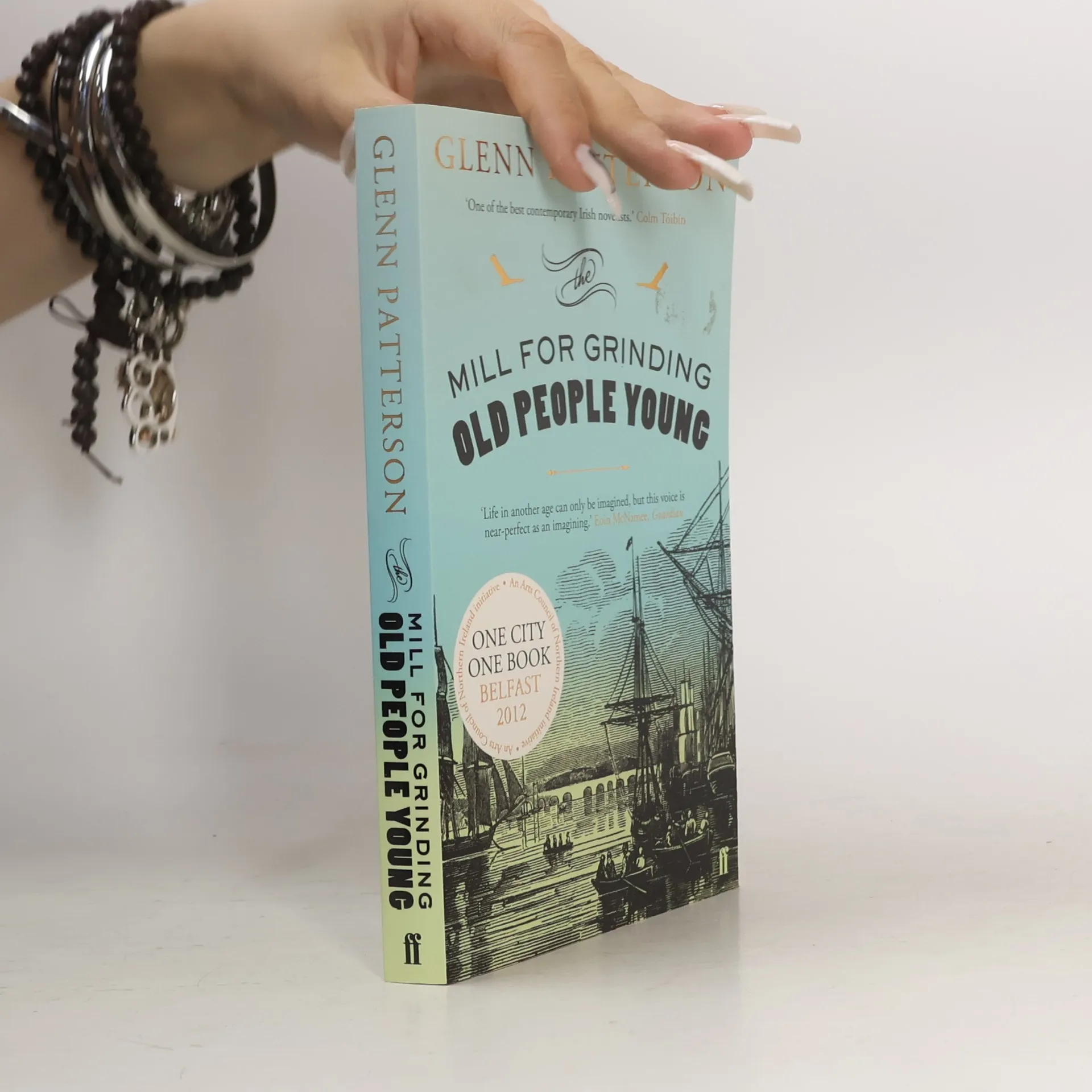
In the cold dawn of Christmas Day 1897, Gilbert Rice, 85 years old and with failing health, recounts his journey into manhood in a city on the cusp of great change. Belfast in the 1830s was a city in flux. Industrialisation had led to an increase in commerce and the rapid swell of the population as workers flocked to the newly created jobs. Gilbert, a young man with prospects, begins work with the Ballast Office, looking after Belfast Port. Beneath the shadow of the Harland & Wolff shipyard Gilbert explores this ever expanding and exciting city whilst becoming aware of the political undertones and the sectarian tensions that still brew beneath its respectable veneer. In a city that still resonates with the legacy of the 1798 Rebellion Gilbert begins to question the injustices that he sees. When he meets Maria, a Polish barmaid, he is drawn into a love affair that will drive him to make a stand against those he sees as harming the city that he loves.
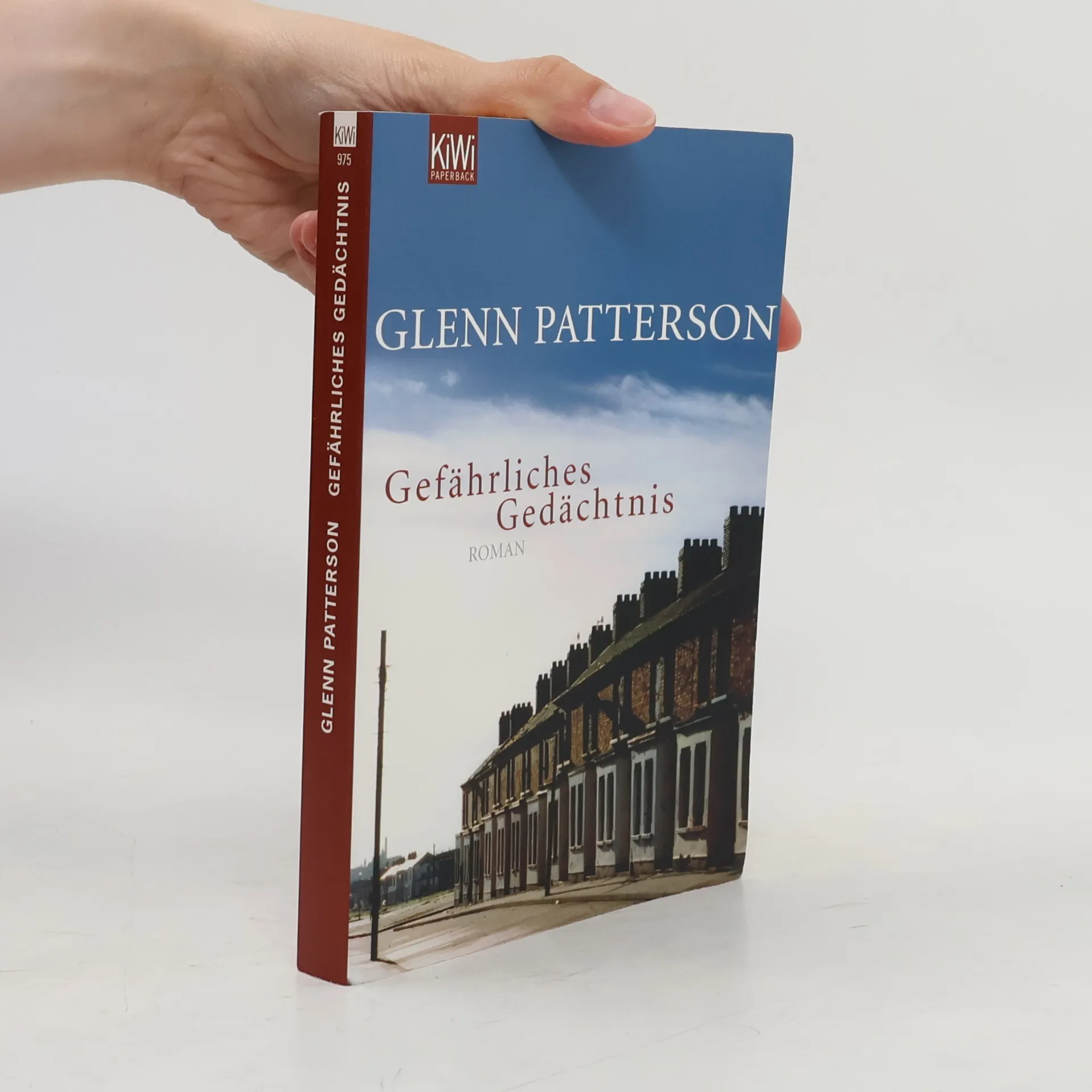
»Glenn Pattersons neuer Belfast-Roman liest sich wie ein Thriller.«_ Times Literary Supplement_Reverend Ken Averys Glaube an seine Fähigkeit, stets das Richtige zur richtigen Zeit zu tun, wird schwer erschüttert. In seiner Belfaster Kirche taucht ein Fremder auf, der behauptet, ein Attentat begangen zu haben. Er kann sich aber nicht richtig erinnern … Der lebenslustige presbyterianische Pfarrer Ken Avery führt ein erfülltes Leben inmitten seiner Gemeinde in Ost-Belfast. Eines Tages sucht ihn ein Mann namens Larry auf, der ihm anvertraut, er glaube sich langsam zu erinnern, in der Vergangenheit einen Mord begangen zu haben. Seinen Gedächtnisschwund erklärt er damit, dass nach der Tat sein Gedächtnis operativ manipuliert worden sei. Avery ist zunächst skeptisch, doch als die Indizien zunehmend dafür sprechen, dass Larrys Geschichte wahr ist, beginnt er der Sache ernsthaft nachzugehen. Seine Ermittlungen bringen sein Leben und das seiner Familie in Gefahr, seine Ehe wird auf die Zerreißprobe gestellt … Avery will ein Einzelschicksal aufklären, taucht aber letztendlich tief in die Traumata und Hoffnungen der von den »Troubles« geprägten nordirischen Gesellschaft ein. Glenn Patterson zeigt sich als scharfer Beobachter, seine Kriminalstory ist packend erzählt, selbstironisch und humorvoll. Ein Glanzstück.
„Hausnummer 5 ist ein bewegendes, lustiges und sehr intelligentes Buch, das fest in der jüngsten Geschichte Nordirlands verwurzelt ist und dennoch das zutiefst Menschliche darstellt - geschrieben mit jener Sorgfalt, Erkenntnis und erzählerischen Kraft, die Glenn Patterson auszeichnet.“ A. L. Kennedy Ein normales Haus in einer normalen Straße in einer Vorortsiedlung von Belfast ist der eigentliche Held in Glenn Pattersons humorvollem und warmherzigen Roman. In den 50er Jahren erbaut, wird das kleine Reihenhaus im Laufe der Jahrzehnte von den unterschiedlichsten Menschen bewohnt: von dem frisch verheirateten Paar Harry und Stella, das sich nur langsam aneinander und die Nachbarschaft gewöhnt, bis Stella über Nacht alle Haare ausfallen. Von der chinesischen Familie, der Ausländerhass in Irland das Leben zur Hölle macht, oder von Catriona Eliot, die ratlos mit ansehen muss, wie ihre Familie plötzlich religiös wird. Glenn Patterson erzählt von Glück und Frust, kleineren und größeren Katastrophen, Freundschaften und Trennungen. Da die Nachbarschaft mitwächst, Menschen im Viertel ein- oder ausziehen, manchmal ein engerer, manchmal gar kein Kontakt zu den Leuten von nebenan besteht, ergibt sich ein bewegendes Porträt einer ganzen Straße und ihrer Bewohner in einer von Gewalt bedrohten Stadt.