

Britten's Century Britten's Century considers various aspects of Britten's life and work. The book is written by biographers, performers and music critics. Here is a wealth of subject matter - Britten's operatic output, his orchestral works, his contribution to the revival of English song. Biographically, this book moves on beyond the relationship with Peter Pears and the salacious speculation about his infatuation... Full description
Mark Bostridge Book order (chronological)

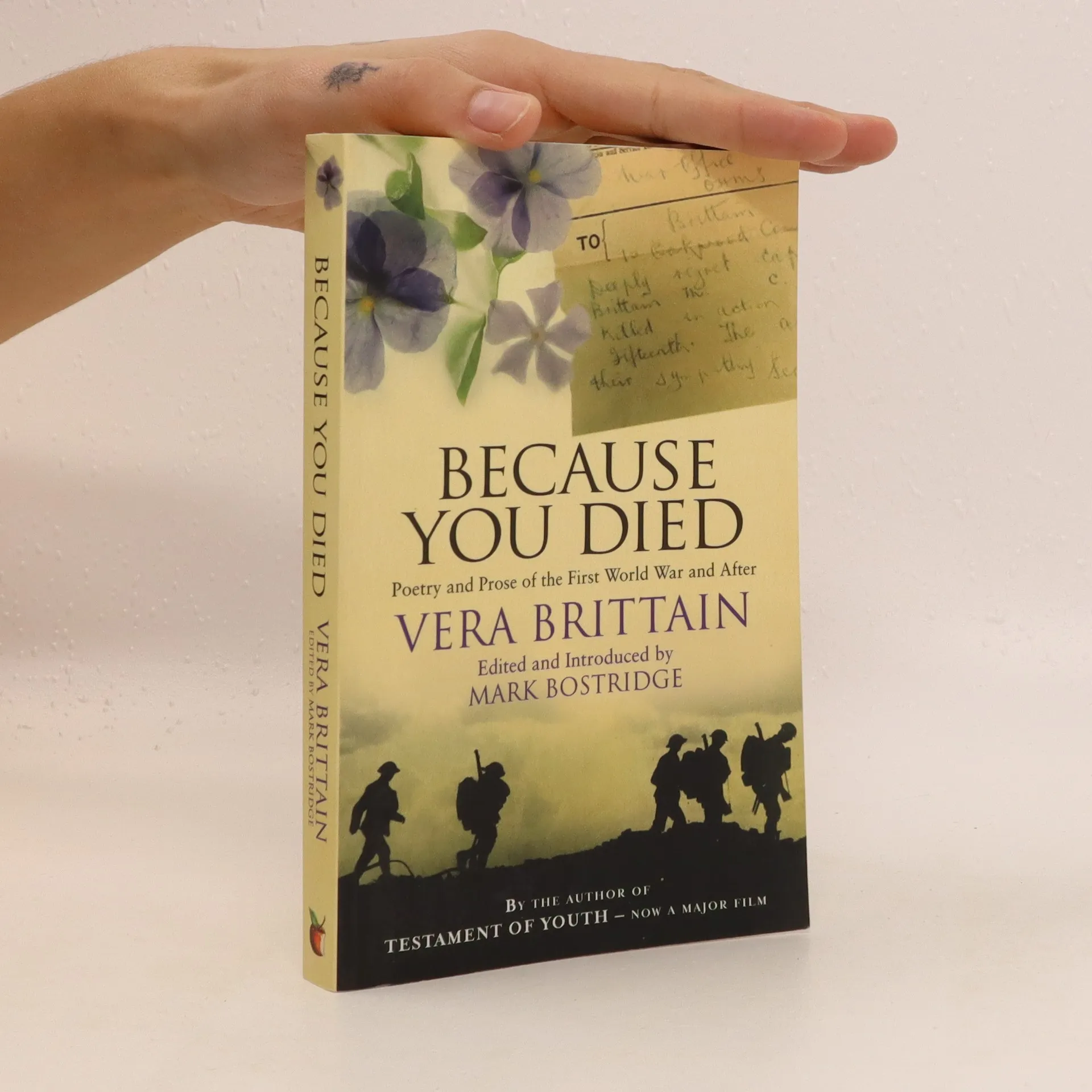
Because You Died
- 192 pages
- 7 hours of reading
This collection of Vera Brittain's poetry and prose, some of it never published before, commemorates the men she loved - fiancé, brother and two close friends - who served and died in the First World War. It draws on her experiences as a VAD nurse in London, Malta, and France, and illustrates her growing conviction of the wickedness of all war. Illustrated with many extraordinary photographs from Brittain's own albums, and edited with a new introduction by Mark Bostridge, BECAUSE YOU DIED is an elegy to men who lost their lives in a bloody conflict, and a beautiful volume of remembrance to mark the anniversary of the Armistice.
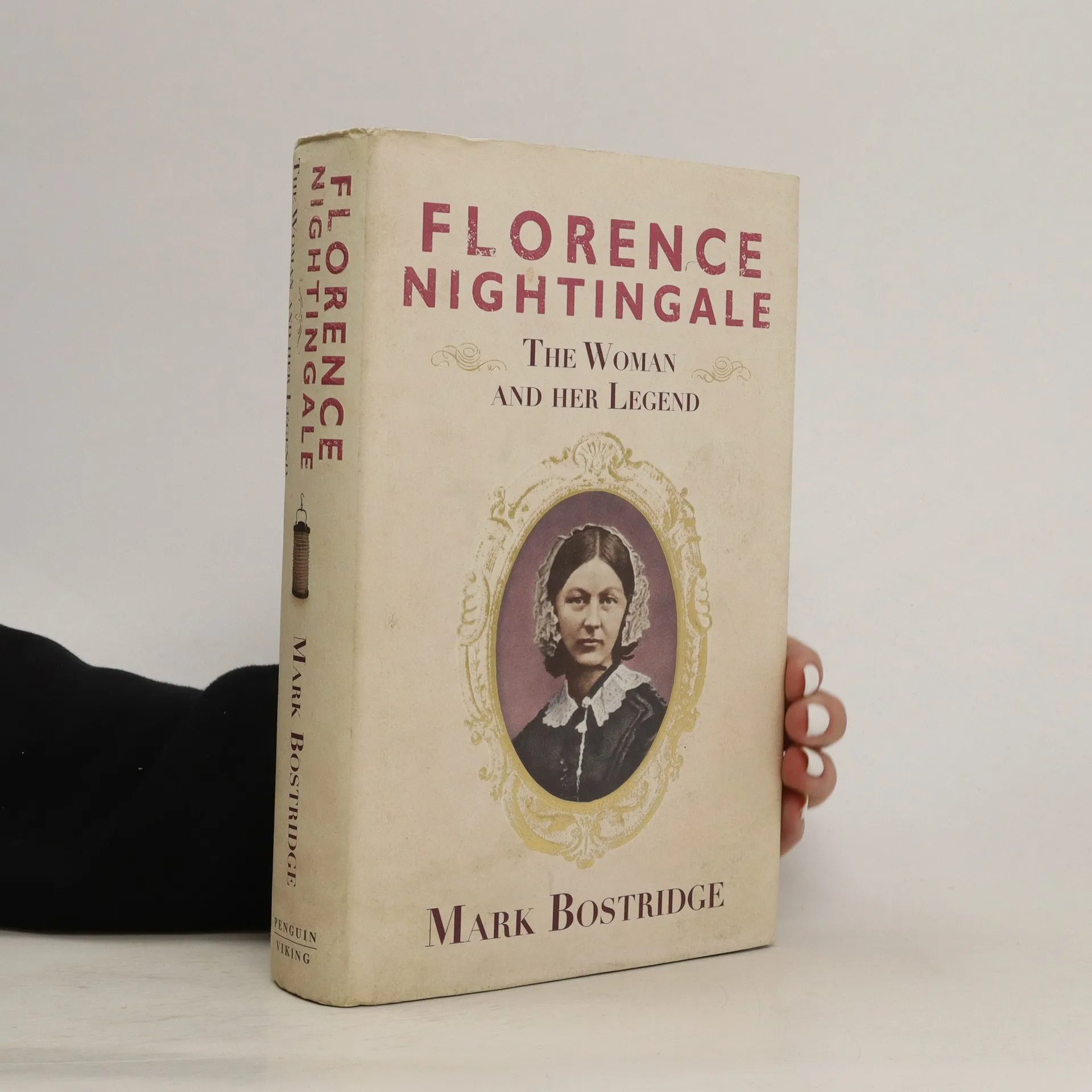
Florence Nightingale
- 600 pages
- 21 hours of reading
"In this book, the first major biography of Florence Nightingale in over fifty years, Mark Bostridge draws on a wealth of unpublished material, including previously unseen family papers, to throw significant new light on this extraordinary woman's life and character. By disentangling elements of myth from the reality, Bostridge has written a vivid and readable account of one of the most iconic figures in modern British history."--Jacket
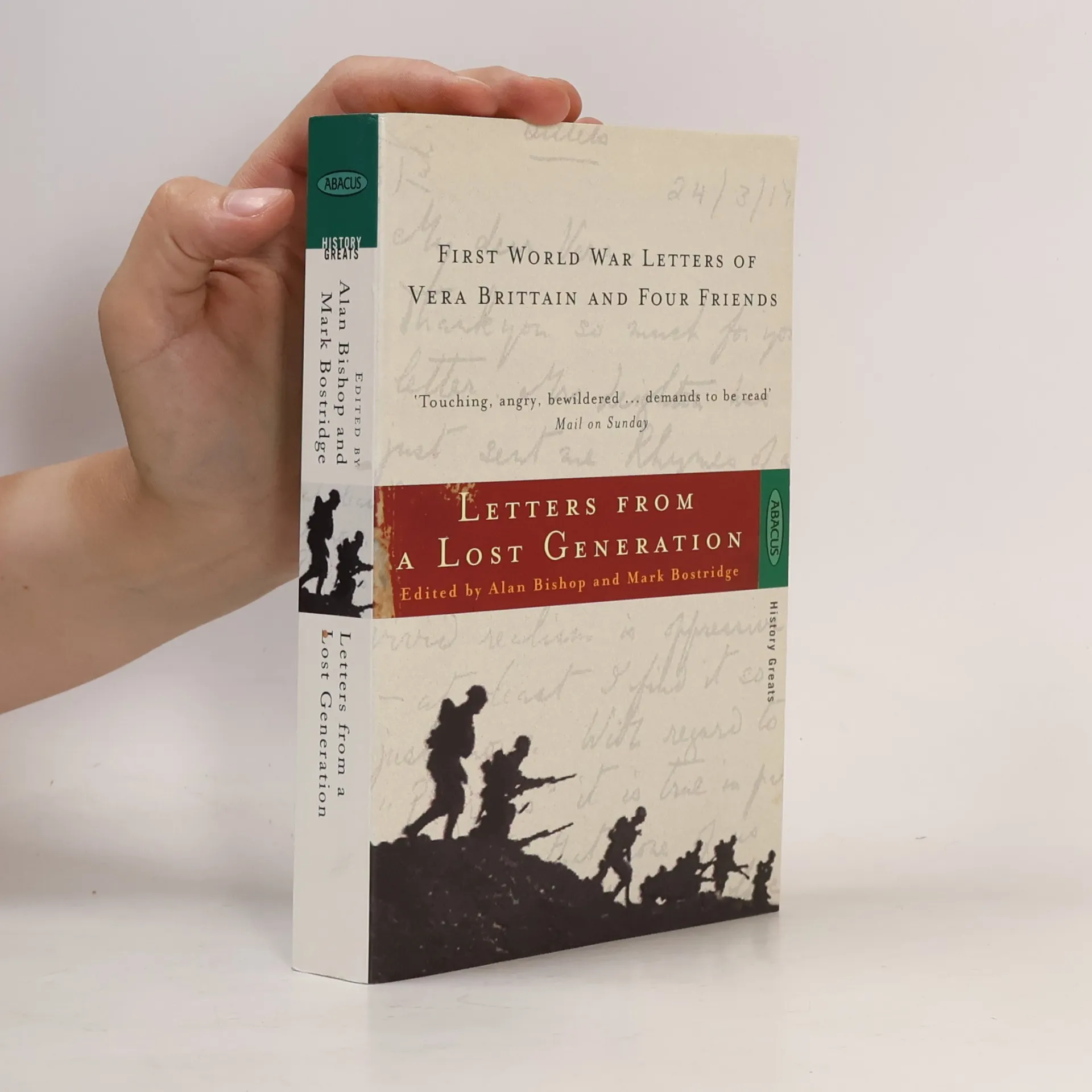
Letters from a Lost Generation
- 448 pages
- 16 hours of reading
The outbreak of the First World War in 1914 irrevocably altered many lives, including that of Vera Brittain, an Oxford undergraduate who left her studies to serve as a nurse in military hospitals in England and France. The war was a shattering experience for her; she witnessed the horrors of combat and lost the four men closest to her—her fiancé, Roland Leighton, brother Edward, and friends Geoffrey Thurlow and Victor Nicholson—who all perished on the battlefield. A collection of previously unpublished letters between Brittain and these young men chronicles her relationships with them, revealing the disillusionment with the idealized glory of patriotic duty that quickly gave way to the grim reality of trench warfare. The letters are lively and dramatic, infused with a curious optimism despite the war's awfulness. In one poignant letter to Roland in December 1915, just days before his death, Vera expressed hope for the future, stating, "Somehow I feel the end is not destined to be here and now." Following Roland's death, and later those of Victor and Geoffrey, her letters take on a raw intensity as she focuses on her brother, a Military Cross recipient, until his death on the Italian Front in June 1918. These letters formed the basis of Brittain's remarkable autobiography, bringing to life the voices of a lost generation whose words risk being forgotten as the war recedes from memory.