Tea for One
- 240 pages
- 9 hours of reading
Some people are home alone by choice, while others, like Alice, journeyed into it through a change of circumstances. Alice discovers the challenges and pleasures of living alone.


Alice Taylor is a beloved Irish author whose work is deeply rooted in her connection to rural life in County Cork. Her writing is characterized by an authentic portrayal of human relationships, landscapes, and traditions, often focusing on themes of family and community. Taylor possesses a unique ability to capture the essence of the Irish countryside, offering readers a poignant and relatable glimpse into life. Her narratives resonate with a broad audience due to their sincerity and warmth.

Some people are home alone by choice, while others, like Alice, journeyed into it through a change of circumstances. Alice discovers the challenges and pleasures of living alone.
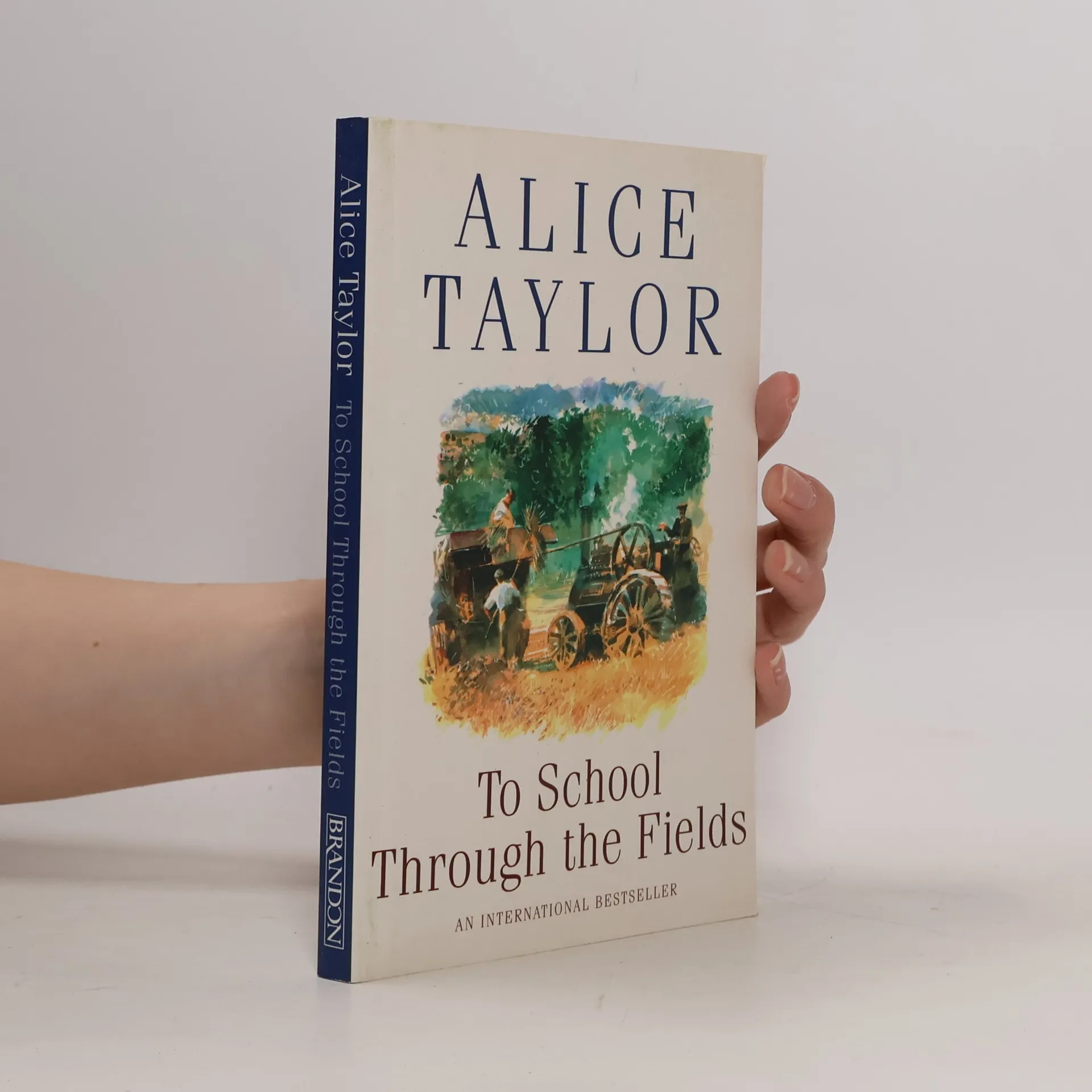
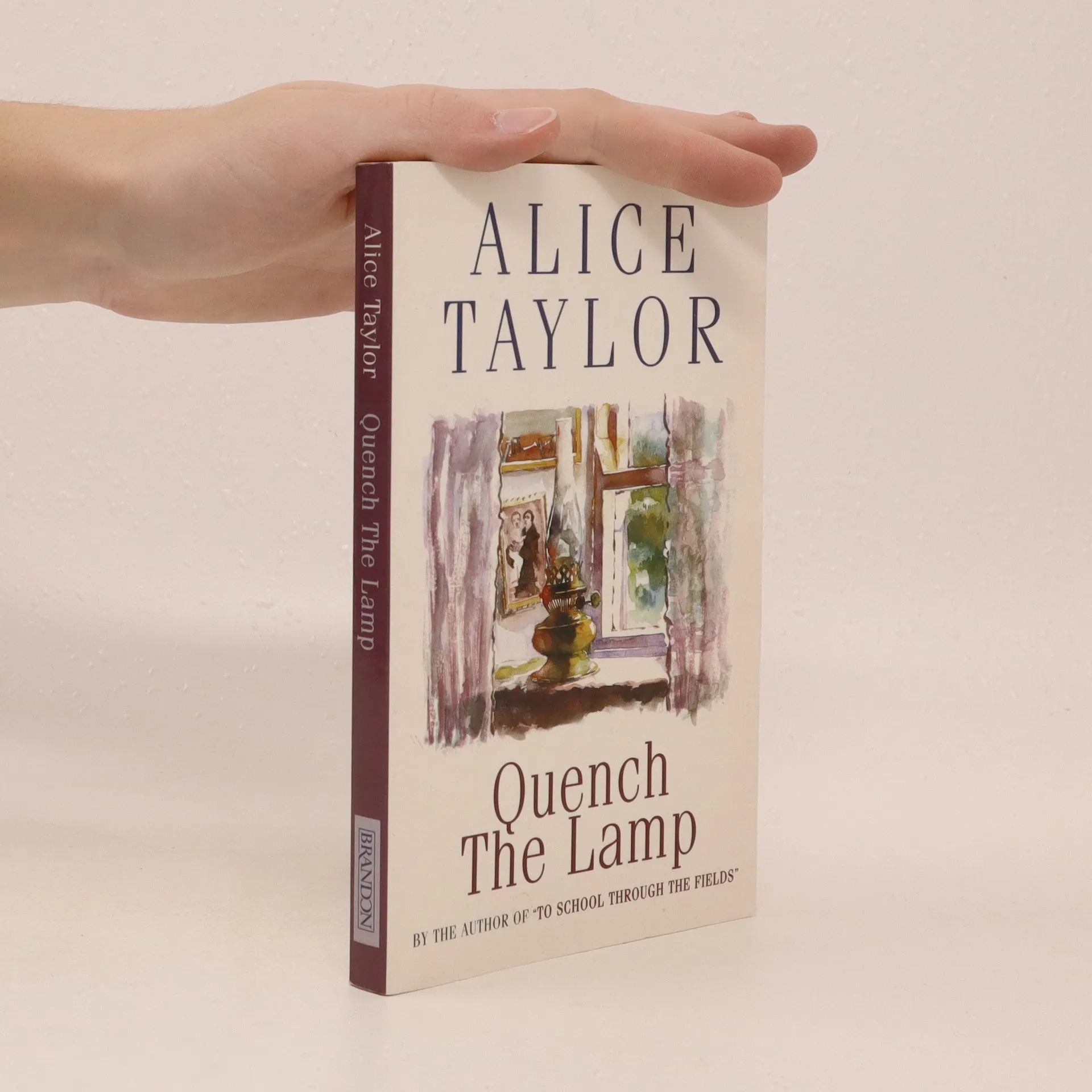
Alice Taylor takes a journey back to the 1940s and 1950s in rural Ireland through the well-used schoolbooks that she has kept from that time. Poetry, legends, stories and history evoke a way of life, and pace of life, that's long changed.
An extended memoir with reminiscences about the Author's friends, family members and even beloved animals that have passed away. A therapeutic book demonstrating a compassionate way of dealing with bereavement.
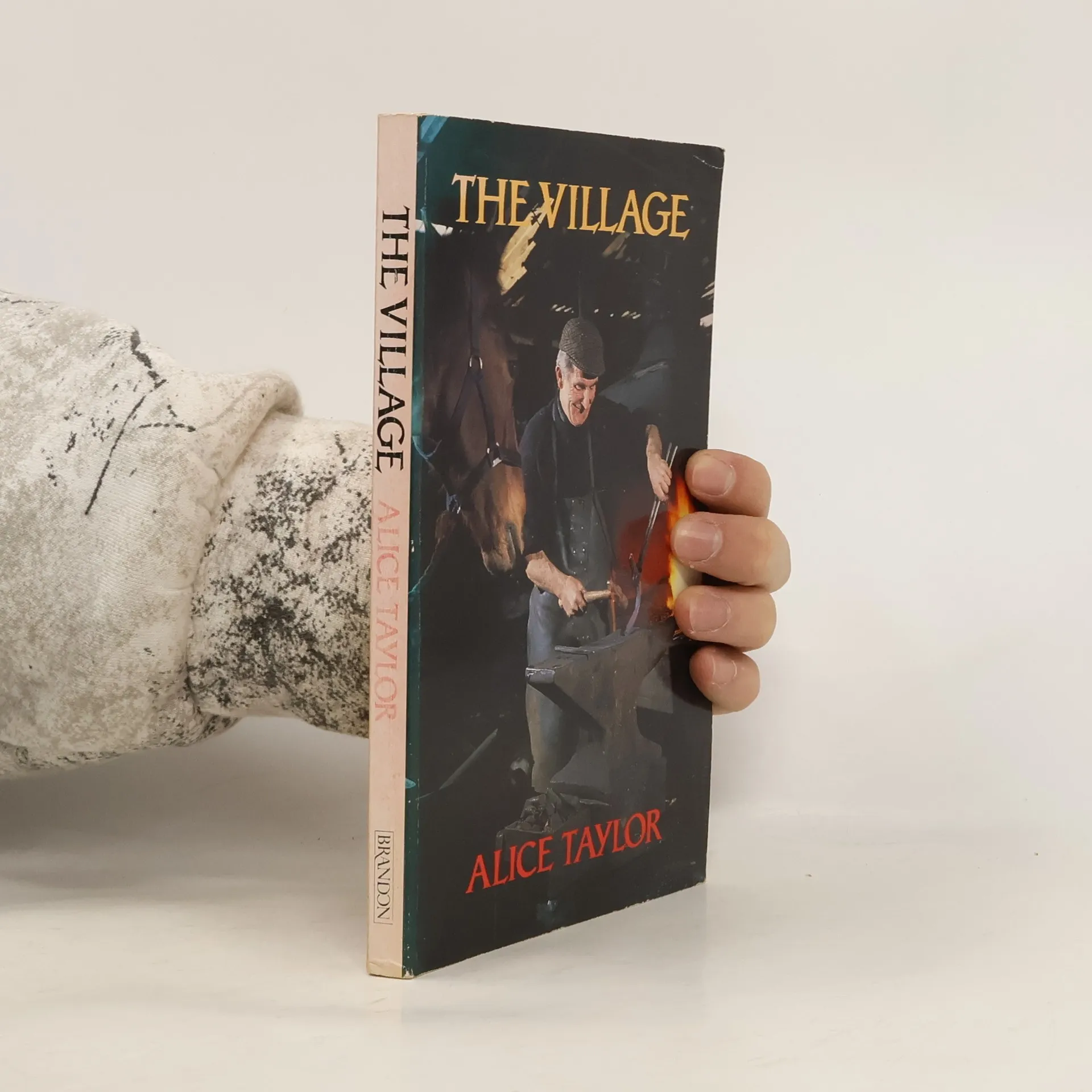
A classic memoir from Ireland’s favourite storyteller. Here Taylor follows To School Through The Fields with these equally captivating recollections of family life in pastorial County Cork. Infused with wit and lyricism, the story centres on the 1950's when the author and her friends were teenagers. She describes the past vividly and without complaint as the years of hard labour for herself, parents and siblings, were also filled with fun in the close knit community.
The attraction of THE VILLAGE, more perhaps than its illustrious predecessors, lies in the fact that Alice Taylor has captured it so well. Leave aside for a moment the extraordinary commercial success, which any author worth his or her salt would envy, and you still have a memorable book of memoirs, another little gem from an accomplished weaver of tales.' - Cork Examiner
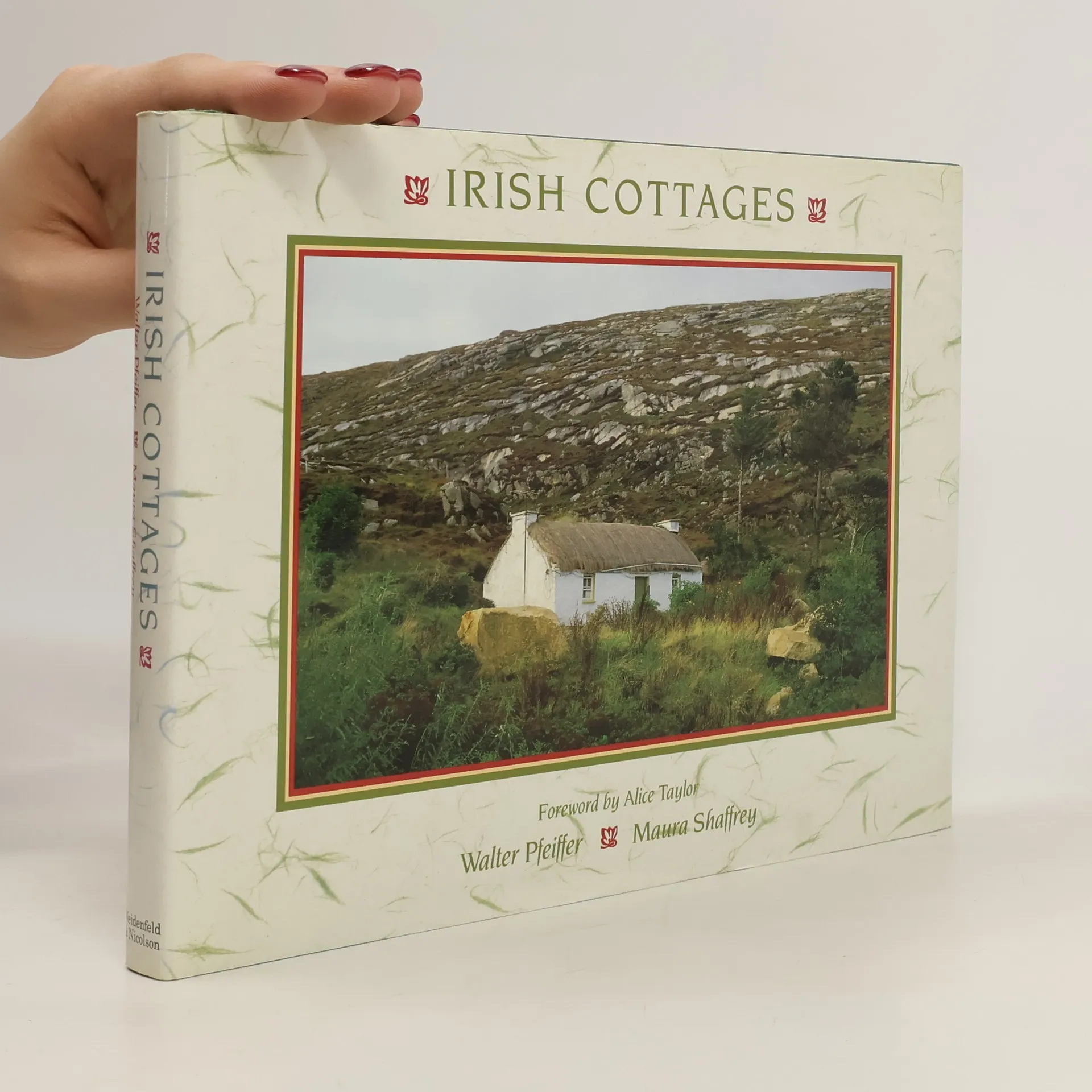
Celebration of cottages in Ireland, capturing their elemental and poignant beauty.
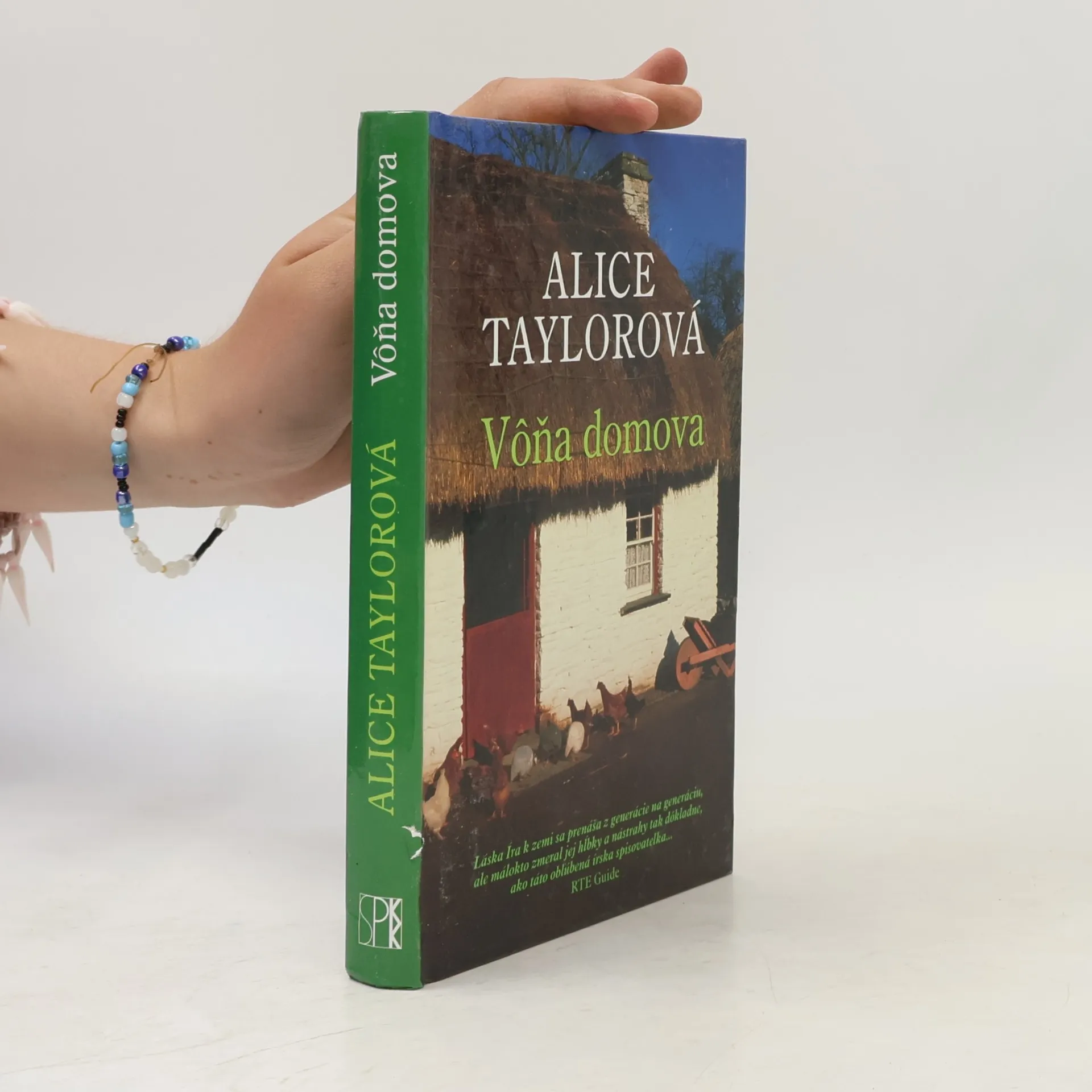
Alice Taylor remembers her childhood home - the farm with all its tools and animals, the home with its equipment for living, its daily challenges, constant hard work, and its comforts too. She describes the huge open fireplace where all the cooking was done, where the big black kettle hung permanently from the crane over the flames; here the family sat in the evenings, talking, knitting, going over the events of the day, saying the rosary. She experienced the sow being brought indoors to have her precious brood of bonhams. She recalls the faithful, beloved horses and their wonderfully varied outfits - one set of tackle for each job they did on the farm; the ritual of lighting the oil lamps - from the fancy one in the parlour to the tiny one under the Sacred Heart picture; the excitement of threshing day and the satisfaction of a good harvest - the stations, the neighbours, and later the local dancehall and cinema. All the jobs and tools of a way of life long gone live on in the hearts of those who were formed by it. Here Alice Taylor celebrates them all with love. 'magical ... reading the book, I felt a faint ache in my heart ... I find myself longing for those days ... it is essential reading.' Irish Independent
The Irish nana is a repository of family history, memory and lore. Alice celebrates her own nanas, part of the generation born after the Great Famine. She herself is now a nana too, and explores the old and the new, the 'then' and 'now', the nana of yesteryear and of today, with her characteristic empathy and love.
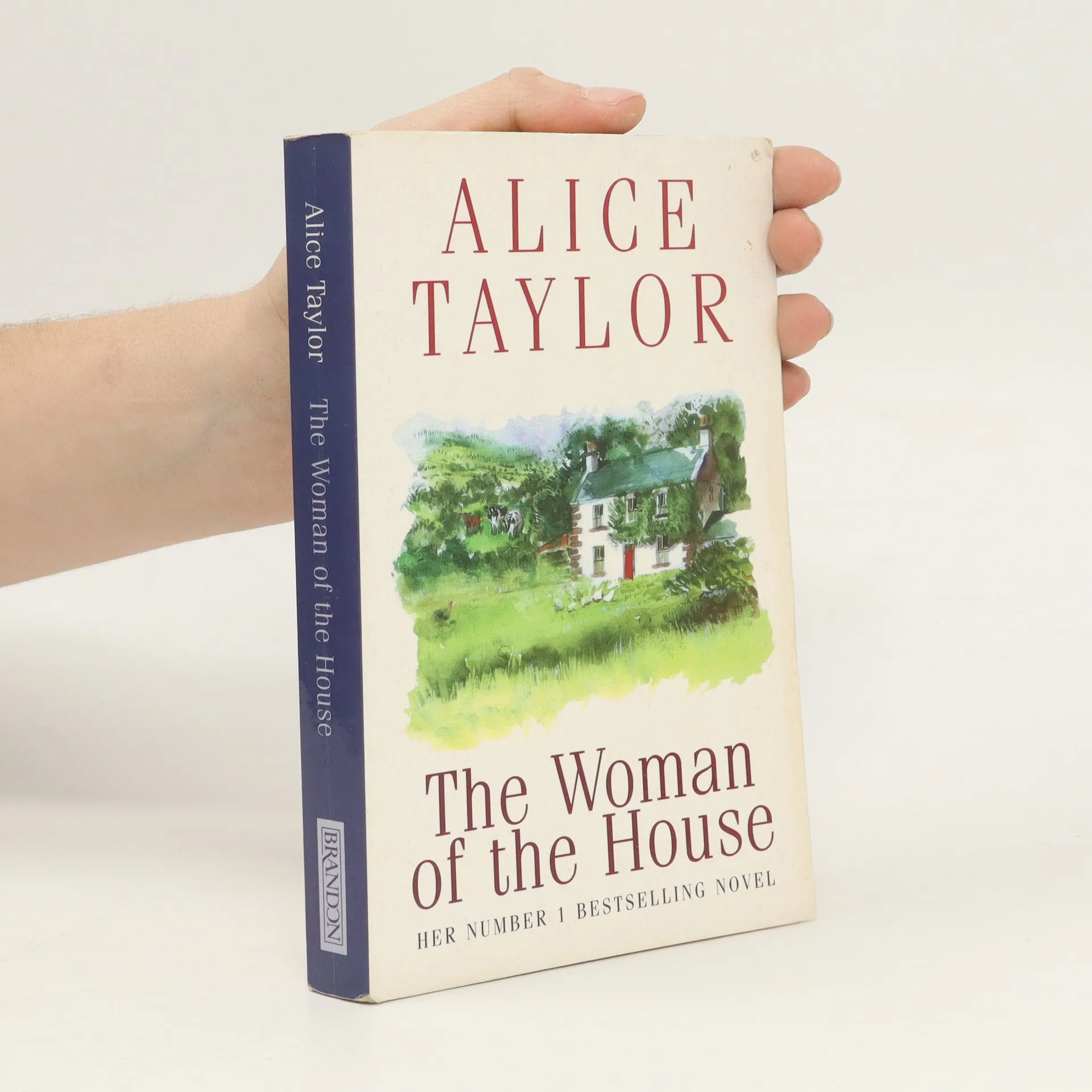
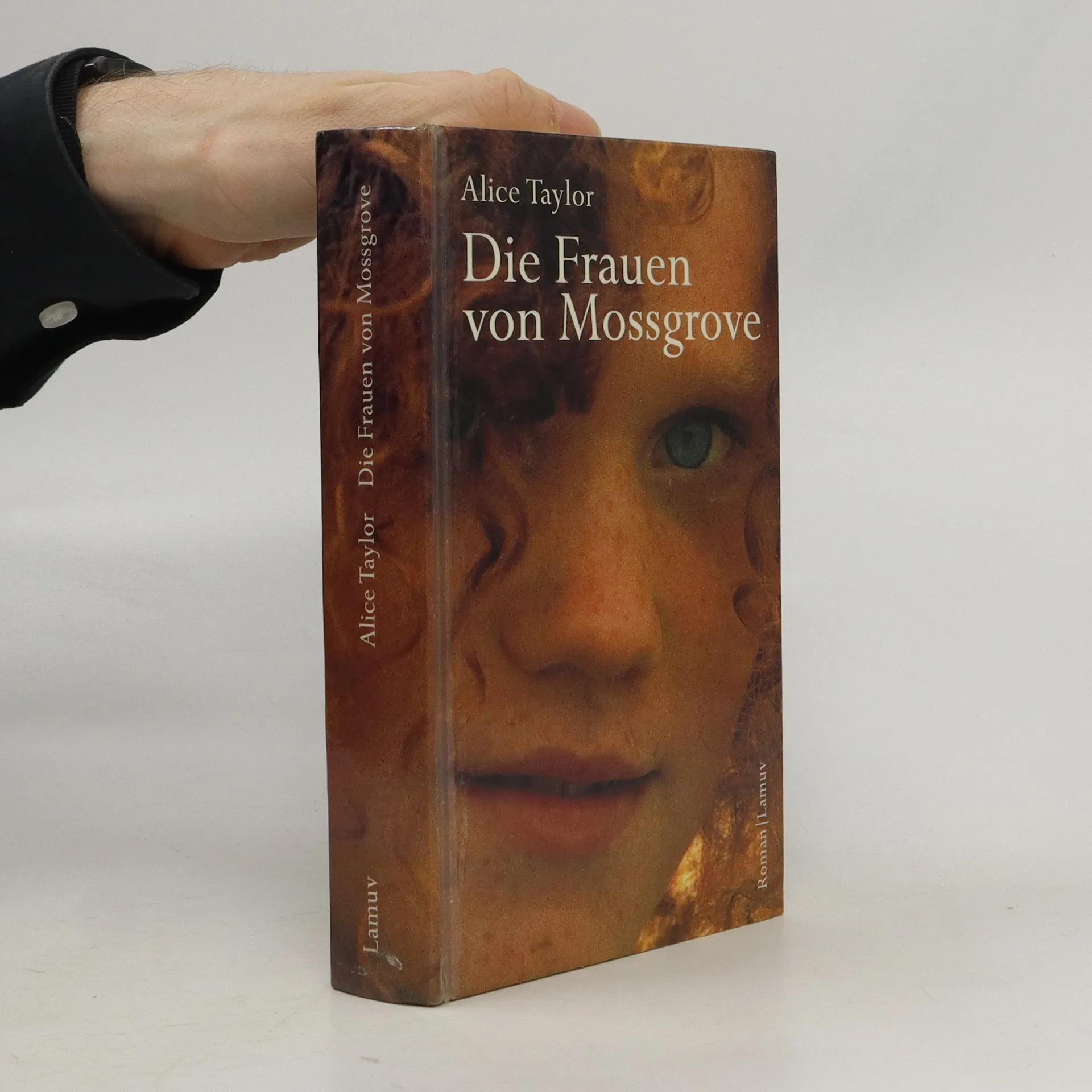
The Phelans have owned Mossgrove for generations. The small, rural Irish farm has been the pride of them all until Ned's wife, Martha, arrives and begins to undermine generations of hard work and happiness. She resents the deep history of the place and sets about making it her own, shutting out what is left of Ned's family. She is particularly jealous of Ned's sister, Kate, a local nurse and doting aunt to Martha's children. When Ned dies suddenly, Martha puts Mossgrove up for sale in hopes that it will be bought by the neighbouring Conways, who have long coveted the Phelan farm. What she does not realize are the lengths to which Kate and the hired hand Jack will go to keep the land in the family ...
Her classic account of growing up in the Irish countryside, the biggest selling book ever published in Ireland.
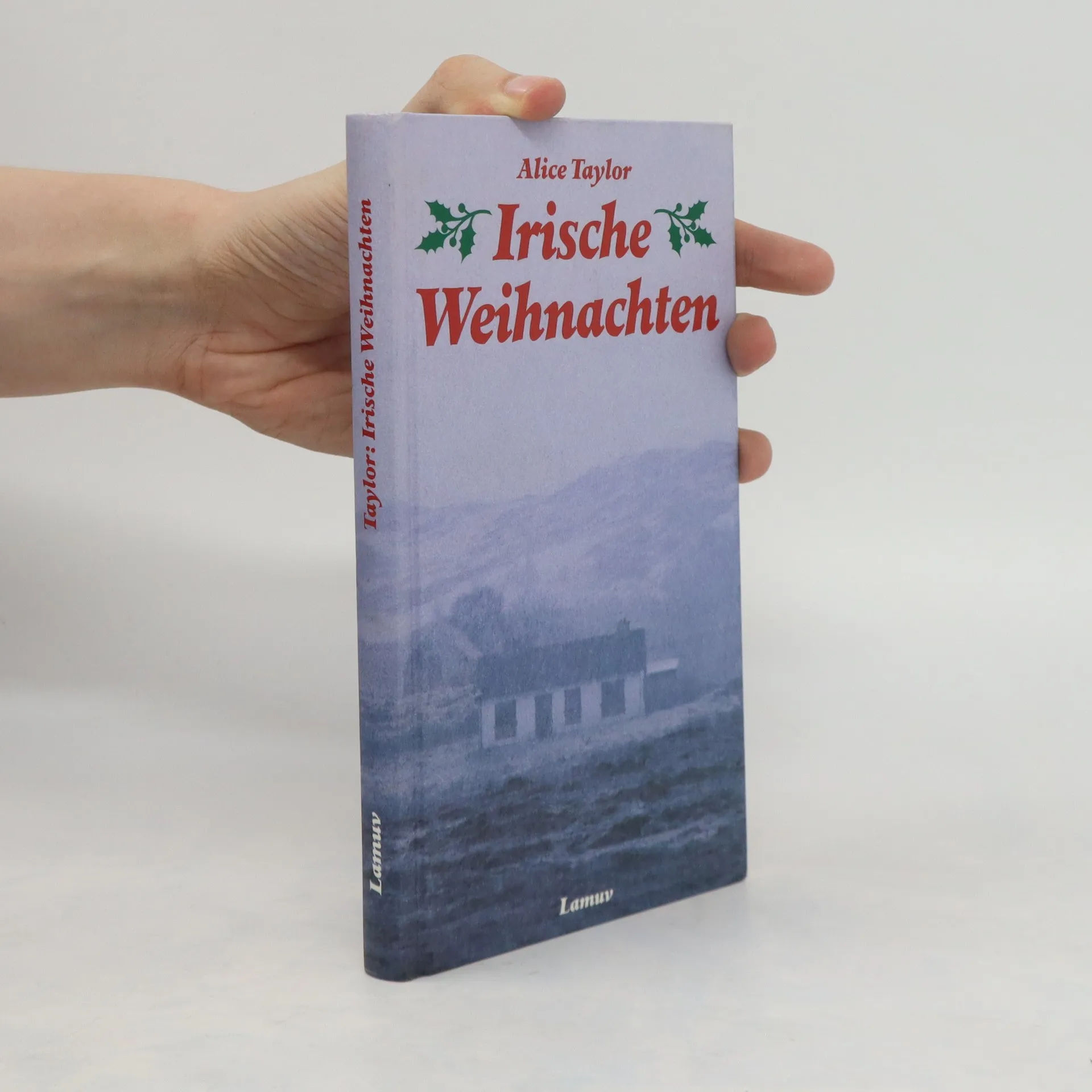
Join Alice Taylor this Christmas as she welcomes us into her home and shows us the traditions of her family's Christmas. Alice looks back over her past Christmases and prepares for this Christmas.
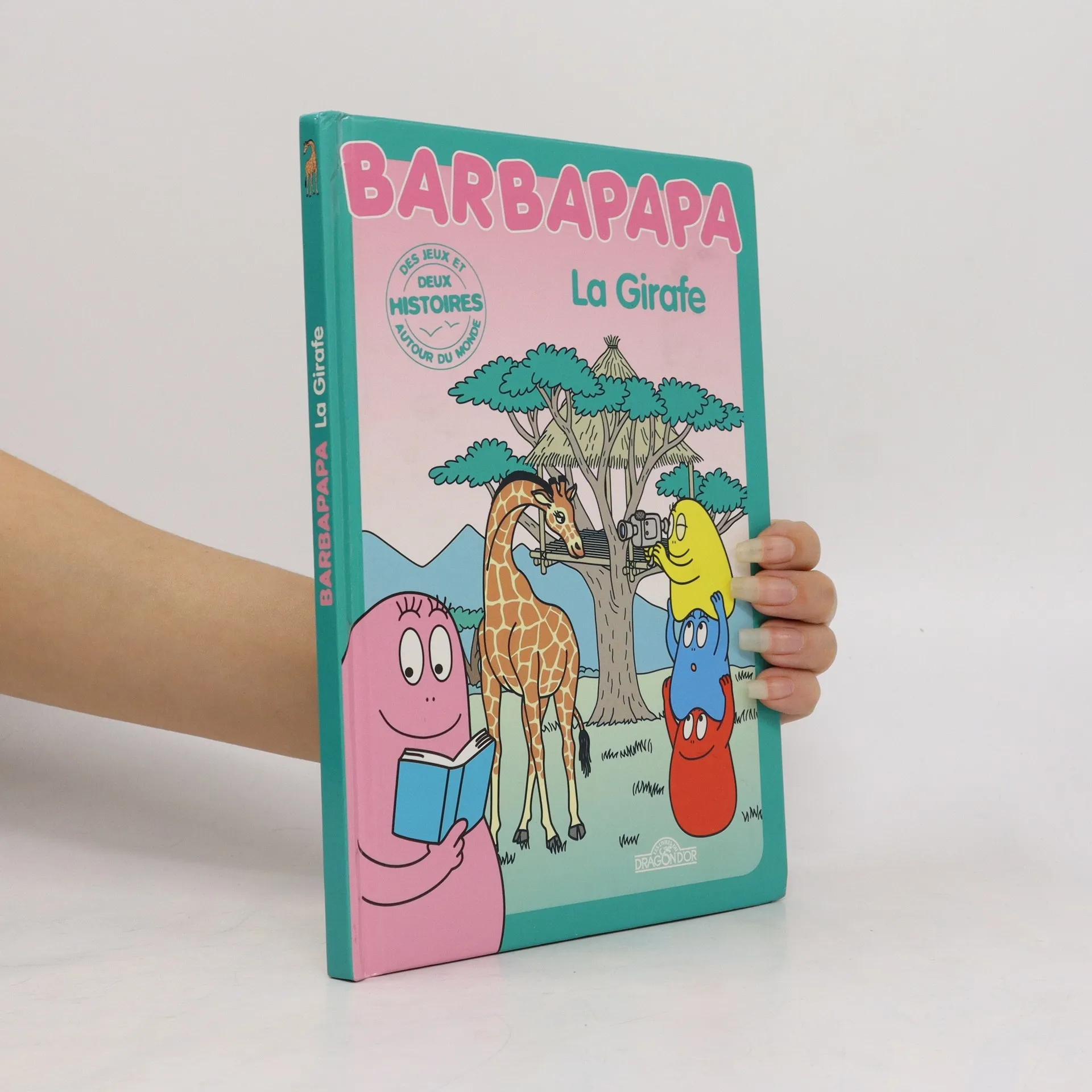
Voici une toute nouvelle collection d'albums, comprenant chacun deux histoires inédites des Barbapapa, dans leur voyage autour du monde et à la découverte des animaux. Suivez-les en Chine à la rencontre d'une adorable famille de pandas, puis en Inde saluer le tigre du Bengale, découvrez la savane, avec ses girafes et ses éléphants, et laissez-vous même embarquer pour le Pôle nord en quête de l'ours blanc ! Consacrés chacun à une région du monde différente, les recueils proposent aussi quelques pages d'informations et de jeux amusants qui plairont aux amoureux de la nature.
Irland in den frühen 50er Jahren. Der Hof Mossgrove ist seit Generationen im Besitz der Familie Phelan. Alle Familienmitglieder lieben ihn, bis auf Martha, die Frau des Hofherrn Ned, die sich vom Leben auf dem Hof und mit der alles beobachtenden Dorfgemeinschaft eingeengt fühlt. Als Ned bei einem Unfall ums Leben kommt, will Martha den Hof so schnell wie möglich verkaufen, gegen den Widerstand aller anderen Familienmitglieder. Die verhassten Nachbarn Conway wollen Mossgrove übernehmen - aber auch das kann Martha nicht umstimmen