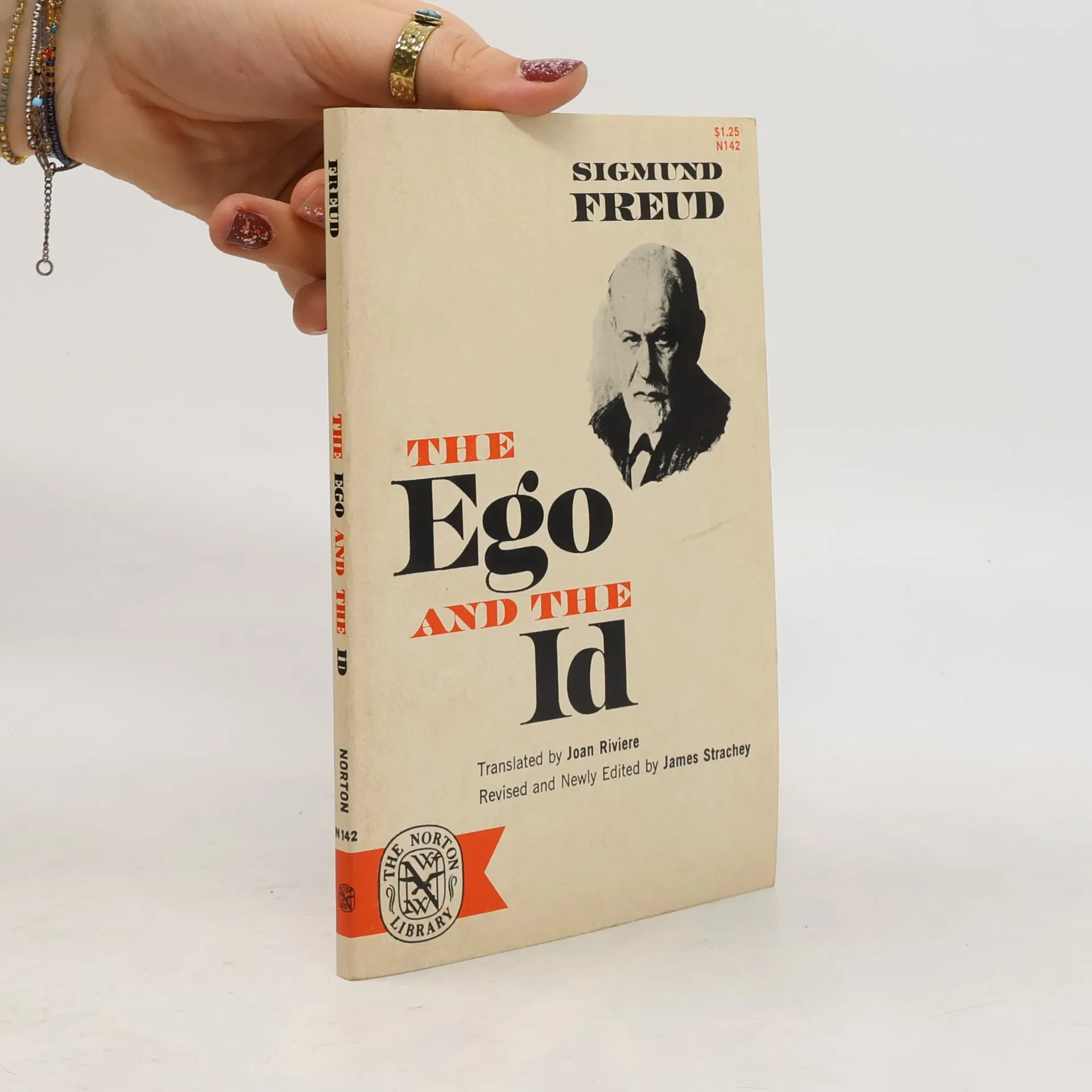
The Standard Edition of the complete works of the father of psychoanalysis - the only definitive paperback edition on the market. Translated from the German under the General Editorship of James Strachey; in collaboration with Anna Freud; assisted by Alix Strachey and Alan Tyson.
James Strachey Book order (chronological)
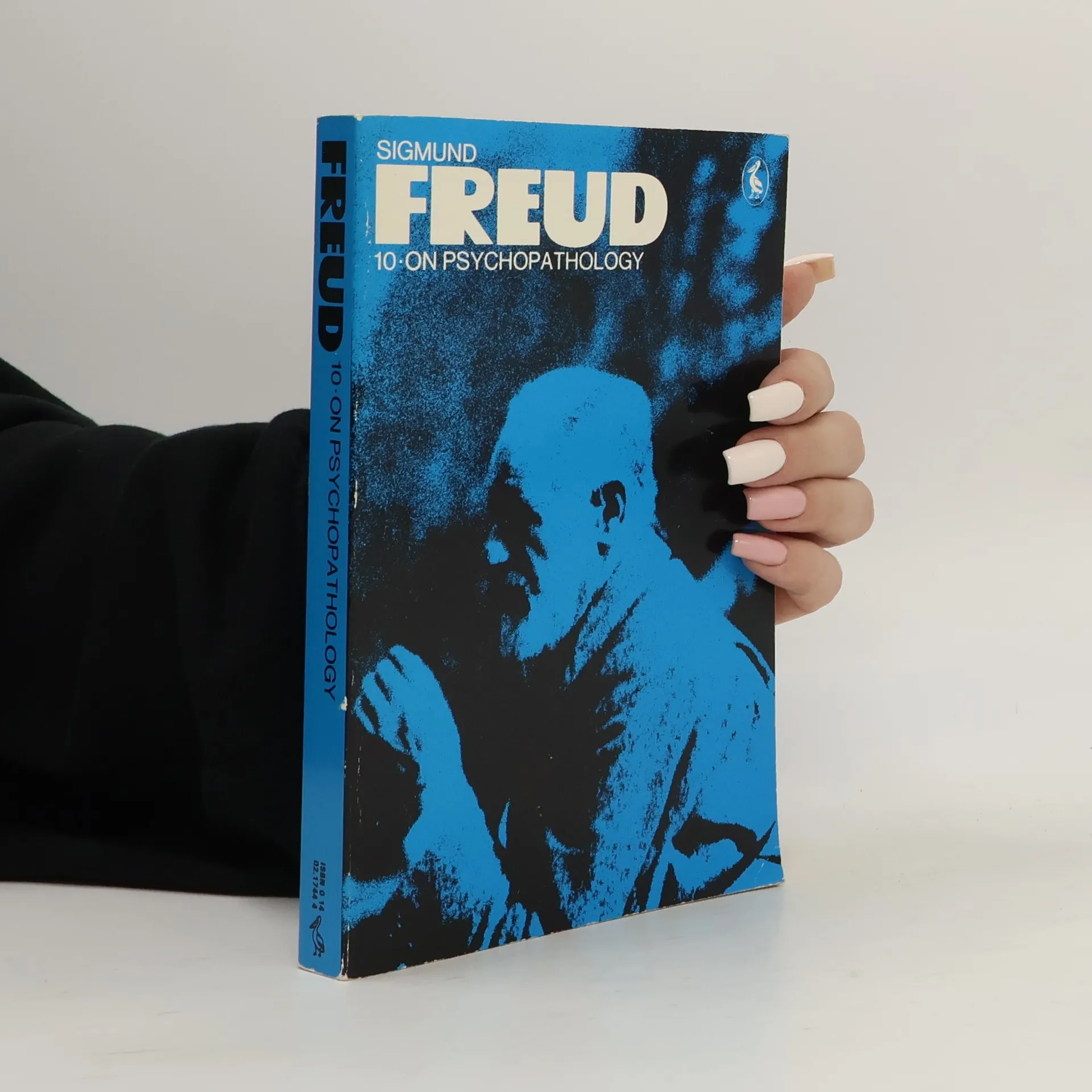



In what is considered one of his most prominent ideas, Austrian psychiatrist, Sigmund Freud explains the dynamic of the human psyche in terms of the roles and conflicts produced by the id, ego, and super-ego. Freud suggests that all human behaviors and traits, including personality disorders, are created by the complex conflicts and workings of these three components of human personality.
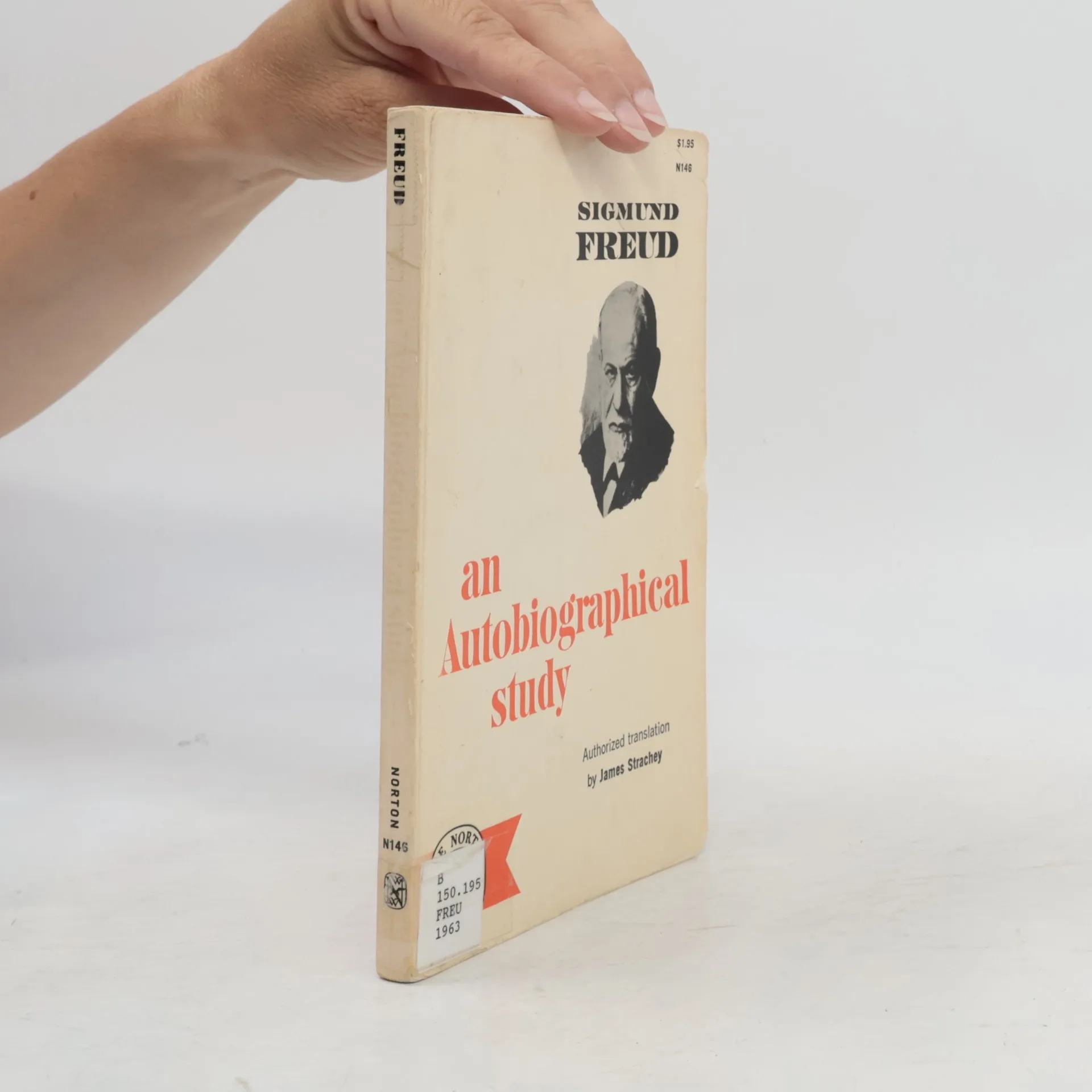
Complete Psychological Works of Sigmund Freud: An Autobiographical Study
- 120 pages
- 5 hours of reading
Freud approved the overall editorial plan, specific renderings of key words and phrases, and the addition of valuable notes, from bibliographical and explanatory. Many of the translations were done by Strachey himself; the rest were prepared under his supervision. The result was to place the Standard Edition in a position of unquestioned supremacy over all other existing versions.Newly designed in a uniform format, each new paperback in the Standard Edition opens with a biographical essay on Freud's life and work--along with a note on the individual volume--by Peter Gay, Sterling Professor of History at Yale.
Civilization and Its Discontents
- 186 pages
- 7 hours of reading
"Overview: Freud's seminal volume of twentieth-century cultural thought grounded in psychoanalytic theory, now with a new introduction by Christopher Hitchens. Written in the decade before Freud's death, Civilization and Its Discontents may be his most famous and most brilliant work. It has been praised, dissected, lambasted, interpreted, and reinterpreted. Originally published in 1930, it seeks to answer several questions fundamental to human society and its organization: What influences led to the creation of civilization? Why and how did it come to be? What determines civilization's trajectory? Freud's theories on the effect of the knowledge of death on human existence and the birth of art are central to his work. Of the various English translations of Freud's major works to appear in his lifetime, only Norton's Standard Edition, under the general editorship of James Strachey, was authorized by Freud himself. This new edition includes both an introduction by the renowned cultural critic and writer Christopher Hitchens as well as Peter Gay's classic biographical note on Freud."
The Pelican Freud Library - 10: On Psychopathology
- 368 pages
- 13 hours of reading
Setting forth in rich detail Freud's new theory of anxiety, Inhibitions, Symptoms and Anxiety (1926) is evidence for one of them. In rethinking his earlier work on the subject, Freud saw several types of anxiety at work in the mind and here argues that anxiety causes repression, rather than the other way around.
Totem and Taboo
- 172 pages
- 7 hours of reading
Originally published in 1918, this landmark collection of essays by the father of psychoanalysis represents one of Freud's most penetrating attempts to decipher the mysteries of human behavior. Its focus is the conflict between primitive feelings and the demands of civilization, i.e., the struggle to reconcile unconscious desires with socially acceptable behavior. Totemism involves the belief in a sacred relationship between an object (totem) and a human kinship group. Men and women bearing the same totem are prohibited from marrying each other, this being a form of incest taboo. Freud identifies a strong unconscious inclination as the basis of taboo, and he attempts to define its source by tracing the earliest appearance in childhood development of totemism. After an examination of the incest taboo in primitive societies around the world, Freud discusses taboo and the ambivalence of emotions; animism, magic, and the omnipotence of thought; and the infantile recurrence of totemism.
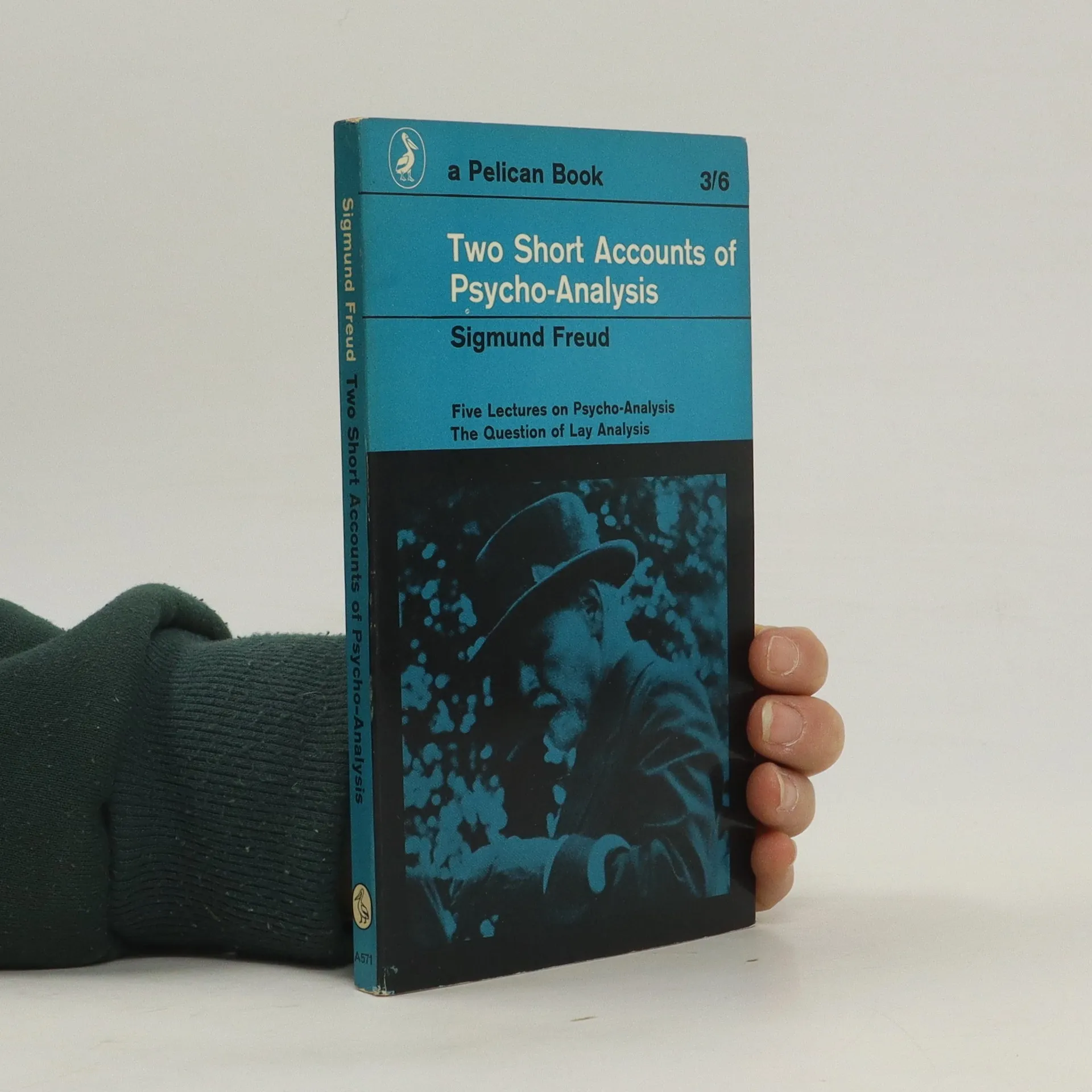
These two short accounts, written respectively in 1909 and 1926, are a good introduction to psychoanalysis for the general reader, for whom they were originally prepared.