


Explore the latest books of this year!
Bookbot

Kenneth McLeish

    January 1, 1940 – January 1, 1997

    Kenneth McLeish was a prolific translator and author, deeply engaged with classical Greek drama and the broader theatrical canon. His extensive output encompassed all surviving classical Greek plays, alongside significant works by Ibsen, Feydeau, and a host of other notable playwrights. McLeish's scholarly expertise shone through in his critical studies and translations, which made ancient drama accessible to contemporary audiences. He also contributed a substantial body of children's literature, demonstrating a wide-ranging literary versatility.

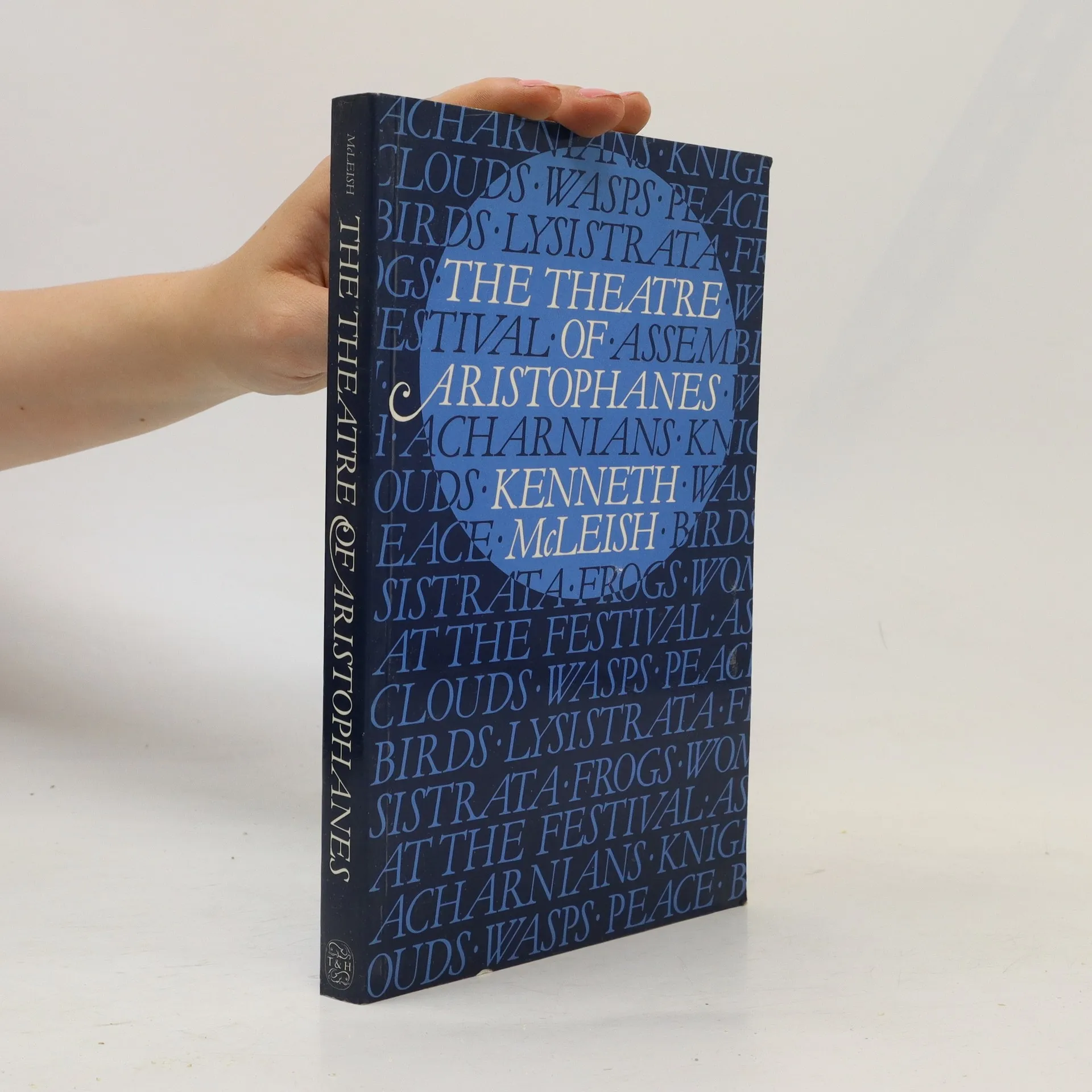
    The Theatre of Aristophanes
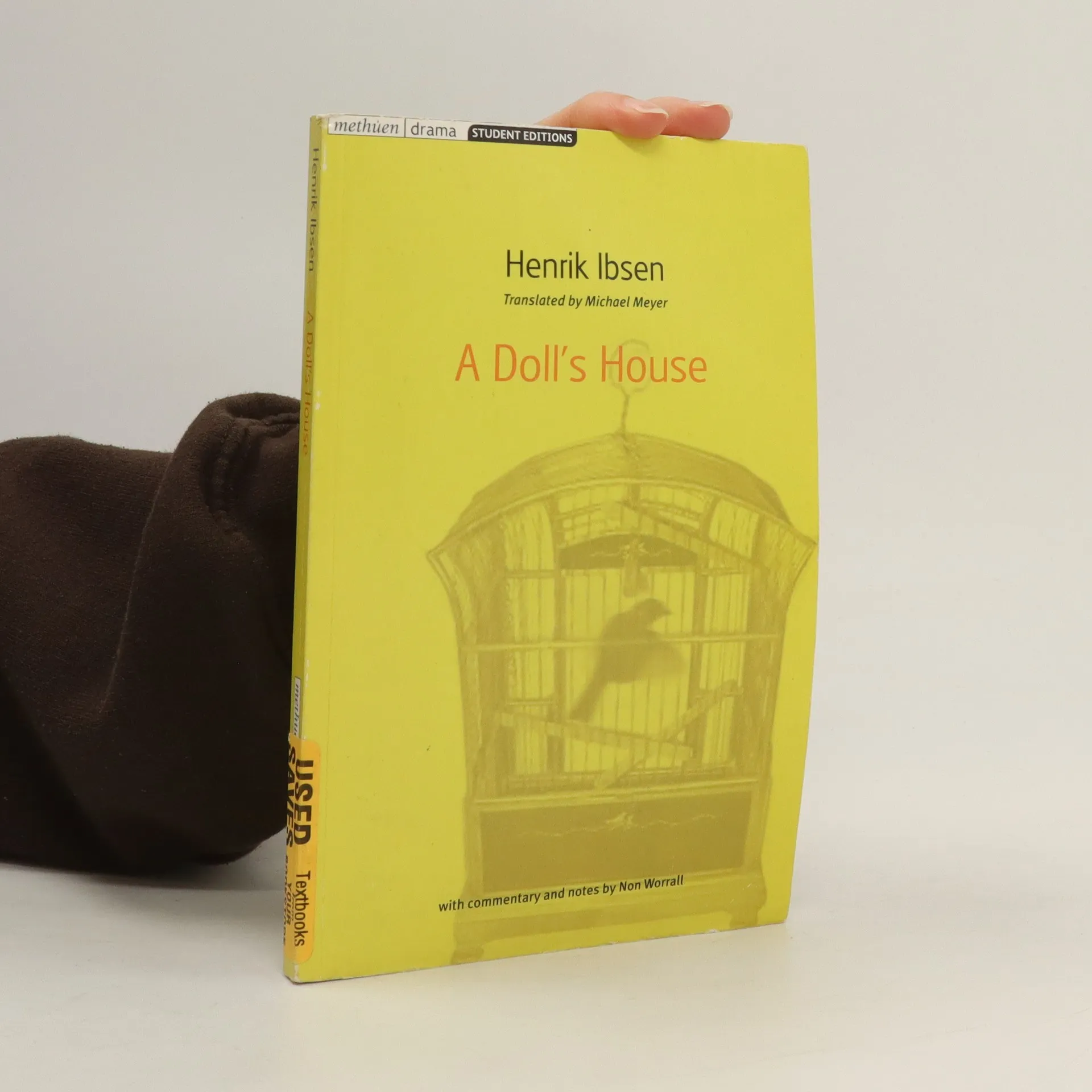
    A Doll's House
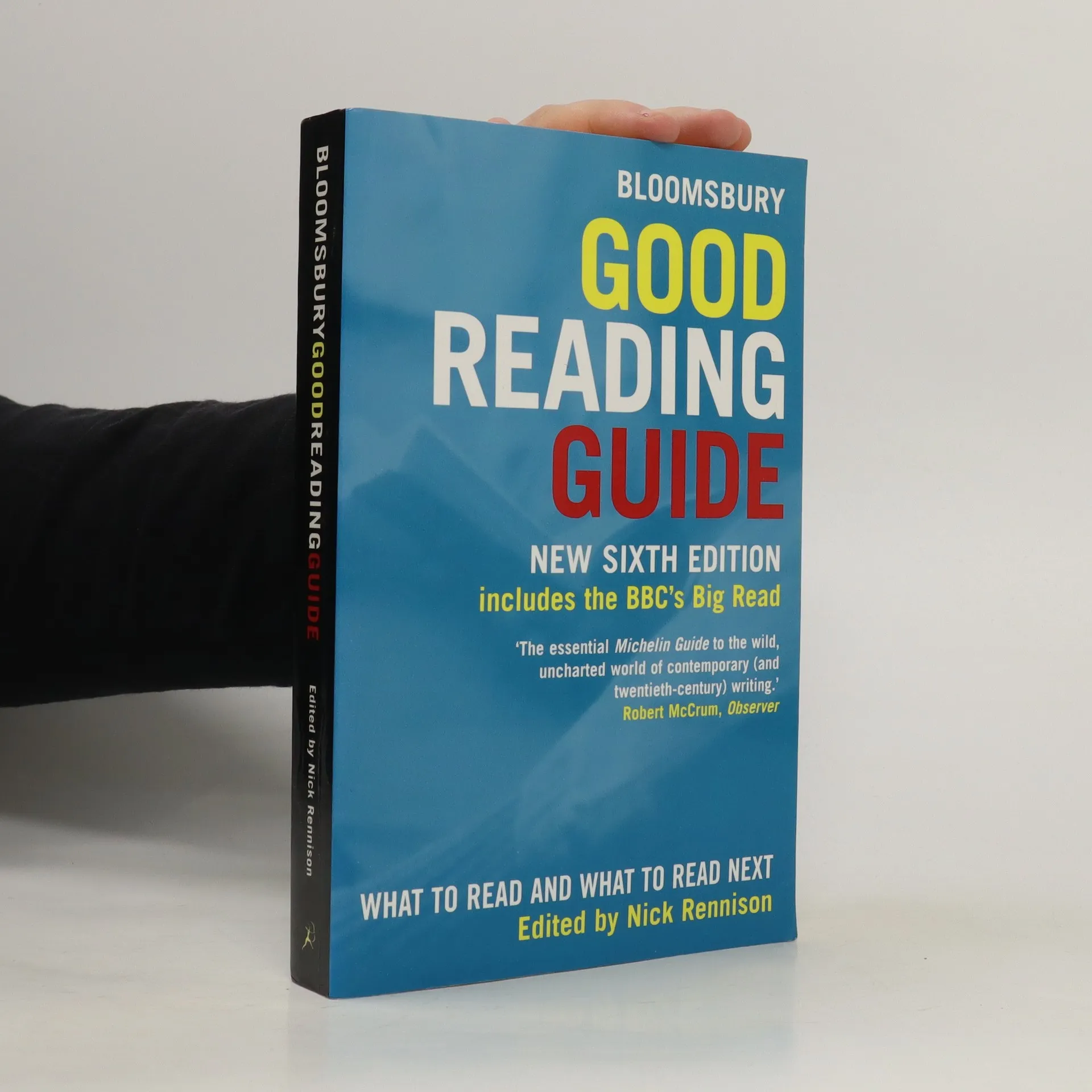
    Bloomsbury Good Reading Guide
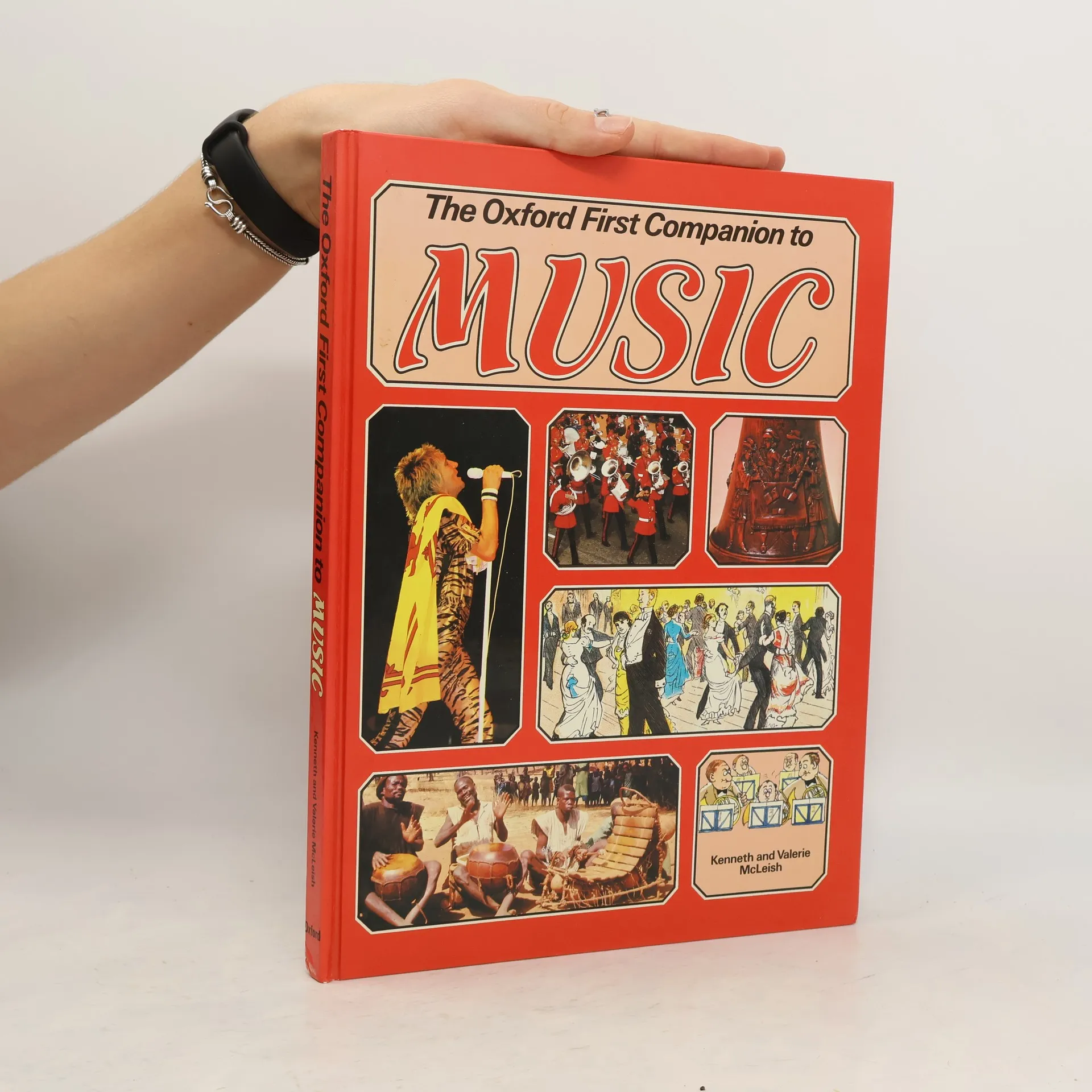
    The Oxford First Companion to Music
    • The Oxford First Companion to Music

      • 192 pages
      • 7 hours of reading

      The Oxford First Companion to Music is the first comprehensive music book for children under thirteen. Some of its special features are: * Content arranged by topic so that is can be read for interest as well as used for reference * "More about" boxes, referring to pages on related topics, to help with looking up facts * Numerous photographs and line drawings in full color, especially chosen to be informative rather than merely decorative * Over 50 short music examples, many easy enough to be picked out on a recorder or piano * Covers all kinds of music including music of the Far East and Africa as well as pop and jazz * Suggestions for music to listen to, a reminder that music is not just facts but an aural experience This is a book for all children who want to find out more about the music they enjoy through records, radio, television, or playing instruments.

      The Oxford First Companion to Music
      3.5
    • Bloomsbury Good Reading Guide

      • 352 pages
      • 13 hours of reading

      More than 350 major authors, from Margaret Atwood to Mile Zola, through Bruce Chatwin, Aldous Huxley, and Nevil Shute, are arranged in alphabetical order, each with a short article on style, influences, settings, theme, along with a list of their salient works. At the end of each entry, a Read On" section directs readers to similar works by other authors."

      Bloomsbury Good Reading Guide
      3.9
    • A Doll's House

      • 82 pages
      • 3 hours of reading

      A Doll's House by Henrik Ibsen A Doll's House is a three-act play in prose by Henrik Ibsen. It premiered at the Royal Theatre in Copenhagen, Denmark, on 21 December 1879, having been published earlier that month. The play is significant for its critical attitude toward 19th-century marriage norms. It aroused great controversy at the time, as it concludes with the protagonist, Nora, leaving her husband and children because she wants to discover herself. Ibsen was inspired by the belief that "a woman cannot be herself in modern society," since it is "an exclusively male society, with laws made by men and with prosecutors and judges who assess feminine conduct from a masculine standpoint." Its ideas can also be seen as having a wider application: Michael Meyer argued that the play's theme is not women's rights, but rather "the need of every individual to find out the kind of person he or she really is and to strive to become that person." In a speech given to the Norwegian Association for Women's Rights in 1898, Ibsen insisted that he "must disclaim the honor of having consciously worked for the women's rights movement," since he wrote "without any conscious thought of making propaganda," his task having been "the description of humanity."

      A Doll's House
      3.7
    • The Theatre of Aristophanes

      • 192 pages
      • 7 hours of reading

      Recreates the theater of Dionysos in Athens in the fifth century, B.C., the production and performance of Aristophanes' plays, and the conventions of acting at that time

      The Theatre of Aristophanes