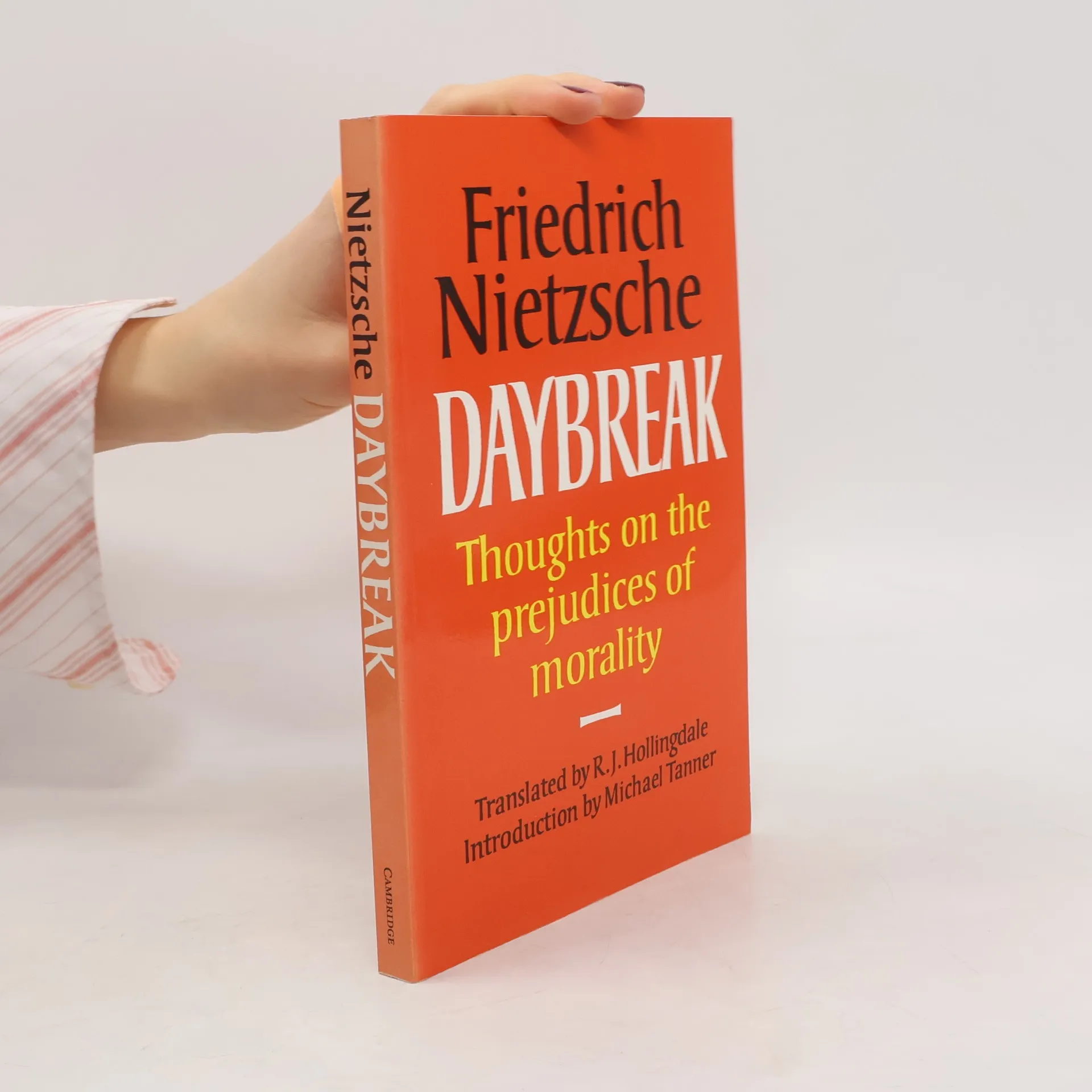
An entirely new translation of Nietzsche's fourth book, which falls in what is regarded as his "positivist" period. Especially notable for the advance it represents in his understanding of psychology.
R. J. Hollingdale Books
October 20, 1930 – September 28, 2001

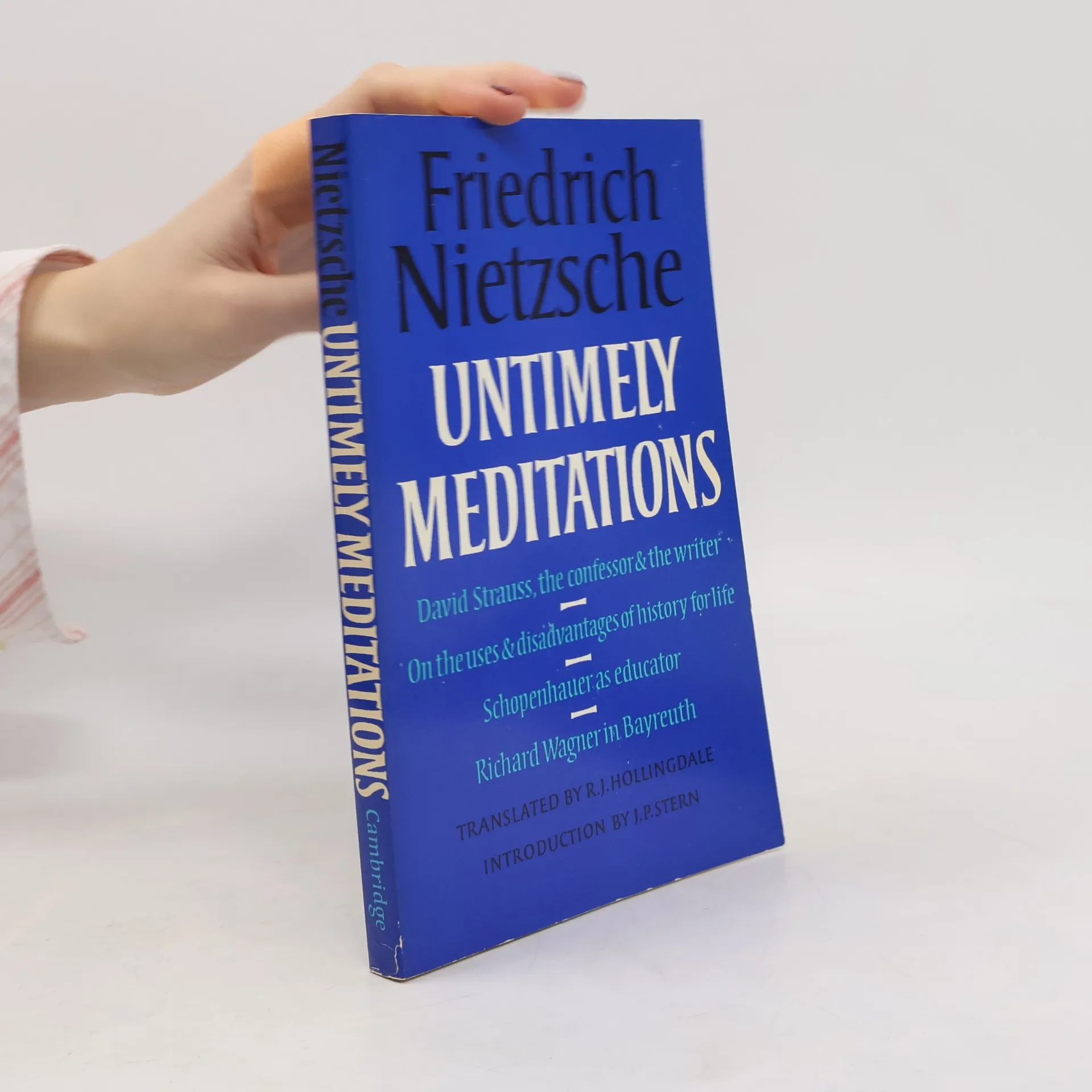
Untimely Meditations
- 289 pages
- 11 hours of reading
Innehåller: Otidsenliga betraktelser I-IV Vi filologer Om våra bildningsanstalters framtid Fem företal till fem oskrivna böcker Om sanning och lögn i utmmoralisk mening
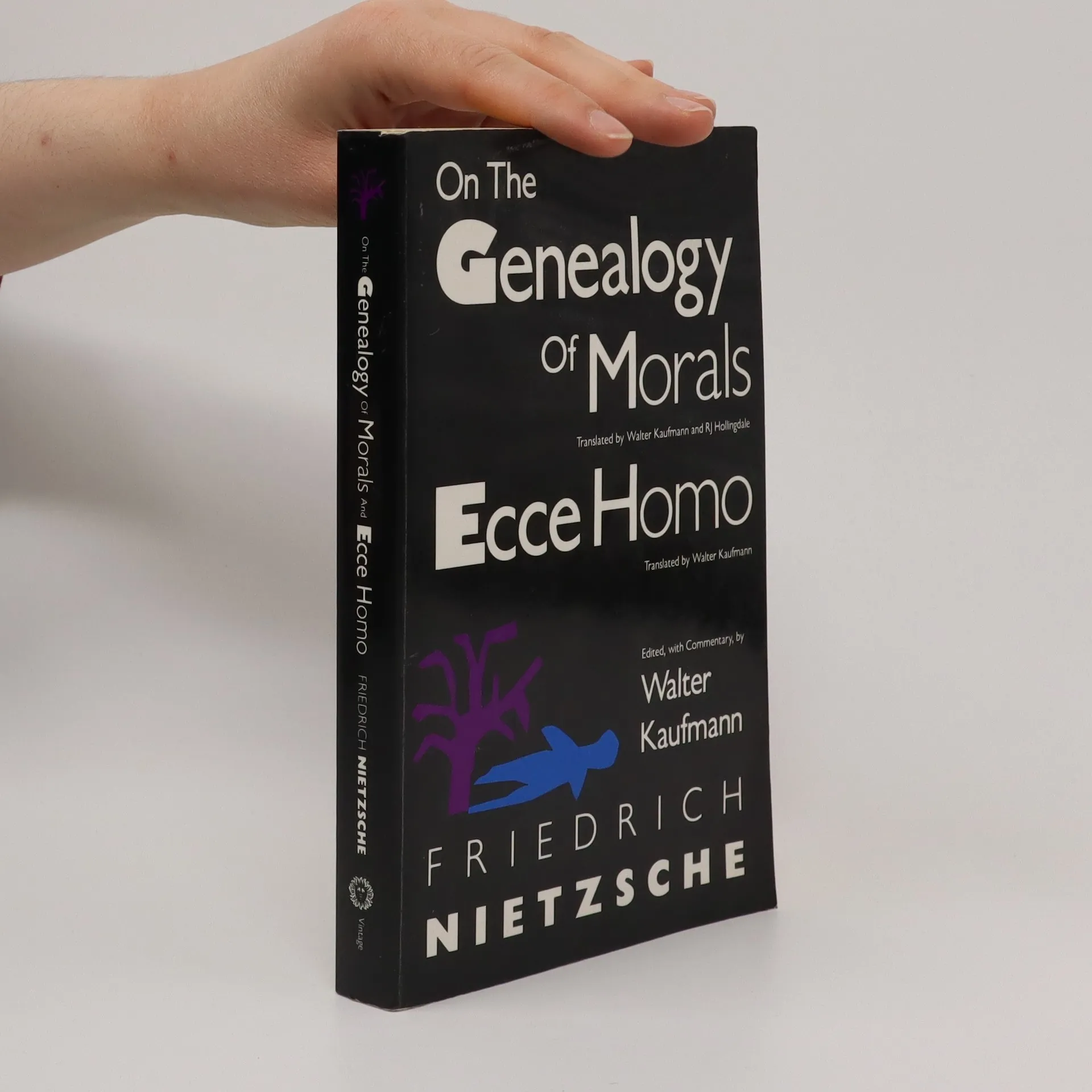
Masterful translations of the great philosopher’s major work on ethics, along with his own remarkable review of his life and works. On the Genealogy of Morals (1887) shows Nietzsche using philsophy, psychology, and classical philology in an effort to give new direction to an ancient discipline. The work consists of three essays. The first contrasts master morality and slave morality and indicates how the term "good" has widely different meanings in each. The second inquiry deals with guilt and the bad conscience; the third with ascetic ideals—not only in religion but also in the academy. Ecce Homo, written in 1898 and first published posthumously in 1908, is Nietzsche's review of his life and works. It contains chapters on all the books he himself published. His interpretations are as fascinating as they are invaluable. Nothing Nietzsche wrote is more stunning stylistically or as a human document. Walter Kaufmann's translations are faithful of the word and spirit of Nietzsche, and his running footnote commentaries on both books are more comprehensive than those in his other Nietzsche translations because these two works have been so widely misunderstood.
Human, All Too Human I
- 396 pages
- 14 hours of reading
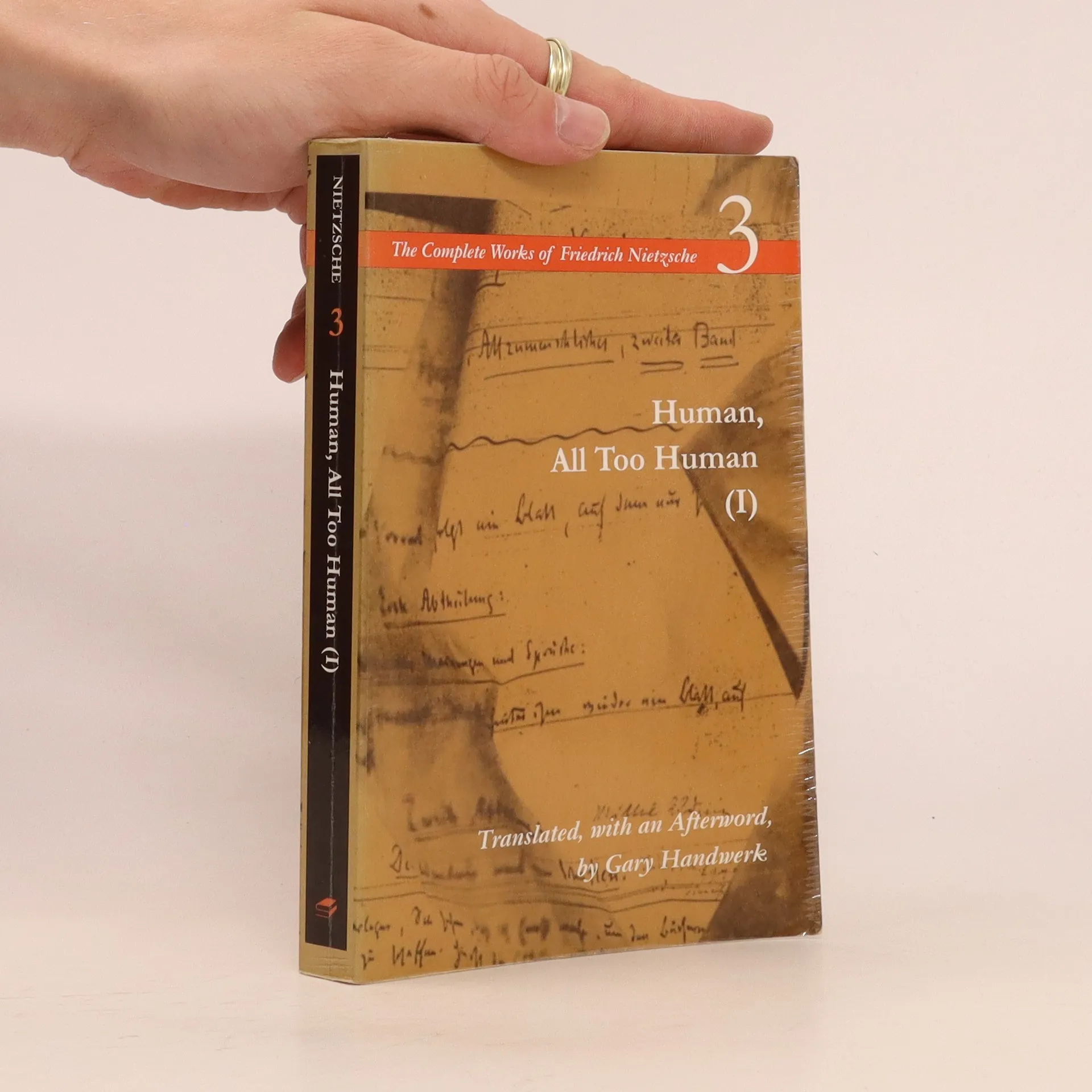
This is the second volume to appear in an edition that will be the first complete, critical, and annotated English translation of all of Nietzsches work. Volume 2: Unfashionable Observations, translated by Richard T. Gray, was published in 1995. The edition is a new English translation, by various hands, of the celebrated Colli-Montinari edition, which has been acclaimed as one of the most important works of scholarship in the humanities in the last quarter century. The original Italian edition was simultaneously published in French, German, and Japanese. This volume of Human, All Too Human, the first of two parts, is the earliest of Nietzsches works in which his philosophical concerns and methodologies can be glimpsed. In this work Nietzsche began to establish the intellectual difference from his own cultural milieu and time that makes him our contemporary. Published in 1878, it marks both a stylistic and an intellectual shift away from Nietzsches own youthful affiliation with Romantic excesses of German thought and culture typified by Wagnerian opera.
The will to power
- 528 pages
- 19 hours of reading
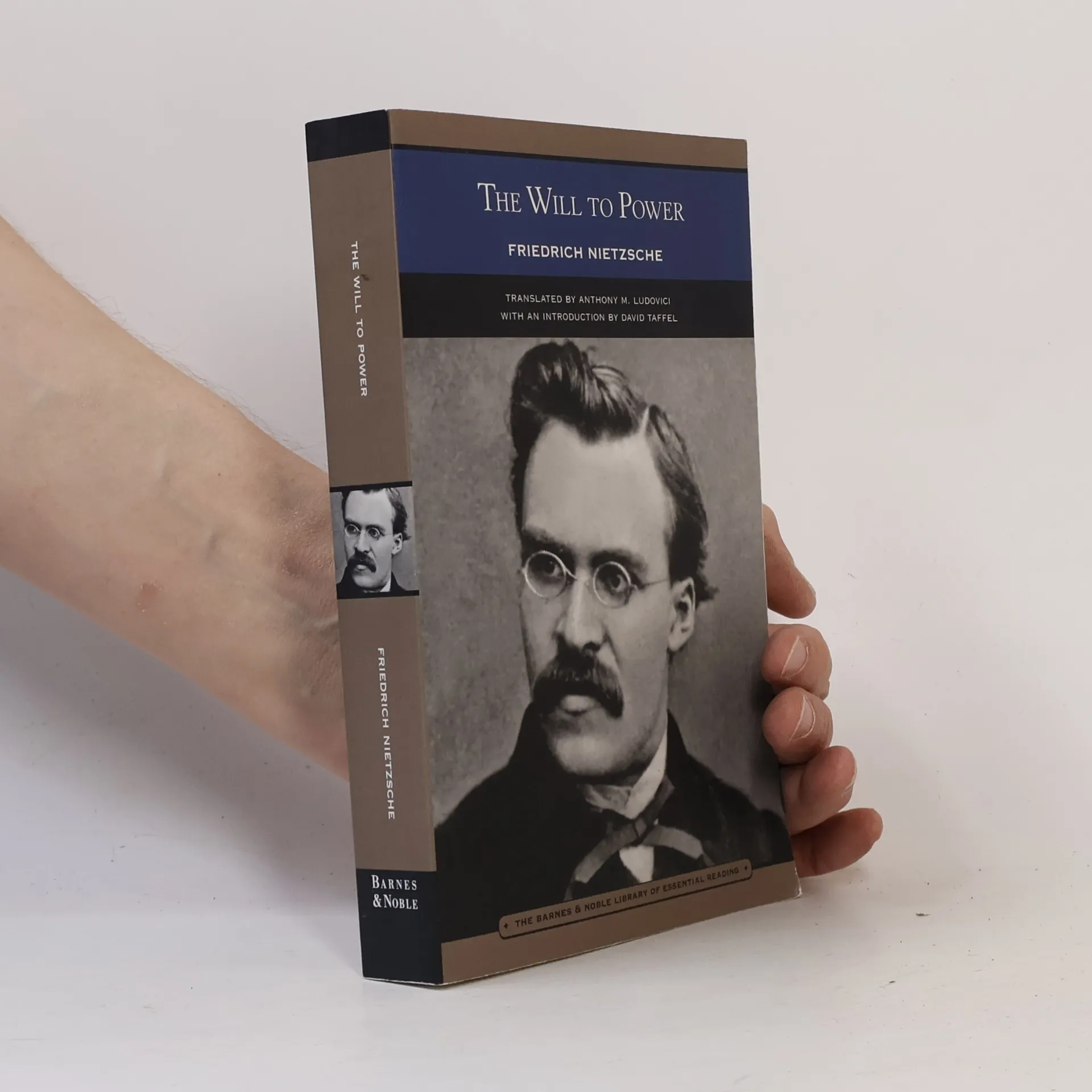
Heralds the decline of modern Western civilization. In this book, nihilism - the uncanny and pervasive feeling that life is devoid of all meaning, purpose, and value - is subjected to a thoroughgoing and multifaceted examination.
On the suffering of the world
- 144 pages
- 6 hours of reading
A collection of essays by Schopenhauer on the perception of the importance of art, morality and self awareness in a blind struggle against a Godless, meaningless world radically transformed our understanding of the individual and remains a searing vision of the human condition.
Before the Storm
- 744 pages
- 27 hours of reading
This was the first of Fontane's sixteen novels, most of which became classics of the realist genre. Set in Berlin, shortly before the Prussians rebelled against Napoleon, the novel resembles War and Peace. This World's Classics edition is the first and only available in Englishtranslation.
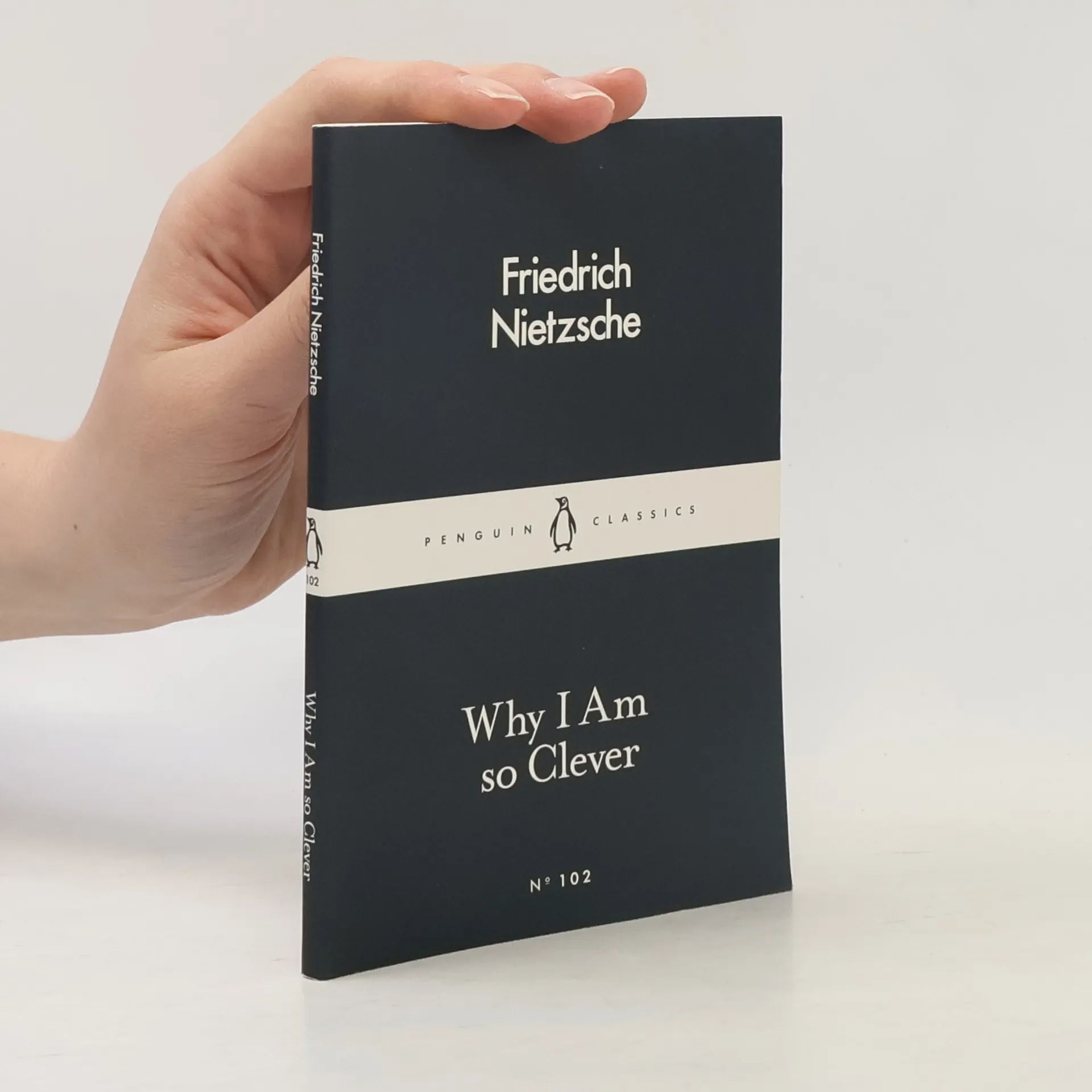
Why I Am So Clever
- 64 pages
- 3 hours of reading
"Self-celebrating and self-mocking autobiographical writings fromaEcce Homo, the last work iconoclastic German philosopher Nietzsche wrote before his descent into madness. "
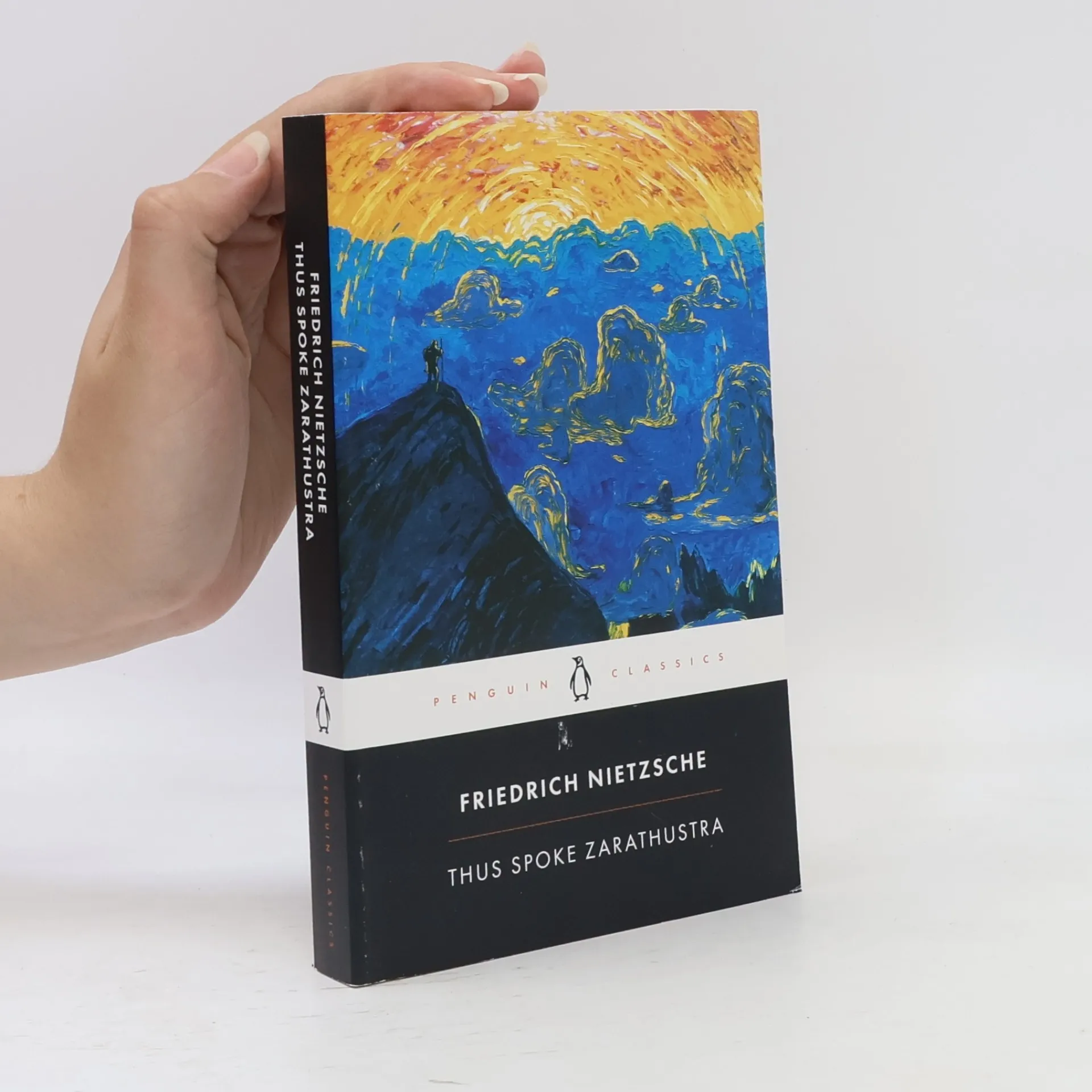
The ancient Persian prophet Zarathustra descends from the mountains to tell the world that God is dead and that Superman, the human embodiment of divinity, is his successor. Nietzsche argues that the meaning of existence is not religious
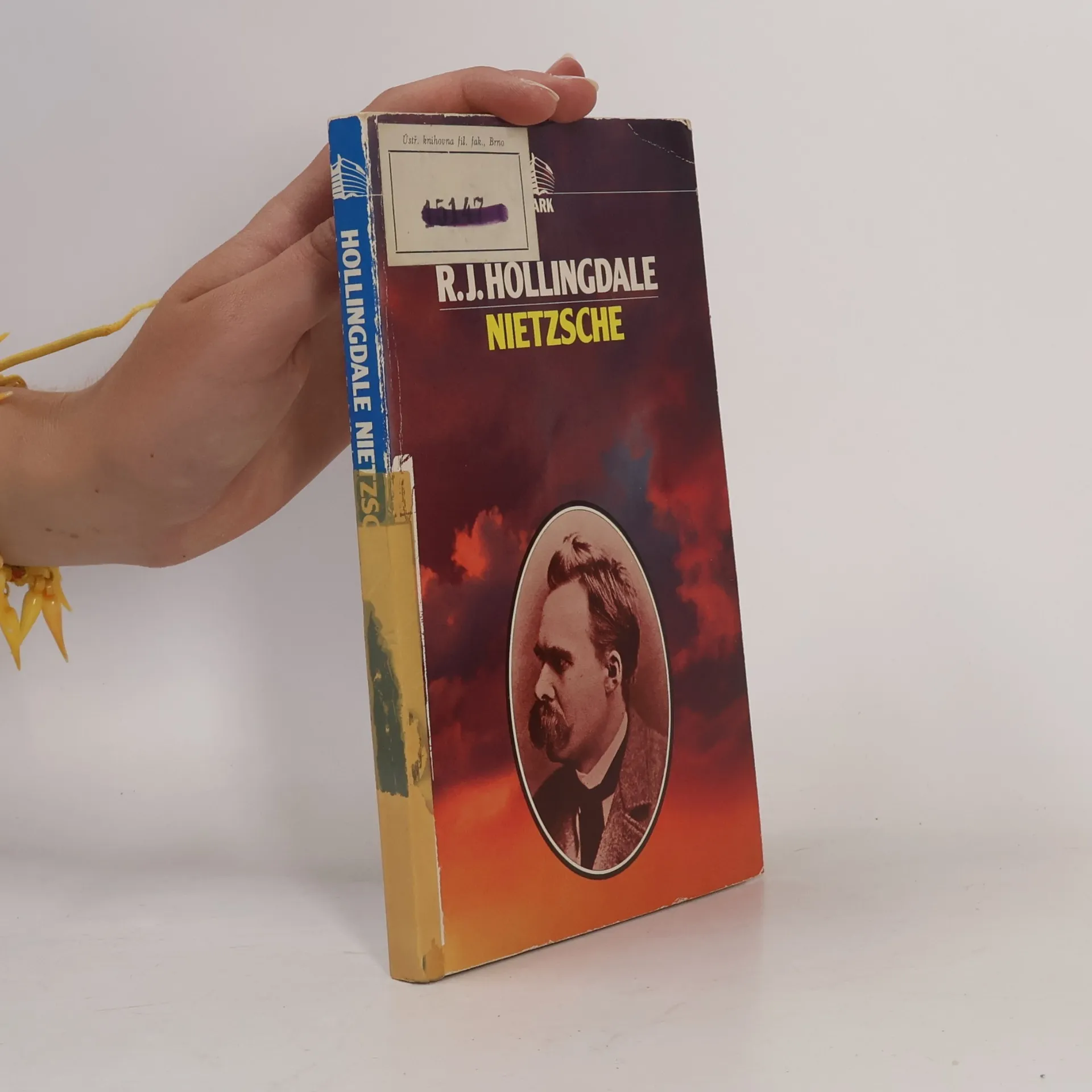
Hollingdale's biography remains the single best account of the life & works for the student or nonspecialist. This classic biography of Nietzsche was 1st published in the 60s & was enthusiastically reviewed at the time. The biography chronicles Nietzsche's intellectual evolution & discusses his friendship & breach with Wagner, his attitude toward Schopenhauer & his indebtedness to Darwin & the Greeks. It follows the years of his maturity & his mental collapse in 1889. The final part of the book considers the development of the Nietzsche legend during his years of madness. R.J. Hollingdale, one of the preeminent translators of Nietzsche, allows Nietzsche to speak for himself in a translation that transmits the vividness & virtuosity of Nietzsche's many styles. This is the ideal book for anyone interested in his life & work who wishes to learn why he is such a significant figure for the development of modern thought. R.J. Hollingdale has translated & edited several of Nietzsche's texts, as well as other prestigious German thinkers. Hollingdale worked in the editorial department of the Guardian for over twenty years & has written book reviews for the Guardian & the Times Literary Supplement.
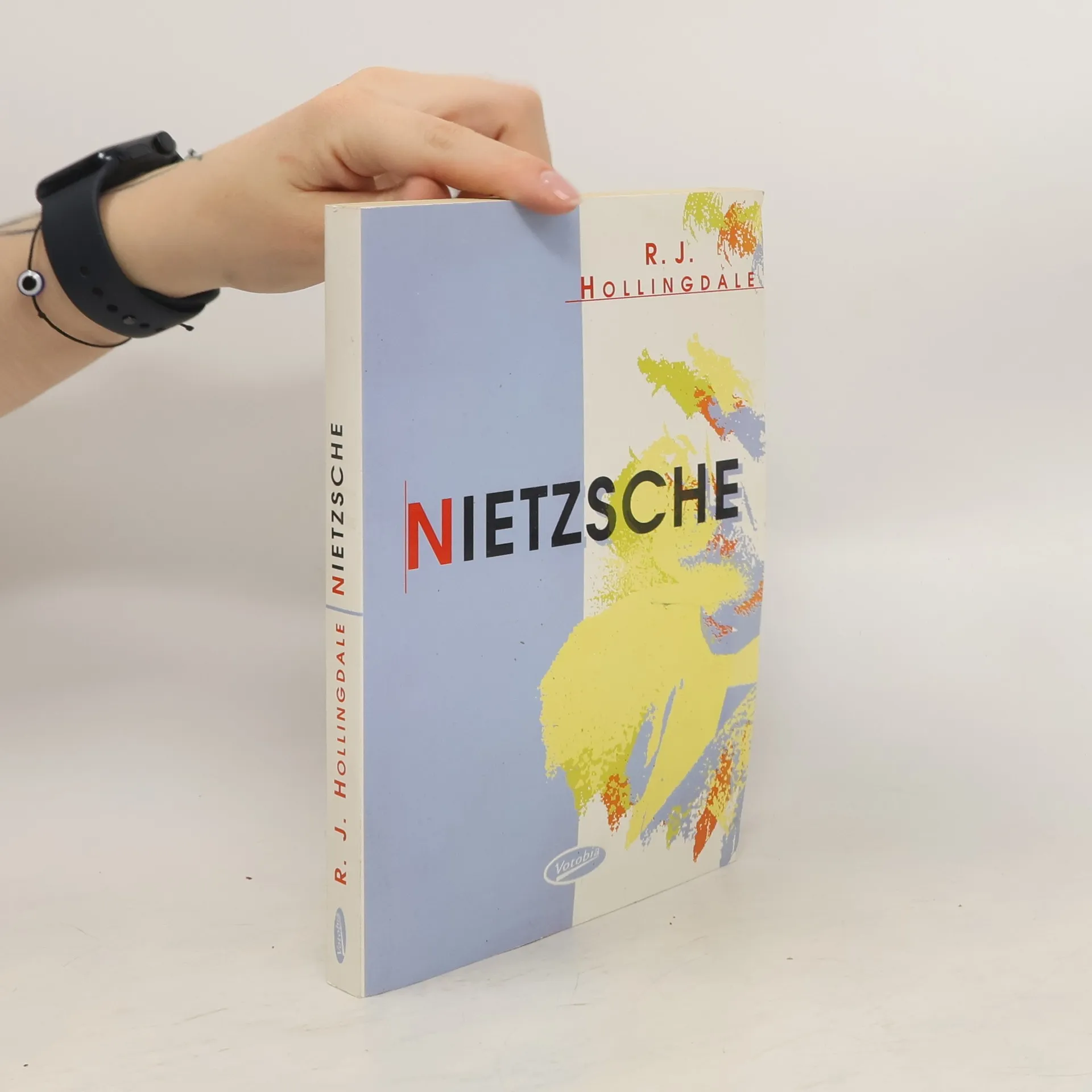
Literatura o Nietzschem je rozsáhlá a neustále se rozrůstá. Existuje množství různých a mnohdy nesmiřitelných teorií o jeho filosofii, ale R. J. Hollingdale se domnívá, že úvod k Nietzschemu by se neměl stát úvodem k jeho komentátorům a kritikům. Namísto polemik uvádí co nejvíce citací: účelem knihy je přimět čtenáře, aby si přečetl Nietzscheho sám a stal se sám sobě vykladačem jeho díla. Tato obsáhlá monografie o jedné z nejvýznamnějších postav filosofie 19. století, která měla obrovský vliv na sociokulturní formování století našeho, je považována odbornou veřejností za jednu z nejlepších na dané téma. Zvláštní pozornost autor věnuje vztahu mezi Nietzscheho filosofickým dílem a utvářením politických schémat a jejich pohybu, jež souvisely s oživováním zájmu o tohoto myslitele. Hollingdale neopomíjí ani další Nietzscheho aktivity: poezii, filologii či zájem o hudbu.