

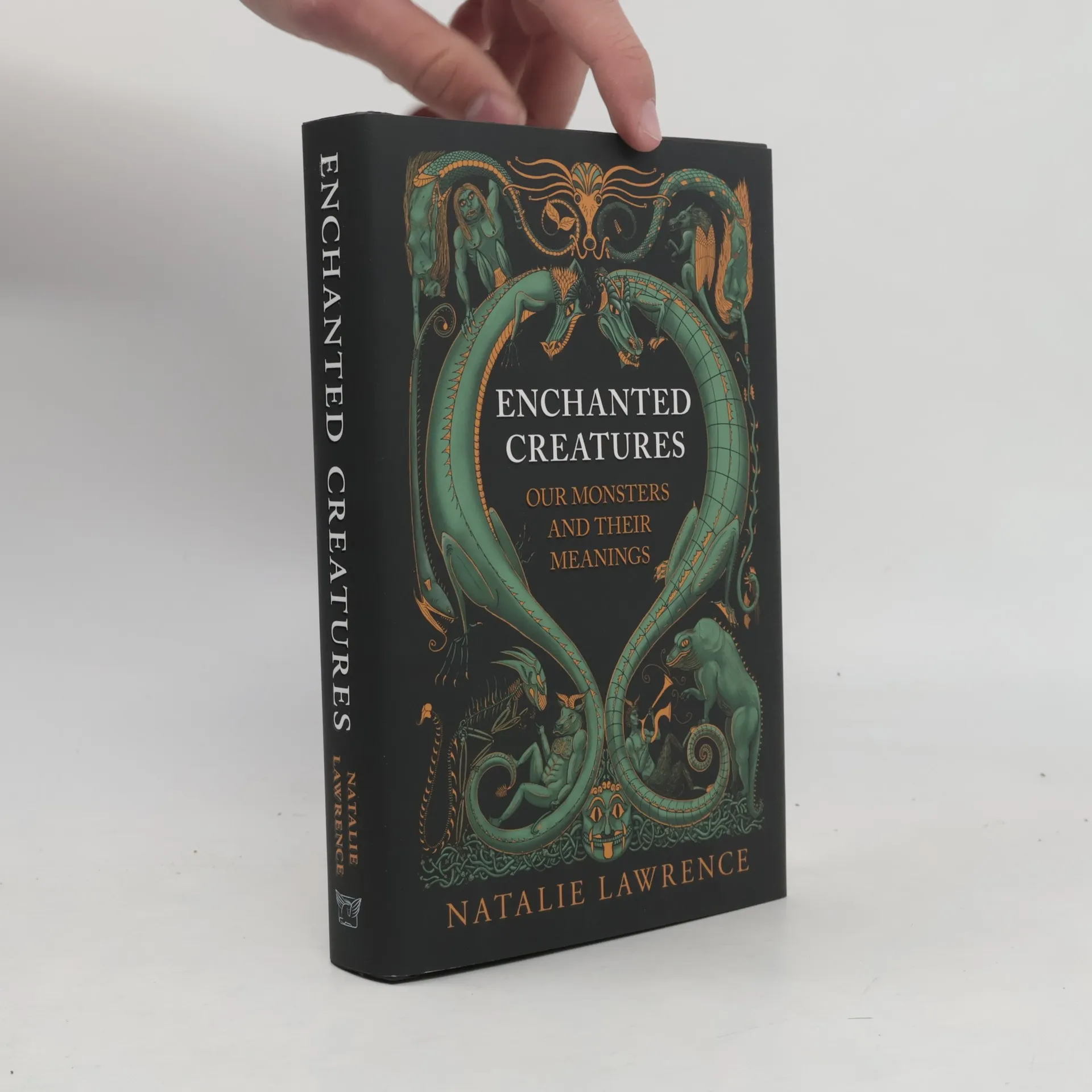
A fascinating journey through 15,000 years of human imagination and mythology, exploring the incredible variety of monstrous creatures we have created and what they can tell us about ourselves. The hydra rears its many heads in a flurry of teeth and poisonous fumes. The cyborg lays waste to humanity with a ruthless, expressionless stare. From ancient mythology to modern science fiction, we have had to confront the monsters that lurk in the depths of our collective imagination. They embody our anxieties and our irrational terrors, giving form to what we don't wish to know or understand. For millennia, monsters have helped us to manage the extraordinary complexity of our minds and to deal with the challenges of being human. In Enchanted Creatures, Natalie Lawrence delves into 15,000 years of imaginary beasts and uncovers the other-worldly natural history that has evolved with our deepest fears and fascinations. Join Lawrence on a tour of prehistoric cave monsters, serpentine hybrids, deep-sea leviathans and fire-breathing Kaiju. Discover how this monstrous menagerie has shaped our minds, our societies and how we see our place in nature.
Natalie Lawrence Books

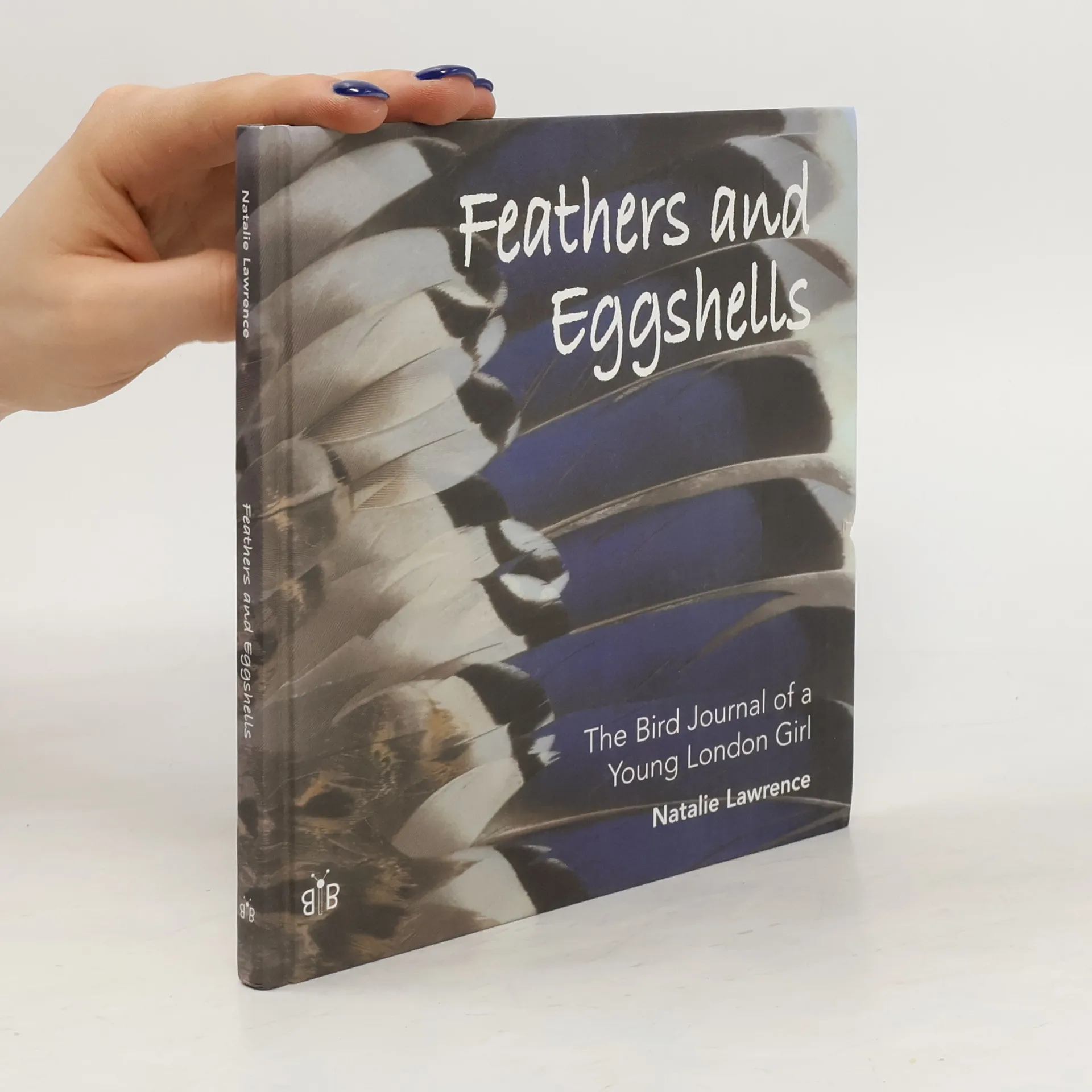
Feathers and Eggshells
- 72 pages
- 3 hours of reading
Aims to take us on a tour of the author's favourite bird watching area - Hampstead Heath in London - a suburban haven for wildlife, comprising different habitats for birds. This title reveals the beauty and diversity of the local bird life, using drawings and photographs, prose and poetry, and is for those who love birds in a natural setting.
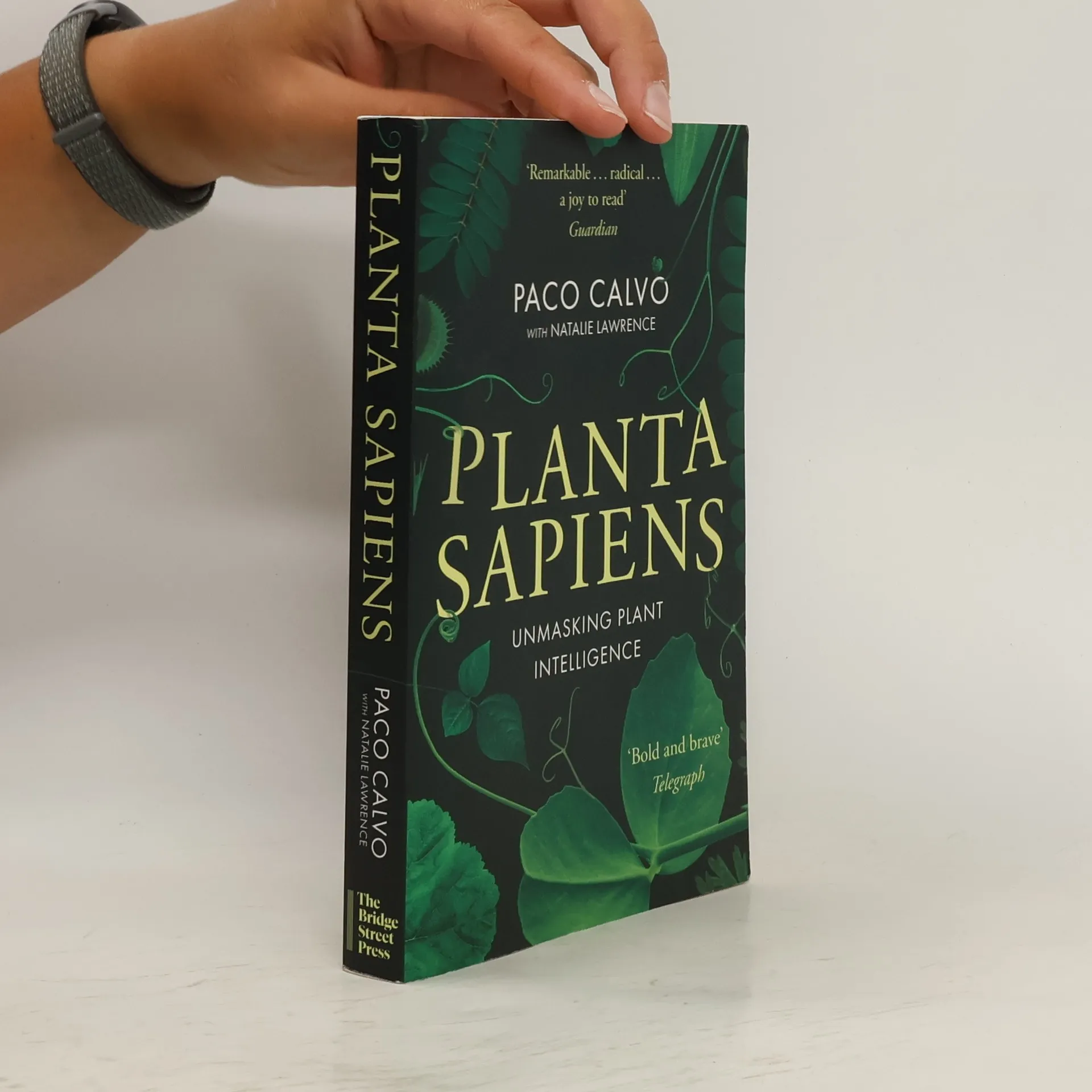
Planta Sapiens
- 282 pages
- 10 hours of reading
An astonishing window into the inner world of plants reveals cutting-edge science in plant intelligence. Research shows that plants communicate, manipulate other species, and move in sophisticated ways. Although they lack brains, their internal systems resemble neuronal networks, allowing them to learn, remember, and behave in flexible, goal-directed manners. Paco Calvo, a leading figure in plant signaling and behavior, offers a fresh perspective on plant intelligence, utilizing tools from animal cognition studies to deepen our understanding. For instance, wild strawberries can learn to associate light intensity with nutrient levels, and flowers can time their pollen production to coincide with pollinator visits. Plants exhibit social intelligence by releasing chemicals to communicate and identify one another. They make growth decisions based on resource availability and even display individual preferences, suggesting they have personalities. Calvo also explores how plants inspire advancements in technology, from robotics to AI. Most importantly, he argues that recognizing plants as active participants in the climate crisis—rather than mere resources—can help us address urgent environmental challenges.